
Reviewed · DIANI & COAST BEACH TRIPS
Mombasa: Tusks, Fort Jesus, Old Town, Beach and City Tour
Mombasa’s story comes into focus as you move from the Portuguese-built walls of Fort Jesus to the narrow lanes of Old Town, then out into the noise and color of Marikiti Market. This is not just a stop-and-photo city ride. It gives you a useful look at how Portuguese, Omani Arab, Swahili, and modern Kenyan influences meet on the coast.
I like the way the tour mixes major sights with ordinary city life, especially the spice market and the short tuk-tuk ride between stops. I also like the personal touch from guides such as Juma, who helps with photographs, answers questions, and adds context about present-day Mombasa. The main consideration is that markets and Old Town can feel intense, and Fort Jesus admission, meals, and personal purchases are not included.
Key points to know before booking
- Fort Jesus gives the tour its historical backbone, with Portuguese construction, Omani Arab connections, museum displays, and Indian Ocean views.
- Marikiti Spice Market is a full sensory stop, with spices, produce, local foods, vendors, and the chance to taste and buy items.
- Juma is often the guide, though other guides such as Bornface or Kassim may lead the tour.
- Tuk-tuk transport adds local character, taking you from the market toward the tusks and Mamangina Beach.
- Pembe za Ndovu makes an easy photo stop, while also explaining one of Mombasa’s best-known city symbols.
- The $30 price is strong value if you want transport, a guide, tasting, photography help, and several central sights in one outing.
Fort Jesus puts Mombasa’s past into view
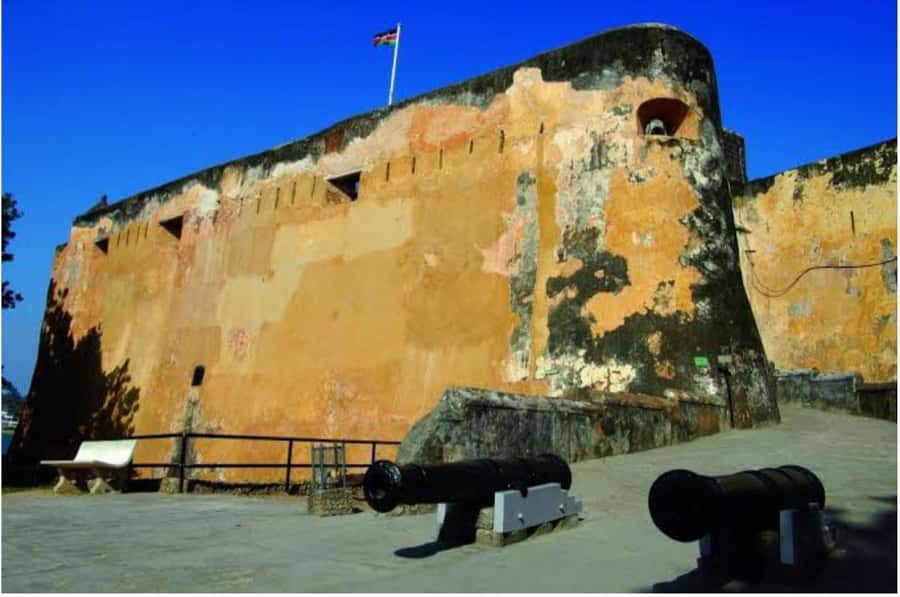
The tour usually gives Fort Jesus a serious amount of attention, and that is the right choice. Built by the Portuguese in the late 16th century, the fort now houses a museum about the coast and its people.
You walk through the fort with a guide rather than simply circling the outside walls. Expect explanations about the Portuguese presence, Omani Arab influence, and the changing control of Mombasa. The setting helps: from the fort, you can look toward the Indian Ocean and understand why this port mattered to so many powers.
The museum is a useful introduction to the coast before you visit the market and Old Town. Displays and the structure itself connect military history with local life, trade, and the movement of people across the ocean. I value that sequence because Mombasa can otherwise seem like a collection of attractive stops without a clear thread linking them.
Fort Jesus admission is not included in the tour price. You should allow extra money for the entrance ticket, though the exact fee is not given here. If you care most about history, ask your guide to spend time on the fort rather than rushing through it.
The fort can also be warm, and some walking is required. Wear practical shoes and bring water. A bottle or soft drink is included, but the coastal heat still makes sun protection sensible.
More coast days around Mombasa:
- 2 Days Tsavo East National Park Tour From Mombasa/Diani (1 Night)
★ 5.0 · 50 reviews - Moi International Airport To Diani Beach Taxi Services
★ 5.0 · 41 reviews - Watamu Marine Park & Sudi Island Mangrove Forest Canoe Ride.With sea food lunch
★ 4.5 · 31 reviews
Old Town reveals Mombasa’s layered identity
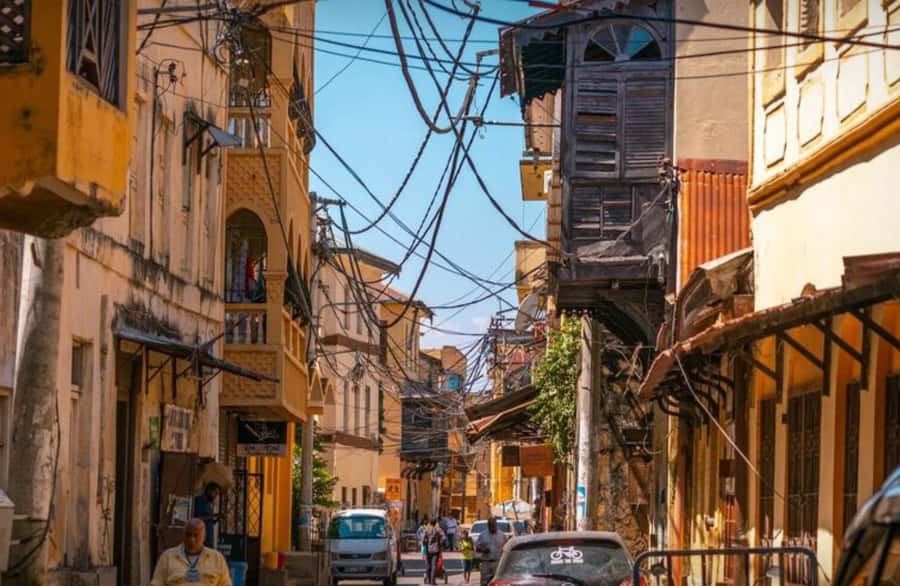
From Fort Jesus, the tour moves through Mombasa Old Town. This is where the city feels most distinct. Narrow streets, Swahili architecture, old doors, antique shops, small businesses, and religious landmarks create a setting very different from the beach resorts around the island.
The route includes the Mandhry Mosque and time to walk through the lanes. Your guide can explain what you are seeing instead of leaving you to guess at the details of the buildings. That matters in Old Town, where a quick walk can easily become a series of photographs with little understanding behind them.
You may also visit an antique shop and browse souvenirs. This is a chance to see objects connected with the coast’s trading past, though you should treat shopping as optional. Personal purchases are not included, and you may prefer to look rather than buy.
Old Town is not polished in the way a purpose-built tourist quarter might be. Streets can be crowded, markets can feel noisy, and the experience is more about seeing a working part of Mombasa than finding a quiet heritage site. I consider that an advantage, but it may test your patience if you want a calm, carefully staged tour.
Dress respectfully around religious sites and follow your guide’s advice about photography. One person described feeling uncomfortable when somebody filmed her at a wood-carving stop connected with the wider tour. That is a useful reminder to stay aware, ask before photographing people, and tell your guide immediately if anything feels intrusive.
Marikiti Market brings the strongest local flavor
Marikiti Spice Market is one of the most engaging parts of the day. The market is known for spices, fresh produce, and local goods, so you experience Mombasa through smell, sound, color, and conversation rather than through monuments alone.
Your guide explains the spices and may arrange tasting. You can walk among vendors, see fresh food being sold, and ask questions about ingredients used in Swahili cooking. There is also time to buy produce, spices, or small souvenirs if something catches your eye.
This stop works best when you treat it as a cultural visit, not simply a shopping trip. The market shows how food and trade remain part of daily life in the city. It also gives you a chance to ask about Swahili customs and coastal cuisine in a relaxed setting.
The market may feel overwhelming at first, particularly if you are new to Kenya. Keep your belongings close, stay with the group, and let your guide manage the route. If you are sensitive to crowds or strong smells, take your time and do not feel obliged to taste or buy anything.
A local drink, sweets, samosas, or doughnuts may be available during the day, but meals and drinks beyond the stated bottled water or soft drink are not included. The tour can sometimes include a drink or a local meal by arrangement, but you should budget separately rather than count on it.
A tuk-tuk ride changes the pace
The included tuk-tuk ride takes you from the spice market toward Pembe za Ndovu and Mamangina Beach. This short transfer is more than a practical connection. It lets you experience one of Mombasa’s familiar forms of city transport and gives your feet a break after walking through the fort, market, and Old Town.
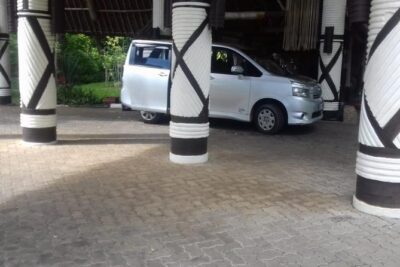
The tour includes hotel pickup and drop-off, but the exact vehicle used for the first and final transfers can vary. One booking included pickup from a train station in a car, while other arrangements used hotel pickup in areas such as Nyali. Confirm your pickup point in advance, especially if you are arriving by train or staying outside central Mombasa.
The ride itself is not the reason to book the tour, but it adds a local touch that a private car-only itinerary would miss. It also helps the day cover several parts of the city without turning every movement into a long walk.
More city-side trips in Mombasa:
- Mombasa City Tour
★ 5.0 · 170 reviews - Mombasa: Private City Tour with Fort Jesus & Haller Park
★ 4.6 · 24 reviews - Mombasa Half Day City Tour
★ 4.5 · 23 reviews - Mombasa Half-Day City Tour with Fort Jesus and Haller Park
★ 5.0 · 23 reviews
Pembe za Ndovu is Mombasa’s easy photo stop
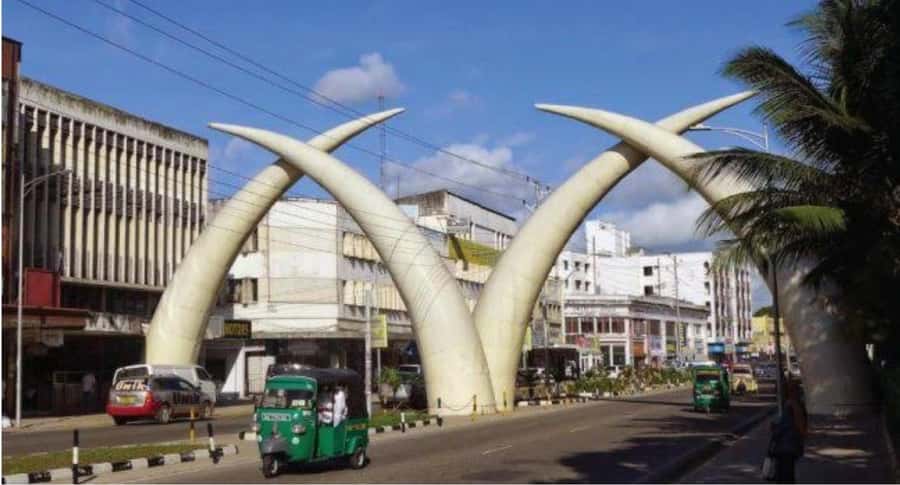
Pembe za Ndovu means elephant tusks, and these large aluminum arches are among Mombasa’s best-known symbols. The tusks were erected in 1952 to mark Queen Elizabeth’s visit to the city.
You stop here for photographs and a short explanation of their history. Photography assistance is included, which is useful if you are traveling as a couple or small group and want more than quick phone snapshots. Guides such as Juma are particularly attentive to helping guests get memorable pictures.
The tusks are not a long museum visit. Think of them as a brief city landmark stop, best paired with the explanation of how Mombasa presents its colonial and royal connections. Traffic and city activity form part of the setting, so this is not a quiet monument in a park.
That short length is actually helpful. After the fort and market, you get a clear, simple photo opportunity without adding another lengthy attraction. Keep expectations realistic: the value comes from the symbol and the guide’s context, not from spending a great deal of time at the site.
Mamangina Beach offers a cooler finish
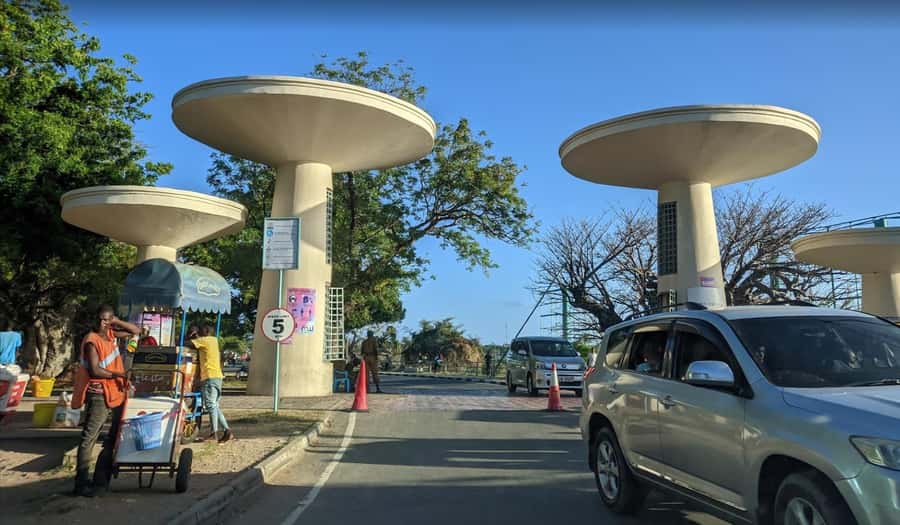
Mamangina Beach gives the itinerary breathing room. Here, you can feel the coastal breeze, watch ferries carry people across the water, and look toward ships arriving at Mombasa’s port.
This is not presented as a swimming or resort beach experience. It is a waterfront stop where you watch city life unfold across the channel. The ferries and port traffic make it a useful reminder that Mombasa is still a working harbor, not only a holiday destination.
I like this ending because it shifts the focus from walls, markets, and streets to the water that shaped the city. You can take photographs, rest for a moment, and ask your guide about the port and transport across the channel.
Food is not included, though local snacks or drinks may be available separately. If you want a full meal, plan to pay extra. The waterfront is best enjoyed as a short, relaxed stop rather than as a replacement for a dedicated beach day.
How the guides shape the experience
The guide is a major part of the value here. Juma is the name most often associated with the experience, and he is described as friendly, organized, flexible, and passionate about Mombasa. He is also studying tourism management, which helps explain the care he brings to the historical and cultural details.
Juma has been flexible with the order and length of the tour. Some outings lasted around four hours, while others ran longer than the initial estimate. He has also helped with extra stops, local food, drinks, and practical city orientation when time allowed.
Other guides named for this experience include Bornface and Kassim, so you should not assume Juma is guaranteed on every date. The common thread is an English-speaking local guide who can lead the walking portions, explain the sites, and help with photographs.
The small-group feel is another advantage. If the date is not busy, the outing may operate as a private or nearly private tour. That gives you more room to ask questions and adjust the pace. Still, flexibility depends on the guide and the day, so treat extra stops as possible rather than promised.
What the $30 price really covers
At $30 per person, this is a good-value city introduction if you want several central sights in one outing. You receive hotel pickup and drop-off, a professional English-speaking guide, photography assistance, bottled water or a soft drink, internet, a tuk-tuk ride, and spice information with tasting.
The strongest value comes from combining a guide and transport. You could visit some of these places independently, but you would need to organize movement between them and find your own explanation of the fort, Old Town, market, and tusks. The guide also helps you get your bearings if you plan to return to Mombasa on your own later.
The price does not cover Fort Jesus admission, meals, extra drinks, or purchases. Those costs are not unusual, but they can make the final spend higher than the headline figure. Carry some extra cash for the fort, snacks, souvenirs, or a local meal.
The tour earns a 4.7 rating from 137 ratings, with especially strong praise for the guides’ organization, friendliness, cultural explanations, and help with photography. The practical takeaway is simple: the guide is central to the value, so confirm the meeting details and guide assignment before you set your expectations.
Who should book this Mombasa city tour?
I would choose this experience if you have one day or part of a day in Mombasa and want a broad introduction rather than a single attraction. It suits first-time visitors, cruise or train arrivals, couples, solo visitors, and anyone who wants help understanding the city before exploring independently.
It is also a good fit if you enjoy walking, markets, architecture, and history more than resort-style sightseeing. You get a real mix: a Portuguese fort, Omani and Swahili influences, a working market, a famous city landmark, tuk-tuk transport, and a harborfront view.
You may prefer another option if you want a slow beach day, a private food tour, or a quiet museum visit with no market crowds. The itinerary covers a lot, and its strength is variety. That also means some stops are short and the day can feel full.
Reserve with realistic expectations about the pace. Wear comfortable shoes, bring sun protection, keep small belongings secure, and leave room in your schedule if the tour runs beyond three hours. You can reserve now and pay later, and cancellation is available up to 24 hours before the tour for a full refund.
Should you book it?
Book this tour if you want an affordable, well-filled introduction to Mombasa and value a local guide who can connect landmarks with everyday life. Fort Jesus, Old Town, Marikiti Market, Pembe za Ndovu, and Mamangina Beach make a sensible first look at the city.
I would be especially happy to book it with Juma, but I would also confirm which guide is assigned on your date. Skip it only if you dislike walking, markets, or a schedule that may stretch beyond the planned time. For most first visits, the mix of history, food culture, transport, and harbor views makes the $30 price worthwhile.
FAQ
How much does the Mombasa city tour cost?
The tour costs $30 per person.
What places does the tour visit?
The itinerary includes Fort Jesus Museum, Mombasa Old Town, Marikiti Spice Market, Pembe za Ndovu, and Mamangina Beach.
Is Fort Jesus admission included?
No. The entry fee for Fort Jesus Museum is not included in the tour price.
Is hotel pickup included?
Yes. Hotel pickup and drop-off are included.
Is transportation included between the stops?
Yes. A tuk-tuk ride from the spice market to the tusks and Mamangina Beach is included.
What language is the tour offered in?
The tour is offered in English.
Is food included?
No. Meals and extra drinks are not included. Bottled water or a soft drink is included.
Is spice tasting included?
Yes. Spice information and tasting are included at the market.
How long does the tour last?
The tour is generally described as lasting around three to four hours, though it may run longer depending on the schedule and any added stops.
Can I cancel the tour for a full refund?
Yes. You can cancel up to 24 hours in advance for a full refund.
Just added around Mombasa
- MOMBASA:FortJesus,OldTown,SpiceMarket, Shiva Temple DayTour.★ 4.9 · 11 reviews
- Mombasa:Street food Experience★ 4.7 · 14 reviews
- MOMBASA:FortJesus,OldCity,GiraffeOstrich,Oryx,Eland,WildTour★ 4.8 · 5 reviews
- Mombasa Tour by Ghalib★ 4.8 · 9 reviews
- Mombasa: Wasini Dolphin Tour★ 3.2 · 3 reviews
- Mombasa Old Town Walking Tour★ 4.8 · 4 reviews
- Mombasa: Historical Guided city tour. Old town, Fort Jesus★ 4.2 · 3 reviews
- Mombasa City Tour,Fortjesus,Oldtown,Tusks and Spice Market.★ 4.8 · 19 reviews
Diani & Coast Beach Trips, compared.
Sunset Canoe Tour along the River with Mangroves
Read our review →
2 Days Tsavo East National Park Tour From Mombasa/Diani (1 Night)
Read our review →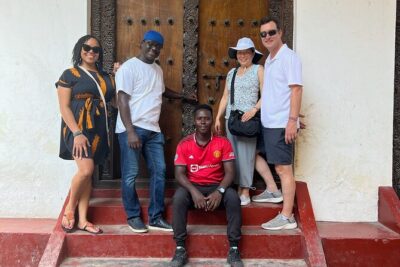

Overnight Tsavo East Safari From Mombasa/Diani (Private)
Read our review →Browse the lists this tour appears in