
Reviewed · WILDLIFE
12 Days Kenya Tanzania wildlife Joining Tour
Kenya and Tanzania pack a lot into these 12 safari days: Maasai Mara, Lake Nakuru, Amboseli, Tarangire, Serengeti, and Ngorongoro Crater. The prize is variety, from black-maned lions and rhinos to Kilimanjaro views, giant elephant herds, baobabs, and the crater floor.
I like the maximum group size of six, which keeps the vehicle more manageable, and I like the practical route from Nairobi to Arusha rather than forcing you to arrange separate safaris. The price of $2,890 per person is also attractive for this many parks. The tradeoff is long road days, basic camping in parts of Tanzania, and a schedule that needs careful confirmation before you pay.
Key points to know before booking
- Six-person maximum: A small vehicle group gives you more room and makes wildlife viewing less crowded.
- Seven major wildlife areas: You visit Maasai Mara, Lake Nakuru, Amboseli, Tarangire, Lake Manyara en route, Serengeti, and Ngorongoro.
- Big Five focus: Lion, leopard, elephant, buffalo, and rhino are all possible, though no safari can promise every sighting.
- One-way Kenya to Tanzania route: You cross at Namanga, transfer to an Arusha shuttle, then continue with a Tanzanian vehicle.
- Optional balloon ride: A Maasai Mara balloon safari costs an additional $450 per person.
- Budget-minded comfort: Hotels, lodges, camps, meals, park admissions, and guiding are combined into one long package, but standards vary by night.
Why this route works for a first East African safari
This is a classic two-country safari, but it is not designed for slow travel. You change areas often, which lets you compare different habitats and animal populations. The route also gives you a useful mix of famous parks and smaller stops that add rhinos, birds, elephants, and scenery to the usual lion-and-wildebeest hunt.
The first half is in Kenya. After Nairobi, you head to Maasai Mara, then Lake Nakuru and Amboseli. The second half crosses into Tanzania for Tarangire, the Serengeti, and Ngorongoro Crater. That sequence gives you a strong finish, since Serengeti and Ngorongoro are two of the most memorable wildlife areas in the region.
The route is best for you if your priority is seeing a lot in one trip. It is less suitable if you want leisurely mornings, long stays at one camp, or polished luxury at every stop. Some days include extended drives over rough roads, and the Kenya to Tanzania transfer adds a practical border-crossing step.
A few more things to do around Nairobi worth a look
- Nairobi Park Wildlife Safari
★ 5.0 · 31 reviews - Half day wildlife tour to Nairobi National Park Game Drive with Pickup/Drop off
★ 5.0 · 26 reviews - 6 Days Kenya Adventure Wildlife Safari
★ 5.0 · 26 reviews
Nairobi arrival and the first night
Your arrival is at Jomo Kenyatta International Airport. A guide from African Paradise Safaris meets you and takes you to a Nairobi hotel, listed as an Ibis-style property on a bed-and-breakfast basis.
Depending on your arrival time, you may have a city tour. The itinerary names the Nairobi National Museum, with about an hour allowed and admission included. This is a sensible first stop if your flight lands early, but you should not count on a full city program. The first day mainly gives you time to arrive, rest, and get ready for the road.
The hotel arrangement is practical rather than fancy. That matters because the next day begins the safari proper, and a quiet night can be more useful than an ambitious sightseeing schedule.
Maasai Mara: lions, big cats, and the Mara River
Day two takes you south toward Maasai Mara National Reserve. You arrive around lunch, settle in, and head out for an afternoon game drive. The reserve covers about 1,792 square kilometers, with open grassland, low hills, and forest along the Mara River and its smaller streams.
This is one of the strongest parts of the trip. You may see elephant, buffalo, rhino, giraffe, zebra, antelope, lion, cheetah, and leopard. The reserve is also home to secretary birds, crowned cranes, saddle-billed storks, ostriches, and other large birds.
The Mara is especially good for big cats. Black-maned male lions are a famous sight here, though animal sightings always depend on the day and the guide’s ability to read recent tracks and movement. You can also see the Mara River, a key part of the wider Serengeti ecosystem.
Day three brings morning and afternoon drives, with an optional balloon safari before breakfast. The balloon ride costs $450 per person, so it is a major add-on rather than a casual extra. It may appeal to you if you want a quiet aerial view of the plains, but the included game drives already provide the main value of this stop.
The famous wildebeest crossing is seasonal. The itinerary highlights the movement of more than 1.5 million wildebeest and other antelope, but you should ask for exact travel dates and migration expectations before booking. The animals do not follow a fixed timetable, and river crossings are never guaranteed.
Lake Nakuru and the Rift Valley change of scenery
On day four, you leave the Mara and drive through the Rift Valley toward Lake Nakuru National Park. This is a useful change of pace after the open plains. More than half of the park is covered by the lake, and the area is known for birdlife as well as mammals.
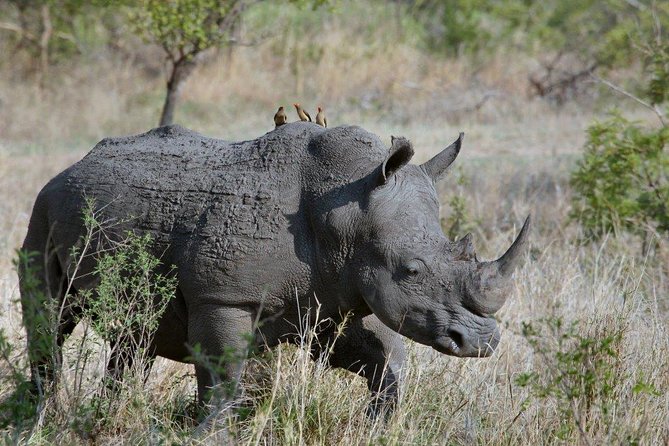
Lake Nakuru can produce sightings of both black and white rhinos, Rothschild’s giraffe, lion, and sometimes leopard. It is also a strong bird stop, with large numbers of waterbirds and other species around the lake. The exact bird activity changes with water levels and season, so bird lovers should bring binoculars and allow time to watch rather than simply drive through.
The main drawback is time. The journey from Maasai Mara to Nakuru takes up much of the day, and the afternoon drive may feel short after lunch and check-in. Still, this stop earns its place because it adds rhino country and a lake habitat that you do not get in the Mara.
Same base, a completely different sort of day:
- Nairobi National Park Half-Day Tour; Free Wi-Fi connection
★ 5.0 · 878 reviews - Nairobi: National Park & Optional Elephants & Giraffe Center
★ 4.8 · 874 reviews - NAI NAMI: Nairobi Storytelling Tour with Street Children
★ 5.0 · 792 reviews - Nairobi National Park Half-Day Game Drive
★ 4.5 · 738 reviews
Amboseli, elephants, and the Kilimanjaro view
Day five takes you toward Amboseli National Park, arriving around lunch for an afternoon drive. The park is known for large elephant herds, open plains, cheetahs, lions, gazelles, and the less common eland.
The great visual prize is Mount Kilimanjaro. On a clear day, you may see its snow-capped peak rising beyond the park. Weather can hide it, so treat the mountain view as a bonus rather than a promise. The elephants, however, are a central reason to come here.
Day six gives you a full day in Amboseli, with a morning drive, lunch, and an afternoon drive. The park is also noted for more than 400 bird species. This full day is welcome because it lets you spend time with elephant herds instead of treating the park as a quick stop between cities.
The accommodation listed here is Kimana Camp on a full-board basis. That indicates a simpler, safari-focused stay rather than a high-end lodge. One schedule line describes this stop as lasting 10 days, which is clearly inconsistent with the 12-day program. Ask the operator to confirm the exact number of nights and the accommodation standard before booking.
Crossing from Kenya into Tanzania
Day seven begins with breakfast and a transfer toward Namanga, the border point between Kenya and Tanzania. After immigration, you connect with a shuttle bus to Arusha, a journey listed at about one hour and 20 minutes. A company vehicle then takes you to the accommodation, with the night at Mama Wilsen House.
This is not a sightseeing day. It is a connection day, and that distinction helps set expectations. Border formalities can take time, and you may change vehicles and guides. Keep your passport, travel documents, and essential medication with you rather than packing them deep in your luggage.
The small-group format may change during the transfer because you are using a shuttle before joining the Tanzanian vehicle. Confirm how the group is handled on this day, especially if you are traveling with children, carrying large bags, or using a wheelchair.
Tarangire and the baobab country
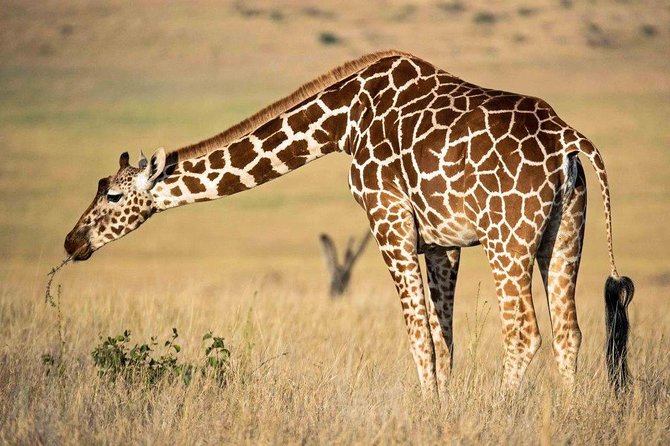
Day eight heads to Tarangire, with a game drive at Lake Manyara mentioned along the way. After reaching Tarangire, you check in, have lunch, and take an afternoon drive.
Tarangire is a fine contrast to the Mara and Amboseli. The Tarangire River is the park’s main water source, and its dry riverbeds, acacia growth, mixed woodland, and large baobab trees create a more enclosed setting. Elephant herds can be very large, with groups of up to 300 described in the program.
This is one of the better stops for elephants and scenery. The baobabs also give the park a distinctive look that you will not find in the same form in the Serengeti. The itinerary mentions Lake Manyara as an en route drive, but it does not give a separate full day there. Ask how much time will actually be spent in that park.
Serengeti: allow enough time for the big show
Day nine is a long transfer toward Serengeti National Park, with a picnic lunch and an evening game drive after arrival. The next day gives you morning and afternoon drives, based at Seronera Campsite.
The Serengeti is the centerpiece of the Tanzanian portion. Even outside migration periods, you may see large groups of buffalo, eland, topi, waterbuck, impala, kongoni, and Grant’s gazelle. Those herds support a strong predator population, including lion, leopard, cheetah, and smaller cats such as caracal and serval.
Two nights are important here. With one evening drive plus a full day, you have a better chance to cover different areas and wait for animal activity. However, the schedule needs close attention. One piece of customer feedback describes a planned two-night Serengeti stay being reduced to one night without clear notice. Do not leave this vague. Get the number of nights, the campsite, and the daily drive hours in writing before departure.
Seronera Campsite suggests a basic stay. You should expect the focus to be location and wildlife access, not hotel-style comfort. Pack for dust, changing temperatures, and simple facilities.
Ngorongoro Crater and the final wildlife day
On day eleven, you take a morning drive from the Serengeti and continue southeast to the Ngorongoro Conservation Area. You spend the night at Simba Campsite, with a view toward the crater.
Ngorongoro is a remarkable final stop because the crater walls rise about 600 meters around a floor covering roughly 246 square kilometers. The enclosed setting supports large numbers of zebra, wildebeest, and other grazing animals. You may also see elephant, lion, and, with luck, black rhino.
Day twelve brings the crater descent and a crater-floor drive. This is a powerful way to end a safari because the animals are concentrated in a relatively compact area. After the drive, you return to Arusha and transfer to the airport for your flight home.
The final schedule says the crater activity lasts 12 minutes, which is plainly a timing error. It cannot describe the actual crater visit. Confirm the real departure time, crater-drive length, and airport transfer plan. Do not book a tight international flight connection without checking this carefully.
What $2,890 per person really buys
At $2,890 per person, this is a strong value if the advertised inclusions are delivered: airport pickup, guiding, park admissions, accommodation, meals at several camps, game drives, and transport across two countries. Booking a similar route independently can involve separate park fees, vehicles, border transfers, and accommodation arrangements.
The price is attractive because this is a budget safari, not a luxury one. You should expect a mix of hotel rooms, camps, and simpler facilities. The itinerary lists breakfast and bed-and-breakfast in Nairobi, full board at Kimana Camp, and camping in Tanzania, so meals and room standards are not identical throughout.
The main value question is time inside each park. A low price is less useful if driving replaces game viewing or if the Serengeti stay is shortened. Confirm the exact nights, vehicle arrangements, meal plan, and park time before sending payment.
Small group size, guides, and practical planning
The maximum group size is six, which is one of the best features of this trip. A smaller group generally means fewer arguments over window seats and easier communication with the driver-guide. It also helps when you want to stop for birds, a distant cat, or a particularly good view.
John Peter is named as a key organizer in the booking experience, and communication and payment arrangements have been described as smooth in past customer feedback. One account also praised African Paradise Safaris for helping with hotel and sightseeing choices at reasonable rates. That suggests you should use the pre-trip communication to settle details, not just confirm the departure date.
The experience is offered with daily departures, subject to availability. Confirmation is stated to arrive within 48 hours of booking. The starting time is 8:00 am, though airport arrivals and later safari days naturally follow different schedules.
Pack light enough for vehicle transfers, but bring sun protection, binoculars, a reusable water bottle, sturdy shoes, and layers for cool mornings. The itinerary does not specify luggage limits, so ask before arriving with large suitcases.
Who should book this safari
I would recommend this trip to a first-time safari visitor who wants the headline parks in both Kenya and Tanzania without arranging several separate bookings. It suits you if wildlife variety matters more than luxury, and if you can handle long drives and changing accommodation.
It also works well for a small group of friends or family members who value a capped group size. Birdwatchers will appreciate Lake Nakuru and Amboseli, while photographers get strong possibilities for elephants, big cats, rhinos, Kilimanjaro, baobabs, and the crater.
I would hesitate if you need a fixed, highly polished schedule with no room for changes. The contradictory timing details and the reported Serengeti schedule problem make written confirmation essential. You should also consider a slower safari if two nights in the Serengeti is your main goal.
Should you book it?
Book this safari if you want maximum wildlife variety for the price and accept basic camps, long road transfers, and a quick pace. The route covers an impressive set of parks, and the small group size improves the experience.
Before paying, ask African Paradise Safaris to confirm the exact Serengeti nights, the Tanzania accommodation, the Lake Manyara timing, the vehicle after the Namanga crossing, and the final airport transfer. If those details match your expectations, $2,890 offers a sensible way to see Kenya and northern Tanzania in one trip.
The cancellation terms are strict close to departure: cancel at least six full days ahead for a full refund, two to six days ahead for a 50 percent refund, and less than two days ahead for no refund. Changes are not accepted inside those same cutoffs.
FAQ
Where does the safari start?
The safari starts in Nairobi, Kenya, with pickup from Jomo Kenyatta International Airport. The listed start time is 8:00 am.
How many people can join the tour?
The tour has a maximum of six participants.
Which national parks are included?
The route includes Maasai Mara National Reserve, Lake Nakuru National Park, Amboseli National Park, Tarangire National Park, Serengeti National Park, and Ngorongoro Conservation Area. Lake Manyara is mentioned as an en route game-drive stop.
Does the tour include the Big Five?
The safari is designed to give you a strong chance of seeing lion, leopard, elephant, buffalo, and rhino. Sightings are not guaranteed.
Is a balloon ride included in the Maasai Mara visit?
No. The early morning balloon safari is optional and costs $450 per person.
Where does the Kenya to Tanzania border crossing take place?
You cross into Tanzania through Namanga. After immigration, you take a shuttle bus to Arusha, listed as about one hour and 20 minutes.
What type of accommodation is used?
The program lists an Ibis-style hotel in Nairobi, Kimana Camp in Amboseli, Mama Wilsen House in Arusha, Seronera Campsite in the Serengeti, and Simba Campsite near Ngorongoro Crater.
What is the cancellation policy?
You receive a full refund if you cancel at least six full days before the start time. Cancellation two to six full days ahead receives a 50 percent refund, while cancellation less than two full days ahead is not refunded.
Just added around Nairobi
- Visit kibera Slum the chocolate city★ 4.8 · 3 reviews
- 3 days maasai mara migration safari★ 4.5 · 7 reviews
- 4 Days Tour Landcruiser in Masai Mara and Lake Nakuru★ 5.0 · 10 reviews
- 4 Days Safari to Lake Nakuru N/P and Maasai Mara N/R★ 5.0 · 18 reviews
- Maasai Mara Day Trip★ 5.0 · 15 reviews
- Day Tour to Nairobi national park, Elephants, and Giraffe Center★ 3.5 · 8 reviews
- Wildebeest Migration in Masai Mara and Sightseeing 4 Days Tour★ 4.5 · 6 reviews
- Vegans special safari★ 4.5 · 4 reviews
Wildlife, compared.
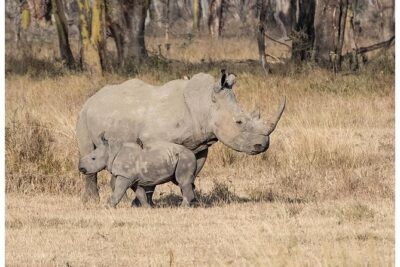
African Wildlife & Nature – 5 Kenya national parks – 6 day Jeep Safari
Read our review →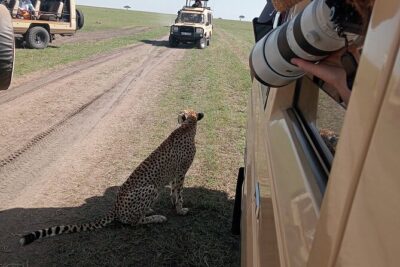
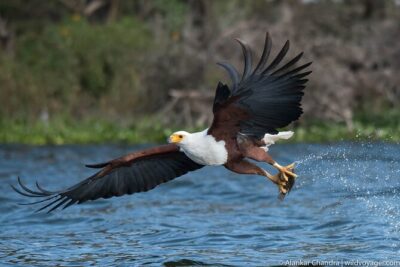
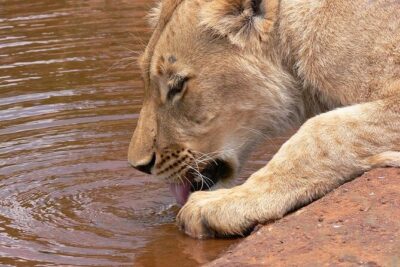
Half day wildlife tour to Nairobi National Park Game Drive with Pickup/Drop off
Read our review →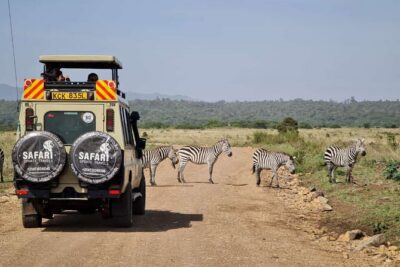
3 Days Best of MasaiMara Wildlife Private Safari, Mid-Range offer
Read our review →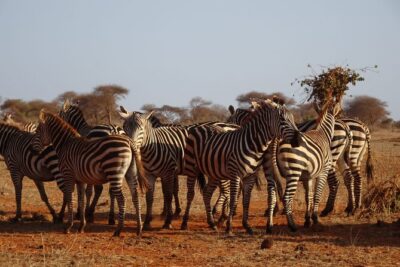
6 Days Kenya Masai Mara,Lake Nakuru & Amboseli Wildlife Safari
Read our review →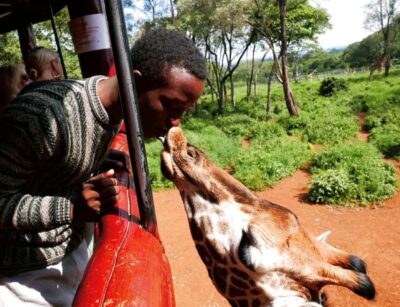
David Sheldrick Wildlife Trust & Giraffe Center with Lunch
Read our review →
ATV/Quad Bike Wildlife Safari with Transfers & meal
Read our review →Browse the lists this tour appears in