

Reviewed · CULTURAL VILLAGE VISITS
Visit kibera Slum the chocolate city
Kibera is more than a name on a Nairobi map. On this 150-minute walking tour, you enter one of Kenya’s best-known informal settlements with a guide who explains its history, daily life, and community-led work. The focus is not on gawking at poverty. It is on meeting people, listening, and seeing how residents build opportunity in difficult conditions.
I like the direct contact with local organizations and social enterprises, and I like that the tour gives equal weight to culture, enterprise, and social challenges. Guide Daniel has been singled out for his kind, professional manner. The main drawback is practical: the $25 price does not include entrance fees or pickup, so you need to arrange your way to Equity Ayani and confirm the extra cost before setting out.
Key points to know before you go

- A walking visit with a social purpose: Learn about education, skills training, and community development projects.
- A clear starting point: Meet at Equity Ayani, then return there after the two-and-a-half-hour visit.
- Local life is the focus: Expect discussion of art, music, small enterprise, and the experiences of Kibera residents.
- A guide-led introduction to Kibera: Your guide provides context on urban growth and social challenges in Kenya.
- Good value for curious visitors: At $25, the tour is reasonably priced if the community access and guide time are your main priorities.
- Plan for extra costs: Pickup and entrance fees are not included, so check those details before booking.
What the Kibera experience is really about

This tour asks you to see Kibera as a lived-in community rather than a stop for dramatic photographs. Your guide introduces the settlement through its people, its local initiatives, and the forces that have shaped urban life in Kenya.
That distinction matters. Informal settlements can be reduced to statistics or stark images. Here, the stated aim is more useful: you learn about residents’ experiences, meet people involved in local projects, and look at the practical ways communities respond to limited resources.
You should still arrive with humility. Kibera is a home, workplace, and neighborhood, not a performance staged for visitors. A respectful attitude, careful photography, and a willingness to listen will make the walk more worthwhile for you and for the people you meet.
The tour also gives you a chance to ask questions. You can learn how Kibera developed, why it matters within Nairobi, and how urbanization creates both opportunity and pressure. The guide’s role is important here. Rather than wandering without context, you have someone to connect the streets, projects, and personal stories to the larger picture.
Other cultural visits around Nairobi:
- Nairobi: Explore Kibera Slum with Local Guides
★ 4.9 · 365 reviews - Nairobi: Day Tour to Amboseli National Park & Maasai Village
★ 4.5 · 310 reviews - Masai village Day Tour Experience
★ 5.0 · 284 reviews
Starting at Equity Ayani in Nairobi
The tour begins at Equity Ayani, which serves as both the meeting point and the return point. You should treat this as an independent meeting arrangement because pickup is not part of the price.
The supplied details do not give a hotel transfer, private vehicle, or transport within the tour. That makes it important to allow enough time to reach Equity Ayani before your scheduled start. Check the available departure time when booking, since the activity is offered at set starting times rather than as a completely open visit.
From the meeting point, the tour continues on foot. A walking format is useful in Kibera because it keeps the experience close to street-level life. You are not looking through a vehicle window and missing the smaller details of local commerce, art, movement, and community activity.
The route is described as including scenic views along the way. That does not mean a conventional sightseeing route with grand monuments. The interest comes from the setting itself, the changing views as you walk, and the chance to understand how a densely settled part of Nairobi functions.
Walking through Kibera for two and a half hours

The main visit lasts about 2.5 hours, or 150 minutes. That is long enough for more than a quick look, but short enough to fit into a larger Nairobi day.
Expect a guided walk rather than a formal museum visit. You may stop at points of interest, hear explanations from the guide, and speak with local residents or community leaders as the route allows. The stated program centers on conversation and community contact, so the quality of the experience depends partly on how openly you engage.
You will learn about the history and growth of Kibera and its place in Kenya’s wider urban story. The guide also discusses the challenges facing residents. The material is serious, but the tour is not presented only as a lesson in hardship.
The cultural side is just as important. You may encounter art, music, entrepreneurship, and local initiative as part of the walk. These elements help you see the neighborhood through the skills and creativity of its residents, not only through its social problems.
The pace should suit anyone comfortable with a substantial urban walk. However, the supplied information does not specify the exact route, terrain, group size, or accessibility arrangements. If those details matter to you, ask Royal safaris before paying. That is especially sensible if you have mobility concerns or need a particular pace.
Meeting people and supporting local projects
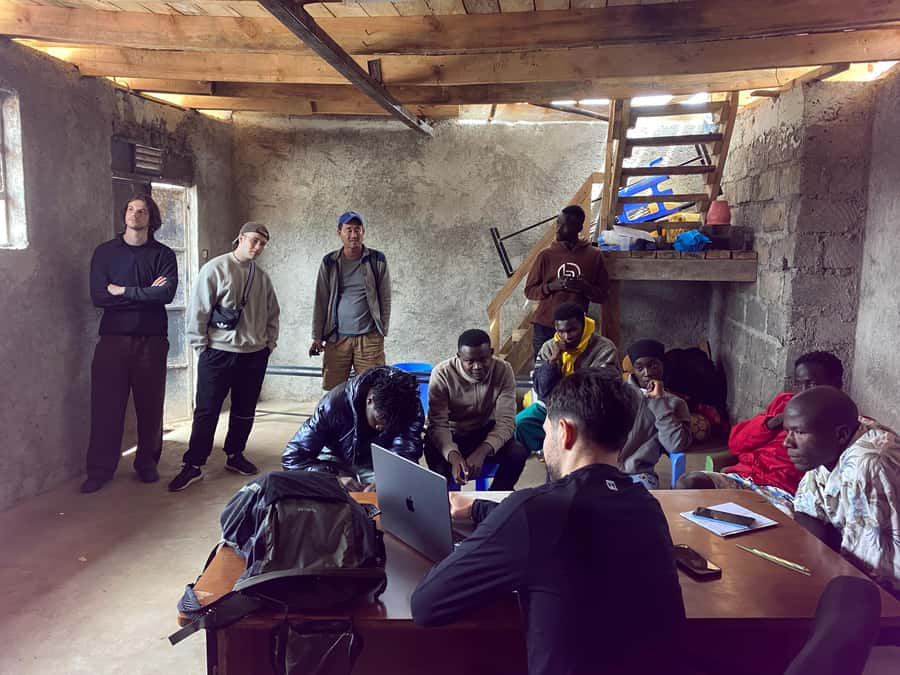
Community engagement is the heart of this experience. You are expected to interact with residents and community leaders and learn about their experiences, local initiatives, and daily challenges.
That contact gives the tour its strongest reason to exist. A guide can explain the neighborhood, but direct conversation helps you understand how residents describe their own work and priorities. You may hear about education, training, or development efforts from people connected to them.
The tour also includes visits to empowerment projects and social enterprises. These may focus on education, skills training, or community development. The available information does not name each organization, so you should not expect a fixed list of guaranteed stops. Still, this part of the program gives the visit a practical edge.
You are not simply hearing that life is difficult. You are seeing how local groups try to create skills, income, and opportunity. That is a more balanced way to understand Kibera, and it gives your visit a clearer connection to community-led work.
There is also a responsible tourism lesson built into the tour. You learn why respect, understanding, and support for local initiatives matter when visiting a marginalized community. I consider this one of the most valuable parts of the experience because it helps you think about your own conduct while you are there.
A few more things to do around Nairobi worth a look
- Kibera Chocolate City Tour
★ 5.0 · 13 reviews - Nairobi: Chocolate City Kibera Slum Walking Tour
★ 4.9 · 13 reviews - A Visit To KIBERA The Chocolate City.
★ 4.9 · 12 reviews - Nairobi: Kibera Slum (The Chocolate city)Guided Walking Tour
★ 5.0 · 5 reviews
Art, music, and the entrepreneurial side of Kibera
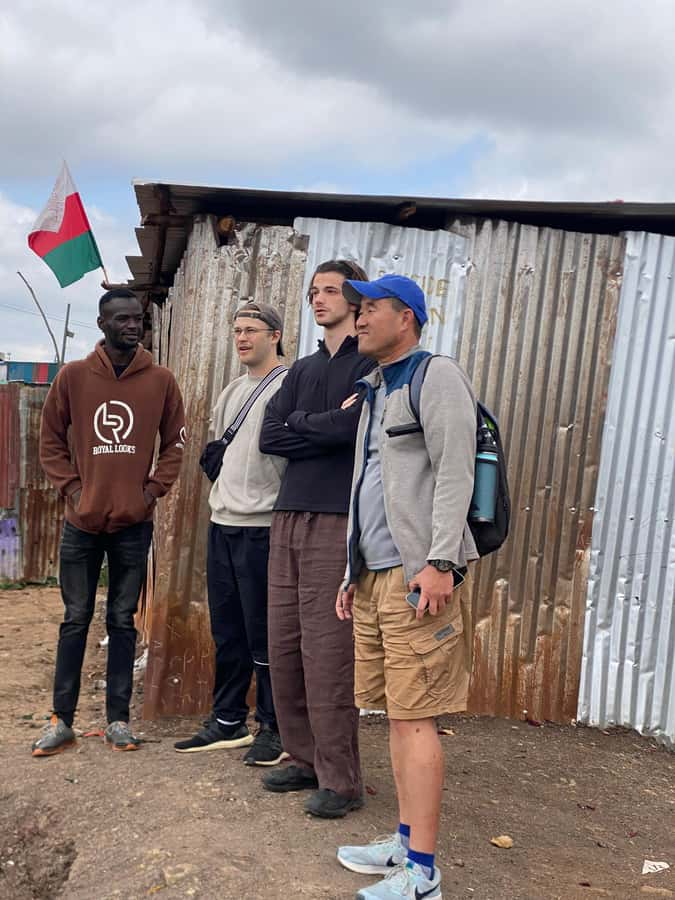
The cultural program broadens the walk beyond social issues. Kibera is presented as a place with its own creative and commercial energy, including art, music, and entrepreneurial activity.
These subjects matter because they show how people express identity and build livelihoods. You might find that a small business, a creative project, or a musical tradition tells you as much about the area as a formal explanation of its past.
The tour does not promise a performance schedule or a particular artist. It also does not name specific shops or studios. Think of these elements as part of the cultural setting rather than guaranteed shows or shopping stops.
For you, that means staying observant and flexible. Listen to the guide, notice how people use shared spaces, and ask questions when appropriate. The most rewarding details may be the ones that do not appear in a standard city sightseeing program.
The value of the $25 price

At $25 per person, this is a reasonably priced guided experience if you want direct community contact and a substantial amount of guide time. Two and a half hours gives the price more weight than a brief orientation walk.
The value comes from access and interpretation, not from included transport or a long list of paid attractions. You are paying for a live guide, local context, community visits, and the structure of a carefully planned walk.
There are two extra costs to watch. Pickup is not included, and entrance fees are not included. The exact entrance charge is not stated, so check it before confirming your plans. The tour also lists a skip-the-ticket-line feature, but that does not mean entry costs are covered.
This is a good fit for someone who values conversation and social context more than polished sightseeing facilities. If you want a private vehicle, hotel pickup, or a traditional attraction with an entrance ticket included, the value may look less convincing.
Guide quality and available languages
The experience includes a live tour guide, and the listed guide languages are unusually broad: English, Chinese, Esperanto, German, Italian, Spanish, and French.
You should select or confirm your preferred language when booking. The supplied details do not identify which language each guide speaks or guarantee that every language is available at every departure. Ask Royal safaris if language matching is important to you.
Guide Daniel is the only guide named in the available information. He has been described as kind and professional, which fits the needs of this particular tour. A good guide here must do more than recite facts. The guide needs to explain sensitive subjects clearly, handle introductions with care, and help you behave respectfully.
That is why the guide may matter more here than on a simple city walk. You are entering a working community with its own residents and routines. Good judgment and a calm manner can shape the entire experience.
Responsible behavior during the visit

The tour itself emphasizes responsible tourism, but your behavior still matters. Remember that the people you meet are not there to provide a spectacle.
Ask before taking photographs, especially of individuals. If a guide explains that a certain place or conversation is private, accept that without argument. Keep your questions respectful and give residents room to go about their day.
The program encourages support for local initiatives, but it does not state that donations, purchases, or project fees are included. Do not assume that buying something or giving money is expected. Listen to the guide’s advice about appropriate support.
You can also help by avoiding language that treats Kibera as a curiosity. Focus on the people, projects, and ideas you encounter. The more thoughtfully you approach the walk, the more useful the experience becomes.
Who will get the most from this tour
I would recommend this tour to you if you want to understand Nairobi through community life and social change, not only through major sights. It suits curious visitors who are comfortable walking, asking questions, and hearing about difficult subjects.
It is also a strong option for anyone interested in responsible tourism, urban development, education projects, or local enterprise. Students, photographers who follow strict consent rules, and visitors who prefer human contact to passive sightseeing may find it especially useful.
You may want to choose another activity if you dislike uncertain route details or need a fully packaged outing. The information does not provide a guaranteed stop-by-stop map, group size, transport service, or accessibility plan. Those omissions do not make the tour poor, but they do mean you should ask direct questions before booking.
Families can consider it, though the serious subject matter and walking format may not suit every child. The activity details do not give a minimum age or a child policy, so confirm that point with the provider.
Booking, cancellation, and practical checks
You can reserve now and pay later, which helps if your Nairobi schedule is still changing. Free cancellation is available up to 24 hours before the activity for a full refund.
The tour is operated by Royal safaris. Before you finalize it, confirm the meeting instructions at Equity Ayani, the starting time, your guide language, and any entrance fee.
The $25 charge covers the tour guide, but not pickup or entrance. Those are the key details to settle in advance. You should also ask about the walking route if you need specific accessibility information, since none is provided here.
Should you book the Kibera Chocolate City tour?
Book it if you want a guided, respectful look at Kibera that combines history, culture, community projects, and everyday life. The two-and-a-half-hour length, low price, and praised guide approach make it a practical addition to a Nairobi visit.
Go in with the right expectations. This is not a polished attraction, a vehicle tour, or a photo stop. It is a serious community visit where the best moments come from listening and paying attention.
I would book it for the local perspective and the chance to learn about empowerment work. I would not book it without first checking the entrance fee, meeting details, and route arrangements. If you are comfortable with those limits, this tour offers a useful and human way to understand a part of Nairobi that many visitors only hear about from a distance.
FAQ
Where does the Kibera tour start?
The tour starts at Equity Ayani in Nairobi.
Where does the tour finish?
The tour returns to Equity Ayani after the visit.
How long does the tour last?
The tour lasts 150 minutes, or two and a half hours.
What is included in the price?
A tour guide is included.
Are pickup and entrance fees included?
No. Pickup and entrance fees are not included.
How much does the tour cost?
The listed price is $25 per person.
Can I cancel for a full refund?
Yes. You can cancel up to 24 hours in advance for a full refund.
Just added around Nairobi
- 3 days maasai mara migration safari★ 4.5 · 7 reviews
- Maasai Mara Day Trip★ 5.0 · 15 reviews
- 4 Days Tour Landcruiser in Masai Mara and Lake Nakuru★ 5.0 · 10 reviews
- 4 Days Safari to Lake Nakuru N/P and Maasai Mara N/R★ 5.0 · 18 reviews
- Day Tour to Nairobi national park, Elephants, and Giraffe Center★ 3.5 · 8 reviews
- Wildebeest Migration in Masai Mara and Sightseeing 4 Days Tour★ 4.5 · 6 reviews
- Vegans special safari★ 4.5 · 4 reviews
- Urban Forest Tour in Nairobi★ 5.0 · 7 reviews
Cultural Village Visits, compared.

Day Tour to Amboseli National Park & Maasai Village
Read our review →



Kibera Slum Tour with Local Social Entrepreneurs
Read our review →

Giraffe Centre, Elephant Orphanage, and Bomas of Kenya Day Tour from Nairobi
Read our review →Browse the lists this tour appears in