
Reviewed · MASAI MARA SAFARIS
3 Days Safari Tour in Maasai Mara
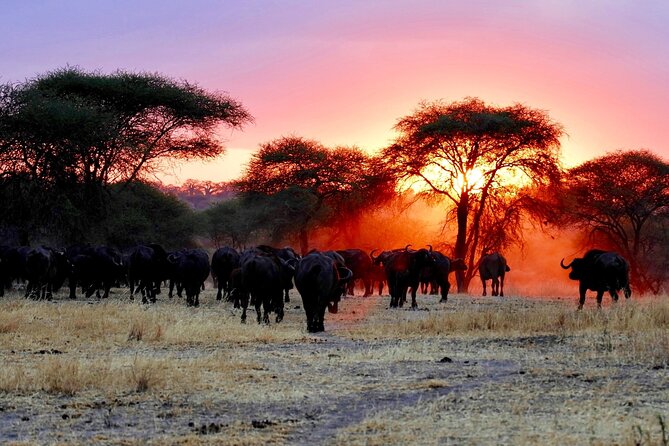
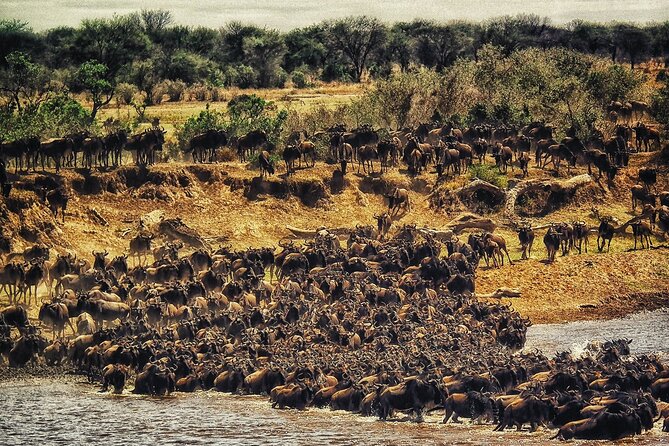
The Mara River is the dramatic heart of this safari, especially from July through October, when wildebeest cross during the Great Migration. Even outside migration season, the reserve gives you strong chances to see lions, elephants, buffaloes, zebras, giraffes, and other African wildlife.
I like the early morning drive, when predators may still be active, and the chance to eat a bush picnic surrounded by open savannah. I also like that the trip includes Nairobi pickup, meals, two nights away, and a return to your hotel or airport. The main drawback is the long road journey from Nairobi and a possible group size of up to 80 people.
Key points at a glance
- Mara River visit: The route includes a stop at the river, the main setting for the Great Migration from July through October.
- Two full safari days: You get an afternoon game drive on arrival, then a long morning-to-afternoon drive on Day 2.
- Useful wildlife guide support: Guides such as James are praised for spotting animals, sharing stories, and listening to your interests.
- Meals are covered: Three lunches, two dinners, and two breakfasts are included, while soft drinks and alcohol are extra.
- Value at $286: This is a low-cost way to combine transport, lodging, meals, and several game drives, though the camp and vehicle details should be confirmed.
- Optional Maasai visit: You can add a cultural stop on the way back, but the village entry fee is not included.
From Nairobi to the Mara by road
Your safari begins at 7:30 a.m. at Java House, PhoenixUganda House, in Nairobi. Pickup is offered, and the trip ends back at the meeting point, with drop-off at a hotel or airport also described for the return.
The drive to Maasai Mara takes about five to six hours. That is a serious part of a three-day trip, but it is also part of the experience. You pass through changing Kenyan scenery and stop to view the Great Rift Valley. The guide is expected to explain local myths and stories about how the valley came to be, which gives the drive more purpose than simply sitting in a vehicle.
I would treat this first morning as a road journey with a safari reward at the end. Bring water, snacks if you prefer a particular brand, and something to occupy you during the longer stretches. One useful practical tip is to carry your own drinking water. The camp may not supply enough, and drinks such as soda and alcohol are not included.
The group limit is listed as 80 people. That does not mean every departure will reach that number, but it is worth asking about the expected group size before you pay. A smaller vehicle can make animal viewing easier and allows the guide to respond more quickly when something appears. A larger group may keep the price low, but it can mean more coordination at stops and meals.
Other ways to reach the Mara from Nairobi:
- 3 Days Masai Mara Group Joining
★ 5.0 · 486 reviews - 5 Days Masai Mara, Lake Nakuru & Naivasha Budget Joining Safari
★ 5.0 · 229 reviews - 3 Days Gamedrive Safari In Masai Mara From Nairobi
★ 5.0 · 207 reviews
Your first afternoon inside Maasai Mara
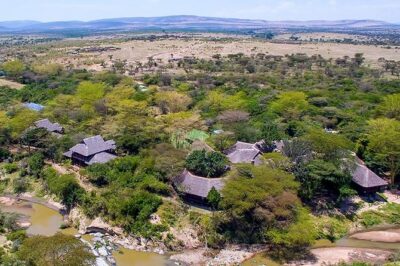
After reaching the reserve area, you check in at a camp or lodge and have lunch. The accommodation is described as comfortable, though the exact property is not named. If you need a private bathroom, a certain bed arrangement, or a particular standard of lodging, confirm those details before booking.
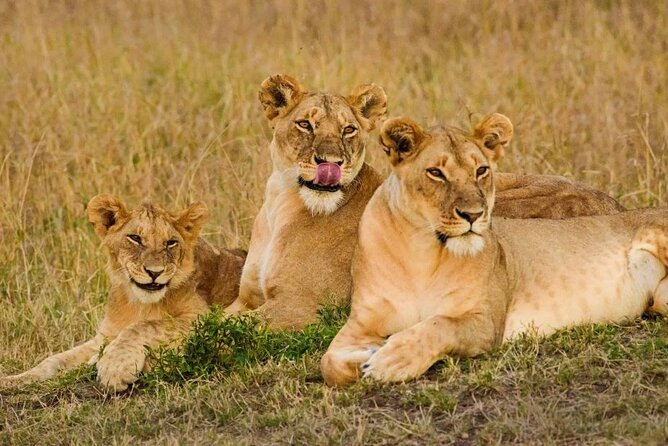
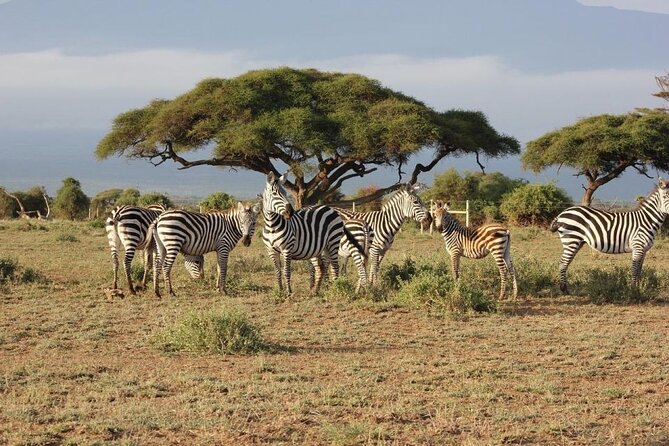
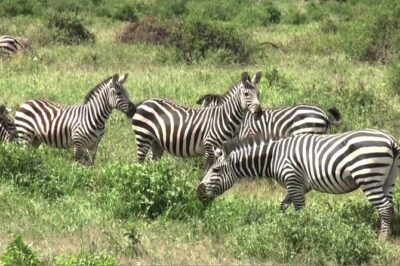
The first game drive takes place in the afternoon and lasts about five hours. This is an excellent use of arrival day because you do not lose the whole afternoon to check-in. The drive may bring sightings of lions, cheetahs, hartebeests, wildebeest, elephants, buffaloes, zebras, hippos, giraffes, baboons, warthogs, and bat-eared foxes.
No safari can promise a particular animal. The guide’s skill matters, and the available wildlife changes with weather, time of day, and animal movement. The trip team uses communication with other guides to help locate animals, a practical advantage when you are trying to find predators across a large reserve.
I especially like the mix of famous and less obvious animals listed here. The Big Five often get all the attention, but a bat-eared fox, a warthog family, or a giraffe moving across the plain can be just as memorable. Keep your camera ready, but do not spend the whole drive staring at a screen.
After the afternoon drive, you return for dinner and your first night at the camp or lodge. The included meals help control costs, particularly in a remote setting. You should still confirm what drinks are available and carry extra water.
Day 2 brings the longest wildlife day
Day 2 is the core of the safari. After breakfast, you head out early for a game drive lasting about 10 hours. The early start matters because the cooler morning hours can be a good time to see predators hunting and herbivores feeding before the heat of the day.
The planned sightings include lions, leopards, elephants, buffaloes, and black and white rhinos. These are the Big Five, though rhino sightings are never guaranteed. You may also see the animals from the first afternoon, along with new species as the vehicle visits different parts of the reserve.
The phrase different areas matters here. The Mara is not one single viewing point. Changing position gives you better odds of finding animals and lets you see different types of scenery, from open grassland to areas near water. Your guide can also adjust the route when another guide reports an active sighting.
A bush picnic is scheduled during the day. It is a simple but special part of the trip: you eat in the open, surrounded by the sounds and movement of the reserve. The picnic also saves the time of returning to the lodge, giving you more hours in the vehicle.
You should follow the guide’s instructions closely during any outdoor meal. The attraction is being close to nature, but that also means you are not in a restaurant with walls and a fixed menu. Carry water, use sun protection, and bring a light layer for the cooler early hours.
The Mara River and migration timing
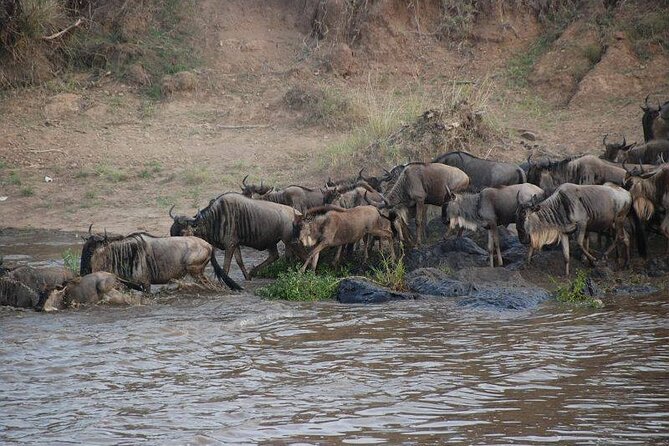
The route includes a stop at the Mara River, described as the center of the Great Migration. From July through October, wildebeest move through the wider Maasai Mara and cross rivers in one of Africa’s best-known wildlife events.
Timing is important. If your visit falls outside July to October, you should not expect to see a migration crossing. Even during those months, river crossings depend on animal movement and daily conditions. The stop still has value outside migration season because the river is a key natural feature and an important place for wildlife.
The Great Migration should be treated as a possibility, not a guarantee. Do not book this three-day trip solely for a crossing unless your dates are flexible and you understand that nature sets the schedule. The reserve itself remains worthwhile throughout the year for its resident wildlife.
After the long drive, you return to the camp or lodge for dinner and a second night. The pace is active, especially on Day 2. Families can manage it, and the guide’s ability to keep children interested can make a real difference. One guide named in the trip feedback is James, who is described as attentive to personal interests and good at explaining what you are seeing.
A few more things to do around Nairobi worth a look
- 3 Days Maasai Mara Guided Safari from Nairobi
★ 4.5 · 195 reviews - 3 Day Masai Mara Safari
★ 5.0 · 177 reviews - 3 days group joining safari to Maasai Mara with a Land Cruiser Jeep
★ 5.0 · 173 reviews - 3 days masai mara safari from Nairobi
★ 5.0 · 131 reviews
A final morning and optional Maasai culture
Day 3 begins with breakfast and checkout. The schedule does not describe a separate morning game drive, so you should think of this as a departure morning rather than another full safari session.
There is an option to visit a Maasai village before continuing to Nairobi. This cultural stop is not included in the price. It can add useful context about Maasai life and the relationship between people and wildlife, but you should ask about the exact cost and length of the visit before agreeing.
The route then continues toward Nairobi, with lunch at a selected restaurant along the way. The package lists three lunches, two dinners, and two breakfasts as included. Since the daily schedule and inclusions can sometimes be read differently, confirm the meal plan at booking, especially for the final day. Drinks remain extra.
The return includes drop-off at your hotel or airport, while the stated meeting point is Java House. Allow flexibility around your onward plans. The listed return timing is about six hours for the Day 3 portion, and road conditions can affect the actual arrival time.
What $286 really buys you
At $286 per person, this safari offers good value if you want the main pieces arranged for you. The price covers transport from Nairobi, accommodation for two nights, game drives, a bush picnic, and the listed meals. It also gives you a guide who can handle route planning and wildlife spotting.
The price is especially attractive for a first safari or a short stay in Kenya. Booking each part separately could require more planning, and you would still need to arrange road transport, meals, and game drives. Here, those elements are joined into one three-day plan.
There are limits. The accommodation is not identified by name, so you cannot judge its exact facilities from the tour details. The group may be large, with a maximum of 80 people, and drinks are not covered. The Maasai village visit also costs extra.
For the best value, ask these questions before booking:
- What camp or lodge will be used?
- How many people will share the safari vehicle?
- Is drinking water supplied?
- Are all three lunches included on the actual departure?
- What is the cost of the Maasai village visit?
- Will airport drop-off fit your flight time?
These are not complaints about the price. They are the details that decide whether a low-cost safari feels comfortable and well matched to your plans.
The guide can make or break the trip
A safari vehicle gets you to the animals, but the guide helps you understand what you are seeing. The strongest part of this experience is the emphasis on guides who explain routes, share local stories, communicate with other drivers, and pay attention to what interests you.
James is one named guide connected with this experience. He is described as someone who listens carefully and helps create a friendly group atmosphere. Other guide feedback highlights enthusiasm, family-friendly storytelling, and the ability to make children part of the adventure.
That matters on a long drive. You may spend hours searching without seeing a major predator, then suddenly find lions or elephants close to the vehicle. A calm, alert guide helps you wait, watch, and understand the scene instead of treating every sighting as a quick photo stop.
The guide is also your best source for practical questions about meals, departure times, and the next viewing area. If you have a strong interest in birds, big cats, photography, or family travel, tell the guide early. The itinerary says guides listen to guest interests, but it is still your job to explain what you hope to see.
Who will enjoy this three-day safari
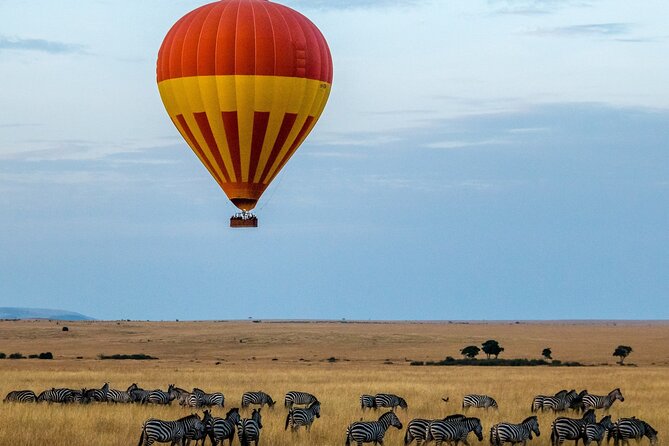
This trip suits you if you have limited time in Kenya and want a direct route from Nairobi to a major wildlife reserve. It also fits families, friends, and first-time safari visitors who want meals, lodging, transport, and game drives arranged together.
Families may like the balance of activity and rest. The children get wildlife drives, stories, and a picnic, while the camp or lodge provides a place to relax between outings. The long road sections and 10-hour Day 2 should be explained to younger children before you book.
It also suits budget-minded visitors who care more about seeing the Mara than about luxury facilities. The accommodation is described as comfortable, but there is no information about premium rooms, swimming pools, or high-end service. Do not pay for this tour expecting a luxury lodge experience.
You may want another option if you need a small private group, a named luxury property, or a carefully customized photographic itinerary. You should also think twice if you dislike early starts, long road journeys, or spending most of a day in a safari vehicle.
Practical details to handle before departure
Confirmation is provided at booking. Service animals are allowed, public transportation is nearby, and the activity is described as suitable for most people. Still, the long drives and full game-drive schedule mean you should be realistic about your comfort and stamina.
Wear practical clothing, bring sun protection, and pack drinking water. Neutral clothing is sensible for a safari, though the supplied details do not set a dress code. A camera, spare batteries, and a small bag for personal items will help, but pack lightly enough for vehicle travel.
Free cancellation is available if you cancel at least 24 hours before the 7:30 a.m. start time. Cancellations inside that window are not refunded, and changes made less than 24 hours before departure are not accepted. The cut-off follows local Kenyan time.
Should you book this Maasai Mara tour?
I would book it if I wanted an affordable, organized first safari from Nairobi and was happy with a road-based trip. The strongest reasons are the two nights in the Mara, the long second-day game drive, the included meals, the Mara River stop, and guide support for finding wildlife.
I would ask for the camp name and group size before paying. Those two details will tell you much about the comfort and pace you can expect. Bring your own water, budget for drinks and the optional Maasai village visit, and do not treat the Great Migration as guaranteed unless your dates and expectations are flexible.
For $286, this is a practical way to reach one of Kenya’s best-known wildlife areas without arranging every piece yourself. Book it for access, wildlife, and value. Choose something else if privacy, luxury, or a tightly tailored schedule matters more than price.
FAQ
Where does the safari start?
The tour starts at 7:30 a.m. at Java House, PhoenixUganda House, in Nairobi. Pickup is offered.
How long is the drive from Nairobi to Maasai Mara?
The drive to Maasai Mara takes approximately five to six hours on Day 1.
What meals are included?
The package includes three lunches, two dinners, and two breakfasts. Drinks such as soda and alcohol are not included.
Is the Maasai village visit included?
No. The Maasai village visit is optional and must be paid for separately.
Can I see the Great Migration?
The itinerary includes a stop at the Mara River, where the Great Migration takes place from July through October. A crossing is not guaranteed.
How large can the group be?
The activity has a maximum capacity of 80 people.
What is the cancellation policy?
You can cancel for a full refund up to 24 hours before the experience starts. Cancellations or changes made less than 24 hours before the start time are not accepted or refunded.
Just added around Nairobi
- Visit kibera Slum the chocolate city★ 4.8 · 3 reviews
- 3 days maasai mara migration safari★ 4.5 · 7 reviews
- Maasai Mara Day Trip★ 5.0 · 15 reviews
- 4 Days Tour Landcruiser in Masai Mara and Lake Nakuru★ 5.0 · 10 reviews
- 4 Days Safari to Lake Nakuru N/P and Maasai Mara N/R★ 5.0 · 18 reviews
- Day Tour to Nairobi national park, Elephants, and Giraffe Center★ 3.5 · 8 reviews
- Wildebeest Migration in Masai Mara and Sightseeing 4 Days Tour★ 4.5 · 6 reviews
- Vegans special safari★ 4.5 · 4 reviews
Masai Mara Safaris, compared.
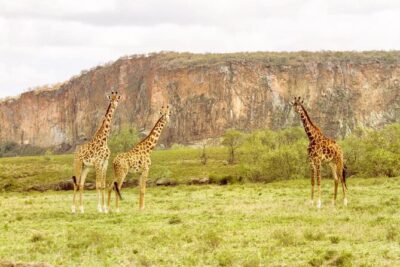
5 Days Masai Mara, Lake Nakuru & Naivasha Budget Joining Safari
Read our review →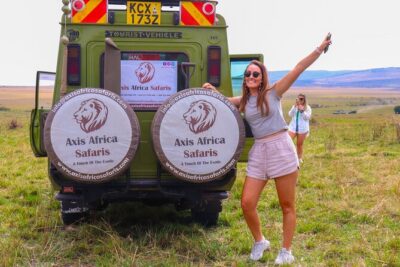
3 Days Gamedrive Safari In Masai Mara From Nairobi
Read our review →
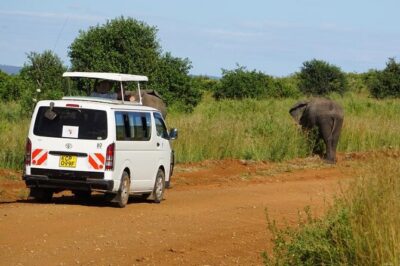
3 days group joining safari to Maasai Mara with a Land Cruiser Jeep
Read our review →Browse the lists this tour appears in