
Reviewed · MASAI MARA SAFARIS
11-Day Serengeti, Maasai Mara, Tarangire, Amboseli Park
The strongest part of this safari is its sheer range: in 11 days, you move from the Maasai Mara and Serengeti plains to flamingo-filled Rift Valley lakes, elephant country in Amboseli, baobabs in Tarangire, and the enclosed wildlife world of Ngorongoro Crater. It is a big route, not a relaxed one.
I like the chance to compare Kenya and Tanzania in one trip, and I like the mix of full-day drives with quieter stops such as Lake Elementaita and Olduvai Gorge. The main drawback is the amount of time spent on the road, especially around the Kenya-Tanzania border and the long transfers between parks.
Key points before you book
- Two famous migration regions: Maasai Mara and Serengeti are part of the same broad ecosystem, but each offers a different safari setting.
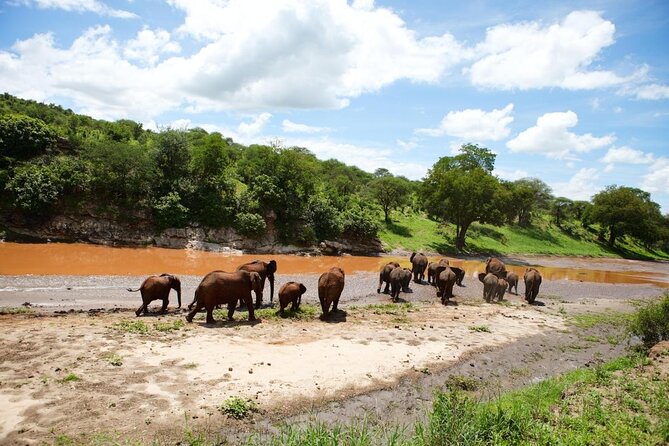
- Strong elephant viewing: Amboseli is planned around big elephant herds and views toward Mount Kilimanjaro.
- A varied middle section: Lake Nakuru brings birds and flamingos, while Lake Elementaita adds a slower lakeside stop and hot-spring visit.
- Private touring: Only your group takes part, which gives you more control over the pace than a shared vehicle.
- Cross-border planning matters: You pass through Namanga between Kenya and Tanzania, so passport and transfer details are important.
- Price includes the basics: At $4,400 per person, accommodation, 11 breakfasts, 10 lunches, and 10 dinners are included, but the value depends heavily on lodging standards and park fees.
A grand Kenya and Tanzania route
This is not a short safari built around one park. It is a north-to-south wildlife circuit that begins at Jomo Kenyatta International Airport in Nairobi and ends in Arusha or at Kilimanjaro Airport, depending on your onward ticket.
You visit five major wildlife areas: Maasai Mara, Amboseli, Tarangire, Serengeti, and Ngorongoro Crater. Two additional lake stops, Nakuru and Elementaita, break up the game drives. That variety is the best reason to choose this route.
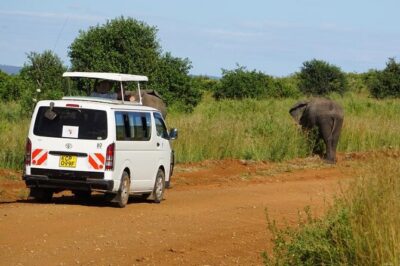
The private format also matters. Your group travels together, and the operator says most people can participate, with service animals allowed. You can expect a vehicle-based safari, picnic lunches on full-day drives, and a schedule built around morning and afternoon wildlife viewing.
The route covers a lot of ground. You should be comfortable with early starts, long drives, changes in scenery, and the practical delays that can come with a national border crossing. If you want one famous park and plenty of time at one lodge, this is too ambitious. If you want a broad first look at East Africa, it makes sense.
Other ways to reach the Mara from Nairobi:
- 3 Days Masai Mara Group Joining
★ 5.0 · 486 reviews - 5 Days Masai Mara, Lake Nakuru & Naivasha Budget Joining Safari
★ 5.0 · 229 reviews - 3 Days Gamedrive Safari In Masai Mara From Nairobi
★ 5.0 · 207 reviews
Days 1 and 2: Maasai Mara and the migration country
Your first day begins with pickup from the airport or your Nairobi hotel. The drive heads toward Narok County, with a stop at the Great Rift Valley viewpoint before continuing toward Maasai Mara.
That viewpoint gives the opening drive a useful sense of place. You are leaving Nairobi’s urban setting and entering the territory associated with the Maa people and the great savannah parks of Kenya. After lunch and a short rest at your lodge or camp, you head out for an afternoon game drive.
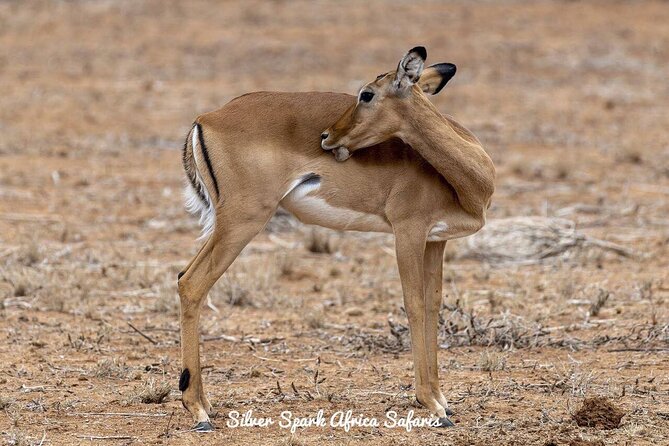
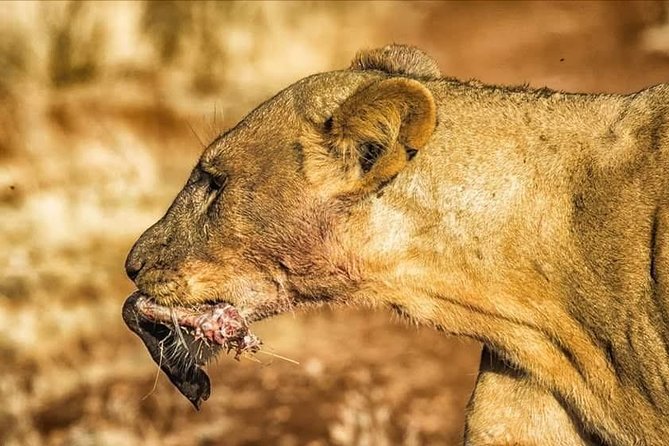
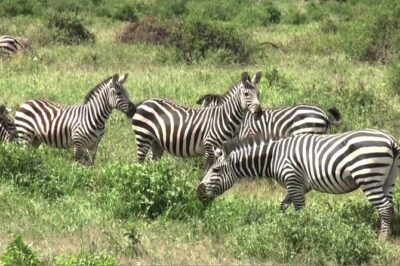
Maasai Mara is the Kenyan continuation of the Serengeti system. Its open grassland and acacia woodland support lion, elephant, leopard, buffalo, and rhino, often called the Big Five. Wildlife sightings are never guaranteed, but the reserve is famous for the scale of its animal population and for the annual movement of wildebeest, zebra, and antelope.
Day two is the first full safari day, with breakfast, a full-day drive, and a picnic lunch. That format gives you more time away from the lodge and allows the driver to follow changing animal activity rather than rushing back for a midday meal.
The famous migration usually reaches the Mara between July and September. The timing depends on rain and grazing conditions, so do not book this trip only for a promised river crossing. Outside those months, the Mara still offers open country and major predator habitat, but the migration spectacle may not be present.
The practical tradeoff is that two days gives you a useful introduction, but not unlimited time. A full-day drive can also be tiring, especially after the first long road transfer. Bring sun protection, water, and patience. The best moments may involve waiting quietly rather than constantly moving.
Day 3: Lake Nakuru for birds and rhinos of the Rift Valley
After breakfast, you leave Maasai Mara for Lake Nakuru National Park. The park centers on a soda lake in the Rift Valley and is known for birdlife, with more than 400 recorded bird species described in the tour plan.
This is a welcome change from the broad grassland of the Mara. The focus shifts toward lake edges, open woodland, and savannah habitats. Flamingos are part of the appeal, along with species such as African fish eagles, long-tailed widowbirds, and slender-billed greenbuls.
The timing is straightforward: arrive, settle into your room, eat lunch, and take an afternoon game drive. That makes Nakuru more than a transit stop, though the visit is still short.
You should keep expectations sensible. Soda lakes can change in appearance and bird numbers, and flamingos are not a guaranteed close-up sight. Still, the park gives you a different kind of safari experience, especially if you enjoy bird identification as much as large mammals.
Day 4: Lake Elementaita, a quieter pause
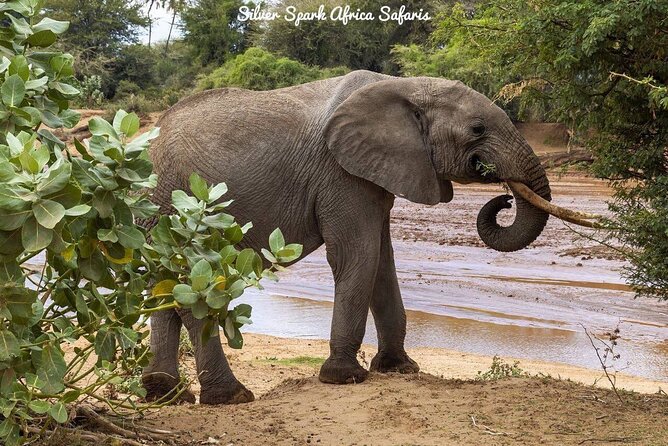
Lake Elementaita is another Rift Valley soda lake, but the pace here is slower. After breakfast, you arrive at your accommodation, take a welcome drink, and later join a guided walk beside the lake.
The lake is known for birdlife, including large concentrations of greater and lesser flamingos. The walk is a useful contrast to sitting in a safari vehicle all day, and it gives you time to notice the smaller details around the water.
The day ends with a hot-spring dip, dinner, and a campfire. This is one of the more restful parts of the route, although the description does not specify the exact lodge, walk duration, or hot-spring facilities. Ask for those details before paying if comfort standards are important to you.
The stop also helps break up the transfer pattern. After two parks and several hours on the road, a lake walk and campfire can feel more satisfying than adding another rushed game drive.
More Amboseli departures from Nairobi:
- Nairobi: Day Tour to Amboseli National Park & Maasai Village
★ 4.5 · 310 reviews - Day Tour to Amboseli National Park
★ 5.0 · 222 reviews - Amboseli Day Tour from Nairobi
★ 5.0 · 84 reviews - Day Trip: Amboseli National Park & Maasai Village – Nairobi
★ 4.4 · 69 reviews
Days 5 and 6: Amboseli beneath Mount Kilimanjaro
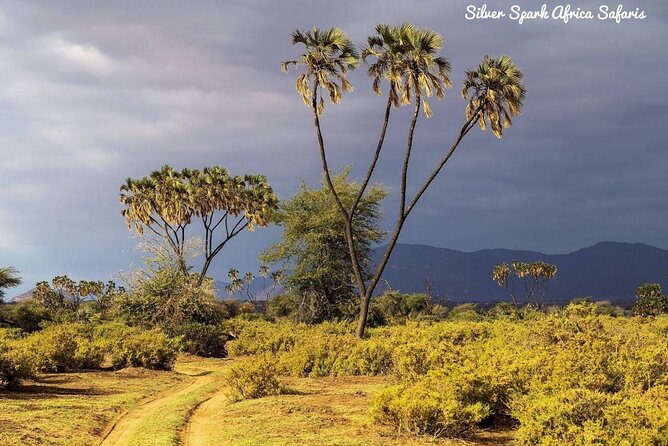
You head south through Maasai country toward Amboseli, passing back through Nairobi before reaching the plains below Mount Kilimanjaro. Amboseli is one of the most recognizable safari settings in Kenya because elephant herds may appear with Kilimanjaro behind them.
The mountain is in Tanzania, but the best-known views in this part of the trip come from the Kenyan side of the border. Weather controls the view, so the postcard scene is possible rather than certain. Early morning often offers the clearest conditions, which makes the planned morning activity especially worthwhile.
Day five includes a picnic lunch during the journey and wildlife viewing on the way into the park. Species listed for the area include lion, elephant, leopard, rhino, cheetah, buffalo, zebra, wildebeest, and giraffe.
Day six is a full-day game drive with packed lunch. The route specifically calls out the marsh area, where elephants are a major draw, and Observation Hill, which offers broad views over the park and toward Kilimanjaro.
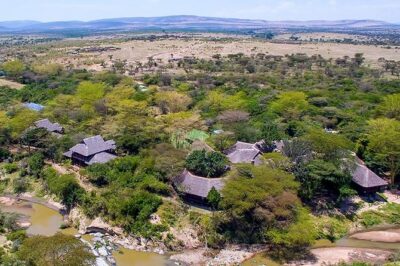
Accommodation is listed as Sentrim Lodge Amboseli for this night. The two-night stay gives Amboseli more breathing room than some of the other stops. You can spend one day settling into the area and the next day concentrating on wildlife and viewpoints.
Amboseli is also a good place to think about safari priorities. If elephants and mountain views matter most to you, this may be your favorite section. If you are mainly chasing lions or leopards, the park may feel less predictable than the Mara or Serengeti.
Day 7: Crossing from Kenya into Tanzania
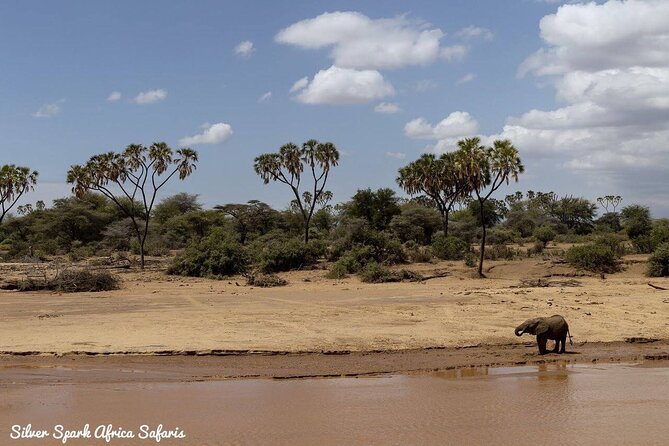
After breakfast, you leave Amboseli with another chance to see Kilimanjaro, then drive to the Kenya-Tanzania border at Namanga. Immigration clearance takes place there before you are transferred onward to Tarangire National Park.
This is an important practical day. Border procedures can take time, and the trip plan does not specify exactly how the vehicle change works or how luggage is handled. Ask the operator how the Namanga transfer is organized, and make sure your passport and visa arrangements match the crossing.
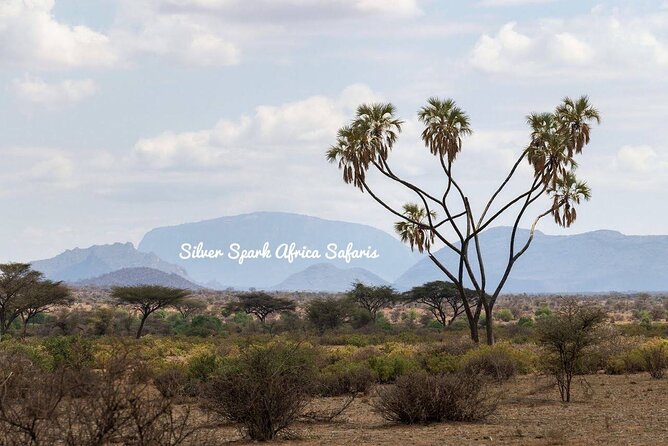
Tarangire is a fine choice after Amboseli because it changes the visual rhythm again. The park is known for large baobab trees, strong birdlife, and wildlife gathering near the Tarangire River, especially in the dry season.
The park can feel less crowded than the Serengeti, according to the tour description, though conditions vary. Its appeal is not only the animal count. The baobabs and dry-country scenery give the day a distinct character, and the river helps explain why animals concentrate here during dry periods.
The downside is the travel time. You are crossing an international border and continuing into a new country in one day. Think of Tarangire as both a safari stop and part of a demanding transfer.
Days 8 and 9: Two full days in the Serengeti
After breakfast, you continue to Serengeti National Park, Tanzania’s great counterpart to Maasai Mara. The park covers about 14,763 square kilometers, with broad open plains and a huge range of wildlife.
Two days here are valuable because the Serengeti is too large for a quick look. The schedule includes early morning drives, a return for lunch, a rest, and an afternoon drive. Picnic lunch is provided when the route requires it.
The Serengeti’s open plains are ideal for scanning long distances. You may find large grazing herds, predators, and dramatic skies, but the exact experience depends on the season and where the animals are moving. The park is part of the same migration system as Maasai Mara, so visiting both can help you understand how the animals move across national borders.
The schedule text repeats much of the same plan for both days. That does not necessarily mean the days are identical in practice, but you should confirm the exact lodging location and driving plan. In the Serengeti, the distance between camp and wildlife areas can affect how much time you spend on game viewing rather than on the road.
I like the two-night design here. It gives you a better chance to settle into the park’s scale and benefit from both morning and afternoon light. It is still a busy safari, though. Early starts and packed lunches leave little time for long, lazy afternoons.
Day 10: Ngorongoro Crater and Olduvai Gorge
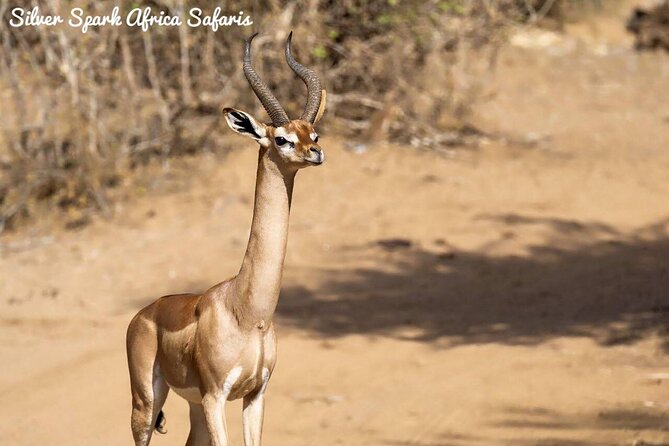
The route then turns toward Ngorongoro Crater, passing Olduvai Gorge. Olduvai is linked with fossil discoveries dating back about 3.5 million years, giving this section a human-history and science angle that the other parks do not offer.
Ngorongoro Crater is about 20 kilometers wide, with walls rising roughly 600 meters. Water on the crater floor helps support a dense concentration of animals, and the rim views are a major part of the experience.
You have lunch overlooking the crater, followed by an afternoon at leisure. The schedule does not clearly state whether a full crater-floor game drive is included on this day, so ask before booking if seeing the crater wildlife from inside is essential to you. The wording emphasizes the transfer, gorge, view, lunch, and leisure time rather than a detailed crater-floor drive.
That distinction matters. Ngorongoro can be one of the most memorable parts of a northern Tanzania route, but the value depends on exactly how much time you spend below the rim. Get the day’s vehicle and activity details in writing.
Day 11: Arusha, Kilimanjaro Airport, or a planning detail to clarify
After breakfast, you are driven to Arusha or Kilimanjaro Airport according to your flight plans. The activity information also says the trip ends back at the meeting point, which does not fully match the stated Tanzanian finish.
Treat this as something to confirm before booking flights. The route clearly describes an end in Arusha or at Kilimanjaro Airport, but the general meeting-point note refers to a return to Nairobi. Ask the operator for the exact drop-off city, transfer time, and whether an onward flight to Zanzibar is practical on the same day.
The final day is listed as taking up to 12 hours, so do not schedule a tight connection without written confirmation. This is one of the most important logistical points in the entire trip.
Is $4,400 per person good value?
At $4,400 per person, this is a substantial safari purchase. The price includes accommodation, 11 breakfasts, 10 lunches, and 10 dinners. It also includes a private tour format, which can be valuable if you want your own group rather than a shared vehicle.
The route covers several major parks in two countries, and that geographic range is a real part of the value. You are not paying for one short game drive. You are paying for 11 days of transport, park access arrangements, lodging, meals, border coordination, and guiding.
Still, the price cannot be judged properly without knowing the exact accommodation category, vehicle type, park fees, and whether all listed activities are included in the final cost. The package specifically notes that bicycle use is not included, though that is unlikely to be central to a safari of this kind.
I would ask for a day-by-day cost breakdown before booking. Confirm the lodges, the Tanzania vehicle arrangements, the Namanga border transfer, and the Ngorongoro activities. Those details will tell you far more about value than the headline price.
Who should book this safari?
I would choose this trip if you want a broad first visit to Kenya and Tanzania, especially if you care about the Big Five, elephants, birds, mountain views, and the migration regions. It also suits a private group that wants one company to coordinate a complicated cross-border route.
The trip is less suitable if you dislike long drives, want a slow lodge holiday, or need a carefully paced schedule with lots of free time. Families and older adults should pay close attention to the travel distances and early starts, even though the operator says most people can participate.
The named service contacts include Abongo, Kevin, David, and Minister. The customer notes describe Abongo as helping plan longer Kenya-to-Zanzibar arrangements, so ask who will be your active trip coordinator and who will guide each section.
Should you book it?
Book this safari if the variety is the point. Maasai Mara, Nakuru, Elementaita, Amboseli, Tarangire, Serengeti, and Ngorongoro offer a wide sample of East African wildlife and scenery in one substantial trip.
Before paying, get four things confirmed in writing: the exact lodges, the Namanga border procedure, the Ngorongoro game-drive plan, and the final airport drop-off. If those details suit your schedule and you accept the long transfers, $4,400 can make sense for a private two-country safari. If you prefer depth over breadth, choose a shorter route with more nights in fewer parks.
Cancellation is free up to 24 hours before the start time for a full refund. Cancellations or changes within 24 hours are not refunded, and poor weather may lead to a new date or full refund.
FAQ
Where does the safari start?
It starts at Jomo Kenyatta International Airport in Nairobi, Kenya. Pickup is also offered from a Nairobi hotel according to the tour plan.
Where does the safari end?
The day 11 plan says you will be driven to Arusha or Kilimanjaro Airport, depending on your flight booking. The general meeting-point information says the activity ends back at the meeting point, so confirm the exact drop-off before booking flights.
How long is the experience?
The safari lasts approximately 11 days. The final transfer day is listed as taking up to 12 hours.
Is this a private tour?
Yes. Only your group participates in the private tour or activity.
What meals are included?
The package includes 11 breakfasts, 10 lunches, and 10 dinners. Picnic lunches are planned for some full-day game drives.
What parks and places are visited?
The route includes Maasai Mara National Reserve, Lake Nakuru National Park, Lake Elementaita, Amboseli National Park, Tarangire National Park, Serengeti National Park, Ngorongoro Crater, Olduvai Gorge, and Arusha or Kilimanjaro Airport.
Is pickup available?
Yes. Pickup is offered from Jomo Kenyatta International Airport or a Nairobi hotel, depending on your preference.
Is a mobile ticket available?
Yes. The experience includes a mobile ticket.
What is the cancellation policy?
You can cancel at least 24 hours before the start time for a full refund. Cancellations or changes made less than 24 hours before the start time are not refunded or accepted. If poor weather cancels the experience, you are offered another date or a full refund.
Just added around Nairobi
- Visit kibera Slum the chocolate city★ 4.8 · 3 reviews
- 3 days maasai mara migration safari★ 4.5 · 7 reviews
- Maasai Mara Day Trip★ 5.0 · 15 reviews
- 4 Days Tour Landcruiser in Masai Mara and Lake Nakuru★ 5.0 · 10 reviews
- 4 Days Safari to Lake Nakuru N/P and Maasai Mara N/R★ 5.0 · 18 reviews
- Day Tour to Nairobi national park, Elephants, and Giraffe Center★ 3.5 · 8 reviews
- Wildebeest Migration in Masai Mara and Sightseeing 4 Days Tour★ 4.5 · 6 reviews
- Vegans special safari★ 4.5 · 4 reviews
Masai Mara Safaris, compared.
5 Days Masai Mara, Lake Nakuru & Naivasha Budget Joining Safari
Read our review →
3 Days Gamedrive Safari In Masai Mara From Nairobi
Read our review →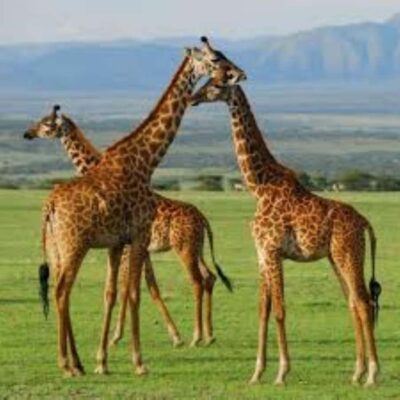
3 days group joining safari to Maasai Mara with a Land Cruiser Jeep
Read our review →Browse the lists this tour appears in