
Reviewed · WILDLIFE
13-Day Private Wildlife Safari Tour of Kenya and Tanzania
A 13-day route linking Kenya and Tanzania gives you a rare chance to compare two great safari regions in one trip. You start with Samburu’s dry hills and unusual northern species, then move through the Maasai Mara, Serengeti, Ngorongoro Crater, and Tarangire. The wildlife list is serious: lions, cheetahs, leopards, elephants, rhinos, buffalo, hippos, giraffes, and hundreds of bird species.
I like the private format, since your group controls the pace of game drives and can choose between a full day in the field or lunch back at camp. I also like the range of stays, from lodges to tented camps, which gives the trip more character than a string of standard hotels. The trade-off is the amount of road time, especially on the Kenya to Tanzania crossing and the long transfers between parks.
The safari at a glance
- Samburu adds wildlife you will not see everywhere, including reticulated giraffe and Grevy’s zebra.
- Three days in the Maasai Mara give you time to search for big cats without treating the reserve as a quick stop.
- Lake Victoria provides a break from game drives, with a boat ride at Speke Bay Lodge.
- Serengeti and Ngorongoro bring Tanzania’s major wildlife areas into one continuous route.
- The $8,086 price reflects 13 days of private touring, park visits, guiding, meals, and lodge or tented-camp accommodation, though you should confirm the exact inclusions before paying.
- The final night is not included, since the tour reaches Arusha on Day 13 after breakfast.
Why this route works for a first safari
The main strength here is variety. Samburu does not look or feel like the Maasai Mara. Lake Nakuru adds rhinos and birdlife. The Mara and Serengeti offer wide open grasslands and predator sightings, while Ngorongoro compresses a large amount of wildlife into one crater floor. Tarangire then changes the mood again with elephants, dry-country antelope, and seasonal water sources.
I like this progression because you are not repeating the same park for nearly two weeks. You get different scenery, different habitats, and a good chance to see how wildlife changes from northern Kenya into northern Tanzania.
The route also gives you time in several major parks rather than racing through them all. Samburu receives two nights, the Maasai Mara three days, Serengeti two nights, and Ngorongoro and Tarangire each get substantial visits. That matters because animal sightings are never guaranteed. More time in one area gives your guide more chances to find predators, rhinos, elephants, and birds.
Still, this is a road safari, not a fly-in safari. You will spend long periods in the vehicle, and some days combine an early game drive with a major transfer. If you want a relaxed holiday with short travel days, this is not the right shape. If you want to see several famous parks and accept the roads as part of the adventure, the route makes sense.
A few more things to do around Nairobi worth a look
- Nairobi Park Wildlife Safari
★ 5.0 · 31 reviews - Half day wildlife tour to Nairobi National Park Game Drive with Pickup/Drop off
★ 5.0 · 26 reviews - 6 Days Kenya Adventure Wildlife Safari
★ 5.0 · 26 reviews
Day 1 and 2: Samburu’s dry country and Ewaso Nyiro River
The trip begins at 7 a.m. from Standard Street in Nairobi, after a briefing with an Asili Adventure Safaris tour officer. The drive heads toward Mount Kenya before reaching Samburu National Reserve, where lunch is scheduled at Samburu Sopa Lodge followed by an afternoon game drive.
That first drive gives you an early introduction to the safari rhythm: road transfer, lunch, wildlife search, dinner, and sleep at the lodge. You should not expect the first afternoon to deliver every major animal, but it is a useful start in a reserve with a very different character from the Mara.
The full second day is devoted to Samburu, with morning and afternoon game drives. The reserve has springs, rivers, forests, and open savannah. The Ewaso Nyiro River supports crocodiles, hippos, elephants, and other animals, while the reserve is known for leopard, lion, reticulated giraffe, and Grevy’s zebra.
This is one of the most interesting stops for anyone who wants more than the standard safari checklist. Reticulated giraffe have a striking patterned coat, and Grevy’s zebra are different from the more familiar plains zebra. The reserve also records more than 365 bird species, so ask your guide to pause for birds instead of treating every drive as a big-cat hunt.
Samburu Sopa Lodge is used for both nights. The data supplied does not specify room types, meal arrangements beyond the listed meals, or vehicle details, so confirm those points before departure. The lodge setting gives you a base for two full drives rather than forcing you to pack and move each morning.
Day 3: Lake Nakuru for rhinos and birds
After breakfast, you leave Samburu and continue toward Lake Nakuru National Park, with lunch en route and an afternoon game drive. The park covers about 180 square kilometers, making it more compact than the huge reserves later in the trip.
Lake Nakuru is a useful contrast to Samburu. The focus here is less on vast open distance and more on water, woodland, grassland, and the chance to find rhinos. White rhinos are found toward the southern end of the park, and black rhinos were also introduced to the area. Sightings are never promised, but this is an important stop for anyone who wants rhino habitat included in a Kenya safari.
You might also find warthog, waterbuck, buffalo, reedbuck, and an occasional leopard. The park has more than 400 recorded bird species, so bring binoculars if birds interest you. Lake Nakuru once had a stronger reputation for huge flamingo gatherings, but the supplied details wisely focus on the wider birdlife rather than promising a particular spectacle.
The drawback is time. You arrive after a transfer and have only an afternoon drive before moving on the next day. I would treat Lake Nakuru as a focused wildlife stop, not a leisurely lake retreat.
Days 4 to 6: Three chances in the Maasai Mara
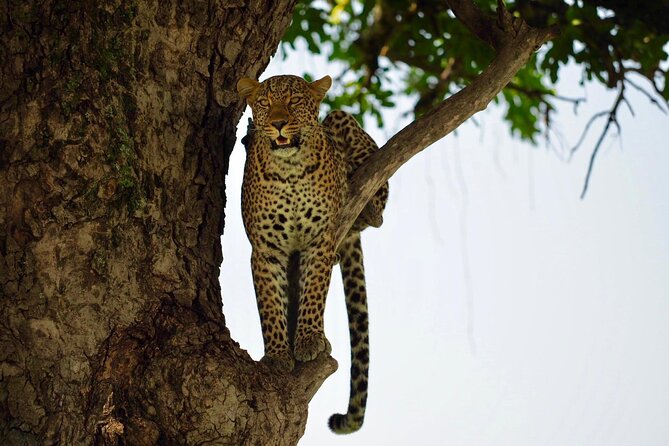
The route then follows the floor of the Great Rift Valley to the Maasai Mara National Reserve. You have lunch at Enkorok Mara Camp before an evening game drive, followed by dinner and overnight accommodation.
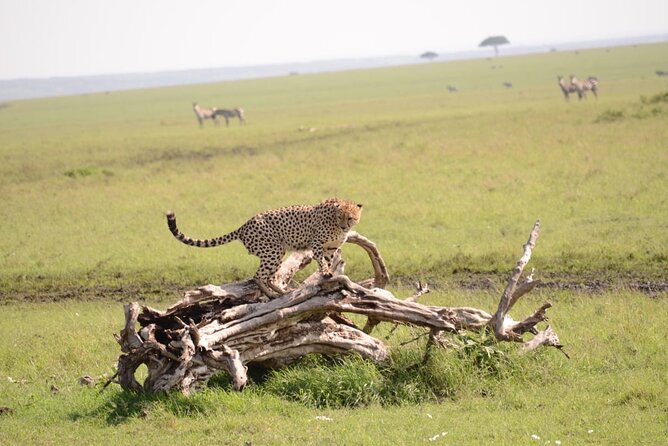
Three days in the Mara are a strong part of the design. The reserve is famous for large mammals, birds, and big cats, including cheetahs and leopards. Your guide can use the morning and afternoon drives to search for predators, while the extra time keeps the trip from depending on one short afternoon.
Day 5 is dedicated to exploring the Mara. The route description highlights the great wildebeest and zebra migration, when as many as one million wildebeest and 200,000 zebra make the seasonal journey. The timing of the migration is not provided, so do not book this trip solely for a river crossing. Even outside the crossing period, the Mara remains a major wildlife area, but the famous event depends on date and location.
Day 6 offers another full day, with a choice between staying out with a packed lunch or returning to camp for lunch. This flexibility is one of the best practical features of the private format. If you have found a pride of lions or a leopard and want to stay out, you can make a full day of it. If you need a break from the vehicle, lunch at camp gives you a reset.
Enkorok Mara Camp is listed for the Mara stay. The accommodation format is camp rather than a conventional city hotel, so you should be comfortable with a safari setting. Ask in advance about the exact tent arrangement, electricity, hot water, and any included drinks, since those details are not supplied.
Same base, a completely different sort of day:
- Nairobi National Park Half-Day Tour; Free Wi-Fi connection
★ 5.0 · 878 reviews - Nairobi: National Park & Optional Elephants & Giraffe Center
★ 4.8 · 874 reviews - NAI NAMI: Nairobi Storytelling Tour with Street Children
★ 5.0 · 792 reviews - Nairobi National Park Half-Day Game Drive
★ 4.5 · 738 reviews
Day 7: Crossing into Tanzania at Isebania
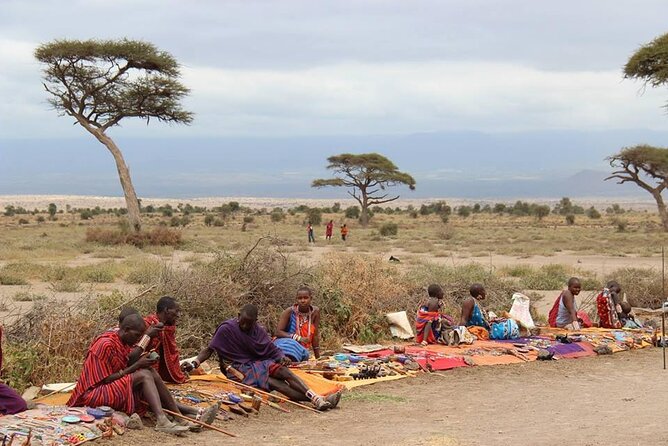
After breakfast, you leave the Mara and cross into Tanzania through the Isebania border. The day continues to Speke Bay Lodge on Lake Victoria, where a boat ride is planned.
This is a major transition day. You are leaving Kenya, handling an international land border, and moving toward the Serengeti. The listed duration is 12 hours, so expect a long day with less time for wildlife viewing than the park days.
Speke Bay Lodge sits on the southeastern shore of Lake Victoria, in the Speke Gulf, and is about 15 kilometers from Serengeti National Park. The lodge is described as looking like a small village spread along the lake, surrounded by open country. The boat ride gives you a change of pace after several days of game drives and road travel.
Bring patience for this day. Border procedures can affect the schedule, and the tour data does not spell out visa requirements or border assistance. Confirm the documents required for your nationality and ask the operator how the crossing is handled. This is one place where a private tour can be useful, since your group is not sharing the day with a large coach party.
Days 8 and 9: The Serengeti’s huge scale
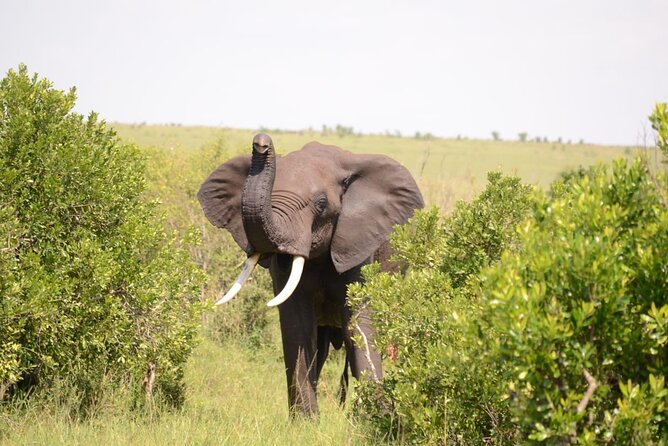
You enter Serengeti National Park through Ndabaka Gate for a full day of game viewing, driving south and west toward the western corridor. A picnic lunch is planned, followed by dinner and overnight accommodation at Mawe Tented Camp or a similar property.
The Serengeti is enormous, covering about 14,736 square kilometers, and it adjoins Kenya’s Maasai Mara. Its size is part of the appeal and part of the challenge. You may spend long stretches seeing open country before finding a cluster of animals, so a good guide and patience matter.
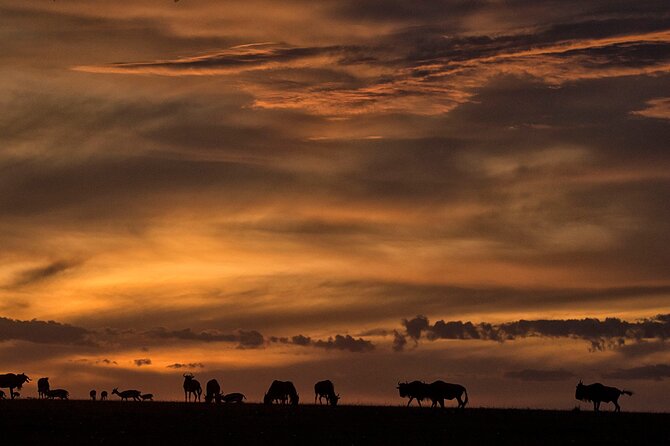
The park supports about two million wildebeest along with zebra, gazelle, impala, topi, buffalo, giraffe, warthog, and other hoofed species. Those herds support predators such as lion, leopard, cheetah, hyena, golden jackal, and bat-eared fox. The more time you spend in the park, the more likely you are to see different behavior rather than simply ticking off species.
Day 9 brings another full day with morning and afternoon game drives. The accommodation is a tented camp or similar property, which can make the Serengeti feel more connected to the setting. At the same time, camp standards can vary, so ask what similar means if Mawe Tented Camp is unavailable.
The supplied schedule lists Day 8 as 18 hours, which likely reflects a very long park and transfer day rather than a continuous activity. Either way, plan for early starts, substantial vehicle time, and a packed lunch. Comfortable clothing, a hat, water, and a camera with spare batteries will matter more than smart evening clothes.
Day 10: Olduvai Gorge on the way to Ngorongoro
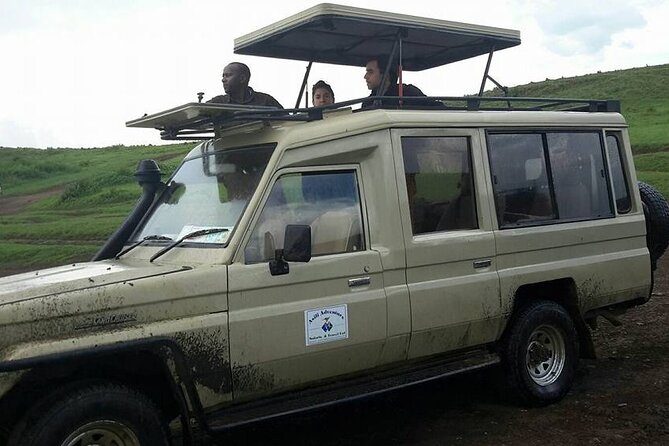
Day 10 begins with a morning game drive, breakfast back at camp, and a journey south toward Ngorongoro Crater. Olduvai Gorge provides the main cultural and scientific stop, with a picnic lunch along the way.
The gorge cuts through rock layers dating from about two million years ago to the present. Human ancestor fossils older than 1.75 million years were found here, and fossil footprints more than three million years old are associated with the site. There is also a museum where you can learn about the excavations.
This stop adds meaning to a trip that could otherwise focus only on animals. You are seeing a place tied to the study of human origins, not just passing through another park gate. The schedule combines game viewing and a museum visit, so the day should suit you if you like a little science and archaeology with your wildlife.
Overnight accommodation is listed at Ngorongoro Rhino Lodge or a similar property. Since the next morning starts early for the crater, a nearby lodge is practical, though the exact comfort level and crater views should be confirmed.
Day 11: A full day inside Ngorongoro Crater
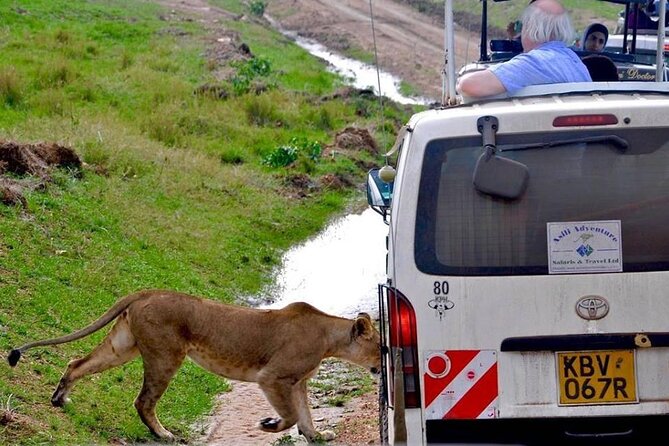
After an early breakfast, you descend about 2,000 feet into Ngorongoro Crater in a four-wheel-drive vehicle for a full-day tour with a picnic lunch. You then ascend and spend the night at Hhando Coffee Lodge, Ngorongoro Farm House, or Farm House Valley.
The crater is one of the trip’s key wildlife days because its enclosed setting can place many animals within a relatively concentrated area. The schedule describes Ngorongoro as a major draw in Tanzania, and that is fair. It combines dramatic views with the chance to find large mammals on the crater floor.
Do not mistake a concentrated area for a guaranteed show. Wildlife still moves, weather changes, and other vehicles may be present. The private format helps with pace, but the vehicle still follows park rules and established routes.
This is another picnic-lunch day, so expect a long outing rather than a quick scenic stop. The early start is worth taking seriously. You will have more time on the crater floor if you are ready to leave after breakfast.
Day 12: Tarangire’s elephants and dry-country species
The final major park is Tarangire National Park. After breakfast, you drive to the park, have lunch, and continue with an afternoon game drive before dinner and overnight accommodation at Tarangire Roika Tented Camp.
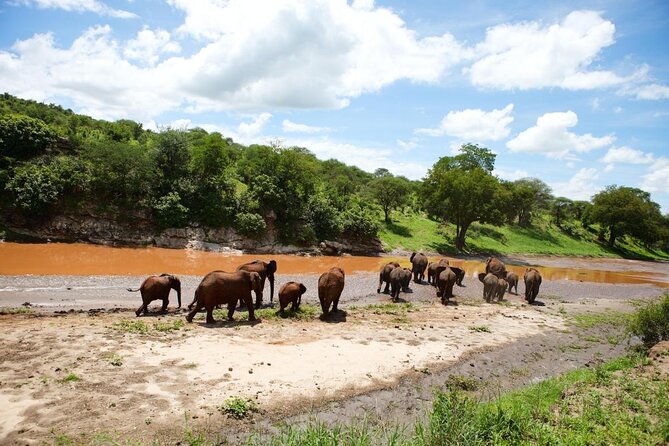
Tarangire is known for large elephant herds, with groups of up to 300 elephants described in the route details. Animals gather around shrinking lagoons and underground water in the dry riverbed, including wildebeest, zebra, buffalo, impala, gazelle, hartebeest, and eland.
This park also gives you a chance to look for species less often highlighted on a first safari. Fringe-eared oryx and the long-necked gerenuk are specifically associated with Tarangire here. If you have already seen the major cats and elephants, these unusual antelope can make the last game drive feel fresh.
The afternoon timing means you do not get a full day in Tarangire, but it avoids adding another park to an already packed route. Tarangire works well as a final wildlife stop because it offers a different setting before the transfer to Arusha.
Day 13: Arusha finish and practical details
After breakfast at leisure, you drive to Arusha, arriving around noon. The day is listed as roughly five hours, so the morning is mostly a transfer rather than another game drive.
There is a small point to clarify before booking: the meeting information says the activity ends back at the meeting point, while the day-by-day route says it ends in Arusha. Those descriptions do not match. Ask Asili Adventure Safaris to confirm the exact final drop-off point, especially if you have a flight, hotel, or onward transfer.
The tour begins at 7 a.m. on Standard Street in Nairobi, and pickup is offered. The information does not specify airport transfers for this exact package, though Asili has arranged airport pickup and final transfers on some longer private trips. Confirm that service separately rather than assuming it is included.
Is $8,086 per person fair value?
At $8,086 per person, this is a major purchase. The value comes from the length of the trip, the private vehicle and guide arrangement, multiple park areas, game drives, accommodation in lodges and tented camps, and the Kenya to Tanzania connection.
You are not paying for one park and a couple of short drives. You are paying for a carefully linked route through Samburu, Lake Nakuru, Maasai Mara, Lake Victoria, Serengeti, Ngorongoro, and Tarangire. The private setup can also be valuable if your group wants flexible lunch plans and more control over game-drive timing.
Still, the supplied information does not state every inclusion. Before booking, ask about park fees, meals, drinks, border costs, tips, visas, airport transfers, and the exact vehicle. Also confirm whether the price changes with the number of people in your private group. Those details can change the real cost.
The best value comes if you want breadth and do not mind road travel. If you prefer fewer parks, higher-end lodging, or internal flights between reserves, another safari design may suit you better.
Who should book this Kenya and Tanzania safari?
I would choose this trip if you want a first major safari with both countries included and you care more about wildlife variety than slow mornings. It suits couples, families, and private groups that want their own schedule, especially with the option to stay out all day in the Mara.
It is also a good fit for photographers and keen bird watchers. Samburu offers distinctive northern species, Lake Nakuru has more than 400 recorded bird species, and the Mara and Serengeti provide strong chances for predators and grazing herds.
I would hesitate if you dislike long drives, changing accommodation often, or tented camps. The route has several demanding transfer days, including the 12-hour Lake Victoria border day and the long Serengeti entry day. You should also confirm the exact lodging before paying, since several nights allow a similar property.
Free cancellation is available up to 24 hours before the local start time for a full refund. A minimum group size is required, and if the operator cancels for that reason, you are offered another date or experience or a full refund.
Should you book it?
Book this safari if your priority is seeing a wide slice of East Africa in one private trip. The strongest features are the three Mara days, two Serengeti days, the rhino stop at Lake Nakuru, the unusual wildlife of Samburu, and the chance to compare the Mara with Ngorongoro and Tarangire.
Before committing, get written confirmation of the final Arusha drop-off, border requirements, all included costs, and the exact accommodation. If those details work for you and you can handle the long drives, $8,086 buys a substantial wildlife route with genuine variety. If you want a gentler pace, cut one or two parks and spend more nights in fewer places.
FAQ
Where does the safari start?
The tour starts at 7:00 a.m. from Standard Street in Nairobi, Kenya. Pickup is offered.
Where does the safari end?
The day-by-day schedule says the tour reaches Arusha at about noon on Day 13. The meeting information says the activity ends back at the meeting point, so you should confirm the exact final drop-off with Asili Adventure Safaris.
Is this a private safari?
Yes. Only your group participates in the private tour or activity.
How long does the safari last?
The safari lasts approximately 13 days.
Which Kenyan parks are included?
The Kenyan portion includes Samburu National Reserve, Lake Nakuru National Park, and Maasai Mara National Reserve.
Which Tanzanian parks and sites are included?
The Tanzanian portion includes Lake Victoria, Serengeti National Park, Olduvai Gorge, Ngorongoro Crater, and Tarangire National Park.
Is there a border crossing during the tour?
Yes. On Day 7, the route crosses from Kenya into Tanzania through the Isebania border.
What types of accommodation are used?
The trip uses lodges and tented camps. Named properties include Samburu Sopa Lodge, Enkorok Mara Camp, Mawe Tented Camp or similar, Ngorongoro Rhino Lodge or similar, and Tarangire Roika Tented Camp.
What is the cancellation policy?
You can cancel at least 24 hours before the local start time for a full refund. Cancellations or changes made less than 24 hours before the start are not accepted for a refund.
Just added around Nairobi
- Visit kibera Slum the chocolate city★ 4.8 · 3 reviews
- 3 days maasai mara migration safari★ 4.5 · 7 reviews
- Maasai Mara Day Trip★ 5.0 · 15 reviews
- 4 Days Tour Landcruiser in Masai Mara and Lake Nakuru★ 5.0 · 10 reviews
- 4 Days Safari to Lake Nakuru N/P and Maasai Mara N/R★ 5.0 · 18 reviews
- Day Tour to Nairobi national park, Elephants, and Giraffe Center★ 3.5 · 8 reviews
- Wildebeest Migration in Masai Mara and Sightseeing 4 Days Tour★ 4.5 · 6 reviews
- Vegans special safari★ 4.5 · 4 reviews
Wildlife, compared.
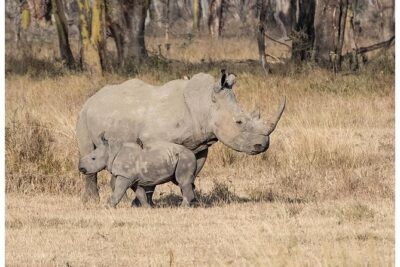
African Wildlife & Nature – 5 Kenya national parks – 6 day Jeep Safari
Read our review →
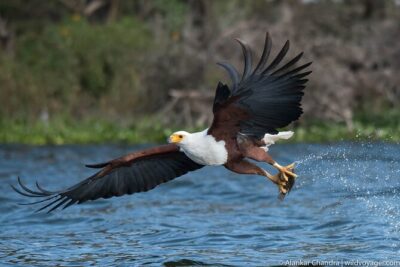
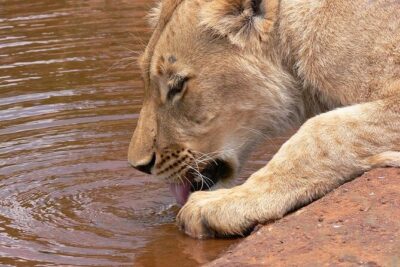
Half day wildlife tour to Nairobi National Park Game Drive with Pickup/Drop off
Read our review →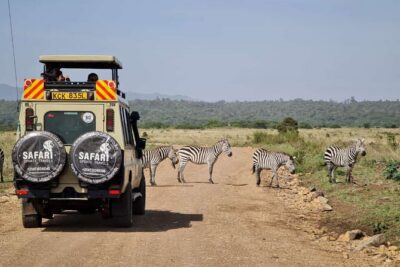
3 Days Best of MasaiMara Wildlife Private Safari, Mid-Range offer
Read our review →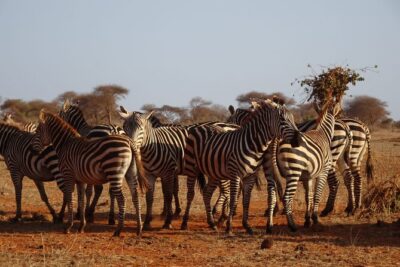
6 Days Kenya Masai Mara,Lake Nakuru & Amboseli Wildlife Safari
Read our review →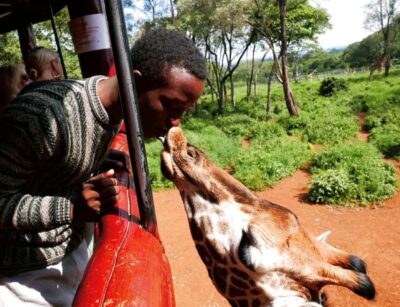
David Sheldrick Wildlife Trust & Giraffe Center with Lunch
Read our review →
ATV/Quad Bike Wildlife Safari with Transfers & meal
Read our review →Browse the lists this tour appears in