
Reviewed · MASAI MARA SAFARIS
3 Days Maasai Mara Guided Safari from Nairobi
The main draw is simple: in three days, you can reach Kenya’s most famous wildlife reserve, search for lions and cheetahs, and spend a full day among the Mara’s grasslands without paying for a luxury safari. I like the small vehicle groups of up to seven and the fact that daily departures are promised, even for solo bookings. The Rift Valley stop and sunset game drive also give you more than a rushed transfer from Nairobi.
I also like that the price includes two nights, all six main meals, bottled water, and pickup within Nairobi’s city center. The catch is important: the advertised $196 price does not include park entrance fees, which are listed as $200 per person from January through June and $400 from July through December. That can make the real cost much higher.
Key points to know before you book
- The first wildlife viewing starts on day one: After the Nairobi to Mara drive, you should have an evening game drive around 4 p.m.
- The second day is the main safari day: Expect a full-day drive with a picnic lunch and time around the Mara River.
- The advertised vehicle limit is seven: This is a useful setup for viewing and photography, though the activity information also gives a maximum of 48 people overall, so confirm your vehicle arrangement.
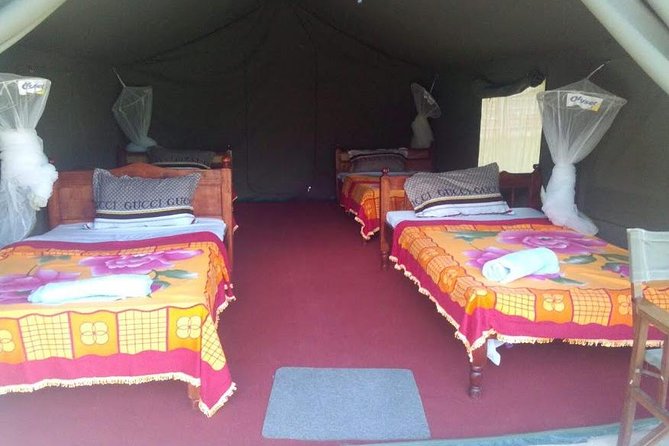
- The tents are more comfortable than basic camping: Beds, linen, an inside toilet, a bathroom, hot water, and electricity are provided, though standards can vary.
- Park fees are the big extra cost: Check the total price carefully before you pay.
- The Maasai village visit costs $20 per person: It is optional and takes place near Ololaimutiek on the final morning.
What the $196 safari really costs
At first glance, $196 for three days in the Maasai Mara looks like an excellent deal. It covers transport from Nairobi, a professional driver-guide, two nights of accommodation, bottled water, breakfast twice, lunch three times, and dinner twice.
The important fine print is the park fee. The supplied information lists the fee at $200 per person from January through June and $400 from July through December. That means your practical total could be about $396 in the first part of the year or $596 later in the year, before drinks, tips, and optional activities.
The tour also offers a version with park entrance fees included, so compare the two choices rather than assuming the headline price is the final bill. I would ask for the exact total in writing, including the dates of your visit, the park fee, pickup location, and any upgrade costs.
There is also some mixed information about group size. The experience is promoted as a small group with a maximum of seven people in a customized safari vehicle. Elsewhere, the activity gives a maximum of 48 participants. That may refer to the total number of people booked across several vehicles, but you should confirm this before booking if the small-group promise matters to you.
Other ways to reach the Mara from Nairobi:
- 3 Days Masai Mara Group Joining
★ 5.0 · 486 reviews - 5 Days Masai Mara, Lake Nakuru & Naivasha Budget Joining Safari
★ 5.0 · 229 reviews - 3 Days Gamedrive Safari In Masai Mara From Nairobi
★ 5.0 · 207 reviews
Day one: Nairobi, the Rift Valley, and your first Mara drive
Pickup is offered from Nairobi’s city center and, at no extra charge, from the airport. The included pickup area is limited, though. One person was charged $20 because the hotel was outside the stated pickup zone, so check your address carefully if you are staying in Westlands or another area beyond the central pickup range.
The trip west begins with a stop at the Great Rift Valley viewpoint. You get a broad view across the valley and may see Mount Longonot in the distance. It is a short stop, listed at about 15 minutes, but it breaks up the road journey and gives you a useful sense of Kenya’s geography.
The drive to the Mara is a serious part of the experience. Traffic leaving Nairobi can affect the schedule, and a late arrival can shorten the first game drive. One itinerary adjustment resulted in the first game viewing being moved to the final day, when there was little time and fewer animals were seen. That is a good reason to keep your expectations flexible on day one.
After lunch at camp and check-in, the planned game drive begins around 4 p.m. This is a smart time to be out. The afternoon light is better for photographs, and many animals are more active as the heat eases.
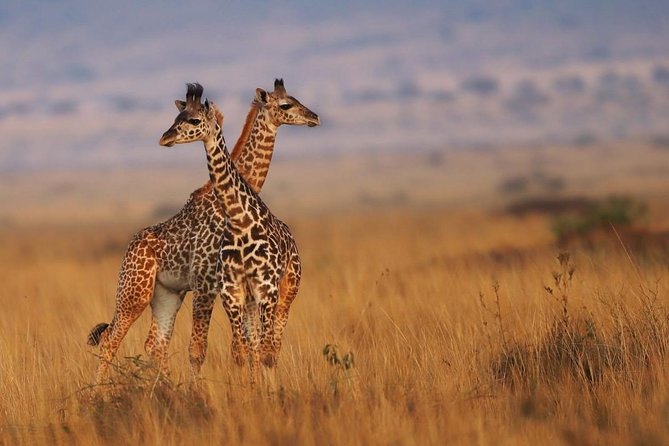
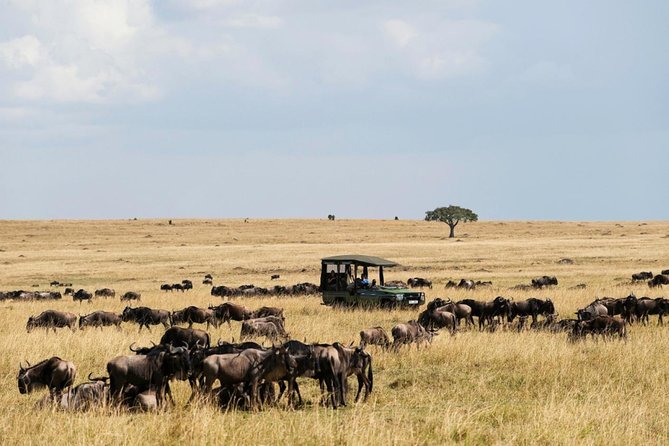
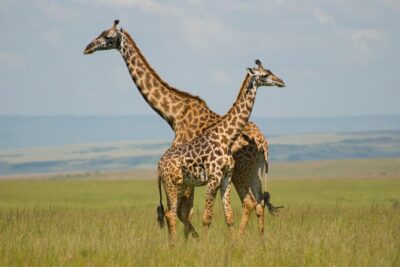
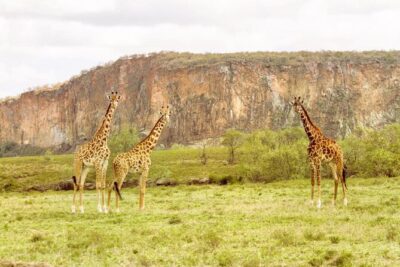
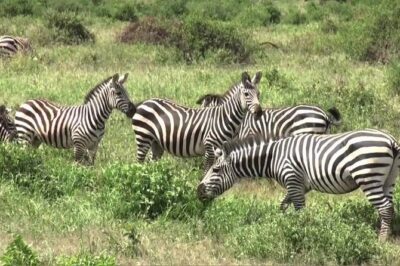
The first drive lasts about two hours according to the schedule. You may see zebra, giraffe, elephant, buffalo, lion, or other wildlife, but no safari can promise a full list. Four of the Big Five are often seen in the Mara, while rhinos are harder to find. The annual wildebeest movement is seasonal, usually involving animals arriving around July and leaving around November, so do not book outside that period expecting the migration itself.
Dinner is a buffet meal at camp, followed by your first night in the tent. The schedule calls this a tent, but this is not a sleeping bag on bare ground. The accommodation has a proper bed, linen, an inside toilet, a bathroom, electricity, and hot water. The standard can be uneven, though. Some people found the camp clean and comfortable, while another person reported no hot water and described the accommodation as very basic.
Day two: the Mara River and a full day among the animals
Day two is the heart of the trip. After breakfast, you set out for a full-day game drive with a picnic lunch in the reserve. The schedule divides the day into about six hours around the Mara River and another five hours exploring the reserve, though the exact time in the vehicle will depend on road conditions, sightings, and the guide.
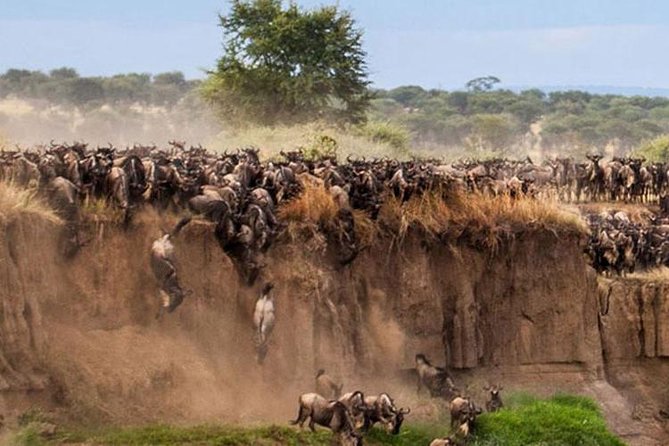
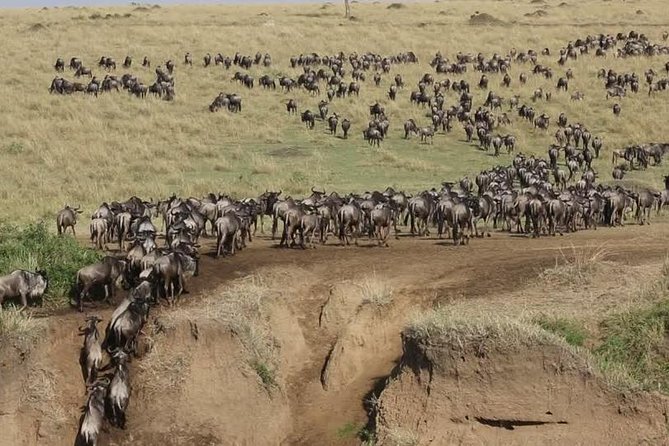
The Mara River is important for two reasons. It is a wildlife area in its own right, with hippos and Nile crocodiles reported along the banks throughout the year. It is also linked with the wildebeest crossing scenes that have made the Maasai Mara famous. Do not assume you will see a crossing simply because you visit the river. Timing, water levels, animal movement, and luck all matter.
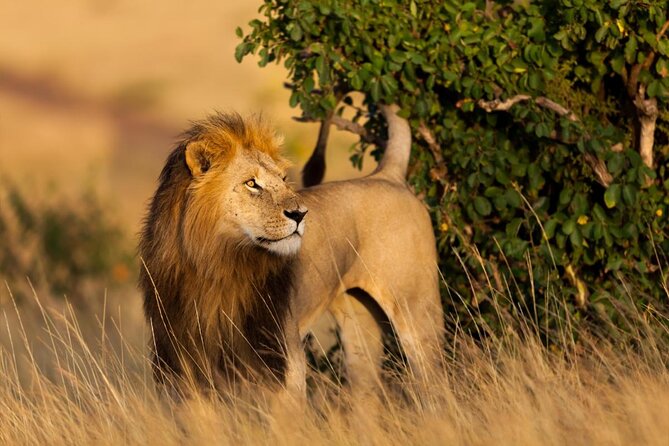
This is also your best chance to look for the three big cats. Lions and cheetahs are often easier to spot than leopards, which tend to be less obvious. The guides have been praised for spotting wildlife, finding good viewing positions, and explaining what you are seeing. Names that appear in the trip information include Robert, Ambrose, Samuel, Joseph, Tom, Peter, and Kevin. Your guide will depend on the departure, but the quality of that person matters greatly.
A good guide does more than point at an animal. You need someone who drives with care, watches the behavior of the animals, communicates clearly, and understands how to position the vehicle without spoiling the sighting. Several people praised drivers such as Robert, Ambrose, Samuel, and Joseph for their humor, patience, safe driving, and sharp eyes.
There are limits to the experience. At busy animal sightings, many safari vehicles can gather in one place. One person counted more than 20 vehicles around sightings, which made the viewing feel crowded. The Mara is a public reserve, not a private conservancy, so you cannot expect every encounter to be quiet or solitary.
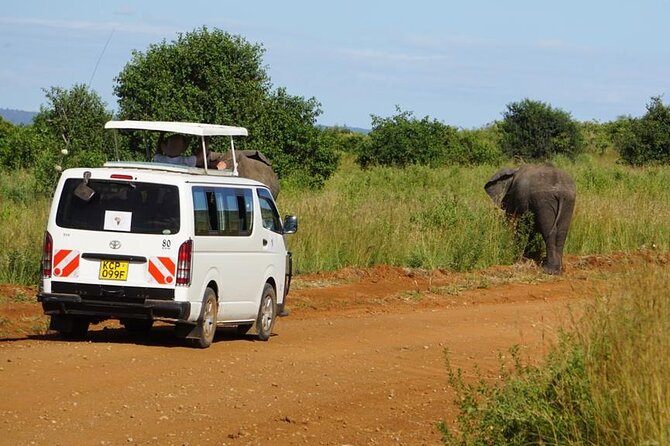
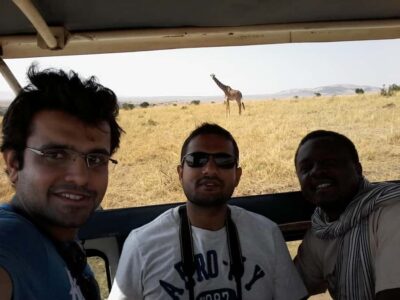
The vehicle is described as customized for safari viewing and photography. Some people specifically liked having power for phones and cameras. Confirm the vehicle type if comfort matters to you. A Land Cruiser upgrade was recommended for rough or rainy conditions, while the standard option may use a different safari vehicle.
Pack your camera, but also bring patience. A leopard sighting may last only a few seconds, and a lion may be resting in tall grass rather than posing in the open. The strongest part of this day is not ticking off every animal. It is having enough hours to stay with a good sighting and continue looking when the first excitement fades.
The camps: ensuite tents with uneven standards
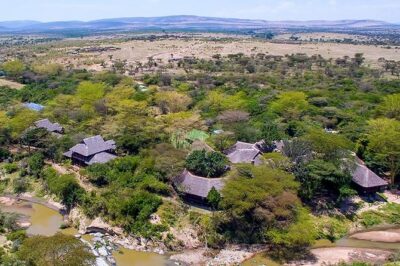
The accommodation is designed for value, not polish. Your tent should have a large bed, linen, toilet, bathroom, hot water, and electricity. There is also a shared lounge and dining area where buffet meals are served, plus a place to charge phones and batteries.
That setup is a useful middle ground. You get the sound and feel of staying near a safari reserve without giving up a bed or private bathroom. For many people, that is enough after a long day in the vehicle.
Do not book this expecting a consistent hotel standard. The supplied camp can vary, and named properties in the trip material include Mara Enkajiang, Rhino Camp, Blue Rhino Camp, Masai Lodge, and Jambo Mara. Some are described as large tents, while others are small huts or glass-sided rooms.
The staff receive strong praise in the supplied experiences. Gilbert, Moses, Mike, and Damaras are among the camp workers singled out for kindness and hospitality. Food also receives generally positive comments, including careful handling of dietary restrictions.
If you want more comfort, an upgrade to Jambo Mara accommodation and a Land Cruiser is available in some arrangements. One family found the larger rooms, staff, food, and vehicle upgrade worth the extra cost. Ask exactly what your upgrade includes, because the standard camp and upgraded property are very different products.
A few more things to do around Nairobi worth a look
- 3 Day Masai Mara Safari
★ 5.0 · 177 reviews - 3 days group joining safari to Maasai Mara with a Land Cruiser Jeep
★ 5.0 · 173 reviews - 3 days masai mara safari from Nairobi
★ 5.0 · 131 reviews - 3 days Masai Mara on Private 4×4 Land Cruiser
★ 5.0 · 130 reviews
Day three: a Maasai cultural visit and the road back to Nairobi
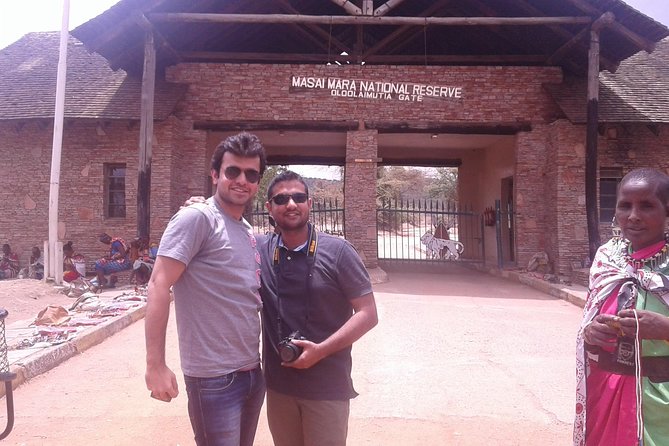
After breakfast, you check out and may visit a Maasai village near Ololaimutiek. The cultural visit costs $20 per person and is optional. You can expect an introduction to local life, traditional huts, livestock keeping, and demonstrations such as lighting a fire.
I would approach this visit with respect and realistic expectations. It is a short commercial cultural stop, not a full study of Maasai life. Still, it can add a human dimension to a trip otherwise focused on wildlife, especially if you take the time to listen and ask polite questions.
The final day does not include a normal game drive. The schedule specifically says there is no game drive before the return to Nairobi. One delayed group ended up paying for a very short park visit on the final day, with limited wildlife, so make sure you understand exactly how any changed schedule will affect park fees and viewing time.
The return drive ends in central Nairobi, or at the airport. If you are flying that day, allow plenty of extra time. Road delays can affect the schedule, and this is not the kind of transfer I would pair with a tight international departure.
Wildlife expectations: Big Five sightings are possible, not promised
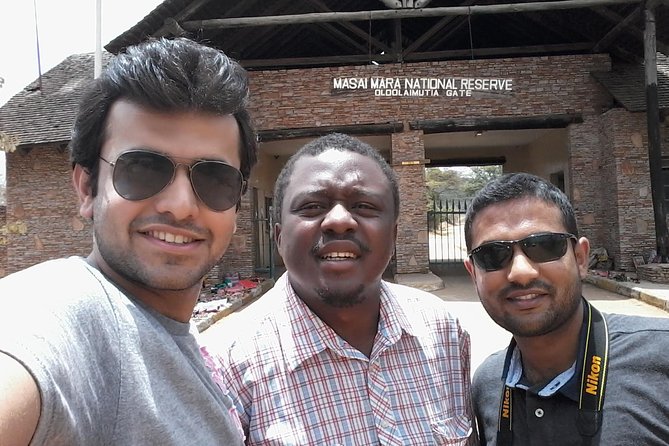
The Maasai Mara is one of Kenya’s best places for big cats and general wildlife viewing. You have a realistic chance of seeing lions, elephants, buffalo, zebra, giraffe, hippos, crocodiles, and perhaps cheetahs or leopards.
Several people saw four of the Big Five, with rhino being the animal most often missed. Others saw the so-called Super Seven or had close views of a leopard. These are excellent outcomes, but they are not guarantees.
The migration is another point to handle carefully. The tour presents the wildebeest movement as a major highlight, but the timing matters. From July through November, the Mara is more closely associated with the migration. Outside those months, the resident wildlife still makes the reserve worthwhile, but you should not expect dramatic river crossings.
Game viewing depends on weather, recent animal movement, road conditions, and your guide. Mud can slow the vehicle. Tall grass can hide smaller animals. Rain can alter the schedule. That uncertainty is part of a real safari, but it is also why a full day in the reserve matters.
Who will get the most from this safari
I think this trip suits you if you have only three days, want the Mara experience without a luxury price, and are comfortable with long road transfers. It works especially well for solo visitors because daily departures are promised, so you are not relying on a group to fill the vehicle.
It also fits families and first-time safari visitors. Families with older children have used the trip successfully, and the combination of wildlife, a village visit, and a comfortable bed makes it easier than a more rugged camping trip.
You should think twice if you want a quiet, private safari with a high level of service. The reserve can be crowded at major sightings, the accommodation is basic, and the guide experience can vary. One very serious complaint described unsafe handling of a dispute with a driver, while another person reported a driver spending too much time on the phone. Those accounts are not consistent with the many positive guide reports, but they are reasons to confirm the operator’s communication and payment arrangements before departure.
Practical details that affect your decision
The tour includes free cancellation up to 24 hours before the start time. Changes or cancellations inside that period are not accepted for a refund.
Most people can participate, and the area is near public transportation, but the tour is built around long drives and repeated hours in a safari vehicle. I would bring a light jacket, sun protection, insect repellent, a refillable water bottle, camera batteries, and small cash for optional costs and tips.
Alcohol is not included, though it can be purchased. Meals are included, but ask ahead if you have dietary needs. The camp has electricity, but charging space may be shared, so a power bank remains sensible.
Before booking, confirm these five points:
- Your exact Nairobi pickup address
- The full cost of park fees for your travel dates
- Whether your vehicle has a maximum of seven people
- The name and standard of your camp
- Whether you want the $20 Maasai village visit
Should you book this Maasai Mara safari?
Book it if your priority is seeing the Mara on a tight schedule and keeping the base price low. The combination of an afternoon drive, a full second day, ensuite tent accommodation, meals, and a possible Maasai cultural visit gives you a solid introduction to Kenya’s best-known reserve.
I would not book it on the headline price alone. Add the park fee first, then compare the total with other three-day safaris. If the final cost is still comfortable, this is a practical choice for wildlife lovers, solo visitors, and families who value time in the reserve more than polished accommodation.
Choose the park-fee-inclusive option if the final price is clear. Consider a Land Cruiser and upgraded camp if comfort, photography, or rainy-season road conditions matter. With those details settled in advance, this safari offers strong value, but it works best when you treat it as a budget wildlife expedition rather than a luxury holiday.
FAQ
Is pickup from Nairobi included?
Yes. Pickup and drop-off are included from hotels or residences within Nairobi’s city center, and complimentary airport pickup is also offered. An extra charge may apply outside the stated pickup area.
Are Maasai Mara park entrance fees included?
The basic package excludes park entrance fees. The listed fee is $200 per person from January through June and $400 per person from July through December. An option with park fees included is available.
How many people are in the safari vehicle?
The tour describes a customized safari vehicle with a maximum of seven people. The activity information also lists a maximum of 48 participants overall, so confirm whether that number refers to several vehicles operating together.
What accommodation is provided?
You stay two nights in large ensuite tents with beds, linen, toilets, bathrooms, hot water, and electricity. Camp standards can vary, and upgrades to properties such as Jambo Mara may be available.
Are meals included?
Yes. The package includes two breakfasts, three lunches, and two dinners. Alcoholic drinks are not included but can be purchased.
Is the Maasai village visit included?
No. The visit near Ololaimutiek is optional and costs $20 per person. It includes an introduction to Maasai culture, traditional huts, livestock keeping, and fire lighting.
Is there a game drive on the third day?
No regular game drive is scheduled on the final day. After breakfast and checkout, you may visit the Maasai village before driving back to Nairobi.
Just added around Nairobi
- Nairobi: Horseback Riding Tour Through Maize Plantation★ 5.0 · 3 reviews
- Nairobi: Kibera Slum Compassionate Walking Tour★ 5.0 · 4 reviews
- Nairobi: Karura Forest Guided Walking Tour★ 5.0 · 4 reviews
- From Nairobi: Horseback Wildlife Safari with Transfer & Meal★ 4.6 · 7 reviews
- Nairobi: Hidden Gems and Local Secret Guided Walking Tour★ 4.9 · 20 reviews
- Nairobi: Hop on Hop off and Maasai market Collections Visit★ 3.5 · 10 reviews
- Nairobi: Karura Forest Horseback Riding Tour★ 4.8 · 11 reviews
- Nairobi: Half-Day Game Drive at Nairobi National Park★ 5.0 · 5 reviews
Masai Mara Safaris, compared.
5 Days Masai Mara, Lake Nakuru & Naivasha Budget Joining Safari
Read our review →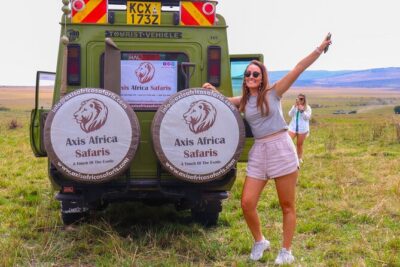
3 Days Gamedrive Safari In Masai Mara From Nairobi
Read our review →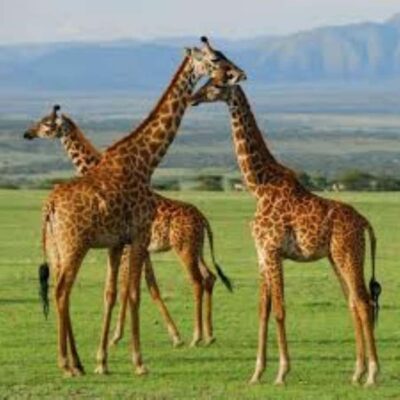
3 days group joining safari to Maasai Mara with a Land Cruiser Jeep
Read our review →
3 days Masai Mara on Private 4×4 Land Cruiser
Read our review →Browse the lists this tour appears in