
Reviewed · TOURS IN MOMBASA
MOMBASA:FortJesus,OldTown,SpiceMarket, Shiva Temple DayTour.
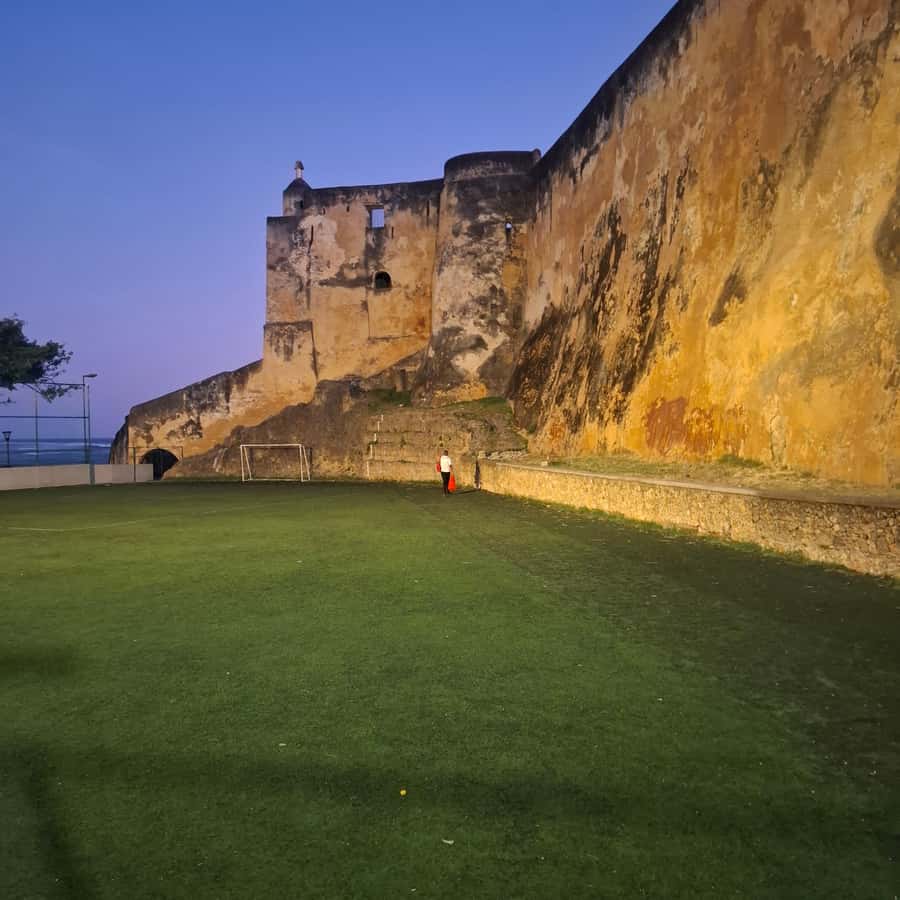
Mombasa’s story unfolds best on foot, and this tour links four very different places in one compact walk: the fortress of Fort Jesus, the narrow lanes of Old Town, a local spice market, and the Shiva Temple. I especially like the chance to see how Swahili, Indian, Arab, Muslim, and Hindu influences meet in one part of the city. I also like the personal touch from guide John, who can adjust the route and timing to suit your plans.
The main catch is that Fort Jesus admission is not included in the $35 price, and there is no drop-off at the end. Expect sun, uneven walking, narrow streets, and a tour conducted in English. Bring water, good shoes, and some cash.
Key points to know before you go
- Fort Jesus sets the scene: Begin with Mombasa’s best-known historic landmark, but pay the separate museum entry fee if you want to go inside.
- Old Town is the real walking experience: Narrow streets, old buildings, local activity, and layered cultural influences make this the heart of the tour.
- John offers a flexible approach: He has adjusted start times, routes, and stops for visitors with tight schedules.
- The spice market uses all your senses: Expect strong aromas, colorful displays, and a close look at everyday local trade.
- Shiva Temple adds an important perspective: The visit introduces you to Mombasa’s Hindu community and the city’s Indian connections.
- The $35 price is best for culture seekers: It covers the guided walk and local interpretation, but not Fort Jesus entry or return transport.
A walking introduction to Mombasa’s old quarters
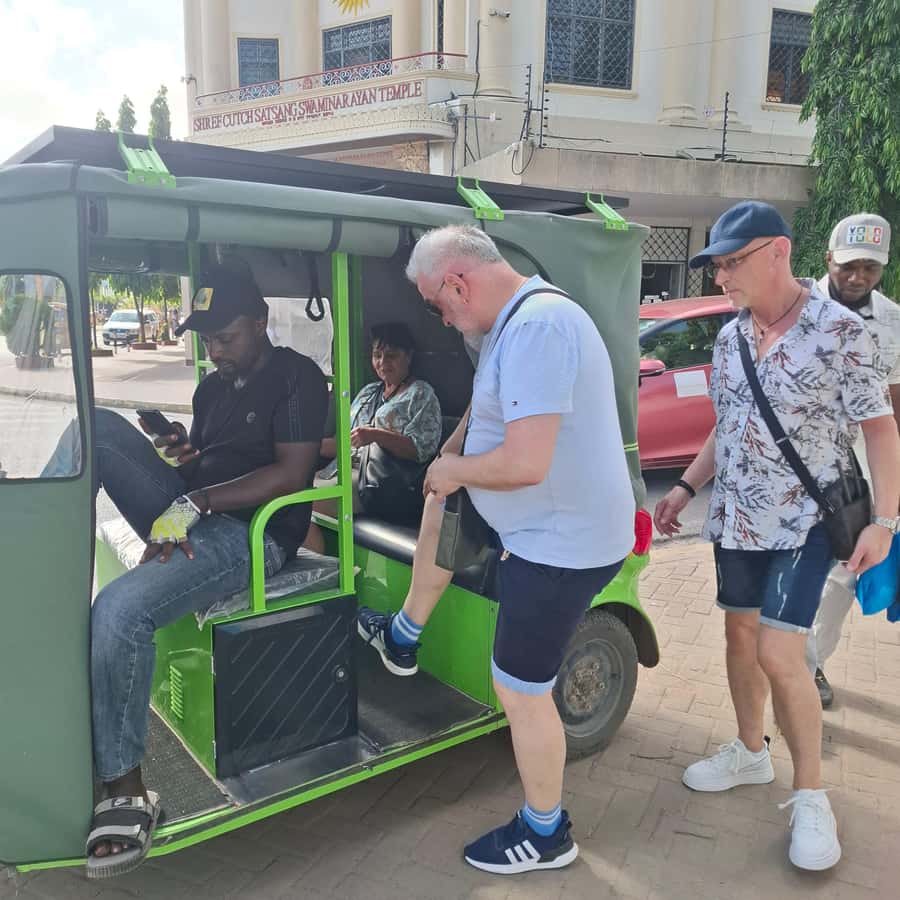
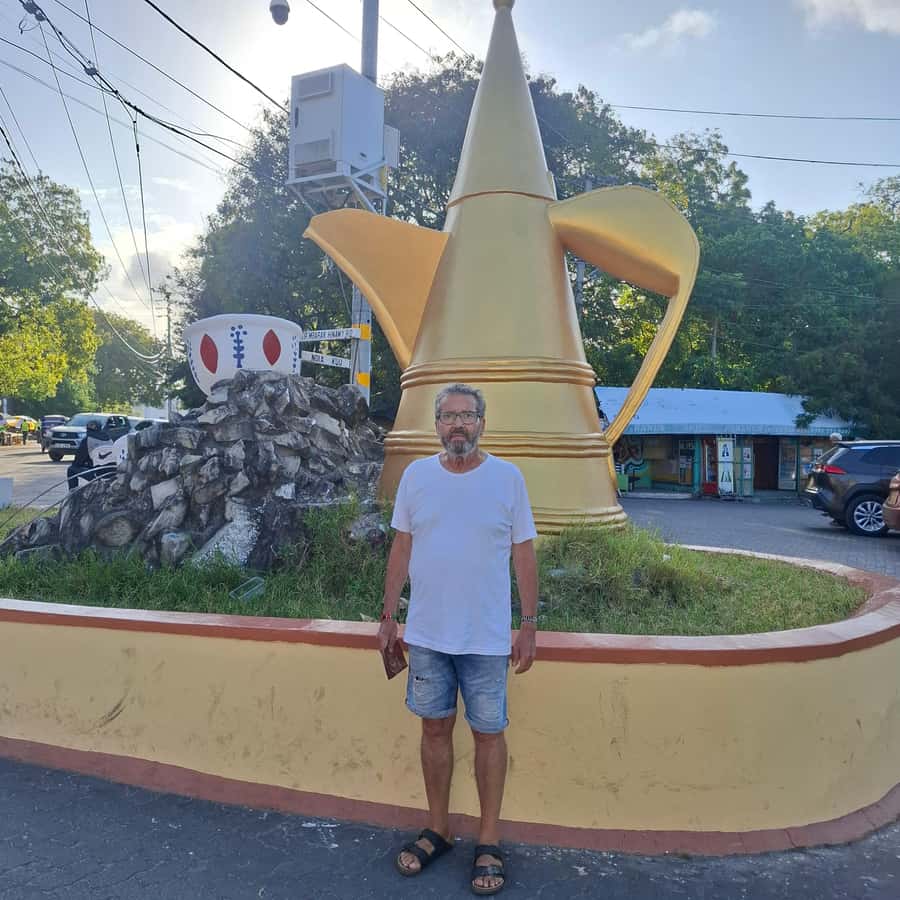
This is not a bus tour where you watch Mombasa pass behind glass. You meet at the Coffee Pot landmark on a roundabout near Fort Jesus, receive a short briefing about looking after the environment, and then set off with your guide.
That starting point matters. Fort Jesus, Old Town, the market, and Shiva Temple are close enough to connect on foot, so you spend your time looking at doors, alleys, religious buildings, market stalls, and street life rather than waiting for transport.
I would choose this experience early in a Mombasa stay. It gives you a useful map of the old center and introduces the city’s main cultural threads before you explore alone. It also suits a short stopover, especially if you are fitting Mombasa around a train journey or another fixed appointment.
The exact duration is not provided, so you should confirm the timing when you book. That is especially important if you have a train, flight, or hotel pickup to catch later.
Other trips that set out from Mombasa:
- Walking Tour Through Old Town Mombasa and Fort Jesus
★ 5.0 · 393 reviews - Mombasa: Kisite Park Private Cruise with Breakfast and Lunch
★ 4.7 · 181 reviews - Mombasa City Tour
★ 5.0 · 170 reviews
Starting at Fort Jesus
Fort Jesus is the tour’s historical anchor. The guide begins by explaining why the fort mattered to Mombasa and how it shaped the city around it. You can enter the fort and museum, but the admission charge is separate from the tour price.
That extra cost is the first practical detail to note. The advertised $35 pays for the walking tour, guiding, Old Town walk, spice market visit, Shiva Temple visit, and cultural explanation. It does not cover your Fort Jesus ticket.
Inside the fort, the value comes from having John explain what you are seeing rather than simply walking through rooms and walls on your own. The tour description promises historical background and context, while the individual feedback about John points to his ability to answer questions and explain the city in a clear, friendly way.
Allow yourself enough time at this first stop. If you rush through Fort Jesus, you lose the opening chapter of the tour. If your schedule is tight, tell John before the walk begins. He has already adjusted visits for people catching transport, so clear communication should help him shape the route.
The fort itself may appeal most to visitors who enjoy military history, old buildings, and the way a major structure influences the streets around it. If you mainly want food, shopping, or photography, the later Old Town and market sections may be more rewarding.
Walking through Old Town’s narrow streets
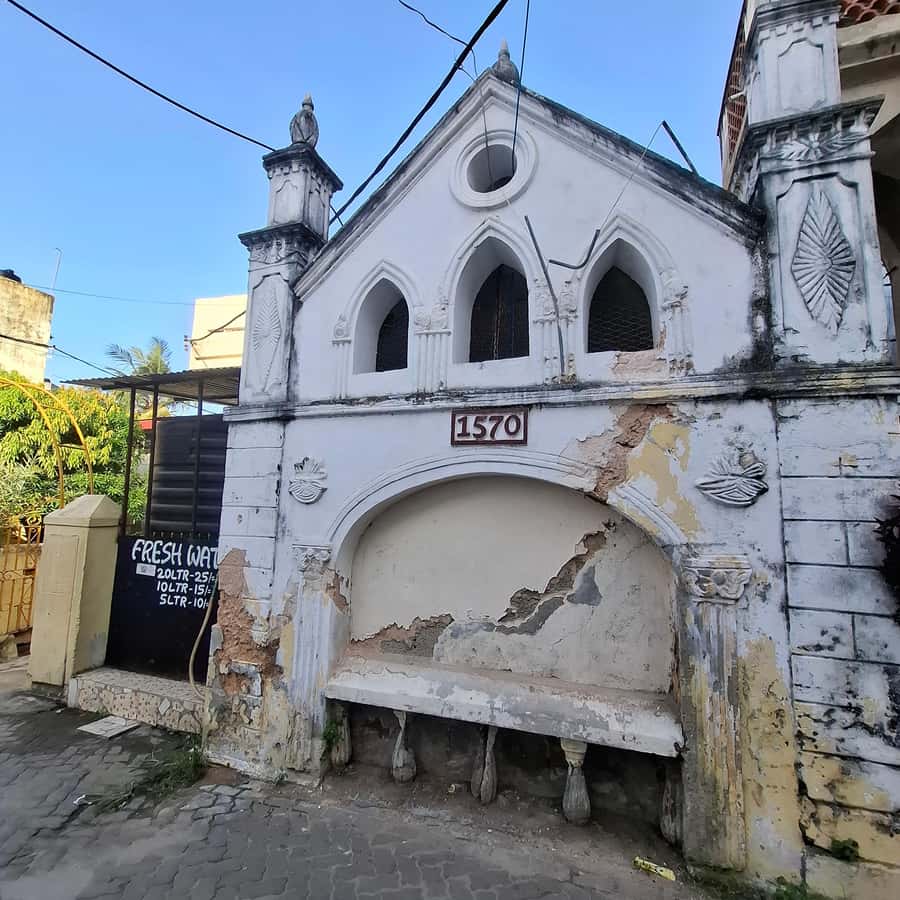
After Fort Jesus, the group moves into Old Town. This is where the tour becomes less about one monument and more about the feel of a living neighborhood.
You will walk along narrow streets lined with buildings described as dating back to the 12th century. The route brings attention to Indian influence, Afro-Arab communities, and the long presence of Shiite Muslims in Mombasa. John’s role is to connect those details so the old façades and street activity make more sense.
I like this part because it asks you to look closely. A lane that first seems like a simple shortcut can reveal a different kind of story through its buildings, people, signs, and daily work. You are not just collecting photographs of old walls. You are seeing how several communities have shared this part of Mombasa over centuries.
The walking can be demanding in the heat. Wear comfortable shoes and loose, comfortable clothes, and carry water. A hat and biodegradable sunscreen are sensible choices. The supplied advice also asks you to respect local customs, which is particularly important around religious buildings and residential streets.
Bring a charged smartphone and a camera if you want to record architectural details, but do not let photography replace paying attention to the guide. John’s strongest contribution is the explanation of what you are seeing. One useful point from the experience is that he sometimes offers many facts, so it helps to ask questions and request a simple timeline if you prefer a clear story from beginning to end.
The spice market brings Mombasa to life
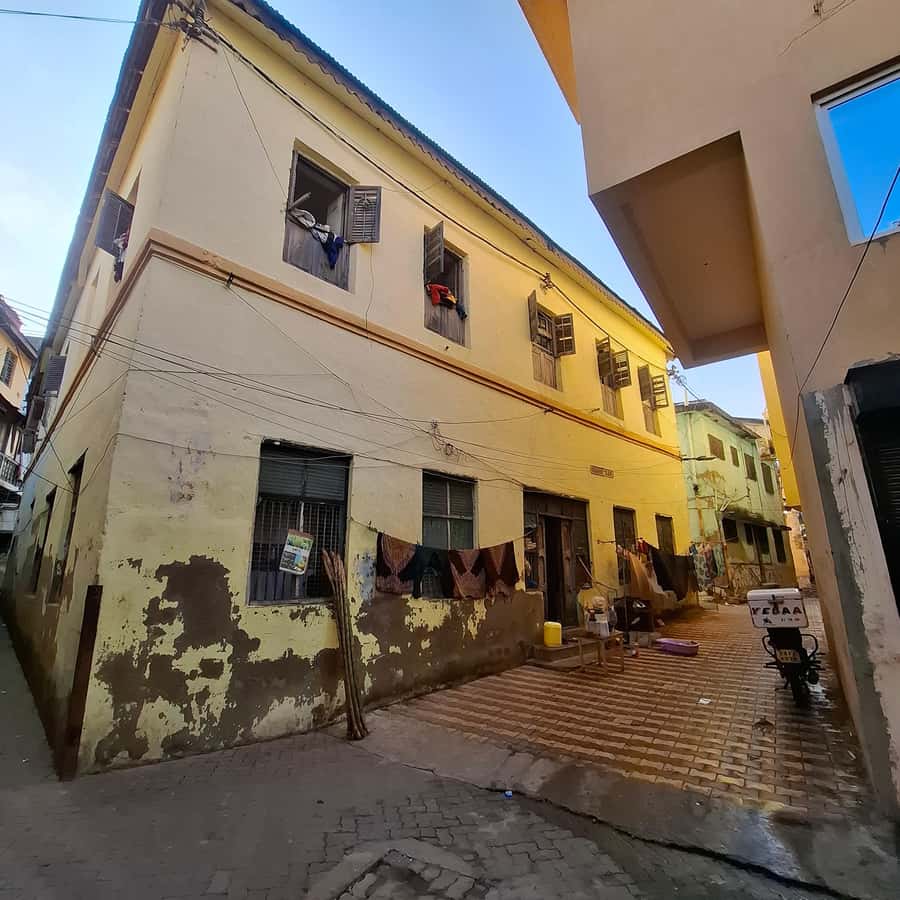
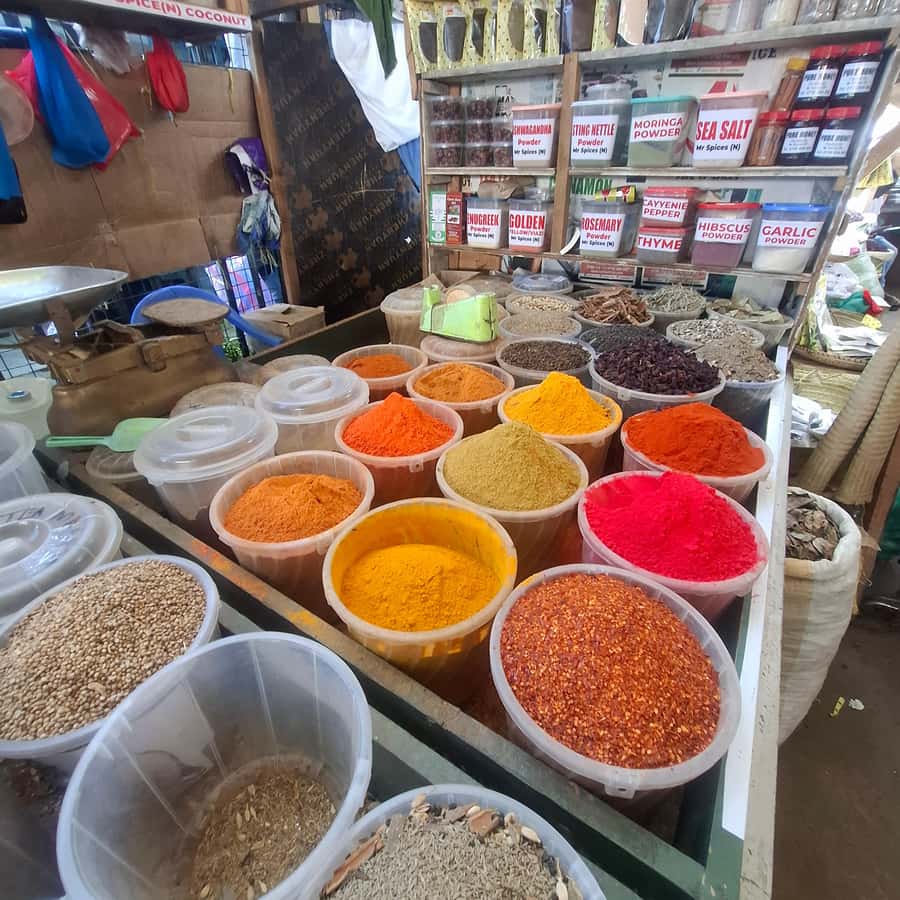
The spice market is a short but important stop. Here, the tour shifts from grand history to ordinary commerce. You see spices in strong colors, smell the goods around you, and watch part of the local trade that gives the old center its character.
This is not presented as a cooking class or a tasting session, so keep your expectations practical. You are visiting the market and learning about it, not signing up for a full food tour. The best reason to include it is the sensory contrast. Fort Jesus gives you stone and history; the market gives you scent, color, movement, and daily business.
You may want some cash with you, both for small purchases and for flexibility during the walk. A credit card is also listed among the recommended items, but cash is still worth carrying because small market transactions may be easier that way. Do not assume that buying spices is required. The stop is part of the guided visit, and you can simply observe if you prefer.
The market may be less comfortable for anyone who dislikes crowded trading areas or strong smells. It is also a place to be polite with photography. Ask before taking close pictures of people or stalls.
Same base, a completely different sort of day:
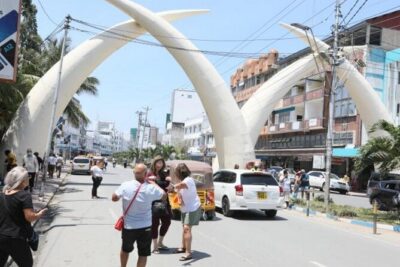
- Mombasa: Tusks, Fort Jesus, Old Town, Beach and City Tour
★ 4.7 · 137 reviews - Half-Day Scenic Bike Tour
★ 5.0 · 75 reviews - 2 Days Tsavo East National Park Tour From Mombasa/Diani (1 Night)
★ 5.0 · 50 reviews - Mombasa: Guided Nature Walk Amongst Giraffes
★ 4.8 · 48 reviews
A different view at Shiva Temple
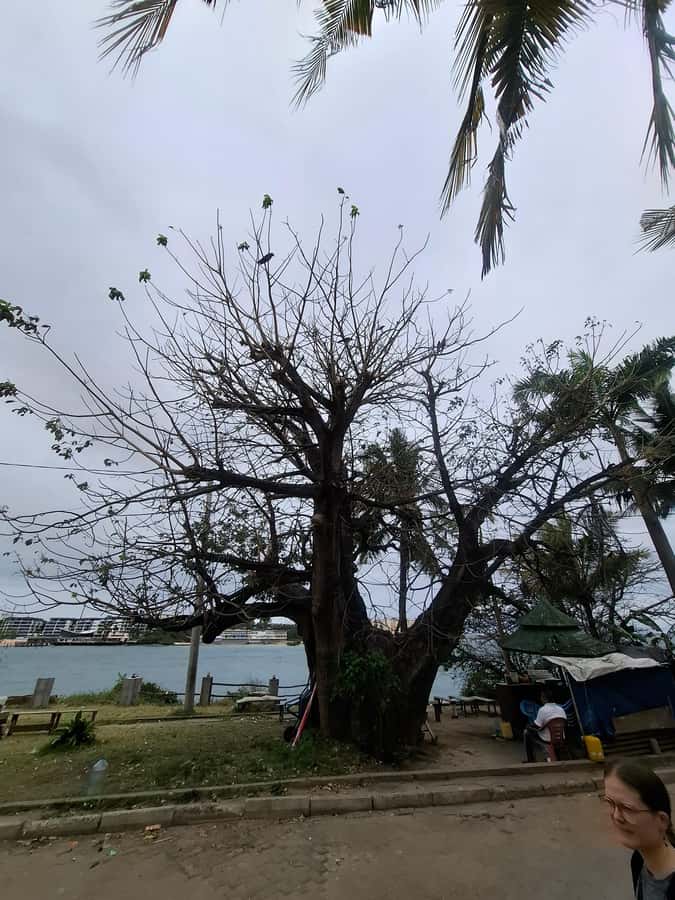
The Shiva Temple gives the walking tour a useful change of direction. Instead of focusing only on the fort and Swahili-Arab past, the guide introduces the Hindu religion and the Indian community in Mombasa.
That matters because the city’s identity is not a single story. The tour places the temple alongside the old streets, spice market, Muslim communities, and Afro-Arab traditions. You gain a better sense of how different cultural and religious groups have shaped the city and lived alongside one another.
Treat this as a cultural visit, not simply another photo stop. Dress respectfully, follow instructions from the guide, and remember that it is an active religious setting. Ripped clothing, alcohol, drugs, intoxication, nudity, and smoking are not allowed during the activity. Those rules are basic, but they are especially relevant here.
The temple section may be the highlight for anyone interested in faith, migration, architecture, or the Indian Ocean connections that link Mombasa to the wider region. It also helps balance the tour. Without it, a walk through Old Town could leave you with only part of the city’s story.
John’s guiding style and flexibility
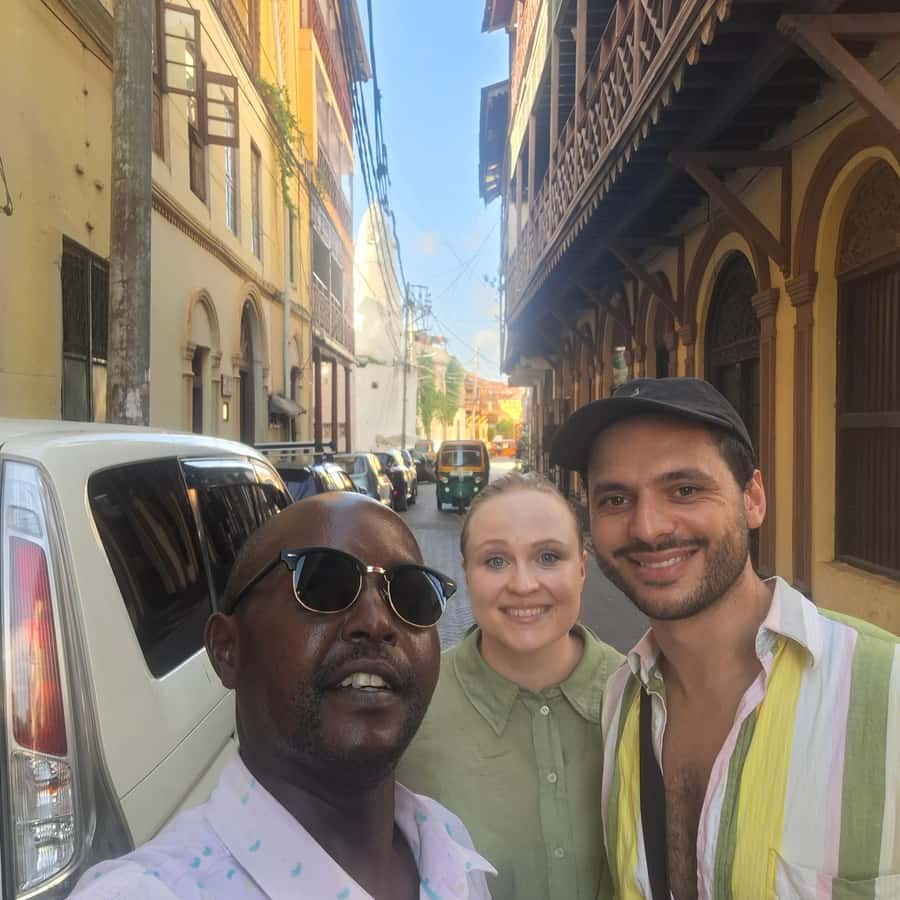
The guide named for this experience is John David Mwangi Irungu, usually referred to as John. His strongest qualities are his local knowledge, friendly manner, and willingness to adjust the experience.
He has accommodated flexible starting times and tailored walks around personal interests. One visitor added henna during the day, while another finished in time to catch a train to Nairobi. John also stayed in contact with a taxi driver so a pickup could be arranged after the walk.
That flexibility is valuable, but you should not treat it as an automatic promise of every extra stop. Tell him your priorities before you begin. If you want more time at Fort Jesus, say so. If you care most about Old Town details, the market, or the temple, make that clear. If you have a firm departure time, give him the exact deadline.
The tour is in English. John’s style appears to be conversational and fact-filled, with historical reminders along the route. If you prefer a carefully ordered explanation, ask him to connect the dates and communities as a continuous story. That small request could make the tour easier to follow.
There is no stated group size, so do not book assuming it is private or limited to a specific number of people. Pickup is available, but the meeting information says the tour starts at Fort Jesus and ends back at the meeting point. Drop-off is not included.
What the $35 price really covers
At $35 per person, this is a reasonably priced cultural orientation if you want a guide for the old center rather than simply a monument ticket.
You are paying for:
- A guided Old Town walk
- A visit to the spice market
- A visit to Shiva Temple
- Historical and cultural explanation
- Pickup availability
- A route that connects several central sights
You are not paying for Fort Jesus admission or drop-off. That makes the final cost higher than the headline price if you plan to enter the museum, and you should add transport costs if you are not using the available pickup.
The value depends on how much help you want. An independent walk costs less, but you would need to research the fort, understand the connections among the communities, and find your own way through the old streets. This tour earns its price through local interpretation and the ability to adapt the route.
I would book it if you have only a few hours in Mombasa, want cultural context, or feel more comfortable exploring Old Town with a local guide. I would skip it if you want a slow museum visit with extensive time inside Fort Jesus, since the fort entry is extra and the walk also includes three other stops.
Practical preparation for a hot city walk
Wear shoes you can comfortably walk in for several hours. Old Town’s narrow streets and changing surfaces are better handled in supportive footwear than sandals with little protection.
Carry water, a hat, biodegradable sunscreen, cash, and a charged phone. A camera is useful, but the phone also gives you a way to contact the guide or coordinate transport. Comfortable clothes will help in the heat, and respectful clothing is important at Shiva Temple and in local neighborhoods.
The activity is not suitable for people over 95 years old. The information provided does not give a detailed accessibility assessment, so anyone with mobility concerns should ask about the walking route and surfaces before booking. The route includes a fort, narrow lanes, a market, and a temple, all of which may present different physical challenges.
The meeting landmark is a Coffee Pot with smaller decorated cups on a roundabout. Look for that specific marker, and confirm the exact meeting instructions with John before the day. At the end, plan to return from the starting point yourself unless another arrangement has been confirmed.
You can cancel up to 24 hours ahead for a full refund, and reserve now while paying later. That is useful if your Mombasa schedule is still shifting.
Who should book this Mombasa walk?
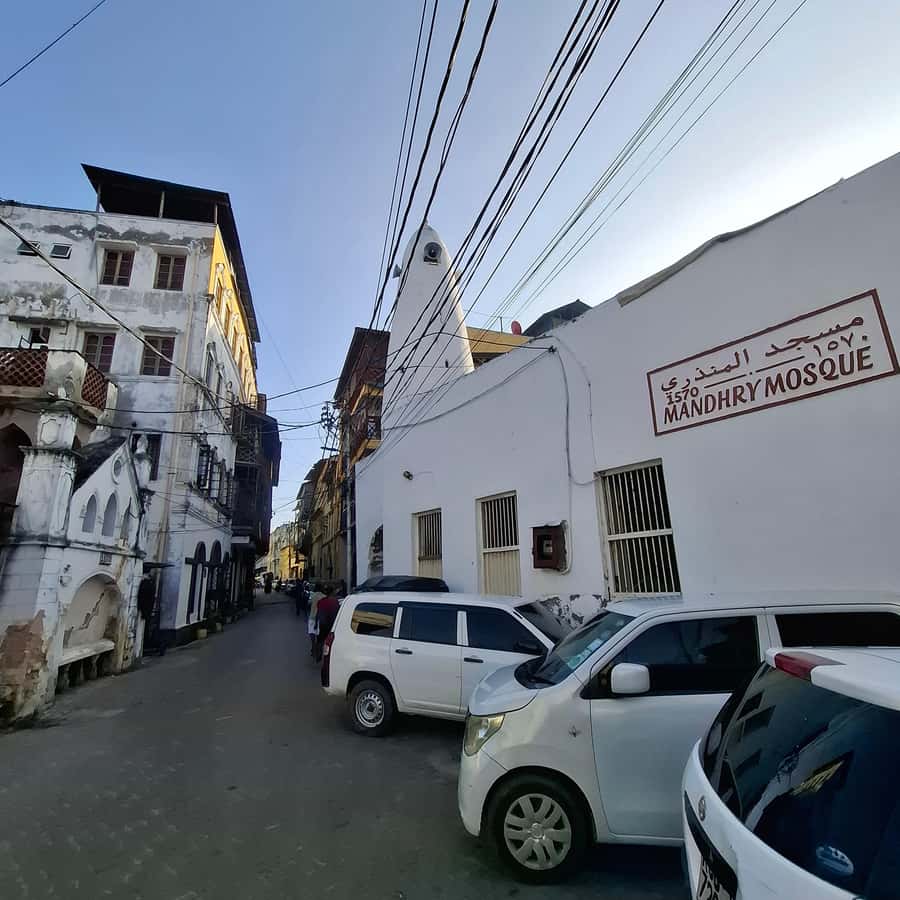
This tour suits first-time visitors who want a clear introduction to Mombasa’s old center. It is also a good match for short-stay visitors, culture-focused couples, and anyone curious about the relationship between Swahili, Arab, Indian, Muslim, and Hindu communities.
Families with older children may find the mixture of a fort, market, narrow streets, and temple more engaging than a long museum visit. Photography enthusiasts will find plenty to look at, though respectful behavior matters more than getting every shot.
I would be more cautious if you dislike walking in the sun, need a fully accessible route, or want a private vehicle from one sight to the next. The experience is built around walking and conversation, not comfort or speed.
Should you book the Fort Jesus and Old Town tour?
Book it if you want a local guide to connect Mombasa’s main historic and cultural sights in one walk. John’s flexible approach is especially useful when your day includes a train or another fixed appointment, and the Shiva Temple makes the route more varied than a standard fort and Old Town visit.
Just budget separately for Fort Jesus entry, bring water and sun protection, and do not expect drop-off at the end. For $35 per person, this is a practical introduction to Mombasa, with the greatest value coming from John’s explanations and his ability to shape the route around your interests.
FAQ
Where does the Mombasa walking tour start?
The tour starts at Fort Jesus. The meeting landmark is a Coffee Pot with smaller decorated cups on a roundabout.
Where does the tour end?
The activity ends back at the meeting point. Drop-off is not included.
Is Fort Jesus admission included in the $35 price?
No. The Fort Jesus entry fee is separate from the walking tour price.
What language is the tour conducted in?
The tour is conducted in English.
What should I bring?
Bring comfortable walking shoes, a hat, water, biodegradable sunscreen, comfortable clothes, cash, a credit card, a camera, and a charged smartphone.
Can I cancel the tour for a full refund?
Yes. You can cancel up to 24 hours in advance for a full refund.
Just added around Mombasa
- Mombasa:Street food Experience★ 4.7 · 14 reviews
- MOMBASA:FortJesus,OldCity,GiraffeOstrich,Oryx,Eland,WildTour★ 4.8 · 5 reviews
- Mombasa Tour by Ghalib★ 4.8 · 9 reviews
- Mombasa: Wasini Dolphin Tour★ 3.2 · 3 reviews
- Mombasa Old Town Walking Tour★ 4.8 · 4 reviews
- Mombasa: Historical Guided city tour. Old town, Fort Jesus★ 4.2 · 3 reviews
- Mombasa City Tour,Fortjesus,Oldtown,Tusks and Spice Market.★ 4.8 · 19 reviews
- Mombasa Full Day City tour & Haller Park★ 4.7 · 16 reviews
Tours in Mombasa, compared.
Walking Tour Through Old Town Mombasa and Fort Jesus
Read our review →
Kisite Park Private Cruise with Breakfast and Lunch
Read our review →
Tusks, Fort Jesus, Old Town, Beach and City Tour
Read our review →
2 Days Tsavo East National Park Tour From Mombasa/Diani (1 Night)
Read our review →

Browse the lists this tour appears in