
Reviewed · KENYA
6 Days Kenya Budget Safari
Maasai Mara, Lake Nakuru, and Amboseli give you three very different slices of Kenya in one trip: broad grass plains, a bird-filled soda lake, and elephants beneath Mount Kilimanjaro. The chance to see the big five is the headline, but the changing scenery is what gives this six-day route its shape.
I like the pop-up-roof safari vehicle, which gives you a clear view for photographs, and I like that the operator owns its vehicles and promises daily departures. Guides such as Simon, Kimata, Jimmy, Antony, and Jeff have earned especially warm praise for their animal knowledge and good humor. The trade-off is a lot of road time, plus park fees are not included in the $205 starting price.
Key points at a glance
- Three major parks in six days: Maasai Mara, Lake Nakuru, and Amboseli each offer a different wildlife setting.
- Private Mara tents: The tents have beds, linen, mosquito nets, electricity, hot water, and private washrooms.
- Big-five potential: Lions and buffalo are common targets, while leopard and rhino sightings depend more on luck and timing.
- Kilimanjaro scenery: Amboseli provides the classic chance to see Africa’s highest mountain behind the park.
- Four-wheel-drive viewing: The pop-up roof helps you watch and photograph animals without window glare.
- Budget pricing with extras: The $205 rate covers transport, five nights, meals, water, and guiding, but not park entry fees.
Why this six-day route works
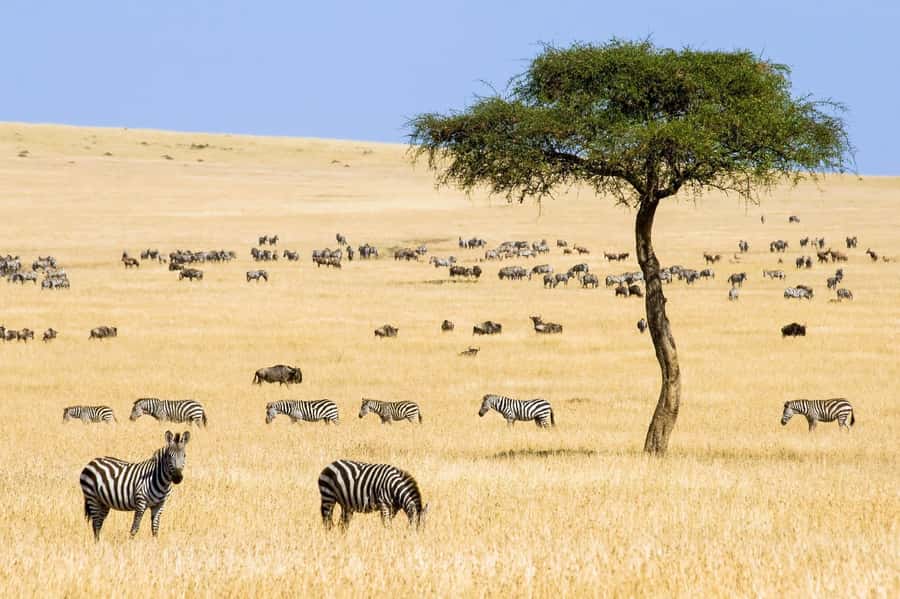
This is a busy safari, but it covers Kenya’s most recognizable wildlife areas without asking you to spend a week in one reserve. You get two nights in Maasai Mara, one night near Lake Nakuru, and two nights in Amboseli, with game drives built around the long transfers.
The route is best understood as a wildlife sampler. Maasai Mara is the main event for predators and large herds. Lake Nakuru adds rhinos, giraffes, and birds. Amboseli brings elephants and the possibility of Kilimanjaro rising behind them.
At $205 per person, the advertised price looks remarkably low for five nights, transport, meals, bottled water, and a professional guide. The important catch is that park entry fees are extra and paid locally by cash, card, or an online payment link. Ask for the current total before booking, since those fees can change the real cost of the safari.
There are five accommodation options on the same general trip. The exact room or tent standard depends on the package you select, so compare those choices carefully instead of choosing only by price.
A few more things to do around Kenya worth a look
- African Wildlife & Nature – 5 Kenya national parks – 6 day Jeep Safari
★ 5.0 · 60 reviews - Samburu, Lake Nakuru & Masai Mara 6 Days Private 4×4 Jeep Safari
★ 5.0 · 48 reviews - 6-Day Maasai Mara, Lake Nakuru and Amboseli Safari
★ 5.0 · 47 reviews
Day 1: Nairobi to Maasai Mara by way of the Rift Valley
Your pickup is scheduled for about 7:30 a.m. from a Nairobi hotel, apartment, estate, or residential area within the central business district. Airport pickup is also available, which helps if you are starting the safari soon after arriving in Kenya.
The first notable stop is the Rift Valley viewpoint. It is a short photo break rather than a full attraction, but it gives you a useful first look at the escarpment and a chance to stretch before the long drive west.
You reach Maasai Mara in time for lunch, then head out for an arrival game drive. That first drive matters because the reserve is not only a destination at the end of the road. Wildlife can appear soon after you enter, and the open plains make it easy to scan for grazing animals and predators.
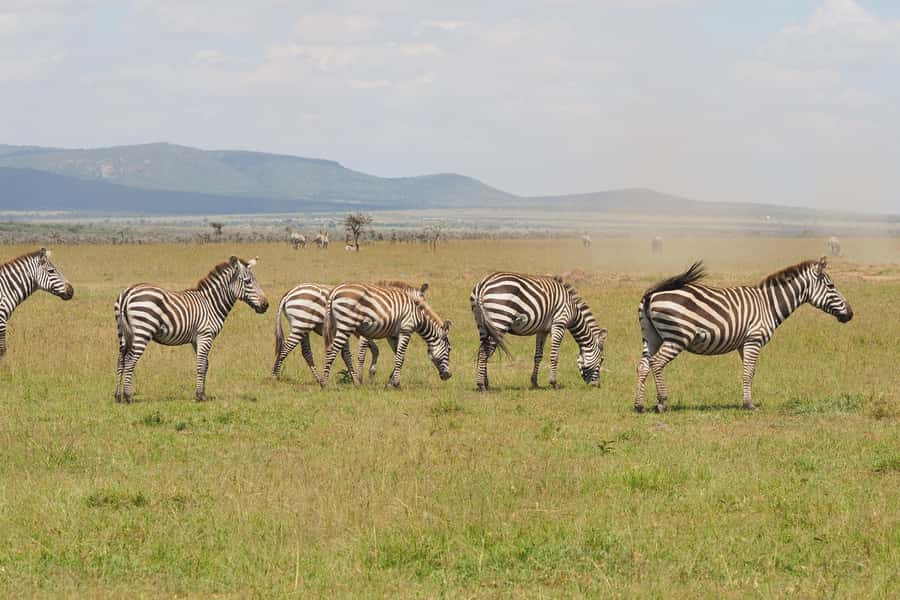
Maasai Mara is known for rolling grassland, riverine woodland, large herds, birds, lions, cheetahs, zebra, and antelope. The reserve is also linked to the annual wildebeest migration from the Serengeti, but the migration is seasonal and cannot be promised on every departure. Do not book this safari solely on the hope of seeing crossing herds.
You spend the night at Mara Ntulele Camp or a similar property. The private tents are described as having a bed, linen, mosquito net, washroom, electricity, and hot water. That is a useful level of comfort for a budget safari, though water and hot-water service can be inconsistent at times.
Day 2: A full Maasai Mara game drive
Day two is the wildlife centerpiece. After an early breakfast, you spend most of the day inside the reserve, usually with a packed lunch or meal arrangements suited to the drive.
The value of a full day is simple: you are not forced to rush back to camp after spotting one good animal. You can spend time around a pride of lions, search for cheetahs, watch zebra and antelope, and follow the guide’s judgment when an unusual sighting develops.
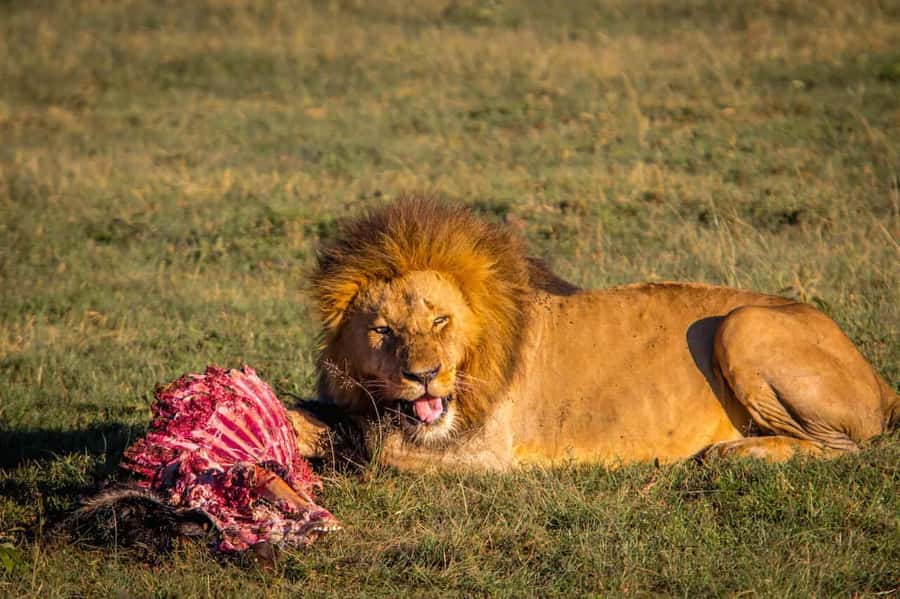
Lions are among the most likely big-five animals here. Buffalo and elephant may also appear, while leopard and rhino sightings are less certain. One guide may find a leopard by reading tracks and animal behavior, but no honest safari can guarantee every species.
The drivers are a major part of the experience. Simon, Kimata, Jimmy, Antony, and Jeff are names associated with strong guiding, patient driving, and a clear effort to find animals for the group. Kimata has been praised for explaining wildlife and nature while keeping the long drives calm. Jeff is noted for adjusting his speed when he senses something worth seeing.
You should still ask about the day’s plan each morning. One weakness reported on this route is that timing and transfer details are not always explained clearly. A quick question about departure time, lunch, fuel, and the expected return can save confusion.
Day 3: Leaving the Mara for Nakuru
After breakfast, you leave Maasai Mara and drive toward Nakuru. This is mainly a transfer day, with lunch along the way, and there is no scheduled game drive because you arrive late.
You can add a visit to a Maasai village in the morning before departure. It costs $20 per person, paid in cash at the village. Treat this as an optional cultural stop, not a replacement for wildlife time. If you want the extra visit, confirm how much time it will take and carry the required cash.
The long road connection is one of the less glamorous parts of the safari. It is necessary to link the three parks, but it reduces time inside the reserves. This route suits you if you want variety and a lower price more than a slow, luxurious pace.
You spend the night at Buraha Zenoni Resort or a similar accommodation in Nakuru. Since this is a transit night, the practical value is location and rest before the early start to Lake Nakuru National Park.
Same base, a completely different sort of day:
- Nairobi National Park Half-Day Tour; Free Wi-Fi connection
★ 5.0 · 878 reviews - Nairobi: National Park & Optional Elephants & Giraffe Center
★ 4.8 · 874 reviews - NAI NAMI: Nairobi Storytelling Tour with Street Children
★ 5.0 · 792 reviews - Nairobi National Park Half-Day Game Drive
★ 4.5 · 738 reviews
Day 4: Rhinos and flamingos at Lake Nakuru
You leave around 7 a.m. and enter Lake Nakuru National Park for a game drive lasting at least four hours. The park is smaller than Maasai Mara, which makes this part of the trip feel more focused.
Lake Nakuru is especially important for its white rhinos and Rothschild giraffes. Seeing rhino here can be one of the strongest wildlife moments of the safari, particularly for anyone who has not visited a dedicated rhino area before.
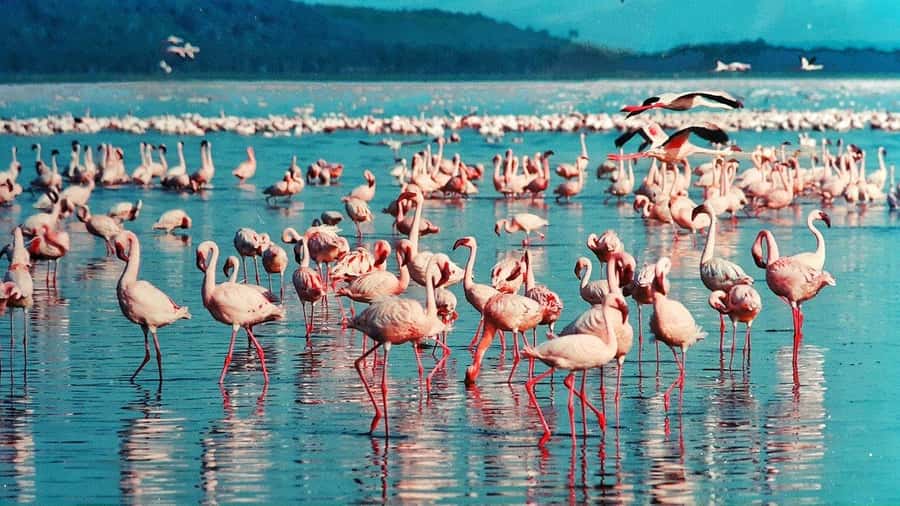
Flamingos are possible, but do not treat them as guaranteed. Their numbers and location can vary. The lake may also reward you with birdlife and open views, but the main draw on this itinerary is the chance to combine rhino and giraffe sightings with a compact game drive.
After the park, you continue toward Amboseli, with lunch on the way at Naivasha. You arrive in Amboseli in the evening, too late for a scheduled game drive, then have dinner and sleep at Wildebeest Amboseli Camp or a similar property.
This is another day when the schedule favors coverage over leisure. You see more of Kenya, but you spend a meaningful amount of time in the vehicle.
Day 5: Elephants and Mount Kilimanjaro in Amboseli
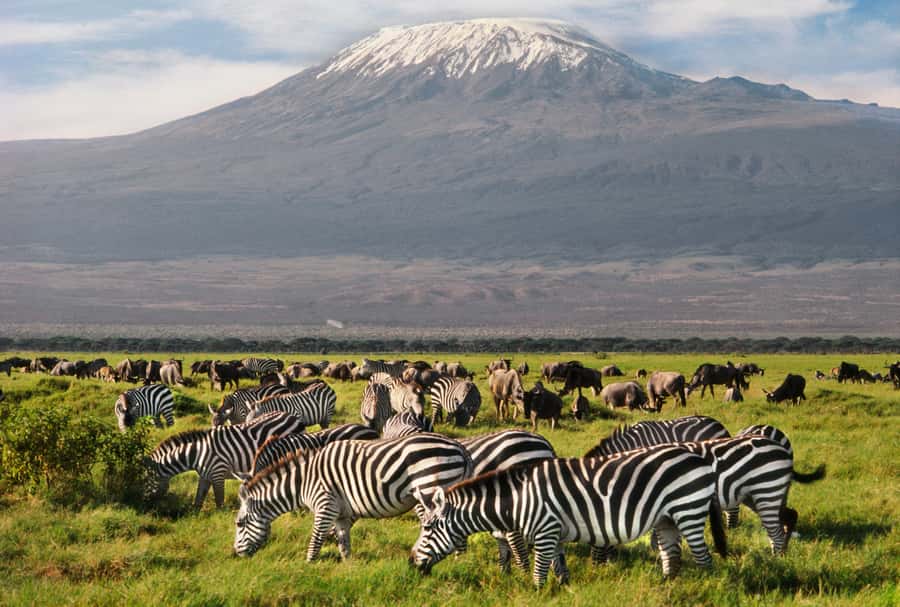
Amboseli gets a full day, beginning with an early morning drive before breakfast. This is a smart time to be out, since early light can make the plains and mountain views especially appealing.
After breakfast, you return to the park for a full-day drive with packed lunch. Amboseli is famous for elephants, open scenery, and views toward Mount Kilimanjaro. The mountain is not always clear, so weather and cloud cover matter, but the setting is one of the most memorable parts of the route when the peak appears.
The itinerary describes the day as a search for predators and their prey, so you may see more than elephants. Still, do not measure Amboseli only by a big-five checklist. Its appeal comes from the combination of wildlife, dry open ground, birdlife, and the mountain backdrop.
You return to Wildebeest Amboseli Camp or a similar property for dinner and another night. Two nights here are useful because they prevent Amboseli from becoming only a rushed evening arrival and morning departure.
Day 6: A final drive and return to Nairobi
After an early breakfast, you check out with your luggage and take a short morning game drive while leaving Amboseli. This final drive may give you one last chance to see animals before the road back to Nairobi.
You are dropped at your Nairobi hotel or the airport. Tell the operator your preferred destination in advance, especially if your flight time is tight. The program ends when you arrive in Nairobi, and no additional Nairobi sightseeing is included.
Vehicles, guides, and the daily rhythm
The safari uses a customized 4×4 vehicle or safari van with a pop-up roof. That roof is more than a small comfort. It lets you stand or sit with a clearer view, take photographs from above the window line, and follow animals without the obstruction of glass.
The operator says it owns its vehicles rather than passing clients to another company. It also advertises daily departures, which gives you more flexibility if your Nairobi arrival date changes.
The guide can make or break a safari, and the strongest part of this trip is the guiding. You may be assigned an English or Spanish-speaking guide. The English-speaking guides praised by name include Simon, Kimata, Jimmy, Antony, and Jeff. Their strengths include animal spotting, patient driving, friendliness, and clear answers about wildlife.
Ask about vehicle capacity before you pay. One party was once asked to place nine people in a vehicle designed for eight, and they declined because not everyone would have a proper seat. The operator arranged a private taxi instead, but it is better to confirm the seating plan at the start.
Also ask what is included in the vehicle each day. Bottled water is listed as included, yet it was not always offered consistently. Bring a reusable bottle and buy extra water when you can.
Accommodation and meals: budget comfort with some variation
The Maasai Mara tents are private rather than shared. They include beds, linen, mosquito nets, washrooms, electricity, and hot water, so you do not need to bring bedding or camping equipment.
The wider package includes five nights of accommodation and full-board meals. Food is generally served buffet-style or as set camp meals. The experience can vary: some meals have been described as delicious, while others have been found bland and repetitive.
You should also expect occasional maintenance problems in budget properties. Hot water may be unreliable, and one tent experienced serious rainwater problems, with water entering the tent and soaking luggage. Staff dealt with that situation quickly, but waterproof luggage protection is still sensible.
Pack dry bags or plastic liners for clothes, electronics, and passports. That is useful advice for any safari, especially during rainy periods.
What the $205 price really buys you
The starting rate includes:
- Five nights of accommodation
- Transport in a 4×4 vehicle with a pop-up roof
- A professional English-speaking guide
- Full-board meals
- Bottled water
- Nairobi hotel or airport pickup and drop-off
It does not include park entrance fees, alcohol, personal purchases, or optional activities. The Maasai village visit costs an additional $20 per person, paid in cash.
For the transport and number of parks covered, this can be strong value. You are paying for a shared budget safari rather than a private vehicle, luxury lodge stay, or slow-moving custom itinerary.
The best way to judge the price is to request the full amount with park fees before booking. The low headline figure is attractive, but the final bill depends on those separate entry charges and the accommodation option you select.
Who should book this safari
I would recommend this route if you want to see several of Kenya’s best-known wildlife areas in one trip and you are comfortable with long transfers. It suits first-time safari visitors, budget-conscious couples, solo participants willing to share transport, and anyone who wants a strong chance at the big five without paying for a private luxury itinerary.
It is less suitable if you dislike early starts, long road days, changing accommodation, or uncertain meal and water service. If you want the slowest possible safari, spend more nights in one or two parks instead.
The route also works well for photographers who value a pop-up roof and varied scenery. Just remember that the most dramatic animal sightings depend on timing, weather, guide skill, and luck.
Should you book the six-day Kenya safari?
Book it if your main goal is a broad, affordable Kenya safari with Maasai Mara predators, Lake Nakuru rhinos, and Amboseli views toward Kilimanjaro. The guides and vehicle setup are the strongest reasons to choose it, and the five-night package includes a useful amount of food and lodging for the price.
Before paying, confirm the park-fee total, vehicle seating, exact accommodation choice, daily water supply, and transfer times. If those details are clear and you accept a few budget-level rough edges, this is a practical way to see three very different Kenyan parks in six days.
FAQ
How long is the safari?
The advertised safari lasts six days, with departure from Nairobi and return to a Nairobi hotel or airport on day six. Availability can also be shown for trips lasting between three and seven days.
Which parks are included?
The route includes Maasai Mara National Reserve, Lake Nakuru National Park, and Amboseli National Park.
Can I see the big five?
The safari is designed to give you a strong chance of seeing the big five. Lions are particularly common in Maasai Mara, while leopard and rhino sightings depend on conditions and luck.
Are park entrance fees included?
No. Park entry fees are separate and are paid locally by cash, card, or an online payment link provided by the operator.
Is bottled water included?
Bottled water is listed as included. Since it may not always be offered consistently, bringing a reusable bottle and buying extra water is sensible.
What type of vehicle is used?
Transport is provided in a 4×4 safari vehicle or customized safari van with a pop-up roof for game viewing and photography.
Are the Maasai Mara tents shared?
No. The tents in Maasai Mara are private. They include a bed, linen, mosquito net, washroom, electricity, and hot water.
Can I visit a Maasai village?
Yes. On the morning of day three, you can choose an optional Maasai village visit before leaving Maasai Mara. It costs $20 per person and is paid in cash at the village.
Is airport pickup available in Nairobi?
Yes. Pickup and drop-off are available at Nairobi hotels and the airport. The operator also accepts pickup requests from residential areas, estates, and apartments within Nairobi Central Business District.
Just added around Kenya
- Nairobi: Horseback Riding Tour Through Maize Plantation★ 5.0 · 3 reviews
- Nairobi: Kibera Slum Compassionate Walking Tour★ 5.0 · 4 reviews
- Nairobi: Karura Forest Guided Walking Tour★ 5.0 · 4 reviews
- From Nairobi: Horseback Wildlife Safari with Transfer & Meal★ 4.6 · 7 reviews
- Nairobi: Hidden Gems and Local Secret Guided Walking Tour★ 4.9 · 20 reviews
- Nairobi: Hop on Hop off and Maasai market Collections Visit★ 3.5 · 10 reviews
- Nairobi: Karura Forest Horseback Riding Tour★ 4.8 · 11 reviews
- Nairobi: Guided Afternoon Tour to Bomas of Kenya.★ 3.1 · 4 reviews