
Reviewed · DIANI & COAST BEACH TRIPS
Gede Ruins & Malindi Tour
Gede Ruins is the star of this outing: a long-abandoned Swahili town of coral mosques, palaces, and homes partly covered by jungle. I like the way the tour joins that quiet archaeological site with Malindi’s living streets, giving you both ancient stones and present-day coastal life in one day.
I also like the private format and the chance to travel with a guide such as Juma, who can add context as you walk. The roughly $159 group price works well for up to four people, though you should confirm which entrance fees and taxes apply, since the tour information lists some costs separately.
Key points at a glance

- 13th- to 17th-century Gede Ruins: See coral-built mosques, palaces, and town houses in a leafy setting.
- Two very different stops: Pair an archaeological site with Malindi’s streets, historic places, and market.
- Private vehicle included: Your group of up to four can travel together rather than joining a large coach.
- About six hours total: The schedule gives roughly two hours to Gede and three hours in Malindi, with travel time included in the day.
- A guide adds the thread: Ask about Swahili life, Arab trade, the excavated buildings, and the European visitors who shaped Malindi’s story.
Why Gede Ruins gives this tour its character
Gede is not a single monument with a quick photo stop. It is an extensive group of ruins from the 13th through 17th centuries, set among thick coastal vegetation. As you walk, you can see the remains of coral palaces, mosques, and town houses that once made up a settled Swahili community.
That setting changes the mood. Instead of a formal city museum, you are moving through old walls in a green, quiet place. The trees and plant life create good photo angles, but they can also hide parts of the site. Keep your attention on the guide’s explanation as well as your camera, since the small details of the ruins are what make the visit worthwhile.
Excavation has shown that the town was home to a mix of Arab and Bantu residents. That point matters because Gede was part of a wider Indian Ocean world, not an isolated settlement. Arab traders and Swahili communities met here through commerce, religion, family ties, and daily work. Ask your guide to connect the visible buildings with those wider links.
The site museum adds another layer. Objects found during excavation help explain trade and ordinary life, topics that bare walls cannot show on their own. You can look at the ruins first, then use the museum to picture the people who built, used, and eventually left the town.
The scheduled visit lasts about two hours. That is enough time for a useful introduction and a walk through the main remains without turning the whole day into an archaeological marathon. If you are fascinated by old cities, you may wish you had longer. If you are traveling with children or with someone who prefers a varied day, the two-hour limit is sensible.
More coast days around Malindi:
- Tour Malindi & Robinson Island & Marafa Hell’s Kitchen
★ 5.0 · 11 reviews - WATAMU: MALINDI: SARDEGNA ISLAND & MALINDI MARINE PARK
★ 4.5 · 9 reviews - Day tour to Tsavo East National Park from Malindi/ Watamu
★ 5.0 · 7 reviews
Reading the Swahili story in coral and stone
Gede’s building material tells you something about the coast. Coral was used for important structures, and its pale surfaces contrast with the surrounding vegetation. The ruins of mosques point to the role of Islam in Swahili society, while the town houses and palaces suggest a community with different levels of wealth and status.
Do not treat the site as a pile of old walls. Look for the relationship between public and private spaces. A guide can help you understand why a mosque, residence, courtyard, or palace mattered and how the buildings fitted together.
The Arab and Bantu connection is one of the most useful themes to follow. Coastal East Africa developed through contact between local communities and people arriving by sea. Trade brought goods, ideas, languages, and new religious practices. At Gede, that large story becomes easier to grasp because you are standing among the structures where people lived it.
The museum is especially useful if you want more than atmosphere. Artifacts can show what people traded, used, and valued. The supplied tour details do not list individual objects, so I would not promise a particular display. Still, the museum is an important part of the visit because it puts the excavated remains into human context.
Three hours in Malindi, from history to daily life
After Gede, the tour turns to Malindi for about three hours. The town has a long record of contact with visitors, traders, and fortune hunters. Vasco da Gama’s fleet reached Malindi in 1498, giving the town a clear place in the story of European voyages along the East African coast.
That history can be easy to reduce to one famous name. A better visit keeps the focus wider. Malindi is also a place where local cultures, commerce, religion, and ordinary neighborhood life meet. You will get more from the stop if you let the guide explain how the town’s past connects with what you see today.
The time in Malindi may include historic places, a walk through town neighborhoods, and a market. This is where the tour feels less like a museum visit and more like a look at a working coastal town. Markets can be busy and visually crowded, so stay aware of your belongings and keep your schedule in mind.
The contrast with Gede is the point. At the ruins, your attention goes to archaeology and the passage of centuries. In Malindi, you see a place that continues to function as a town. I like that balance because it keeps the day from becoming a string of disconnected monuments.
The description does not specify each Malindi site or guarantee a particular market route, so ask at the start what your guide plans to cover. If you have a special interest in Portuguese contact, Swahili culture, local commerce, or town life, say so early. A private tour gives you a better chance to shape the conversation than a fixed group outing.
The value of a private tour for up to four people
The price is $159 per group, not per person, for up to four people. Split four ways, that is about $39.75 each before any additional fees or tips. For a couple, the per-person cost is higher, but the private vehicle and flexible conversation may still make sense if you value privacy and direct attention.
Private travel is most useful here because the day combines two stops with different purposes. You can ask for more explanation at Gede, keep Malindi moving if you have already seen the town, or request extra attention to the market and historic places. The exact flexibility is not spelled out, so treat it as a benefit of the private format, not a promise of unlimited changes.
Transportation is included, and pickup is offered. The stated meeting point is Turtle Bay Villas on Turtle Road, near Temple Point Road in Watamu, with an 8:00 am start. Confirm the pickup details before the morning of the tour, especially if you are staying elsewhere in the Malindi or Watamu area.
The overall outing lasts about six hours. The listed stops account for two hours at Gede and three hours in Malindi, leaving roughly one hour for driving and transitions. Actual timing can vary, so do not place a tight appointment immediately afterward.
The tour is generally suitable for most people, and service animals are allowed. It is near public transportation, but private pickup remains the main convenience. The information does not describe the walking surface, shade, or restroom arrangements, so ask the operator if anyone in your group has mobility concerns.
Same base, a completely different sort of day:
- Safari Kenya with Patrick
★ 4.0 · 45 reviews - Kisite Marine Park Private Boat Snorkeling with breakfast & Lunch
★ 5.0 · 32 reviews - Safari blue
★ 4.5 · 27 reviews - ROBINSON ISLAND/MARAFA HELL’s KITCHEN
★ 5.0 · 15 reviews
What to ask your guide, including Juma
A good guide can make the difference between seeing ruins and understanding a town. Juma is named in connection with this tour, and if he is your guide, ask him to explain how Gede’s Arab and Bantu residents fit into the broader Swahili world.
At the ruins, useful questions include:
- Which buildings were religious, residential, or linked to civic life?
- What do the excavated artifacts tell us about trade?
- Why did people build with coral?
- How did the town connect with the coast and visiting merchants?
- What caused the settlement to decline or be abandoned?
In Malindi, ask how the town’s long contact with outside visitors affected local life. You can also ask your guide to point out the difference between places preserved for their historical value and areas used in daily life.
The strongest praise attached to this outing centers on the variety of the day and the guide-led walk through Gede, historic Malindi, neighborhoods, and the market. That is useful guidance: do not think of Malindi as filler after the ruins. The town portion is where you see how the coast’s past continues alongside ordinary routines.
Timing, weather, and what to bring

The start time is 8:00 am. An early departure gives you the best chance of having a full six-hour window for both destinations. It also leaves room for the driving portions without forcing the Gede visit or Malindi walk into a rushed sequence.
The tour requires good weather. If poor weather causes a cancellation, you can choose another date or receive a full refund. For your own comfort, bring practical clothing for a warm outdoor outing, along with sun protection and water. The supplied details do not specify whether refreshments are included, so plan accordingly.
Wear shoes suited to walking. Gede includes an extensive site rather than one short viewing platform, and Malindi may involve walking through streets and market areas. The tour details do not promise a particular level of paved access, so contact the provider in advance if sturdy footing is important for your group.
Bring a camera, but keep it secondary to the explanation. The combination of coral walls, old arches, vegetation, and museum pieces creates strong visual interest. The best photographs will likely come from looking carefully at how the ruins sit within their surroundings, rather than rushing from one structure to the next.
Costs, cancellation, and small practical details
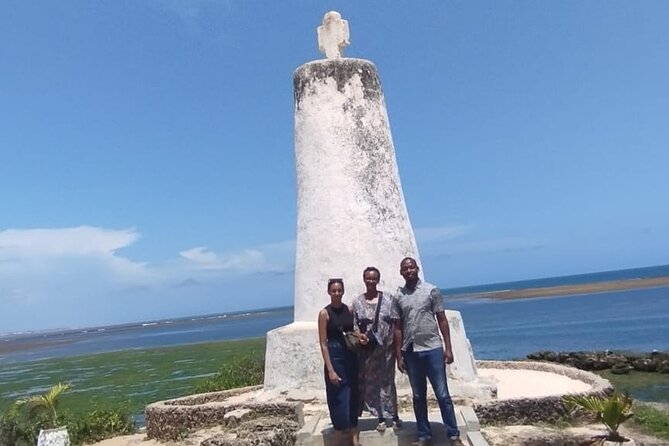
The group price is $159, with private transportation included. Tips are not included, and the general cost information also excludes fees and taxes. At the same time, the Gede stop is described as including an admission ticket, while Malindi has no admission charge listed. Because those details can be read in different ways, confirm the final total and any entrance arrangements before booking.
You can cancel for a full refund up to 24 hours before the 8:00 am start time. Cancellations or changes made within 24 hours are not refunded or accepted. The cut-off follows local time, so make the deadline clear if you are booking from another time zone.
Confirmation is provided at booking. The outing is private, meaning only your own group participates. That makes it a good match for families, couples, friends, and small groups who prefer to ask questions without holding up strangers.
The tour has a high 4.8 rating from five reviews, but five is a small sample. I would treat that as a positive signal, not a guarantee. The most useful detail is the specific shape of the day: Gede, historic Malindi, neighborhood walking, and the market, all tied together by a guide.
Who should book this Gede and Malindi day?
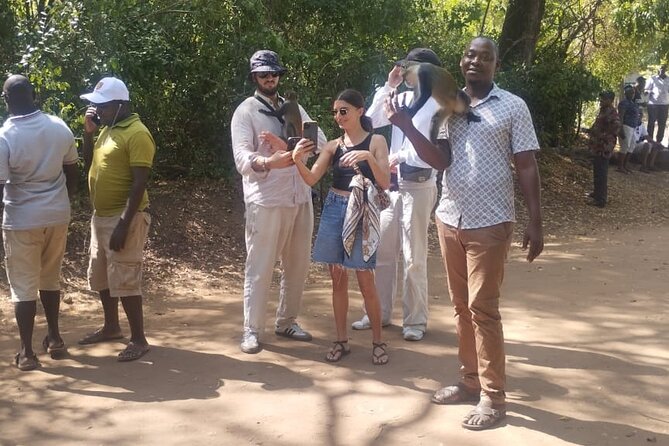
I would choose this tour if you want a compact introduction to coastal Kenya that joins archaeology with present-day town life. It is particularly suitable if you are interested in Swahili culture, Arab trade links, old settlements, and the way a historic town functions now.
Families may like the change of pace. Two hours among ruins can be followed by a town walk and market visit, giving younger members of the group something different to look at and discuss. The private format also avoids the pressure of matching a large group’s pace.
I would be more cautious if you want a slow archaeological study of Gede alone. The site receives about two hours, and the full day includes driving and Malindi. Likewise, if you prefer a tightly specified sightseeing route with every stop named in advance, ask for the exact Malindi plan before paying.
Should you book it?
Book this tour if you want one private day with two distinct sides of the coast: Gede’s coral ruins and Malindi’s living streets. The price is strongest for three or four people, and the guide-led format gives you room to ask about Swahili life, Arab connections, trade, and the objects found at Gede.
Skip it if your main goal is a long, specialist visit to the ruins or if you need a fully detailed accessibility plan that is not provided here. For most small groups based around Watamu or Malindi, though, the mix of archaeology, museum context, historic town sites, neighborhoods, and market time makes this a useful and well-balanced six-hour outing.
FAQ
How long does the Gede Ruins and Malindi tour last?
The tour lasts approximately six hours. About two hours are scheduled at Gede Ruins and about three hours in Malindi, with the remaining time used for transportation and transitions.
What time does the tour start?
The stated start time is 8:00 am. The meeting point is Turtle Bay Villas on Turtle Road, near Temple Point Road in Watamu, Kenya.
Is transportation included?
Yes. Private transportation is included, and pickup is offered. The tour is private for your group only.
How many people can join for $159?
The $159 price covers one group of up to four people. Tips, fees, and taxes are not included in the stated price.
Is admission to Gede Ruins included?
The Gede Ruins stop lists an admission ticket as included, while Malindi has no admission charge listed. Since the general details also exclude fees and taxes, confirm the final cost and entrance arrangements when booking.
What happens if the weather is poor?
The experience requires good weather. If it is canceled because of poor weather, you can choose another date or receive a full refund. You can also cancel up to 24 hours before the start time for a full refund.
Just added around Malindi
- WATAMU: MALINDI: SARDEGNA ISLAND & MALINDI MARINE PARK★ 4.5 · 9 reviews
- Safari-Tsavo east national park -2 days 1 night★ 5.0 · 8 reviews
- Magical Storytelling Swahili Dinner in the Bushbaby Treehouse★ 5.0 · 3 reviews
- Tour Malindi & Robinson Island & Marafa Hell’s Kitchen★ 5.0 · 11 reviews
- Private 3 Day Tsavo East Safari from Mombasa★ 5.0 · 3 reviews
- MIA – Airport Transfer from Mombasa to Watamu or Malindi★ 4.5 · 3 reviews
- Airport transfer★ 5.0 · 6 reviews
- 3 Days Tsavo East & Tsavo West Safari★ 5.0 · 4 reviews
Diani & Coast Beach Trips, compared.
Tusks, Fort Jesus, Old Town, Beach and City Tour
Read our review →
Sunset Canoe Tour along the River with Mangroves
Read our review →
2 Days Tsavo East National Park Tour From Mombasa/Diani (1 Night)
Read our review →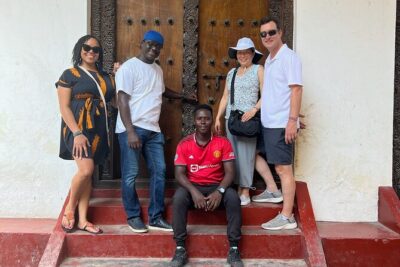
Browse the lists this tour appears in