
Reviewed · DIANI & COAST BEACH TRIPS
Diani Beach: Kaya Kinondo cultural and nature experience
Kaya Kinondo is more than a forest walk. It is a sacred place where the Digo people pray, honor ancestral spirits, and protect a former fortified settlement. I like the way this tour joins nature and living culture, rather than treating the forest as scenery alone. I also like the small, useful touches: herbal tea made with lemongrass, a visit with a village healer, and a traditional dance.
The main drawback is transport. Kaya Kinondo lies about 10 kilometers from most Diani Beach hotels, and the separate car transfer costs about $35 to $40. The route also includes uneven forest paths and a village transfer, so this is not a good match for people with mobility or visual impairments.
Key points to know before you book
- A sacred forest with a 600-year story: Kaya means home or village, and Kaya Kinondo was once a fortified settlement of the Digo people.
- A short but meaningful forest walk: The guided trail lasts about 50 minutes and covers medicinal plants, unusual tree species, forest life, and local beliefs.
- Culture continues after the trees: A nearby village visit includes traditional livelihoods, a healer, a Digo dance, herbal tea, and optional palm wine.
- The guide matters: Abdul has been praised for clear explanations and a friendly manner. Other guides have received high marks for explaining plants, rituals, and local life.
- Budget for the ride: The $42 tour price does not include hotel pickup, waiting time, or drop-off. Transport is quoted separately at about $35 to $40.
- Plan for four hours: The tour includes a 15-minute briefing, a 50-minute forest walk, a short transfer, and about an hour in the village.
Why Kaya Kinondo is different from a standard Diani excursion
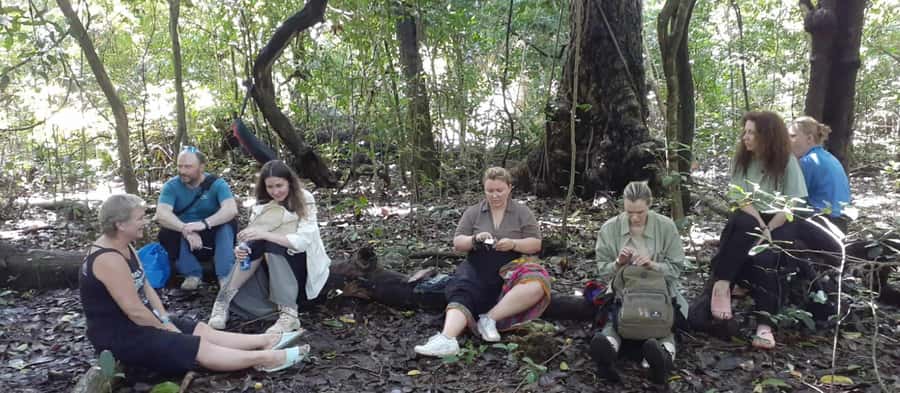
Diani is best known for its long beach and hotel strip, but Kaya Kinondo gives you a look at the coast beyond sun loungers and water sports. The forest is a religious site, not simply a patch of trees saved for tourists. The Digo people use the Kaya for prayer and sacrificial offerings, and local beliefs help protect it from careless use.
Kaya Kinondo was once a fortified village. The Mijikenda people, including the Digo sub-tribe, established these Kaya settlements more than 600 years ago after arriving along the coast. The forest also served as a refuge from enemies during migration.
That context changes how you approach the walk. You are not just counting bird calls or admiring old trees. You are learning why certain places are treated with caution and respect, and why the forest remains important to the surrounding community.
I find that this kind of visit works best when you listen more than you rush. The guide explains local beliefs, traditional systems, and the purpose of the shrine. Some details may feel unfamiliar to you, but that is part of the point. This is a chance to learn how one community understands land, ancestors, healing, and protection.
More coast days around Diani Beach:
- Diani Beach: Glass Boat Cruise to Robinson Island
★ 4.6 · 69 reviews - Diani: Sunset Canoe Tour along the River with Mangroves
★ 4.8 · 65 reviews - Diani Beach: Private African Pool Map Guided Tour
★ 4.7 · 52 reviews
Starting with a 15-minute briefing
The experience begins at the Visitor Centre with a briefing that lasts about 15 minutes. This is required before you enter the nature trail, and it is more than a quick safety talk.
You receive background on the heritage of Kaya Kinondo and guidance on how to behave in a sacred place. That preparation matters because the forest has religious rules and cultural meaning. You should arrive ready to follow instructions rather than treating the site like an ordinary public park.
The briefing also gives you a chance to ask questions before the walk. English is the tour language, and the guides have received strong praise for clear explanations. One guide, Abdul, was singled out for being both well informed and personable. Another guide was praised for taking time to answer questions and explain the spiritual importance of the forest.
Wear comfortable shoes. The tour does not describe a difficult climb, but you will be walking along forest paths rather than paved hotel walkways. Closed, practical footwear is the sensible choice.
Walking the shaded Kaya Kinondo trail

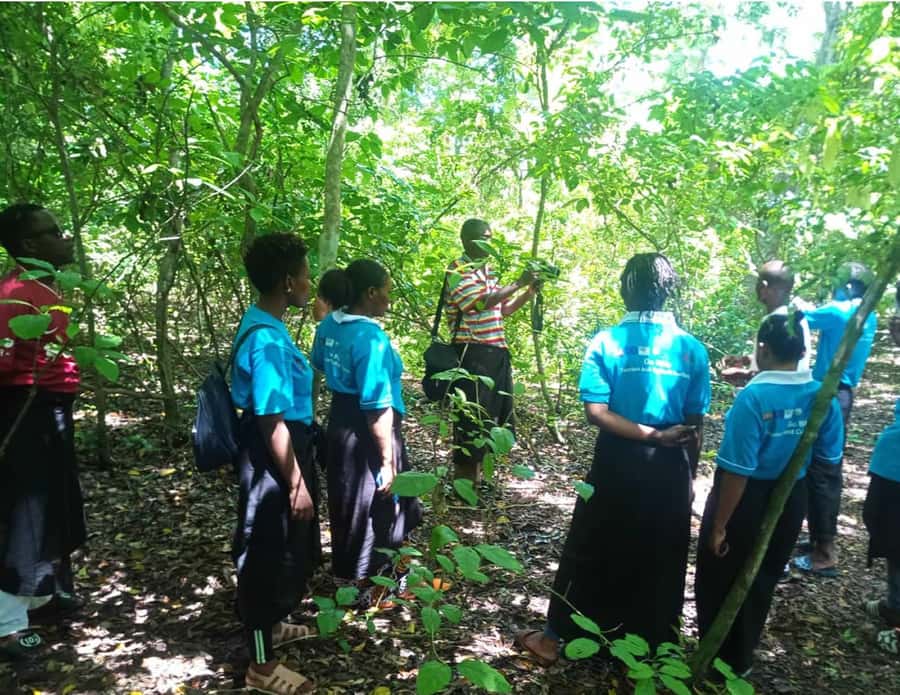
The forest walk lasts about 50 minutes. Shade makes it a welcome break from the heat of the coast, and the pace is designed for explanation rather than speed.
Your guide points out tree species found in Kaya Kinondo and explains the medicinal traits connected with local plant knowledge. You may hear about how plants have been used in traditional healing, though the value of this part depends on your questions and the guide leading your group.
The walk also covers forest animals, local customs, and traditional systems. The forest itself is well preserved, but the most interesting feature is the way nature and belief are connected. A tree may matter for its healing use, its age, its place in local stories, or its link to the sacred site.
This is where the tour earns its price better than a basic woodland stroll. You are not left to guess what you are looking at. The guide supplies the cultural frame, explains why the forest is protected, and points out details you could easily miss on your own.
The shrine is another important stop. It remains well preserved and is used as a place where local people communicate with ancestral spirits through prayers and offerings. You should expect a respectful visit, not a staged show. The religious meaning is central, so follow the guide’s instructions and avoid treating the shrine as a photo prop.
The forest portion has one clear limit: it is short. At 50 minutes, you get a focused introduction rather than a long wilderness hike. That will suit you if you want a cultural outing between beach time and meals. If you are looking for several hours of birdwatching or strenuous walking, this is not that kind of trip.
The short transfer to the village

After the forest walk, you continue to a nearby village for about an hour of cultural activities. The transfer is short, but walking between the Visitor Centre and the village is not easy to navigate. Having transport available is strongly recommended.
This is one reason the separate car arrangement matters. You can ask for pickup, waiting time, and drop-off from your Diani hotel, but those services are not part of the $42 tour price. The quoted cost is about $35 to $40, depending on your hotel location and the vehicle used. A small car is around $35, while a van may be around $40.
If you are traveling alone, that extra cost affects the value more than it would for a small group sharing the vehicle. Before booking, ask exactly what the transport quote covers and whether the driver will remain available during the transfer between the forest and village.
Same base, a completely different sort of day:
- PILLI PIPA DHOW, the genuine product, snorkeling tour to Kisite Marine Park
★ 4.5 · 217 reviews - Full-Day Special Wasini Island Tour with Snorkeling and Lunch
★ 4.5 · 184 reviews - Full Day Dolphin Watching with Snorkeling in Wasini
★ 5.0 · 88 reviews - Day Trip – Tsavo East National Park ( Man Eater Lions of Tsavo & Other Big Five)
★ 4.5 · 55 reviews
Meeting village life, a healer, and local teachers
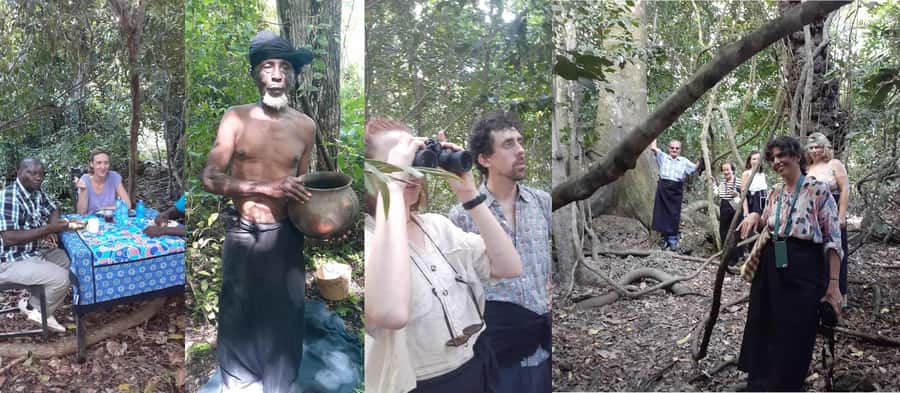
The village visit gives the tour a human focus. You learn about local life and traditional livelihoods rather than stopping at a forest explanation and returning to the beach.
A village healer is part of the visit, which connects naturally with the medicinal plant knowledge introduced on the trail. This is a useful link: the forest is not presented as an isolated sacred place, but as part of community life and traditional practice.
The experience has also included a classroom visit with Mrs Christine, described as an energetic teacher who works closely with local children. The supplied information does not promise that every departure includes the same classroom stop, so you should ask when booking if this matters to you. Still, it shows the wider range of community contact that may be included in the village portion.
You may also see traditional handicrafts and have the chance to buy optional souvenirs. I would treat these purchases as a way to support local makers, but do not feel obliged to buy. The tour is more valuable when the interaction remains respectful and unhurried.
The Digo dance and lemongrass tea
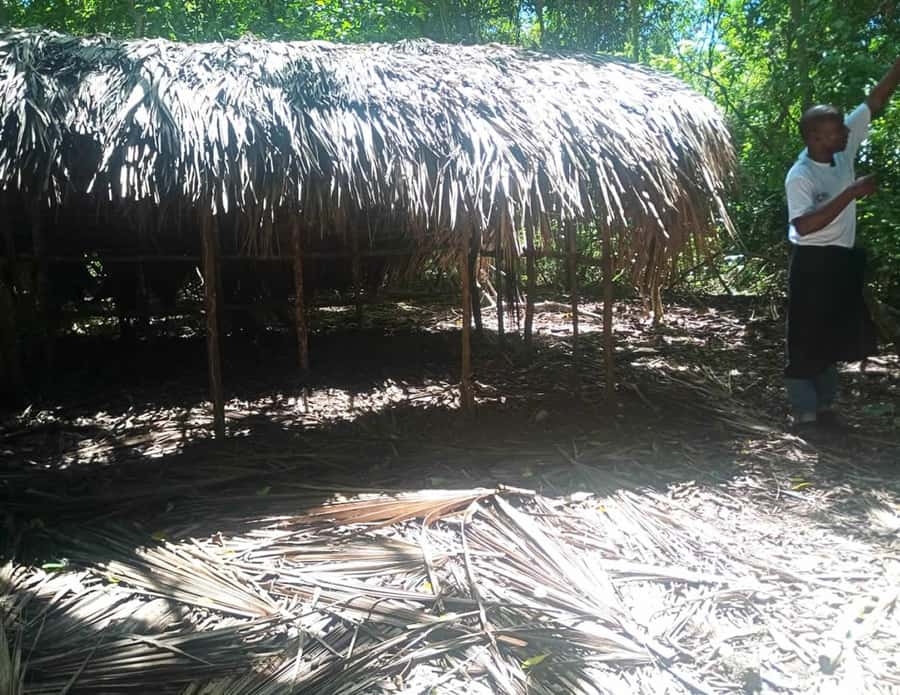
A Digo traditional dance performance is mandatory and lasts about 15 minutes. It is a set part of the village program, not an optional add-on.
Some visitors may enjoy the energy and clear cultural focus. Others may prefer less formal performance and more time for conversation. I would keep expectations sensible: this is a short presentation within a four-hour tour, not a full evening of music and dance.
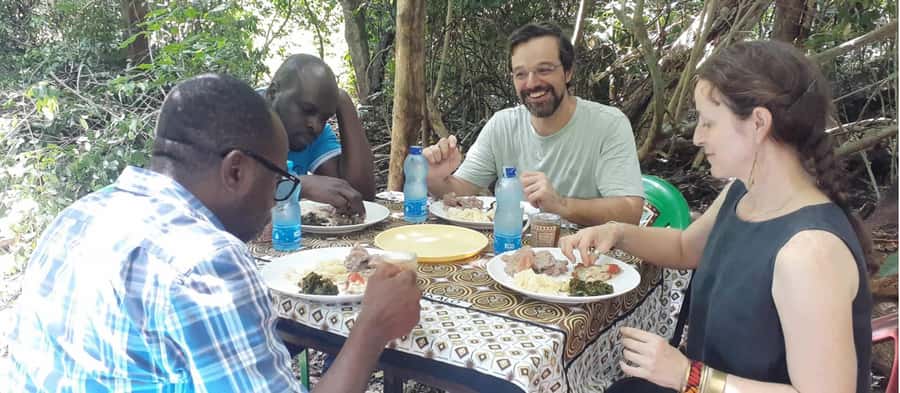
You also receive local African herbal tea made with lemongrass. The tasting lasts about 15 minutes. It is a small detail, but it gives the visit a pleasant sensory finish and lets you connect the plant knowledge from the forest with something used in daily life.
Freshly tapped palm wine, called mnazi, may be sampled if you wish. Alcohol and drugs are not allowed as general tour behavior, so keep this tasting within the arrangements made by the local hosts. If you do not drink, the tea gives you an easy alternative.
You can bring a small pack of sweets to share with village children as a gesture of appreciation. Sweets can also be bought locally. This is optional, and I would follow the guide’s advice about when and how to offer them. A small, thoughtful gesture works better than handing out large amounts without context.
What the $42 price really covers
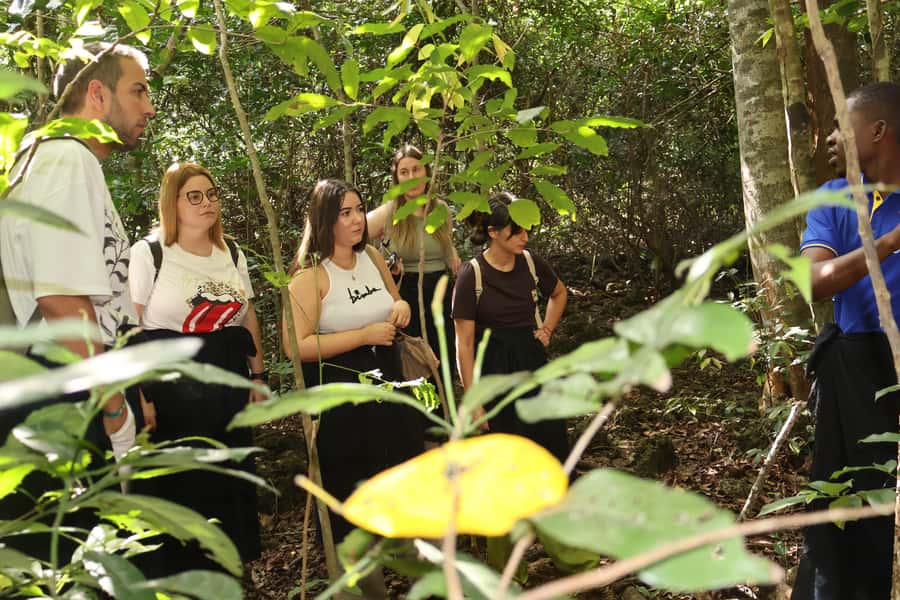
The listed cost is $42 per person. For that price, you receive the heritage briefing, guided forest walk, village tour, cultural explanations, dance, and tea tasting. The price is reasonable if you want a structured introduction to Digo culture and Kaya Kinondo rather than arranging separate visits.
The extra transport cost changes the calculation. Pickup and drop-off are excluded, with a quoted car cost of about $35 to $40 depending on location and vehicle. You should add that before comparing this tour with other Diani activities.
Optional souvenirs and lunch are not included. Lunch can be prepared on request, but you need to arrange it in advance. Since the tour ends in the village, you can leave at your convenience after the scheduled program.
There is also a free walking tour offered on Tuesdays and Thursdays by the provider. Communicate with the provider if you want details, since the supplied information does not explain how this option differs from the paid experience or where it begins.
The booking terms are flexible. You can reserve now and pay later, and cancellation is free up to 24 hours before the activity for a full refund. Starting times vary, so check availability before planning the rest of your day.
Who will enjoy this four-hour outing
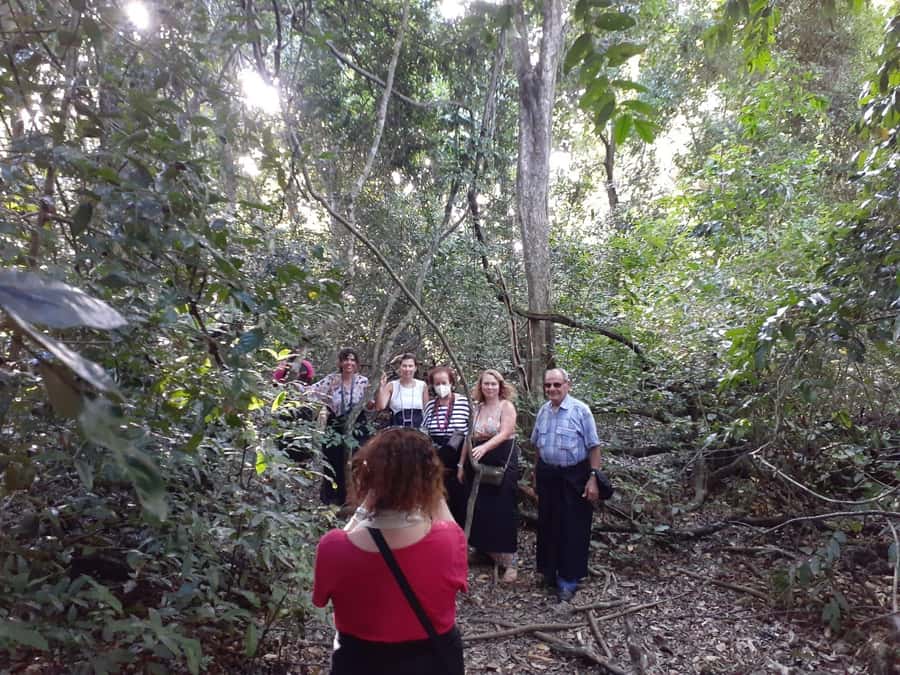
I would recommend Kaya Kinondo to you if you want to understand more about coastal Kenya than the beach resort routine allows. It suits people interested in local religion, traditional healing, community life, plants, and history told through place.
It is also a good choice for a first cultural outing from Diani. The four-hour length leaves room for a beach afternoon, and the forest shade offers a change from the sun.
Families may find the village portion especially engaging, but parents should use their judgment about the walking surface and the cultural setting. The activity is not suitable for people with mobility impairments or visual impairments.
You should skip it if your main goal is an active hike, a long wildlife walk, or a private, quiet forest visit. The traditional dance and village program make it a social and guided experience. It is also not suitable if you want to avoid all staged cultural presentations.
Practical advice for a respectful visit
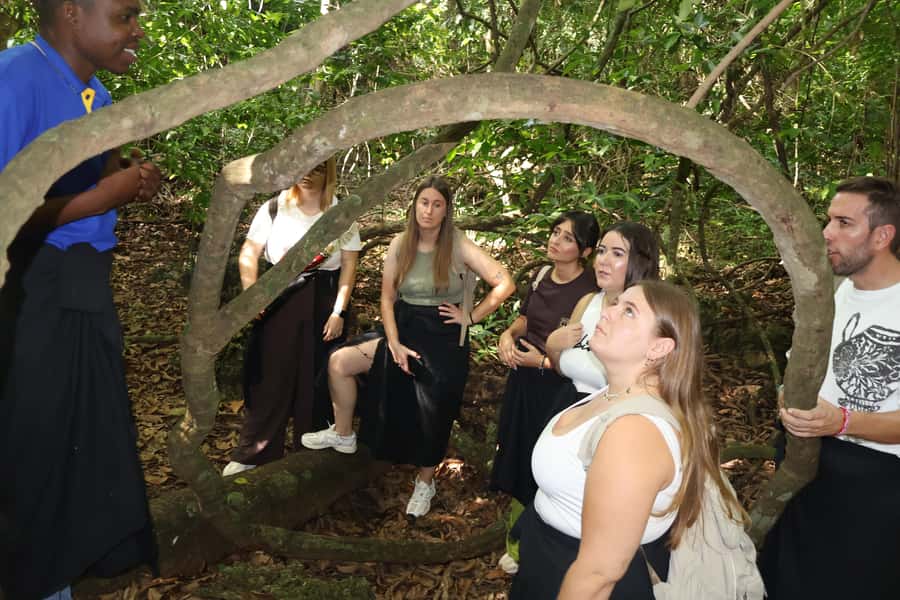
Dress for walking and warm weather, and bring comfortable shoes. The tour operator specifically warns against alcohol and drugs, and the sacred setting calls for calm, respectful behavior.
Listen closely during the briefing. The forest has religious importance, and rules that seem unfamiliar may be tied to beliefs that still guide community life. Ask questions, but allow the guide to explain which areas or practices should remain private.
Keep your schedule loose after the forest walk. The village transfer is part of the plan, and transport is easier if you have the arranged car available. If you are hiring a vehicle, confirm whether it includes the wait between locations.
The best guides explain both facts and meaning. Abdul has been praised for his clear, friendly approach, while other guides have been appreciated for explaining vegetation, animals, customs, beliefs, and rituals. If the chance comes up, ask about the plants you see, the role of the shrine, and how the Kaya is protected today.
Should you book Kaya Kinondo?
Book it if you want a thoughtful look at Diani’s local culture, not just another beach activity. The strongest parts are the sacred forest, the explanations of medicinal trees and Digo beliefs, and the village visit with its healer, tea, dance, and everyday community links.
The main decision is practical: the separate transport cost can make the outing more expensive than the headline price suggests. You also need to be comfortable walking on forest paths and taking part in a short cultural performance.
For a four-hour introduction to Kaya Kinondo, the price is fair, especially if your group can share the car. Bring comfortable shoes, plan for transport, and approach the forest with respect. If those points suit you, this is one of the better ways to see the cultural side of Diani.
FAQ
How long does the Kaya Kinondo experience last?
The experience lasts about four hours. It includes a 15-minute briefing, a 50-minute guided forest walk, a short transfer to the village, and about an hour of village activities.
What is included in the $42 price?
The price includes information about local heritage, the guided forest tour, the village tour, cultural explanations, and the scheduled activities in the village.
Is hotel pickup included?
No. Hotel pickup, waiting time, and drop-off are not included. Transport from Diani hotels can be arranged separately for about $35 to $40, depending on the hotel location and vehicle.
What language is the tour conducted in?
The live guided tour is conducted in English.
What should I bring?
Bring comfortable shoes for the forest trail. You may also bring a small pack of sweets to share with village children, although this is optional and sweets can be bought locally.
Can I try palm wine?
Yes, freshly tapped palm wine, called mnazi, may be sampled if you wish. Lemongrass herbal tea is also included.
Is the tour suitable for people with mobility or visual impairments?
No. The activity is listed as unsuitable for people with mobility impairments or visual impairments.
Just added around Diani Beach
- Mombasa: Snorkeling, Dolphin watching, seafood lunch.★ 4.5 · 3 reviews
- mangrove tour★ 4.2 · 4 reviews
- Kaya Kinondo Sacred Forest Guided Tour★ 4.4 · 3 reviews
- From Diani Beach: Funzi Island Full Day Excursion with Lunch★ 4.8 · 5 reviews
- From Mombasa/Diani: Tsavo East National Park Day Trip★ 5.0 · 7 reviews
- From Diani or Mombasa: Tsavo East National Park Day Trip★ 5.0 · 4 reviews
- From Diani: Full Day Shimba hills tour with Sheldrick Falls★ 3.7 · 10 reviews
- Diani: Snorkeling and Swimming at African Pool in Tiwi Beach★ 4.6 · 11 reviews
Diani & Coast Beach Trips, compared.

Tusks, Fort Jesus, Old Town, Beach and City Tour
Read our review →
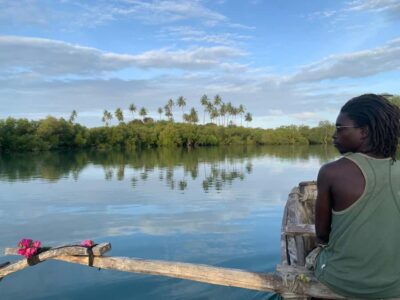
Sunset Canoe Tour along the River with Mangroves
Read our review →
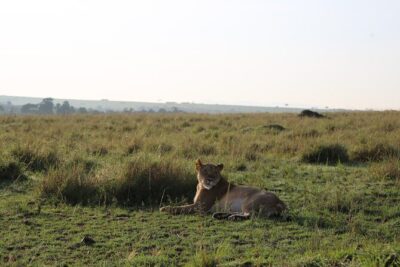
2 Days Tsavo East National Park Tour From Mombasa/Diani (1 Night)
Read our review →


Browse the lists this tour appears in