
Reviewed · MASAI MARA SAFARIS
Great Wildebeest Migration Safari in Masai Mara
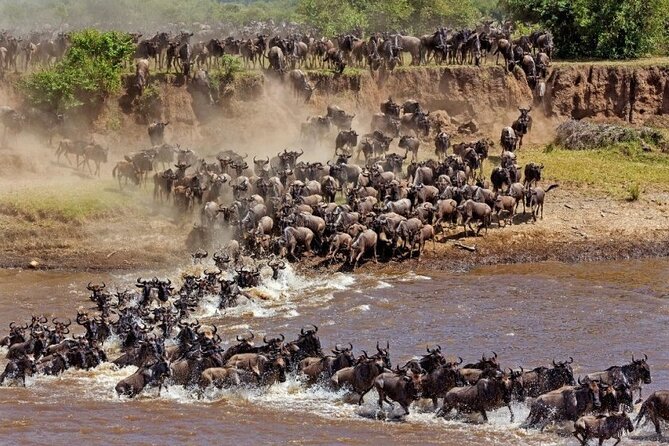
The main event is the Great Wildebeest Migration, when huge herds move from Tanzania’s Serengeti toward Kenya’s Masai Mara. If timing and animal movement line up, you may see wildebeest and zebras massing near the Mara River, with crocodiles waiting below and big cats watching from the grass.
I like two things here: you get two full days in the reserve, not just a quick game drive, and the tour adds useful variety with a Rift Valley viewpoint, a Maasai village visit, and an optional hot-air balloon ride. The owner-managed operation also promises private transport, on-board WiFi, binoculars, and 24-hour backup support.
The main caution is practical: the advertised price is $1,430 per person, but park and conservation fees of $80 per person per day are extra. The starting point is given as Mombasa, while the final drop-off is in Nairobi, so confirm the exact pickup, route, and total cost before paying.
Key points to know before booking
- Migration timing matters: The safari is designed around the July to September season, but river crossings are controlled by weather, water levels, and animal movement.
- Two full days in the Mara: Day 2 and Day 3 allow long hours on the plains, with packed meals and time to search for lions, leopards, cheetahs, elephants, and more.
- Private touring: Only your own group takes part, giving you more room to ask questions and discuss how long to stay at sightings.
- Guide-led wildlife viewing: Guides such as Eric or Erick are praised for explaining the Big Five and helping guests understand animal behavior.
- A cultural finish: The final day includes a Maasai village visit with dancing, fire-making, manyatta houses, and a look at how people live alongside wildlife.
- Extra fees need planning: Park and conservation charges are not included and can add a large amount to the advertised price.
Why the Mara River is the star of this safari
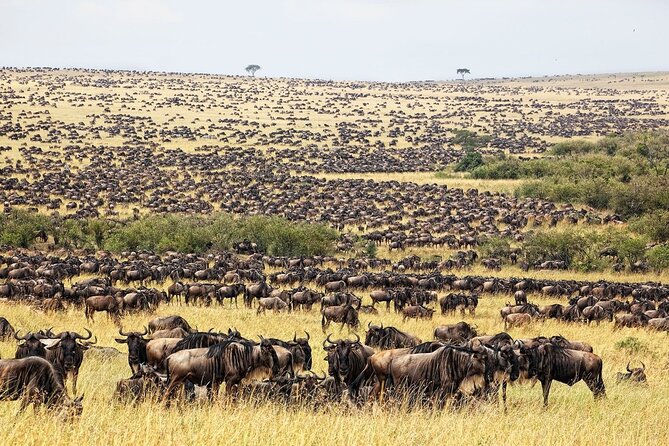
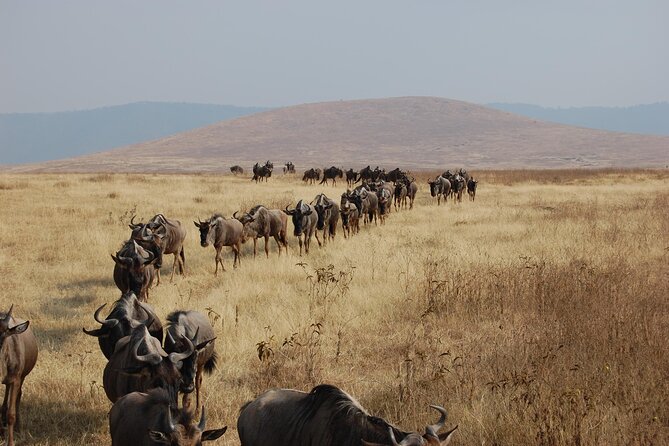
The Mara River is the reason many people choose this trip. During the migration season, wildebeest, zebras, and antelopes move north from Tanzania in search of fresh grazing. The crossing is not a scheduled show. Herds may gather for hours, then turn back, spread out, or cross at a different point.
That uncertainty is part of the experience, but it also means you should not book this tour with a guaranteed crossing in mind. The description promises a chance to witness migration activity, not a confirmed river crossing on a particular day.
On Day 3, you spend time near the Mara River and take a walk along its bank. This gives the safari a useful change of pace after long hours in the vehicle. You can watch the river, look for crocodiles, and ask your guide about the dangers faced by animals during the crossing.
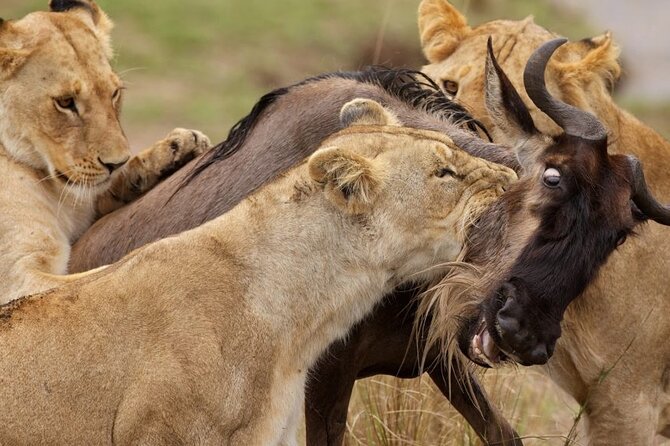
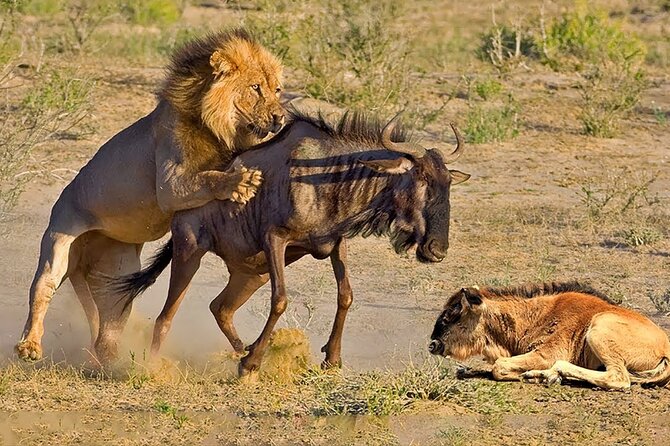
The tour also puts you in good territory for predator sightings. Lions, leopards, cheetahs, and serval cats are listed among the animals you may search for. A real hunt or kill is possible, but never certain. That is worth keeping in mind if you are comparing this with a tightly scripted wildlife show. Here, the reward comes from patience and luck.
Other ways to reach the Mara from Mombasa:
- 3 Days Masai Mara Flight Safari
★ 5.0 · 7 reviews - 3 Days Masai Mara Group Joining
★ 5.0 · 486 reviews - From Nairobi: 3 Days, 2 Nights Maasai Mara Group Safari
★ 4.5 · 394 reviews
Day 1: The road from Mombasa to the Masai Mara
The first day is a long travel day, listed at about eight hours before the evening safari activity. You begin with a stop at a Rift Valley viewpoint and the First Smallest Catholic Church in Kenya, then continue toward the Masai Mara.
These stops break up the drive and offer an early look at Kenya beyond the reserve. The Rift Valley viewpoint is the more scenic of the two, while the church is a brief cultural and historical stop. Neither replaces time in the Mara, but both give the first day more shape than a straight transfer.
After reaching the reserve, you check into your camp or lodge, have lunch, and take an afternoon rest. That pause matters. A long drive followed by an evening game drive can be tiring, so do not treat the siesta as wasted time.
The evening drive lasts about two hours. It may offer your first look at wildebeest, along with other animals moving across the plains as the heat drops. Short evening drives are useful for getting familiar with the reserve, but the main wildlife time comes on the following two days.
One point needs clarification before booking: the tour is described as starting in Mombasa, but no detailed Mombasa pickup schedule is provided. Ask exactly where the vehicle meets you, how long the transfer takes, and whether the quoted price includes any domestic connection or long road transfer.
Day 2: A full day searching for cats and herds
Day 2 is the first major safari day. You leave after an early breakfast with a packed lunch and spend about ten hours in the reserve. That long block of time gives your guide room to search different areas rather than rushing from one sighting to the next.
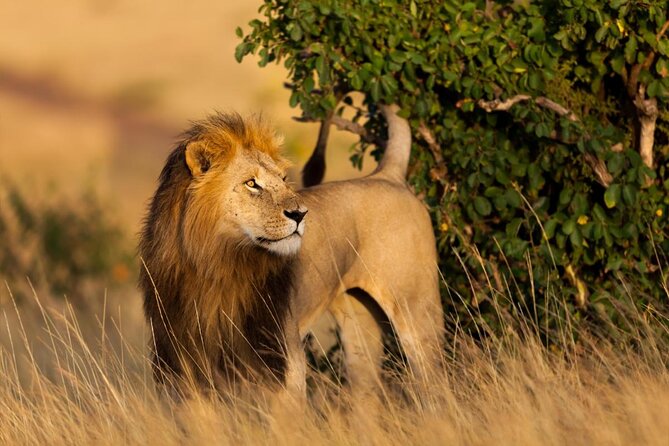
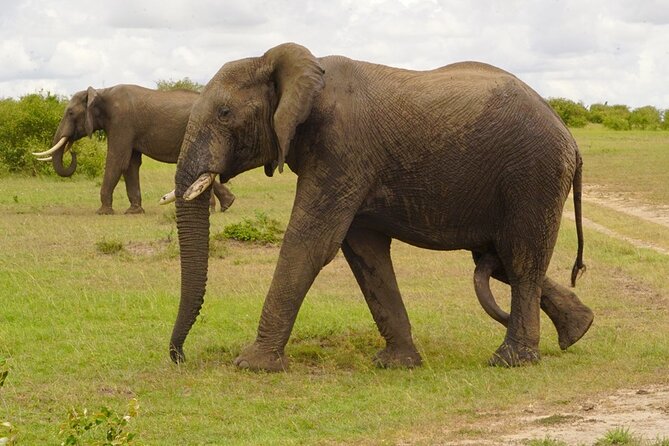
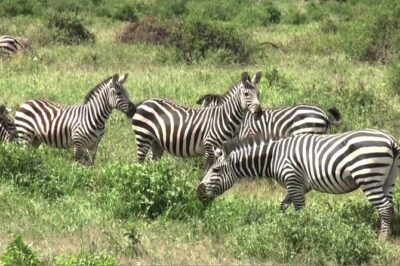
The focus is broad. You may see elephants, buffaloes, giraffes, impalas, zebras, wildebeest, elands, topi, hippos, and other animals listed in the program. The Big Five are a major attraction, but the smaller details can be just as rewarding: a herd’s movement, a bird of prey, or the way antelope react when a predator is nearby.
Predators are given special attention. Lions and cheetahs are more often seen in open areas, while leopards can require more careful searching. Serval cats are less predictable, so seeing one would be a lucky find rather than an expected part of the day.
The guide’s role matters here. Eric and Erick are both named in the supplied information, so confirm who will lead your specific departure. One guide, Erick, is praised for explaining the Big Five and animal behavior, while another mention credits Eric with working hard to keep the trip comfortable and enjoyable. The names may refer to the same person or two members of the team, so a quick clarification is sensible.
A packed lunch lets you stay out in the reserve instead of returning to camp in the middle of the day. That saves driving time and increases your chance of catching animals during active periods. The tradeoff is simple: you spend many hours in the vehicle, so this suits people who are comfortable with a full safari schedule.
Day 3: Sunrise, the river, and the optional balloon ride
Day 3 repeats the full-day format, but with an earlier start and picnic meals. You leave with breakfast and lunch, and the breakfast may be eaten outdoors while watching the sunrise if the weather is suitable.
This is a strong day for anyone who wants more than a quick wildlife checklist. Two long days in the Mara give you time to watch animal behavior, ask questions, and wait at a promising area. A private group can also make it easier to discuss when to move on and when to stay longer, though the guide remains responsible for the route and timing.
The plan includes another ten-hour game drive and a visit to the Mara River. The river walk is a distinct part of the trip, but you should follow the guide’s instructions closely around wildlife and water. The schedule does not specify how long the walk lasts or exactly where it takes place.
An optional hot-air balloon safari is available very early in the morning. It lasts about two hours and is not included in the listed tour price. The supplied details do not give the extra charge, departure time, or booking procedure, so ask for those figures before deciding.
The balloon option is best for someone who wants a quiet aerial view of the Masai Mara and does not mind adding another early start. If your main goal is river-crossing action, the balloon does not improve your odds of seeing a crossing. It is a separate experience, not a substitute for time at ground level.
Same base, a completely different sort of day:
- Walking Tour Through Old Town Mombasa and Fort Jesus
★ 5.0 · 393 reviews - Mombasa: Kisite Park Private Cruise with Breakfast and Lunch
★ 4.7 · 181 reviews - Mombasa City Tour
★ 5.0 · 170 reviews - Mombasa: Tusks, Fort Jesus, Old Town, Beach and City Tour
★ 4.7 · 137 reviews
Day 4: Maasai culture before the Nairobi drop-off
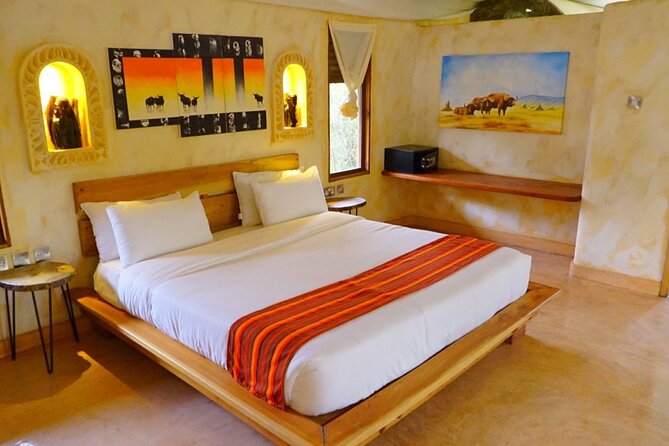
The last day begins with breakfast and a relaxed checkout around midmorning. You then visit a Maasai village, where the program includes dancing with Maasai warriors, learning how to make fire, seeing manyatta houses, and discussing how Maasai communities live alongside wildlife.
This visit gives the safari a human side. The animals are the headline, but the Mara is also home to communities with their own traditions and relationship with the reserve. I would use the visit to ask direct questions about daily life, livestock, tourism, and conservation.
After the village visit, the drive to Nairobi takes about five hours. You arrive in the evening and are dropped at a Nairobi hotel or airport. That makes the tour useful if you need to connect with a Nairobi stay or flight, but check your departure time carefully. The supplied schedule does not promise a precise arrival hour.
The final drive also raises the clearest logistics question in the whole package. The tour is promoted from Mombasa, yet it ends in Nairobi. That can work well if you are moving through Kenya, but it may not suit you if you need to return to Mombasa. Confirm whether a return transfer is available and whether it costs extra.
What the $1,430 price includes
At $1,430 per person, this is a major purchase, so value depends on what you want from a safari. The package includes private transportation, WiFi on board, binoculars, three breakfasts, four lunches, and three dinners. It also covers four days of guiding and wildlife time, though the listed admission lines do not include park fees.
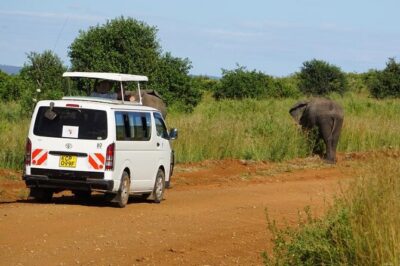
Private transport is the most important inclusion. You are not sharing the vehicle with unrelated passengers, and only your own group takes part. That can make a big difference during long drives and wildlife stops. You have more control over questions, breaks, and the pace of the day than you would on a large group departure.
Binoculars are useful during distant animal sightings, especially when scanning open grassland for cats or watching activity near the river. On-board WiFi is a practical touch, though you should not depend on it for constant service in a remote reserve.
The food plan is generous on paper, with three breakfasts, four lunches, and three dinners. The two packed lunch days help you stay in the reserve. Details about meal style, drinks, dietary requests, and lodge standards are not provided, so ask before departure if those points matter to you.
The largest extra is the park and conservation fee of $80 per person per day. Since the fee is stated per day, four days could represent as much as $320 per person if charged for all four days, but the exact number of chargeable days should be confirmed with the operator. Add the optional balloon safari separately if you want it.
Comfort, timing, and the private format
This is an active safari with several early starts, long drives, and two ten-hour days in the reserve. You should be ready for time in a 4×4, packed meals, and changing plans when wildlife activity shifts.
The private format is a good match for couples, families, and small groups with a shared interest in photography or wildlife. It is also useful if you want to ask many questions. The company describes itself as owner-managed, with a large fleet of custom-built 4×4 vehicles and 24-hour backup support.
That support promise is reassuring, especially on a remote safari, but it is still wise to ask what happens if a vehicle problem affects the schedule. You can also confirm the vehicle type, number of passengers, luggage limits, and whether the same guide and vehicle remain with you for all four days.
Most people can take part, and service animals are allowed. No special fitness level is stated. Still, the amount of time in a vehicle means you should consider your own comfort with long road journeys and full-day outings.
How the guiding shapes the experience
A safari guide does more than point at animals. The best moments often come from learning why a herd moves, how predators hunt, or what warning behavior means. The information supplied about Eric and Erick gives you a reason to ask for a guide with strong wildlife skills if that is your priority.
One account credits Erick with explaining the Big Five in detail. Another praises Eric for taking extra care with comfort and enjoyment during a longer Kenya trip. Those are useful signs, but guide assignments can change. Ask for the name of your guide and the kind of wildlife experience they have before departure.
The private setting should also help you get more from the guide. Bring questions about migration, the Mara River, conservation, and Maasai life. A good question can turn a simple animal sighting into a useful lesson.
Who should book this four-day safari
I would recommend this tour to you if the migration is your main reason for visiting Kenya and you want several days in the Masai Mara rather than a single rushed outing. It also suits you if you value private transport, included meals, binoculars, and a guide who can explain wildlife in plain terms.
It is a good fit for people who want a mix of game drives and cultural contact. The Maasai village visit, Rift Valley stop, church visit, and optional balloon ride add variety without taking away the two main full days in the reserve.
I would be more cautious if you have only a short amount of time, need a guaranteed Mombasa return, or want a fixed schedule. Wildlife sightings cannot be promised, the river crossing is not guaranteed, and the long road sections may feel demanding.
Should you book it?
Book this safari if you accept that the migration is a natural event, not a performance, and you are willing to spend long days searching for the right moment. The strongest value comes from the private format, two full game-drive days, and the chance to combine big-cat viewing with the Mara River and Maasai culture.
Before you commit, get the total price in writing. Confirm the Mombasa pickup, Nairobi drop-off, park fees, balloon cost, accommodation level, guide name, and vehicle details. If those answers are clear, this can be a focused and flexible way to visit the Masai Mara during one of Kenya’s most sought-after wildlife seasons.
FAQ
Where does this safari start and end?
The tour information lists Kenya and Mombasa as the location, with pickup offered. It ends in Nairobi, where you can be dropped at a hotel or airport. Confirm the exact pickup point and return arrangements before booking.
How long is the safari?
The experience lasts approximately four days.
When does the wildebeest migration take place?
The tour is designed for the July to September migration period, when animals move from Tanzania’s Serengeti toward Kenya’s Masai Mara.
Is the Mara River crossing guaranteed?
No. The tour provides an opportunity to see migration activity near the Mara River, but animal movement and crossings cannot be guaranteed.
Are park fees included in the price?
No. Park entry and conservation fees are listed separately at $80 per person per day.
Is the tour private?
Yes. Only your own group takes part in the activity.
Is the hot-air balloon safari included?
No. The hot-air balloon safari is optional and takes place very early on Day 3. Its extra price is not provided.
What meals are included?
The package includes three breakfasts, four lunches, and three dinners. Packed meals are provided for the full-day game drives.
Just added around Mombasa
- Tsavo East National Park: 2-Day Tour from Mombasa★ 3.9 · 5 reviews
- 1-Day Tsavo East Safari From Mombasa★ 5.0 · 3 reviews
- 4-Day Tsavo East West and Amboseli National Park from Mombasa★ 4.0 · 5 reviews
- 4 Days Mount Kenya Trekking★ 5.0 · 6 reviews
- Swahili Street Food Tour★ 5.0 · 7 reviews
- 4×4 Safari in Tsavo East National Park★ 5.0 · 4 reviews
- Fort Jesus Sound and Light show Mombasa★ 4.0 · 17 reviews
- Private Transfer from Mombasa★ 5.0 · 6 reviews
Masai Mara Safaris, compared.
5 Days Masai Mara, Lake Nakuru & Naivasha Budget Joining Safari
Read our review →
3 Days Gamedrive Safari In Masai Mara From Nairobi
Read our review →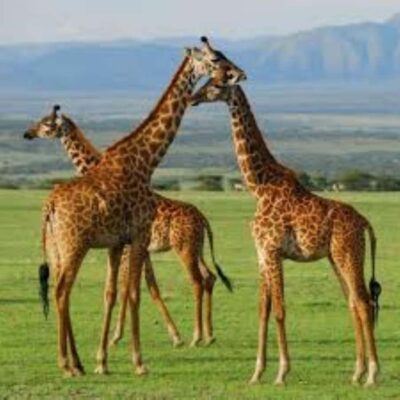
3 days group joining safari to Maasai Mara with a Land Cruiser Jeep
Read our review →Browse the lists this tour appears in