
Reviewed · CITY SIGHTSEEING TOURS
Half day city tour of mombasa
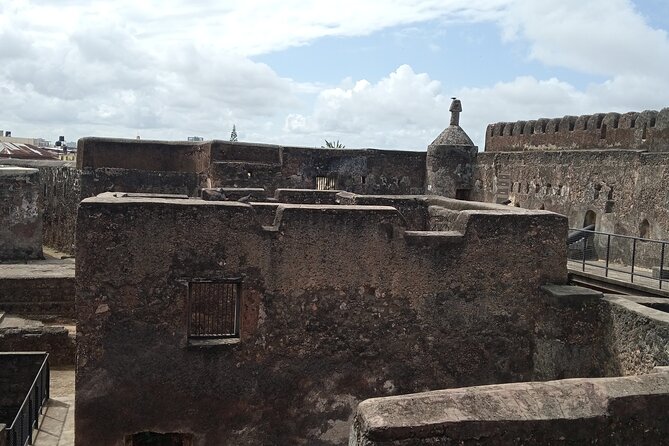
Mombasa makes the most sense when you follow its layers of outside influence on foot. This four-hour tour links Fort Jesus, Old Town, markets, a Hindu temple, the famous elephant tusks, Uhuru Gardens, and a ferry experience into one compact morning with guide Eric Lumbasho.
I like the way the tour connects grand events with ordinary life. The fish and spice markets show you the working city, while Eric’s explanations cover food, clothing, customs, and the coastal blend that grew from centuries of contact. I also like the small group limit of 10, which should make it easier to ask questions and adjust the pace.
The main consideration is time. Four hours is enough for a useful introduction, but not enough for long visits at every stop. This is best for getting your bearings and understanding Mombasa, not for a slow museum day or a full exploration of each market.
Key points at a glance
- Fort Jesus begins the story: Start beside one of Mombasa’s most important historical sites and learn about early visitors to the East African coast.
- Old Town is explored on foot: Narrow streets, old buildings, local commerce, and cultural encounters give the city context beyond its postcard sights.
- Markets add daily life: The fish market and spice market bring food, trade, and coastal habits into the tour.
- The route shows cultural variety: The Swaminarayan Hindu temple and other city sights help explain Mombasa’s mix of traditions.
- The ferry adds a change of pace: The morning is not only architecture and commentary, since the program also includes a ferry experience.
- Eric Lumbasho leads the walk: His flexible style suits visitors who want history, food suggestions, photography help, or a more personal look at the city.
Starting beside Fort Jesus at 9:30 am
Your morning begins at Banda Paradise, next to Fort Jesus on Sir Mbarak Hinawy Road in Mombasa Old Town. That is a useful meeting point because you are already near the first major sight, rather than spending the opening part of the tour crossing town.
The stated start time is 9:30 am. You meet the guide there, and the activity finishes back at the same point. Since the tour is built around walking, arrive ready for streets, markets, stops to listen, and the hot coastal climate.
The group limit is 10 people. That is small enough for a guide to respond to questions and keep an eye on the group in crowded areas. It also gives the experience a more personal feel than a large coach excursion.
The meeting point is near public transportation, which helps if you are making your own way to Old Town. Hotel pickup is not part of the stated meeting instructions, so confirm arrangements before booking if you need transport from your accommodation.
More city-side trips in Mombasa:
- Mombasa City Tour
★ 5.0 · 170 reviews - Mombasa: Tusks, Fort Jesus, Old Town, Beach and City Tour
★ 4.7 · 137 reviews - Mombasa: Private City Tour with Fort Jesus & Haller Park
★ 4.6 · 24 reviews
Fort Jesus puts Mombasa in context
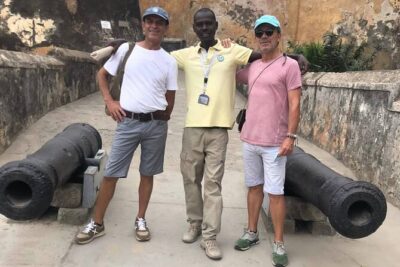
Fort Jesus is the natural place to begin because it gives the city’s story a firm starting point. The tour is designed to explain early visitors along the East African coast, how coastal towns developed, and how contact between local people and newcomers shaped life in the region.
You can expect the guide to use the fort and its setting to explain more than walls and dates. The focus is also on movement, trade, settlement, and the people who met along the coast. That makes the visit useful even if you are not a serious student of military architecture.
Eric Lumbasho is repeatedly praised for explaining Kenyan history in a clear, engaging way and for handling complicated subjects without making the walk feel like a lecture. His background in guiding also extends to coastal culture, food, and birdwatching, so you can ask questions beyond the basic fort story.
The practical limit is the four-hour schedule. Fort Jesus is a major stop, but it shares the morning with several others. If you want to study every room, display, and architectural detail at length, a separate visit would give you more time.
Old Town turns history into daily life
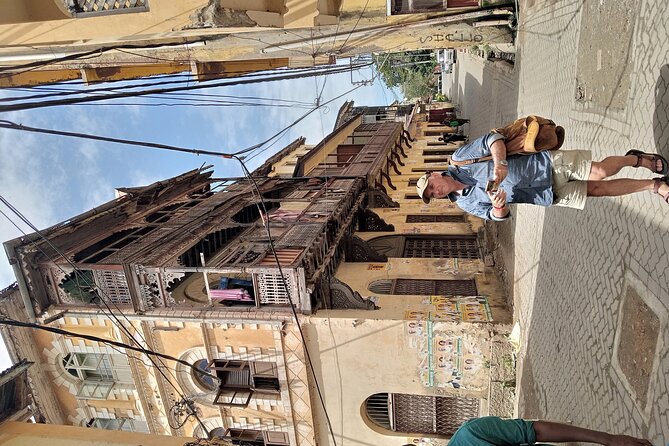
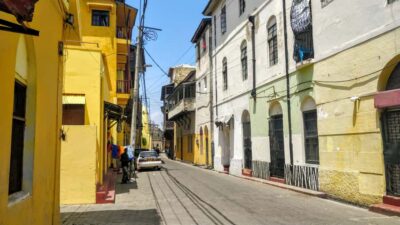
From Fort Jesus, the walking route continues through Old Town. This is where the tour’s central idea becomes easier to see. Mombasa’s identity is not one simple thing. It reflects African, Arab, Portuguese, Indian, and Swahili connections, expressed through food, dress, religion, language, and everyday routines.
Old Town works best when you pay attention to small details. Look at the streets, doorways, shops, people going about their work, and the way old and modern life share the same space. Eric’s role is to connect those details to the wider story instead of leaving you with a collection of attractive photographs.
This part also suits visitors who want more than a list of famous buildings. The guide can explain how coastal towns came about and how interaction between local communities and outside arrivals changed the way people lived. That human angle is one of the strongest reasons to choose this tour.
You should still keep your expectations practical. This is a guided city walk, not a private architectural study, and the route includes active commercial areas. You may find the experience more rewarding if you stay curious about ordinary street life rather than expecting every building to be polished or formally presented.
The fish market shows the working coast
The fish market adds a different tone to the morning. Fort Jesus and Old Town explain the past through places and stories, while the market shows a living part of coastal commerce.
A market visit can be especially useful if you want to understand Mombasa through food. Fish is not just something on a restaurant menu here. It connects to work, local trade, cooking, and the coastal way of life the tour sets out to explain.
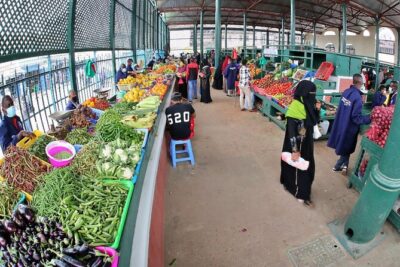
This stop may feel less comfortable than a conventional sightseeing attraction. Markets can be crowded, active, and full of strong smells. That is part of their value, but you should be prepared for a real working environment rather than a staged cultural display.
Stay close to the guide and follow local etiquette. If you want photographs, ask first when appropriate. The small group size should help Eric manage the stop and answer questions without losing everyone in the crowd.
Same base, a completely different sort of day:
- Walking Tour Through Old Town Mombasa and Fort Jesus
★ 5.0 · 393 reviews - Mombasa: Kisite Park Private Cruise with Breakfast and Lunch
★ 4.7 · 181 reviews - Half-Day Scenic Bike Tour
★ 5.0 · 75 reviews - 2 Days Tsavo East National Park Tour From Mombasa/Diani (1 Night)
★ 5.0 · 50 reviews
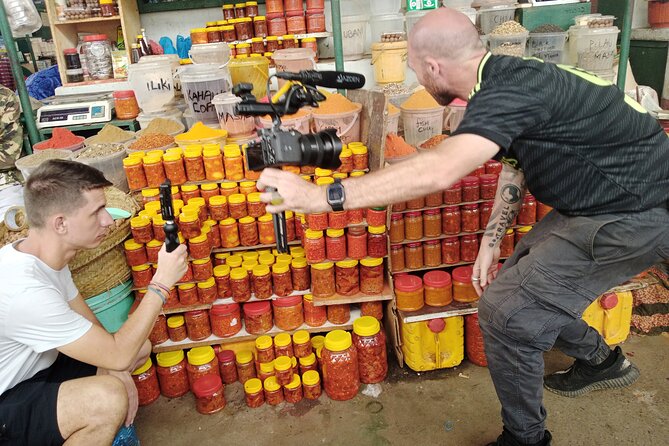
The spice market brings flavor to the story
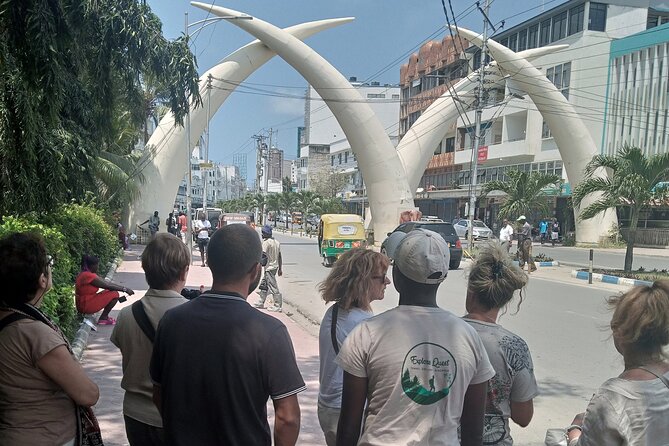
The spice market continues the food theme and gives you a chance to connect Mombasa’s cultural mix with cooking. The tour’s wider message includes the way outside contact influenced coastal cuisine, clothing, and customs. Spices make that idea easy to understand.
The market is also a good place to ask Eric for practical food advice. His guiding style includes restaurant recommendations, and he has helped visitors explore Mombasa’s culinary side. You can use this stop to ask what dishes to try later, where to eat, or how local flavors fit into the coast’s wider story.
One past experience included an extra tuk-tuk ride to the spice market. Do not assume that ride is part of every booking, since the published format describes a walking tour. If a tuk-tuk would help you or your group, ask Eric when arranging the experience.
As with the fish market, the spice market is about atmosphere and explanation as much as shopping. You might find something to buy, but the tour should not be treated mainly as a retail outing. Its value comes from understanding why these goods matter in Mombasa’s daily life.
The Swaminarayan Hindu temple broadens the picture
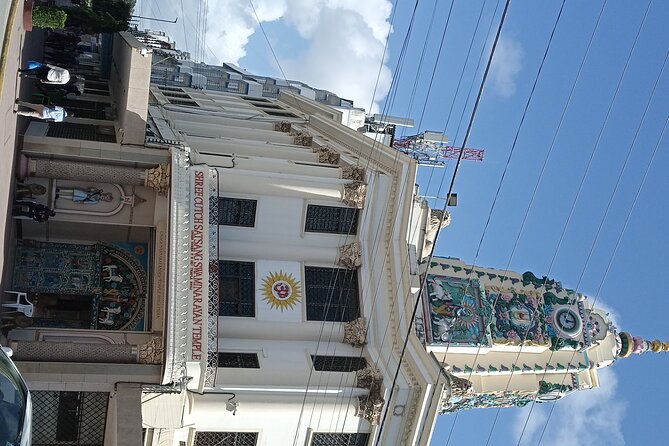
The Swaminarayan Hindu temple is an important inclusion because it prevents the cultural story from becoming too narrow. Mombasa is presented here as a coastal meeting point, and the temple helps show the continuing presence of Indian traditions in the city.
This stop fits the tour’s focus on how food, dress, religion, and customs reflect contact between communities. It also gives you a chance to see a side of Mombasa that can be missed if you only visit the fort and Old Town streets.
The exact length of the temple visit is not specified, so expect it to be one part of a larger route rather than a long religious or architectural tour. Dress and behavior should be respectful at any place of worship. If you want to enter or take photographs, follow the guide’s instructions and local rules.
Elephant tusks and Uhuru Gardens mark modern Mombasa
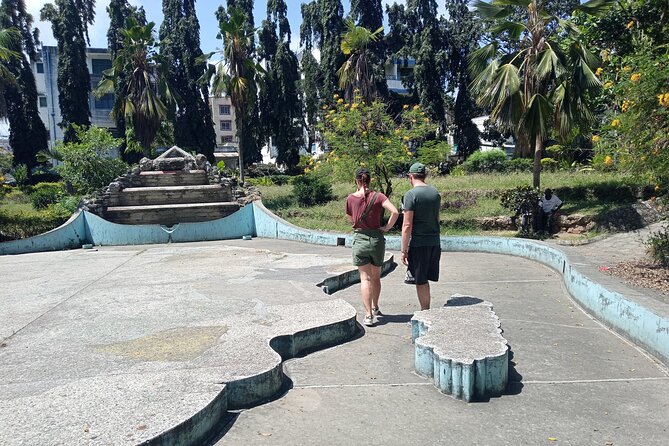
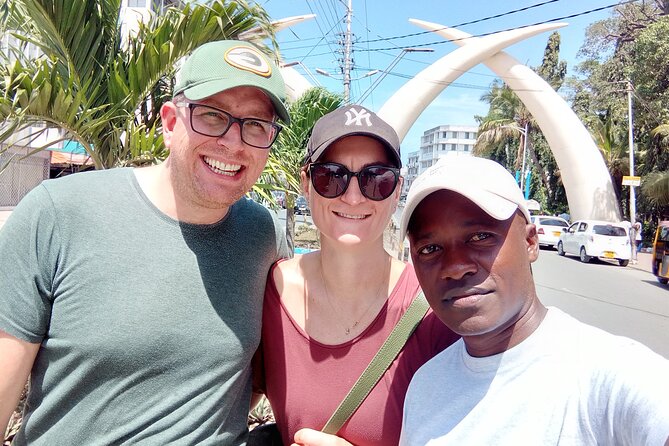
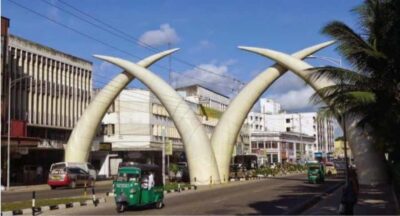
The elephant tusks are among Mombasa’s best-known city sights. They provide a recognizable photo stop and help break up the walking route with a more open urban setting.
Uhuru Gardens adds another public space to the itinerary. Together, these stops show a different side of Mombasa from the fort and markets. You move from a historic site and working streets to civic landmarks that are part of the modern city’s visual identity.
These may be shorter stops, depending on the group’s pace and the time spent earlier. That is not a weakness if you understand the tour as an introduction. You get to see several key places in one morning, then return later to the ones that interest you most.
Bring a phone or camera if you like taking pictures, but keep the focus on the guide’s explanation. The strongest part of the tour is the connection between the sights, not simply collecting images of them.
The ferry gives the morning a different rhythm
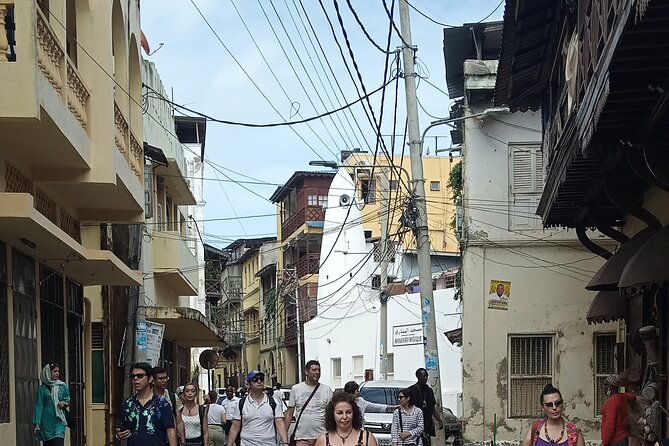
A ferry experience is included in the program, adding movement and a change of view to a route that is otherwise centered on Old Town streets and markets. It gives you a brief sense of how water and transport fit into life around Mombasa.
The supplied details do not specify the ferry crossing, its exact timing, or how long you remain there. I would treat it as a planned part of the experience, but ask for the precise route if the ferry is a major reason you are booking.
The ferry can also affect timing. Public transport and city movement do not always follow a neat sightseeing schedule, so the morning may feel less controlled than a private vehicle tour. That is part of the appeal for visitors who want contact with the city as it is, but less suitable for anyone who needs every minute fixed.
What Eric Lumbasho adds to the walk
A good city guide needs to do more than repeat dates. Eric’s strengths are his explanations of Kenyan and coastal history, his friendly manner, and his willingness to adjust the experience.
He has worked with visitors interested in food, photography, documentaries, nightlife, restaurants, and wider Kenya trips. That does not mean every extra activity is part of this four-hour booking. It does mean you can ask sensible follow-up questions and get ideas for the rest of your time on the coast.
His guiding also extends to birdwatching in other coastal attractions. For this tour, that matters mainly because it suggests a broad knowledge of the region rather than a narrow script about Fort Jesus.
If you have a particular interest, say so early. You might care most about colonial encounters, Swahili culture, food, religion, shopping, photography, or current life in Mombasa. A flexible guide can give more attention to your priorities, but the group schedule still sets limits.
Is $40 a fair price?
The price is $40 per person for about four hours. That works out to roughly $10 per hour before considering any admission fees or other costs, which are not specified in the information provided.
The value depends on what you want from a city tour. You are paying for a guide who links several places into one story, not simply for access to a single attraction. The combination of Fort Jesus, Old Town, two markets, a temple, city landmarks, and a ferry experience gives you a useful first look at Mombasa.
The price is easier to justify if you are in the city for a short stay, arriving from a cruise or making a quick coastal visit. You can cover a lot without spending a full day planning routes and researching the background yourself.
Ask what is included before you go, especially regarding site entry, food, transport, and the ferry. The published information confirms a mobile ticket, a meeting point, and the guided activity, but it does not spell out every possible extra charge.
Who should book this Mombasa tour?
I would choose this experience if you want a compact introduction to Mombasa with a strong focus on culture and history. It suits first-time visitors, families who prefer a guide, solo visitors who want company, and anyone who wants to understand the city before exploring it alone.
It is also a good match for people who enjoy food markets and local streets more than a standard sightseeing bus. Eric’s ability to discuss restaurants, coastal customs, and wider Kenyan experiences adds useful context.
I would look elsewhere if you want a slow, highly specialized visit to Fort Jesus, a full culinary tour, or a private vehicle excursion. Four hours moves quickly, and the program covers many places. You will see more, but you may spend less time at each stop.
The tour requires ordinary walking and takes place around city streets and markets. Most people can participate, but anyone concerned about walking, heat, or crowded public areas should ask about the pace before booking.
Booking and cancellation details
Confirmation is provided when you book, and the experience accepts a mobile ticket. It is near public transportation, the group is limited to 10, and the activity ends at the starting point.
Cancellation is free up to 24 hours before the 9:30 am start time for a full refund. Cancellations or changes made within 24 hours are not accepted for a refund. Poor weather can also lead to a change of date or a full refund.
Should you book it?
Book this tour if you want Mombasa explained through its people, food, faiths, markets, and coastal connections, not just through its monuments. Eric Lumbasho appears best suited to visitors who like asking questions and adjusting the focus as they go.
For $40, the route offers a sensible first morning in the city, especially when your time is limited. Just remember that the number of stops means each one receives a practical introduction rather than a long, detailed visit. Ask about admissions and ferry arrangements, wear comfortable clothing, and keep the rest of your day open for the place that catches your interest most.
FAQ
Where does the Mombasa city tour start?
It starts at Banda Paradise next to Fort Jesus in Mombasa Old Town, on Sir Mbarak Hinawy Road, Mombasa, Kenya.
What time does the tour begin?
The tour starts at 9:30 am.
Where does the activity finish?
The tour ends back at the meeting point beside Fort Jesus.
How long does the experience last?
The activity lasts approximately four hours.
Who leads the tour?
The experience provider is Explore Quest, led by Eric Lumbasho.
Which places are included?
The route includes Fort Jesus, Old Town, the fish market, the spice market, the Swaminarayan Hindu temple, the elephant tusks, Uhuru Gardens, and a ferry experience.
How many people can join?
The tour has a maximum group size of 10 people.
What is the cancellation policy?
You can cancel at least 24 hours before the start time for a full refund. Cancellations or changes made less than 24 hours before the start are not accepted for a refund. If poor weather causes the tour to be canceled, you will be offered another date or a full refund.
Just added around Mombasa
- Tsavo East National Park: 2-Day Tour from Mombasa★ 3.9 · 5 reviews
- 1-Day Tsavo East Safari From Mombasa★ 5.0 · 3 reviews
- 4-Day Tsavo East West and Amboseli National Park from Mombasa★ 4.0 · 5 reviews
- 4 Days Mount Kenya Trekking★ 5.0 · 6 reviews
- Swahili Street Food Tour★ 5.0 · 7 reviews
- 4×4 Safari in Tsavo East National Park★ 5.0 · 4 reviews
- Fort Jesus Sound and Light show Mombasa★ 4.0 · 17 reviews
- Shore Excursion: Full-Day Mombasa City Tour★ 4.5 · 11 reviews
City Sightseeing Tours, compared.
Tusks, Fort Jesus, Old Town, Beach and City Tour
Read our review →
Nairobi Cultural and Historical City Tour with a Local
Read our review →
Private City Tour with Fort Jesus & Haller Park
Read our review →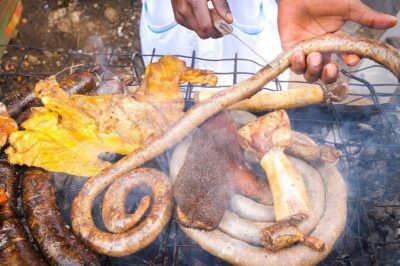
Mombasa Half-Day City Tour with Fort Jesus and Haller Park
Read our review →Browse the lists this tour appears in