
Reviewed · COFFEE & TEA FARM TOURS
Nairobi: Guided Coffee Farm Tour with Tastings
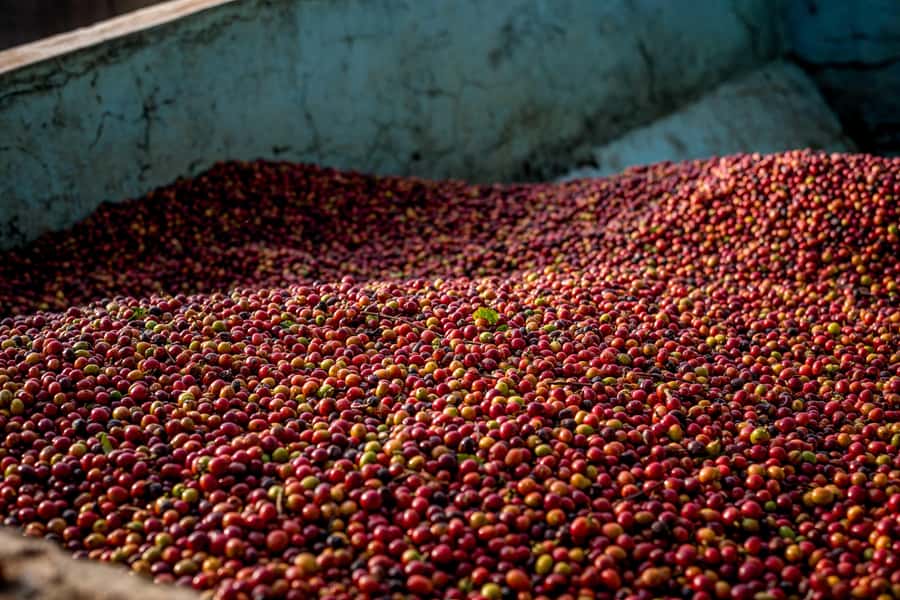
Coffee here is not just a drink at the end of a tour. You follow it from coffee cherry on the plant to the finished cup, with time to ask questions, test aromas, and learn why one bean tastes different from another. The visit also gives you a useful look at Kenyan farming rather than a polished city attraction with the plants hidden out of sight.
I like two things in particular: Patrick Solomon’s friendly Nairobi commentary during the drive, and the chance to take part in the tasting instead of simply watching a demonstration. The main consideration is the walking and the price structure. The advertised cost is $27 per person, but a $30 adult farm-entry fee may apply if you do not select an option that includes entry.
Key points to know before booking
- From cherry to cup: Learn about coffee varieties, planting, harvesting, drying, roasting, brewing, and tasting.
- Patrick adds local context: The guide often explains Nairobi, Kenyan culture, history, landmarks, and basic Swahili during the transfers.
- A real tasting session: Smell different samples, guess flavor profiles, and try to distinguish types of coffee.
- Simple finish: Your tour ends with a hot coffee of your choice and a complimentary snack.
- Easy Nairobi transport: Hotel pickup and drop-off are included, with airport pickup available from the taxi area.
- Best for coffee fans and curious first-time visitors: The experience suits solo visitors and small private groups, but it involves walking and is conducted in English.
Following Kenyan Coffee From Plant to Cup
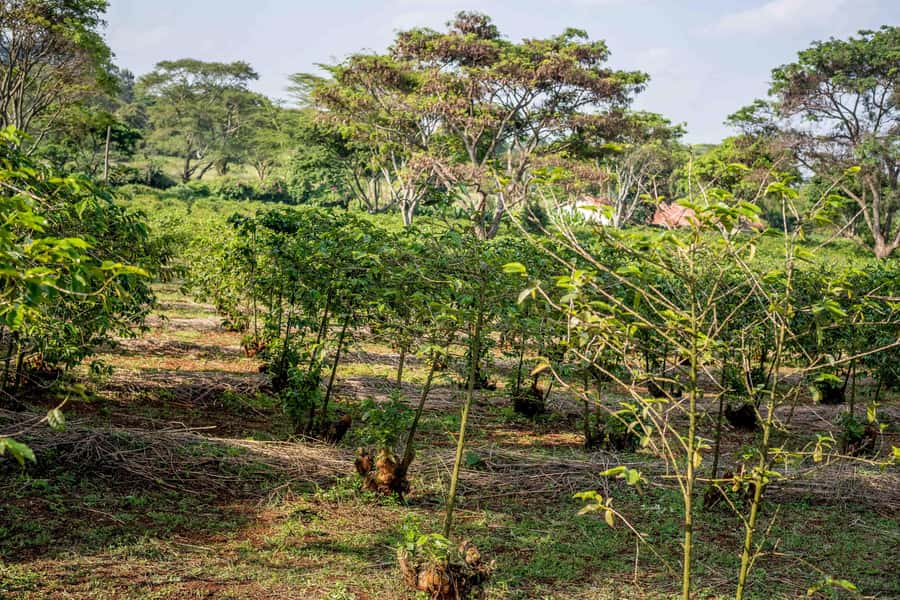
The tour begins with pickup in Nairobi, followed by the drive to the coffee farm. That transfer is part of the value. Patrick Solomon is frequently praised for explaining Nairobi as you go, pointing out notable places, answering questions, and offering cultural tips.
You may hear about the city’s development, Kenyan history, local customs, and places worth visiting later in your trip. Some bookings have included small detours to see sites such as the United Nations headquarters and nearby embassies, but you should treat those as possible extras rather than a guaranteed part of this coffee tour.
The drive also helps put the farm visit in context. Coffee is not an isolated export product here. It connects agriculture, labor, processing, trade, and Kenya’s place in the global coffee market. That wider explanation makes the farm walk more useful than simply looking at rows of plants and taking photographs.
The tour lasts three hours in total. The supplied schedule gives about 1.5 hours for the coffee farm walk, tasting, and related activities, with the remaining time used for transfers. Exact driving time can vary with your pickup point and Nairobi traffic, so do not schedule a tight appointment immediately afterward.
Other farm visits around Nairobi:
- Nairobi to Kiambethu Tea Farm Tour
★ 5.0 · 51 reviews - Coffee Farm Village & Factory Half Day Tour with Pick-Up
★ 5.0 · 33 reviews - Private Day Trip to Kiambethu Tea Farm in Limuru from Nairobi
★ 5.0 · 31 reviews
Walking Among Coffee Varieties
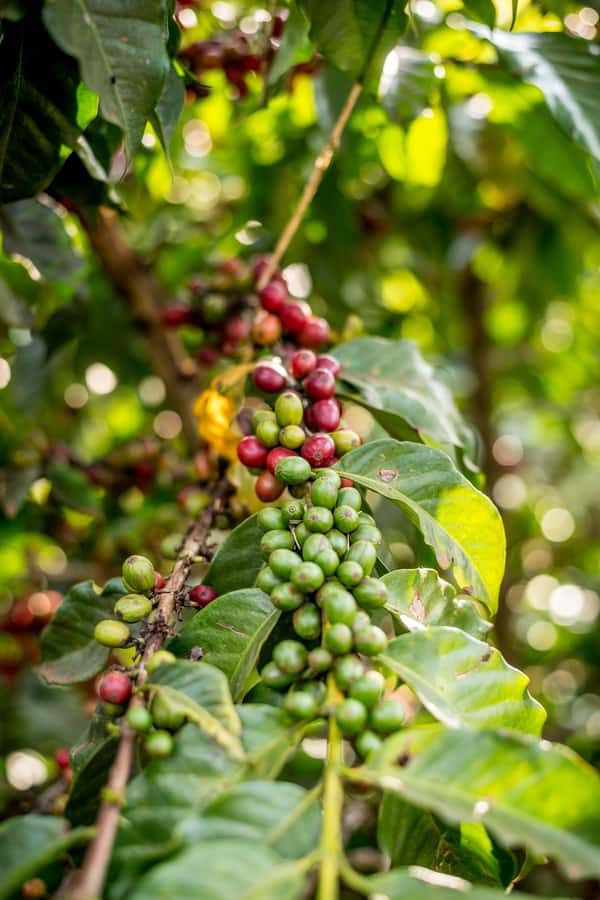
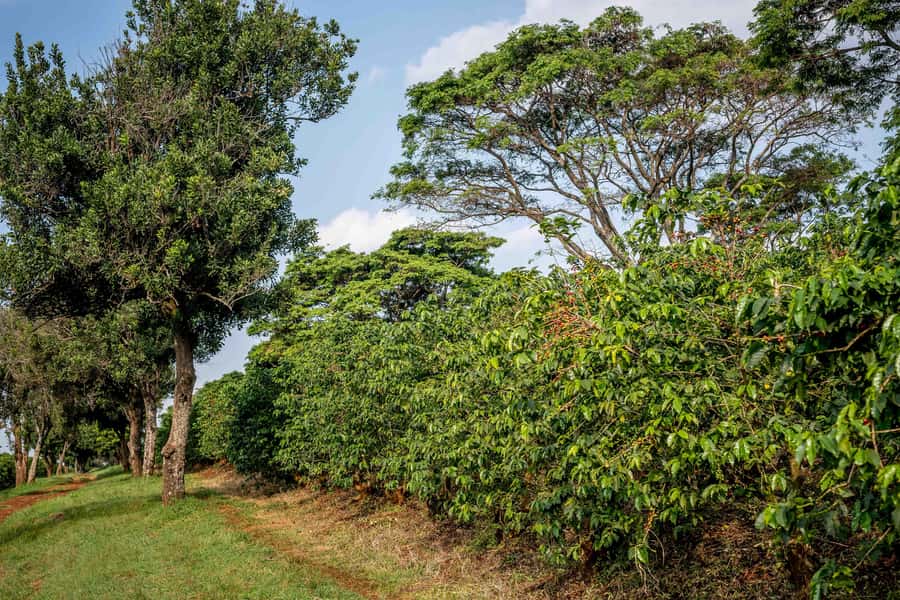
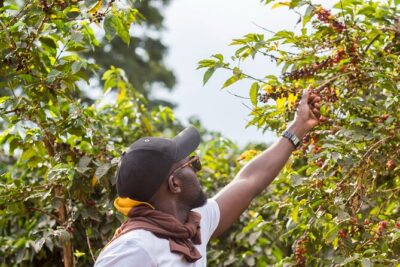
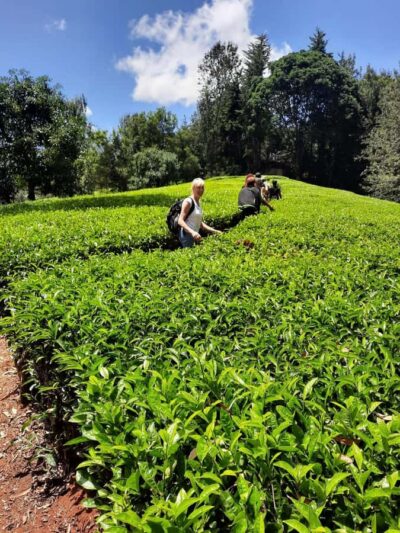
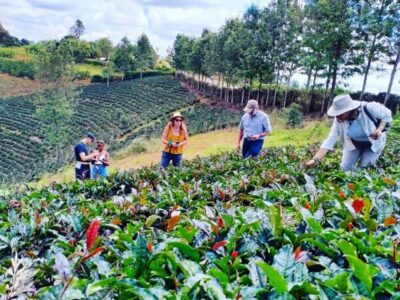
At the farm, you begin with the plants. You learn that coffee comes in different varieties, each with advantages and disadvantages. The guide covers growing conditions and farming techniques, then explains how farmers care for the plants and manage the crop.
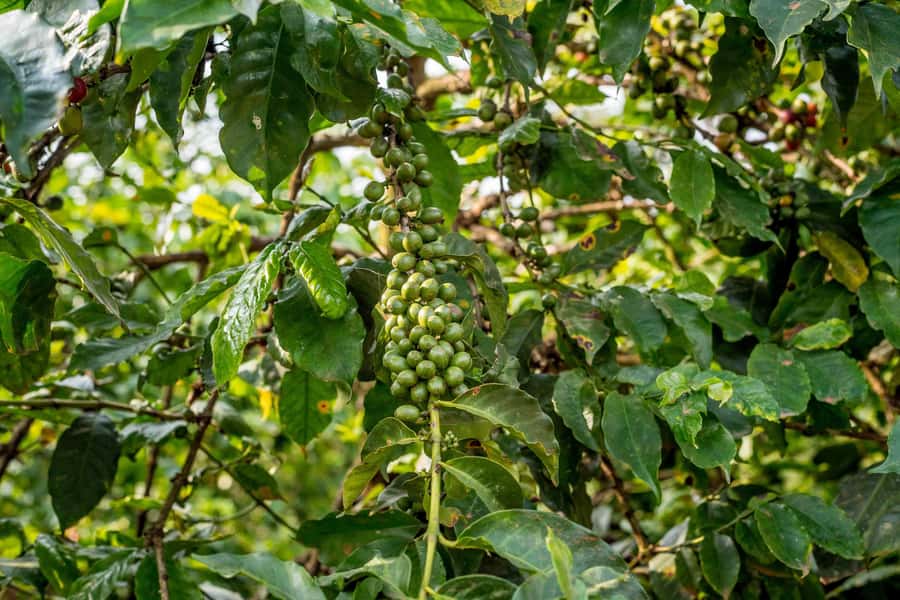
This is a good moment to slow down. Coffee is often presented as a bag of roasted beans, but the farm visit shows the work behind that label. You can see where the cherries grow, learn how they are picked, and understand that the final taste begins long before roasting.
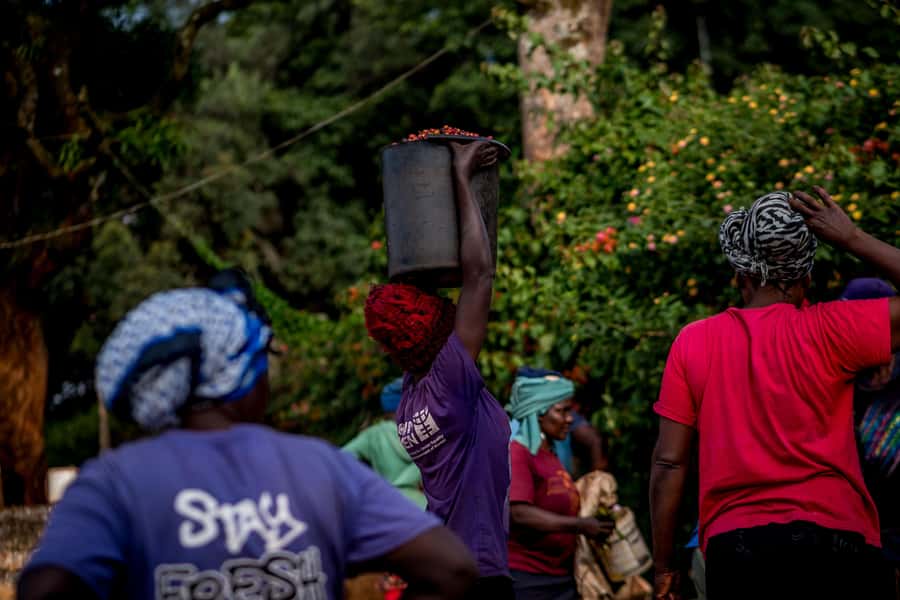
The experience includes interaction with farmers, which adds a practical layer to the presentation. Instead of receiving only a general explanation, you can ask about cultivation and harvesting directly. The available information does not promise a particular harvest season or a fixed set of farm activities, so the exact amount of hands-on work may depend on the day and the condition of the crop.
You should wear comfortable shoes. The walk around the plantation is an important part of the experience, and this is not a sit-down café visit with a short photo stop. A hat can also be useful if needed. Bring a little patience for uneven outdoor walking and warm conditions.
Learning What Happens After Harvest
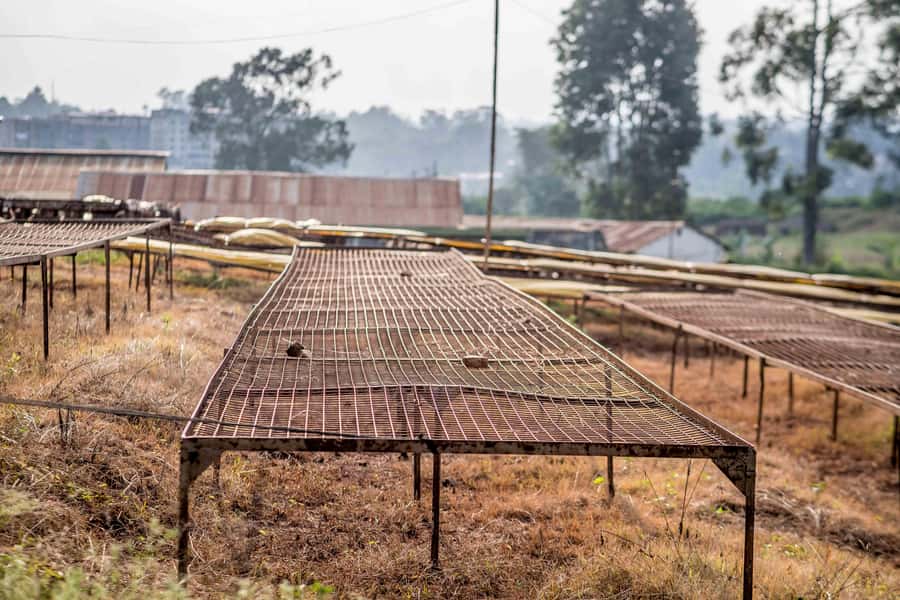
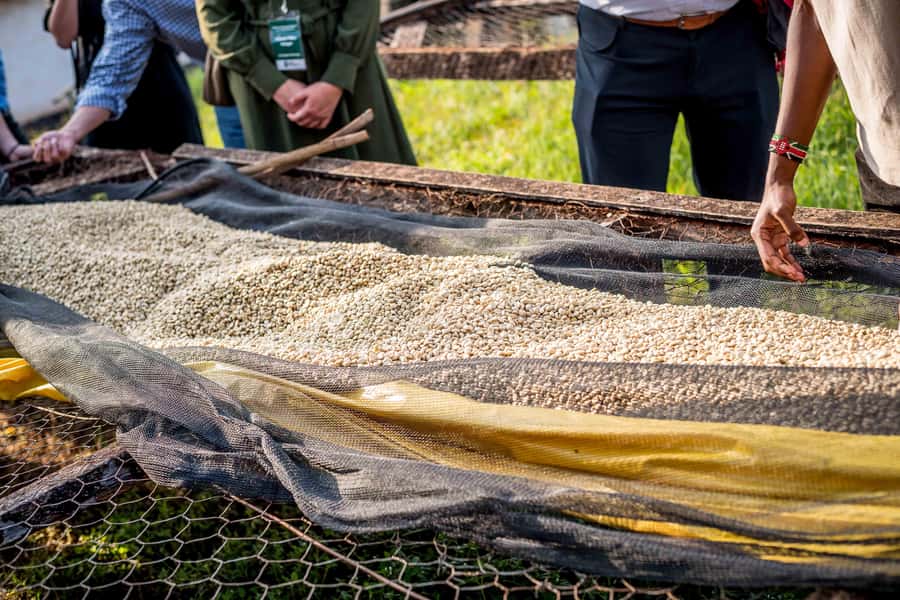
Once the coffee cherries are picked, the process continues. The tour explains what happens after harvesting, including drying, roasting, and preparation for brewing. You get a clearer idea of why coffee production takes time and why farming methods affect the cup.
One particularly useful part is the explanation of how different plant types and growing methods can influence flavor. The experience may cover cross-pollination techniques, soil, drying processes, and how coffee is prepared for sale around the world. The depth can feel surprisingly technical for a short visit, especially if you already know your way around a coffee menu.
That level of detail is good news for serious coffee drinkers, but it may be more information than someone wants from a light morning outing. The tour is not only about sipping a drink. It asks you to pay attention to farming choices, processing stages, and the connection between the plant and the taste.
The farm employee leads parts of the coffee presentation, while Patrick joins in at different points and adds his own explanations. This gives you both a farm-based view and a wider Kenyan perspective. It also means the exact rhythm can vary slightly depending on the group and the guide leading that portion.
The Smell the Coffee Tasting Games
The tasting section takes place in the liquor room, where you get to test aromas and flavors. You take part in smell-the-coffee games and try to distinguish different coffee characteristics. This gives the session a playful edge, but it also teaches a practical skill: tasting coffee involves your nose as much as your tongue.
You may be asked to identify flavor profiles or guess what you are sampling. You do not need previous tasting experience. The activity is designed to teach you how to notice differences, not to test whether you already speak like a professional roaster.
I like this part because it changes the pace. After hearing about plants and processing, you can connect the explanation to something immediate. A coffee’s flavor is no longer an abstract claim on a package. You are comparing samples and trying to work out what makes them different.
The tasting is also a good fit for solo visitors. You have something active to do, and Patrick’s relaxed approach helps keep the session from feeling formal. English is the tour language, so you should be comfortable following spoken explanations and taking part in a discussion.
A few more things to do around Nairobi worth a look
- Nairobi: Coffee Factory and Farm Tour with Transfer
★ 4.5 · 60 reviews - Nairobi: Beads Factory Tour with Pickup & Coffee
★ 5.0 · 7 reviews - Coffee Farm Tour (Fairview)
★ 4.8 · 71 reviews - Day Tour to Fairview Coffee Estate From Nairobi
★ 4.9 · 8 reviews
Ending With a Hot Cup and Snack
After the tasting, you choose a hot cup of coffee and receive a complimentary snack. This is a modest finish, not a full meal, and food is otherwise not included. If you need lunch or a substantial breakfast, plan to arrange that separately.
The final cup is valuable because you have just seen the stages behind it. You can consider what you learned about varieties, drying, roasting, and flavor while drinking the finished product. It gives the tour a clear beginning, middle, and end: plant, process, cup.
Bottled water is included, along with Wi-Fi and small Kenyan merchandise giveaways. The merchandise is not guaranteed as a specific item, but the experience gives you a chance to win Kenyan gifts when booking. These extras are not the reason to choose the tour, though they make the short outing easier and more pleasant.
Why the Nairobi Transfer Matters
A guided farm experience can feel disconnected if you are simply driven there, shown around, and returned without local context. Here, the transfer is part of the appeal. Patrick often uses the journey to explain Nairobi, point out locations, discuss Kenyan customs, and suggest places to eat or visit.
That makes this a useful first or second-day activity. You get a gentle introduction to the city while learning about one of Kenya’s important agricultural products. The guide can also teach you some basic Swahili, which is a small but welcome way to connect with daily life.
Several bookings have included extra city commentary or a short detour, and Patrick has helped visitors with broader Nairobi plans. Keep expectations sensible: this is a coffee farm tour, not a full city sightseeing program. Any extra stop should be confirmed rather than assumed.
Hotel pickup and drop-off are included. If you are being collected from a hotel, wait in the lobby 15 minutes before pickup. Airport pickup is available from the taxi area, also with a 15-minute waiting instruction. Clear communication about your exact pickup point matters, especially in Nairobi, where large hotels and airport areas can have several possible meeting places.
Is $27 Good Value?
At $27 per person, this is appealing value if the advertised price covers the main farm entry and transport for your booking. You receive a three-hour experience, a professional guide, a farm visit, coffee tasting, a final cup, a snack, water, Wi-Fi, and hotel transportation.
The important catch is the entry-fee wording. If you choose an option without the farm-entry fee, an additional charge of $30 applies for adults and $15 for children over seven. That possible extra cost is large compared with the advertised tour price, so check the booking option carefully before paying. Ask the provider if the price shown includes entry for your date and group.
The tour becomes better value when you use Patrick’s local knowledge. You are not paying only for a plantation walk. You are also getting a guided transfer with Nairobi and Kenya commentary, plus a structured tasting session. For a coffee fan, that combination can cost less than arranging transport and a separate farm visit.
Private and small-group options are available. A private booking usually gives you more room to ask questions and set the pace, while a small group may offer a more social tasting. The supplied details do not give separate prices for those choices, so compare the final total rather than relying on the base figure.
Who Will Enjoy This Coffee Farm Visit?
I would recommend this to you if you care about where food comes from, enjoy trying different coffees, or want a manageable Nairobi activity with a strong local angle. It is also a good choice for solo visitors because the guide handles transport, explains the setting, and keeps the visit active.
You will get the most from it if you ask questions. Ask about the coffee varieties in front of you, how cherries are picked, why drying matters, and how Kenyan coffee reaches buyers around the world. The more curious you are, the more useful the farm and tasting sections become.
It is less suitable if you want a full meal, a short photo stop, or a highly polished luxury presentation. The walk is part of the tour, and the program includes technical explanations. People over 95, people weighing more than 209 pounds, and people with hearing impairments are listed as unsuitable by the provider. Those restrictions are worth taking seriously before booking.
The experience is conducted in English. Basic Swahili instruction is included, but the main explanations, questions, and tasting guidance are in English.
Practical Details That Can Affect Your Day
The tour offers free cancellation up to 24 hours before the start time and a reserve-now, pay-later option. Those terms are useful if your Nairobi schedule is still changing, but check the final booking conditions for your selected option.
Alcohol and drugs are not allowed. Comfortable shoes are the most useful clothing choice, and a hat may help during the outdoor section. Bottled water is supplied, but you should still dress for a farm walk rather than a café visit.
The tour has a perfect rating from 24 verified bookings, with repeated praise for Patrick’s punctuality, kindness, cultural explanations, and ability to make the transfer feel worthwhile. I would place the most weight on the repeated practical pattern: he confirms arrangements, arrives on time, explains Nairobi during the drive, and helps solo visitors feel at ease. The praise for the farm guide and coffee itself also suggests that the plantation portion is not merely filler between pickup and drop-off.
Should You Book This Tour?
Book it if you want coffee explained from plant to cup and you like the idea of pairing a farm visit with a personal introduction to Nairobi. The tasting games, farmer interaction, basic Swahili lesson, and hot final cup give the three hours real substance.
Before confirming, check whether your selected price includes the farm-entry fee, confirm your pickup location, and allow flexibility after the tour because traffic can affect the transfer. If you dislike walking or want a full meal and a short sightseeing stop, choose another activity.
For coffee lovers, curious solo visitors, and first-time Nairobi guests, this is a sensible way to spend half a day. It gives you a better understanding of Kenyan coffee and leaves room for the city itself to become part of the story.
FAQ
How long does the Nairobi coffee farm tour last?
The full activity lasts three hours. The coffee farm walk, sightseeing, coffee tasting, and related activities are listed as taking about 1.5 hours, with the remaining time used mainly for transport.
Is hotel pickup and drop-off included?
Yes. Hotel pickup and drop-off are included. You should wait in your hotel lobby 15 minutes before pickup. Airport pickup is also available from the taxi area, where you should wait 15 minutes before collection.
Is the farm-entry fee included in the $27 price?
It depends on the option selected. If you choose an option without the entry fee, the farm charges $30 for adults and $15 for children over seven, payable by cash or card.
What does the coffee tasting include?
You take part in smell-the-coffee games, learn to distinguish coffee flavors, taste different types of coffee, and finish with a hot cup of your choice and a complimentary snack.
What language is the tour conducted in?
The live tour guide speaks English. A basic Swahili language lesson is also included.
Can I cancel or pay later?
You can cancel up to 24 hours in advance for a full refund. A reserve-now, pay-later option is available, so you can hold a place without paying at the time of booking.
More Farms in Nairobi
- Day Tour To Kiambethu Tea Farm in Limuru
★ 5.0 · 22 reviews - Nairobi: Tea Farm Day Trip with Lunch at kiambethu
★ 4.0 · 21 reviews - Nairobi: Purple Tea Farm Gatura Greens Day Trip
★ 4.9 · 16 reviews - From Nairobi: Kiambethu Tea Farm Tour & Lunch
★ 4.7 · 6 reviews
Just added around Nairobi
- Nairobi: Horseback Riding Tour Through Maize Plantation★ 5.0 · 3 reviews
- Nairobi: Kibera Slum Compassionate Walking Tour★ 5.0 · 4 reviews
- Nairobi: Karura Forest Guided Walking Tour★ 5.0 · 4 reviews
- From Nairobi: Horseback Wildlife Safari with Transfer & Meal★ 4.6 · 7 reviews
- Nairobi: Hidden Gems and Local Secret Guided Walking Tour★ 4.9 · 20 reviews
- Nairobi: Hop on Hop off and Maasai market Collections Visit★ 3.5 · 10 reviews
- Nairobi: Karura Forest Horseback Riding Tour★ 4.8 · 11 reviews
- Nairobi: Guided Afternoon Tour to Bomas of Kenya.★ 3.1 · 4 reviews
Coffee & Tea Farm Tours, compared.

Coffee Farm Village & Factory Half Day Tour with Pick-Up
Read our review →
Private Day Trip to Kiambethu Tea Farm in Limuru from Nairobi
Read our review →
Browse the lists this tour appears in