Reviewed · TOURS IN NAIROBI
8 Days 7 Nights Kenyan Luxury Safari
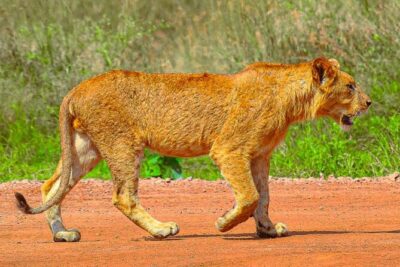
The rarest wildlife is the main draw here. At Ol Pejeta, you may see the world’s last two northern white rhinos, while Lewa protects black rhinos and Grevy’s zebras. The trip then finishes in Maasai Mara, where lions, cheetahs, leopards, elephants, and seasonal wildebeest crossings fill the classic safari picture.
I like the slow eight-day pace, which gives you three nights at both Ol Pejeta and Lewa instead of racing through Kenya. I also like the strong conservation focus: ranger work, the K-9 anti-poaching unit, endangered-species care, and black-rhino protection are part of the story, not just scenery from a vehicle.
The main caution is the word luxury. The price is high, but the supplied details do not name the camps or lodges, and Day 1 refers to a campsite. Confirm the accommodation standard, internal flight details, and exact meals before paying $6,350 per person.
Key points to know before booking
- Ol Pejeta includes the last two northern white rhinos, along with one of East and Central Africa’s largest black-rhino sanctuaries.
- Lewa gives you three days in one conservancy, including game drives and a behind-the-scenes look at local conservation work.
- Maasai Mara is reached by air on Day 6, saving you a long road transfer before two full days of game viewing.
- The tour is private, so only your group participates, a useful feature for photographers and families.
- Optional Ol Pejeta activities may include a K-9 anti-poaching visit, bush walks, a night game drive, and the endangered-species enclosure.
- The cost includes meals and pickup, but the accommodation category and full transport details need clarification.
Three very different Kenyan safari settings
This itinerary works because each reserve offers a different kind of wildlife experience.
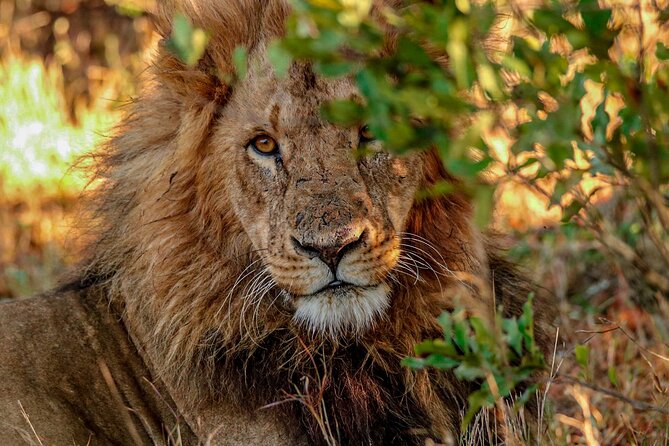
Ol Pejeta is known for its broad plains, large rhino population, and practical conservation programs. Lewa brings a more specialized focus, with rare Grevy’s zebras, black rhinos, sitatunga, elephants, lions, wild dogs, and more than 400 bird species. Maasai Mara supplies the famous big-cat country and the possibility of seeing the Great Migration at the right time of year.
You are not simply ticking off three reserves. You are moving from a conservation center with intensive protection work, to a private conservancy with a distinct mix of species, then to Kenya’s best-known national reserve. That variety makes the eight days feel purposeful.
The route also has a useful rhythm. The first two areas are visited by road, and the move to Maasai Mara is by air. That cuts down on one of the least enjoyable parts of safari travel: spending most of a day in a vehicle just to reach the next region.
A few more things to do around Nairobi worth a look
- Masai Mara 3 Days Luxury Tented Safari
★ 5.0 · 64 reviews - 3 Day Private Tour in Maasai Mara with Lodge Luxury with Jeep
★ 5.0 · 36 reviews - 12 Days Best Of Kenya and Tanzania Safari – Luxury
★ 5.0 · 36 reviews
Day 1: Nairobi to Ol Pejeta by road
The journey begins with pickup from your overnight stay or from Jomo Kenyatta International Airport, depending on your arrangements. After a short briefing, you set out on a drive of about three and a half hours to Ol Pejeta.
The road trip is part of the transition. Nairobi gradually gives way to open country, with changing views along the way. You are scheduled to reach the conservancy around lunchtime, then choose between an afternoon game drive and time at camp.
That choice is useful after an international flight or a long morning on the road. If you arrive alert and eager, the afternoon drive gives you an early chance to find wildlife. If you are tired, resting is sensible. Safari days can be demanding, and arriving worn out can make the next morning harder.
The supplied schedule describes this first day as lasting about 12 hours, including the transfer and activities. Ask how the first night is arranged. The itinerary uses the word campsite, which may not match your idea of a luxury safari. The price makes this an important point to settle before departure.
Day 2: Ol Pejeta’s rhinos and conservation work
Day 2 is devoted to a full-day game drive across Ol Pejeta. The open plains support a substantial range of wildlife, but the rhinos are the special reason to spend time here.
Ol Pejeta is home to the last two northern white rhinos. You may also see black rhinos in a protected setting, along with other animals found across the conservancy. The experience is not only about spotting animals from a vehicle. It shows how modern conservation combines habitat protection, monitoring, security, and care for species under severe pressure.
The optional activities add real value if they are available on your dates. You may be able to meet the conservancy’s K-9 unit, whose dogs help detect poaching activity. A bush walk offers a change from vehicle-based viewing, while a night game drive can reveal a different side of the reserve. The endangered-species enclosure provides a chance to see the two northern white rhinos and understand why their care matters.
These extras may carry separate charges or require advance scheduling, so ask before arrival. They are among the most distinctive parts of the trip and should not be treated as casual add-ons if they are central to your plans.
Days 3 to 5: Three days at Lewa Wildlife Conservancy
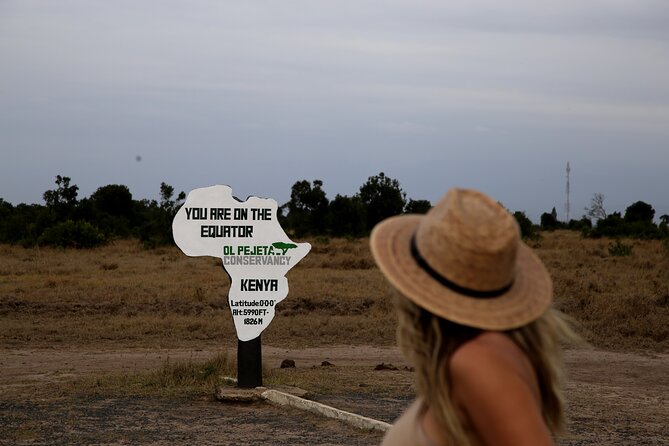
After breakfast on Day 3, you check out and drive for about two hours to Lewa Wildlife Conservancy. The schedule places you at your new camp for lunch, followed by an afternoon game drive.
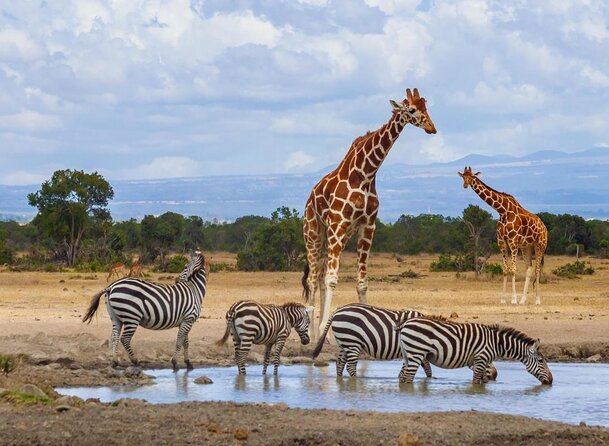
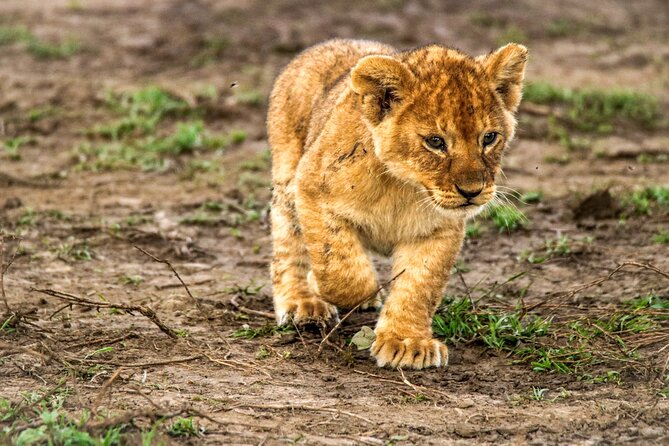
Lewa is a strong choice for anyone interested in species that are less often seen on a standard Kenya route. Grevy’s zebras are one of its signature animals. They have narrow stripes and large rounded ears, and they are far less common than the familiar plains zebra. Black rhinos are another major draw.
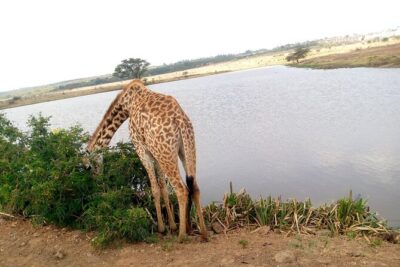
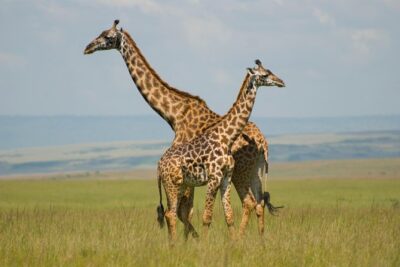
The conservancy also supports elephants, lions, giraffes, wild dogs, and sitatunga. Birdwatchers have good reason to pay attention here, since more than 400 bird species are recorded in the area. You will not see every species on one visit, but three nights give you more time than a quick stop would.
Day 4 brings a full-day game drive in a customized open 4×4 vehicle. An open vehicle can make it easier to see above grass and shrubs, and it gives you a wider view for photography. It also means you should be ready for sun, dust, wind, and changing temperatures. Pack a light layer and sun protection rather than assuming the day will feel warm from start to finish.
Day 5 shifts the emphasis from animal sightings to conservation. You spend the day learning how local rangers work to protect wildlife. This is the part of the trip that gives context to the rest. A rhino sighting feels different when you understand the patrols, protection systems, and daily effort needed to keep that animal alive in the wild.
The three-night stay at Lewa is one of the itinerary’s strongest design choices. You have one afternoon drive, one full day, and another full day focused on conservation. The drawback is that the schedule may feel quiet if you want a new reserve every morning. I would choose this pace if you prefer time to observe rather than collect locations.
Same base, a completely different sort of day:
- Nairobi National Park Half-Day Tour; Free Wi-Fi connection
★ 5.0 · 878 reviews - Nairobi: National Park & Optional Elephants & Giraffe Center
★ 4.8 · 874 reviews - NAI NAMI: Nairobi Storytelling Tour with Street Children
★ 5.0 · 792 reviews - Nairobi National Park Half-Day Game Drive
★ 4.5 · 738 reviews
Day 6: Flying from Lewa to Maasai Mara
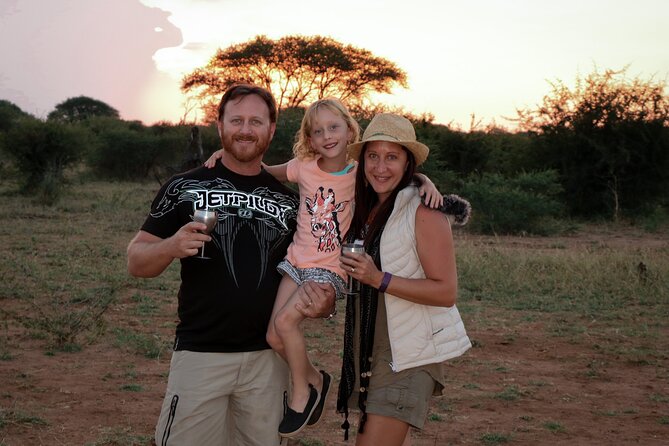
After breakfast, you go to the airstrip for a flight to Maasai Mara. This is a practical change from the earlier road transfers. The flight should preserve your energy for the Mara rather than using another long day on the highway.
After check-in, lunch, and time to settle in, the schedule leaves room for the afternoon to unfold before the next full game-drive day. The Mara is famous for its large populations of lions, leopards, cheetahs, and African bush elephants. Its open grassland also creates the classic setting many people picture when they think of a Kenyan safari.
The itinerary uses both Maasai Mara and Masai Mara in different places. They refer to the same destination. The greater ecosystem includes the national reserve, the Mara Triangle, and Maasai conservancies, but the supplied plan does not specify which sections you will visit. Ask your operator exactly where the drives will take place.
Day 7: A full day in the Maasai Mara
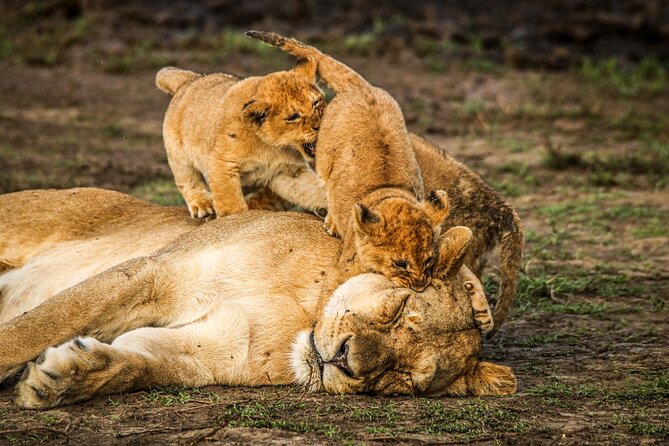
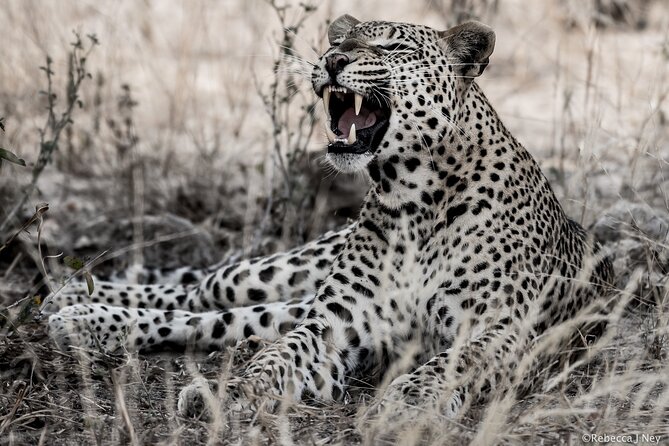
A full day in the Mara gives you the best chance to follow wildlife rather than settling for a short introductory drive. You might spend time with a pride of lions, watch cheetahs in open country, or search for a leopard in thicker cover. Sightings are never guaranteed, so the value of the full day is time and flexibility.
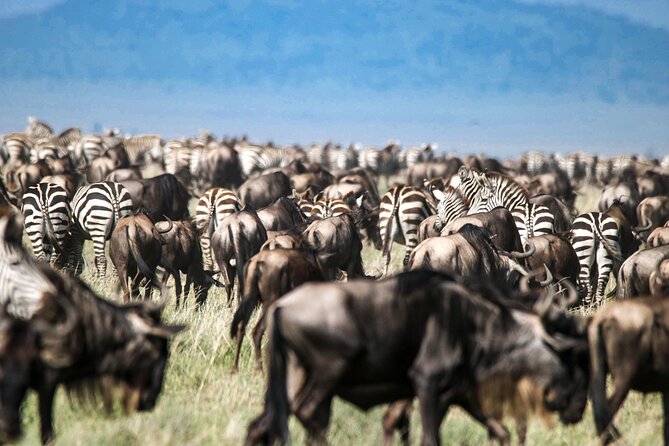
The Great Migration is another major reason people choose the Mara. Its timing changes from year to year, and the itinerary does not promise a crossing. If migration is your main goal, ask about your travel dates and the specific area you will visit. Even outside migration season, the Mara is important wildlife country.
A full-day drive can be tiring. You may spend many hours seated in the vehicle, with rough sections of road and little chance to stretch. Bring water, sun protection, and patience. The reward is the chance to follow an active sighting instead of returning to camp as soon as the first interesting animal appears.
Day 8: Return to Nairobi
After breakfast, you check out and transfer back to Nairobi ahead of your flight home. The exact timing matters. If you have an international departure, confirm how much time is allowed for the transfer and whether the return is by road or includes another air connection.
The activity ends back at the starting point. Pickup is offered, and the published meeting point is Jomo Kenyatta International Airport in Nairobi. If your trip begins at a hotel or ends at a different Nairobi location, confirm the arrangement in advance.
What $6,350 per person gets you
At $6,350 per person, this is a serious investment. The price can make sense if it covers private guiding, internal air travel, conservation access, park and conservancy fees, accommodation, meals, airport transfers, and a well-equipped safari vehicle. It offers a longer route than a short Kenya package and includes three high-value wildlife areas.
The private format is important. Only your group takes part, so you are not tied to strangers’ schedules. That can matter if you are photographing wildlife, traveling with children, or want to spend longer at a rhino sighting. Previous work associated with Jemu Mwenda Expeditions also points to a personal guiding style, with James Mwenda praised for staying involved, adjusting plans, and bringing strong knowledge of Kenya’s wildlife and conservation work.
Still, do not assume that every premium feature is included. The listing says full board, but it separately specifies four breakfasts, two lunches, and dinner, which is not clear enough for an eight-day trip. Ask for a written meal schedule. Also confirm whether drinks, tips, optional activities, lodge upgrades, and all internal transfers are included.
Most importantly, ask for the names and locations of the camps or lodges. The word luxury needs a clear definition here. A comfortable tented camp can be a fine safari base, but it is not the same product as a high-end lodge with private facilities and extensive services.
Who will enjoy this safari most
I would recommend this route to someone who wants wildlife and conservation in equal measure. It suits a first Kenya safari that needs the major names, but it also gives you meaningful time in less conventional settings.
It is a particularly good fit for:
- Couples or small private groups who value a flexible schedule
- Photographers who want longer game drives and a private vehicle
- People interested in rhino protection and anti-poaching work
- Visitors who prefer three nights in a place instead of changing camp daily
- Families or mixed-age groups who benefit from a private arrangement
It may not suit you if you want a low-cost safari, a packed cultural program, or guaranteed migration crossings. It also may disappoint if you expect five-star lodging without checking the accommodation details first.
The physical demands are moderate for most people because you spend much of the time in a vehicle, but long drives, early starts, uneven roads, and extended game drives are part of the experience. The supplied information says most people can participate, and service animals are allowed.
Booking details worth confirming
The tour operates from March 3 through December 31, 2025, with daily hours listed as 6:00 a.m. to 6:00 p.m. Confirmation is sent within 48 hours of booking, subject to availability.
You can cancel for a full refund up to three full days before the start time. Changes or cancellations inside that window are not accepted or refunded. The cutoff follows local Kenyan time, so do not leave this until the last minute.
I would also confirm these points in writing:
- The exact camp or lodge for every night
- Whether Day 1 is camping or a permanent tented property
- The full breakfast, lunch, and dinner schedule
- What the $6,350 price includes beyond the listed meals
- The cost and availability of optional Ol Pejeta activities
- The airstrip and flight arrangements between Lewa and Maasai Mara
- The return transfer timing for your flight home
Should you book the 8-day Kenyan luxury safari?
Book it if you want a private, conservation-focused safari with enough time for Ol Pejeta, Lewa, and Maasai Mara. The last northern white rhinos, Lewa’s rare species, and a full Mara day give the route real substance. The pace is calmer than many Kenya itineraries, and the flight to the Mara is a smart way to avoid another long road transfer.
I would not book it without clarifying the lodging and inclusions. At $6,350 per person, you deserve a precise answer about what luxury means, what meals are covered, and which optional activities cost extra. Once those details match your expectations, this is a strong choice for a private safari that puts conservation beside the big wildlife moments.
FAQ
Where does the safari start?
The published meeting point is Jomo Kenyatta International Airport in Nairobi, Kenya. Pickup is offered, and the operator also refers to receiving you from your overnight stay.
Where does the safari end?
The activity ends back at the meeting point in Nairobi after the Day 8 transfer.
How long is the experience?
The trip lasts eight days and seven nights.
Is this a private tour?
Yes. Only your group participates in the activity.
Which wildlife areas are included?
The route includes Ol Pejeta Conservancy, Lewa Wildlife Conservancy, and Maasai Mara National Reserve.
Can I see the Big Five?
The itinerary says you can look out for the Big Five, including endangered black rhinos. Wildlife sightings are not guaranteed.
What special animals can I see at Ol Pejeta?
Ol Pejeta is home to the last two northern white rhinos and has a major black-rhino sanctuary. An endangered-species enclosure visit may be available as an optional activity.
How do I get from Lewa to Maasai Mara?
After breakfast on Day 6, you go to the airstrip and take a flight to Maasai Mara.
Are meals included?
A full-board meal plan is listed, along with breakfast, lunch, and dinner inclusions. The supplied meal breakdown is not fully clear for all eight days, so confirm the exact schedule before booking.
Just added around Nairobi
- Visit kibera Slum the chocolate city★ 4.8 · 3 reviews
- 3 days maasai mara migration safari★ 4.5 · 7 reviews
- 4 Days Tour Landcruiser in Masai Mara and Lake Nakuru★ 5.0 · 10 reviews
- 4 Days Safari to Lake Nakuru N/P and Maasai Mara N/R★ 5.0 · 18 reviews
- Maasai Mara Day Trip★ 5.0 · 15 reviews
- Day Tour to Nairobi national park, Elephants, and Giraffe Center★ 3.5 · 8 reviews
- Wildebeest Migration in Masai Mara and Sightseeing 4 Days Tour★ 4.5 · 6 reviews
- Vegans special safari★ 4.5 · 4 reviews
Tours in Nairobi, compared.
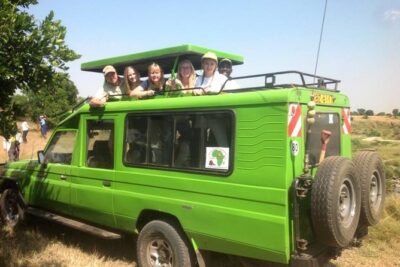
Nairobi National Park Half-Day Tour; Free Wi-Fi connection
Read our review →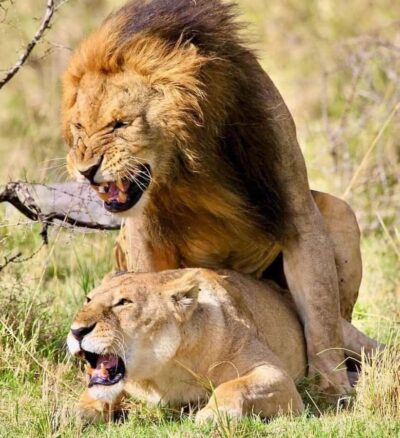
National Park & Optional Elephants & Giraffe Center
Read our review →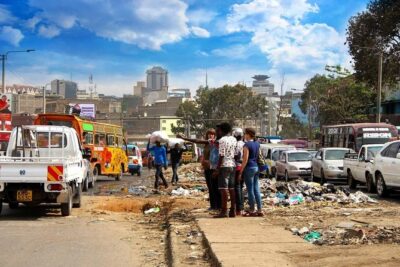
NAI NAMI: Nairobi Storytelling Tour with Street Children
Read our review →