

Reviewed · HISTORICAL TOURS
Nairobi: Historic and Modern Highlights Walking Tour
Nairobi reveals itself best at street level, where colonial buildings, markets, office towers, churches, mosques, and daily commerce sit close together. This tour brings those pieces into one manageable morning or afternoon, with a local guide such as Jackie, Simon, Jeff, Sharon, or Dennis explaining what you are seeing.
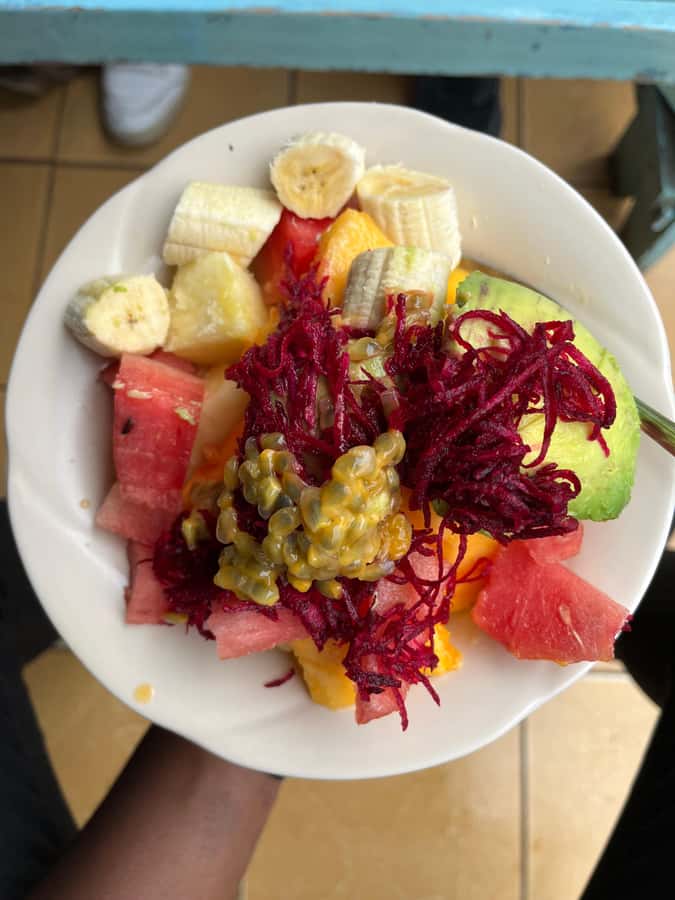
I like the fresh fruit salad at City Market and the practical help with shopping, including fixed-price souvenir stores and advice on fair market prices. I also like the finish at the KICC rooftop, where the city finally spreads out below you. The main drawback is that three hours covers a lot of ground, and the walking route is not suitable for wheelchair users or people with mobility problems.
Key points at a glance
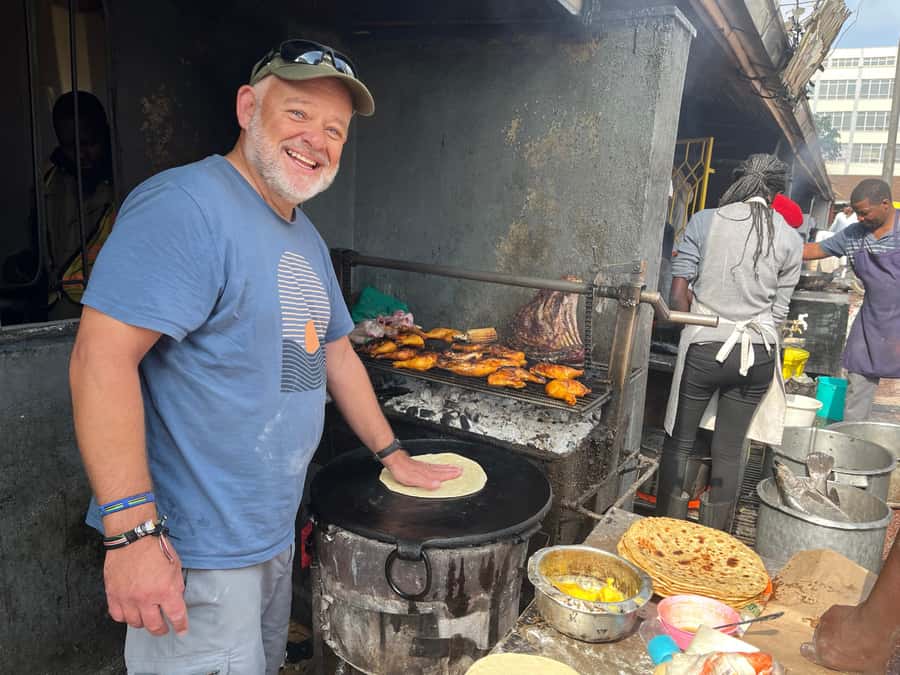
- City Market makes the tour feel local: Taste fruit, look around the food stalls, and learn about everyday Kenyan food.
- The route mixes old and new Nairobi: You pass monuments, colonial-era buildings, government offices, hotels, religious sites, and modern towers.
- The guides make the city easier to read: Jackie, Simon, Jeff, Sharon, Dennis, and other guides explain customs, prices, safety, and local life.
- KICC provides the big finish: The rooftop offers broad city views, though entry is not included in the tour price.
- Shopping help saves time and hassle: You are shown fixed-price stores as well as given tips for bargaining elsewhere.
- Pickup needs careful planning: Hotel transport is optional, and some arrangements may use a paid taxi to connect you with the meeting point.
Why this walking tour is a smart first look at Nairobi
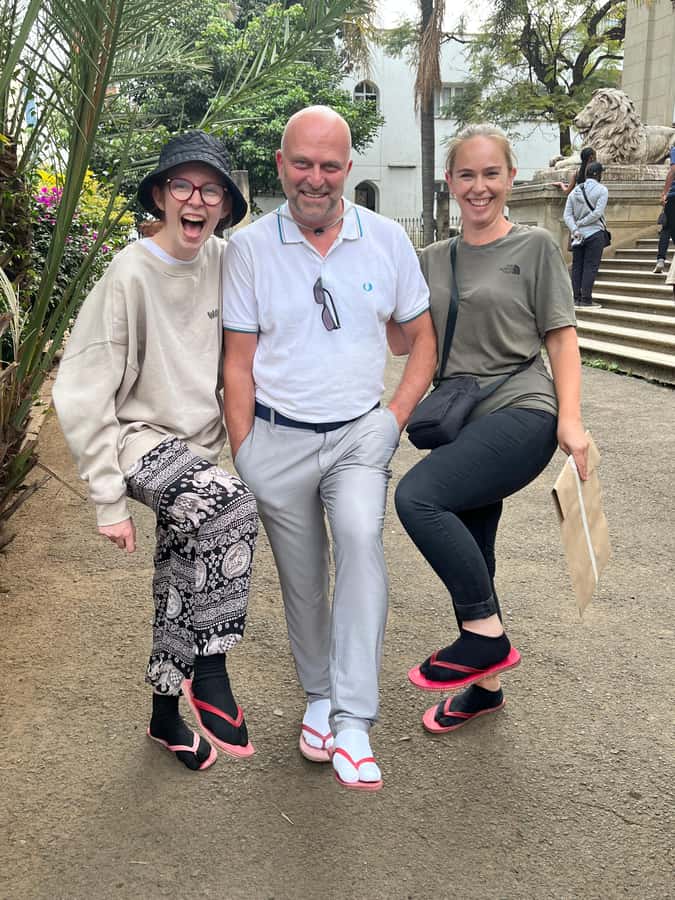
At $23 per person, this is priced as an affordable introduction rather than a full-day cultural program. You get a guide, bottled water, fruit salad, a WiFi hotspot, and the option of hotel pickup and drop-off if you select that version. KICC entry and extra food or drinks cost more.
I see the value in the route itself. Nairobi’s central district can feel confusing on a first visit, especially when you are trying to work out where it is comfortable to walk, how shops price souvenirs, and which buildings matter. A local guide gives you a clear path and the confidence to look around instead of simply moving from one vehicle to another.
The tour also has a useful social side. You learn a few Swahili words, talk about the price of goods and services, and get a glimpse of how people use the city today. This is not only a checklist of monuments. It is a short orientation to Nairobi’s streets and habits.
The experience is usually well received for the guides’ patience and warmth. Jackie is often singled out for answering questions without rushing, while Simon is praised for explaining the city even during the drive to the meeting point. Jeff is noted for clear communication and helping visitors understand local life. Sharon and Dennis are also described as friendly, attentive, and generous with their time.
More walking routes in Nairobi:
- Nairobi Downtown Walking Tour
★ 4.7 · 208 reviews - Nairobi City Walking Tour with Traditional Kenyan Lunch
★ 5.0 · 106 reviews - Nairobi Walking Tour: Downtown & City Tour
★ 4.8 · 32 reviews
Meeting at Koinange Street and getting your bearings
The usual meeting point is outside CJs restaurant on Koinange Street, an uptown area described as safe and easy to find. Your guide should wear a Happy Tribe cap or T-shirt, and the restaurant staff can help if you are unsure where to wait.
If you are using Uber, plan to arrive at CJs and wait outside. If you choose hotel pickup, wait in the lobby about 10 minutes before the agreed time and watch for a message from the guide.
Transport arrangements can vary. In some cases, the company may request and pay for a taxi, including a tip, to bring you to the meeting point or return you afterward. This can be practical, but it may also add time if several people need collecting. If your schedule is tight, allow some breathing room and confirm the pickup details early.
The walk begins with a short safety briefing. That matters in a city center where traffic, crowds, and unfamiliar streets can make a casual stroll feel less simple than it looks on a map.
Jeevanjee Gardens and Nairobi’s early city story

Jeevanjee Gardens is the first proper stop. You spend about 10 minutes walking and hearing how this green public space fits into Nairobi’s development.
It is a good opening because the gardens offer a pause before the denser city streets. Your guide can set the scene for the places ahead, linking Nairobi’s growth with its colonial past and its role as Kenya’s capital.
Do not expect a long museum-style explanation or extensive time in the gardens. This is a short stop, designed to give you context before the route turns toward the market.
City Market: fruit, food culture, and practical shopping
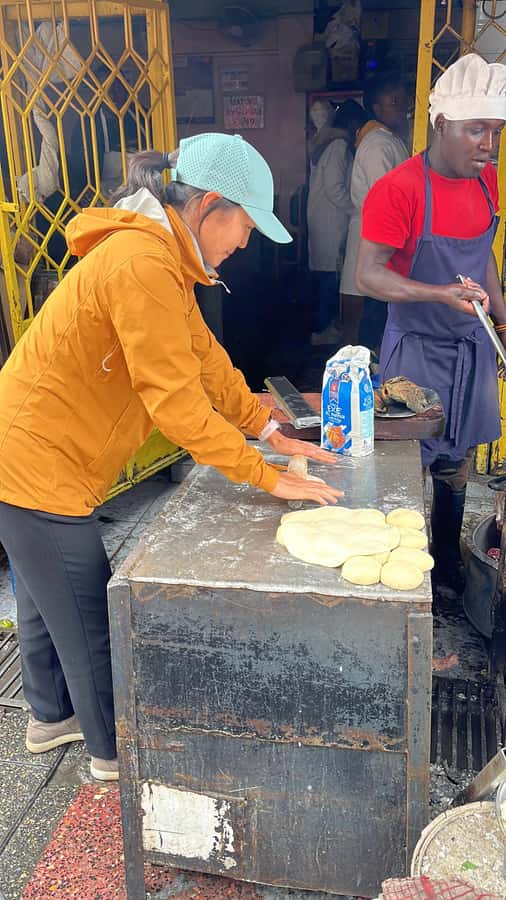
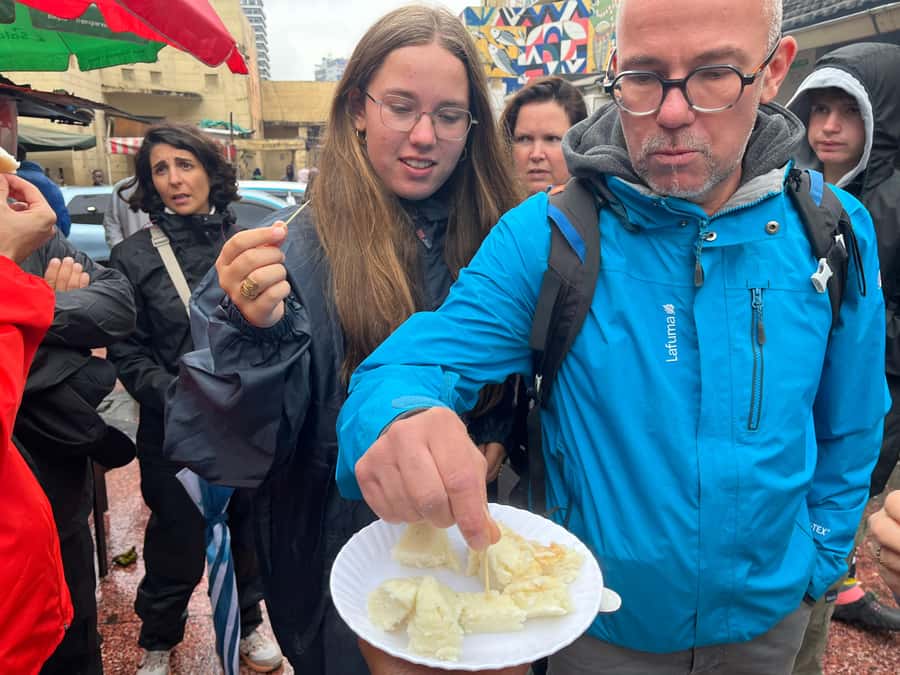
City Market is the most hands-on part of the tour. You have time to look around, shop, and see the food market before stopping for a fruit salad. The snack is included, and it is made as part of the visit rather than handed over as a packaged item.
The fruit stop gives your guide an easy way to explain Kenyan food culture. You can ask about common ingredients, local eating habits, and the role of fresh produce in daily life. There is also an optional chance to sample nyama choma, roasted goat meat, although extra food is not included in the basic price.
The market is also where the shopping advice becomes useful. Your guide can explain when bargaining is expected, what prices may be reasonable, and where you can buy souvenirs at fixed prices without negotiating. That last point is especially helpful if you dislike the back-and-forth that often comes with market shopping.
You may also receive a complimentary shoe shine from a local vendor and a street-style photograph from a Nairobi photographer. These extras are small, but they help the tour feel connected to the people working in the area rather than limited to sightseeing.
Keep your expectations sensible. You have around 30 minutes for the market visit and another 20 minutes for the food and market experience, so this is not a long shopping session or a formal cooking course. It is a quick, social introduction to the market.
A few more things to do around Nairobi worth a look
- Nairobi Historical Walking City Tour
★ 5.0 · 258 reviews - Full Day Nairobi Cultural and Historical Tour
★ 5.0 · 153 reviews - Nairobi Cultural and Historical City Tour with a Local
★ 5.0 · 67 reviews - Nairobi souvenir Shopping and Historical Half day Tour
★ 5.0 · 61 reviews
Jamia Mosque, McMillan Library, and the city’s layered past
From City Market, the route passes Jamia Mosque and McMillan Memorial Library. Each stop is brief, about five minutes, so you mainly see the buildings from outside and hear why they matter.
Jamia Mosque adds a religious and cultural note to the walk. McMillan Memorial Library brings the focus back to Nairobi’s older civic institutions. Together, these stops show how the central district was shaped by different communities and public needs.
You also pass Nation Centre, one of the city’s notable modern commercial buildings. The contrast is part of the appeal. Nairobi’s center is not arranged as a neat old quarter beside a separate new quarter. Older landmarks and current business life sit side by side.
Kenyatta Avenue, the Stanley Hotel, and Kimathi Statue
The route continues along Kenyatta Avenue, with a short break and several sightseeing stops. You see the Sarova Stanley, one of Nairobi’s best-known hotels, then reach the Kimathi Statue.
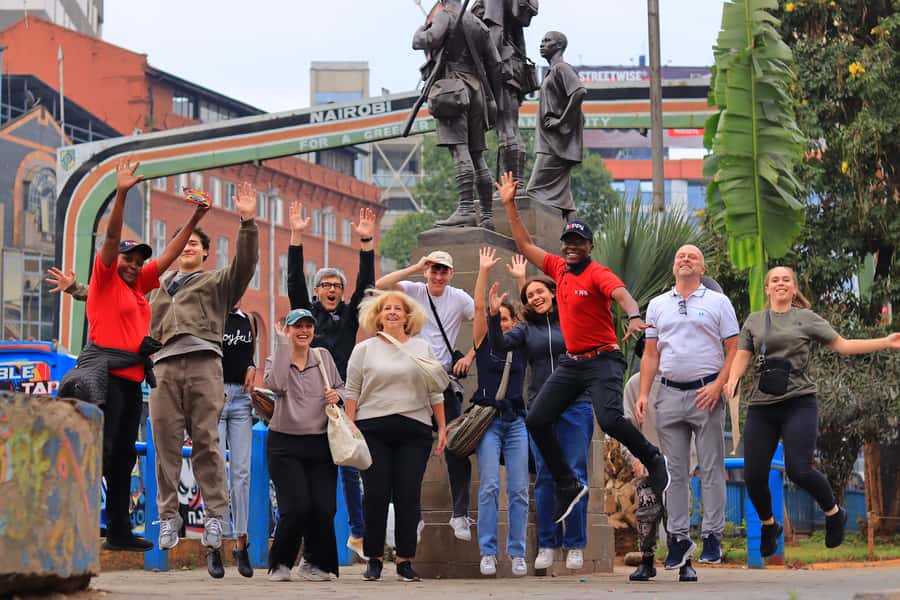
The statue honors Dedan Kimathi, a major figure in Kenya’s independence struggle. This is one of the places where a guide adds far more than a photograph can. You can ask about the independence movement, the colonial period, and how public memory is represented in modern Nairobi.
The walking pace is usually adjustable to the group. Several guides are praised for giving people time to take pictures and for not rushing questions. That is useful here, since the value lies in the explanation rather than in spending a long time at the monument itself.
Coffee, shopping, and a pause at Mama Ngina Street
Near Mama Ngina Street, the tour includes a stop around Baus Optical and the Hilton area, followed by about 20 minutes at Java House. This is your main chance to sit down, take a breath, and buy coffee or another drink.
The coffee stop is not included as an unlimited food-and-drink allowance, so plan to pay for anything beyond the included fruit and water. Still, it gives the tour a sensible rhythm. Three hours of city walking can feel tiring if every minute is spent standing, and this break gives you time to talk with the guide.
This is also a good moment to ask about present-day Nairobi. You can discuss prices, work, transport, local customs, or where to eat later. Guides such as Dennis and Simon are praised for going beyond a memorized script and answering personal questions about life in Kenya.
Supreme Court, Governor’s Office, and the heart of government

The next section passes the Supreme Court building and the Nairobi Governor’s Office. These are short viewing stops, but they help explain the city’s role as Kenya’s political center.
You will not spend enough time here for a formal interior visit. Instead, the guide points out the buildings and connects them with the country’s current government structure. This works well for visitors who want a quick understanding of how Nairobi functions, though it may feel too brief if your main interest is politics or architecture.
The route’s strength is variety. In a single afternoon, you move from a market to religious buildings, a historic library, a hotel, a national monument, a coffee shop, and government offices. That range gives you a more useful sense of Nairobi than a route focused only on grand landmarks.
KICC rooftop: the clearest view of central Nairobi
The KICC rooftop is the tour’s visual highlight. You spend about 30 minutes there, enjoying the breeze and looking across Nairobi from above.
From this height, the earlier stops begin to make sense. The guide can point out different parts of the city and explain how the central district connects with surrounding areas. It is also the best point on the route for photographs.
KICC entry is not included, so check the current charge when you book. One practical note: a visitor who mentioned finding the tower too high preferred to skip it next time. If you are uncomfortable with heights, tell your guide before heading up. The rooftop is optional in spirit even if it is presented as the finale.
Weather can affect the view. On a clear day, the stop is a fine ending. If clouds or rain close in, the experience will be more about the building and the guide’s explanation than distant views.
Holy Family Basilica and the final monuments
The final section passes the Holy Family Basilica clock tower and the Galton-Fenzi Memorial. These are short stops, lasting only a few minutes each.
The basilica adds another religious landmark to a route that has already included Jamia Mosque. The Galton-Fenzi Memorial brings the tour back to Nairobi’s early transport and civic story. Neither stop is a long visit, but both help fill out the city’s historic center.
Drop-off is available at KICC, CJs, or in Nairobi. If you need to reach a hotel elsewhere, confirm the arrangement ahead of time rather than assuming the guide can provide a private transfer.
What the guide adds to the experience
The guide is the most important part of this tour. The route has many short stops, and without good explanations it could feel like a fast walk past buildings. The strongest guides turn those pauses into a conversation about Kenya’s past, Nairobi’s growth, local etiquette, and ordinary routines.
English and Swahili are available, with Spanish also offered. If you do not speak fluent English, the guide may use Google Translate. That is worth knowing, though travelers who need detailed historical discussion should confirm language comfort before booking.
You learn simple Swahili phrases that you can try during the market visit. That small effort changes how you interact with people. Even a few words can make a transaction feel less mechanical.
The guides also pay attention to comfort and safety. Several of the named guides are praised for waiting when people arrive late, helping arrange transport, and making sure the group gets home safely. Still, the tour is not a private security service. Stay with the group, follow your guide’s advice, and keep normal city awareness.
Timing, walking effort, and the best day to go
The advertised duration is three hours. The route includes many stops, a market visit, food time, a coffee break, and the KICC rooftop, so the pace can be fairly full. Larger groups may take longer, and one group extended by about an hour so everyone could enjoy the full route.
Sunday timing matters. Sunday morning can feel quiet because many shops are closed and the central district is less active. Sunday afternoon is livelier, with young people gathering for cycling, skating, photography, modeling, music videos, and social media filming.
Wear comfortable shoes and clothes. You should be prepared for continuous city walking, standing at landmarks, and moving through market areas. The tour is not suitable for wheelchair users or people with mobility impairments.
Should you book the Nairobi highlights walking tour?
Book it if you want an affordable first orientation to central Nairobi, especially if you are nervous about walking the city alone. The combination of history, market food, Swahili phrases, shopping advice, and KICC views gives you more practical value than a simple monument walk.
It suits first-time visitors, short-stay visitors, solo travelers who want a local companion, and anyone who wants to understand daily city life along with the major sights. It is also useful early in a Kenya trip, before you return to Nairobi for more independent exploring.
Think twice if you want a slow architectural tour, a private vehicle tour, or detailed interior visits. The route is active, some stops are brief, KICC entry costs extra, and transport timing can shift when several pickups are involved.
For most visitors, I would book it for the first day or two in Nairobi. You will leave with a better map in your head, a few Swahili words, fairer shopping expectations, and a clearer sense of how the capital’s past and present fit together.
FAQ
How long does the Nairobi walking tour last?
The advertised duration is three hours, though larger groups or transport arrangements may make the experience longer.
What is the price?
The tour costs $23 per person.
Is hotel pickup included?
Hotel pickup and drop-off are included only if you select that option when booking.
Where is the meeting point?
The meeting point is outside CJs restaurant on Koinange Street in Nairobi.
How will I recognize the guide?
The guide should wear a Happy Tribe branded cap or T-shirt. CJs restaurant staff can also help direct you.
What food is included?
A fruit salad and bottled Dasani water are included. Extra food and drinks are not included.
Can I try nyama choma?
The tour may include an optional chance to sample nyama choma, but additional food is not included in the basic price.
Is KICC entry included?
No. Entry to the KICC rooftop is not included in the tour price.
What languages are available?
The tour is offered in English, Swahili, and Spanish. Google Translate may be used if needed.
Is the tour suitable for wheelchair users?
No. The tour is not suitable for wheelchair users or people with mobility impairments.
Just added around Nairobi
- Nairobi: Horseback Riding Tour Through Maize Plantation★ 5.0 · 3 reviews
- Nairobi: Kibera Slum Compassionate Walking Tour★ 5.0 · 4 reviews
- Nairobi: Karura Forest Guided Walking Tour★ 5.0 · 4 reviews
- From Nairobi: Horseback Wildlife Safari with Transfer & Meal★ 4.6 · 7 reviews
- Nairobi: Hidden Gems and Local Secret Guided Walking Tour★ 4.9 · 20 reviews
- Nairobi: Hop on Hop off and Maasai market Collections Visit★ 3.5 · 10 reviews
- Nairobi: Karura Forest Horseback Riding Tour★ 4.8 · 11 reviews
- Nairobi: Guided Afternoon Tour to Bomas of Kenya.★ 3.1 · 4 reviews
Historical Tours, compared.
Nairobi Cultural and Historical City Tour with a Local
Read our review →
Nairobi souvenir Shopping and Historical Half day Tour
Read our review →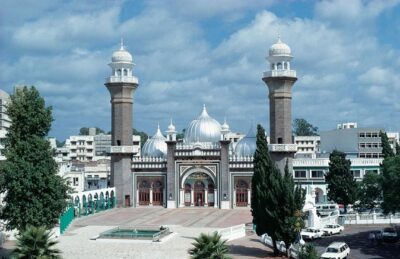

Half-Day Cultural Tour to Bomas of Kenya in Nairobi
Read our review →
Nairobi City: Walking tour with Lifestyle and History.
Read our review →
Browse the lists this tour appears in