
Reviewed · KENYA
Dhow Adventure to Wasini Island & Kisite Marine Park
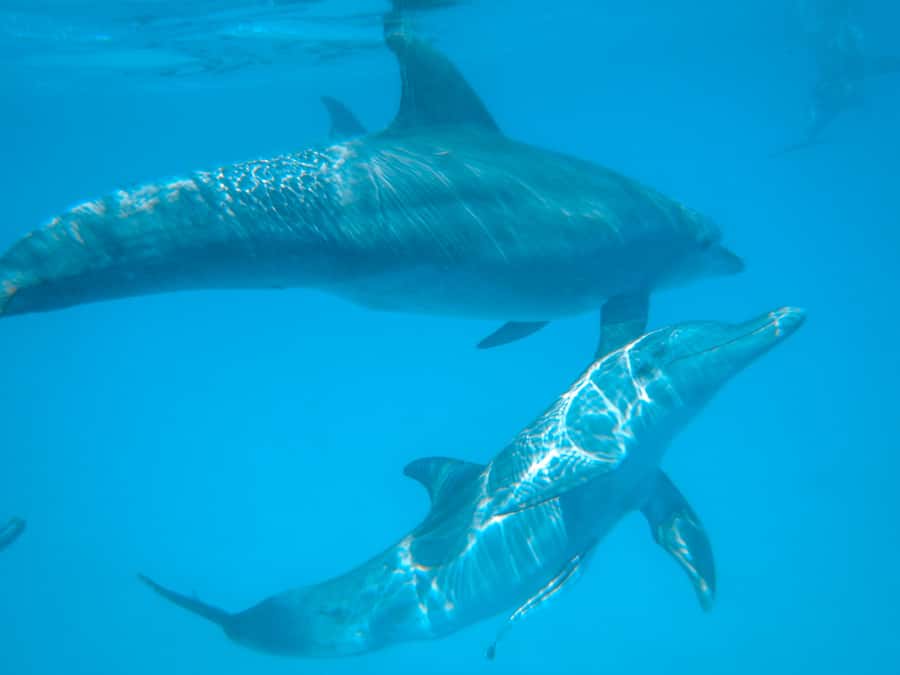
The best part of this day is the mix: you get open-ocean wildlife and coral reefs, then a proper Swahili lunch and a glimpse of island life. Dolphins may ride near the dhow, and turtles, rays, octopuses, colorful fish, and giant clams are possible in the marine park.
I especially like the attentive water support and the free underwater photos and videos. Guides carry flotation aids, help nervous swimmers, and can provide reading-strength masks on request. The main caution is time: a day advertised as nine hours can run closer to 10 or 11 once hotel transport is added.
Key points
- Two substantial snorkeling stops: Expect to enter the sea from the dhow, not from a beach, with time to look for turtles, rays, octopuses, and reef fish.
- Dolphins are possible, not promised: The crew watches for them, but swimming with wild dolphins depends on luck, sea conditions, and where the animals choose to go.
- A roomy dhow with useful comforts: Toilets, shade, music, breakfast, drinks, and space to avoid feeling packed in make a long day easier.
- Wasini adds food and culture: Lunch comes with seafood, chicken, or vegetables, followed by a village walk and visits to the coral garden or school.
- The slave caves add serious historical context: The stop is moving rather than light entertainment, and the entrance fee supports the local community.
- Bring sun protection and patience: Rash guards, towels, sunscreen, water shoes, and a little cash for tips or optional purchases will serve you well.
Setting Out From Diani Before Breakfast
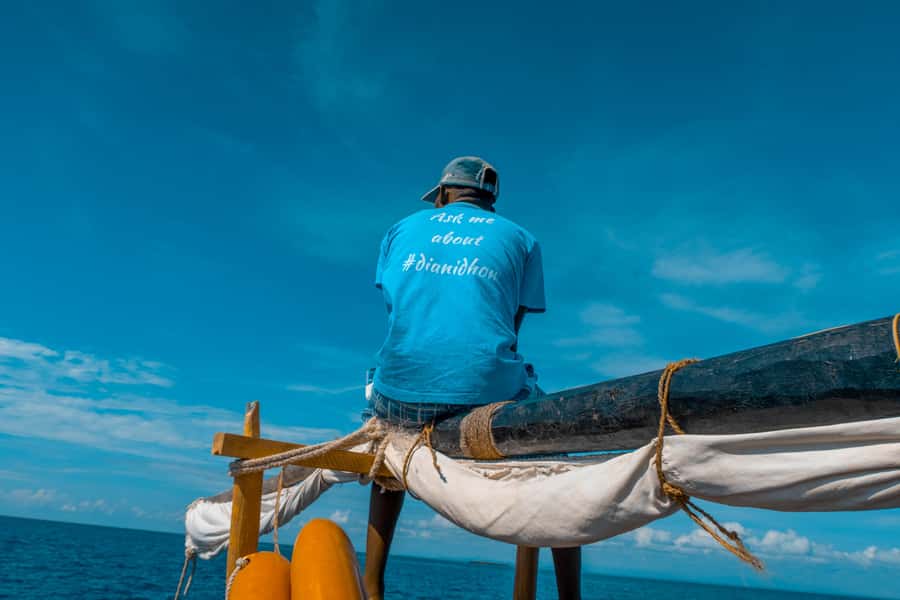
Your day starts early, usually around 6:30 a.m., with pickup from your Diani or Galu accommodation in an air-conditioned car. The coastal transfer takes you toward the mainland departure point near Shimoni, where the traditional dhow is waiting.
The timing matters. The stated nine hours generally describes the main outing, not always the full door-to-door day. With the drive included, plan on roughly 10 to 11 hours. One schedule ran from about 6:40 a.m. until 5 p.m., and another ended close to 5:45 p.m. I would not book an evening dinner reservation that requires a precise return.
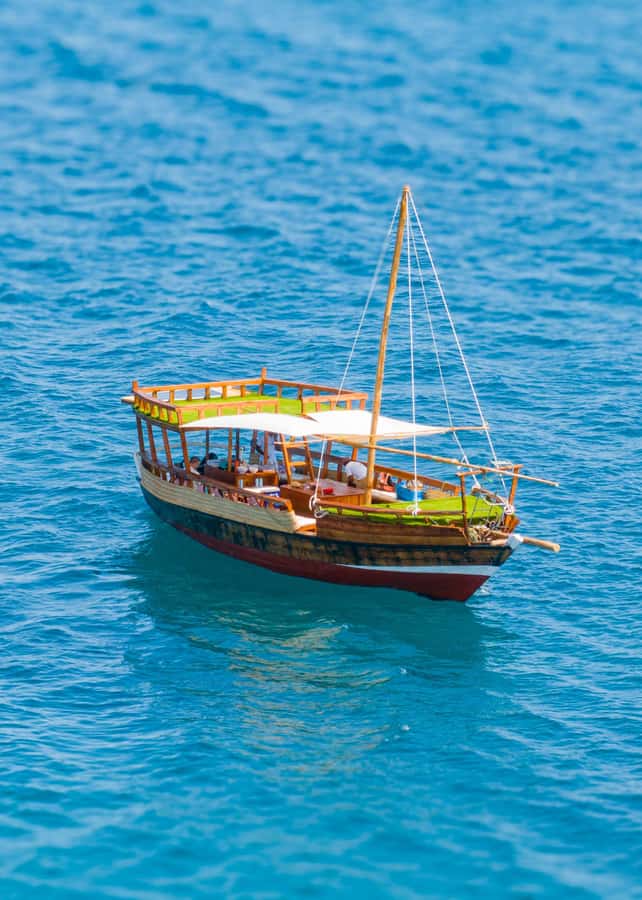
Once aboard, you receive tea, coffee, fruit, and a Swahili-style breakfast. The dhow has a toilet, music, shade, and room to sit while the coast slips behind you. It is a much more pleasant start than rushing straight into the water, especially if the sea is choppy.
The boat is promoted as one of the biggest and most comfortable dhows in Kenya. The useful point for you is not the slogan, but the practical effect: the boat has enough room to spread out, and the trip does not feel like being packed onto a small speedboat. Group size is limited, though the exact number can vary.
Other trips that set out from Kenya:
- Nairobi National Park Half-Day Tour; Free Wi-Fi connection
★ 5.0 · 878 reviews - Nairobi: National Park & Optional Elephants & Giraffe Center
★ 4.8 · 874 reviews - NAI NAMI: Nairobi Storytelling Tour with Street Children
★ 5.0 · 792 reviews
Watching for Dolphins on the Indian Ocean
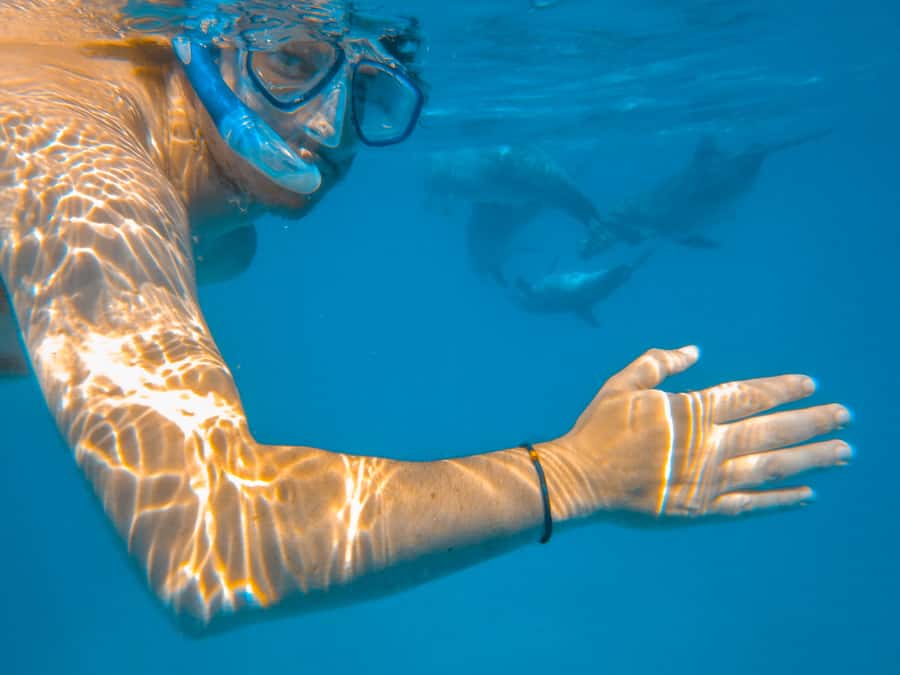
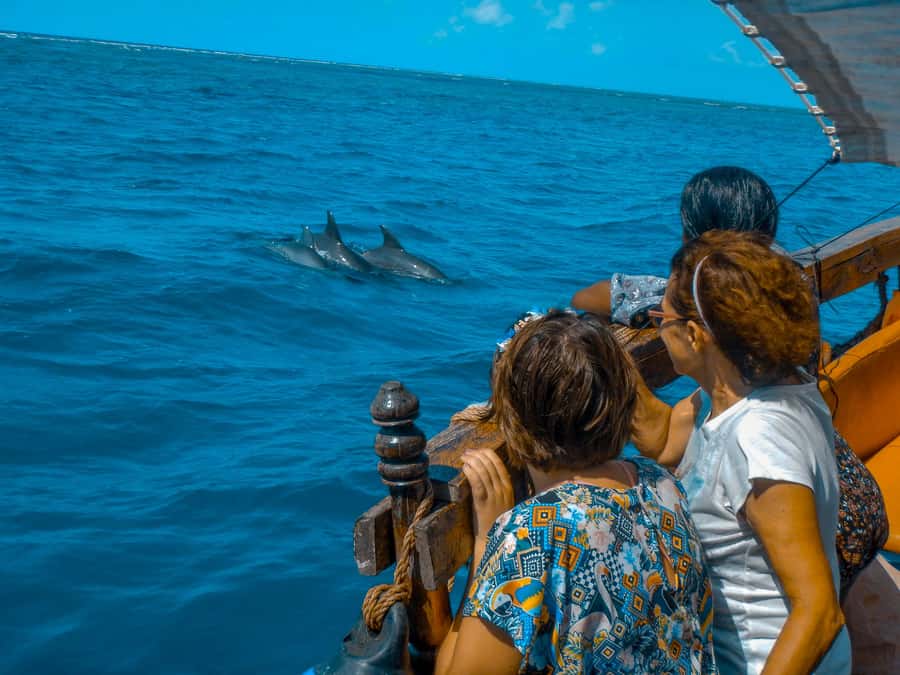
The first wildlife search begins while you are under way. A crew member watches from the front of the dhow, scanning for movement and directing the boat toward dolphin sightings when possible.
Dolphins are a genuine possibility, but they are not a guaranteed appointment. Boats have seen bottlenose dolphins and other types, sometimes close to the dhow and sometimes farther away. On fortunate days, dolphins have appeared alongside swimmers in the water. On other days, you may only see them from the boat, or not at all.
That uncertainty is worth accepting before you go. The crew cannot control where wild animals travel, and snorkeling is allowed only in suitable areas. You should be wary of any operator promising a guaranteed swim with dolphins.
The better moments come when the animals choose to approach. Some outings have produced close encounters without chasing the dolphins aggressively. That is better for the animals and usually better for you, since hurried boats and noisy pursuit can send them away.
If dolphins are your only reason for booking, think of the sighting as a lucky extra. The marine park, reef time, dhow ride, island meal, and historical stop still make up the day.
Kisite Marine Park From the Dhow
After roughly 30 to 60 minutes on the water, depending on conditions and the route, the dhow reaches Kisite-Mpunguti Marine Park. This is the main event for anyone who likes being in the sea.
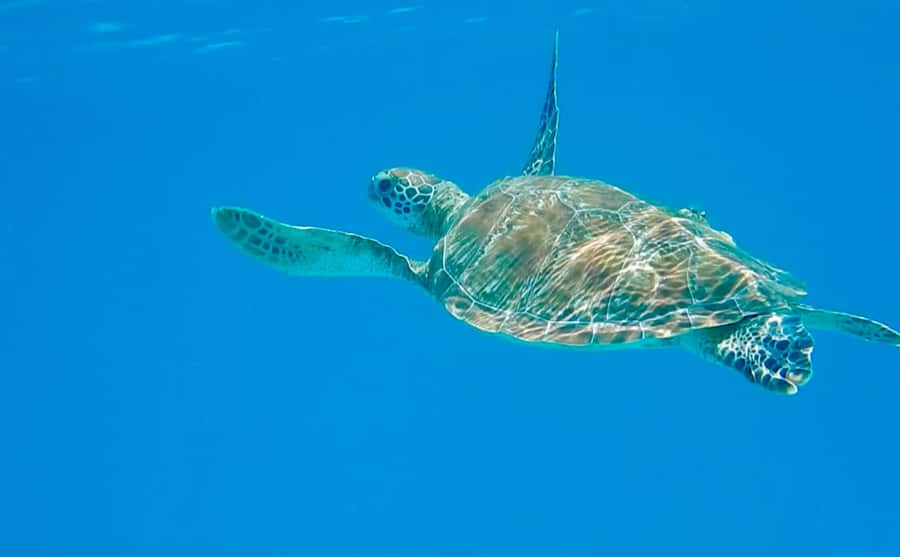
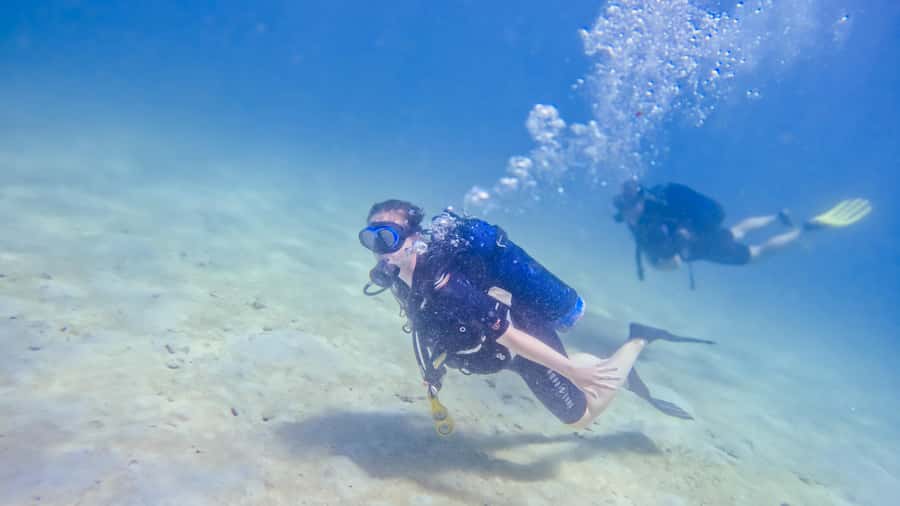
You normally make two snorkeling stops, sometimes with a sandbank stop included depending on the tide. The water can be clear enough to see coral formations and schools of fish below you. Possible sightings include sea turtles, stingrays, pufferfish, starfish, octopuses, giant clams, and even a small shark.
You enter directly from the dhow, then swim away from the boat with guides nearby. That detail catches some people by surprise, since this is not a beach-entry snorkeling trip. If you are comfortable in open water, it gives you access to better reef areas. If you are not a strong swimmer, the first jump can feel like the hardest part.
The crew provides flippers, masks, life vests, and other basic equipment. Reading-strength masks have been available for people who need them, including a reported prescription around minus 2.5. Guides also carry lifebuoys and stay close to people who need help. You do not have to be an expert swimmer to take part, but you should be honest about your comfort level.
The water support is one of the strongest parts of the outing. Guides point out marine life, help people float, and keep watch while the group spreads out. Even first-time snorkelers have been able to take part with a life jacket and direct assistance.
Use a rash guard or long-sleeved swim shirt. The sun reflects off the water, and one person found that even SPF 50 was not enough. Your back, shoulders, and the backs of your legs are especially easy to miss.
The Sandbank Depends on the Tide
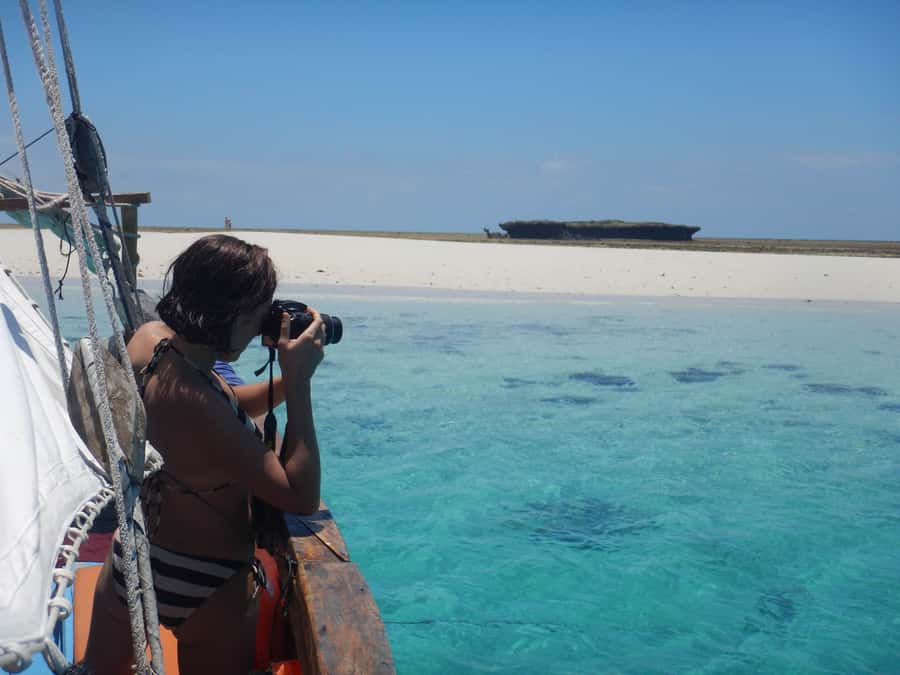
A sandbank stop may come between snorkeling sessions or before the island visit. When it is exposed, it is a fine place to walk in shallow water, swim, take photos, and enjoy the wide sea views.
Do not treat it as a fixed stop. High tide can cover it, and the crew must adjust the route to the conditions. Even when the sandbank appears, the timing may be brief if the sea is moving in.
This is one reason I would book the trip for the whole collection of stops rather than for one postcard moment. You may get a perfect strip of sand, or you may spend that time snorkeling instead. Both are worthwhile, but the balance changes with the tide.
Same base, a completely different sort of day:
- Nairobi National Park Half-Day Game Drive
★ 4.5 · 738 reviews - Nairobi: Historic and Modern Highlights Walking Tour
★ 4.8 · 703 reviews - Safari Tour; Nairobi National Park
★ 4.5 · 594 reviews - 3 Days Masai Mara Group Joining
★ 5.0 · 486 reviews
Lunch and Island Life on Wasini
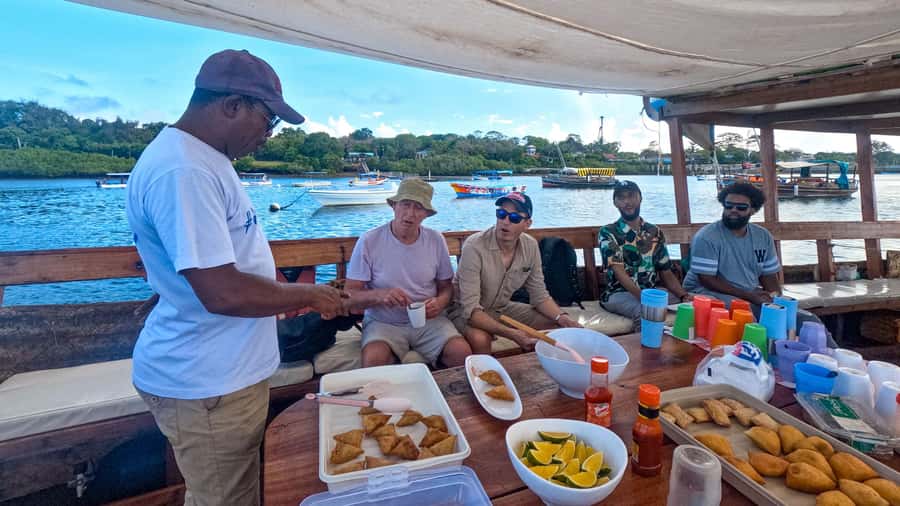
After the water activities, the dhow continues to Wasini Island. Lunch is served in a local setting, often with views across the water. The usual meal includes fresh seafood, chapati, and local side dishes. You can choose seafood, chicken, or a vegetarian plate, and crab or lobster cost extra.
The food is generally tasty and generous, though it is not the main reason to book the trip. Some meals have been singled out as excellent, particularly the fresh fish and the setting. Other meals have been described as merely fine. I would expect simple local cooking rather than a polished restaurant menu.
The included drinks help the value: water and soft drinks are available through the day, and you receive two beers or two glasses of wine. The breakfast, lunch, and drinks matter because you are away from your hotel for most of the day. You do not need to carry a full picnic, although a small snack is sensible if you get hungry between stops.
After lunch comes a short guided walk. Depending on the schedule, you may see Wasini’s coral garden, the village, a school, or the local kindergarten. The island has limited services, including little or no running water and electricity in some areas, so this is not a resort-style island visit.
That simplicity is part of the point, but it also calls for good manners. Some visitors have felt uncomfortable when children or locals asked repeatedly for sweets or money. You may prefer to bring pencils, notebooks, or another small school supply rather than handing out cash or candy. Do not promise gifts to children, and listen to the guide about appropriate donations.
The village stop can feel more meaningful if you see it as a chance to understand daily island life, not as a staged photo stop. It is also the least polished part of the day. If you want uninterrupted beach time, this tour includes more community and history than a simple boat-and-snorkel outing.
Coral Gardens and the Shimoni Slave Caves
The coral garden offers a different view of the island’s natural side. It is made from exposed coral formations and gives you something to see on land after several hours at sea.
The slave caves at Shimoni are more serious. The caves were used to hold enslaved people before they were sent onward toward Zanzibar. A local guide explains the site and its connection to the East African slave trade.
I would not rush this stop. It can be uncomfortable and emotional, but that is exactly why it has value. The visit gives historical weight to a day that might otherwise be remembered only for dolphins and photographs. The entrance is included, and the fee normally charged for the cave and museum supports the community.
Some schedules place the cave visit on the way back to the mainland rather than immediately after lunch. The order can change with tides and boat timing, so listen to the day’s briefing rather than expecting every stop at an exact hour.
Free Photos Without Carrying a Camera
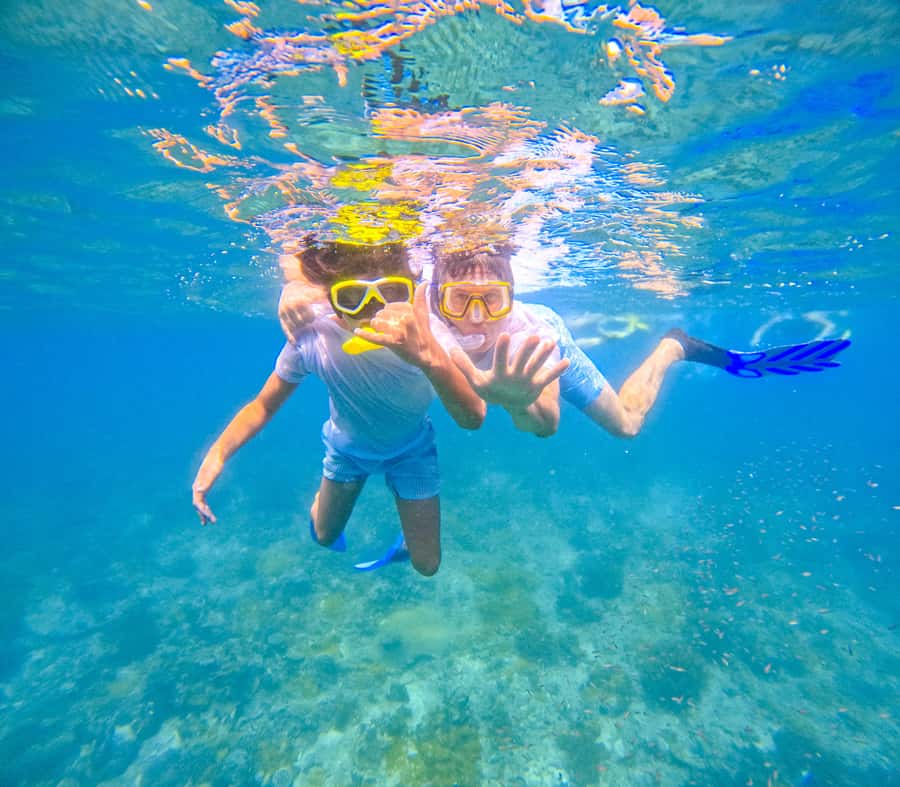
A waterproof camera or GoPro is carried on board, and the crew takes underwater photos and videos during the snorkeling sessions. The files are sent to you later, sometimes the same day and sometimes the next day.
This is a useful inclusion. You can concentrate on staying relaxed in the water instead of trying to protect your phone. The images have captured swimmers with dolphins, reef fish, turtles, and underwater groups.
Still, treat the photos as a bonus, not a guaranteed professional shoot. The quality depends on visibility, movement, and where the animals go. Bring your own camera if you want extra land photos, but protect it from salt water and leave your phone behind during the swim unless it is properly waterproof.
Is the $128 Price Good Value?
At $128 per person, the price is reasonable for a full day that includes hotel pickup and return from Diani or Galu, the dhow, breakfast, lunch, drinks, snorkeling equipment, marine activities, the coral garden, the slave cave and museum, and underwater footage.
The value is strongest if you use most of the package. A short dolphin cruise would cost less, but it would not include two reef sessions, food, transport, a traditional dhow, or the cultural stops. You also avoid arranging several separate transfers and paying for gear rental.
The price is less compelling if you want only fast access to the reef. One person would have preferred a shorter outing that went directly to snorkeling. The lunch and village visit add time, and the full program can feel tiring by late afternoon.
I would compare the cost with the quality of the boat and the water supervision, not just the number of included items. A roomy boat, working equipment, close support, and a safe return matter more than an extra drink. The strong rating of 4.6 from 337 bookings points to reliable overall delivery, though it cannot remove the normal risks of weather, tides, and wildlife luck.
Pickup from Tiwi and Mombasa can be arranged for an extra charge. Diani and Galu are included. Cancellation is free up to 24 hours before departure, and you can reserve now and pay later, which helps if your coastal plans are still shifting.
Who Will Enjoy This Day Most
I would choose this outing if you want several sides of the Kenyan coast in one day. It suits couples, families with older children, first-time snorkelers, and anyone who likes a mixture of water, food, village life, and history.
Children are welcome, but they should know how to swim for snorkeling. Children under four require a check with the operator. The trip is not a good fit for people prone to seasickness, those with serious back problems, or anyone uncomfortable in open water.
If you do get seasick, the long dhow ride and choppy conditions may make the day unpleasant. Take appropriate precautions before boarding, and sit where the motion feels easiest. The boat has shade and a toilet, but neither changes the fact that you are at sea for much of the day.
Pack swimwear, a towel, sunscreen, a hat, a T-shirt or rash guard, and flip-flops or water shoes. Reusable water bottles are encouraged, and single-use plastic bottles are not allowed in the marine park. Bring a little cash for tips or optional food such as crab and lobster, but do not feel obliged to hand money to children during the village visit.
Should You Book the Wasini Island Dhow Trip?
Yes, if you want a full coastal day rather than a quick snorkel cruise. The combination of Kisite Marine Park, possible dolphins, a comfortable dhow, island food, free underwater photos, and the slave caves gives you a fuller picture of the South Coast.
Book it with realistic expectations. Dolphin encounters depend on luck, the sandbank depends on the tide, and the day may last 11 hours from hotel to hotel. The village visit can involve requests for donations, and lunch is pleasant but not always remarkable.
For me, the strongest reason to choose this trip is the crew’s water support. You can see reef life without being left to manage open water alone, and the guides have made nervous or inexperienced swimmers feel secure. If you want only dolphins, take your chances with a shorter wildlife cruise. If you want nature, history, food, and a traditional boat in one well-organized day, this is a strong choice from Diani.
FAQ
How long does the Wasini Island dhow trip take?
The main activity lasts about nine hours, but hotel transportation can extend the full day to roughly 10 or 11 hours. Pickup is usually early in the morning, with return in the late afternoon.
Is hotel pickup included?
Pickup and drop-off are included from accommodations in Diani and Galu. Transport from Tiwi and Mombasa can be arranged for an additional cost.
Can I snorkel if I am not a strong swimmer?
Yes, the crew provides life vests, flotation support, and assistance in the water. You enter from the dhow into open water, so you should still be comfortable with that setting and tell the crew if you need help.
Are snorkeling masks and fins provided?
Yes. Flippers and masks are provided, and reading-strength masks can be requested. Life vests are also available.
Will I definitely swim with dolphins?
No. Dolphins are wild, so sightings and close swims depend on luck, sea conditions, and where the animals go. The crew watches for dolphins, but cannot guarantee an encounter.
What food and drinks are included?
Breakfast includes tea, coffee, and fruit. Lunch includes seafood, chicken, or a vegetarian option, with local sides such as chapati. Water and soft drinks are provided, along with two beers or two glasses of wine. Crab and lobster cost extra.
Just added around Kenya
- Nairobi: Kibera Slum Compassionate Walking Tour★ 5.0 · 4 reviews
- Nairobi: Horseback Riding Tour Through Maize Plantation★ 5.0 · 3 reviews
- Nairobi: Karura Forest Guided Walking Tour★ 5.0 · 4 reviews
- From Nairobi: Horseback Wildlife Safari with Transfer & Meal★ 4.6 · 7 reviews
- Nairobi: Hidden Gems and Local Secret Guided Walking Tour★ 4.9 · 20 reviews
- Nairobi: Hop on Hop off and Maasai market Collections Visit★ 3.5 · 10 reviews
- Nairobi: Karura Forest Horseback Riding Tour★ 4.8 · 11 reviews
- Nairobi: Guided Afternoon Tour to Bomas of Kenya.★ 3.1 · 4 reviews