
Reviewed · CULTURAL VILLAGE VISITS
Maasai Village Experience Day Tour
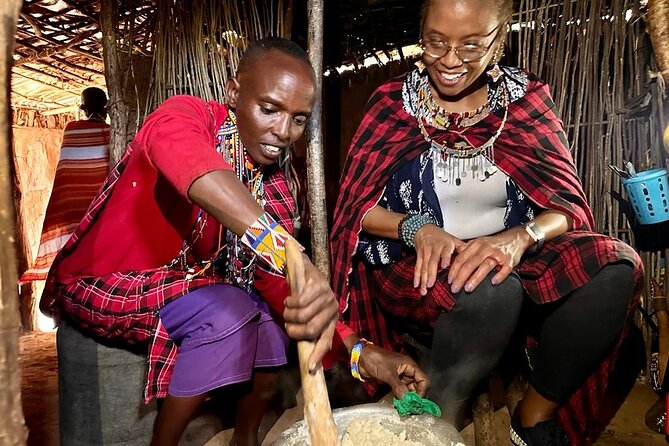
A goat market, a family compound, a few hours of hands-on village life, and the broad plains of Kajiado: this is far more than a quick photo stop. You can milk a goat, help cook ugali, try beadwork, learn a few Maasai words, and join songs and dancing with village members. The best part is the participation, not simply watching people at work.
I like the chance to visit on a Monday or Friday, when Bisil’s livestock market adds a lively local scene. I also like the practical transport from Nairobi, with an air-conditioned vehicle, bottled water, onboard Wi-Fi, and a guide such as Simon, Sharon, or Dennis to explain what you are seeing. The main drawback is the distance: the village is about 2.5 hours from Nairobi each way, and lunch is not included.
Key points at a glance
- Milking, cooking, and beadwork: You take part in simple daily tasks rather than just touring the village.
- Monday or Friday market visit: Bisil’s livestock market can add goats, cattle, beadwork, herbs, clothing, and local trading to your day.
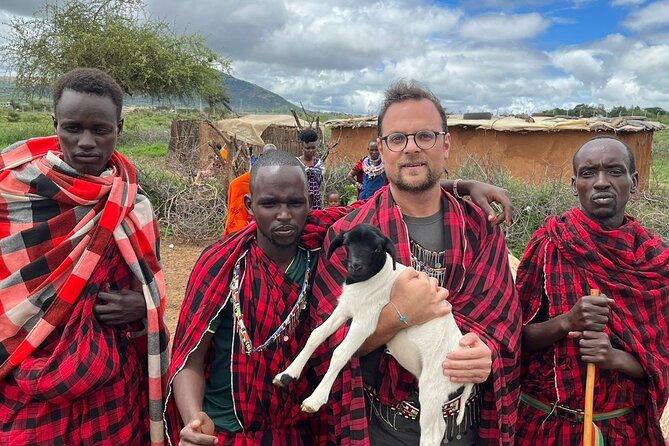
- Guides who add warmth: Simon, Dennis, and Sharon are specifically noted for clear explanations, friendly manners, and help with photos.
- A long but worthwhile road day: Expect six to eight hours in total, with about five hours spent on the road.
- Respectful dress matters: Wear closed shoes and modest clothing, preferably pants, and cover up at the village.
- No village bathroom or included lunch: Use the two planned bathroom stops and carry a snack or money for food along the way.
Why this Maasai visit feels different from a safari stop
On safari, you may see Maasai people herding cattle or working near a conservation area. That glimpse can be striking, but it is brief. Here, the point is to spend time with community members and ask questions while taking part in ordinary activities.
You may learn greetings and basic Maasai words, help milk a goat, handle young animals, watch men make a fire, and assist with a simple meal. Cooking ugali gives the visit a useful focus because it turns a cultural explanation into something you can do with your hands. You can also try making a small beaded item and learn how beadwork fits into local trade and dress.
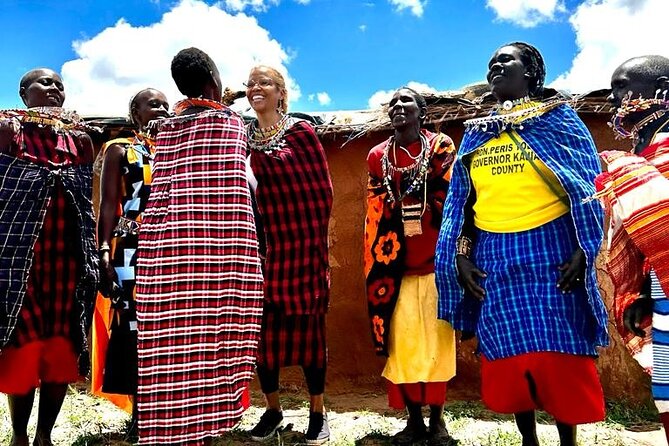
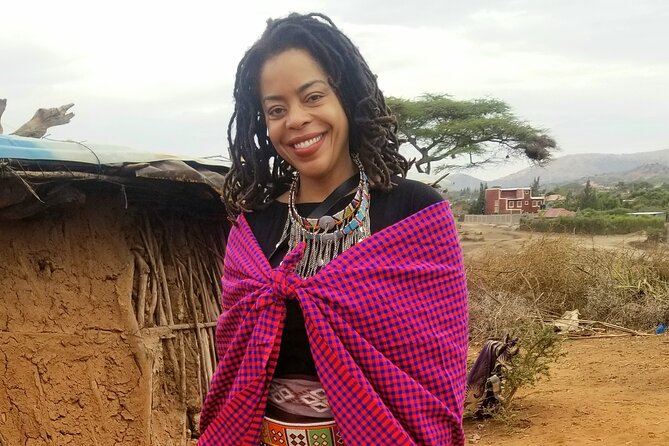
The visit includes time inside a manyatta, the traditional style of homestead associated with Maasai life. The exact flow can vary, but you should expect an introduction to the host family, practical demonstrations, questions, and group activities. At some point, you may be dressed in Maasai clothing and jewelry before joining music and dancing.
That last part is not a stage performance in a theater. It is a shared activity with village members, and your willingness to join in matters more than your rhythm. You do not need to know the songs beforehand. Your guide helps you understand what to expect and how to behave politely.
Other cultural visits around Nairobi:
- Nairobi: Explore Kibera Slum with Local Guides
★ 4.9 · 365 reviews - Nairobi: Day Tour to Amboseli National Park & Maasai Village
★ 4.5 · 310 reviews - Masai village Day Tour Experience
★ 5.0 · 284 reviews
The drive from Nairobi to Bisil
The day begins around 8 a.m., with pickup from a Nairobi hotel or the airport. You travel in an air-conditioned vehicle, and bottled water is included. Wi-Fi is also provided onboard, though the trip is still best treated as a chance to watch Kenya change outside the window rather than stare at a phone.
The trip to Bisil takes roughly 2.5 hours. That is a serious chunk of the day, so you should be comfortable with a road excursion rather than think of this as a nearby Nairobi activity. Traffic, bathroom stops, coffee breaks, and the size of your group can affect the return time. The stated aim is to be back in Nairobi before 4 p.m., but flexibility is sensible.
As you leave the Nairobi metropolitan area, Kajiado brings wide-open views, hills, vegetation, and herds of goats, cows, and donkeys. You may see Maasai herders moving animals in search of pasture, as well as women carrying firewood. These views help place the village visit in its wider setting. You are not simply being taken to a set built for tourists. You are seeing roads, towns, trade, schools, and working land along the route.
Your guide is important here. Simon is praised for explaining Maasai culture and Kenyan society in clear English, while Dennis is known for an easygoing, humorous manner. Sharon has helped visitors learn the customs and take photos during the day. A good guide makes the long drive useful by explaining what you will see and preparing you for the village visit.
Bisil on a Monday or Friday
Bisil is the first major town outside the Nairobi metropolitan area on this route, and it is predominantly inhabited by Maasai people. The town is not a polished attraction. You see ordinary economic activity, local movement, and signs of daily commerce.
If your visit falls on Monday or Friday, you can spend about an hour at the livestock market. This is one of the strongest reasons to choose those days. The market deals mainly in animals, including goats and cattle, but Maasai beadwork, herbs, clothing, and other goods may also be available.
The livestock market offers a different view of Maasai life from the village visit. Here, the focus is buying, selling, judging animals, and meeting people in a public trading place. It can be visually busy and a good setting for photographs, but you need to remember that people are conducting business. Ask before taking close-up photos, and follow your guide’s lead.
Do not expect a huge general market. The market can be smaller than you imagine, with livestock and only a limited number of other vendors. That is not a reason to skip it. It simply means you should value it as a working local market, not as a large shopping district.
If you visit on another day, the market portion may not be available. The village experience remains the main event, but Monday or Friday gives you the fullest program.
Three hours of village activities
The village visit lasts about three hours. That is enough time to move beyond a greeting and get a sense of how several tasks fit together.
You may begin by learning a few words and receiving an introduction to Maasai customs. Simple language lessons are useful because they encourage a more respectful exchange. Your guide can help you use greetings correctly and explain the meaning behind activities rather than leaving you to guess.
The hands-on parts can include:
- Milking a goat
- Helping herd or handle goats
- Watching fire-making
- Cooking a basic meal, including ugali
- Making beadwork
- Entering a manyatta
- Learning about clothing and jewelry
- Singing and dancing with village members
The order may change, and not every moment will be tightly scheduled. That is part of the point. You are visiting a living community, not moving through a museum exhibit with a fixed script.
I especially like the balance between work and celebration. Milking, cooking, and fire-making show the practical side of village life. Beadwork and dress connect to craft and identity. Singing and dancing create a social finish that lets you join rather than merely observe.
Keep your expectations realistic. The village may be smaller than you picture, with one or two families hosting the visit. That can make the encounter feel personal, but it also means this is not a large cultural center with many exhibits or a long list of formal demonstrations.
Same base, a completely different sort of day:
- Nairobi National Park Half-Day Tour; Free Wi-Fi connection
★ 5.0 · 878 reviews - Nairobi: National Park & Optional Elephants & Giraffe Center
★ 4.8 · 874 reviews - NAI NAMI: Nairobi Storytelling Tour with Street Children
★ 5.0 · 792 reviews - Nairobi National Park Half-Day Game Drive
★ 4.5 · 738 reviews
Photos, manners, and the limits of the visit
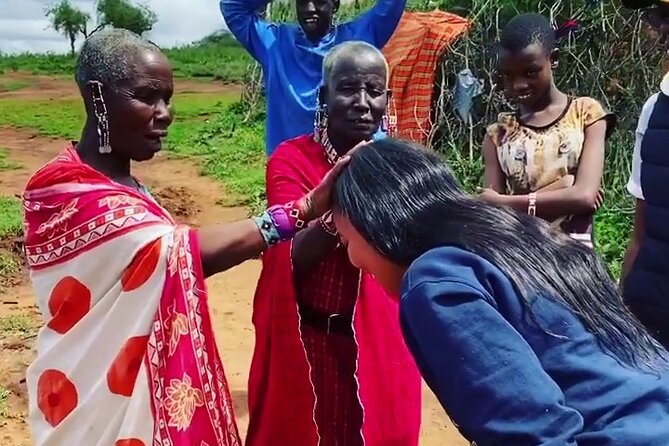
The Kajiado scenery and village activities offer many picture opportunities. You can photograph the plains, animals, market activity, and your own participation, subject to local permission. Guides have helped visitors take photos and videos during the day, which is useful if you are traveling alone.
Professional cameras and commercial photography are not allowed. If you use a phone or a personal camera, stay aware of the people around you. Ask before photographing individuals, especially during private or work-related moments. A camera should not become a barrier between you and the people you came to meet.
Dress modestly and wear closed shoes. Pants are preferred for all genders, and you should cover up. This is practical advice as well as a matter of respect. Village ground can be uneven, and activities such as handling goats, cooking, and walking outdoors are easier in sturdy shoes.
The tour is described as safe, and most people can take part. Still, you should be willing to follow instructions, accept a less polished setting, and take part without demanding that everything operate on city time.
Breaks at Kitengela and Ilbisil
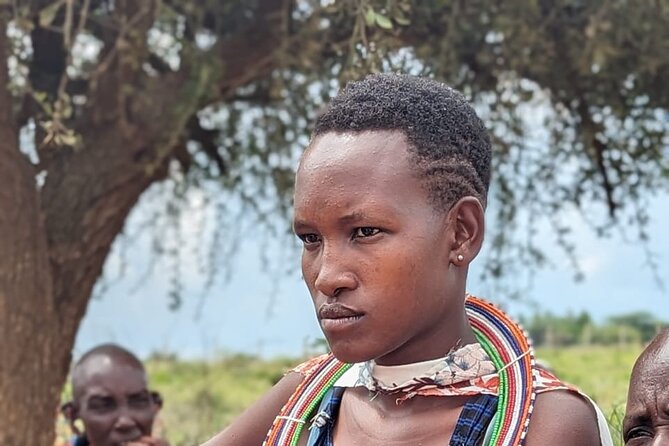
A stop at Kitengela Mall gives you about 20 minutes for a bathroom break, snacks, tea, coffee, lunch, or an ATM visit. Since lunch is not included, this is your most useful chance to buy something for the road.
The tour also makes two bathroom stops along the route, important because there is no bathroom at the village. Use these stops even if you do not think you need them. You will spend several hours away from town facilities.
At Ilbisil, the group passes through a local primary school for about 20 minutes. You can see school activities and make donations. Suggested items include clothing, school supplies, toys, teaching aids, food items, cooking oil, maize flour, and dry grains.
Donations are optional. If you bring something, choose useful items and offer them through the guide rather than handing things out casually. You can also carry money for souvenirs or a donation. This keeps the exchange orderly and avoids turning the school visit into an awkward scene.
Is $100 good value?
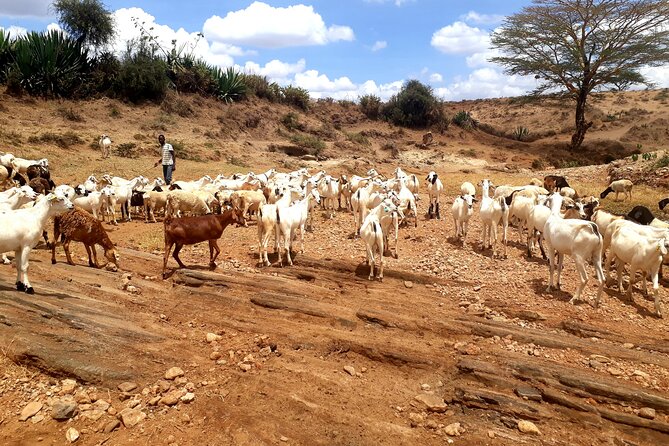
At $100 per person, this is not the cheapest way to spend a day near Nairobi. The price needs to be judged against what is included: hotel or airport pickup, private road transport in an air-conditioned vehicle, bottled water, Wi-Fi, admission charges, and a guide.
The long drive is part of the cost. You are paying for transport out to Kajiado and back, not just three hours at the village. If you had to arrange a vehicle, driver, and local introduction separately, the package would be harder to manage.
The value is strongest if you want a hands-on cultural visit and do not have time for a longer stay outside Nairobi. It is weaker if you mainly want a quick photo stop, a guaranteed large market, or a full meal. Lunch, alcohol, souvenirs, and donations cost extra.
The tour is booked an average of about 33 days ahead, so you should not leave it until the last minute during a busy Kenya trip. Group discounts are available, and the maximum group size is 50. A group of that size can feel less personal, even though the village activities themselves may happen in smaller clusters.
Who should book this day tour?
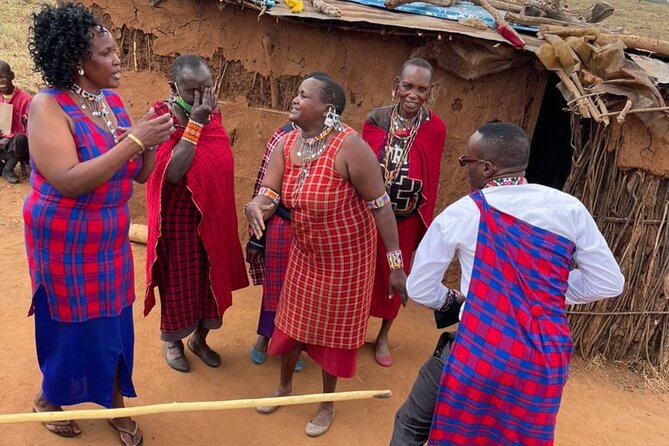
I would choose this experience if you want to meet Maasai community members directly, take part in practical tasks, and see a working livestock market. It suits solo visitors, couples, families, and first-time visitors to Kenya who want cultural context alongside wildlife activities.
It is also a good fit for people who enjoy asking questions and trying unfamiliar activities. The strongest moments come when you put down the camera, help with a task, learn a word, or join the singing.
You may want to skip it if five hours in a vehicle sounds exhausting, if you need a fixed timetable, or if you expect a large attraction with many buildings and displays. The village is modest, lunch is not supplied, and the road day can stretch when traffic or breaks take longer than planned.
The current rating is 4.9 out of 5, with 97 percent recommending it. The praise centers on the guides, the welcome from the host families, the market, the practical activities, and the feeling of being included. Simon is repeatedly singled out for patience and clear explanations, while Dennis and Sharon also receive warm mention.
What to pack and how to plan
Bring a snack, since there may be no proper lunch break. Carry water even though bottled water is supplied, especially if you are comfortable drinking more during a warm road day.
Wear closed shoes, pants, and modest clothing. Bring a phone or personal camera, but do not bring professional photography equipment or plan commercial shooting.
A small amount of Kenyan currency is useful for snacks, souvenirs, or donations. If you want to donate to the school or village, practical items are more useful than random gifts.
Finally, leave room in your schedule. The tour lasts about six to eight hours, but traffic, bathroom stops, coffee, lunch purchases, and group movement can affect the timing. Free cancellation is available up to 24 hours before the start time. Changes or cancellations inside that window are not accepted, and poor weather can lead to a new date or a full refund.
Should you book the Maasai Village Experience?
Book it if you want a participatory cultural day, not a quick encounter arranged for photographs. The chance to cook, milk a goat, make beadwork, enter a manyatta, and share music gives the visit real substance.
Choose Monday or Friday if the livestock market interests you, and tell yourself in advance that the road is part of the experience. Bring a snack, dress respectfully, use the bathroom stops, and let the day unfold at its own pace.
I would not make this your choice for a short, polished Nairobi outing. But if you have one open day and want to meet people, see Kajiado, and take part in a community visit guided by people such as Simon, Sharon, or Dennis, the $100 price is fair for the transport and access it provides.
FAQ
How long does the Maasai Village Experience Day Tour last?
The tour lasts approximately six to eight hours. The drive from Nairobi to the village takes about 2.5 hours each way, and the planned return is before 4 p.m., though traffic and breaks can affect timing.
What time does the tour begin?
The start time is 8:00 a.m. Pickup is offered from Nairobi hotels or the airport, with final pickup details provided the night before.
Can I visit the livestock market?
Yes, but the livestock market is available on Mondays and Fridays. At Bisil, you may see goats, cattle, beadwork, herbs, and Maasai clothing being traded.
Is lunch included?
No. Lunch is not included. You can buy snacks, tea, coffee, or lunch at Kitengela Mall, and bringing a snack is recommended.
Are there bathrooms at the Maasai village?
No, there is no bathroom at the village. The tour makes two bathroom stops along the way, including a stop at Kitengela Mall.
What should I wear?
Wear closed shoes and modest clothing. Pants are preferred for all genders, and you should cover up during the village visit.
Can I cancel for a refund?
You can cancel up to 24 hours before the experience start time for a full refund. Cancellations or changes made less than 24 hours before the start time are not accepted, and poor weather may result in a different date or a full refund.
Just added around Nairobi
- Nairobi: Horseback Riding Tour Through Maize Plantation★ 5.0 · 3 reviews
- Nairobi: Kibera Slum Compassionate Walking Tour★ 5.0 · 4 reviews
- Nairobi: Karura Forest Guided Walking Tour★ 5.0 · 4 reviews
- From Nairobi: Horseback Wildlife Safari with Transfer & Meal★ 4.6 · 7 reviews
- Nairobi: Hidden Gems and Local Secret Guided Walking Tour★ 4.9 · 20 reviews
- Nairobi: Hop on Hop off and Maasai market Collections Visit★ 3.5 · 10 reviews
- Nairobi: Karura Forest Horseback Riding Tour★ 4.8 · 11 reviews
- Nairobi: Guided Afternoon Tour to Bomas of Kenya.★ 3.1 · 4 reviews
Cultural Village Visits, compared.
Day Tour to Amboseli National Park & Maasai Village
Read our review →

Kibera Slum Tour with Local Social Entrepreneurs
Read our review →

Giraffe Centre, Elephant Orphanage, and Bomas of Kenya Day Tour from Nairobi
Read our review →Browse the lists this tour appears in