
Reviewed · CULTURAL VILLAGE VISITS
Half-day tour Bomas of Kenya with Pick-up
Bomas of Kenya gives you a quick, lively introduction to the country’s many communities without leaving Nairobi. The main event is a cultural show featuring dances from across Kenya, followed by a look at traditional homesteads and daily life.
I like the private hotel pickup and the chance to travel with a local guide who can add context along the way. I also like the visit to Kobe Tough, where a women-led workshop makes beads and leather goods while supporting single mothers.
The main thing to consider is timing. Five hours is enough for a useful introduction, but not enough for a slow, detailed study of every community represented at Bomas. Lunch is optional and costs extra, so plan for that before you set out.
Key points at a glance
- More than 30 traditional dances: Expect a lively stage show with music, movement, and audience interaction.
- Kenya’s 53 ethnic communities: Bomas presents cultural traditions from many parts of the country in one Nairobi visit.
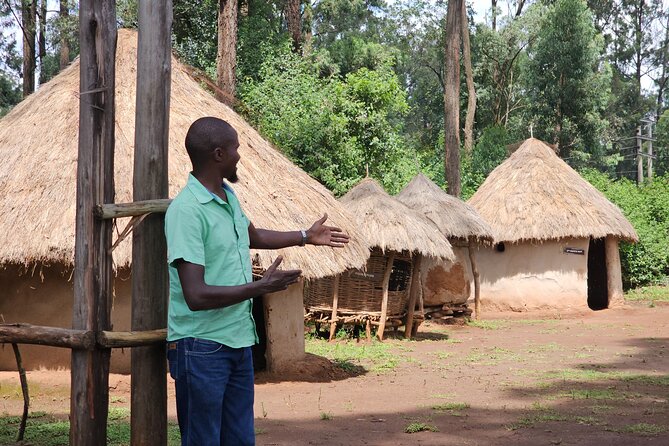
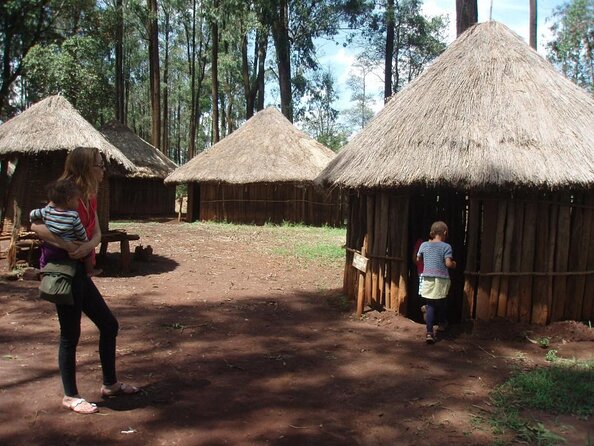
- Traditional homesteads: Open-air displays help you see how different communities arranged their homes and daily spaces.
- Kobe Tough workshop: Watch beads and pottery take shape while supporting a women’s community enterprise.
- Private transport: Pickup and drop-off at your hotel make this a simple half-day plan.
- Optional shopping: Maasai crafts and gemstones, including tanzanite and tsavorite, may be available on request.
Why Bomas works well as a first Nairobi outing
Bomas of Kenya is a useful starting point if you are new to the country. Kenya is often presented through safari parks and wildlife, but its people and cultures are just as important to understanding the country. This outing puts that human story first.
The attraction brings traditions from Kenya’s 53 ethnic communities together in one place. That makes the visit convenient, though it also means you are receiving a broad introduction rather than a full study of any one group.
I like the mix of performance and outdoor displays. The show gives you the energy and sound of traditional music and dance, while the homesteads provide a quieter way to look at housing, family life, and community customs.
You should keep your expectations in the right place. Bomas is a cultural presentation designed for public visitors, not a visit to a remote village or a personal meeting with every community represented. Its value is that it gives you context quickly, especially when your Nairobi schedule is tight.
Other cultural visits around Nairobi:
- Nairobi: Explore Kibera Slum with Local Guides
★ 4.9 · 365 reviews - Nairobi: Day Tour to Amboseli National Park & Maasai Village
★ 4.5 · 310 reviews - Masai village Day Tour Experience
★ 5.0 · 284 reviews
The Bomas show: music, dance, and audience contact
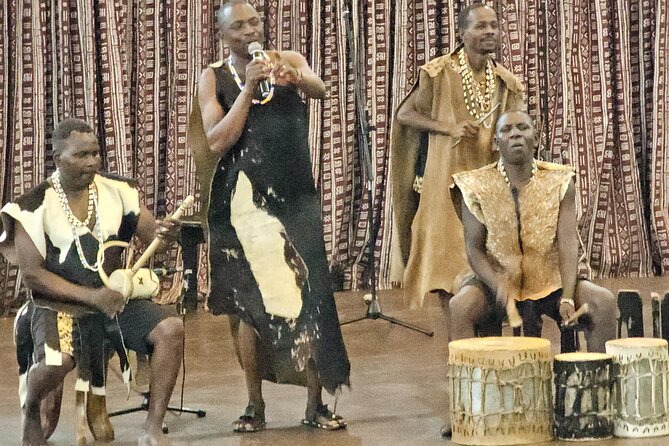
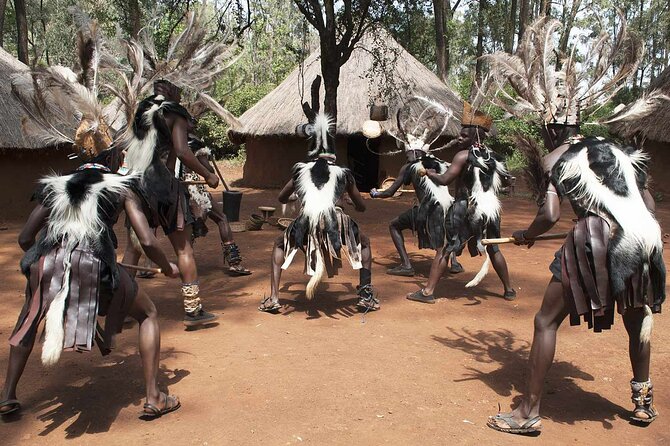
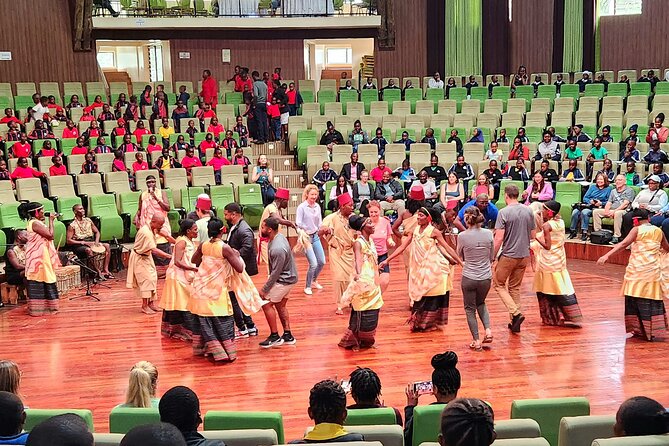
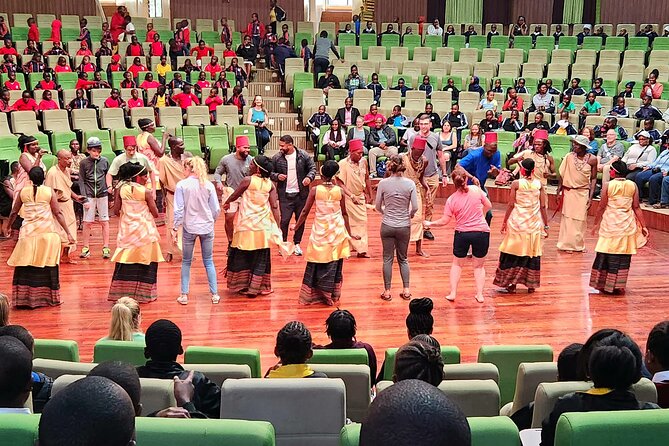
The cultural performance is the heart of the visit. Daily programs include a selection of more than 30 traditional dances from different Kenyan ethnic groups. You may see fast footwork, drumming, ceremonial movement, and performances linked to regional customs.
The Samburu and Maasai warrior performances are among the most prominent parts of the program. They bring strong visual energy to the stage and help explain why the show appeals to both adults and children.
Audience interaction is another part of the appeal. The dancers do not simply perform at a distance. At times, the show invites contact between performers and the people watching, which can make the presentation feel more open and playful.
That interaction is especially useful if you are visiting with children. It gives younger viewers something active to follow instead of asking them to sit through a long lecture. Adults get the music, costumes, movement, and cultural explanation without needing prior knowledge.
The show is entertaining, but it should also be treated as an introduction. Traditional dance is connected to ceremony, age groups, work, celebration, and identity. A performance cannot explain all of that in detail, so listen closely to the interpretation provided by the guide or at the venue.
Walking among traditional homesteads
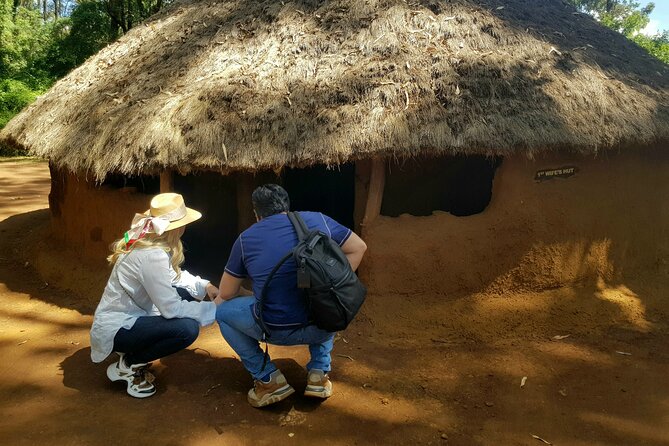
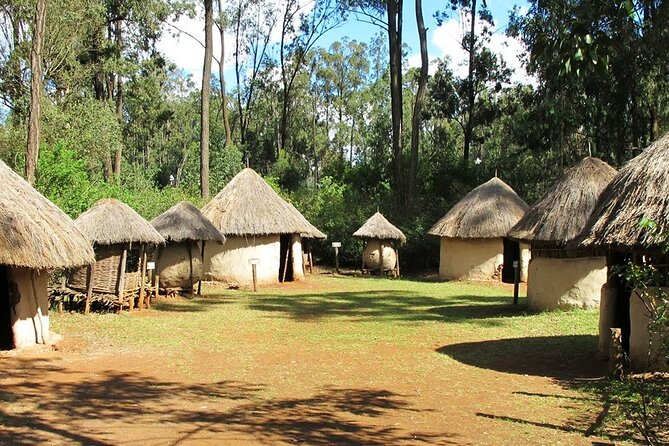
After or around the performance, the Bomas visit includes traditional homesteads representing different communities. These open-air displays help you connect cultural ideas with physical space.
You can look at the layout of homes, courtyards, fences, and working areas. The point is not simply to see old-style buildings. It is to notice how homes were shaped by local materials, family structures, climate, and daily needs.
This section gives the tour a slower rhythm after the stage show. The dances are loud and immediate. The homesteads ask you to look more carefully and compare one community’s way of life with another’s.
A local cultural guide adds real value here. Without explanation, a collection of huts can become a quick photo stop. With context, you can better understand what each structure represents and why details differ.
The available information does not promise a long guided talk at every homestead, so the depth may depend on the guide and the time available. If you want more explanation, ask questions during the walk. This is one of the places where a private tour can work in your favor, since you are not tied to a large group’s questions or pace.
Kobe Tough and the work behind the beads
The Kobe Tough stop takes about 30 minutes and adds a practical, community-focused side to the day. This is a pottery and bead-making center where you can see the production process from the early stages through the finished item.
The workshop makes beads, pottery, and leather goods. You may also have the chance to learn about making jewelry and shaping pottery from clay. That makes the stop more than a shop visit, although you should still expect an opportunity to browse and purchase items.
The social purpose matters. The center employs single mothers from a poor neighborhood, giving them income to support their families. A short visit lets you see the work behind the products and direct some spending toward a local women’s enterprise.
I like this part because it adds a human, working dimension to the cultural program. At Bomas, you see traditions presented on stage and in displays. At Kobe Tough, you see people making goods for a living today.
Thirty minutes is not a long workshop session. Think of it as a compact demonstration rather than a full craft class. If you want to spend more time choosing gifts or learning the process, ask the guide how the schedule can accommodate you.
A few more things to do around Nairobi worth a look
- Nairobi National Park Half-Day Tour; Free Wi-Fi connection
★ 5.0 · 878 reviews - Nairobi National Park Half-Day Game Drive
★ 4.5 · 738 reviews - Half-Day Nairobi National Park Safari from Nairobi with Free Pickup
★ 4.5 · 264 reviews - Nairobi National Park Full or Half-Day Tour with Guide
★ 4.7 · 217 reviews
How the five-hour schedule fits together
The experience lasts about five hours, including transport, the Kobe Tough stop, and the Bomas visit. Pickup and drop-off are included, so you do not need to arrange separate transport across Nairobi.
The exact order can vary. The published plan describes the Kobe Tough workshop and then Bomas, with lunch available before proceeding to the cultural center. It also describes lunch after the Bomas portion, so you should confirm the day’s sequence with the guide.
That flexibility can be useful. If you prefer an earlier meal, you can arrange lunch before Bomas. If you would rather begin with the cultural program, you can discuss that as well. Lunch is not included in the $70 price, so budget separately.
The Bomas portion is listed at about four hours, while Kobe Tough takes about 30 minutes. The remaining time covers hotel transfers and the movement between locations. Nairobi traffic can affect the practical pace, so avoid scheduling another fixed activity immediately afterward.
The private format is important here. Only your group participates, which makes it easier to ask questions, pause briefly, or discuss whether you want lunch or shopping. This is more personal than joining a large coach excursion, though it also means the quality of the day depends partly on your assigned guide.
Kelvin is one guide connected with the experience, and the comments about his service emphasize the educational side of the outing. The tour includes a professional local cultural guide, but a specific guide cannot be guaranteed unless the provider confirms it before booking.
What the $70 price gives you
At $70 per person, the tour is not the cheapest way to reach Bomas, but it includes several useful pieces. You get hotel pickup and drop-off, private transport, a local cultural guide, admission to Bomas, bottled water, and the Kobe Tough visit.
The biggest value is convenience. You do not have to work out Nairobi transport, find the entrance, or combine separate bookings for the attraction and workshop. For a first day in the city, that can save time and reduce friction.
Entry to Bomas is included, which matters because the main cultural performance and homestead visit are the reason to book. The free Kobe Tough stop adds variety, though you should not count on it as a major sightseeing attraction in its own right.
The price makes more sense for solo visitors, couples, families, or small groups who value private transport and a guide. Group discounts are available, so the per-person cost may become more appealing if you are booking with several people.
Lunch, tips, optional souvenirs, and gemstone shopping are extra. The optional gemstone offering includes rare tanzanite and tsavorite, along with emeralds and rubies, but you should treat that as an add-on rather than part of the core cultural experience.
Shopping, gemstones, and keeping the focus clear
The tour may include optional Maasai craft shopping and a visit connected with gemstones on request. Tanzanite is especially associated with East Africa and can be a memorable purchase, but buying stones requires care.
If you are interested, ask for clear information about the stone, its source, quality, price, and any paperwork before paying. You do not need to buy anything for the tour to be worthwhile.
Kobe Tough is the more natural fit for this outing because it connects shopping with the production process and community employment. The optional gemstone stop is better viewed as an extra for people already interested in jewelry.
You may also find Maasai crafts available for purchase. Set a budget before the trip, and remember that browsing is optional. A good cultural visit should not leave you feeling pressured to buy.
Who will enjoy this half-day tour most
I would choose this experience if you want a clear introduction to Kenya’s cultural traditions and have only part of a day in Nairobi. It suits first-time visitors, families, couples, and anyone who prefers a private vehicle to figuring out local transport alone.
It is also a good match for people who want more than wildlife. The cultural show, traditional homesteads, and craft workshop give you several ways to think about Kenya beyond national parks.
Families may appreciate the short travel format and interactive performance. The show has enough movement to hold a child’s attention, while the Kobe Tough visit offers a hands-on look at making beads and pottery.
You may want a different experience if you prefer quiet, highly specialized cultural study. Bomas covers a large number of communities in a limited time, so the presentation is broad. Someone seeking long conversations with community members or a small village-based activity should not expect that here.
The tour is private, and most people can participate. The information provided does not give detailed accessibility specifications, so anyone with mobility concerns should ask the provider about walking surfaces, seating, and vehicle arrangements before booking.
Practical advice before you book
Wear comfortable clothing and shoes suited to several hours of moving between a performance area, outdoor homesteads, and the workshop. Bring your camera, but pay attention to any instructions about photography during performances or inside work areas.
Bring extra money if you want lunch, crafts, jewelry, or gemstones. Bottled drinking water is included, but a small personal supply may still be useful during a warm afternoon.
Keep the day flexible. The listed duration is approximately five hours, and Nairobi traffic or lunch timing may affect the finish. Hotel pickup is included, but you should provide accurate accommodation details and confirm the pickup time.
Cancellation is free if you cancel at least 24 hours before the start time. Changes or cancellations made within 24 hours are not accepted for a refund.
Should you book the Bomas of Kenya tour?
Book it if you want an efficient, guided introduction to Kenyan culture with private transport and a lively performance at its center. The strongest parts are the variety of dances, the traditional homesteads, the included entrance, and the chance to see a women-led bead and pottery workshop.
The tour is especially useful at the start of a Kenya trip. It gives you names, images, music, and cultural context that can make later visits feel more meaningful.
Skip it if you want an entirely independent visit, a long craft class, or a deep focus on one community. At $70, the value depends on how much you appreciate the included driver, guide, transport, and structure.
For most first-time visitors with half a day free in Nairobi, I think it is a sensible choice. Just confirm the lunch order, ask who your guide will be, and keep room in your schedule for traffic.
FAQ
How long does the Bomas of Kenya tour last?
The tour lasts approximately five hours, including transportation, the Bomas visit, and the Kobe Tough workshop.
Is hotel pickup and drop-off included?
Yes. Round-trip pickup and drop-off are included, along with private transportation for your group.
Is admission to Bomas of Kenya included?
Yes. Entry to Bomas of Kenya is included in the tour price.
What happens at Bomas of Kenya?
You can see traditional homesteads and watch a daily cultural performance featuring a selection of more than 30 dances from Kenya’s ethnic communities.
What is included at Kobe Tough?
The visit includes a complimentary tour of the women’s bead and pottery center. You can learn about the production process and making jewelry or pottery from clay.
Is lunch included?
No. Lunch is available for purchase and can be arranged according to your preference.
Are shopping and gemstones included?
No. Maasai crafts, gemstones, tanzanite, tsavorite, emeralds, and rubies are optional extras available on request.
Can I cancel for a full refund?
Yes, if you cancel at least 24 hours before the experience start time. Cancellations within 24 hours are not refundable.
Just added around Nairobi
- Visit kibera Slum the chocolate city★ 4.8 · 3 reviews
- 3 days maasai mara migration safari★ 4.5 · 7 reviews
- Maasai Mara Day Trip★ 5.0 · 15 reviews
- 4 Days Tour Landcruiser in Masai Mara and Lake Nakuru★ 5.0 · 10 reviews
- 4 Days Safari to Lake Nakuru N/P and Maasai Mara N/R★ 5.0 · 18 reviews
- Day Tour to Nairobi national park, Elephants, and Giraffe Center★ 3.5 · 8 reviews
- Wildebeest Migration in Masai Mara and Sightseeing 4 Days Tour★ 4.5 · 6 reviews
- Vegans special safari★ 4.5 · 4 reviews
Cultural Village Visits, compared.

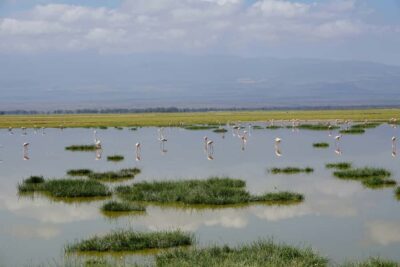
Day Tour to Amboseli National Park & Maasai Village
Read our review →



Kibera Slum Tour with Local Social Entrepreneurs
Read our review →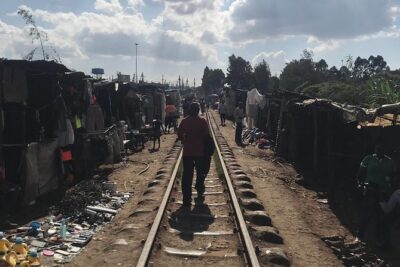

Giraffe Centre, Elephant Orphanage, and Bomas of Kenya Day Tour from Nairobi
Read our review →Browse the lists this tour appears in