

Reviewed · CULTURAL VILLAGE VISITS
Kibera Slum Tour with Lucas
Kibera is not a sightseeing backdrop. It is a living neighborhood, and this private walking tour takes you past Toi Market, community projects, narrow lanes, and a local home. Lucas guides you through places you would be unlikely to find alone, explaining how residents work, trade, teach, and solve daily problems.
I like the personal scale and the chance to support Hope and Shine Kibera Centre while meeting people in the area. I also like that the tour shows more than hardship: you see local enterprise, creativity, and strong community ties. The main consideration is that this is a walking tour on uneven, muddy ground, and some visitors may find the subject matter emotionally difficult.
Key points to know before you book

- A private walk through Kibera: Only your group takes part, allowing time for questions and a slower pace.
- Local guides with community ties: Lucas is the named guide, while some departures have been led by Elijah, so confirm who will lead your tour.
- Toi Market and neighborhood life: You see local commerce rather than only residential lanes.
- Hope and Shine Kibera Centre: The visit connects tourism with a local education project and may include an invitation to donate.
- A local home visit: The experience can include time inside a home, offering a more personal view of daily life.
- Practical footwear matters: Mud, slippery tracks, and uneven ground make sturdy shoes a sensible choice.
Why Kibera requires a careful kind of tour

Kibera is often described in blunt terms, but that label tells you only part of the story. The area is home to families, workers, shopkeepers, artists, teachers, children, and small businesses. It is also a place where limited services require residents to be inventive and persistent.
That is why your guide matters so much. Without local context, walking through narrow lanes and informal housing could feel intrusive or confusing. Lucas helps explain what you are seeing and introduces the area through its people and projects, not just its poverty.
The tour can still feel uncomfortable. You may see difficult living conditions, crowded paths, and children who are curious about visitors. Go with humility. Ask before taking close-up photographs, follow your guide’s advice, and remember that you are entering somebody’s neighborhood, not visiting a theme park.
The private format helps. Your group can stop to ask questions instead of being rushed along with a large crowd. It also gives the guide room to adjust the pace, which mattered to a 75-year-old participant who needed help across uneven ground.
Other cultural visits around Nairobi:
- Nairobi: Explore Kibera Slum with Local Guides
★ 4.9 · 365 reviews - Nairobi: Day Tour to Amboseli National Park & Maasai Village
★ 4.5 · 310 reviews - Masai village Day Tour Experience
★ 5.0 · 284 reviews
Starting at Greenhouse Mall and entering Kibera
The stated meeting point is Greenhouse Mall in Kilimani, at Ngong, Nairobi. The tour ends at Equity Bank in Kibera, so this is not a loop that returns you to the starting point. Plan your next journey from the Kibera end rather than assuming you will finish back at your hotel.
Transport is worth clarifying before you set out. The standard meeting information lists the mall as the start, while one booking included hotel pickup arranged by boda, or motorcycle, with a minor delay. Another account found a $25 pickup and drop-off charge higher than an Uber, and the provider advised using Uber or a local taxi if keeping costs down matters to you.
Once the walk begins, the setting changes quickly. Kibera is made up of unmarked streets, tight alleys, and tracks that may be muddy or slippery after rain. You will not be following a polished sightseeing route with signs at every corner. That lack of formal wayfinding is part of the point, but it also means you should stay close to your guide.
The walk is generally slow paced. The advertised duration is about three to four hours, though the walking portion can feel closer to two or three hours depending on stops, conversations, and the group’s pace.
Toi Market: the practical heart of the route
Toi Market is one of the clearest places to see Kibera as a working neighborhood. Markets are not only places to buy things. They are workplaces, meeting points, and sources of income for many families.
Here you get a better sense of the area’s trading culture than you would from simply looking at housing. Your guide can explain what is sold, how local businesses operate, and how residents make use of limited space. The market also gives the tour a useful balance: you are not shown only need, but also initiative and everyday economic activity.
You may have a chance to buy from local sellers or visit a workshop offering souvenirs. There is no stated requirement to shop, and one account specifically noted that there was no pressure. Still, spending modestly with local businesses can be a more respectful response than handing out random gifts.
Children may approach you during the walk. One participant suggested bringing sweets, but I would treat that advice cautiously. Giving candy to children can create a crowd and can make children feel that approaching visitors is the way to receive something. If you want to help, ask Lucas about the most useful way to support the school or local projects instead.
Meeting residents and entering a local home
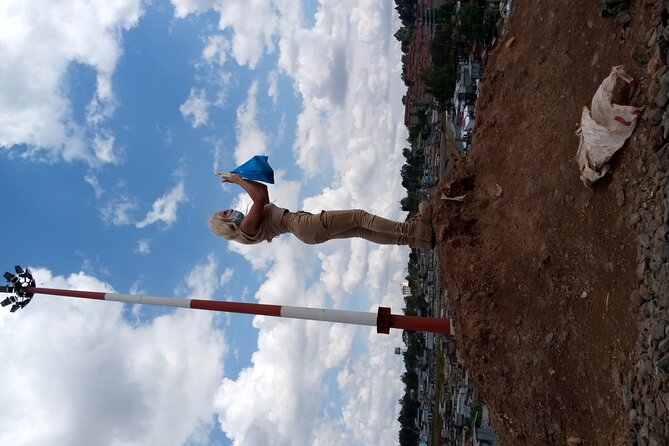
One of the tour’s most personal elements is the chance to enter a local home. Lucas has described hosting visitors at his mother’s place, and another account appreciated being welcomed into a home in the neighborhood.
This can be more meaningful than viewing housing from the outside, but it calls for tact. Let your guide handle the introduction. Ask before photographing people or interiors, and remember that a home visit is a privilege, not an entitlement.
The value here is not architectural. You are not being shown a grand house or a historical monument. You are given a small window into how people organize domestic life in a crowded setting. That can make the tour feel less abstract, especially if you take time to listen rather than simply point a camera.
The interaction may also be limited. This is a private tour, but it does not mean every person you pass will want to talk. The most respectful visit is one that accepts that boundary.
Same base, a completely different sort of day:
- Nairobi National Park Half-Day Tour; Free Wi-Fi connection
★ 5.0 · 878 reviews - Nairobi: National Park & Optional Elephants & Giraffe Center
★ 4.8 · 874 reviews - NAI NAMI: Nairobi Storytelling Tour with Street Children
★ 5.0 · 792 reviews - Nairobi National Park Half-Day Game Drive
★ 4.5 · 738 reviews
Hope and Shine Kibera Centre
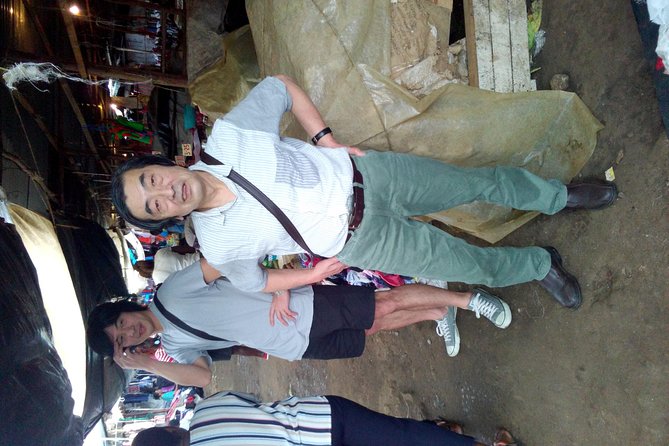
The stop at Hope and Shine Kibera Centre gives the tour an educational focus. The center is connected with children and community support, and some visitors have described spending time at a school project there.
You may be invited to sign a guest book or make a donation. The donation is not included in the $35 tour price, so bring extra money only if you are comfortable contributing. Ask what the funds support, and decide for yourself. You should never feel obliged to donate simply because you have entered a project.
This stop matters because it shifts the story from what Kibera lacks to what residents are building. Education projects require local effort, and seeing one gives you a clearer idea of how community groups respond to gaps in public services.
At the same time, keep your expectations realistic. This is not a full school visit with a long educational program listed in the schedule. It is one part of a walking tour. The exact activities may vary, and the available information does not promise a particular classroom presentation or performance.
What the tour gets right about daily life

The strongest part of this experience is its focus on ordinary work and problem-solving. Lucas has been praised for explaining the history of the area and for showing both its difficulties and its positive sides. The tour can include local artists, small businesses, women’s initiatives, schools, and residents who have created practical answers to hard conditions.
That approach helps you avoid a one-note picture of Kibera. You see poverty, but you also see skill and effort. You meet people who are earning a living, educating children, and improving their surroundings with limited resources.
The safety element is also important. Several accounts describe feeling safe with the guide. That does not mean you should switch off your judgment. Keep valuables secure, stay with the group, and listen to local advice about photography and movement.
The guide’s local standing is a major part of the experience. Lucas is described as welcoming, compassionate, and careful about pace. Other bookings identify Elijah as the guide and describe him as respected in the community. Since the supplied information includes both names, confirm your guide when booking if meeting Lucas specifically is important to you.
Photography, children, and respectful behavior

You are allowed to take pictures, but permission should come first. Kibera is visually striking in places, with market activity, narrow lanes, and daily work unfolding close to the path. That does not make every person or home available for photography.
Children are likely to notice you. Smile, greet them, and let your guide manage interactions. Avoid turning the walk into a portrait session or treating sweets as an expected part of the visit.
A good rule is to photograph places more readily than faces, and faces more readily than private spaces only after asking. If somebody declines, move on without making an issue of it.
You should also dress for walking rather than for a polished city tour. Hiking shoes or sturdy trainers are better than sandals. One account specifically warned about muddy, slippery tracks. Comfortable clothing, a small bag, and only the money you need will make the walk easier.
Is $35 a fair price?
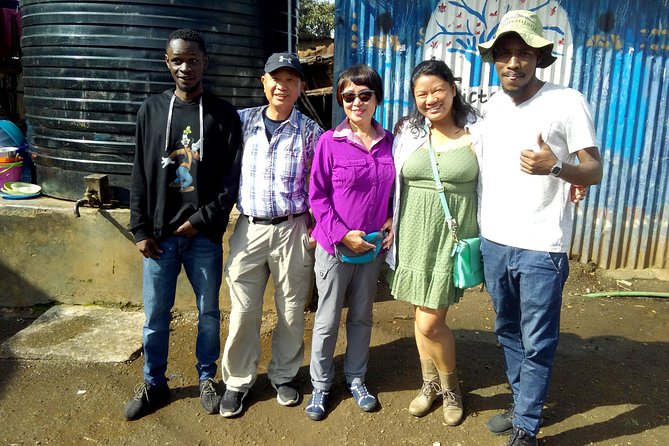
At $35 per person, the tour is not the cheapest way to spend a half-day in Nairobi, but the private format gives the price some weight. You are paying for a local guide, a small-group experience, interpretation, and access to places you would not sensibly try to navigate alone.
The value is strongest if you want conversation and context. A large group could lower the cost per person, but it would also make a home visit, school stop, or detailed question-and-answer session less personal. With a private booking, the guide can slow down for an older participant or spend more time on subjects that interest you.
Budget for possible extras. Transport to or from the meeting points is not clearly included, and one pickup arrangement cost $25. Donations at Hope and Shine Kibera Centre are optional and separate. Shopping is also separate.
For a solo visitor with limited time, the experience can fit well into a short Nairobi stay. One person even used a half-day airport transit to see part of the city beyond the airport. You should allow enough time for transport, though, and confirm the schedule before relying on the tour during a tight connection.
Who will appreciate this experience most?
I would recommend it to you if you want to understand Nairobi through local voices rather than staying only in central districts or formal attractions. It suits people who ask questions, listen well, and accept that an honest experience may be moving or uncomfortable.
It is also a good match for families with older children who can behave respectfully, solo visitors who want a local guide, and anyone interested in community-led education projects. The private format is useful for mixed-age groups because the pace can be adjusted.
This may not suit you if you want polished paths, fixed museum-style exhibits, or a tour built mainly around photography. It is also a poor fit if uneven ground is difficult for you, although the guide has shown care in helping participants who need support.
The weather policy matters. The experience requires good weather, and poor conditions can lead to a different date or a full refund. You can cancel for a full refund up to 24 hours before the start time. Cancellations or changes inside that window are not refunded or accepted.
Should you book the Kibera tour with Lucas?
Book it if you want a personal, locally guided look at Kibera that includes daily work, a market, a community center, and possibly a home visit. The strongest reasons are Lucas’s attentive guiding style, the private format, and the chance to support or learn about Hope and Shine Kibera Centre.
Before paying, confirm the guide, pickup arrangements, exact meeting point, and what is included in the price. Bring sturdy shoes, keep your camera respectful, and set aside extra money only if you choose to donate or shop.
Skip it if you are uncomfortable entering a residential community, walking on rough ground, or confronting poverty directly. For the right visitor, though, this is a thoughtful way to see Nairobi beyond its usual itinerary, provided you arrive ready to listen rather than simply look.
FAQ
How long does the Kibera tour last?
The experience lasts approximately three to four hours. The walking section may take less time, depending on the pace and the number of stops.
How much does the tour cost?
The listed price is $35 per person. Optional donations, purchases, and some transport arrangements cost extra.
Where does the tour start?
The stated starting point is Greenhouse Mall in Kilimani, at Ngong, Kenya.
Where does the tour end?
The tour ends at Equity Bank in Kibera, Nairobi. It does not end back at the starting mall.
Is this a private tour?
Yes. Only your group takes part in the activity.
Who guides the tour?
Lucas is the guide named for this experience. Some booking accounts refer to Elijah as the guide, so confirm the guide’s name before arrival if that matters to you.
Do I need special footwear?
Sturdy shoes are strongly advisable because the route can include uneven, muddy, and slippery tracks. Hiking shoes are a sensible choice.
What happens if the weather is poor?
The experience requires good weather. If it is canceled because of poor weather, you can choose another date or receive a full refund.
Just added around Nairobi
- Nairobi: Horseback Riding Tour Through Maize Plantation★ 5.0 · 3 reviews
- Nairobi: Kibera Slum Compassionate Walking Tour★ 5.0 · 4 reviews
- Nairobi: Karura Forest Guided Walking Tour★ 5.0 · 4 reviews
- From Nairobi: Horseback Wildlife Safari with Transfer & Meal★ 4.6 · 7 reviews
- Nairobi: Hidden Gems and Local Secret Guided Walking Tour★ 4.9 · 20 reviews
- Nairobi: Hop on Hop off and Maasai market Collections Visit★ 3.5 · 10 reviews
- Nairobi: Karura Forest Horseback Riding Tour★ 4.8 · 11 reviews
- Nairobi: Guided Afternoon Tour to Bomas of Kenya.★ 3.1 · 4 reviews
Cultural Village Visits, compared.

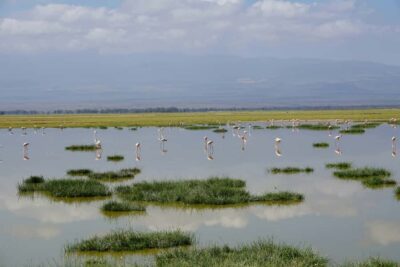
Day Tour to Amboseli National Park & Maasai Village
Read our review →


Kibera Slum Tour with Local Social Entrepreneurs
Read our review →

Giraffe Centre, Elephant Orphanage, and Bomas of Kenya Day Tour from Nairobi
Read our review →
Giraffe Center, Elephant Orphanage, Beads Center & Bomas of Kenya Tour Nairobi
Read our review →Browse the lists this tour appears in