

Reviewed · COFFEE & TEA FARM TOURS
Tea Farm Experience at Riara Tea Farm And Factory Tour
The most interesting part of the Riara Tea Farm tour is seeing tea as a working crop, not just a drink in your cup. You follow the journey from plantation to factory, meet farm staff, and see how fresh leaves are handled before they reach the required quality. I like the private format and the easy hotel pickup, and I also like that lunch, tea, water, and transport are built into the price. The main drawback is that factory admission is listed separately from the farm admission, so confirm that cost before you pay.
This is a calm, green break from Nairobi, with views toward the Ngong Hills and Yatta Plateau on a clear day. I also appreciate the personal touch: one visitor had the chance to meet the plantation owner and staff. The tour is priced at $160 per person, which is not a bargain for a short outing, but it can make sense if you value private transport, a guide, lunch, and a close look at Kenyan tea production in one package.
Key points to know before you book
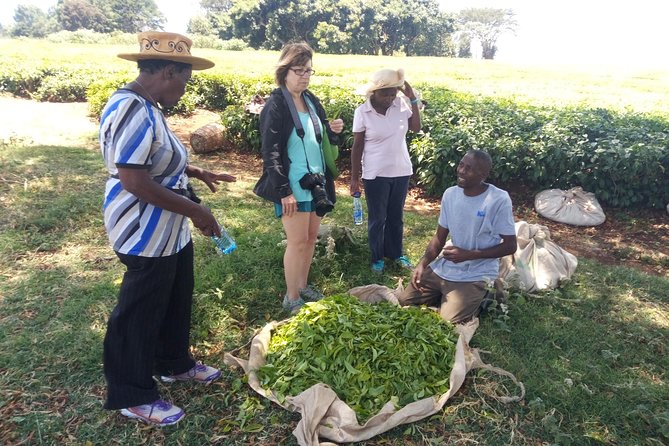
- Tea from field to factory: You learn how tea is grown, collected, processed, and brought to the required quality.
- Private sightseeing from Nairobi: Only your group takes part, with hotel pickup and drop-off included.
- A five to six-hour outing: The schedule includes the drive, farm visit, factory visit, tea break, and lunch.
- A working farm near Limuru: The route passes through Limuru Town, giving you a brief look at local daily life and small business.
- Tea and lunch are included: You receive bottled water, a fresh cup of tea, and a meal during the visit.
- Check the factory fee: Farm admission is included, but factory admission is listed as not included.
Leaving Nairobi for the tea country near Limuru

Your day begins with pickup at 9:30 a.m. from your Nairobi hotel. Since this is a private activity, you do not have to fit into a large coach group or wait for strangers at several city hotels. That matters in Nairobi, where traffic can make a simple morning transfer feel long.
The route passes through Limuru Town. This is not presented as a formal guided city tour, but you get a look at how people live and run their businesses along the way. That short roadside view adds a useful local note before you reach the farm. You are not simply being carried from hotel to attraction.
The exact driving time is not given, so keep your morning flexible. The full experience lasts about five to six hours, but the time spent on the road depends on your pickup point and traffic. If you have a flight, a timed meeting, or another major activity later that day, leave a generous cushion.
Other farm visits around Nairobi:
- Nairobi Coffee Farm and Factory Tour
★ 5.0 · 87 reviews - Nairobi to Kiambethu Tea Farm Tour
★ 5.0 · 51 reviews - Coffee Farm Village & Factory Half Day Tour with Pick-Up
★ 5.0 · 33 reviews
Walking through Riara Tea Farm
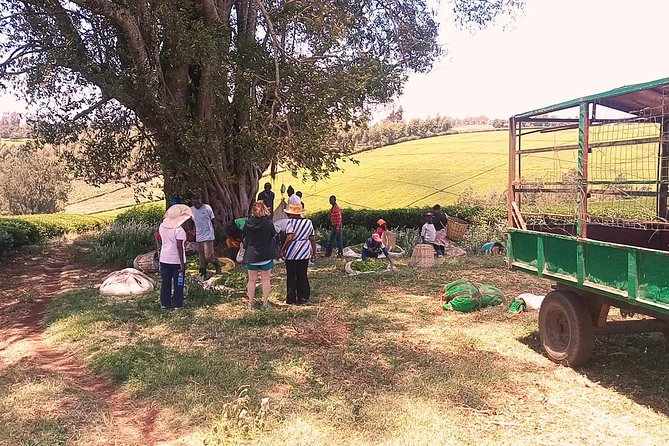
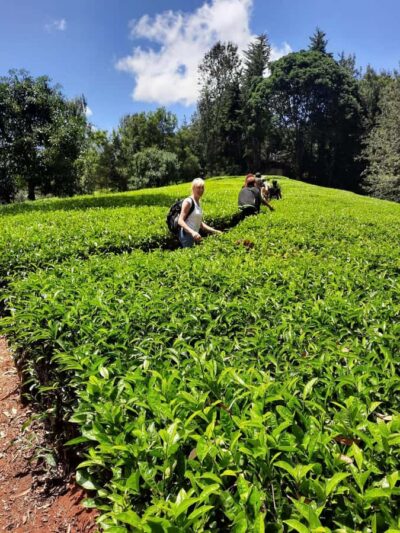
At Riara Tea Farm, your guide introduces you to the plantation and explains the work behind Kenya’s tea industry. The appeal here is the setting and the access. You see tea growing in the field, then hear how the crop moves toward processing. This gives you a better sense of the labor and care hidden inside an ordinary teabag.
The farm visit is listed at about five hours, though the overall tour is described as five to six hours. That difference suggests the schedule is approximate rather than a strict timetable. Your visit includes time for the farm, the factory, a morning tea, and lunch, so expect the day to move at an easy pace rather than feel like a quick photo stop.
The highland climate also helps explain the character of the area. One particularly useful detail from the experience is that the cool climate means snakes are not an issue at the plantation. That is not a reason to treat any farm as risk-free, but it may reassure visitors who feel uneasy about walking through agricultural fields.
You should wear comfortable shoes and clothes suitable for a farm visit. This is practical advice rather than a stated dress rule: you will be outdoors and walking around planted fields, so sturdy footwear is more useful than polished city shoes.
Meeting the people behind the plantation
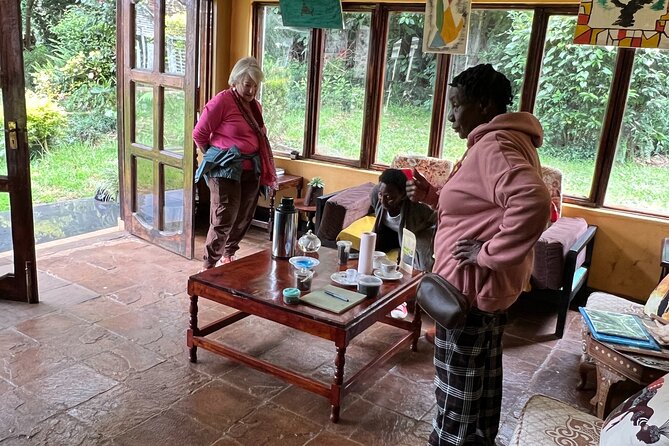
The farm visit has a personal side that a standard factory tour may not provide. The experience can include contact with plantation staff and, in at least one reported visit, the plantation owner. That kind of meeting gives the day a human face. You can connect the tea in your cup with the people who grow and manage it.
No specific guide names are provided, so I would not book this expecting a named specialist. You receive a driver-guide and a professional guide, and the value comes from their explanations on site. If you have particular questions about cultivation, harvesting, labor, or tea grading, ask them directly during the farm walk.
The private setup is useful here. You can ask questions without worrying about slowing a large group, and the guide can respond to your interests. Families, couples, and small groups will probably get more from this format than visitors who only want a quick photograph among the tea plants.
Following the leaves into the factory
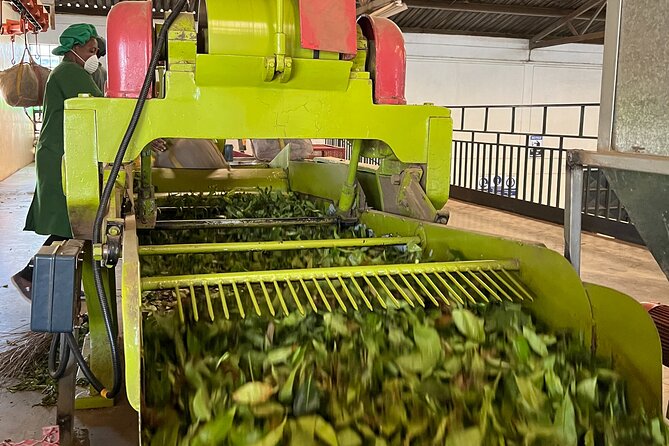
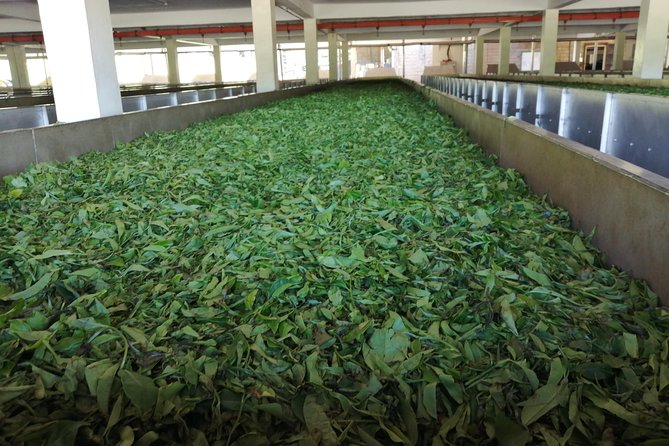
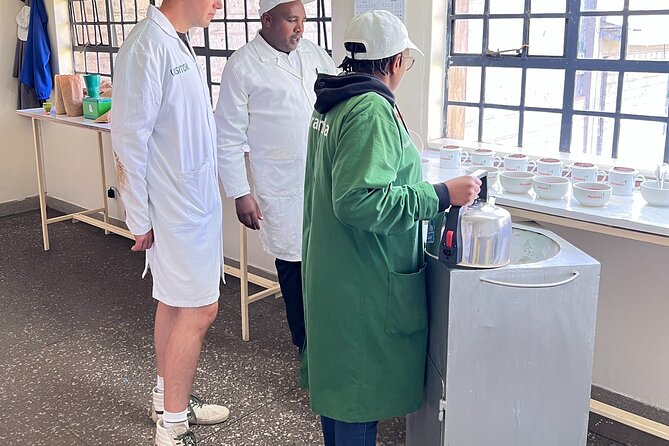
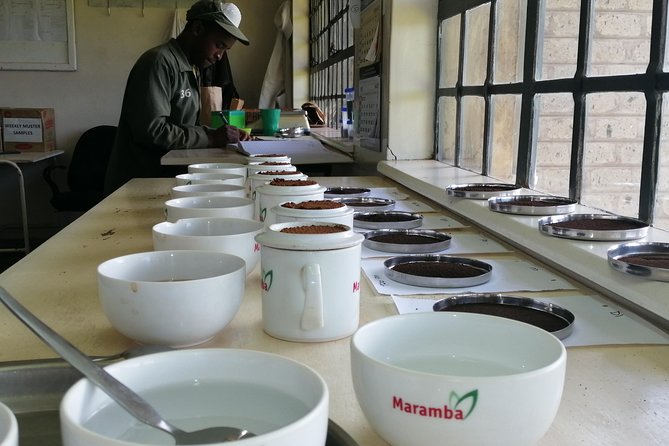
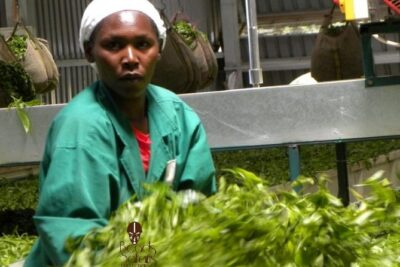
After the farm visit, you go to the factory to see what happens after the tea is collected. The factory portion covers the procedures the tea passes through before it reaches the required standard. That is the key educational point of the tour: the field is only the beginning.
The factory visit is listed as about two hours. The information provided does not name each machine or processing stage, so you should not expect a highly technical manual of tea production. Instead, expect an explanation of the general process and a chance to see the working route from collected leaf to finished tea quality.
This stop adds real value because it connects the two halves of the industry. A plantation walk alone can be pretty but incomplete. A factory visit alone can feel mechanical. Taken together, they show how farming and processing depend on each other.
There is one point you should clear up before departure. The details say farm admission is included, while factory admission is not included. At the same time, the package lists all fees and taxes as included. Because those statements do not fully match, ask Safari Port whether a factory entrance charge applies and how much it is. Do this before booking or before setting out, rather than discovering an extra charge at the gate.
A few more things to do around Nairobi worth a look
- Nairobi: Coffee Factory and Farm Tour with Transfer
★ 4.5 · 60 reviews - Private Day Trip to Kiambethu Tea Farm in Limuru from Nairobi
★ 5.0 · 31 reviews - Nairobi: Guided Coffee Farm Tour with Tastings
★ 5.0 · 24 reviews - Day Tour To Kiambethu Tea Farm in Limuru
★ 5.0 · 22 reviews
Tea, lunch, and views toward the hills
A morning tea and lunch are included. The fresh cup of tea is a simple but fitting part of the day. You have just seen where the crop begins, so tasting tea on the farm makes the drink feel less abstract.
Lunch also helps the schedule. A farm and factory visit can take several hours, and having a meal included means you do not need to plan a separate restaurant stop. The supplied information does not give a menu, so tell the operator about any dietary needs when you book rather than assuming a particular dish will be available.
The setting is one of the tour’s strongest pleasures. From the farm area, you may see the Ngong Hills and Yatta Plateau in the distance. These views depend on weather and visibility, so treat them as a welcome possibility, not a guarantee. Even without a perfectly clear horizon, the change from Nairobi’s city streets to open tea-growing country is part of the appeal.
Bottled water is included as well. That is a small detail, but it is helpful during a half-day outing, especially if you spend time walking outdoors.
What the $160 price really buys you
At $160 per person, this is an expensive day beside a simple self-guided visit to agricultural country. The price makes more sense when you count the package as private transport, hotel pickup and return, a driver-guide, a professional guide, farm access, tea, lunch, bottled water, and taxes.
You are also paying for convenience. You do not have to work out transport from Nairobi, find the plantation independently, or arrange a separate meal. For a first-time visitor who wants a controlled introduction to Kenya’s tea industry, those practical benefits can be worth a premium.
The value is weaker if you are mainly seeking a short scenic stop or the lowest possible cost. The tour lasts only about five to six hours, and tea products for sale are not included. Any tea you wish to buy is an additional purchase, so bring room in your budget if shopping is part of your plan.
Group discounts are offered, but the amount is not stated. If you are booking with several people, ask for the current group rate. Since only your group participates, a small party may enjoy a more relaxed experience than on a shared excursion, while a larger party may bring the per-person price down.
Who will enjoy this farm visit most
I would recommend this experience to you if you like seeing how food and drink are produced. It gives you more than a scenic plantation walk, but it is not an advanced agricultural course. The emphasis is on seeing the farm, understanding the broad production process, and meeting the people connected with the operation.
It also suits visitors who prefer private touring. Hotel pickup and drop-off reduce the planning burden, and you can spend the day with your own group. Couples and families who want a quieter outing from Nairobi are a natural fit.
The tour is less suitable if you want a tightly timed itinerary, a long list of Nairobi sights, or a detailed factory engineering lesson. It is also not ideal for anyone who must return at a precise hour, since traffic and the day’s pace can affect the timing.
Most people can take part, according to the activity information. Still, you should ask Safari Port about any personal mobility concerns before booking, since the visit includes a farm setting and the exact walking conditions are not described.
Booking, cancellation, and small practical details
Confirmation is provided when you book, and a mobile ticket is available. The experience starts at 9:30 a.m., with hotel pickup offered. Confirm your pickup address and the factory admission detail in advance.
You can cancel for a full refund if you do so at least 24 hours before the local start time. Cancellations made less than 24 hours ahead are not refunded, and changes inside that period are not accepted.
The tour is often booked well ahead, with an average booking lead time of about 97 days. That does not mean you must reserve three months in advance, but it does suggest that early planning is sensible, especially if your Nairobi dates are fixed.
Should you book the Riara Tea Farm tour?
Book it if you want a private, easy-to-arrange look at Kenyan tea production, with farm access, factory viewing, lunch, tea, and transport handled in one day. The chance to meet farm staff and possibly the plantation owner gives the experience a personal quality that a quick roadside visit cannot match.
Skip it if $160 feels high for a half-day outing, or if you mainly want a scenic drive with no interest in the production process. Before paying, ask Safari Port to confirm the factory entrance fee, the meal arrangements, and the expected return time.
For tea lovers, curious food travelers, and visitors looking for a quieter side trip from Nairobi, this is a strong choice. Its best feature is not a single grand attraction. It is the clear connection between the tea field, the people who run it, the factory, and the cup served at lunch.
FAQ
Where does the Riara Tea Farm tour begin?
The tour offers pickup from your Nairobi hotel. The stated start time is 9:30 a.m.
How long does the experience last?
The experience lasts approximately five to six hours. The timing can include transport, the farm visit, factory visit, tea, and lunch.
Is this a private tour?
Yes. Only your group participates in the activity.
Is hotel pickup and drop-off included?
Yes. Hotel pickup and drop-off are included.
Are tea and lunch included?
Yes. The package includes coffee and/or tea, a morning tea, lunch, and bottled water.
Is the factory admission included?
The farm admission is listed as included, while factory admission is listed as not included. Since the package also mentions all fees and taxes, confirm the factory charge with Safari Port before booking.
Can I buy tea products during the tour?
Tea products for sale are not included in the tour price. Any products you purchase are separate.
Can I cancel for a full refund?
Yes, if you cancel at least 24 hours before the experience start time. Cancellations made less than 24 hours in advance are not refunded, and changes during that period are not accepted.
Just added around Nairobi
- Visit kibera Slum the chocolate city★ 4.8 · 3 reviews
- 3 days maasai mara migration safari★ 4.5 · 7 reviews
- Maasai Mara Day Trip★ 5.0 · 15 reviews
- 4 Days Tour Landcruiser in Masai Mara and Lake Nakuru★ 5.0 · 10 reviews
- 4 Days Safari to Lake Nakuru N/P and Maasai Mara N/R★ 5.0 · 18 reviews
- Day Tour to Nairobi national park, Elephants, and Giraffe Center★ 3.5 · 8 reviews
- Wildebeest Migration in Masai Mara and Sightseeing 4 Days Tour★ 4.5 · 6 reviews
- Vegans special safari★ 4.5 · 4 reviews
Coffee & Tea Farm Tours, compared.


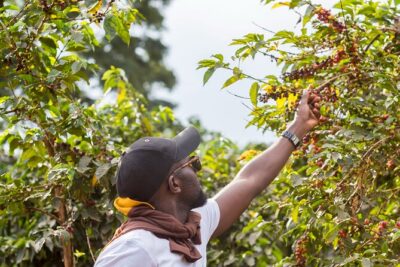
Coffee Farm Village & Factory Half Day Tour with Pick-Up
Read our review →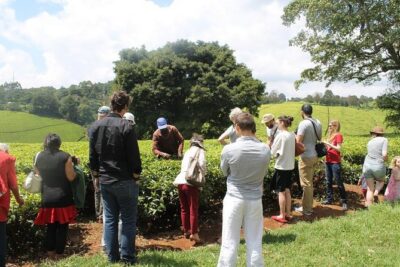
Private Day Trip to Kiambethu Tea Farm in Limuru from Nairobi
Read our review →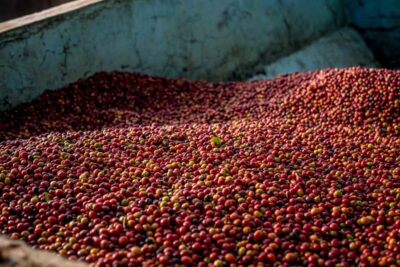
Browse the lists this tour appears in