
Reviewed · CULTURAL VILLAGE VISITS
Private Tour in Kibera the Largest Slum
Kibera is not presented as a spectacle of poverty on this four-hour private tour. You enter the community with local guide Rally, see how people work and live, and finish at a school supported by the tour. The day includes an old railway, a home visit, bone recycling, football, matatu transport, a market, and traditional dance.
I like two things right away: the small private format, which allows you to ask questions without holding up a busload of people, and Rally’s personal connection. He grew up in Kibera, became a teacher, and helps run a school for children facing challenges. The main consideration is that this is a close look at real homes, children, and difficult living conditions, so you need to arrive with humility and respect rather than a camera-first attitude.
Key points at a glance
- Local guide Rally: He grew up in Kibera and now works as a teacher and school leader.
- Four-hour private visit: Your own group takes part, with flexible pickup arrangements.
- Inside-community access: The route includes a household, school, bone-recycling work, football, and a local market.
- A school-centered purpose: Agape Hope for Kibera is supported, with traditional dance presented by the school.
- Useful transport experience: You can ride a matatu, Nairobi’s familiar form of public transportation.
- Very low price: At $15 per person, this offers a lot of contact and activity for very little money.
What this Kibera tour is really about
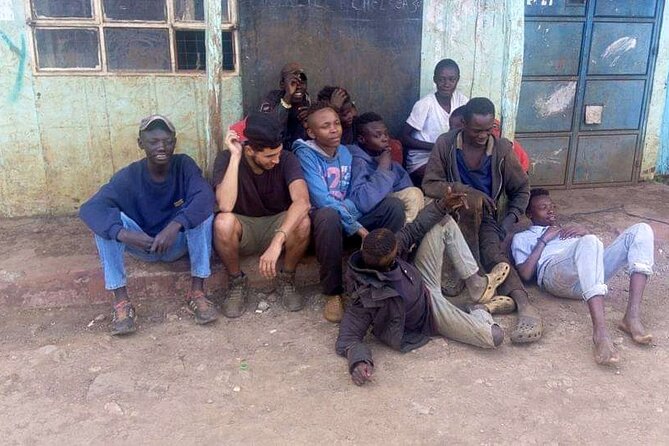
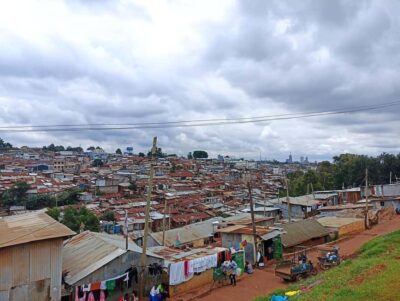
Kibera is often reduced to a headline about poverty. This experience tries to correct that narrow view by showing a working community made up of people from different cultural backgrounds who live together, earn money, raise children, worship, study, and build local networks.
That does not mean the difficult parts disappear. You will see conditions that may be unfamiliar and uncomfortable. The tour’s stated aim is to focus on resilience and human dignity rather than treating hardship as entertainment. I find that distinction important, but your own conduct matters just as much as the guide’s intention.
The private format helps. You are not being marched through in a large crowd, and you can ask Rally about the things you see. The tour is designed for your group alone, so the pace and pickup point can be arranged between you and the operator.
At $15 per person, the value is unusually strong. You receive about four hours of guiding, bottled water, several community visits, and access to a school-based cultural program. Coffee and tea are not included, so bring that expectation down to earth. This is a community visit, not a polished sightseeing product with refreshments at every stop.
Other cultural visits around Nairobi:
- Nairobi: Explore Kibera Slum with Local Guides
★ 4.9 · 365 reviews - Nairobi: Day Tour to Amboseli National Park & Maasai Village
★ 4.5 · 310 reviews - Masai village Day Tour Experience
★ 5.0 · 284 reviews
Starting beside the old railway
The tour begins at Olympic Primary School, with the route described as starting near the old railway. This railway was brought by the British in 1805, and it gives the visit a physical starting point tied to Nairobi’s earlier development.
Do not expect a long railway lecture or a museum-style presentation. The value here is the setting. You begin with a piece of infrastructure and then move into the daily life around it. Rally can help connect the old line with the present-day community, giving you a sense of how history and ordinary life sit side by side.
The meeting point is practical rather than scenic. Confirm the pickup details before the day, since the pickup point is flexible and the listed start is Olympic Primary School. The tour ends at Toi Main Market, not where it begins, so plan your next stop from that side of Kibera.
Entering a real household
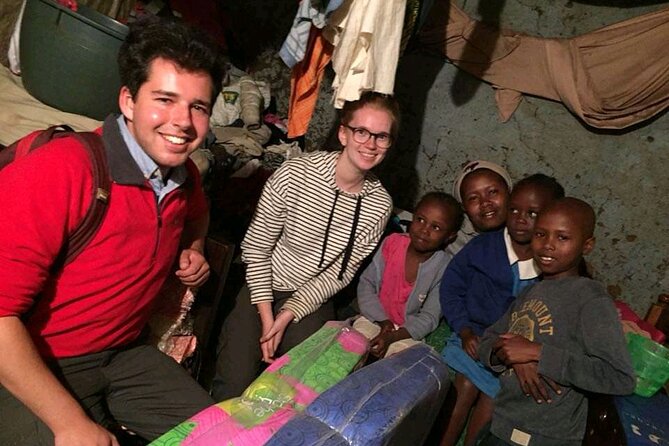
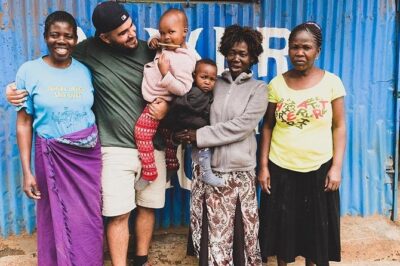
The homestead visit is one of the most personal parts of the route. You can meet local people in their home and see the materials used in the household. That offers something a standard city tour cannot: a look at domestic life rather than only public streets and landmarks.
This is also the point where good manners count most. Ask before taking photographs, listen carefully, and let the guide manage introductions. A home is not a display case. You are being invited into someone’s living space, and the best experience comes from treating that invitation as a human exchange.
For me, this stop gives the tour its strongest sense of purpose. Markets and streets show how a community functions in public. A home shows how people organize private life with the materials and space available to them. The details may be simple, but they can tell you more than a broad speech about poverty ever could.
Seeing bones become useful objects
The bone-recycling stop adds an unexpected working side to the visit. You can see discarded bones being recycled into ornaments, creating a source of employment and useful products.
This is more than a quick craft demonstration. It shows how local work can turn an unwanted material into income. It also gives you a chance to understand that Kibera is not only a place people pass through or receive aid. People make, sell, teach, play, and find ways to earn.
You might find souvenirs connected to this work, though the supplied details do not specify what is available for purchase. If you do see ornaments for sale, buying directly can be a practical way to support the person who made them. Ask about prices rather than assuming anything is included in the tour fee.
A few more things to do around Nairobi worth a look
- Hell’s Gate National Park Private Bike Tour from Nairobi
★ 5.0 · 192 reviews - 3 days Masai Mara on Private 4×4 Land Cruiser
★ 5.0 · 130 reviews - Safe and Private Airport transfer in Nairobi
★ 5.0 · 76 reviews - Ultimate 12 Days Private Safari Tour in Kenya and Tanzania
★ 5.0 · 60 reviews
Visiting the school and meeting children
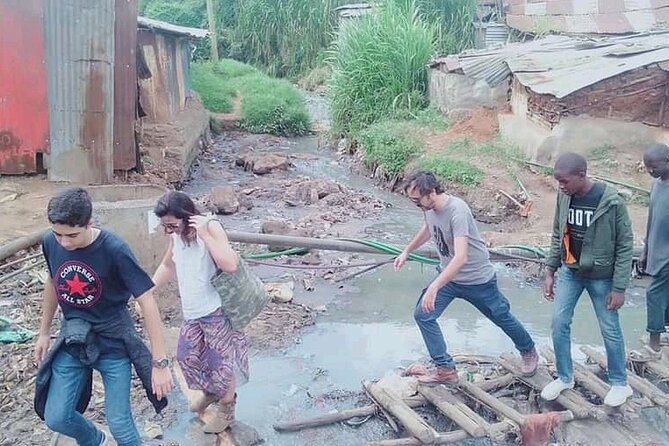
The tour includes a school for orphans and a visit connected with Agape Hope for Kibera. Rally’s background matters here. He grew up in Kibera, later became a teacher, and now helps run a school for children with challenges.
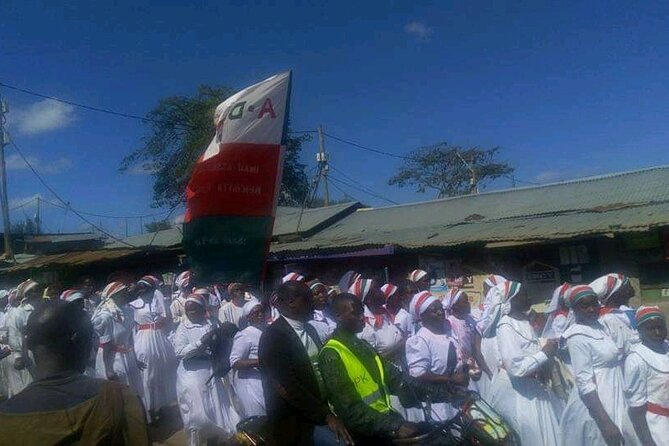
This school visit gives the day a clear social purpose. You are not simply looking at hardship and then leaving. The route points toward an existing local effort focused on children and education. Traditional dances from the school are part of the program, and you may be invited to watch or join in.
Children can take part in the tour from age five, according to the booking details. Still, parents should prepare them in advance. Explain that they will see a real school and meet children whose lives may be different from theirs. Encourage polite questions, but avoid turning children into photo subjects or asking them to perform on demand.
The dance program is described as edutainment, a mix of learning and performance. That can be a lively change of pace after the more serious household and school stops. It also gives you a chance to take part rather than remaining an observer throughout the day.
Playing football with a local team

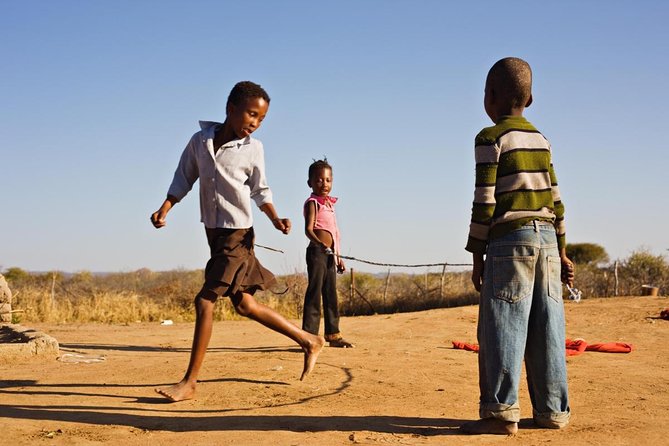
Football provides the tour’s most direct social exchange. You can play with a local football team, which gives the visit an easy shared activity even if you do not have much in common on paper.
You do not need to treat this as a serious match or arrive expecting organized competition details. The point is participation. If you are comfortable joining in, football can break down the stiffness that sometimes comes with a guided community visit. If you prefer to watch, that should also be fine, but ask Rally how the group will take part.
This stop is especially useful for families and younger participants. It offers a simple way to connect without relying on a long conversation. It also keeps the tour from becoming too solemn. Kibera is a place of struggle, but it is also a place where people play and enjoy themselves.
Riding a matatu through Nairobi
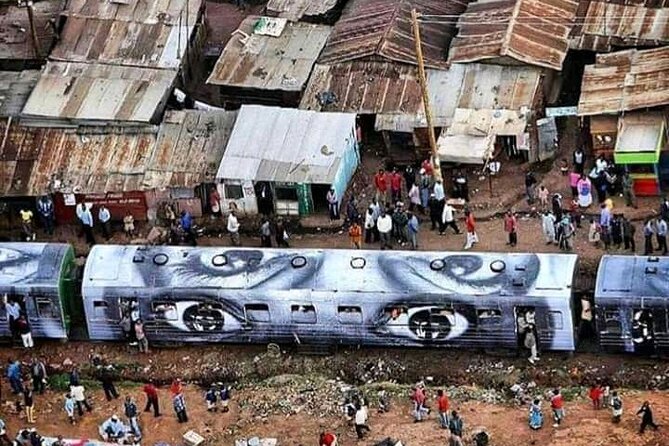
A matatu is a common form of public transportation in Kenya, and the tour includes the chance to use one. This is a small but worthwhile detail because it moves you from talking about daily life to experiencing one ordinary part of it.
The supplied details do not specify the route, fare, or exact length of the ride. Treat it as a local transport experience included in the wider visit, not as a separate sightseeing journey. Keep your belongings secure and follow Rally’s instructions when boarding and leaving.
For someone who has only used private cars or organized transfers in Nairobi, a matatu adds useful context. It shows how people get around and gives the tour a more everyday feel. The tradeoff is that public transport is less controlled than a private vehicle, so the schedule may feel less tidy than a standard city excursion.
Finishing at Toi Main Market

The route ends at Toi Main Market, where you can see goods sold within the community. This makes a sensible final stop because a market brings together work, shopping, social contact, and local trade.
You can use the market to get a wider view of Kibera after visiting individual homes, a school, and a workshop. The day begins close to the old railway and ends in a commercial setting, creating a useful arc from infrastructure to household life to community trade.
The market is also practical for your onward plans. Since the end point is different from the start, you can continue from Toi Main Market rather than returning to Olympic Primary School. If you need to collect luggage or meet a driver elsewhere, arrange that before the tour.
How Rally changes the experience
A local guide can make or break a community tour. Rally’s background is central here. He grew up in Kibera, became a teacher, and helps with a school for children facing challenges. That gives him a personal link to the places and people you meet.
The strongest praise attached to this experience focuses on Rally’s explanations, kindness, professionalism, and ability to help people feel safe during the visit. I would still recommend asking clear questions and stating your comfort level. A good guide can explain what you are seeing, but you remain responsible for listening and behaving thoughtfully.
The guide’s role is not only to point out sights. He helps translate the setting, introduces you to people, explains local work, and connects the tour to education. That is why the experience feels different from simply walking through Kibera with a map and a camera.
Price, timing, and who gets the best value
Four hours for $15 per person is excellent value if you want direct community contact in Nairobi. The cost covers the guided experience and bottled water, while coffee and tea are extra or unavailable as part of the package. The price is low enough to suit budget visitors, but you should not read that as a promise of a lightweight outing.
This is a full half-day with several stops. You may spend time listening, walking, visiting a home, meeting children, seeing craft work, taking part in football, using a matatu, and watching traditional dance. The exact pace may depend on introductions and local activity, so leave room around the four-hour estimate.
The tour is booked, on average, 17 days ahead. That suggests you should not wait until the last minute if your Nairobi dates are fixed. Confirmation arrives at booking, and pickup can be arranged flexibly. The meeting point is Olympic Primary School, with the final stop at Toi Main Market.
The experience is suitable for most people, and children from age five can join. I would recommend it most to adults, families with mature children, students, photographers who can work respectfully, and anyone who wants to understand Nairobi through local life rather than only major attractions.
Practical conduct for a respectful visit
A few simple choices can improve the day:
- Ask permission before photographing people, homes, children, or school activities.
- Wear comfortable clothing and shoes suited to four hours of walking and public transport.
- Bring water beyond the included bottle if you need more during the day.
- Listen to Rally’s guidance about where to walk and how to interact.
- Do not assume that poverty gives you permission to inspect private life.
- If you buy an item, ask who made it and pay the requested price without haggling aggressively.
The point is not to hide difficult conditions. It is to see people as more than those conditions. You can be curious and still be respectful. In fact, the quality of your questions often matters more than the number of photographs you take.
Weather, cancellation, and family planning
The experience requires good weather. If poor weather causes cancellation, you are offered another date or a full refund. You can cancel for a full refund up to 24 hours before the start time. Cancellations or changes made inside that 24-hour window are not refunded or accepted.
For families, the minimum listed age is five. The private setup is useful because your group does not have to match the pace of strangers. Even so, the subject matter may be serious for young children, so decide based on your child’s maturity rather than age alone.
Should you book this Kibera experience?
I would book it if you want a low-cost, people-focused visit that treats Kibera as a living community rather than a poverty display. The combination of Rally’s personal background, a real household, bone recycling, school work, football, matatu transport, traditional dance, and Toi Main Market gives you a fuller picture than a quick roadside look.
I would skip it if you want a polished sightseeing route, guaranteed comfort, or a tightly timed schedule with no emotionally difficult moments. This tour asks you to pay attention, accept some uncertainty, and behave with care.
For the right visitor, $15 buys far more than four hours of guided walking. It gives you a chance to meet people through work, education, sport, transport, and culture. That is the reason to book, not the label of largest slum.
FAQ
How long is the Kibera tour?
The experience lasts about four hours, including the visits and activities in Kibera.
Where does the tour start?
The listed starting point is Olympic Primary School in Nairobi, Kenya. Pickup arrangements are flexible between you and the operator.
Where does the tour end?
The tour ends at Toi Main Market, where you can see goods sold within the community.
What is included in the price?
Bottled water is included. Coffee and tea are not included.
Can children join the tour?
Yes. The listed minimum age for children is five years.
What happens if the weather is poor?
The experience requires good weather. If it is canceled because of poor weather, you are offered a different date or a full refund.
Just added around Nairobi
- Nairobi: Horseback Riding Tour Through Maize Plantation★ 5.0 · 3 reviews
- Nairobi: Kibera Slum Compassionate Walking Tour★ 5.0 · 4 reviews
- Nairobi: Karura Forest Guided Walking Tour★ 5.0 · 4 reviews
- From Nairobi: Horseback Wildlife Safari with Transfer & Meal★ 4.6 · 7 reviews
- Nairobi: Hidden Gems and Local Secret Guided Walking Tour★ 4.9 · 20 reviews
- Nairobi: Hop on Hop off and Maasai market Collections Visit★ 3.5 · 10 reviews
- Nairobi: Karura Forest Horseback Riding Tour★ 4.8 · 11 reviews
- Nairobi: Half-Day Game Drive at Nairobi National Park★ 5.0 · 5 reviews
Cultural Village Visits, compared.

Day Tour to Amboseli National Park & Maasai Village
Read our review →

Kibera Slum Tour with Local Social Entrepreneurs
Read our review →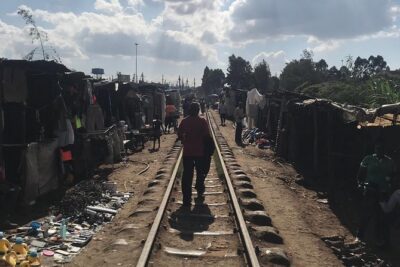

Giraffe Centre, Elephant Orphanage, and Bomas of Kenya Day Tour from Nairobi
Read our review →Browse the lists this tour appears in