
Reviewed · CULTURAL VILLAGE VISITS
Masai village Cultural afternoon Experience
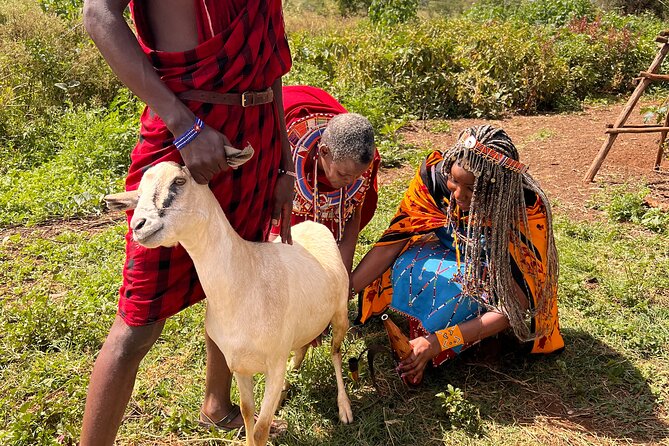
The most worthwhile part of this outing is the chance to learn directly from a Maasai community rather than simply watch a staged dance and leave. You’ll spend time with women preparing food, cooking, making necklaces and wristbands, and handling everyday tasks such as milking goats. You may also see a mud-thatched home from the inside and learn how a small village works.
I like the hands-on cultural lessons and the fact that this is a private tour, so your group can set the pace and ask questions. I also like the added stop at Bisil Cattle Market, which gives you a look at local trade beyond the village visit.
The main consideration is the long road time. The village is about two hours from Nairobi, and the entire outing lasts roughly five to six hours, so this is a better choice for someone who wants a focused cultural excursion than for someone seeking a quick city activity.
Key points to know before booking
- A two-hour drive leads to a personal village visit, with time for cooking, beadwork, goat milking, and questions.
- Bisil Cattle Market is mainly a Friday stop, so the market portion depends on the day you choose.
- Private touring keeps the visit flexible, with only your own group taking part.
- Traditional entertainment includes a Maasai warrior dance, adding a lively welcome to the educational visit.
- The $120 price includes transport and guiding, but not lunch, food, or drinks.
- The tour supports the community you visit, according to the experience description.
Meeting Maasai life beyond a photo stop
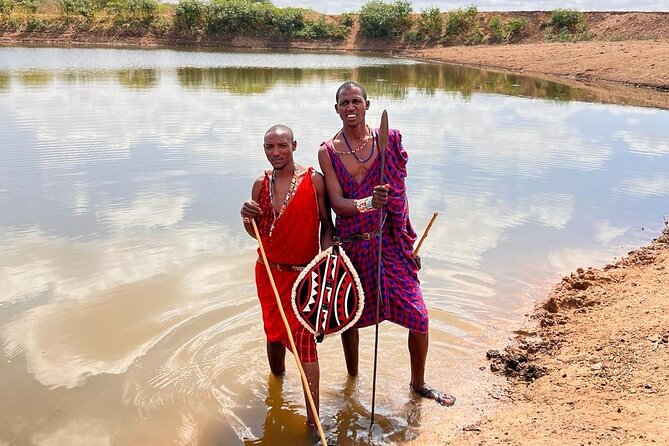
This afternoon outing is built around contact with daily Maasai life. The Maasai have traditionally lived with cattle and smaller livestock, moving through parts of Kenya and Tanzania. Much of their traditional territory now overlaps with national parks, so a village visit can add human context to a safari.
You are not simply being driven to a viewpoint. The focus is on household skills and community life. You can learn how women prepare food, see how meals are cooked, watch necklaces and wristbands being woven, and learn how goats are milked. These details matter because they show how ordinary work supports a family and village.
I appreciate that the activity includes more than one angle on Maasai culture. The warrior dance offers the visual welcome many people expect, but the cooking, beadwork, livestock, and home visit give you a better sense of life after the performance ends.
The visit also carries a financial purpose. Part of the tour funds goes toward supporting the community you visit. That does not turn the outing into a charity visit, but it is a useful point to consider when comparing it with a quick stop that offers little direct benefit to local residents.
Other cultural visits around Nairobi:
- Nairobi: Explore Kibera Slum with Local Guides
★ 4.9 · 365 reviews - Nairobi: Day Tour to Amboseli National Park & Maasai Village
★ 4.5 · 310 reviews - Masai village Day Tour Experience
★ 5.0 · 284 reviews
The two-hour road from Nairobi to Kajiado County
The drive takes about two hours each way to the village area, with the main visit lasting about four hours. Pickup and drop-off at your hotel are included, which makes the trip easier to manage from Nairobi.
This is not a compact excursion. By the time you add the return drive, the coffee and lunch break stop, the village visit, and the market visit when available, you should allow about five to six hours. A noon start puts the main activity into the afternoon, so check your plans for the rest of the day before booking.
Your driver-guide handles the transport and guiding. The guide name connected with this experience is Moses, also written as Mwose in the supplied information. Moses has been described as accommodating and well informed about the visit, which is especially useful when a cultural outing depends on explanation rather than sightseeing alone.
The road time can be a drawback if you have only one day in Nairobi. On the other hand, a private vehicle and hotel pickup remove the need to arrange separate transport to Kajiado County. For a group, that convenience adds real value to the price.
Cooking, beadwork, and the work behind village life
The village visit gives you several ways to take part. Women from the community demonstrate food preparation and cooking, and you can learn how meals are made. The information does not promise a full cooking class, so think of this as a lesson and demonstration rather than a guaranteed meal-making workshop.
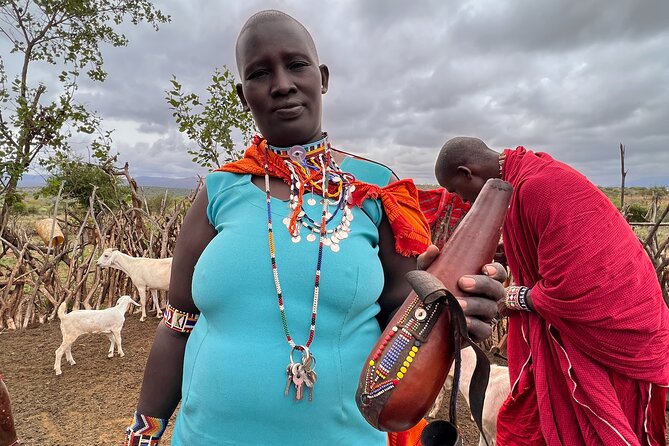
Beadwork is another central activity. You can watch necklaces and wristbands being woven and learn about the work involved in making them. These pieces also form part of the shopping side of the visit, giving you a chance to buy a locally made item if something appeals to you.
The goat-milking lesson adds a practical touch. Cattle and smaller livestock are important to the community, and seeing how goats are handled connects the village setting to everyday household needs. This is the sort of simple activity that can make the visit feel more personal than a short ceremonial welcome.
You should approach these demonstrations with curiosity and patience. The value comes from listening and asking sensible questions, not from rushing through a checklist of activities. Since this is a private outing, your guide can help explain what is happening and give your group room to spend more time on the subjects that interest you.
Entering a mud-thatched Maasai home

A particularly memorable part of the visit may be the chance to look inside a small mud-thatched house. The home is described as tiny, with the basic parts of daily life arranged within a very limited space.
I find this useful because it shifts the visit from an outdoor display to a closer look at how people organize family life. You may see how a house combines storage, sleeping, and household functions, though the exact presentation can depend on the community and the day of your visit.
Remember that you are entering someone’s living space, not a museum room. Follow the instructions of the community members and guide, ask before taking photographs, and keep the tone respectful. A little care makes the exchange more comfortable for everyone.
The home visit also helps correct a common misunderstanding. Maasai life is not only about ceremonial clothing, dancing, or cattle. It includes cooking, craftwork, shelter, livestock care, trade, and decisions about how to use limited resources.
Same base, a completely different sort of day:
- Nairobi National Park Half-Day Tour; Free Wi-Fi connection
★ 5.0 · 878 reviews - Nairobi: National Park & Optional Elephants & Giraffe Center
★ 4.8 · 874 reviews - NAI NAMI: Nairobi Storytelling Tour with Street Children
★ 5.0 · 792 reviews - Nairobi National Park Half-Day Game Drive
★ 4.5 · 738 reviews
Warrior dancing and the welcome at the village
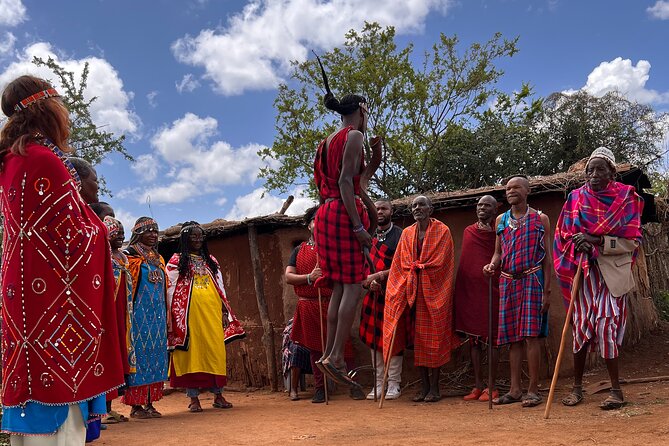
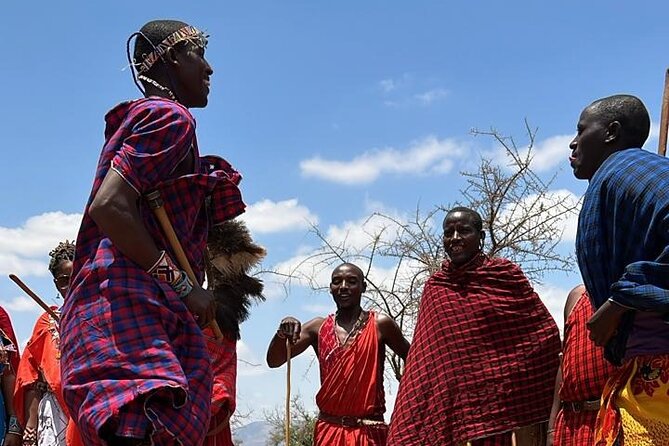
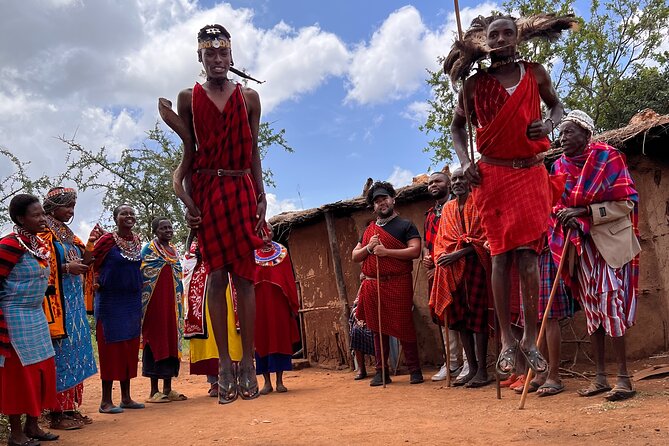
Traditional entertainment forms part of the arrival. Maasai warriors welcome the group with a war dance, creating a lively opening before the quieter demonstrations begin.
This portion is likely to be the most theatrical part of the afternoon. It gives you a clear cultural presentation, but it should not be the only reason you choose the tour. The strongest parts of the outing are the exchanges that follow, when you can learn about food, crafts, livestock, and the home.
I like the balance between performance and conversation. The dance gives the group a shared starting point, while the later activities allow for more direct contact. If you are bringing children, this may help hold their attention before the cooking and craft lessons begin.
Children must be accompanied by an adult. Most people can take part, but the description does not provide a specific age range, so families with very young children should ask the provider about the practical fit before booking.
Bisil Cattle Market, especially on Fridays
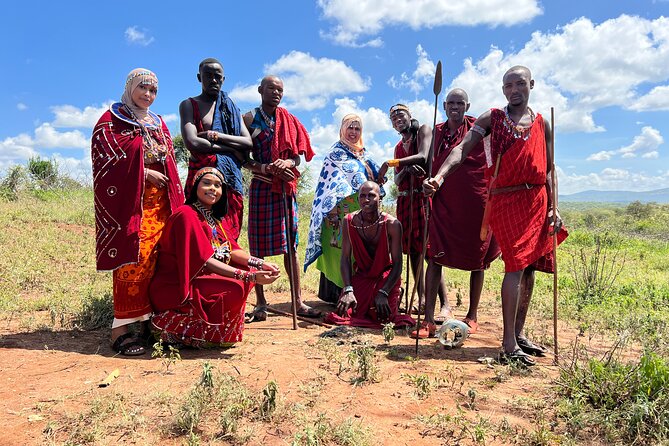
The second major stop is Bisil Cattle Market. The market operates mostly on Fridays, making the day of the week important. On a Friday visit, you may see local cattle trading and get a broader look at commerce in the area. On another day, the market portion may not offer the same activity.
The market adds useful context. At the village, you learn about household life and cultural practices. At Bisil, you see the economic side of livestock, which has long been central to Maasai communities.
The stop is listed as about 30 minutes, so expect a short visit rather than a long market tour. It is enough time to look around and understand the setting, but not enough for an extended shopping session or detailed cattle-buying lesson.
There is also mention of a shopping town as part of the day. The exact shops and available goods are not specified, so treat this as an opportunity rather than a promised retail program. If buying beadwork matters to you, ask your guide when and where purchases are appropriate.
What the $120 price covers
At $120 per person, this is not the cheapest way to spend an afternoon near Nairobi. The price includes a private tour, driver-guide, hotel pickup and drop-off, entertainment, and all listed fees and taxes.
The private format is the key value point. Your group is not combined with other people, and that can make a cultural visit feel less rushed. It also means you are paying for the vehicle and guide service even if you are traveling with only a small number of people.
Lunch is not included. Food and drinks are also excluded, although the day includes a coffee and lunch break stop. You should budget for anything you buy during that stop and carry whatever refreshments you need, subject to the provider’s instructions.
Group discounts are offered, which may improve the price for families or larger private parties. The value is strongest if you want transport from Nairobi, a guide, and a community visit in one booking. It is less compelling if you only want a brief dance performance or a short shopping trip.
Who will get the most from this afternoon
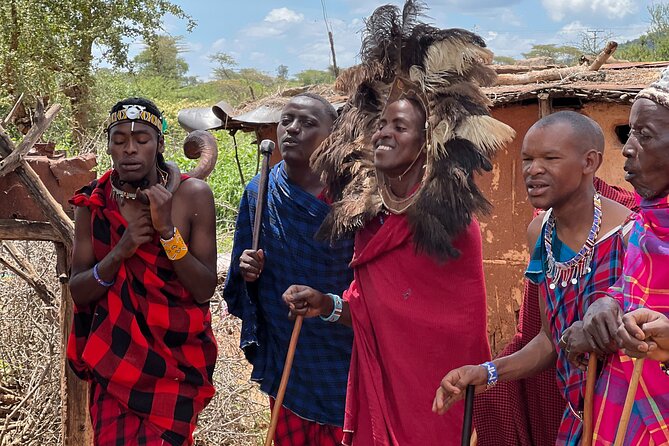
I would choose this outing if you want to understand everyday Maasai life and are willing to give most of an afternoon to the journey. It suits people who enjoy asking questions, watching practical demonstrations, and seeing how culture connects to work and family life.
It is also a sensible add-on to a Kenya trip focused on wildlife. A safari shows animals and open country. This visit gives you a chance to meet people whose traditional lands overlap with many of the places associated with safari travel.
Families can consider it, provided children stay with an adult and are ready for the two-hour drive. The warrior dance may appeal to younger visitors, while beadwork, cooking, and the home visit offer more thoughtful activities for older children.
I would think twice if you dislike long drives, have a tight Nairobi schedule, or expect a polished museum-style presentation. This is a community visit with a mix of demonstration, entertainment, shopping, and local trade. The exact rhythm can depend on the day and on what is happening in the village.
Practical details that affect your day
The listed start time is 12:00 pm. Pickup is offered, but you should confirm the exact pickup point and time when booking. Confirmation is provided at the time of booking, and the experience is available as a mobile ticket.
Free cancellation is available if you cancel at least 24 hours before the local start time. Changes or cancellations made inside that 24-hour window are not accepted for a refund.
The tour is private, so only your group takes part. That makes it easier to keep questions flowing and avoid being lost in a large crowd. It also puts more responsibility on you to engage respectfully with the community.
The experience provider is Safari Port. The overall rating supplied for the activity is 4.7 from three ratings, with particular praise directed toward the warm welcome, the educational value, the warrior dance, the mud-house visit, and Moses or Mwose as a considerate guide.
Should you book the Maasai village afternoon?
Book it if you want a direct cultural encounter that includes ordinary work as well as traditional presentation. The strongest reasons are the cooking lesson, beadwork, goat milking, home visit, and private transport. Add Bisil on a Friday if the cattle market matters to you.
Skip it if you want a short activity close to central Nairobi or if your schedule cannot spare about five to six hours. Also remember that lunch is extra and the road to the village takes about two hours.
For the right person, the $120 cost buys more than a performance. It buys time, transport, a guide, and an opportunity to see how Maasai culture connects to food, crafts, livestock, shelter, and trade. That broader view is the real reason to go.
FAQ
How long does the Maasai village cultural afternoon last?
The experience lasts approximately five to six hours. The drive to the village takes about two hours, and the main village visit is listed as four hours.
What time does the tour start?
The listed start time is 12:00 pm.
Is hotel pickup included?
Yes. Hotel pickup and drop-off are included.
Is this a private tour?
Yes. Only your group participates in the activity.
What activities take place in the Maasai village?
You can learn about food preparation and cooking, watch necklaces and wristbands being made, learn how goats are milked, visit a mud-thatched home, and enjoy traditional entertainment.
Is lunch included in the price?
No. Lunch, food, and drinks are not included. A coffee and lunch break stop is included in the day.
When can I visit Bisil Cattle Market?
Bisil Cattle Market operates mostly on Fridays. The market stop is listed as approximately 30 minutes.
Are children allowed to join?
Yes, but children must be accompanied by an adult. Most people can participate.
Can I cancel for a full refund?
Yes, if you cancel at least 24 hours before the local start time. Cancellations or changes made less than 24 hours before the start are not accepted for a refund.
Just added around Nairobi
- Visit kibera Slum the chocolate city★ 4.8 · 3 reviews
- 3 days maasai mara migration safari★ 4.5 · 7 reviews
- Maasai Mara Day Trip★ 5.0 · 15 reviews
- 4 Days Tour Landcruiser in Masai Mara and Lake Nakuru★ 5.0 · 10 reviews
- 4 Days Safari to Lake Nakuru N/P and Maasai Mara N/R★ 5.0 · 18 reviews
- Day Tour to Nairobi national park, Elephants, and Giraffe Center★ 3.5 · 8 reviews
- Wildebeest Migration in Masai Mara and Sightseeing 4 Days Tour★ 4.5 · 6 reviews
- Vegans special safari★ 4.5 · 4 reviews
Cultural Village Visits, compared.

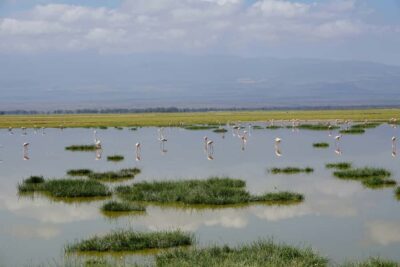
Day Tour to Amboseli National Park & Maasai Village
Read our review →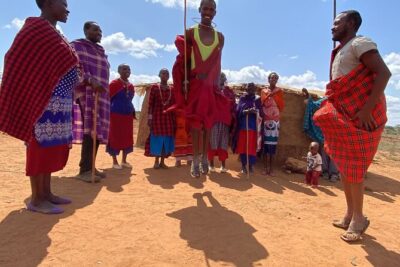

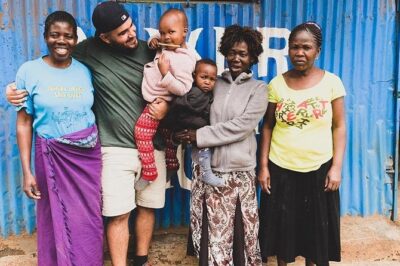
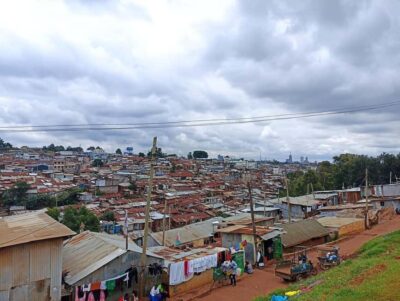
Kibera Slum Tour with Local Social Entrepreneurs
Read our review →
Giraffe Centre, Elephant Orphanage, and Bomas of Kenya Day Tour from Nairobi
Read our review →Browse the lists this tour appears in