
Reviewed · COFFEE & TEA FARM TOURS
Nairobi Coffee Farm and Factory Tour
Kenya’s coffee story becomes much clearer when you leave Nairobi’s streets and walk among the coffee trees. At Fairview Coffee Estate, you follow the bean from growing and harvesting through grading, drying, processing, roasting, and tasting. The farm sits about 20 minutes from central Nairobi, so you get a country setting without giving up most of your day.
I especially like the private format, since you can move at your own pace and ask questions without a large group crowding around. I also like the farm-to-cup sequence: the tasting means more after you have seen the work behind each roast. Guides such as Moses, Obed, Ann, Elvis, James, and Tim have been singled out for clear explanations and friendly service.
The main thing to check before paying is the admission charge. The advertised price is $98.50 per person, but the tour details also say the estate admission is not included, and one booking note identifies a $30 farm fee. Confirm the current charge before you go. The stated length also varies between two to three hours and about four hours, so allow a half day.
Key things to know before you book
- Fairview Coffee Estate is close to Nairobi: The drive is listed as roughly 20 minutes from the city center, giving you a rural break without a long transfer.
- You see the full coffee chain: The visit covers coffee trees, harvesting, grades, drying, processing, roasting, and tasting.
- Your party gets a private experience: Only you and your own group participate, with hotel pickup and drop-off included.
- The guides add real value: Moses, Obed, Ann, Elvis, James, and Tim are among the named guides praised for clear, warm explanations.
- Coffee tasting is part of the visit: Coffee, snacks, bottled water, and samples of different roasts are included.
- Confirm the final cost and duration: Admission may cost extra, and the listed timing ranges from two to three hours to about four hours.
From Nairobi streets to Fairview Coffee Estate
The tour begins with pickup from your Nairobi hotel in private transport. That matters in a city where arranging a separate taxi can add time and uncertainty, especially if you are fitting the coffee visit between other plans.
Fairview Coffee Estate is described as being about 20 minutes from central Nairobi. The short drive takes you toward a greener setting with open views and fresh country air. Your driver may also act as a guide. Tim, for example, has been praised for safe driving and useful information during the journey, while Alex was noted for explaining more about Kenya along the way.
I would not treat the transfer as a throwaway part of the booking. It gives you a look at the change from city to countryside, and private transport means you do not have to find your own way back after the tasting. Bottled water is provided, which is a small but welcome touch during a walk around the estate.
The experience is sold as a private activity, so only your own party joins. That makes it a good choice for couples, families, or small groups who want to ask plenty of questions. It also means the quality of the day may depend on the particular guide assigned to you. Several guides are named in the feedback, but you should not assume that you can select one unless the operator confirms it.
Other farm visits around Nairobi:
- Nairobi to Kiambethu Tea Farm Tour
★ 5.0 · 51 reviews - Coffee Farm Village & Factory Half Day Tour with Pick-Up
★ 5.0 · 33 reviews - Private Day Trip to Kiambethu Tea Farm in Limuru from Nairobi
★ 5.0 · 31 reviews
Walking among coffee trees and crops
The farm walk gives you the first practical answer to a question many coffee drinkers rarely ask: what does the plant look like before the bean reaches a roaster?
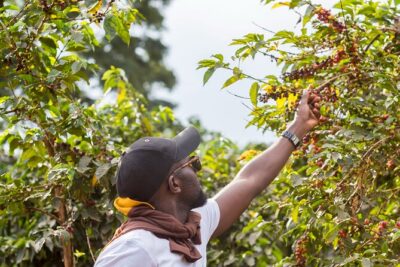
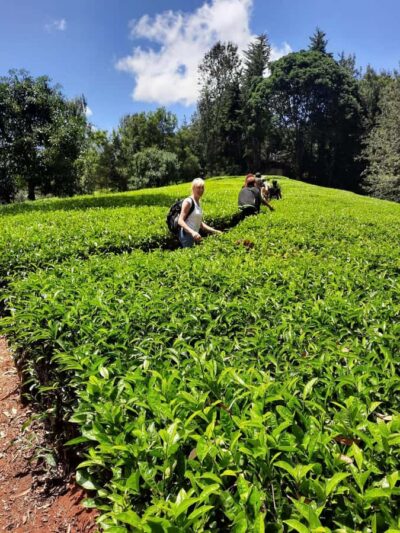
You walk through the coffee fields and see the estate as a working place rather than simply a pretty stop for photographs. The guide explains the different types of coffee beans and the way the crop is grown. At the right time of year, you may see coffee harvesting in progress, though the supplied details do not promise a particular harvest season.
This part is useful because it puts the final drink in context. Coffee can look simple in a cup, yet producing a good batch involves careful work at several stages. One visitor described learning how the beans are grown, graded, and processed, then tasting the different roasts afterward. That order is the strength of the experience: each later step makes more sense because you have already seen the earlier one.
The estate is also a pleasant change from Nairobi’s urban pace. You get green surroundings, country air, and scenic views without committing to a full-day excursion. Still, the tour is not designed as a long nature walk. The focus is coffee production, so anyone expecting extensive hiking or a broad farm tour should keep expectations in check.
Following coffee from harvest to grade
After the farm walk, the explanation turns to what happens after picking. The process includes harvesting, grading, drying, and processing. You can expect the guide to show how beans are handled and sorted before they are prepared for roasting.
The grades matter because they help explain why coffees can differ in quality, flavor, and price. One detailed visit included a look at various coffee trees, coffee bean harvesting, different coffee grades, processing, and roasting, followed by a tasting of four grades. That gives you more than a quick cup and a general talk. You get a basic working map of how Kenyan coffee moves from crop to finished product.
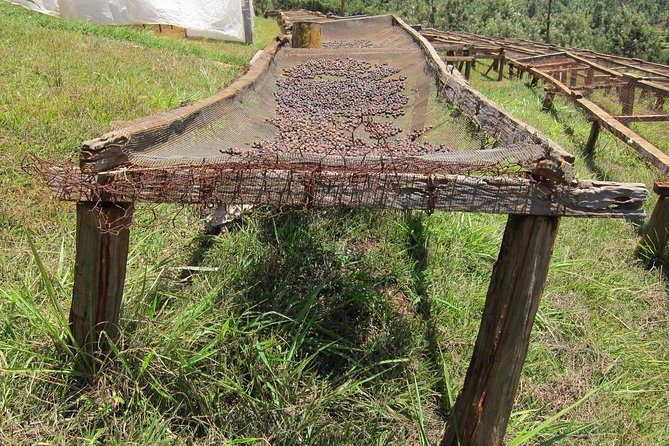
You may also see beans drying, depending on the day’s conditions and what is active at the estate. That step is easy to overlook, but it helps explain why coffee is not ready for the roaster as soon as it is picked. The guide’s job here is important. The best version of the tour is not just a walk past equipment, but a clear explanation of what each stage does.
The wording around the factory portion deserves a little care. The experience is marketed as a farm and factory tour, and the estate visit includes processing and roasting. The supplied schedule names Fairview Coffee Estate as the main stop rather than listing separate factory stops. If seeing a particular machine or production area is essential to you, ask what will be operating and open during your visit.
Roasting, brewing, and the final tasting
The tasting is the payoff, but it works because it comes at the end. After you have seen the plants and the stages of production, you can connect differences in the cup with the grades and roasts discussed earlier.
The included coffee and snacks make this a light refreshment stop as well as a lesson. Several accounts describe tasting different coffee types or roasts, and one visit included four coffee grades. The exact selection may vary, but you should expect freshly prepared Kenyan coffee and a chance to compare samples.
This is a good part of the tour for coffee beginners. You do not need a trained palate to notice that one cup tastes different from another. You can ask the guide to explain the roast and grade in plain terms, then decide what you prefer.
Coffee enthusiasts will get the most from the tasting if they slow down and ask questions. Which grade is being served? How does the roast change the cup? What makes one sample different from another? The private format should make those questions easier to ask.
There is also the option to buy packaged farm coffee, but it is not included in the tour price. That is worth remembering if you plan to bring Kenyan coffee home. A purchase is optional, so you can enjoy the samples without committing to an extra expense.
A few more things to do around Nairobi worth a look
- Nairobi: Coffee Factory and Farm Tour with Transfer
★ 4.5 · 60 reviews - Nairobi: Guided Coffee Farm Tour with Tastings
★ 5.0 · 24 reviews - Coffee farm tour, coffee roasting and tasting experience
★ 5.0 · 20 reviews - Private Half-Day Tour in Fairview Coffee Farm from Nairobi
★ 5.0 · 13 reviews
Guides, drivers, and the human side of the tour
The people leading this experience are a major part of its appeal. Names connected with strong service include Moses, Obed, Ann, Elvis, James, Alex, Tim, and Hottensia. Their roles may vary, with a driver handling the Nairobi transfer and a local estate guide leading the farm portion.
Moses has been described as engaging and enthusiastic during a detailed half-day visit. Obed was praised for being friendly and helpful, while Hottensia joined him on one estate tour. Ann was noted for explaining the work involved in producing quality coffee, and Elvis was described as funny and warm while covering beans, farming, production, and tasting.
That range of comments points to a tour where communication matters as much as the setting. Coffee production has several technical steps, and a good guide keeps the explanation easy to follow. If you receive a driver-guide such as Tim or Alex, you may get extra information during the road transfer as well.
You should still view named guides as examples, not a promise. If you have a strong preference, ask Safari Port before booking if a particular guide can be requested. The available information confirms private transport and private participation, but it does not confirm guide selection.
Is $98.50 good value?
At $98.50 per person, this is not the cheapest way to get a cup of coffee in Nairobi. You are paying for a private outing, hotel pickup and drop-off, transport, a guided estate visit, bottled water, coffee, snacks, and the convenience of having the day arranged for you.
The value improves if you are traveling as a small private party and want a focused half-day activity. A private vehicle removes the need to arrange transport, and the estate is close enough to avoid a long road day. The tour also gives you an activity with real local economic context. Coffee is an important Kenyan export, and you see the labor and care behind the product rather than only buying a bag in a shop.
The cost is harder to justify if you are alone, watching every dollar, or mainly want a tasting. In that case, much of the price goes toward transport, private service, and the organized farm visit. The admission issue makes the value question more important. Although the inclusions mention fees and taxes, the schedule says admission is not included, and a direct booking note refers to a $30 farm charge.
Ask these questions before you finalize the booking:
- Is the Fairview admission fee included in the current $98.50 price?
- If not, is the charge $30 per person or a different amount?
- Is coffee tasting included for everyone in the group?
- Will the experience take two to three hours or closer to four?
- Can a specific guide be requested?
A clear answer removes the only significant pricing concern.
How long should you set aside?
The general duration is listed as two to three hours, but the detailed stop is also described as four hours. In practical terms, I would protect a half day rather than try to squeeze the visit between tightly timed plans.
The estate itself is near Nairobi, yet hotel pickup, traffic, the farm walk, explanations, and tasting all take time. The day may also feel longer if you buy coffee or spend extra time asking questions. Do not schedule an important appointment immediately after the stated end time.
The shorter estimate may reflect the main estate visit, while the longer figure may include the full transfer and an unhurried program. Since the details do not resolve the difference, confirm the pickup and return timing when you book.
Who will enjoy this coffee tour?
This is a strong fit for coffee drinkers who want context, not just caffeine. You will see how beans grow, learn about grades and processing, and taste several samples at the end.
It also works well for people who have a free morning or afternoon in Nairobi and want an outing beyond the city center. The drive is short, the visit is private, and the country setting gives you a change of pace without requiring a full day on the road.
You do not need to be an expert. The guides explain the process from the beginning, and the tasting is designed to help you compare rather than test your technical knowledge. Non-coffee drinkers may still enjoy the farm and production story, but the tasting is clearly the central reward.
Families and small groups should appreciate the private setup. The exact suitability for young children is not specified, so ask the operator if you are booking for a child. The activity says most people can participate, but no detailed mobility information is provided.
What to bring and what to remember
Wear shoes suitable for a walk around a farm. The tour includes time outdoors among coffee trees, so practical clothing is more useful than city dress. The estate setting is part of the attraction, but the surface and weather conditions are not described in detail.
You do not need to arrange a separate drink stop because coffee, snacks, and bottled water are included. If you want packaged coffee to take home, bring room in your luggage and budget for that purchase, since farm coffee is not included.
Keep your booking confirmation handy. Confirmation is provided at the time of booking, and pickup is included from your Nairobi hotel. The cancellation policy allows a full refund if you cancel at least 24 hours before the local start time. Changes or cancellations inside that window are not accepted for a refund.
Should you book the Fairview Coffee Estate visit?
I would book it if you have a half day in Nairobi, care about coffee, and value private transport. The best features are the short trip to the estate, the full explanation from plant to roast, the coffee comparison at the end, and the chance to work with guides such as Moses, Obed, Ann, or Elvis.
I would pause if the $98.50 price is at the edge of your budget or if you want a guaranteed factory-floor visit, a specific guide, or a very short two-hour outing. Confirm the admission charge and timing first. Once those details are clear, this is a useful, personal way to understand one of Kenya’s best-known exports.
FAQ
Where is the coffee estate?
Fairview Coffee Estate is just outside Nairobi, about 20 minutes from the city center.
Is hotel pickup included?
Yes. Private hotel pickup and drop-off are included, along with private transportation.
How long does the tour last?
The general duration is listed as approximately two to three hours, while the detailed estate schedule gives four hours. You should allow a half day and confirm the timing before departure.
Is the experience private?
Yes. Only you and your own party participate in the activity.
Are coffee and snacks included?
Yes. Coffee, snacks, bottled water, and all listed fees and taxes are included. Packaged farm coffee for taking home costs extra.
Can I cancel for a full refund?
Yes, if you cancel at least 24 hours before the experience start time. Cancellations or changes made less than 24 hours beforehand are not accepted for a refund.
More Farms in Nairobi
- Day Tour To Kiambethu Tea Farm in Limuru
★ 5.0 · 22 reviews - Nairobi: Tea Farm Day Trip with Lunch at kiambethu
★ 4.0 · 21 reviews - Nairobi: Purple Tea Farm Gatura Greens Day Trip
★ 4.9 · 16 reviews - Purple Tea Farm Tour from Nairobi City – Specialty Tea Tasting
★ 4.5 · 12 reviews
Just added around Nairobi
- Visit kibera Slum the chocolate city★ 4.8 · 3 reviews
- 3 days maasai mara migration safari★ 4.5 · 7 reviews
- Maasai Mara Day Trip★ 5.0 · 15 reviews
- 4 Days Tour Landcruiser in Masai Mara and Lake Nakuru★ 5.0 · 10 reviews
- 4 Days Safari to Lake Nakuru N/P and Maasai Mara N/R★ 5.0 · 18 reviews
- Day Tour to Nairobi national park, Elephants, and Giraffe Center★ 3.5 · 8 reviews
- Wildebeest Migration in Masai Mara and Sightseeing 4 Days Tour★ 4.5 · 6 reviews
- Vegans special safari★ 4.5 · 4 reviews
Coffee & Tea Farm Tours, compared.
Coffee Farm Village & Factory Half Day Tour with Pick-Up
Read our review →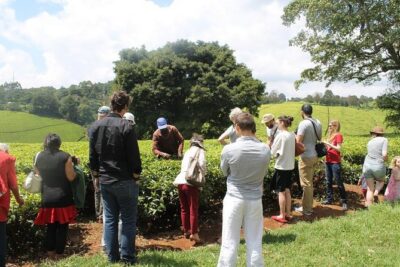
Private Day Trip to Kiambethu Tea Farm in Limuru from Nairobi
Read our review →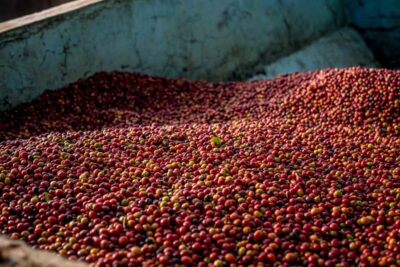
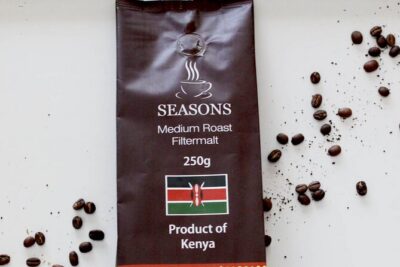
Coffee farm tour, coffee roasting and tasting experience
Read our review →Browse the lists this tour appears in