
Reviewed · CULTURAL VILLAGE VISITS
From Nairobi: Maasai village and cultural experience
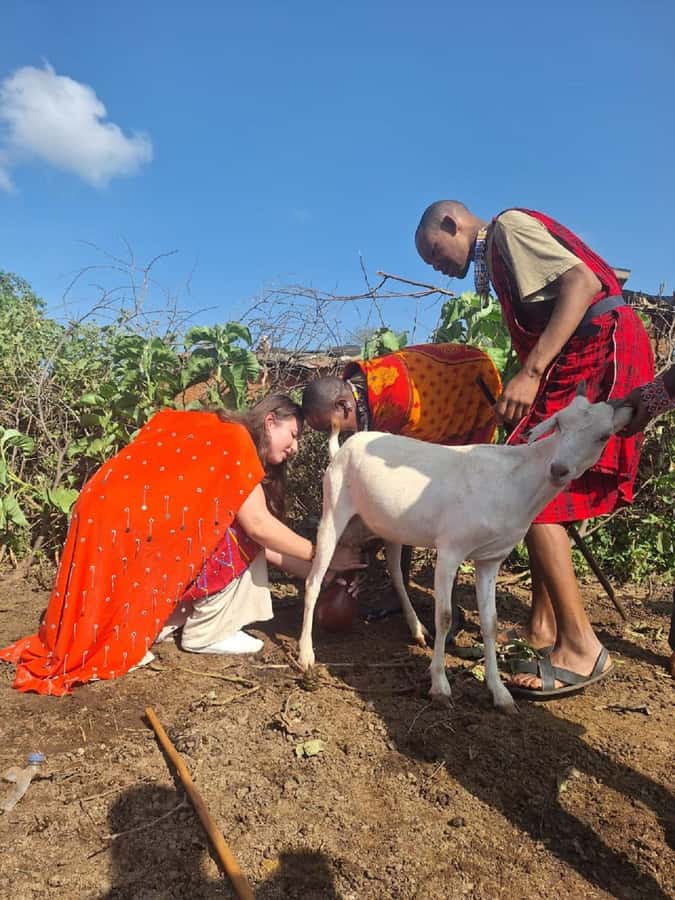
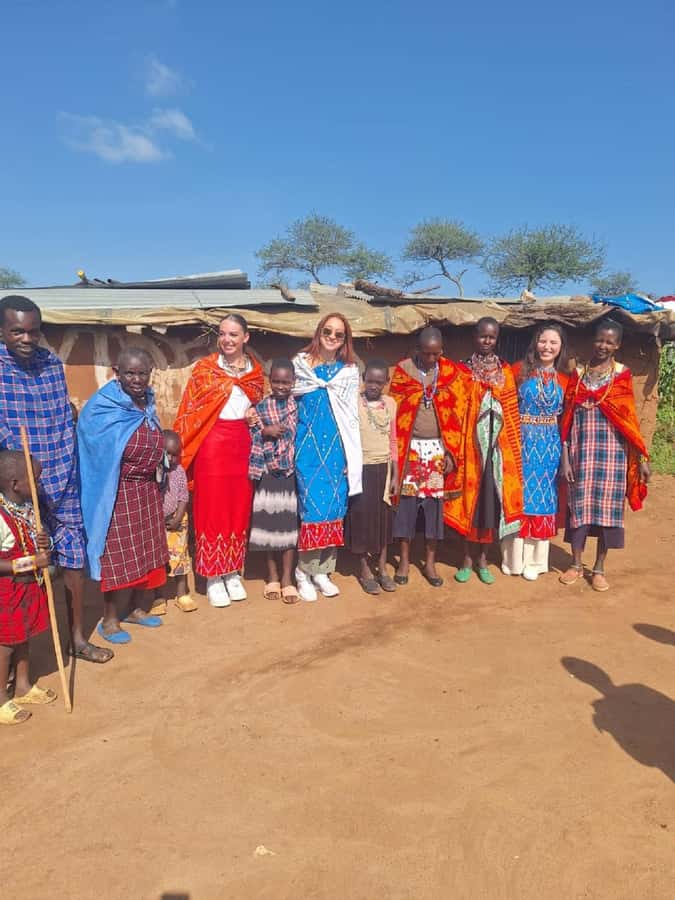
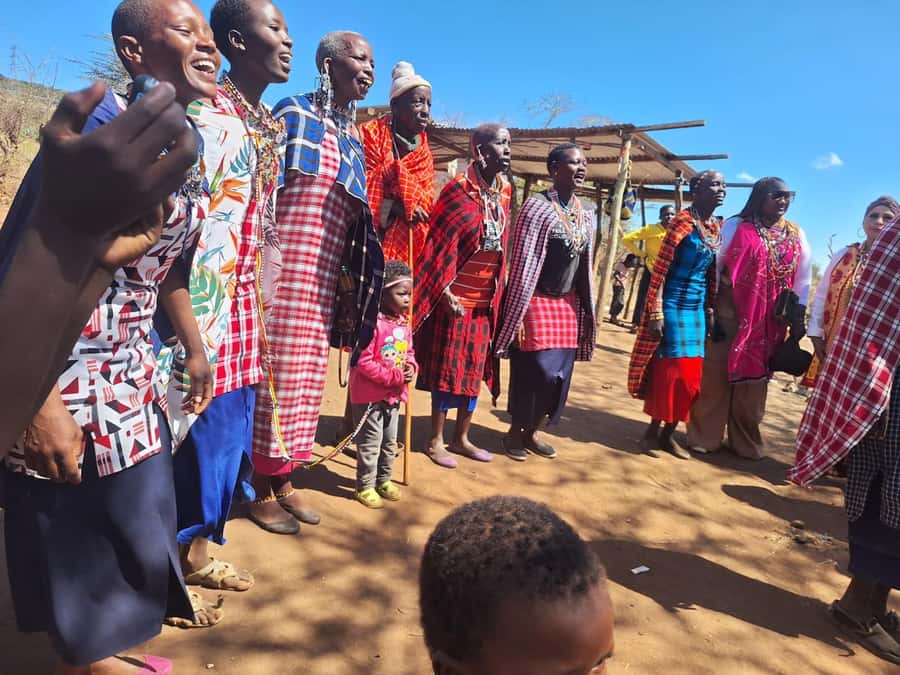
The most memorable part of this half-day trip is the welcome. In Bisil, you’ll enter a Maasai village to the sound of songs and dancing, then see the famous adumu, the jumping dance traditionally linked with Maasai warriors. It is a lively start, but the real value comes afterward, when the visit slows down for conversations, house-building, fire-making, and family life.
I like two things here. First, you get beyond Nairobi and into a real manyatta, rather than hearing about Maasai customs from behind a museum display. Second, the tour gives women’s beadwork and jewelry proper attention, including the meaning of different colors. The main consideration is cost clarity: the advertised $50 does not include the $30 Maasai guide and entry fee, so budget $80 per person before food, drinks, or purchases.
Key points to know before you go
- A five to six-hour trip from Nairobi: You get a half-day cultural visit with a scenic drive to Bisil and back.
- The adumu is part of the welcome: Expect traditional songs, dancing, and the well-known jumping performance.
- A real manyatta gives the visit its purpose: You’ll see how mud-thatched homes are built and arranged.
- Fire-making is shown by Maasai warriors: Traditional methods connect daily skills with community customs.
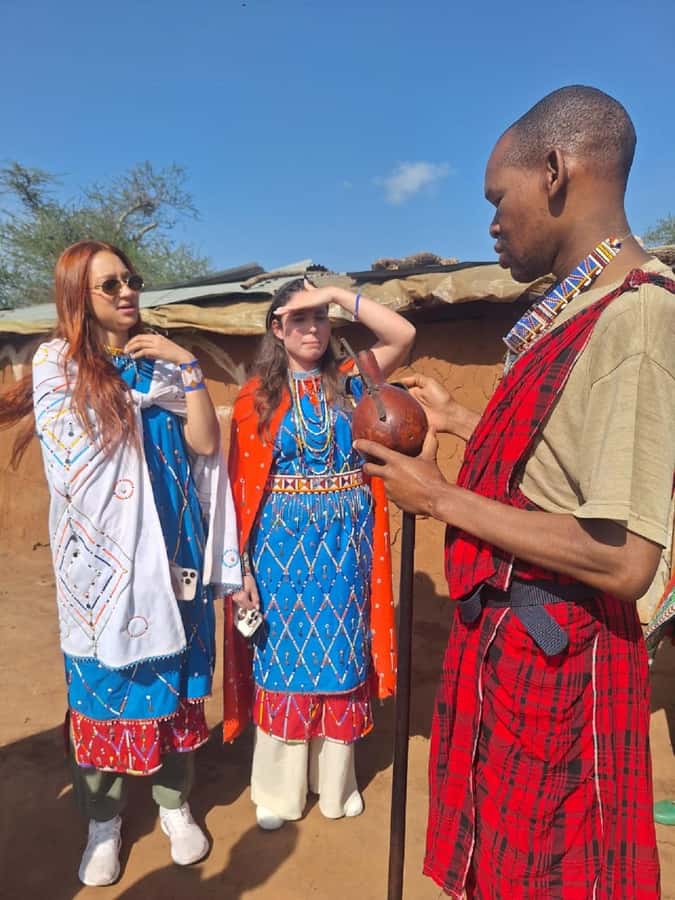
- Beadwork is more than decoration: Maasai women explain how colors carry meaning and identity.
- The advertised price is not the full price: Add $30 per person for the Maasai guide and entry fee, and bring cash.
Leaving Nairobi for Bisil
This experience begins with pickup from your selected starting point in Nairobi. Airport pickup is also included, which makes the tour useful if you have a long layover or a free block of time before a flight, provided the timing works with your schedule.
Your driver and English-speaking guide take you toward Kajiado and Bisil in an air-conditioned vehicle. Bottled water is included, a small but welcome detail on a half-day outing. The route includes a scenic drive and views along the way, so the journey is part of the setting rather than just dead time between Nairobi and the village.
The total outing lasts about five to six hours. That is long enough to reach the community, spend meaningful time there, and return to Nairobi without giving up a full day. It also means you should keep your schedule fairly open. Pickup times depend on the option you choose, and the exact drive duration is not provided.
You can book this as a private trip or in a small group. I would choose private travel if you want to ask many questions or control the pace. A small group can be a good value and may make the dances and demonstrations feel more social, but you will have less control over stops and timing.
Other cultural visits around Nairobi:
- Nairobi: Explore Kibera Slum with Local Guides
★ 4.9 · 365 reviews - Nairobi: Day Tour to Amboseli National Park & Maasai Village
★ 4.5 · 310 reviews - Masai village Day Tour Experience
★ 5.0 · 284 reviews
The welcome songs and adumu in Bisil
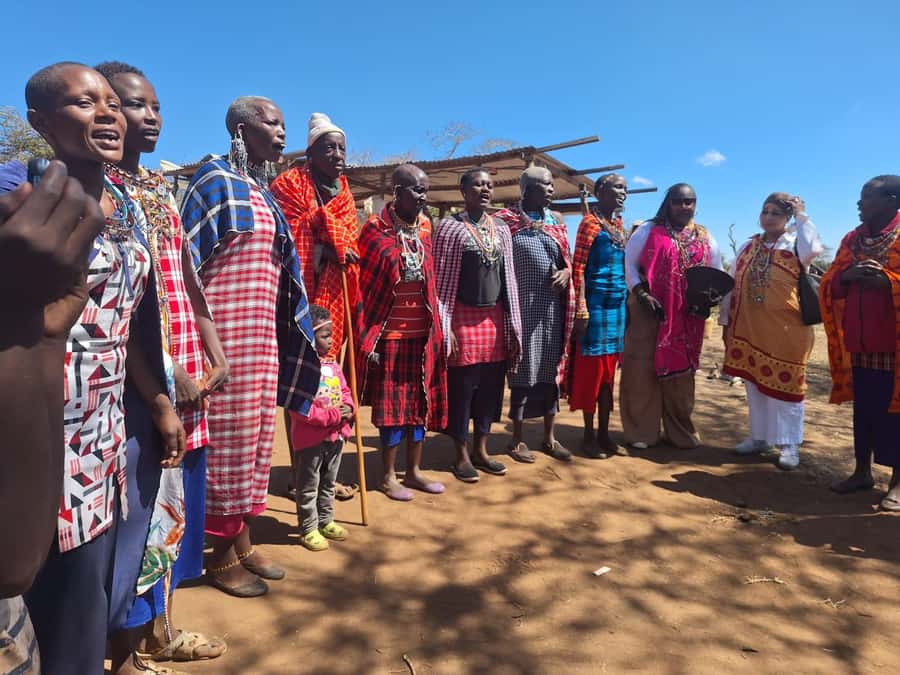
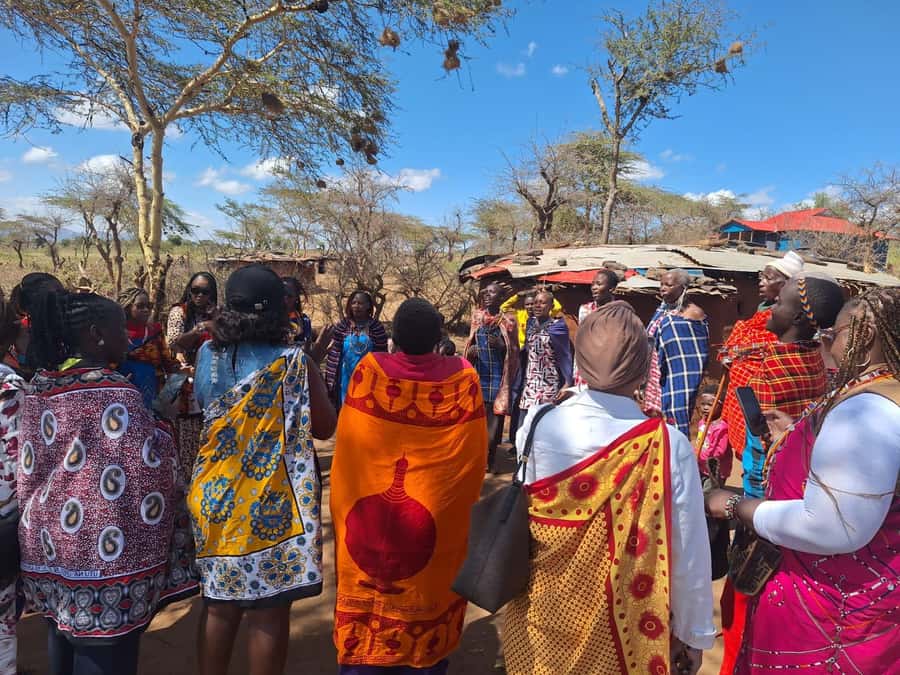
Arrival in Bisil brings the first major cultural moment: a traditional Maasai welcome with songs and dances. The adumu, often called the jumping dance, is the performance most people associate with Maasai warriors. It is energetic and visually striking, but it works best when you treat it as more than a photo opportunity.
You’ll have time to watch the performance and then move into a guided visit. The village chief may explain the community and its customs in English. The available feedback specifically praises the chief’s clear English, which matters because good interpretation can turn a short cultural visit into something you understand rather than simply watch.
A practical point: the welcome can feel formal at first. You are entering a working community, not arriving at a theme park attraction. Listen to the introductions, follow your guide’s instructions, and ask before photographing people or private spaces. The supplied information does not set out a formal photography rule, so respectful permission is the sensible approach.
The visit includes sightseeing, a traditional dance show, shopping, and an off-road element. Those features suggest a varied outing, but they also mean the experience is not purely a quiet village walk. Some time is set aside for performance and shopping. If you prefer a long, unstructured conversation, tell your guide early and make use of the village walk.
Inside a Maasai manyatta
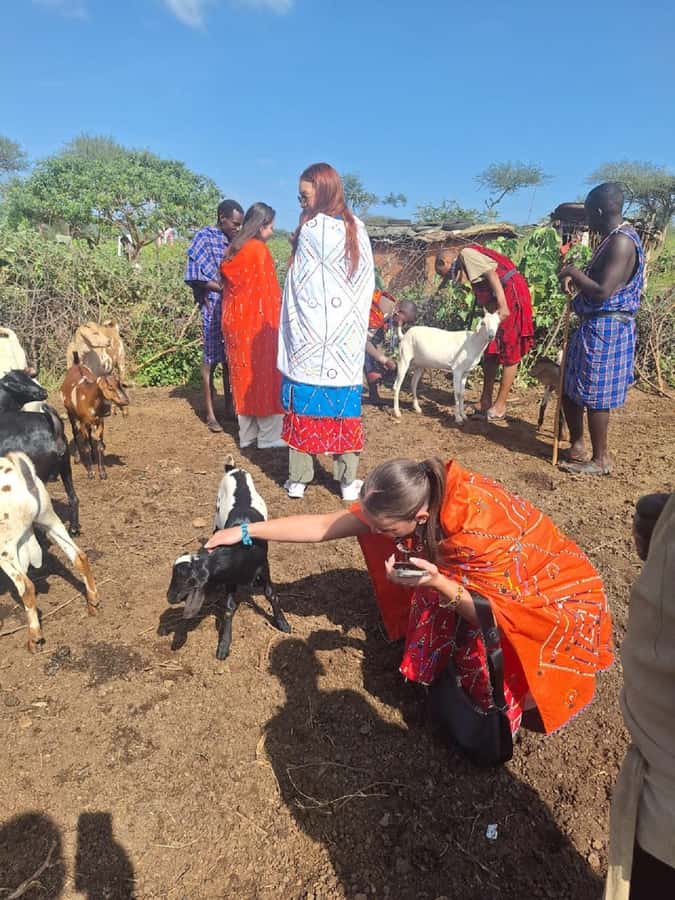
The manyatta is the heart of the visit. You’ll walk through the homesteads and see the mud-thatched houses up close. The guide explains how they are built, giving you a useful look at the practical side of Maasai life.
This part makes the tour worth more than a dance show. A house tells you about available materials, household needs, and the way a community organizes daily life. You are not just looking at an unusual structure. You are learning why these homes are made in this way and how building methods have passed from one generation to the next.
The tour description calls the village authentic, and the visit is presented as a real Maasai homestead rather than a staged replica. Still, you should keep your expectations sensible. A short visit cannot explain every part of Maasai society, and the guide will naturally focus on the customs that fit the time available.
You’ll hear stories passed down through generations and learn about the Maasai connection to cattle, nature, and community. These themes help link the physical visit to wider traditions. The strongest questions are simple ones: How are the houses built? Who maintains them? What does the community do together? Which customs are changing?
No meal is included, so this is not a food-based cultural visit. Food and drinks are listed as extra, and alcoholic drinks may be available for purchase. Bring water if you want more than the included bottle, and carry cash for anything you buy in the village.
Seeing traditional fire-making
The fire-making demonstration adds a practical skill to the visit. Maasai warriors show how to make fire using traditional methods, giving you a chance to see a task that modern visitors usually take for granted.
I like this part because it is direct and easy to understand. Songs and dances explain identity through performance. Fire-making shows knowledge through action. Together, the two give you different ways to think about tradition.
The demonstration is also a good time to ask questions. You can learn how the method works, why fire remains important, and how traditional skills fit into present-day life. The available information does not specify the exact materials or length of the demonstration, so do not expect a technical workshop. It is a guided display rather than a class in which you make your own fire.
This is one reason the live English guide matters. Without clear explanation, you might see sparks and smoke but miss the point. With interpretation, the demonstration becomes a small window into self-reliance, shared skills, and the relationship between people and their surroundings.
Same base, a completely different sort of day:
- Nairobi National Park Half-Day Tour; Free Wi-Fi connection
★ 5.0 · 878 reviews - Nairobi: National Park & Optional Elephants & Giraffe Center
★ 4.8 · 874 reviews - NAI NAMI: Nairobi Storytelling Tour with Street Children
★ 5.0 · 792 reviews - Nairobi National Park Half-Day Game Drive
★ 4.5 · 738 reviews
Meeting Maasai women and exploring beadwork
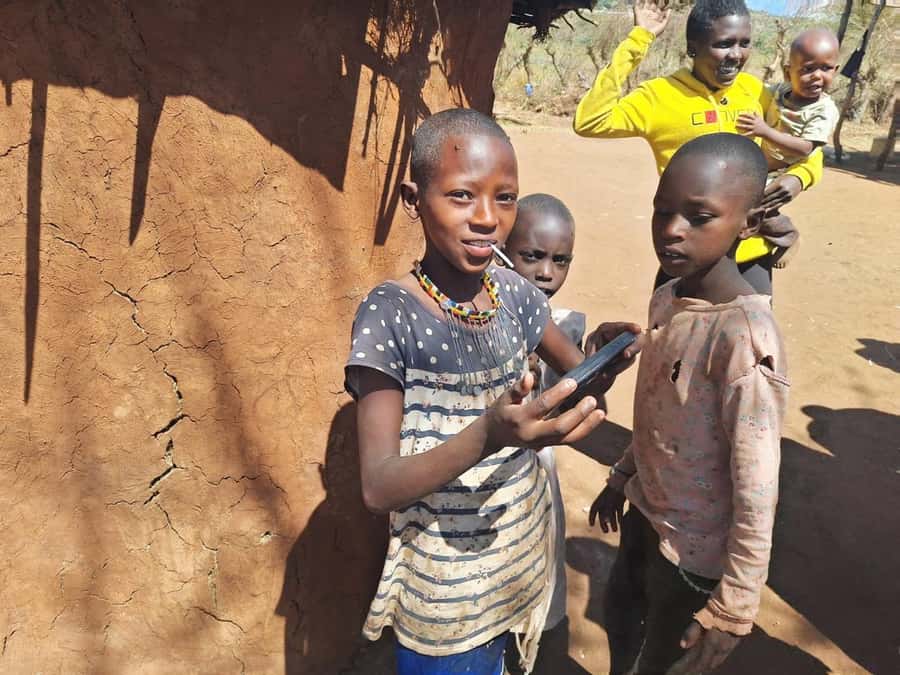
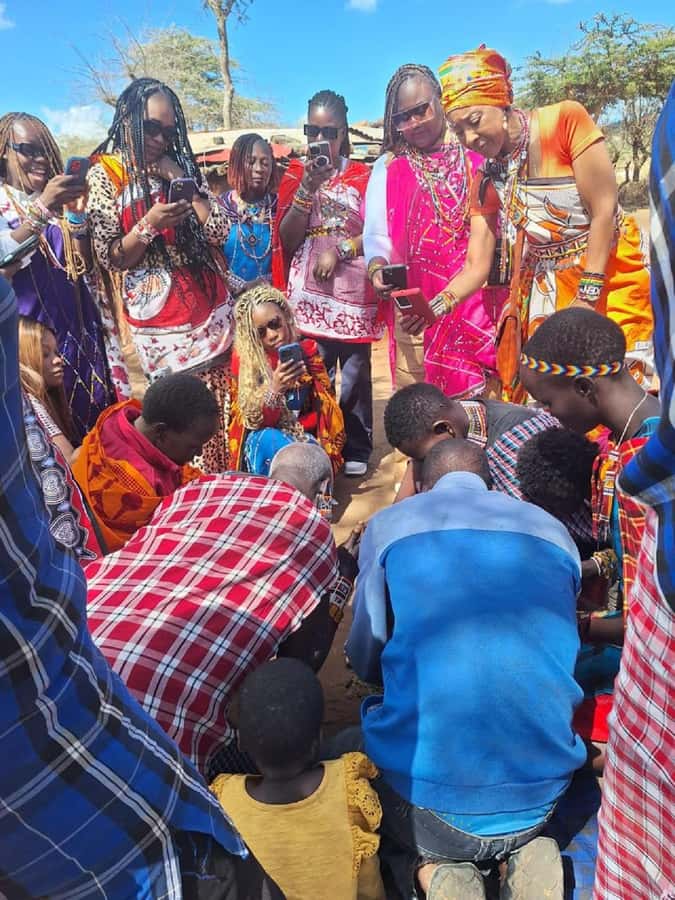
The beadwork section gives the visit another point of view. Maasai women display handcrafted jewelry, and you’ll learn that colors carry meaning connected to identity and culture.
You can browse necklaces, bracelets, and other handmade pieces. The information provided does not list exact items or prices, so ask before choosing something and confirm the cost in Kenyan shillings or another accepted currency. Cash is specifically recommended, and it is the safest payment plan for village purchases.
I see the shopping as part of the cultural exchange, not an obligation. Buying a piece can support the makers directly, but you should only purchase something you genuinely want. Take time to look at the beadwork, ask about the colors, and consider the work involved before bargaining or deciding.
This section may be especially interesting if you enjoy craft traditions. It also helps balance the focus on warriors and dancing. Maasai culture is not only about bold performances. The women’s beadwork shows patience, design, social meaning, and the role of handmade objects in everyday identity.
What the $50 price really covers
The listed price is $50 per person, which sounds reasonable for a private or small-group half-day trip from Nairobi in an air-conditioned vehicle. You receive a driver and guide, airport pickup, bottled water, transport to Bisil, the village visit, and the scheduled cultural activities.
But the cost needs careful reading. The Maasai guide and entry fee add $30 per person. That brings the known total to $80 per person before food, drinks, alcoholic beverages, and beadwork. If two people book, the combined tour and guide-entry cost is $160, excluding purchases and meals.
At $80, the value depends on what you want. For a convenient half-day trip with transport from Nairobi, live interpretation, a homestead visit, demonstrations, and performances, it can be a fair choice. It is less attractive if you are comparing it only with a short dance performance or a basic sightseeing drive.
The private and small-group options also affect value. A private booking usually gives you more room for questions and personal attention, while a small group may keep the cost more manageable. The supplied details do not state the group-size limit, so confirm that before paying if group size is important to you.
Who will enjoy this cultural visit
I would recommend this experience to anyone with limited time in Nairobi who wants a direct introduction to Maasai customs. It suits first-time visitors, families, photographers, and people who prefer a local guide to explain what they are seeing.
It is also a good fit if you want variety. In one outing, you get a scenic drive, a village welcome, traditional dancing, a homestead walk, fire-making, stories, and craft shopping. The pace should feel active rather than academic.
You may want a different kind of tour if your main goal is wildlife. This is a cultural visit, not a game drive. You should also look elsewhere if you want a full-day program with a meal, extensive time in the countryside, or a long workshop in one traditional skill.
The tour is listed as wheelchair accessible, which makes it worth considering for visitors who need that feature. Since the route includes a village walk and an off-road element, confirm the exact arrangements with the provider before booking so the access plan matches your needs.
Practical advice for a better visit
Bring cash. You may need it for the $30 Maasai guide and entry fee, food or drinks, and beadwork. The tour price does not include those costs.
Wear comfortable clothing and shoes suited to walking through a homestead. The supplied details do not specify a dress code, but a respectful, practical outfit is the right choice for a community visit.
Keep your questions ready. Ask about the manyatta, the building process, cattle, community customs, fire-making, and beadwork colors. A village visit becomes much more useful when you take part in the conversation.
Do not rush the shopping. Look closely at the beadwork and ask what each color means. If you buy something, treat it as a handmade piece with cultural meaning, not just a souvenir.
The tour is conducted in English. If clear explanations are important to you, make sure the booking includes the Maasai guide as stated. The chief’s English is described as excellent, but no individual guide name is provided.
Free cancellation is available up to 24 hours before departure for a full refund. You can also reserve now and pay later, which helps if your Nairobi plans may change. Check the available start times before booking, especially if you are arranging airport pickup or connecting the tour with a flight.
Should you book the Bisil Maasai village visit?
Book it if you want a compact, organized introduction to Maasai life and you value seeing homes, skills, dance, and beadwork in one visit. The chief’s clear English, the manyatta walk, and the traditional fire-making demonstration give the outing more substance than a quick performance stop.
Before you commit, add the $30 guide and entry fee to the advertised $50 price. If the resulting $80 per person fits your budget, this is a practical way to leave Nairobi for several hours and meet a community through its own traditions.
I would choose the private option for families, photographers, or anyone who likes to ask plenty of questions. Choose a small group if you prefer a social setting and want to keep the cost under closer control. Either way, bring cash, allow five to six hours, and approach the village with curiosity and respect.
FAQ
How long does the Maasai village experience last?
The experience lasts approximately five to six hours, including the journey from Nairobi to Bisil and the return to Nairobi.
Where does the tour go?
The tour travels from Nairobi toward Kajiado and Bisil in central Kenya, where you visit a Maasai village and manyatta.
Is transport from Nairobi included?
Yes. A driver and guide, an air-conditioned vehicle, and bottled water are included. Airport pickup is also included.
Is the tour conducted in English?
Yes. The live tour guide speaks English, and the listed tour language is English.
What is included in the $50 price?
The price includes the driver and guide, airport pickup, bottled water, and air-conditioned transportation.
What extra fee should I budget for?
The Maasai guide and entry fee cost an additional $30 per person. Food, drinks, alcoholic drinks, and purchases are also not included.
Can I visit a real Maasai homestead?
Yes. The visit includes a guided walk through a Maasai manyatta, where you can see how mud-thatched houses are built.
Will I see traditional Maasai dancing?
Yes. The welcome includes traditional songs, dances, and the adumu jumping dance.
Can I buy Maasai beadwork?
Yes. Maasai women display handcrafted beadwork and jewelry, and you can browse and purchase pieces. Bring cash.
Is cancellation available?
Yes. You can cancel up to 24 hours in advance for a full refund. The experience also offers a reserve-now, pay-later option.
Just added around Nairobi
- Nairobi: Horseback Riding Tour Through Maize Plantation★ 5.0 · 3 reviews
- Nairobi: Kibera Slum Compassionate Walking Tour★ 5.0 · 4 reviews
- Nairobi: Karura Forest Guided Walking Tour★ 5.0 · 4 reviews
- From Nairobi: Horseback Wildlife Safari with Transfer & Meal★ 4.6 · 7 reviews
- Nairobi: Hidden Gems and Local Secret Guided Walking Tour★ 4.9 · 20 reviews
- Nairobi: Hop on Hop off and Maasai market Collections Visit★ 3.5 · 10 reviews
- Nairobi: Karura Forest Horseback Riding Tour★ 4.8 · 11 reviews
- Nairobi: Guided Afternoon Tour to Bomas of Kenya.★ 3.1 · 4 reviews
Cultural Village Visits, compared.

Day Tour to Amboseli National Park & Maasai Village
Read our review →


Kibera Slum Tour with Local Social Entrepreneurs
Read our review →

Giraffe Centre, Elephant Orphanage, and Bomas of Kenya Day Tour from Nairobi
Read our review →Browse the lists this tour appears in