
Reviewed · CULTURAL VILLAGE VISITS
Masai Village Experience (Day trip)
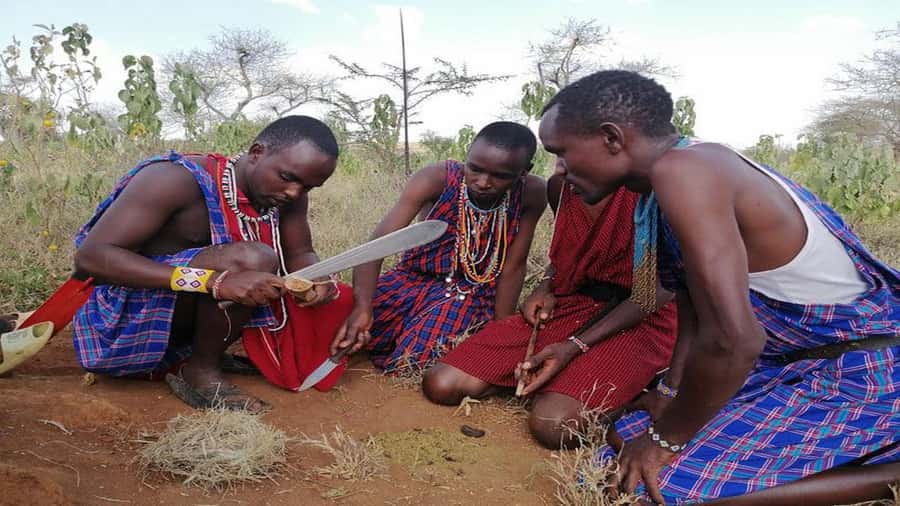
The most worthwhile part of this day is the chance to learn about Maasai life from community members themselves, not just from a guidebook or a drive-by photo stop. You may learn how women prepare food, cook, weave necklaces and wristbands, while men demonstrate fire-making, spear throwing, and goat milking.
I like the private guide and hotel pickup, which make a long day from Nairobi much easier. I also like the hands-on format: you can ask questions, practice throwing a spear, enter a boma, and take part in song, dance, or traditional dress. The main drawback is the driving. The village visit lasts about 2.5 hours, but the trip can involve roughly two hours each way, so some people may find the activity short for the time spent on the road.
- Hands-on lessons: Try goat milking, fire-making, spear throwing, food preparation, and craftwork.
- Direct cultural exchange: Speak with Maasai community members about the roles of women and men and daily traditions.
- Private transport from Nairobi: Hotel and selected airport pickup are available, with the day ending back at the starting point.
- A practical half-day visit: The village stop lasts about 2.5 hours, making this possible during a short Nairobi stay or layover.
- Crafts and local stops: You can purchase handmade items and may visit a cattle market or nearby shopping town.
- English-language guiding: Your driver and guide communicate in English, with a community guide helping at the village.
What this Maasai village day really offers
This is not a wildlife outing. You will not spend the day searching for lions or elephants. Instead, you will see how a Maasai community explains its own customs and everyday work.
That difference matters. Kenya is often presented through safari parks, big views, and wildlife photographs. This experience gives you a chance to ask a more basic question: how do people live here, work together, raise animals, prepare food, and pass on traditions?
The visit is designed as a private tour, so you have more room to ask questions than you would in a large group. The guide can adjust the conversation to your interests, and the community members can demonstrate tasks rather than simply describe them.
You should still approach the visit with respect. A cultural stop is not a theater show with a village as its stage. You are entering a living community, and the best experience comes from listening carefully, asking before taking photographs, and treating performances and crafts as part of a social exchange rather than a staged spectacle.
Leaving Nairobi for the village
Your day begins with pickup in Nairobi. Hotel pickup is offered from selected properties, and airport pickup is available from Jomo Kenyatta International Airport. You are asked to wait at the hotel bay or lodging area for the guide.
The drive is an important part of the value calculation. One guest described the village as about two hours from Nairobi, while another found the activity a little short for the amount of driving. Plan for a full day rather than a quick city excursion.
There is a 10-minute break along the way. It is a modest stop, but useful on a road journey. Food and drinks are not included, so bring money for refreshments and do not assume lunch is covered.
Your driver doubles as your guide, and the tour is private. That helps with timing, especially if you are using the experience during a layover. Alex, one guide named in the feedback, was able to keep a guest on schedule for an airport connection and added a stop at the KICC Building and a local food meal. That extra stop should not be treated as guaranteed, but it is worth asking about when you book.
Other cultural visits around Nairobi:
- Nairobi: Explore Kibera Slum with Local Guides
★ 4.9 · 365 reviews - Nairobi: Day Tour to Amboseli National Park & Maasai Village
★ 4.5 · 310 reviews - Masai village Day Tour Experience
★ 5.0 · 284 reviews
Meeting the Maasai community
The main village visit lasts about 2.5 hours. That is enough time for several demonstrations and conversations, but not enough for an unhurried look at every part of village life.
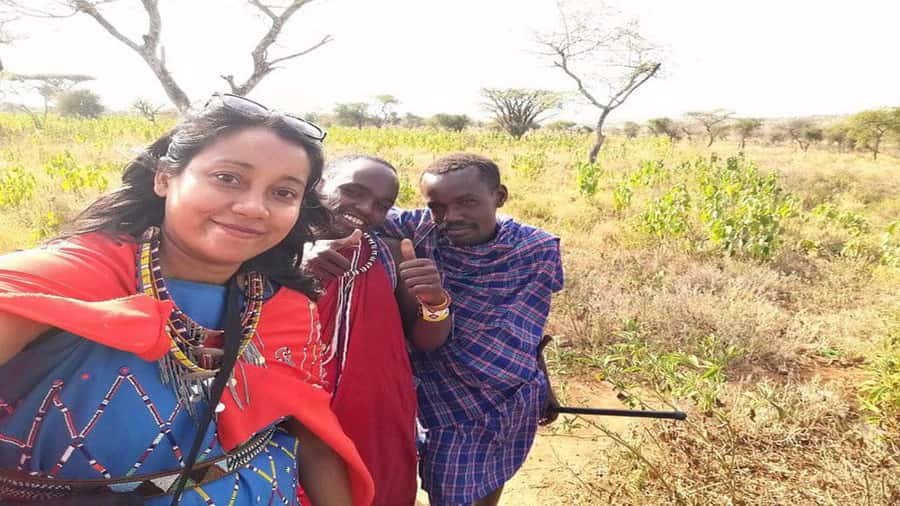
An on-site community guide, including Alfred on some visits, helps explain what you are seeing. One of the most useful parts of the conversation is the explanation of the roles of women and men in Maasai society. Rather than relying only on general facts, you can ask how particular tasks are divided and why they matter.
The visit may include time inside the bomas, the traditional homestead structures mentioned in the experience. You may see how a home is arranged and hear about ordinary routines. Keep your expectations grounded: this is a guided introduction, not a long residential stay or an academic field visit.
The setting also gives you a chance to separate familiar images from daily reality. Maasai culture is often reduced to colorful clothing, jumping dances, cattle, and spears. Those details may be part of the visit, but the conversation about food, work, family roles, and practical skills gives them more meaning.
Learning food preparation and animal care
Food preparation is one of the most useful parts of the visit because it connects cultural tradition with ordinary life. You can learn how women prepare food and cook, rather than simply watching a performance.
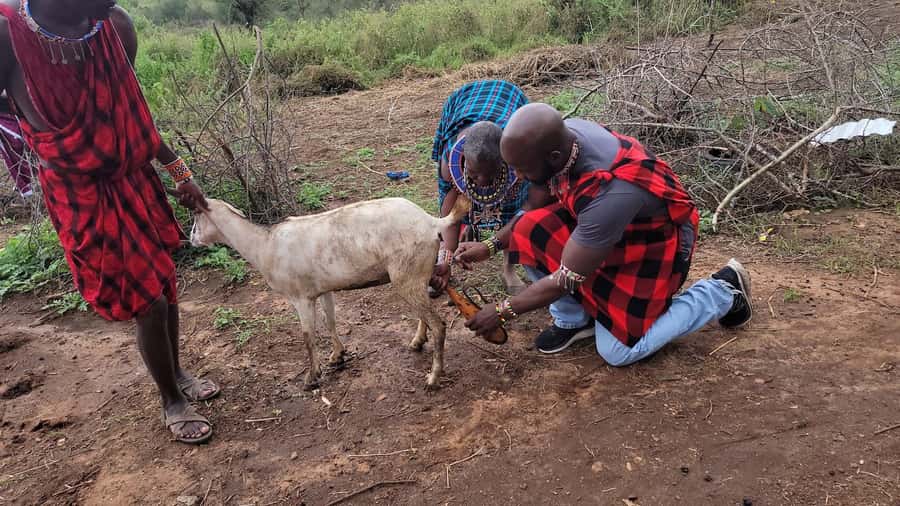
You may also see how goats are milked. One guest was able to milk a goat personally, which gives you a more memorable understanding of the work than a short explanation would. The experience is interactive, but you should follow the community guide’s instructions and ask before touching animals or equipment.
The tour also includes lessons about fire-making. A Maasai man may demonstrate how men start a fire, showing a practical skill that has both daily and cultural value. These demonstrations are simple, direct, and easy to understand even if you have little background in Maasai traditions.
I would pay close attention to the small details here. Ask what the task is used for, who normally does it, and how younger people learn it. The tour is at its best when you treat each demonstration as a starting point for conversation.
Trying traditional skills yourself
The experience gives you opportunities to do more than watch. You may practice throwing a spear, and one participant described being shown the technique and then trying it personally.
This kind of activity can be fun, but it is also a reminder that objects such as spears have a practical place in the culture. Listen to the instructions and handle anything offered to you carefully. The point is not to perform like an expert. It is to understand a skill through your own hands.
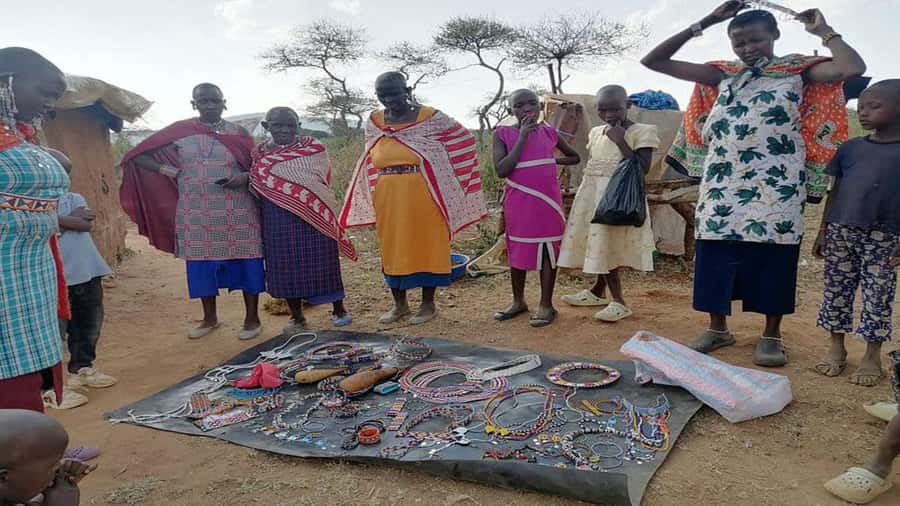
You may also see or help with the making of necklaces and wristbands. Women demonstrate how they weave or assemble these items, and handmade crafts are available for purchase.
Buying a craft can support the community directly, but shop thoughtfully. Ask about the price before agreeing to buy, and choose something you genuinely want rather than treating the stop as a compulsory souvenir session. A necklace or wristband is more meaningful when you know something about how it was made and who made it.
A few more things to do around Nairobi worth a look
- 1 Day trip to Hells Gate and Lake Naivasha From Nairobi
★ 5.0 · 332 reviews - Day Trip: Hell’s Gate Bike Ride & Lake Naivasha Boat Ride
★ 4.4 · 251 reviews - From Nairobi: Elephant Orphanage and Giraffe Center Day Trip
★ 4.5 · 235 reviews - Day Trip: Amboseli National Park & Maasai Village – Nairobi
★ 4.4 · 69 reviews
Song, dance, clothing, and live entertainment

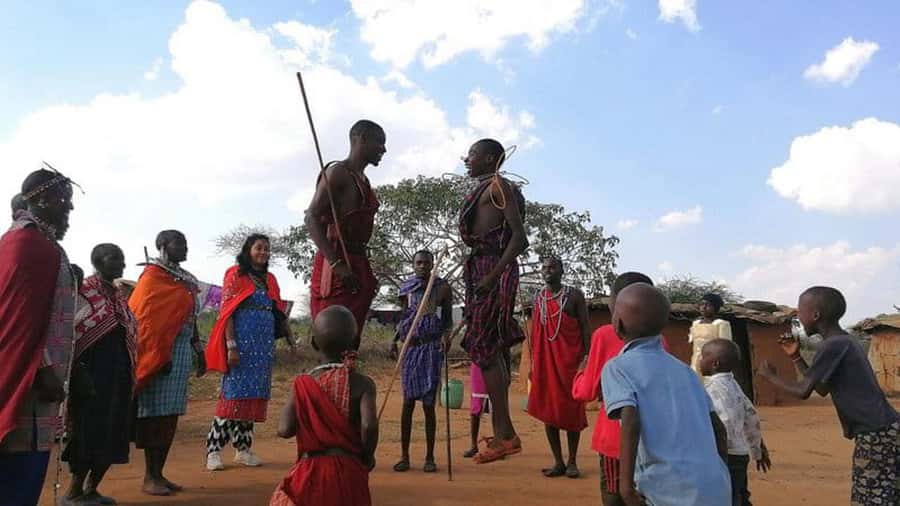
Live entertainment is included, with cultural songs and dancing forming part of the village welcome. This gives the visit energy, but it is also the portion most likely to feel arranged for visitors.
That does not make it worthless. Cultural performances can explain movement, music, clothing, and group participation in ways a spoken talk cannot. You may also be invited to join in, so wear something comfortable and be ready to take part without making yourself the center of attention.
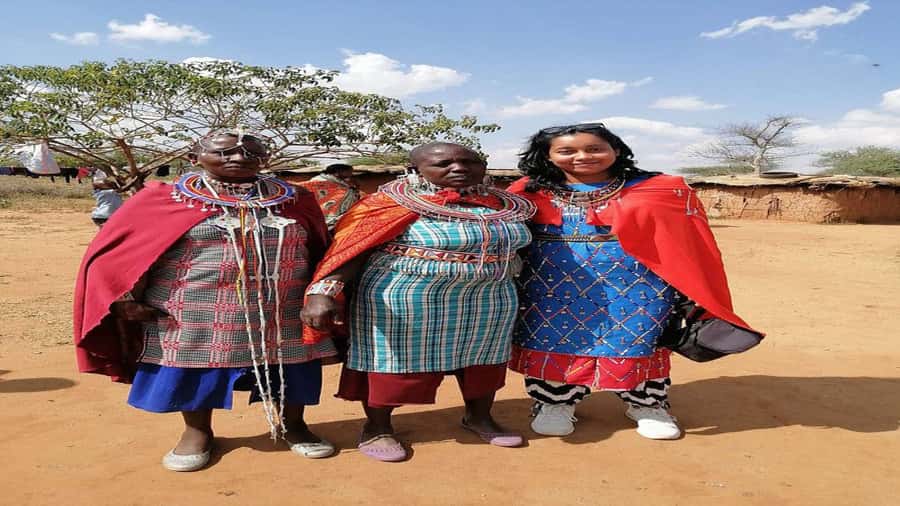
One guest was dressed in traditional Maasai clothing by the women in the community. That can be a special moment, provided it is handled respectfully and with clear permission. Ask before photographing yourself or anyone else in traditional clothing.
The best approach is to enjoy the welcome while remembering that it is only one part of Maasai life. Give equal attention to the quieter parts of the visit, such as cooking, craftwork, animal care, and questions about family and work.
Cattle markets and the nearby shopping town
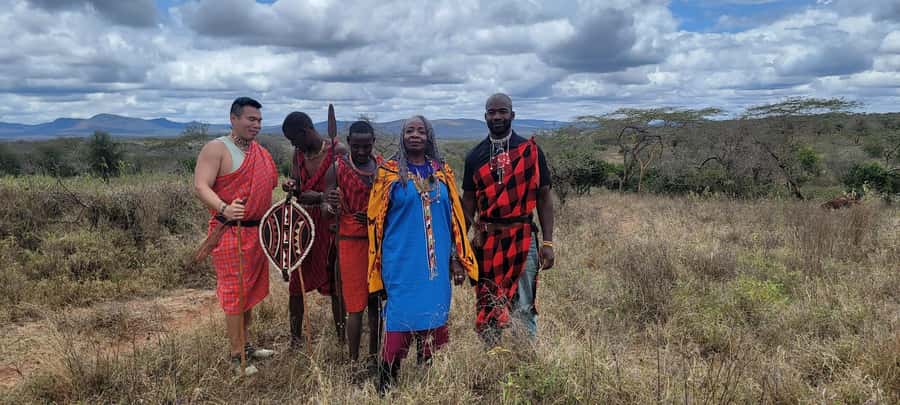
The experience description also includes a visit to a cattle market and a shopping town. These stops can add useful local context, especially if you want to see how buying, selling, and everyday commerce fit into life outside Nairobi.
A cattle market is not the same as a tourist attraction. It is a working place, and conditions may vary. Your guide can help explain what you are seeing and how the market functions.
The shopping stop gives you another chance to buy local goods. Keep some flexibility in your schedule and budget for purchases, but remember that food, drinks, lunch, and souvenir photos are not included in the tour price.
Because the exact timing of these stops is not specified, ask your guide at the start of the day if they are included in your route. The central village visit is the clearest part of the plan, while local-market arrangements may depend on the day and timing.
How the $111 price works for you
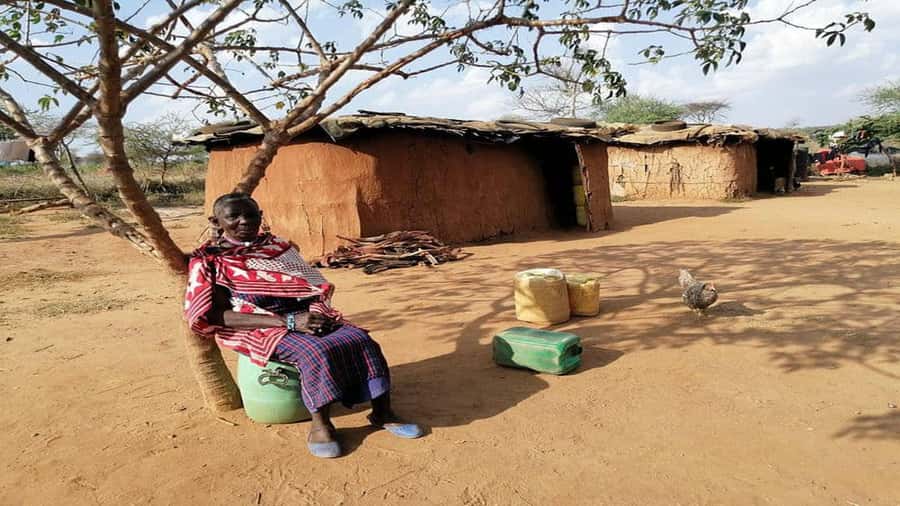
At $111 per person, this is not the cheapest way to spend a day near Nairobi. You are paying for private transportation, a driver and guide, hotel or airport pickup, and a direct community visit rather than simply paying an entrance fee.
For one person or a couple, the price can make sense if you value convenience and personal attention. You do not need to arrange transport to a rural village, find the community yourself, or manage the return to Nairobi. The private format also helps if you have a particular interest in food, crafts, gender roles, or Maasai daily life.
The value is weaker if you mainly want a short cultural performance and a few photographs. The drive takes a large part of the day, and the village visit itself is around 2.5 hours. If you dislike long road journeys, you may feel the day is too brief at the destination.
A layover can change the calculation. One guest used the tour during a Nairobi stopover, with guide Alex keeping the timing under control for an airport return. If you do this, give the provider your exact flight details and leave plenty of room for traffic. The airport transfer is useful, but no city schedule can remove all road delays.
Practical planning before you go
Wear comfortable clothing suitable for a warm day and active demonstrations. The information provided does not specify a dress code, but modest, respectful clothing is a sensible choice for a visit to a community.
Bring money for lunch, drinks, crafts, and any souvenir photographs. None of these are included. One guest enjoyed a local meal arranged during an additional stop, but this was an added part of that person’s day rather than a guaranteed inclusion.
Ask your guide who will lead the village visit and what activities are planned. Alfred is named as an on-site guide on one visit, while Alex is named as a driver and guide on others. The exact team may vary.
You should also ask about photographs before taking them. The experience includes opportunities for photographs and traditional dress, but personal permission remains important. A good picture is never worth making someone uncomfortable.
Cancellation is flexible: you can cancel up to 24 hours in advance for a full refund. You can also reserve now and pay later, which helps if your Nairobi schedule is still changing.
Who will enjoy this experience most
I would choose this day for someone who wants direct cultural contact rather than another standard city tour. It suits curious visitors who enjoy asking questions, trying practical skills, buying handmade items, and listening to personal explanations.
It is also a good match for a private group, a couple, or a solo visitor who wants a guide’s full attention. The airport pickup option makes it especially useful for a carefully timed Nairobi layover, though you should not cut the connection close.
Families may enjoy the hands-on parts, especially goat milking, fire-making, and spear throwing, but the long drive could test younger children. Since the village visit is limited to about 2.5 hours, older children who can engage with the cultural discussion may get more from it.
I would hesitate if your priority is a relaxed schedule, a long meal, or a broad range of Nairobi sights. You may also want a different activity if you expect a formal museum-style presentation with written displays. This is a personal, face-to-face introduction, and the quality depends partly on how actively you take part.
Should you book the Maasai village day?
Book it if you want to hear about Maasai traditions from community members, take part in simple daily tasks, and accept that much of the day will be spent on the road. The strongest features are the private setup, the practical demonstrations, and the chance to ask direct questions about work, family roles, crafts, and customs.
Skip it if you have only a few free hours in Nairobi or if a two-hour drive each way sounds tiring. For everyone else, $111 is a fair price for private transport and a guided cultural visit, especially when the experience fits a layover or a day between larger Kenya trips.
FAQ
How long does the Maasai village visit last?
The village portion lasts about 2.5 hours. The overall activity takes one day, including travel from Nairobi and the return journey.
Where does the tour start?
Pickup is available in Nairobi from selected hotels and from Jomo Kenyatta International Airport. You should wait at the hotel bay or lodging area for your guide.
Does the tour include transportation?
Yes. Hotel or airport pickup and drop-off are included, along with a driver and guide. The activity ends back at the starting point.
Is lunch included?
No. Food, drinks, and lunch are not included. Bring money for refreshments and a meal.
What language does the guide speak?
The live tour guide speaks English. Community members also explain Maasai traditions during the village visit.
Is this a private tour?
Yes. The activity is arranged for a private group rather than a shared group.
Can I cancel the booking?
Yes. You can cancel up to 24 hours in advance for a full refund. The activity also offers a reserve-now, pay-later option.
Just added around Nairobi
- Nairobi: Horseback Riding Tour Through Maize Plantation★ 5.0 · 3 reviews
- Nairobi: Kibera Slum Compassionate Walking Tour★ 5.0 · 4 reviews
- Nairobi: Karura Forest Guided Walking Tour★ 5.0 · 4 reviews
- From Nairobi: Horseback Wildlife Safari with Transfer & Meal★ 4.6 · 7 reviews
- Nairobi: Hidden Gems and Local Secret Guided Walking Tour★ 4.9 · 20 reviews
- Nairobi: Hop on Hop off and Maasai market Collections Visit★ 3.5 · 10 reviews
- Nairobi: Karura Forest Horseback Riding Tour★ 4.8 · 11 reviews
- Nairobi: Guided Afternoon Tour to Bomas of Kenya.★ 3.1 · 4 reviews
Cultural Village Visits, compared.

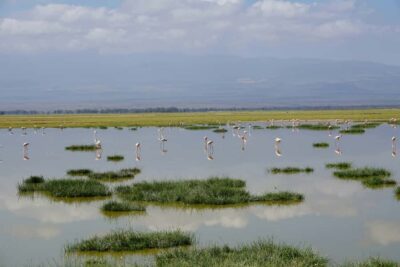
Day Tour to Amboseli National Park & Maasai Village
Read our review →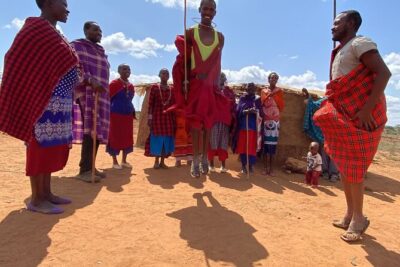

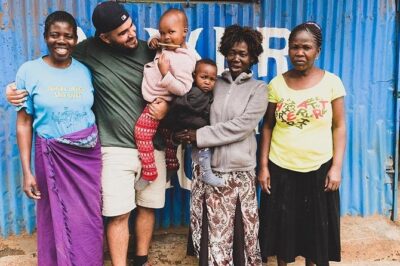

Kibera Slum Tour with Local Social Entrepreneurs
Read our review →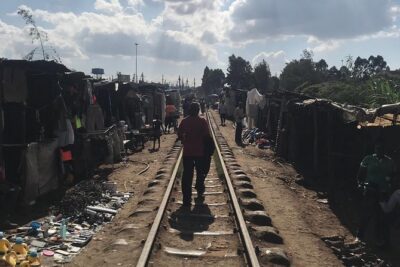

Giraffe Centre, Elephant Orphanage, and Bomas of Kenya Day Tour from Nairobi
Read our review →Browse the lists this tour appears in