Reviewed · TOURS IN NAIROBI
Nairobi: 1 Hour Gastronomic and Street Food tour of Nairobi
Nairobi’s best introduction to Kenyan food may be a short walk through the city center, where samosas, chapati, grilled meat, ugali, fruit and sweets appear at several nearby stops. Ishmael Nzioka leads you from International House, explaining the food and the city as you go. I like the broad tasting list, and I like that the tour feels tied to ordinary local eating rather than a formal restaurant meal.
The main thing to watch is the time. One hour moves quickly, and the $37 tour price does not cover every food purchase. You should bring at least $20 in Kenyan currency or its equivalent, plus comfortable shoes and clothes.
Key points to know before you book
- Ishmael Nzioka leads the walk: He explains the food, local customs and Nairobi’s central streets in English.
- Three food stages fit into one hour: You visit a food market, stop for tastings, then spend the longest part of the tour sampling street food.
- Expect a wide Kenyan menu: Samosas, chapati, nyama choma, ugali, Somali food, snacks, sweets, fruit, tea and sugarcane juice may all appear.
- The $20 food budget matters: This is separate from the $37 booking price and covers food you choose to taste or buy.
- The route begins at International House: The Hilton Hotel is opposite the meeting point on City Hall Way, which helps you identify the location.
- It is also a quick city orientation: You walk through central Nairobi while learning about food, culture and places to eat later.
Why this short Nairobi food walk works
I like food tours that show you how a city eats on a normal day. This one keeps things simple: walk, stop, taste, ask questions, and move on to the next food stall or shop. You are not spending half a day in a cooking classroom. You are getting a fast look at Nairobi through its food streets.
The guide, Ishmael Nzioka, is an important part of that plan. He knows the stops and explains what you are eating, along with the cultural meaning behind it. The experience is conducted in English, so you can ask about ingredients, customs, the city and the best foods to seek out after the walk.
The tour also works as a gentle introduction to central Nairobi. You begin at International House, near the Hilton Hotel on City Hall Way, then walk to a market and several nearby food spots. That makes the tour useful early in a Nairobi visit, especially if you want to get your bearings before eating on your own.
There is no claim that you will taste every Kenyan dish in one hour, despite the broad promise of trying local food. The actual strength is variety. You may try snacks, sweets, fruit, grilled meat, flatbread, maize-based dishes and drinks in a compact route.
A few more things to do around Nairobi worth a look
- Watamu Marine Park & Sudi Island Mangrove Forest Canoe Ride.With sea food lunch
★ 4.5 · 31 reviews - Mombasa:Street food Experience
★ 4.7 · 14 reviews - Diani: Market and Street Food Walking Tour
★ 4.2 · 6 reviews
Starting at International House near City Hall Way
Plan to arrive 10 minutes before the start. The meeting point is International House, with the Hilton Hotel opposite it on City Hall Way. That landmark should make the location easier to find, though you will still want to allow time to identify the entrance and meet Ishmael.
Transportation to the meeting point is not included. You will need to make your own way there, and the tour itself is on foot. Wear shoes that can handle city walking and clothes that feel comfortable in warm conditions.
Once you meet the guide, use the opening minutes well. Tell Ishmael if you have food allergies, dietary restrictions or foods you prefer to avoid. The supplied details do not promise a special dietary menu, so it is sensible to ask before you purchase or sample anything.
The group then begins its short circuit through central Nairobi. Since the route and tasting stops are close together, you spend little time getting from one food point to another. That is good news for a one-hour tour, but it also means the pace may feel brisk if you want long explanations at every stop.
Ten minutes at a Nairobi food market
The first planned stop is a 10-minute food market visit. This is less about sitting down for a full meal and more about seeing the setting where food is bought, prepared and sold.
I find market time useful because it gives the dishes a setting. A samosa means more when you see it among other quick foods, breads, fruit and drinks. Ishmael can point out what is common, what is especially Kenyan and what reflects Nairobi’s mix of communities.
The market visit also gives you a chance to observe before you start eating. Look at how food is displayed, notice which stalls are busy, and ask how the ingredients are used. You may not have enough time to inspect every corner, but the stop helps turn a list of dishes into a picture of daily city life.
A market can be active and crowded, so keep your belongings secure and stay close to the guide. The tour is designed for walking through city streets, not for lingering at one stall. If you want detailed food photography, ask before stopping so you do not lose too much of the limited tour time.
Twenty minutes of guided food tasting
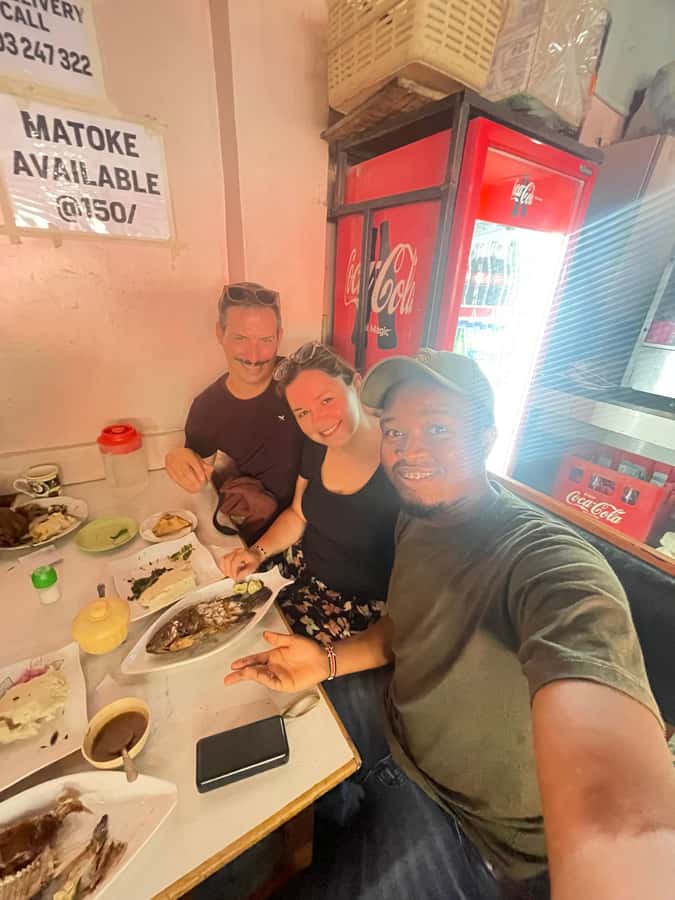
The next section allows about 20 minutes for food tasting. This is where the tour begins to feel like a meal rather than a sightseeing walk.
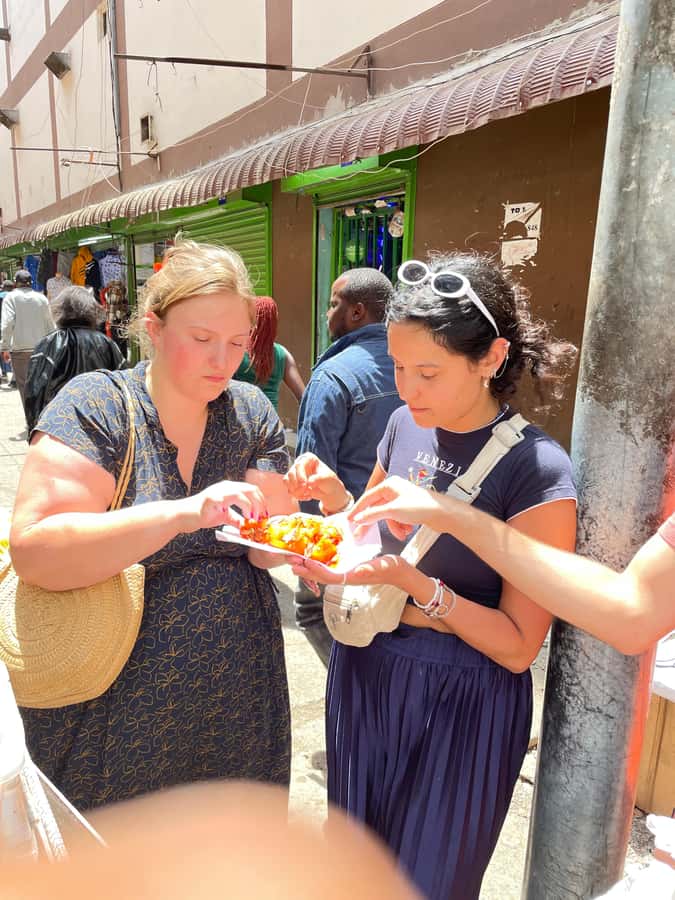
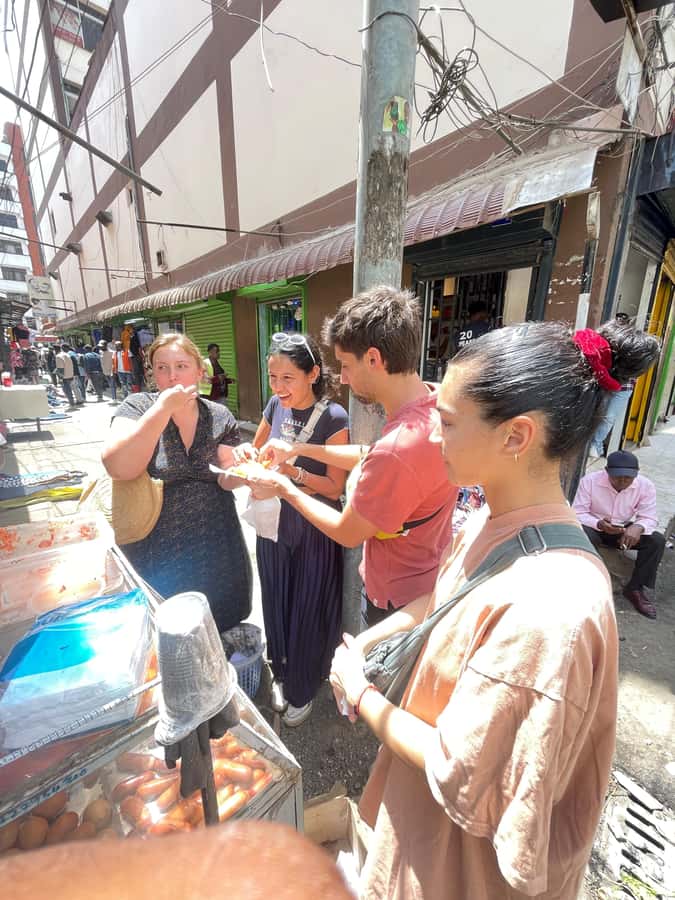
You can expect a selection of small portions and local bites. Samosas are one likely starting point, with crisp pastry and a savory filling. Chapati, the soft, layered flatbread served across Kenya, gives you a simple comparison between a snack and a more filling staple.
Other tastings may include snacks, sweets and fruit. This is a useful mix because it keeps the experience from focusing only on meat or fried food. You get sweet, savory, fresh and filling tastes in the same short outing.
The drinks add another local detail. Kenyan tea may accompany the food, while fresh sugarcane juice offers a different kind of refreshment. Bottled water is included, which is helpful while walking and eating in the city.
This part is also where Ishmael’s explanations can add the most value. Ask why a food is popular, when people usually eat it, or how it differs from something you know at home. The tour is not only about naming dishes. It is about understanding where they fit into Kenyan life.
The tastings are included in the general experience, but the instructions also tell you to carry at least $20 for food. Treat that as a separate tasting budget. If you want only the planned samples, you may spend less, but you should not arrive without cash. Extra purchases and food to take home are not included in the $37 tour price.
Same base, a completely different sort of day:
- Nairobi National Park Half-Day Tour; Free Wi-Fi connection
★ 5.0 · 878 reviews - Nairobi: National Park & Optional Elephants & Giraffe Center
★ 4.8 · 874 reviews - NAI NAMI: Nairobi Storytelling Tour with Street Children
★ 5.0 · 792 reviews - Nairobi National Park Half-Day Game Drive
★ 4.5 · 738 reviews
Thirty minutes with Nairobi street food
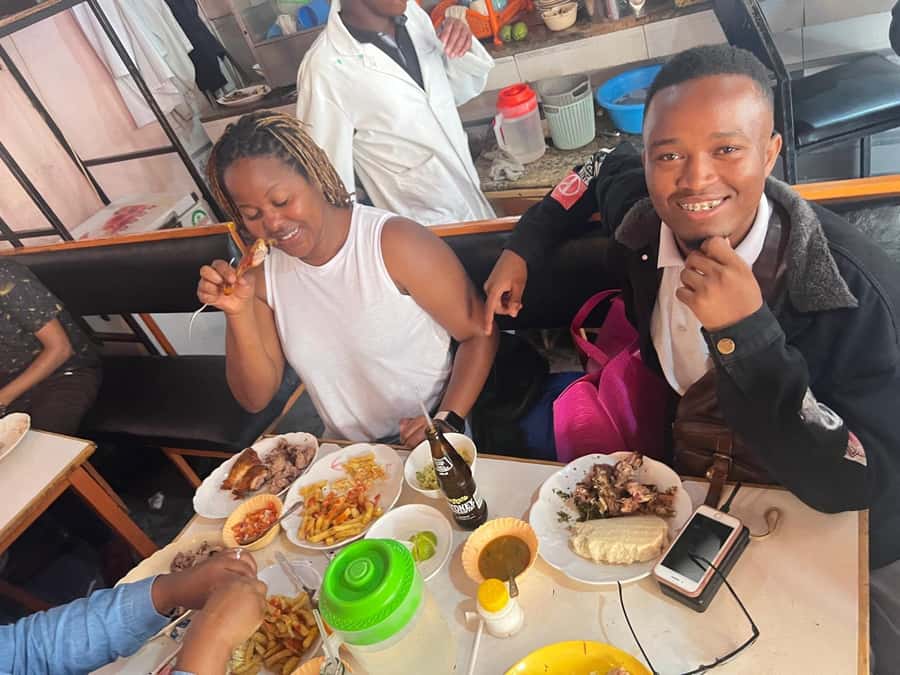
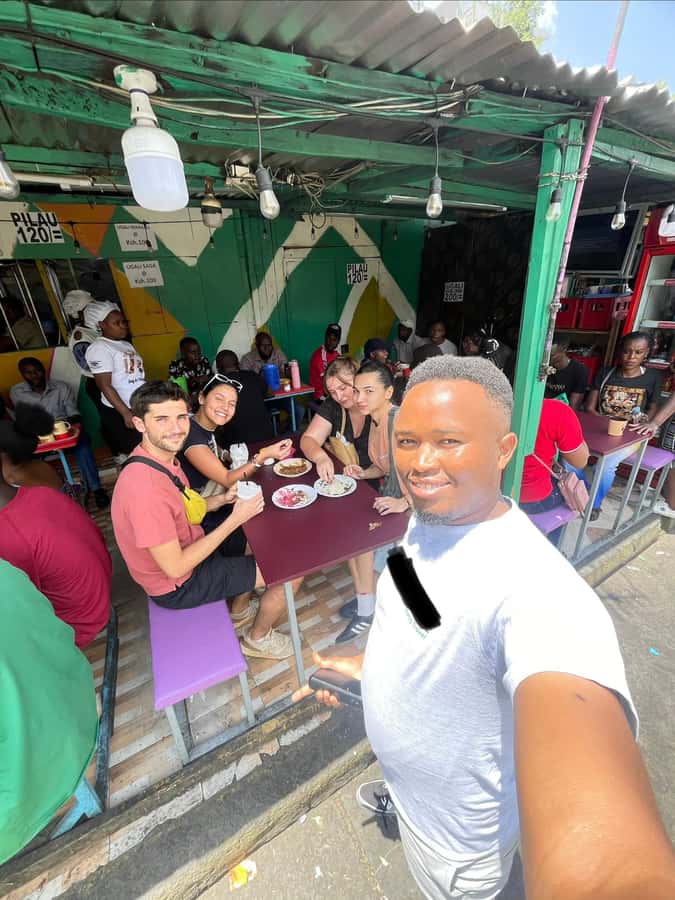
The final 30 minutes are given to street food, making this the longest and most substantial part of the walk. You may visit several nearby places and sample foods that are more filling than the earlier snacks.
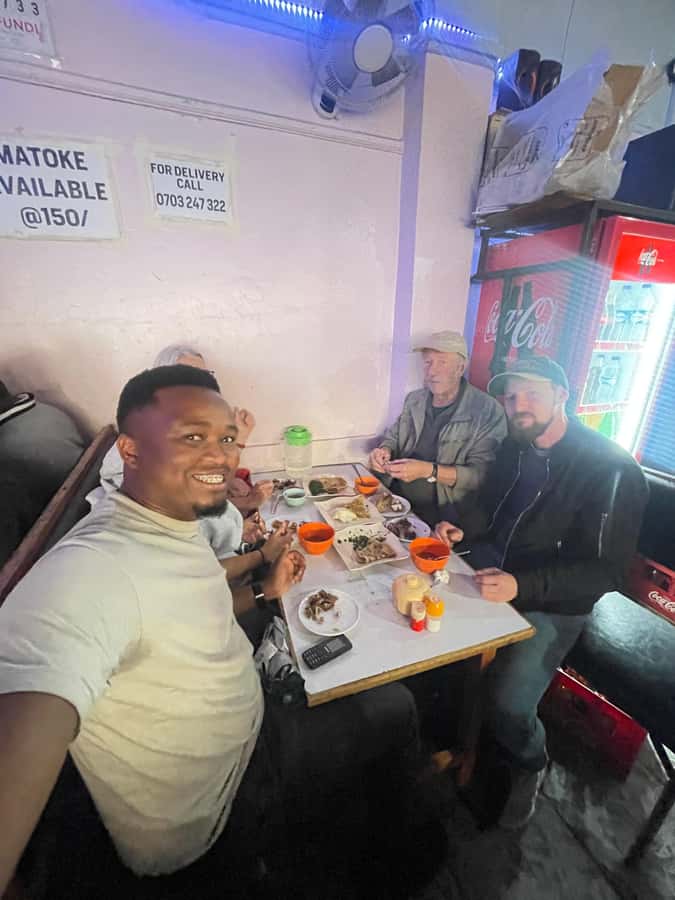
Nyama choma, grilled meat, is one of the main dishes associated with the tour. You may also try it with ugali, a firm maize-based staple that is central to many Kenyan meals. Together, the meat and ugali show you a heartier side of local cooking.
One particularly useful feature is the chance to encounter Somali food in Nairobi. The city’s food culture reflects its many communities, and a Somali food stop gives the tour a wider frame than a narrow list of only familiar Kenyan dishes.
The street food section may also include barbecue, fruit, sweets and additional snacks. The exact order and selection can change, especially because food availability varies by day. A Sunday visit, for example, may require Ishmael to adjust the stops while still finding typical dishes.
You should expect to eat while standing or walking between locations. This is not a sit-down restaurant tour with a long table service period. That keeps the route lively and efficient, but it may not suit you if you prefer a slow meal or need a lot of time between tastings.
The upside is clear: you can sample many flavors without committing to a large plate of one unfamiliar dish. If you find a food you like, the extra cash allows you to buy more or return later on your own.
What you learn beyond the food
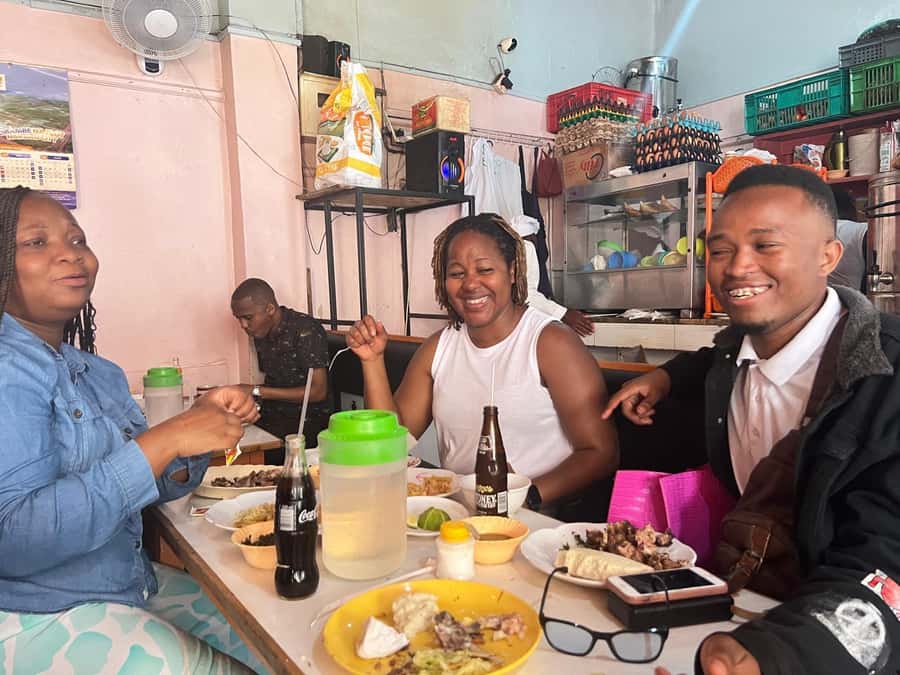
The food is the hook, but the city context is what gives the hour more value. Ishmael explains cultural details and local history as you walk, so the tour becomes a short introduction to Nairobi as well as a tasting route.
You may learn why chapati is so widely enjoyed, how nyama choma is served, or how different communities have shaped the city’s food choices. The supplied experience also includes a free city tour element, though the hour is too short for a full sightseeing circuit.
That limitation is worth keeping in mind. You should not book this expecting detailed tours of Nairobi’s major landmarks. Instead, you get a street-level view of central Nairobi while moving between places to eat.
I especially like this approach for someone who wants practical food advice. Ishmael can point you toward dishes and restaurants to try later, helping you decide what to order during the rest of your stay. One past outing included tips about local restaurants, which can be more useful than a long list of attractions.
The $37 price and the extra food budget
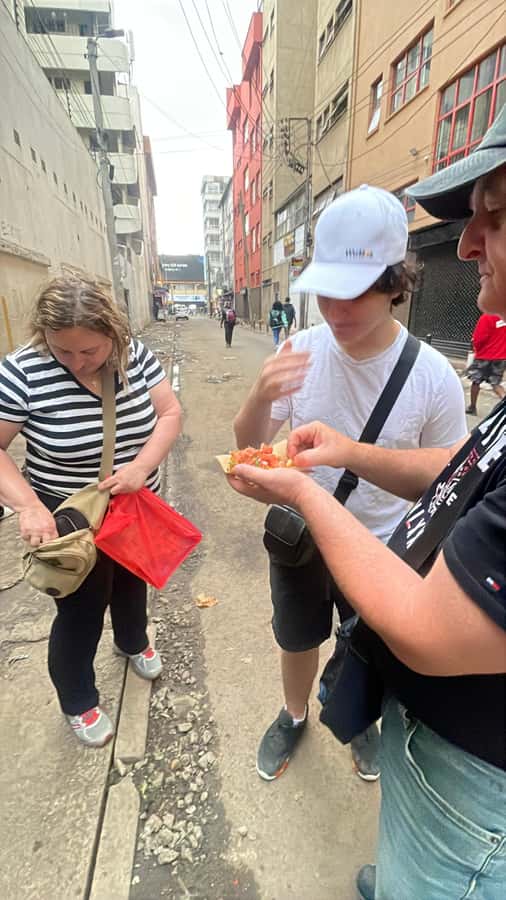
At $37 per person, the tour is not simply a pay-one-price meal. The fee pays for Ishmael’s guiding, the one-hour walking route, food tastings at different locations and bottled water. You should then bring at least $20 for food purchases outside the tour fee.
That makes the total planned cost closer to $57 per person if you use the suggested food budget fully. In return, you receive a guide who saves you the work of finding stalls, explains what you are trying, and takes you through several food stops in a short period.
The value is strongest if you want orientation and variety. A person focused only on getting the cheapest meal in Nairobi could spend less independently. You are paying for access to a planned route, explanations, local food guidance and the confidence to try dishes you might otherwise pass by.
The extra cash is also useful because appetites differ. Some people will be full after several tastings. Others may want additional nyama choma, chapati or snacks. You can control that part of the cost rather than paying for a fixed large meal that may not suit you.
Who will enjoy this tour most
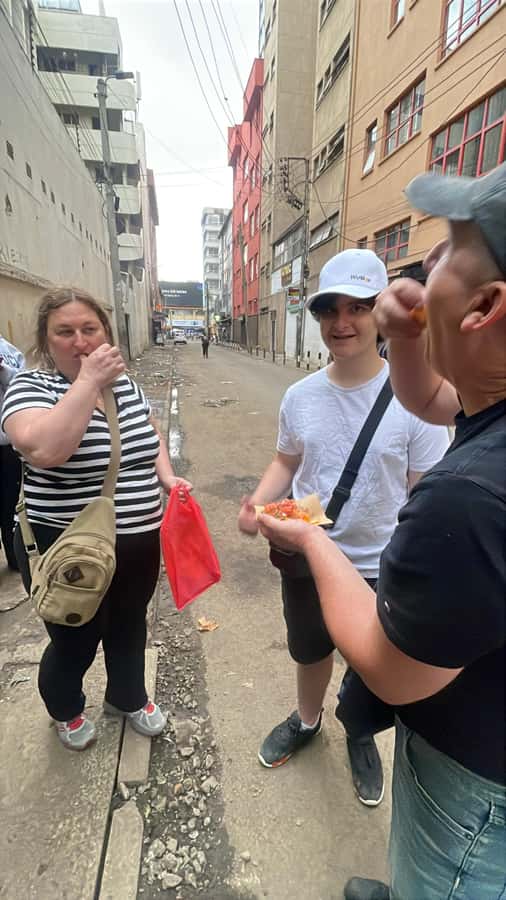
I would choose this for a first day or early evening in Nairobi, when you want a quick introduction to local food and central streets. It also suits anyone who likes trying many small portions instead of ordering one unfamiliar plate.
It is a good match for:
- First-time visitors who want a food-based city orientation
- Curious eaters who enjoy street snacks and grilled food
- People with only one free hour
- Anyone who wants practical suggestions for later meals
- Visitors who prefer a guide when trying unfamiliar food
It may be less suitable if you want a long, leisurely meal, a cooking lesson or a tour built around one specific cuisine. The route is short, the walking pace can be brisk, and the food selection may change with the day.
The activity is listed as wheelchair accessible, but you should still ask about the exact route and surfaces when booking if you have mobility concerns. A central street food walk can involve busy public areas, and the supplied details do not describe every section of the path.
Practical tips for a better hour
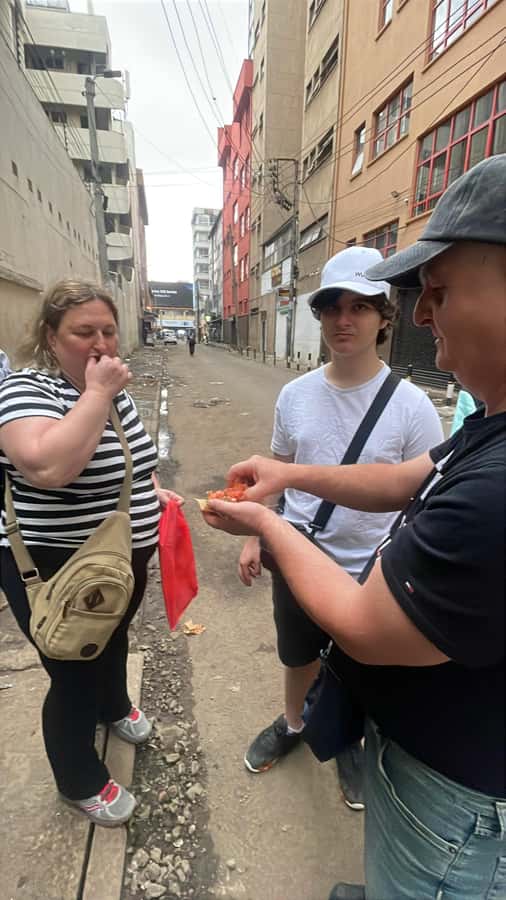
Bring cash in addition to your booking payment. The instructions specifically call for at least $20 or the equivalent in local currency, and that money is for food, extra purchases or items you may want to take away.
Wear comfortable shoes. You will walk through central Nairobi and move between several food locations, with the street food portion taking about half of the total time.
Keep the group moving by asking focused questions. Ishmael can explain culture, ingredients and local eating habits, but a one-hour route leaves little room for long stops.
If you are unsure about a dish, ask what is in it before tasting. This is particularly useful for grilled foods, filled pastries and prepared street snacks.
Bottled water is included, but you may still want to carry any personal essentials you normally need during a city walk. Alcohol and drugs are not allowed on the activity.
The tour is conducted in English. Free cancellation is available up to 24 hours before the start, and you can reserve now and pay later if you want to keep your plans flexible. Check the available start times before booking, since the duration is fixed at one hour.
Should you book the Nairobi food walk?
Book it if you want a compact, guide-led taste of Nairobi and you are happy to walk, sample several foods and carry extra cash. Ishmael Nzioka’s role adds the most value, since he connects the dishes with local culture and can suggest places to eat afterward.
Skip it if your priority is a long restaurant meal, a full city sightseeing tour or a fixed menu with every cost included. The hour passes quickly, and the $20 food budget is separate from the booking price.
For most curious eaters, this is a sensible first taste of Nairobi. You get more than samosas and grilled meat. You get a quick look at how central Nairobi eats, with enough variety to help you choose what to seek out next.
FAQ
Where does the Nairobi food tour start?
The tour starts at International House in central Nairobi. The Hilton Hotel is opposite the meeting point on City Hall Way.
How long does the tour last?
The guided food walk lasts one hour.
Who guides the tour?
Ishmael Nzioka leads the experience and speaks English.
What foods might I taste?
Possible tastings include samosas, chapati, nyama choma, ugali, snacks, sweets, fruit, barbecue, Somali food, Kenyan tea and fresh sugarcane juice.
Do I need to bring extra money for food?
Yes. You should bring at least $20 or the equivalent in local currency. This is separate from the $37 tour price and is intended for food purchases or extra items.
Is bottled water included?
Yes. Bottled water is included in the tour.
Is transportation to the meeting point included?
No. You need to arrange your own transportation to International House and arrive 10 minutes before the tour begins.
Is the tour wheelchair accessible?
Yes, the activity is listed as wheelchair accessible.
Can I cancel the booking?
You can cancel up to 24 hours in advance for a full refund. You can also reserve now and pay later.
Just added around Nairobi
- Nairobi: Horseback Riding Tour Through Maize Plantation★ 5.0 · 3 reviews
- Nairobi: Kibera Slum Compassionate Walking Tour★ 5.0 · 4 reviews
- From Nairobi: Horseback Wildlife Safari with Transfer & Meal★ 4.6 · 7 reviews
- Nairobi: Karura Forest Guided Walking Tour★ 5.0 · 4 reviews
- Nairobi: Hidden Gems and Local Secret Guided Walking Tour★ 4.9 · 20 reviews
- Nairobi: Hop on Hop off and Maasai market Collections Visit★ 3.5 · 10 reviews
- Nairobi: Karura Forest Horseback Riding Tour★ 4.8 · 11 reviews
- Nairobi: Guided Afternoon Tour to Bomas of Kenya.★ 3.1 · 4 reviews
Tours in Nairobi, compared.

Nairobi National Park Half-Day Tour; Free Wi-Fi connection
Read our review →
National Park & Optional Elephants & Giraffe Center
Read our review →
NAI NAMI: Nairobi Storytelling Tour with Street Children
Read our review →