
Reviewed · COFFEE EXPERIENCES
Nairobi: Coffee Factory and Farm Tour with Transfer
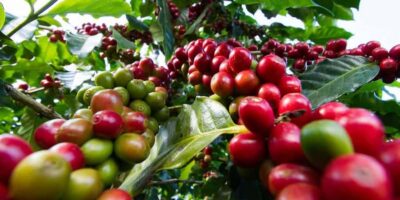
Kenyan coffee starts long before the roasting room. At Fairview Coffee Estate, you follow the process from flowering plants and coffee cherries to drying, roasting, brewing, and tasting. That makes this more than a quick farm stop: it is a clear look at how one of Kenya’s best-known crops reaches your breakfast cup.
I like the farm-to-cup detail and the chance to taste several Fairview coffees after seeing how they are made. I also like the easy hotel transfer, especially if you are staying in Nairobi and do not want to arrange your own ride to Limuru. The main caution is the extra fee listed separately from the $24 tour price, so check the final cost before paying.
Key points to know before you book
- Nearly 100 acres of coffee: Fairview’s estate in Limuru is a working coffee farm, not simply a tasting room.
- Coffee from flower to cup: The tour covers growing, picking, processing, drying, roasting, brewing, and coffee grades.
- Guides can make the difference: Elvis, James, and Ray have each been praised for clear explanations, warmth, and enthusiasm.
- A peaceful break from Nairobi: The farm offers fresh air, open space, and a slower pace after the city ride.
- Tasting and shopping are included: You can try at least two Fairview brands and buy ground or whole-bean coffee.
- Check the fee wording: The advertised price is $24 per person, while a separate $30 entry fee is also listed.
From Nairobi traffic to Fairview’s coffee country
The day begins with pickup at a Nairobi hotel or a listed pickup area. Options include Kilimani, Syokimau, Lavington, Embakasi, Karen, Gigiri, Nairobi, Westlands, and Parklands. That wide coverage is useful, but you should give your exact hotel details early, particularly if the booking form does not show your property.
The drive to Kiambu County takes about an hour by van. It is not a scenic country journey from the first minute. You must first get out of Nairobi, and traffic can affect the timing. Still, the transfer removes a major nuisance: finding a vehicle, negotiating a fare, and navigating to Limuru on your own.
The transport service has earned plenty of praise for careful, polite drivers. Douglas is singled out for hotel pickup and considerate driving, while Steven is also remembered as a friendly driver. One early booking had a pickup-time change, with notice arriving later than ideal, so keep your phone available on the morning of the tour.
The listed tour times are 10 in the morning and 2 in the afternoon. Since pickup and the farm visit together take about four hours, the morning option can occupy a good part of your day. The afternoon departure may suit you better if you want a relaxed Nairobi morning, but confirm the exact pickup time because the transfer is part of the schedule.
A few more things to do around Nairobi worth a look
- Safe and Private Airport transfer in Nairobi
★ 5.0 · 76 reviews - From Nairobi: Horseback Wildlife Safari with Transfer & Meal
★ 4.6 · 7 reviews - Nairobi: E-Bike/Cycling Wildlife Safari with Transfer & meal
★ 5.0 · 5 reviews
Why Fairview’s setting matters
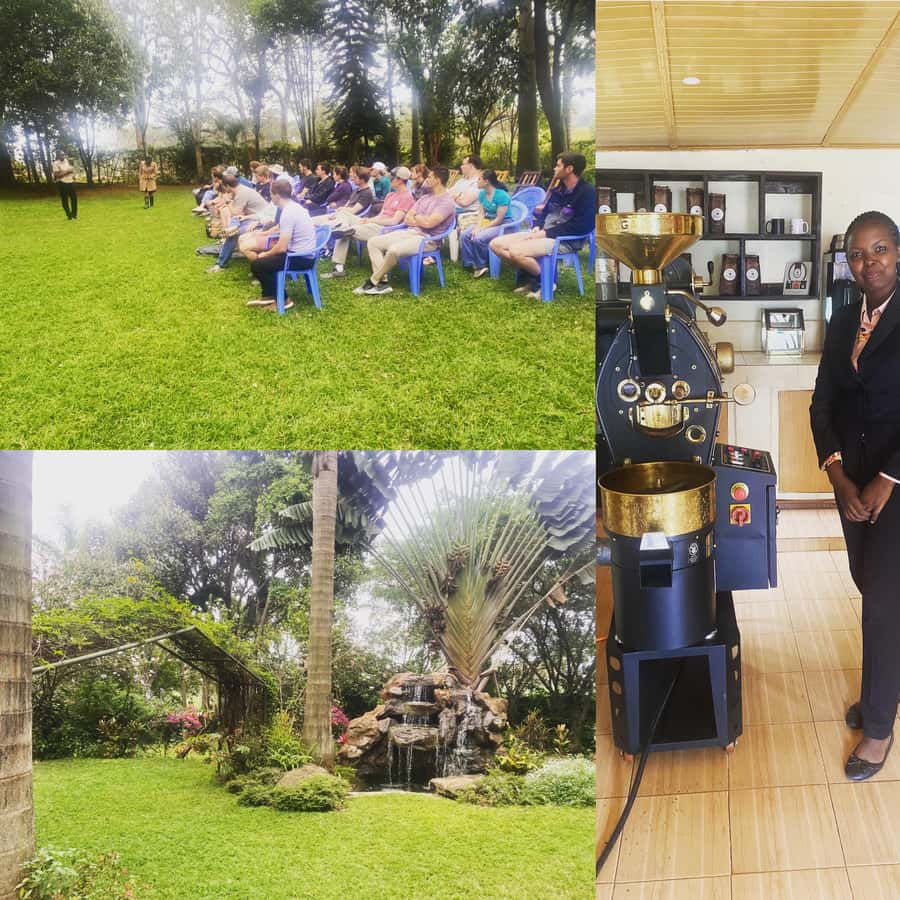
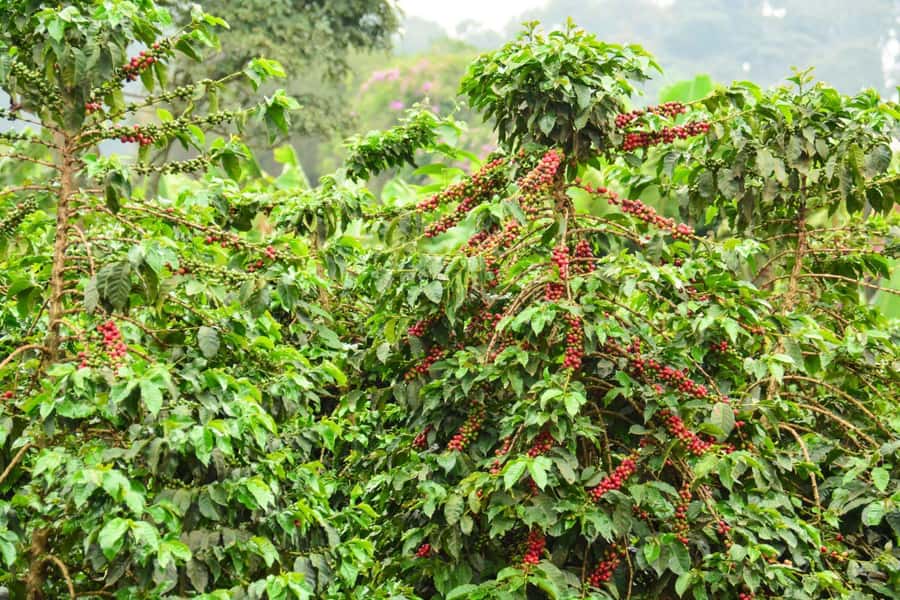
Fairview Coffee Estate lies in Limuru, in Kiambu County, on fertile ground supplied by the Riara River. The river is fed by streams from the Kenyan highlands, and the farm has been producing coffee since the early 1900s.
You do not need to be a serious coffee buyer to appreciate this setting. The point is seeing coffee as an agricultural crop rather than a packet on a supermarket shelf. The plants flower, form cherries, and pass through several careful stages before anyone grinds the beans.
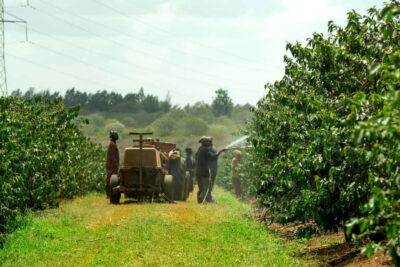
Nearly 100 acres of the estate are under coffee. That gives the walk a proper working-farm feel. You are not simply shown a few decorative plants beside a café. You get a sense of the scale involved and the space required to grow a crop that is picked and processed with care.
The farm is also a pleasant change from central Nairobi. Fresh air, greenery, and the quiet of the estate give the outing a restorative quality. I would not book it solely as a sightseeing drive, but it is a fine way to spend half a day if you want something calmer than museums, shopping, or city traffic.
The farm walk, from blossoms to coffee cherries
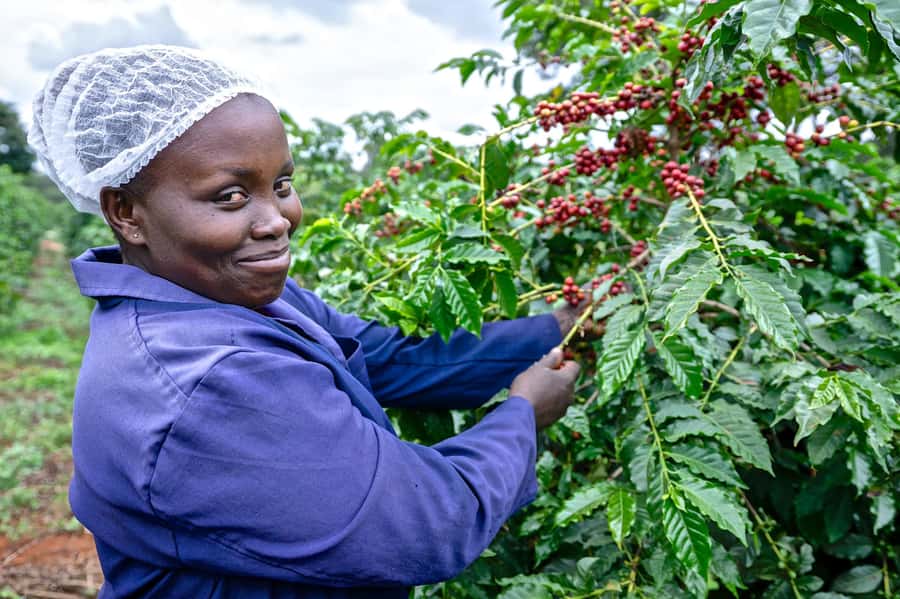
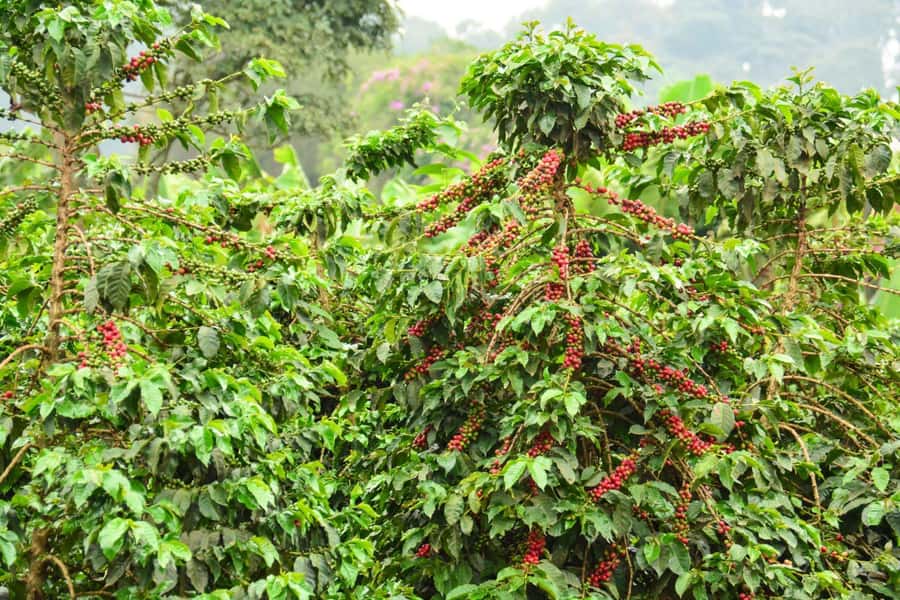
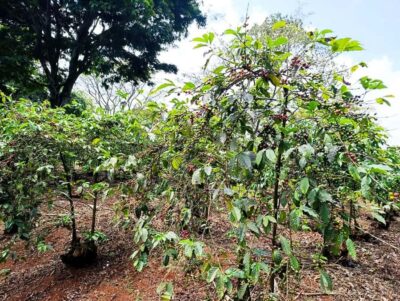
The first part of the two-hour farm visit explains how coffee grows. You learn about the plant’s flowering stage, the development of the coffee cherry, and the agricultural work behind the crop.
This is where a good guide matters most. Elvis has been especially well regarded for his passion and clear explanations, and one guide is described as having grown up on a coffee farm. That kind of practical connection can make the farming section easier to understand than a purely technical talk.
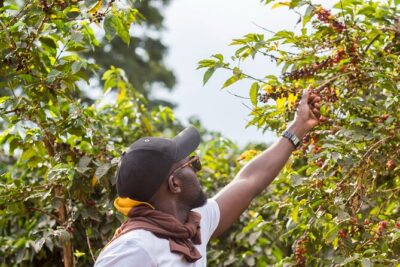
You may also get an interactive task. One session included picking coffee cherries and checking the quality of the selected fruit. That small exercise helps you see that harvesting is not just a matter of stripping every cherry from a branch. It connects the walk to the later discussion of quality and coffee grades.
The guide will explain the steps after picking, including drying and preparation for roasting. The exact order and detail can vary with the day’s guide and farm activity, but the tour is designed to take you through the full chain from plant to drink.
Wear hiking shoes or another pair with a firm sole. The farm asks you to bring warm clothing and clothes that can get dirty. That advice is practical rather than dramatic. Limuru can feel cool, and a plantation walk is not the place for your best city outfit.
Inside the production process
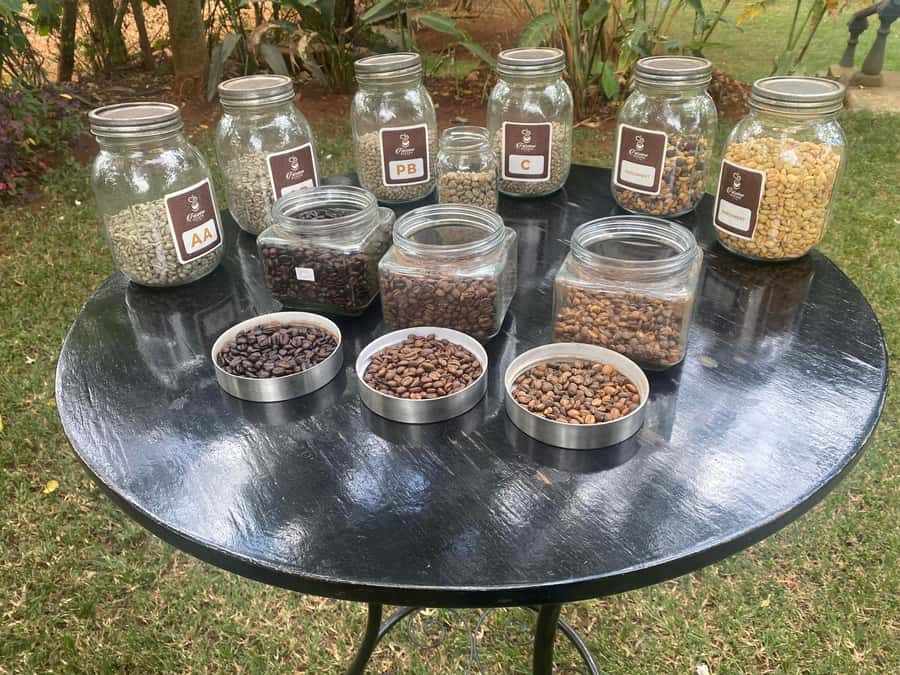
The farm section leads into the coffee-making process. You learn how picked cherries are handled, how the beans are prepared and dried, and how roasting changes their smell, color, and taste.
The value here is the connection between each stage. A coffee tasting makes more sense after you have seen the crop and heard how the beans are treated. You can start to link a particular roast or flavor to decisions made long before brewing.
The guides also explain coffee grades. That is useful if you plan to buy Kenyan coffee during your stay, because labels and roast levels can otherwise feel like a wall of specialist language. The session is meant to be interactive, so you can ask questions rather than simply listen to a long speech.
Do not expect a full professional barista course. This is a farm tour with an educational production talk and tasting, not a detailed certification class. If your main interest is espresso technique, latte art, or advanced brewing, the experience may feel introductory. For most coffee drinkers, that is also its strength: the information stays connected to the place and crop.
Same base, a completely different sort of day:
- Nairobi National Park Half-Day Tour; Free Wi-Fi connection
★ 5.0 · 878 reviews - Nairobi: National Park & Optional Elephants & Giraffe Center
★ 4.8 · 874 reviews - NAI NAMI: Nairobi Storytelling Tour with Street Children
★ 5.0 · 792 reviews - Nairobi National Park Half-Day Game Drive
★ 4.5 · 738 reviews
The tasting is the payoff
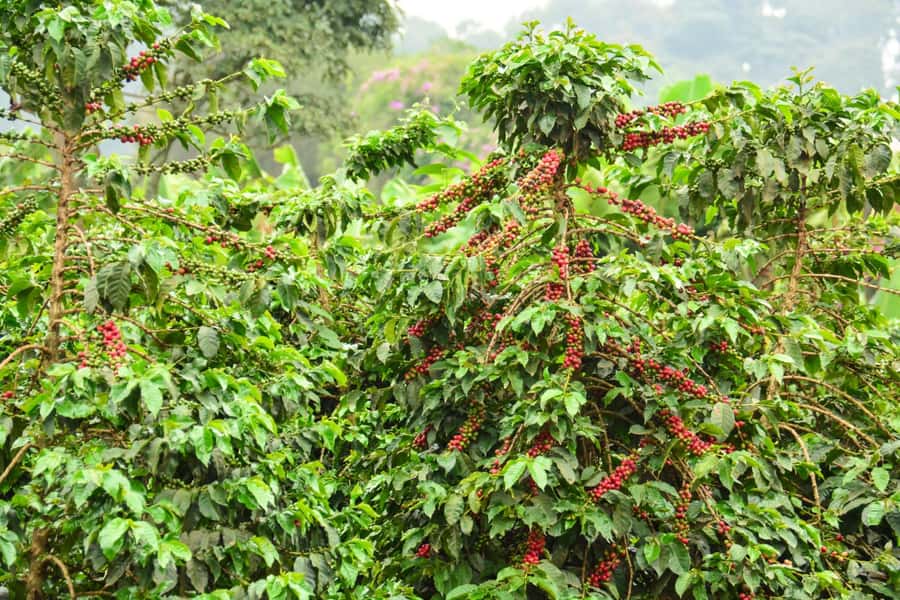
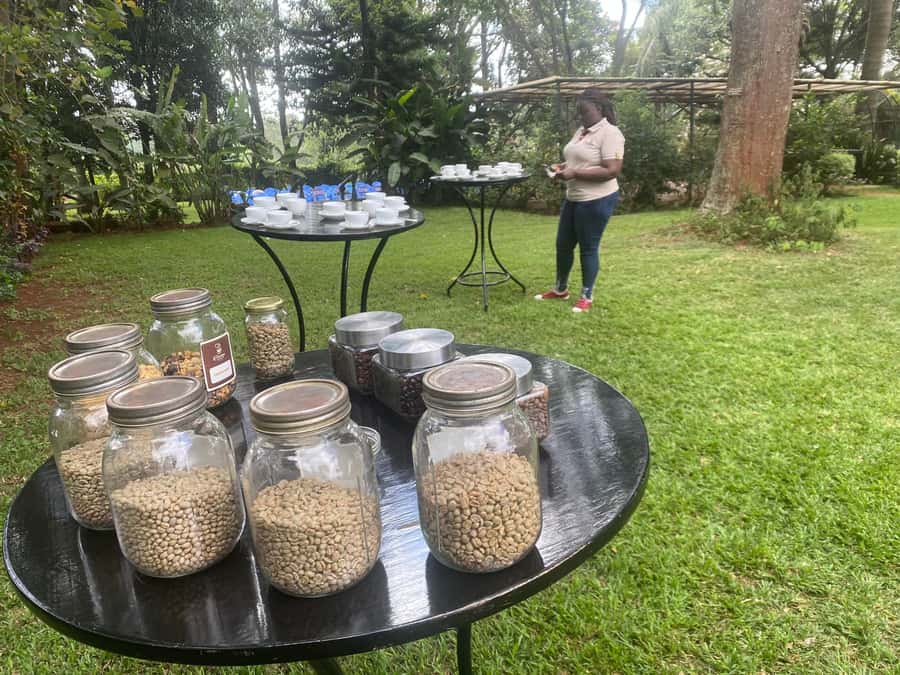
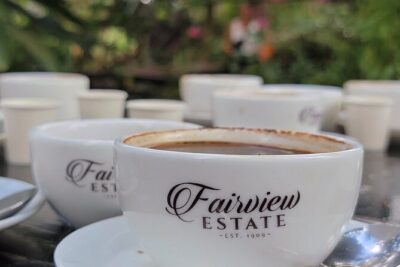
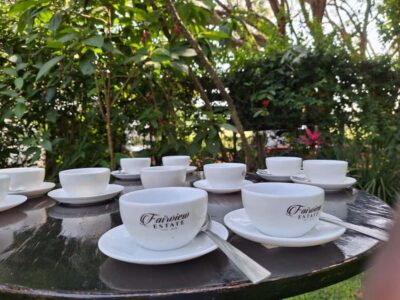
The tasting session is the most enjoyable part for many people, and it gives the farm walk a clear finish. You taste at least a couple of Fairview’s coffee brands, including different roast styles and grades.
You should expect freshly brewed coffee rather than a formal restaurant meal. Food, snacks, and drinks beyond the coffee are not included, so eat beforehand or plan for food later. The supplied details do not promise a full lunch at the estate.
The tasting is not just a sample at the end. It is a chance to compare what you have learned. You can notice how different roasts affect aroma and flavor, and you can ask the guide to explain the differences. If you usually add milk or sugar, try the coffee plain first so you can get a better sense of the roast.
Coffee is available to buy as ground coffee or beans. This is one of the better practical features of the visit. You can take home a product tied directly to the farm rather than searching for a shop after returning to Nairobi.
Prices and stock can change, and the tour details do not give a product price list. Bring a payment method you are comfortable using, but do not assume a particular roast or package will be available on the day.
What the $24 price really covers
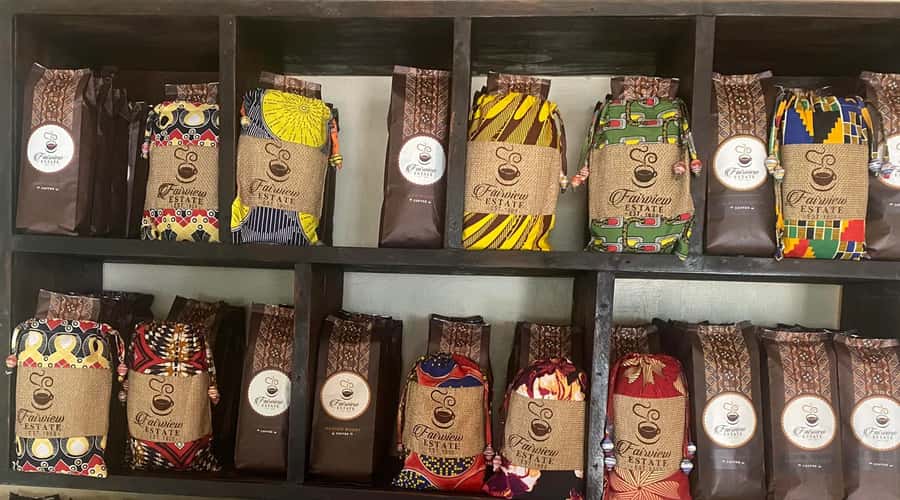
At $24 per person, this can be good value if you use the included transfer. The price covers hotel pickup and drop-off in Nairobi, the two-hour coffee tour, mineral water in the vehicle, coffee processing information, and tasting.
A private ride to Limuru can add cost and planning time, so the shared van makes the experience easier for many people. You are paying for transport as well as the farm visit, which makes the headline price more useful than comparing it with a simple café tasting.
There is one important wrinkle. The details also list an entry fee of $30 separately from the tour price. That wording is unclear because it could mean an additional charge or a data-entry error. Ask the operator to confirm the complete amount before booking. This is the single biggest value question.
If the $30 is extra, the overall cost is much higher than the advertised $24. If it is already accounted for elsewhere, the tour becomes a strong half-day option. Do not leave this point to chance.
Guides, drivers, and the human side of the visit
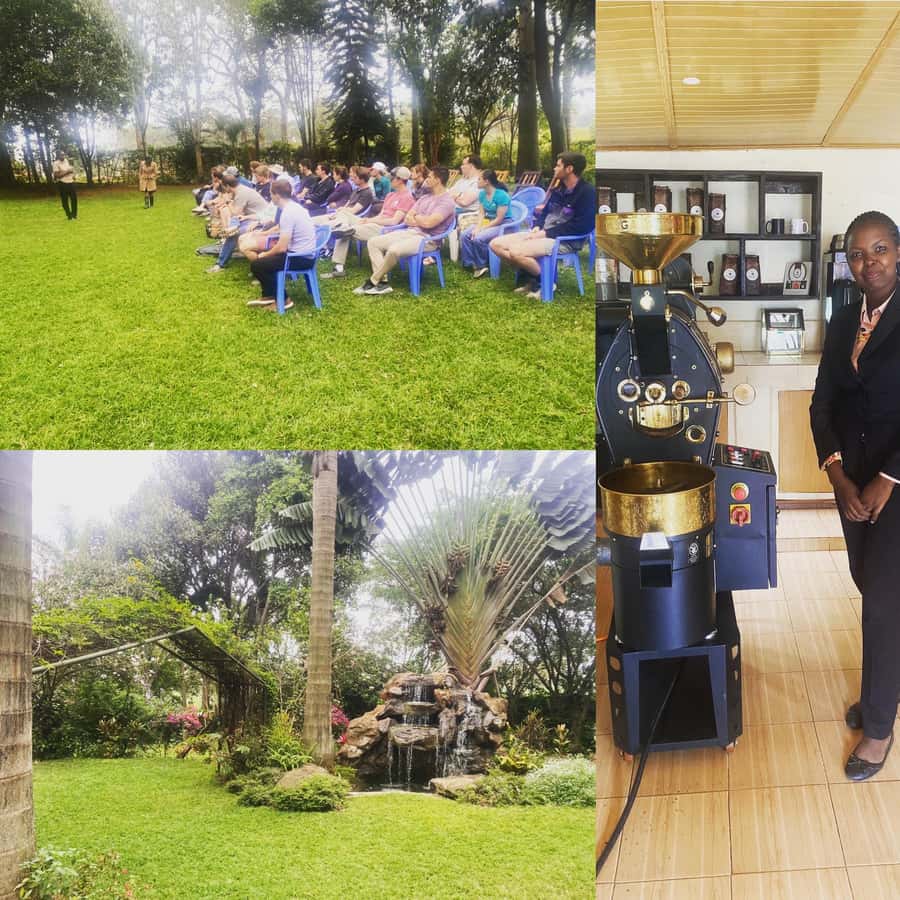
The strongest part of this experience is the people leading it. Several guides have received specific praise for making the subject lively and easy to follow.
Elvis is repeatedly described as warm, passionate, and highly informed about coffee. James is praised for a charismatic presentation and a well-run tasting. Ray is also noted as a strong guide. You may not be assigned one of these individuals, but their style gives you a useful idea of what the best version of the visit feels like.
The drivers add value in a quieter way. Douglas is known for being accommodating, including collecting people from their hotel when arrangements changed. Another account describes the driver as careful and polite. That matters in Nairobi, where a smooth pickup can save more stress than any extra sightseeing stop.
There have been occasional communication issues around pickup time and hotel collection. One booking involved an early schedule change, while another hotel pickup was confirmed only on the morning of the tour. Send your hotel details clearly and confirm the pickup time the day before.
Who will enjoy this most
I would recommend the tour first to coffee lovers, curious first-time visitors to Kenya, and anyone who wants a gentle half-day outside central Nairobi. It also suits people who like learning through examples. You see the plant, hear about processing, then taste the result.
Families and mixed-interest groups may also find it a good fit because the outing combines a walk, a working farm, a short lesson, and refreshments. You do not need expert coffee knowledge to follow the explanations.
It is less suitable if you want a fast city activity or a full day of major Nairobi sights. The one-hour van ride each way takes a meaningful part of the four-hour schedule. The farm route also means you should be ready for outdoor walking and possibly muddy clothing.
The experience is listed as wheelchair accessible. If you use a wheelchair, contact the provider before departure to discuss the exact farm route and vehicle arrangements. Accessibility at the property is a useful inclusion, but the supplied details do not describe the surface or length of every walking section.
What to bring and how to plan the day
Bring a warm layer. Limuru’s highland setting can feel cooler than Nairobi, especially during the morning tour.
Wear hiking shoes or sturdy walking shoes, and choose clothes that can get dirty. You may walk among coffee plants and take part in practical parts of the visit, so white trousers and delicate shoes are poor choices.
Carry water for the farm walk, although mineral water is provided in the vehicle. Food is not included, so eat before pickup or arrange your next meal in Nairobi. The tasting provides coffee, not a complete snack stop.
Plan a little flexibility around the pickup and return. The advertised duration is four hours, but traffic can affect the road portion. The farm visit itself is about two hours, leaving roughly an hour each way for transport.
Free cancellation is available up to 24 hours before the activity for a full refund, and you can reserve now and pay later. Those terms are useful if your Nairobi plans are still shifting, but confirm the final price and pickup location before you lock it in.
Should you book the Fairview coffee tour?
Book it if you want to understand Kenyan coffee beyond the cup. The farm walk, production explanation, tasting, and included city transfer form a sensible half-day package. The best guides, including Elvis, James, and Ray, appear to bring real warmth to the subject, while the quiet estate gives you a welcome break from Nairobi.
I would hesitate only if you dislike outdoor walking, have little time for the transfer, or cannot get a clear answer about the separate $30 fee. For everyone else, especially coffee drinkers who want a local product to take home, this is a practical and worthwhile outing. Confirm the price, pickup time, and hotel collection in advance, then bring warm clothes and an open mind.
FAQ
How long does the Nairobi coffee farm tour last?
The full activity lasts about four hours, including transport from Nairobi and the farm visit. The coffee tour itself takes about two hours, with roughly an hour listed for the van journey to the estate.
Where is Fairview Coffee Estate?
Fairview Coffee Estate is in Limuru, Kiambu County, in central Kenya. The farm is supplied by the Riara River and sits in the Kenyan highlands.
What time does the tour operate?
Two daily start times are listed: 10 in the morning and 2 in the afternoon. Check availability for the exact departure time when booking.
Is hotel pickup and drop-off included?
Yes. Pickup and drop-off at a Nairobi city hotel are included, with listed areas including Kilimani, Syokimau, Lavington, Embakasi, Karen, Gigiri, Nairobi, Westlands, and Parklands.
What does the coffee tasting include?
You can taste at least a couple of Fairview coffee brands. The experience also covers coffee grades, roasting, brewing, and the production process. Ground coffee and coffee beans are available to buy.
What should I wear and bring?
Bring warm clothing, hiking shoes, and clothes that can get dirty. Mineral water is provided in the vehicle, but food, snacks, and additional drinks are not included.
Is the tour wheelchair accessible?
The activity is listed as wheelchair accessible. For details about the walking route and vehicle arrangements, contact the provider before departure.
More Farms in Nairobi
- Nairobi to Kiambethu Tea Farm Tour
★ 5.0 · 51 reviews - Coffee Farm Village & Factory Half Day Tour with Pick-Up
★ 5.0 · 33 reviews - Private Day Trip to Kiambethu Tea Farm in Limuru from Nairobi
★ 5.0 · 31 reviews - Nairobi: Guided Coffee Farm Tour with Tastings
★ 5.0 · 24 reviews
Just added around Nairobi
- Nairobi: Horseback Riding Tour Through Maize Plantation★ 5.0 · 3 reviews
- Nairobi: Kibera Slum Compassionate Walking Tour★ 5.0 · 4 reviews
- Nairobi: Karura Forest Guided Walking Tour★ 5.0 · 4 reviews
- From Nairobi: Horseback Wildlife Safari with Transfer & Meal★ 4.6 · 7 reviews
- Nairobi: Hidden Gems and Local Secret Guided Walking Tour★ 4.9 · 20 reviews
- Nairobi: Hop on Hop off and Maasai market Collections Visit★ 3.5 · 10 reviews
- Nairobi: Karura Forest Horseback Riding Tour★ 4.8 · 11 reviews
- Nairobi: Half-Day Game Drive at Nairobi National Park★ 5.0 · 5 reviews
Coffee Experiences, compared.
Coffee Farm Village & Factory Half Day Tour with Pick-Up
Read our review →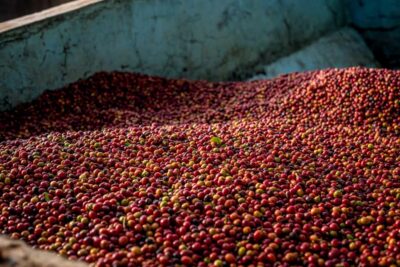
Fairview Coffee Farm Day Tour in Nairobi with Pickup
Read our review →Browse the lists this tour appears in