
Reviewed · COFFEE EXPERIENCES
Nairobi: Fairview Coffee Estate Tour with Pickup
Fairview’s best trick is to turn a morning cup of coffee into a hands-on lesson. You walk among SL28 and Ruiru 11 plants, follow cherries through the wet and dry mills, then roast, grind, and bag your own beans over a wood fire. I like the farm-to-cup view and the chance to taste coffee at different roast levels rather than simply buying a souvenir bag.
I also like the calm setting outside Nairobi and the local snack platter at the end. The main drawback is cost clarity: the advertised $38 price does not include the $30 entry fee, and pickup has not always run smoothly. Build in extra time and confirm the total before paying.
Key points to know before you book
- Roast your own beans: You use a traditional jiko over firewood, then grind and bag the coffee with local guidance.
- See real production work: The tour covers seedling care, cherry selection, pulping, fermentation, drying, and milling.
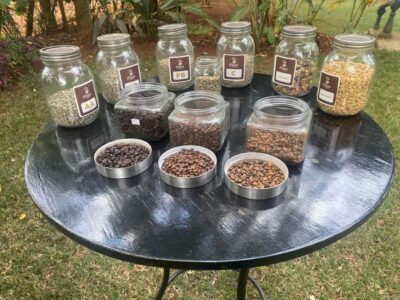
- Taste Kenyan coffee properly: A certified cupping host introduces different roast levels and helps you notice changes in flavor.
- Pickup covers many Nairobi areas: Collection and return are offered in Kilimani, Kileleshwa, Parklands, Nairobi, Syokimau, Westlands, and Loresho.
- Harvest timing matters: April through June and October through December offer the best chance of seeing coffee cherries in season.
- Budget for the extra fee: The $38 tour price excludes a $30 entry charge, a major detail when comparing options.
From Nairobi streets to Kiambu coffee country

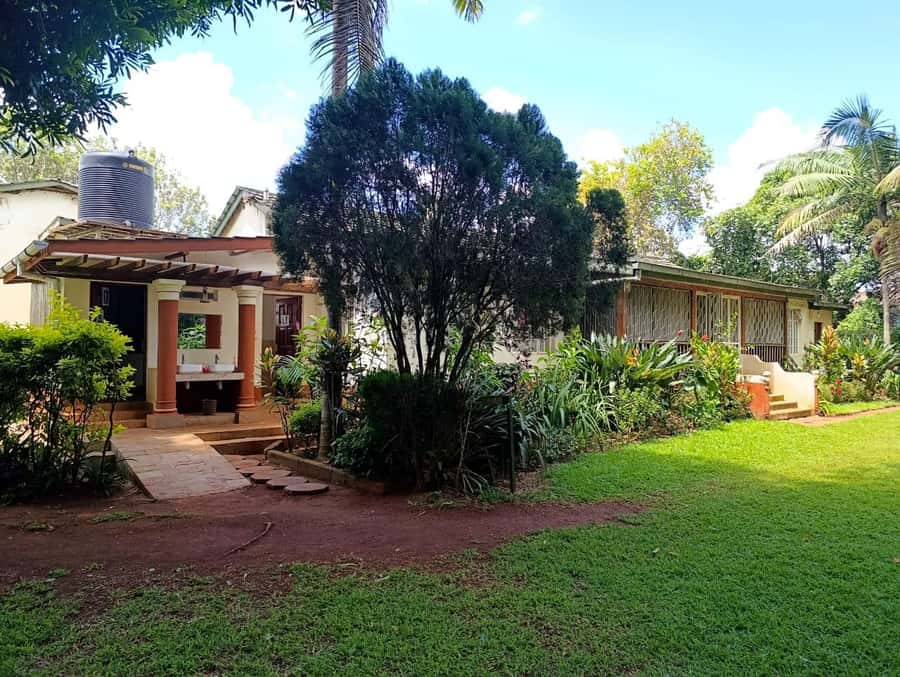
Fairview Coffee Estate gives you a useful change of pace from Nairobi without requiring a full day on the road. The farm is in Kiambu, in Kenya’s central highlands, at about 1,800 meters above sea level. The setting is cooler and greener than the city, with rows of coffee plants and open views along the way.
Pickup is available from seven areas: Kilimani, Kileleshwa, Parklands, Nairobi, Syokimau, Westlands, and Loresho. The return service covers the same places. That is handy if you are staying in different parts of Nairobi, but the wide pickup area can also mean a longer collection route.
Allow some flexibility around the stated four-hour duration. A documented pickup problem involved a 1.5-hour delay, which caused the scheduled group visit to be missed. I would confirm the pickup time the day before, keep the operator’s contact details close, and avoid booking this on a morning when you have a flight or another fixed appointment.
The farm itself has walkable paths, though sturdy shoes are a better choice than sandals. At moderate altitude, bring water and use sunscreen. The tour is listed as wheelchair accessible, but you should still confirm the exact route and any mill access needs before arrival.
A few more things to do around Kenya worth a look
- Coffee Farm Tour (Fairview)
★ 4.8 · 71 reviews - Nairobi: Coffee Factory and Farm Tour with Transfer
★ 4.5 · 60 reviews - Coffee Farm Village & Factory Half Day Tour with Pick-Up
★ 5.0 · 33 reviews
A warm cup before the farm walk
The visit begins with a fresh cup of coffee and small local sweet bites. This is more than a polite welcome. It gives you a first taste before the guide explains how growing conditions, processing, roasting, and brewing affect the final drink.
The guide then sets the scene for Kenyan coffee. You learn about the crop as a working product and as part of local farming heritage. The English-language tour uses explanations, jokes, and games, which helps keep the technical material from becoming a lecture.
James is one guide specifically praised for explaining how the plantation works. If he is leading your visit, expect a clear account of the farm operation, but guide assignments can change. The tour has an overall rating of 4.2 from four reviews, so the experience appears well regarded, though the small number of ratings means you should keep expectations sensible.
Reading the rows of SL28 and Ruiru 11
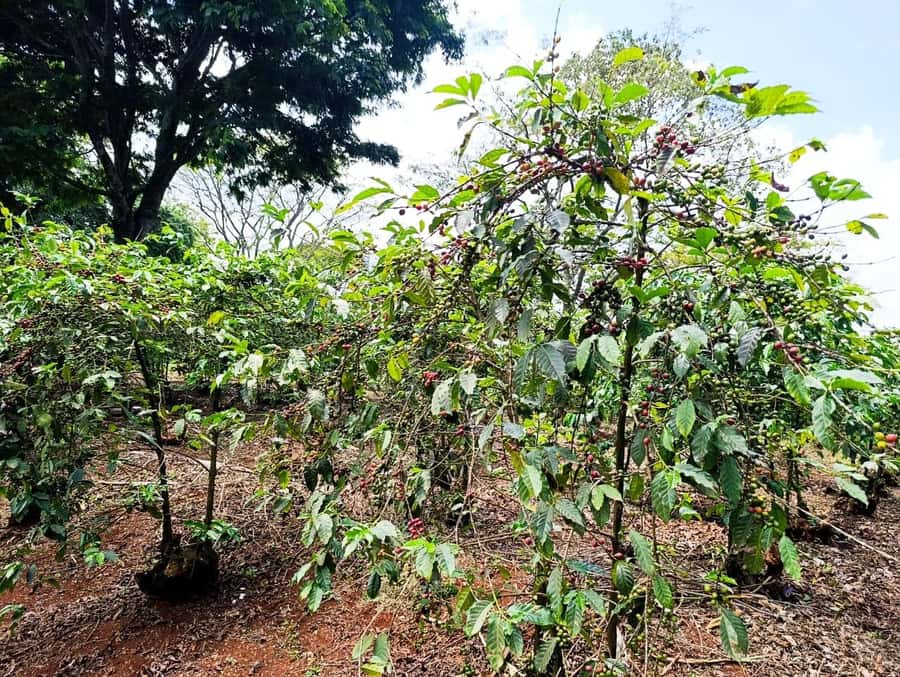
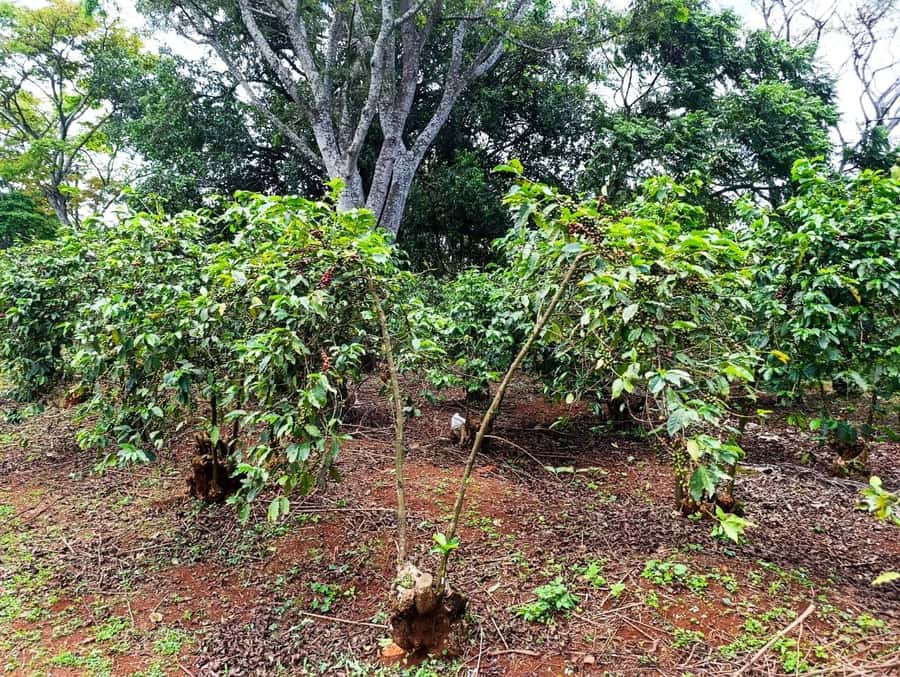
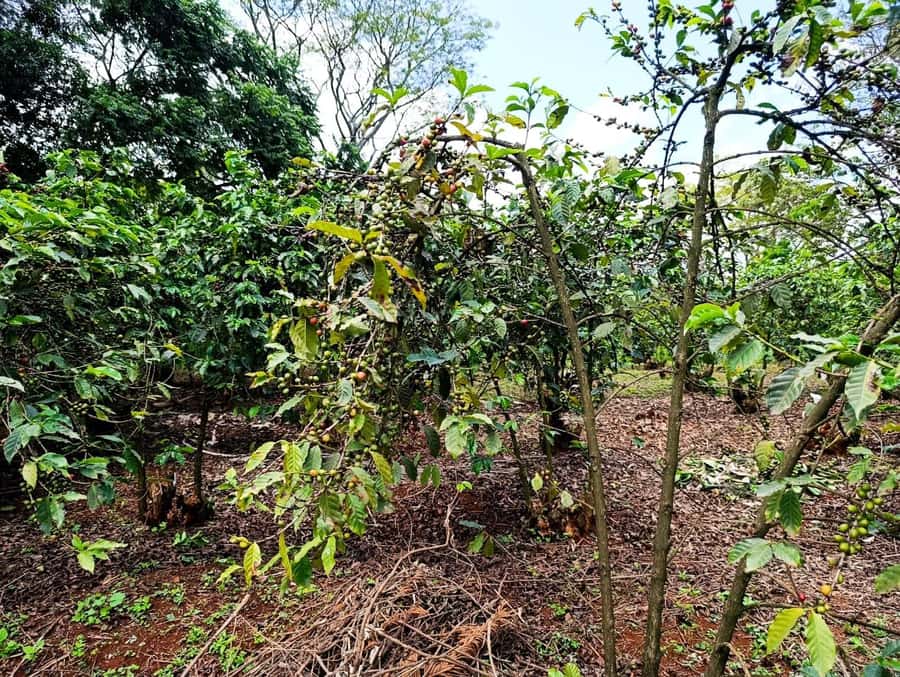
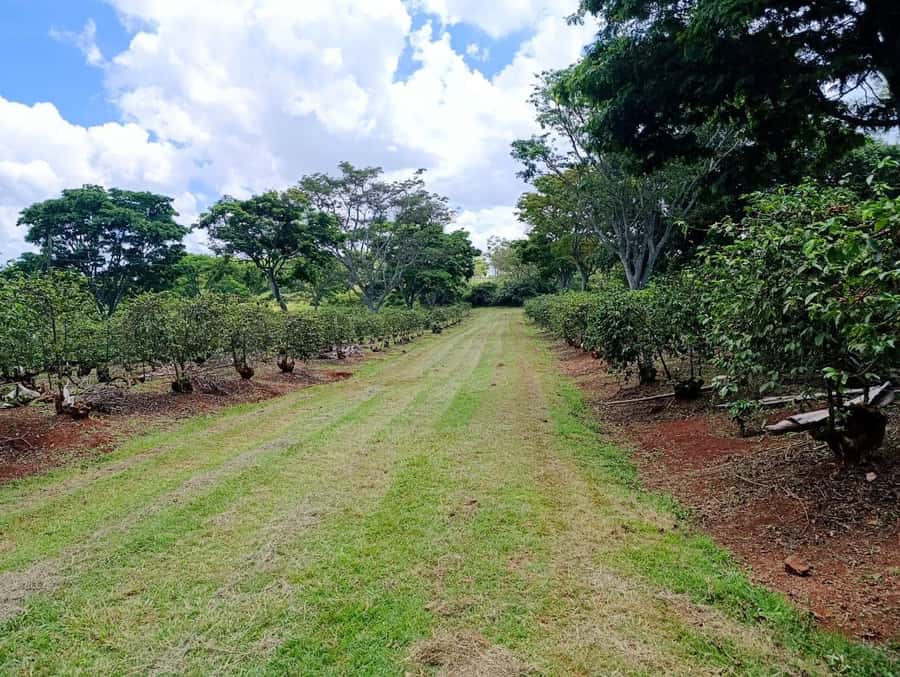
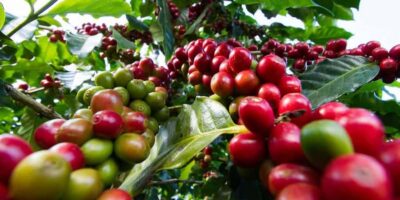
The farm walk takes you among coffee varieties including SL28 and Ruiru 11. These names can sound like plant-breeding shorthand, but they matter because Kenyan coffee is not one uniform product. Different varieties contribute to the character of the beans and respond differently to growing conditions.
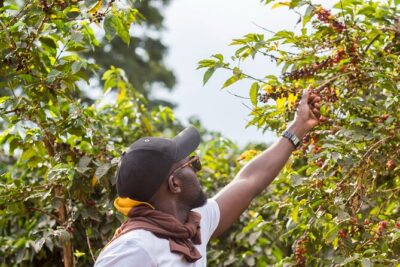
You will hear about seedling propagation, soil care, and the selection of ripe coffee cherries. This part is especially useful if you usually see coffee only as roasted beans in a shop. Here, the product begins as a carefully managed plant, and the quality of the final cup depends on choices made long before roasting.
If you visit during April through June or October through December, you have the best chance of seeing cherries in season. The tour says you may get hands-on with the cherries at that time. Outside harvest periods, you can still walk the rows and learn about cultivation, but you should not expect every seasonal activity to be available.
The farm walk is not a strenuous hike, but paths can be uneven. Comfortable shoes, water, and sunscreen will make a real difference, especially if you are unused to the elevation.
Following cherries through the wet mill
The wet mill shows what happens soon after coffee cherries are picked. You see how cherries are pulped and prepared for fermentation, then learn why careful processing matters before the beans are dried.
The raised drying beds are one of the more useful stops because they make an invisible stage visible. Coffee does not go straight from the branch to a roasting machine. It passes through several controlled steps, and drying affects the condition of the beans that later reach the roaster.
You also visit the dry mill, where the prepared coffee is handled after drying. Together, the wet and dry mills give you a clearer picture of the post-harvest process. I find this section valuable because it explains why a farm visit can teach you more than a standard tasting session in town.
Factory access can involve working areas, so listen closely during the safety briefing. The tour combines guided explanations with time for photographs and sightseeing, but the exact amount of free time depends on the group and the day’s schedule.
Same base, a completely different sort of day:
- Nairobi National Park Half-Day Tour; Free Wi-Fi connection
★ 5.0 · 878 reviews - Nairobi: National Park & Optional Elephants & Giraffe Center
★ 4.8 · 874 reviews - NAI NAMI: Nairobi Storytelling Tour with Street Children
★ 5.0 · 792 reviews - Nairobi National Park Half-Day Game Drive
★ 4.5 · 738 reviews
Roasting beans over a traditional jiko
The most hands-on part takes place in a rustic roasting hut. You roast your own beans over firewood using a traditional jiko, under the direction of a local expert. This is not a polished demonstration where you stand back and watch someone else do the work.
You also grind and bag the coffee. The process helps you understand how much care goes into a simple cup, and it gives you a personal souvenir with a story attached. Expect the roasting stage to be practical rather than fancy. Smoke, heat, and uneven-looking beans are part of the charm.
Roast level changes flavor, aroma, and body. The tour lets you sample different roast levels later, so pay attention to how your own batch compares. If you already drink specialty coffee, you may enjoy the chance to connect roast color and aroma with the final taste. If you are new to coffee, the activity remains approachable because the guide talks you through each step.
Tasting coffee with a cupping host
The cupping session is the most focused tasting portion of the visit. A certified cupping host leads you through samples at different roast levels and helps you refine your palate.
You do not need coffee expertise to enjoy this. Start by noticing aroma, then compare the samples for strength, acidity, smoothness, and lingering flavor. Kenyan coffee is often prized for its distinct profile, but your own preferences matter more than using the right vocabulary.
This session also puts the roasting workshop into context. You can taste how the same basic product changes with preparation. It is a better learning experience than simply being told that one roast is lighter or darker.
The coffee tasting is included with the guided experience, as are the farm and factory tour, roasting workshop, refreshments, and snack platter. Personal purchases are not included, so budget separately if you plan to buy coffee or other items at the farm shop.
Finishing with fruit, pastries, and juice
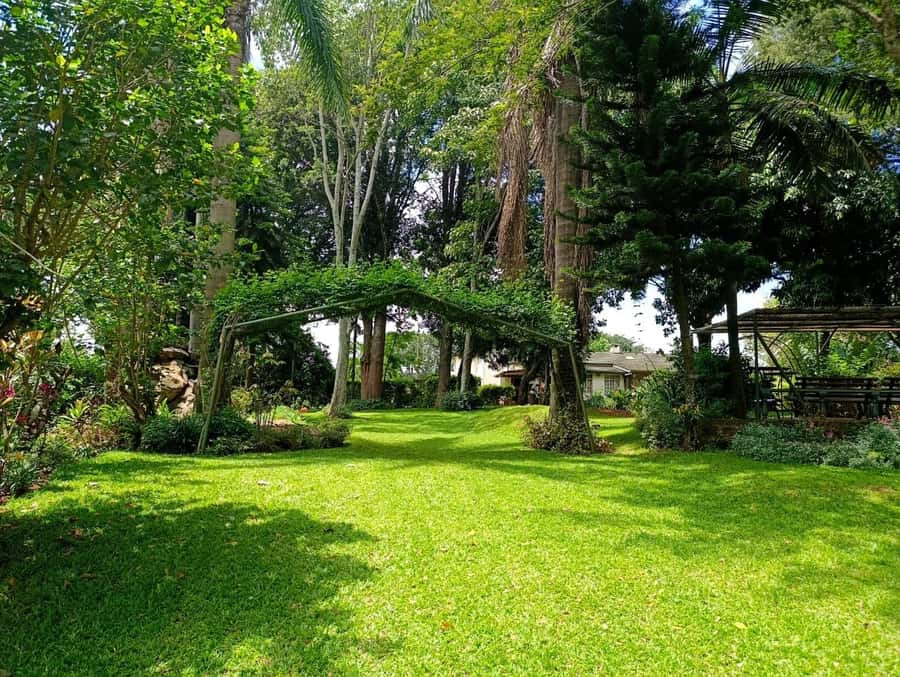
After the technical parts, you can settle on a scenic terrace with local fruit, pastries, and fresh juice. This slower ending gives you time to talk with the guide, compare tasting notes, and enjoy the setting without rushing straight back to Nairobi.
The refreshments are a useful part of the value, especially since the tour lasts about four hours. Still, they should not be treated as a full meal. A serious appetite may require eating before pickup or planning a separate meal afterward.
One booking account described a poor return experience after the driver suggested a Kenyan restaurant. The meal cost more than $10 per person, and the driver reportedly ate without paying. I would not accept an unplanned restaurant stop from the driver without checking the price, location, and arrangement first. Keep the farm’s planned refreshments separate from any extra food stop.
Is $38 a good deal when entry costs $30 extra?
The advertised price is $38 per person, but the separate $30 entry fee changes the calculation. Your practical starting total is about $68 per person before personal purchases or any optional spending.
At that combined price, the tour makes the most sense if you value transport from Nairobi, a guided farm and factory visit, hands-on roasting, coffee tasting, and refreshments in one package. Paying separately for each part could be more complicated, and the pickup service saves you from arranging your own transport to Kiambu.
The value is weaker if you mainly want a cup of coffee and a quick look at a farm. You are paying for the full production story and the workshop, not simply for a tasting. Confirm that the $30 fee is still required and ask how it will be collected before you commit, since one visitor was caught off guard by the additional charge.
The reserve-now-and-pay-later option can help if your Nairobi schedule is still changing. Free cancellation is available up to 24 hours before the activity for a full refund. Those terms are useful, but they do not solve a same-day pickup delay, so leave a generous buffer.
Who will enjoy this four-hour visit?
I would recommend Fairview Coffee Estate to coffee drinkers who want to understand what they are tasting. The roasting activity gives the visit more substance than a standard plantation walk, while the cupping session suits anyone curious about how roast levels affect a cup.
It also works well for visitors who want a quieter half-day beyond central Nairobi. The green highland setting, farm paths, terrace, and local snacks offer a change from city sightseeing without taking up an entire day.
Families and mixed-interest groups may find the hands-on work and games easier to enjoy than a technical factory tour alone. The English-speaking guide and wheelchair-accessible listing also make it practical for a broad range of visitors, though anyone needing detailed mobility information should confirm the route in advance.
I would be more cautious if your schedule is tight, if you dislike extra charges appearing at the entrance, or if you expect flawless transport timing. The late pickup account is not a minor detail when missing the group visit can lead to a reported $20-per-person surcharge for a private alternative or a three-hour wait for the next group.
What to bring for the farm paths
Pack comfortable or sturdy shoes, sunscreen, and water. The farm paths are walkable, but this is an outdoor visit rather than a polished indoor attraction.
Dress for a moderate-altitude setting and allow for sun during the farm walk. April through June and October through December are the best months for seeing coffee cherries, although the tour runs as a coffee-growing and processing experience outside those periods too.
Bring room in your day for the pickup. The stated duration is four hours, but traffic, collection points, and farm timing can affect the overall outing. I would not schedule a must-not-miss activity immediately afterward.
Should you book Fairview Coffee Estate?
Book it if you want a practical look at Kenyan coffee, not just a scenic farm stop. The strongest parts are the walk through the SL28 and Ruiru 11 rows, the wet and dry mill visit, roasting over a jiko, and the guided comparison of roast levels.
Before paying, confirm the $30 entry fee, pickup time, and total cost. If the operator handles those details well, this is a worthwhile half-day for coffee fans and curious visitors who want a local activity beyond Nairobi’s usual sights.
Skip it if you need a tightly timed morning or only want a cheap tasting. The extra entrance charge and the possibility of pickup trouble mean the tour demands a little planning. For everyone else, Fairview offers a clear, hands-on look at how Kenyan coffee moves from seedling to cup.
FAQ
Where is Fairview Coffee Estate?
Fairview Coffee Estate is in Kiambu, in Kenya’s central highlands near Nairobi.
How long does the experience last?
The coffee estate experience lasts about four hours, with the main farm visit taking about three hours.
What does the $38 price include?
The price includes Nairobi pickup and drop-off, a guided farm and factory tour, the coffee roasting workshop, coffee cupping and tasting, snacks, and refreshments.
Is the $30 entry fee included?
No. The entry fee is listed separately at $30 per person, so confirm the full price before booking.
Where can pickup and drop-off take place?
Pickup and return are available in Kilimani, Kileleshwa, Parklands, Nairobi, Syokimau, Westlands, and Loresho.
What language is the tour conducted in?
The live tour guide speaks English.
Can I roast my own coffee?
Yes. You roast beans over firewood on a traditional jiko, then grind and bag the coffee with guidance.
When is the best time to see coffee cherries?
The best time is during harvest season, from April through June and October through December.
What should I bring?
Bring comfortable or sturdy shoes, sunscreen, and water. The farm is at about 1,800 meters, so staying hydrated is important.
Just added around Kenya
- Nairobi: Horseback Riding Tour Through Maize Plantation★ 5.0 · 3 reviews
- Nairobi: Kibera Slum Compassionate Walking Tour★ 5.0 · 4 reviews
- Nairobi: Karura Forest Guided Walking Tour★ 5.0 · 4 reviews
- From Nairobi: Horseback Wildlife Safari with Transfer & Meal★ 4.6 · 7 reviews
- Nairobi: Hidden Gems and Local Secret Guided Walking Tour★ 4.9 · 20 reviews
- Nairobi: Hop on Hop off and Maasai market Collections Visit★ 3.5 · 10 reviews
- Nairobi: Karura Forest Horseback Riding Tour★ 4.8 · 11 reviews
- Nairobi: Guided Afternoon Tour to Bomas of Kenya.★ 3.1 · 4 reviews
Coffee Experiences, compared.

Coffee Farm Village & Factory Half Day Tour with Pick-Up
Read our review →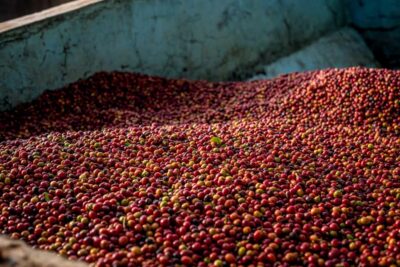

Fairview Coffee Farm Day Tour in Nairobi with Pickup
Read our review →Browse the lists this tour appears in