
Reviewed · CULTURAL VILLAGE VISITS
Nairobi: Kibera Slum storytelling tour with a Local
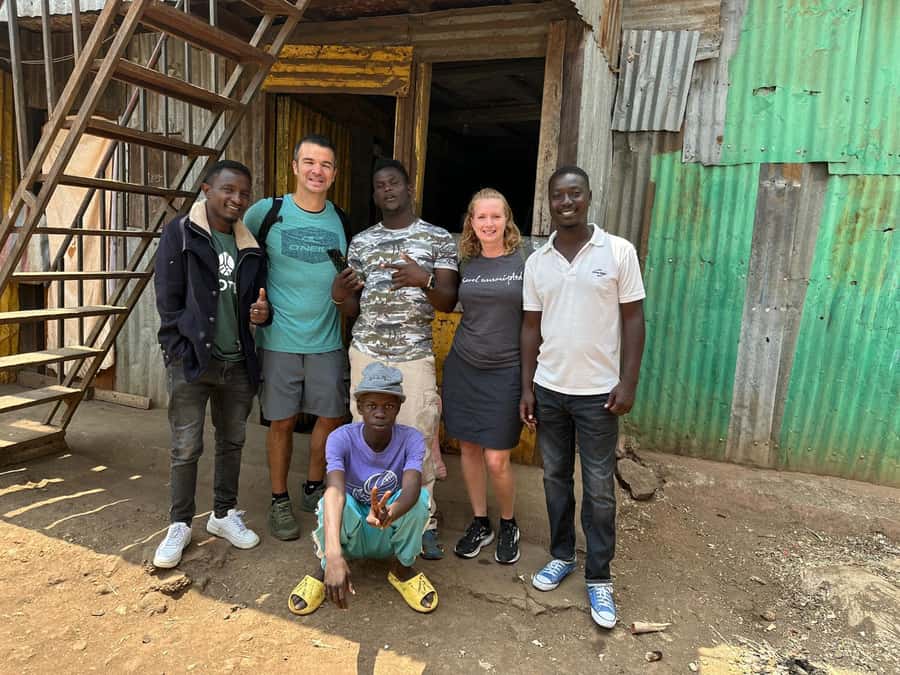
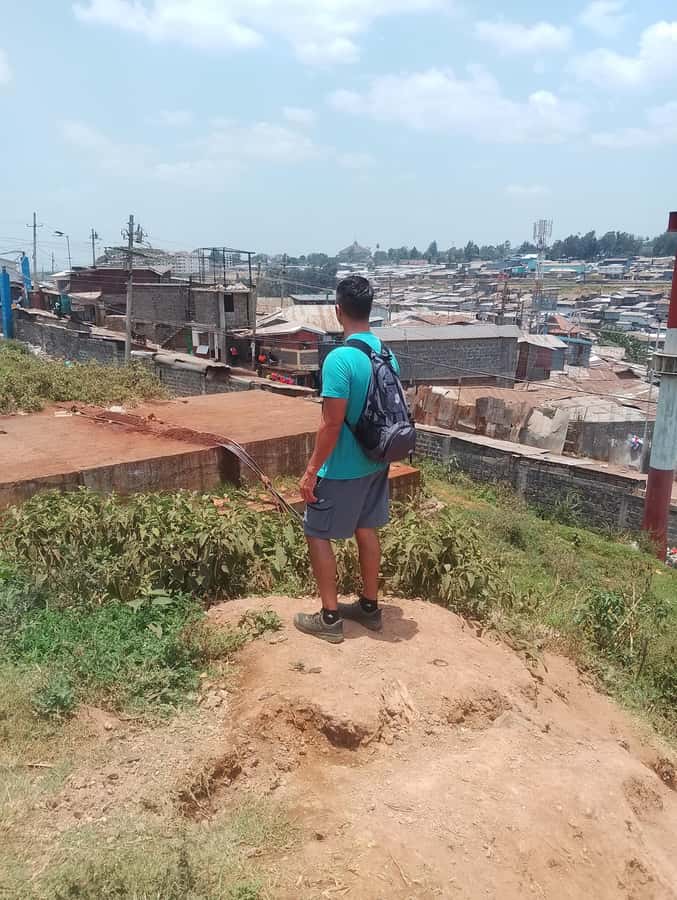
Kibera is not a sightseeing backdrop. It is a working community, and this three-hour walk lets you see it through the eyes of local guides such as Elijah, Peter, Effie, and Lucas. You will pass markets, schools, workshops, homes, public facilities, and narrow lanes while hearing how residents build lives and local solutions in difficult conditions.
I like two things here. First, the guides are from Kibera, so the tour is shaped by personal experience rather than distant commentary. Second, the money has a clear local purpose, with 20 percent reported to support a Kibera school. The main consideration is that this is a physically demanding walk through unmarked streets, and the subject matter can be confronting.
Key points at a glance

- Local guides with personal ties: Elijah, Peter, Effie, and Lucas have guided visitors through the area and, in several cases, grew up in Kibera.
- A three-hour walking route: Expect narrow alleys, market streets, community facilities, and a local home rather than a bus-based overview.
- Toi Market and Hope and Shine Kibera Centre: These stops show both the commercial life of Kibera and the local work supporting residents.
- A school visit with a direct connection to the tour: The guides describe the school as being supported by proceeds from these walks.
- Private and small in feel: Only your group participates, which makes it easier to ask questions and discuss sensitive subjects.
- Dress for the ground, not the photo: Wear practical clothes and shoes you do not mind getting dusty or dirty.
Starting at Greenhouse Mall in Kilimani

Your meeting point is the entrance of Greenhouse Mall in Kilimani. If you arrive early, you can wait on a bench near the fountain on the ground floor.
This is a useful starting point because it gives you a clear, ordinary place to meet before entering a very different part of Nairobi. From there, you head toward Kibera with your guide. The tour is private, so you do not have to match the pace or questions of a large group.
The walk lasts about three hours. That is long enough to see several parts of the settlement, but short enough to fit into a half-day in Nairobi. I would avoid scheduling it too tightly against an airport transfer or another fixed appointment. The route involves walking, conversation, and stops rather than a quick sequence of photo opportunities.
Your guide speaks English. Audio support is listed in French, Spanish, German, and Chinese, while the live tour itself is conducted in English. If you need the audio option, confirm how it will be provided when booking.
Other cultural visits around Nairobi:
- Nairobi: Explore Kibera Slum with Local Guides
★ 4.9 · 365 reviews - Nairobi: Day Tour to Amboseli National Park & Maasai Village
★ 4.5 · 310 reviews - Masai village Day Tour Experience
★ 5.0 · 284 reviews
Entering Kibera with a guide who knows the area
The first important feature of this tour is not a single stop. It is the guide’s role in helping you understand what you are seeing.
Kibera is made up of unmarked streets and narrow alleys. Without someone who knows the area, it would be easy to get turned around or to notice only the most obvious signs of poverty. A local guide can explain how people work, shop, study, organize, and support one another within the settlement.
Guides including Elijah, Peter, Effie, and Lucas have been praised for being calm, welcoming, patient, and open to questions. Several have personal connections to the homes and projects you visit. That matters because the tour is not simply about looking at living conditions. It is also about meeting people who are shaping their own community.
You should still approach the walk with care. Ask before taking close-up portraits, and follow your guide’s lead around homes, schools, children, and work spaces. The best moments come from conversation, not from collecting dramatic pictures.
Toi Market: the commercial heart of the walk
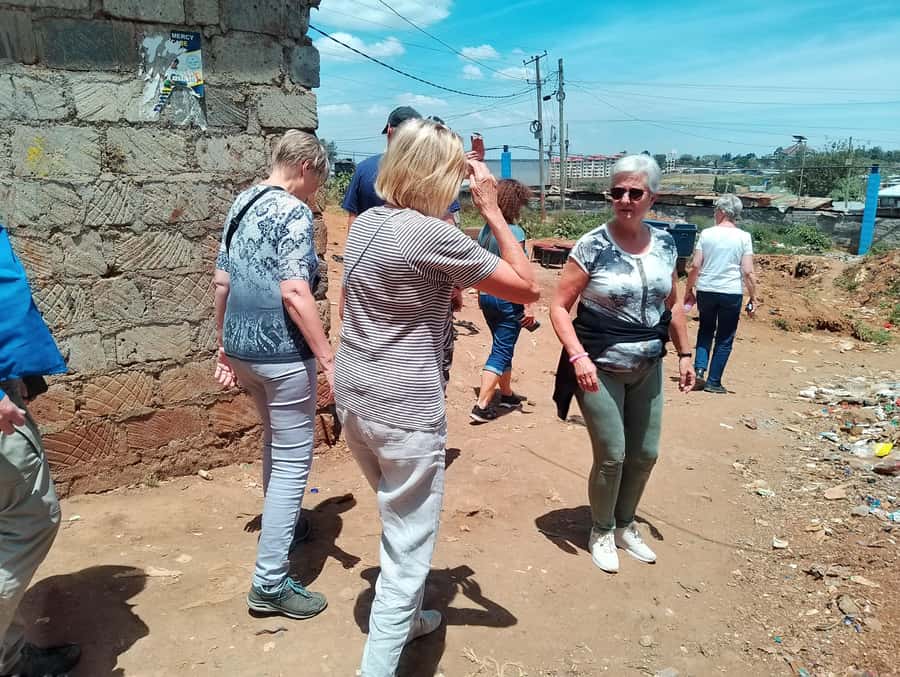
Toi Market is described as the largest market in Kibera, and it gives the tour a change of pace. Here you see a place where residents buy and sell goods, earn income, and interact as part of daily life.
The market is also one of the places where you may be invited to shop. Local beadwork, jewelry, clothing, and other handmade items appear in the wider route, including work connected to women’s groups and youth projects. Bring some Kenyan shillings if you want to support these makers directly, but do not feel that buying something is required.
This stop can be lively and crowded, so keep your belongings secure and stay close to your guide. The paths are not marked for tourists, and the walking surface may be uneven. Comfortable shoes are more useful here than polished footwear.
I like this section because it keeps the visit from becoming a one-note lesson about hardship. A market shows enterprise and routine. It also gives you a practical way to support local work if you find something you genuinely want.
Hope and Shine Kibera Centre and local projects
The Hope and Shine Kibera Centre is a community center offering education and support to residents. It helps show the organized side of Kibera, where local initiatives respond to needs that cannot be solved by individual households alone.
The walk may also include community groups and workshops. Past routes have included women working on empowerment projects, including handmade jewelry and clothing, as well as youth groups making jewelry from recycled materials. Another project has used recycled materials to create art.
These visits add useful context. You are not only hearing that residents are resourceful. You can see the work itself, meet people involved in it, and understand how small enterprises can create income and pride.
Some visitors have also seen projects connected with sanitation, waste collection, and energy production through sewage processing. The precise stops may vary, so think of the itinerary as a guided look at local efforts rather than a fixed museum route.
If you want to buy crafts, ask how the money is used. The tour presents these projects as community-based work, and buying directly can be more meaningful than purchasing a generic souvenir elsewhere.
Same base, a completely different sort of day:
- Nairobi National Park Half-Day Tour; Free Wi-Fi connection
★ 5.0 · 878 reviews - Nairobi: National Park & Optional Elephants & Giraffe Center
★ 4.8 · 874 reviews - NAI NAMI: Nairobi Storytelling Tour with Street Children
★ 5.0 · 792 reviews - Nairobi National Park Half-Day Game Drive
★ 4.5 · 738 reviews
The school visit and where your money goes
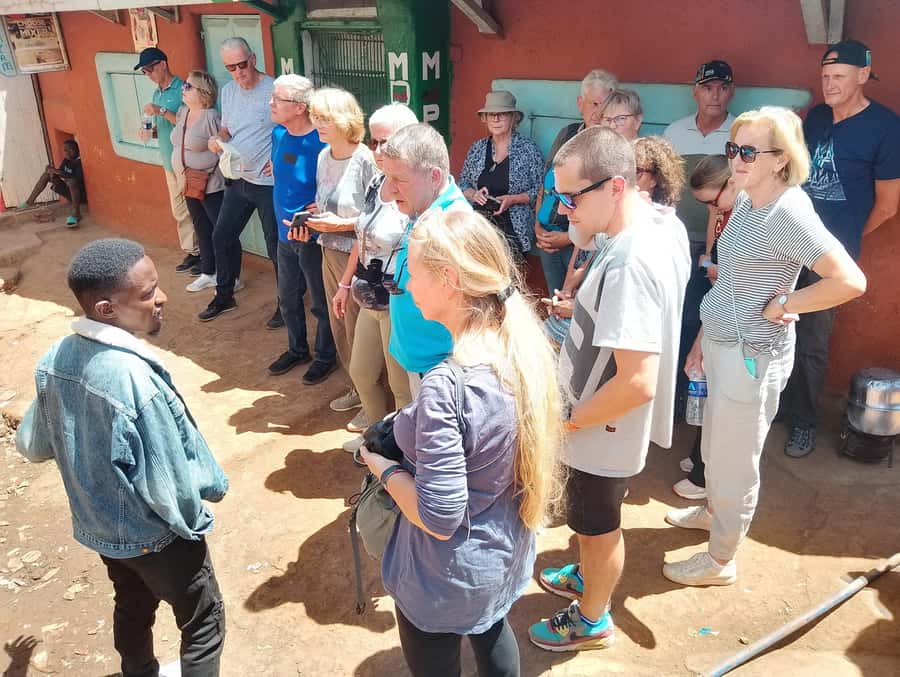
A school visit is included in the activity. This is one of the most important parts of the route because it gives you a direct look at an education project tied to the local guiding team.
The guides explain that a portion of tour income supports the school. Several visitors specifically understood the contribution to be 20 percent of ticket proceeds. The school provides free education for children in Kibera, and the project is still growing.
You may meet children, teachers, and staff during the visit. The children are often described as friendly and curious, and some visitors have brought biscuits or sweets. If you choose to bring anything, ask your guide first and keep the gesture simple. Do not assume that handing out treats is always appropriate, and avoid turning children into photo props.
The school gives the tour a more useful ending than a simple viewpoint would. You see a local response to a local need, and you can connect the cost of your booking to a stated community benefit. Still, I would treat the 20 percent figure as something to confirm when booking, since the available information does not spell out the school’s full finances.
Visiting a local home

The route includes a visit inside a local home. Depending on the guide, this may be the home of the guide or a family member. Elijah, for example, has introduced visitors to his mother, while Peter has shown his own house.
This can be the most personal part of the walk. You get a sense of how a household is arranged and what daily life looks like beyond the public streets. It also changes the relationship between guide and visitor. You are no longer only listening to an explanation of Kibera. You are being welcomed into a private space.
That welcome comes with responsibility. Keep your visit brief and respectful, ask before taking pictures, and remember that the home is not an attraction. If you are uncomfortable entering a private residence, tell the guide. A good visit should feel like an invitation, not an obligation.
What the walk feels like underfoot

This is a walking tour in a dense settlement, not a gentle stroll through a landscaped park. You will use narrow alleys and unmarked streets, and you may encounter uneven or dirty ground. Several people who took the route advise wearing clothes and shoes that are practical rather than smart.
The provider lists the activity as unsuitable for people with back or heart problems. That is important. You should also think about your own comfort with a long walk in a crowded setting and with conditions that may not be predictable.
Good weather is required. If poor weather cancels the tour, you are offered another date or a full refund. Since some walks may finish in the evening, ask about the expected timing when you reserve, particularly if you prefer to return before dark.
Smoking is not allowed during the activity.
Safety, privacy, and the ethics of the visit
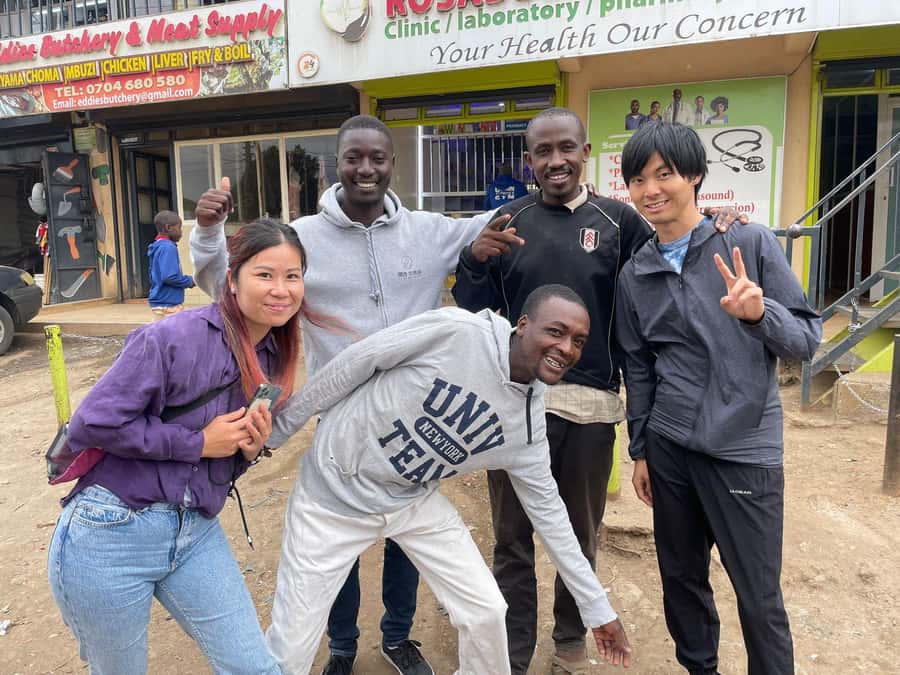
Safety is a central concern for many people considering Kibera. The guides are local, and the activity includes safety support throughout. People who joined with guides such as Peter, Elijah, Effie, and Lucas describe feeling safe during the walk, including on tours that continued into the evening.
That does not mean you should switch off ordinary city sense. Keep valuables out of sight, stay with your guide, and follow instructions in markets and narrow lanes. The private format helps because your guide can keep the pace and route suited to your group.
The larger issue is ethical. Visiting a low-income community can easily become uncomfortable if the focus is only on hardship. This experience works better because it includes schools, markets, local businesses, artists, women’s groups, and residents speaking about their own lives.
You should still avoid treating poverty as entertainment. Ask thoughtful questions about work, education, services, and hopes for the future. Take pictures of streets and buildings only when appropriate, and always ask before photographing people.
Is $20 good value?
The listed price is $20 per group up to one person. Because the wording says up to one, check the final cost carefully if you are booking for two or more people. The activity is private, so the price may compare well for a solo visitor, but the exact group pricing deserves confirmation.
For the stated price, you receive about three hours with a local guide, a private route, entry to community sites, a school visit, and a home visit. All fees and taxes are included, and safety support is included as well.
The value is not in the number of landmarks. You are paying for access, context, and a connection to local projects. The tour also has a stated community benefit, with 20 percent of ticket money reported to support a school. If that contribution is important to you, ask for the current details before paying.
You may also spend extra at Toi Market or local craft projects. That is optional, and you should buy only what you want. The best value comes from combining the walk with respectful conversation, not from feeling pressured to purchase souvenirs.
Who should book this experience?
I would recommend this tour to you if you want to understand Nairobi beyond its central hotels and standard attractions. It suits curious adults, older children who can handle the subject matter, photographers who are willing to put people first, and anyone interested in local education or community work.
It is especially useful if you prefer a private walk. You can ask direct questions, move at your own pace, and spend more time at a school, market, or home if the guide allows.
I would not choose it if you want an easy sightseeing circuit, polished facilities, or a predictable route. It is not suitable for people with back or heart problems, and the combination of uneven paths, crowded lanes, and serious subject matter may not suit everyone.
Practical details before you reserve
Meet at the entrance of Greenhouse Mall in Kilimani. An early arrival can wait near the fountain on the ground floor.
The detailed route ends at Equity Bank Kibera, while the broader itinerary also refers to returning to Greenhouse Mall. Confirm the exact ending point and return plan before you set up transport.
The live guide speaks English. French, Spanish, German, and Chinese audio support is listed. The group is private, and the tour normally takes three hours.
You can cancel up to 24 hours before the activity for a full refund, and reserve now while paying later. Since the tour depends on good weather, keep some flexibility in your Nairobi schedule.
Wear modest, washable clothes and sturdy shoes. Carry only what you need, keep your phone secure, and bring cash only if you plan to shop. Ask before bringing food or sweets for children, even though some past visitors have done so.
Should you book the Kibera storytelling tour?
Book it if you want a direct, locally guided look at Nairobi that includes both hardship and initiative. The strongest reasons are the local guides, the school visit, the chance to enter a home by invitation, and the link between tour income and community education.
Do not book it expecting a comfortable sightseeing ride or a quick photo stop. This is a serious walking experience in a difficult setting, and it asks you to pay attention to privacy and dignity.
For the right visitor, this is one of the more meaningful ways to spend three hours in Nairobi. Choose practical clothing, confirm the group price and ending point, and go ready to listen as much as you look.
FAQ
Where does the Kibera tour start?
The meeting point is at the entrance of Greenhouse Mall in Kilimani. If you arrive early, you can wait on a bench near the fountain on the ground floor.
How long does the experience last?
The tour lasts about three hours and is described as a private half-day visit.
What language is the live tour in?
The live guide speaks English. Audio guide support is listed in French, Spanish, German, and Chinese.
Is this a private tour?
Yes. Only your group participates in the activity.
What places do you visit?
The route includes Kibera’s narrow streets and alleys, Toi Market, Hope and Shine Kibera Centre, a local school, and a local home. Community projects may also be included along the walk.
Is the tour suitable for people with back or heart problems?
No. The activity is listed as unsuitable for people with back problems or heart problems.
What happens if the weather is poor?
The tour requires good weather. If it is canceled because of poor weather, you are offered another date or a full refund.
Just added around Nairobi
- Nairobi: Horseback Riding Tour Through Maize Plantation★ 5.0 · 3 reviews
- Nairobi: Kibera Slum Compassionate Walking Tour★ 5.0 · 4 reviews
- Nairobi: Karura Forest Guided Walking Tour★ 5.0 · 4 reviews
- From Nairobi: Horseback Wildlife Safari with Transfer & Meal★ 4.6 · 7 reviews
- Nairobi: Hidden Gems and Local Secret Guided Walking Tour★ 4.9 · 20 reviews
- Nairobi: Hop on Hop off and Maasai market Collections Visit★ 3.5 · 10 reviews
- Nairobi: Karura Forest Horseback Riding Tour★ 4.8 · 11 reviews
- Nairobi: Guided Afternoon Tour to Bomas of Kenya.★ 3.1 · 4 reviews
Cultural Village Visits, compared.

Day Tour to Amboseli National Park & Maasai Village
Read our review →



Kibera Slum Tour with Local Social Entrepreneurs
Read our review →

Giraffe Centre, Elephant Orphanage, and Bomas of Kenya Day Tour from Nairobi
Read our review →Browse the lists this tour appears in