

Reviewed · CULTURAL VILLAGE VISITS
Nairobi: visit Masai cultural Village guided Tour
The most memorable part of this day is the direct welcome at a Maasai village, where warriors greet you with song and dance before you see a traditional home and meet members of the community. This is not a museum display. You are visiting a living community and learning about its customs from people who practice them.
I like the scenic drive from Nairobi and the chance to ask questions throughout the visit. I also like that the tour includes time for traditional dances, a home visit, and local handicrafts rather than only a quick photo stop. The main caution is the extra $30 village fee, plus a report of one very short visit where buying jewelry felt pressured.
Key points at a glance
- Seven hours from Nairobi: Hotel pickup, transport, village visit, and return are included, though several pickups and drop-offs can lengthen the day.
- Three hours at the village: Expect a welcome ceremony, guided walk, traditional home visit, dancing, free time, and an arts and crafts market.
- $79 before food: The advertised price is $49, but the required village entry fee adds $30 per person and must be paid in Kenyan shillings.
- English-speaking driver-guide: The guide explains the journey and village activities, with Surfci praised by name for a friendly and helpful pickup.
- A cultural visit, not a wildlife safari: The focus is Maasai customs, daily life, ceremony, and crafts, not animal viewing.
- Be ready for a sales stop: Handicrafts are part of the visit, so set your budget and ask about prices before shopping.
From Nairobi to the Maasai countryside

This is a seven-hour outing with pickup from a wide range of Nairobi neighborhoods, including Westlands, Gigiri, Parklands, Lavington, Embakasi, Nairobi West, Syokimau, and areas near Nairobi National Park. The vehicle is air-conditioned, bottled water is provided, and hotel drop-off is included.
You should think of this as a shared day trip rather than a private taxi. The activity can include several pickups and drop-offs, so the exact timing may stretch beyond the neat outline on paper. Wait in your hotel lobby about 10 minutes before pickup, and look for a driver holding a sign with your last name.
The drive is part of the appeal. You leave Nairobi’s urban streets behind and see more open countryside on the way to the village. The trip description promises scenic views, though the exact route and countryside sights can vary. If you enjoy watching daily life change outside the window, sit where you can see out.
The English-speaking driver-guide is an important part of the day. A good guide can explain what you are seeing, prepare you for village customs, and help conversations feel natural. Surfci is specifically praised for a good pickup and clear guidance, while another booking describes a driver who explained the process and made sure the visit went well. Names of other guides are not provided, so the quality of commentary may depend on who is assigned.
Other cultural visits around Nairobi:
- Nairobi: Explore Kibera Slum with Local Guides
★ 4.9 · 365 reviews - Nairobi: Day Tour to Amboseli National Park & Maasai Village
★ 4.5 · 310 reviews - Masai village Day Tour Experience
★ 5.0 · 284 reviews
A welcome from Maasai warriors
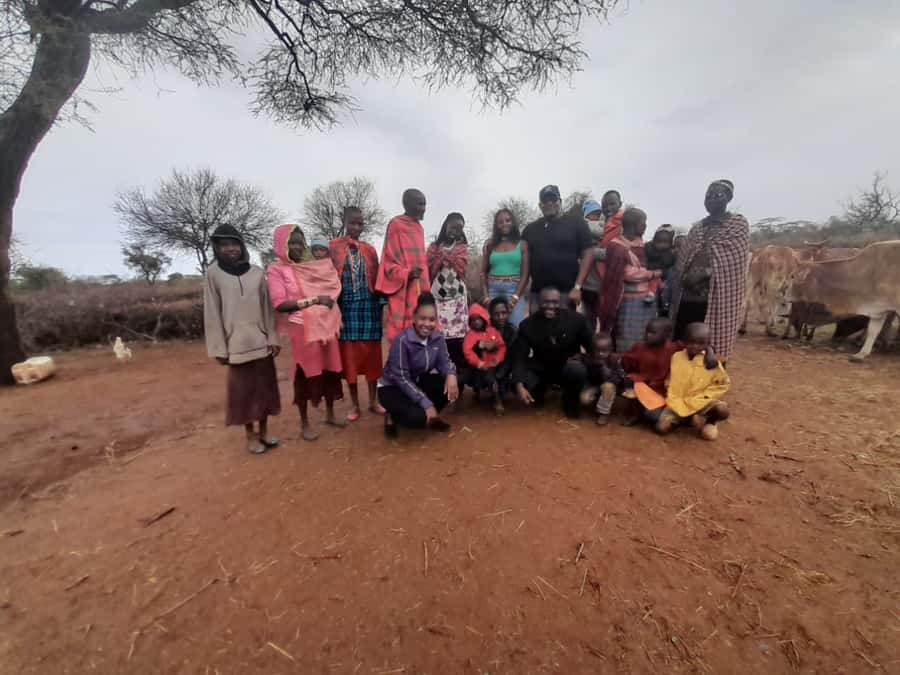
The village visit is scheduled for about three hours, which gives the experience more shape than a simple roadside stop. You begin with a welcome ceremony by Maasai warriors. Expect singing, dancing, and a formal introduction to the community.
The traditional dance is one of the most visual parts of the visit. It gives you a chance to see how ceremony, music, movement, and community identity connect. You may be invited to watch closely or take part in some way, but the supplied details do not promise a specific role for every visitor.
This welcome is also a reminder to approach the visit respectfully. Ask before taking close-up photographs, listen when people explain customs, and remember that the village is a home and community, not a stage set. The most rewarding approach is to treat the ceremony as an introduction to the people you are meeting, not just as a performance for your camera.
A few bookings describe the welcome as warm and sincere, while several people praise the chance to ask questions. That matters because the value of the visit rests less on seeing a particular object and more on the conversation around it.
Inside a traditional home
The guided visit includes a look at a typical Maasai home. This is where the tour moves from public ceremony to ordinary living space. You can see how the home is arranged and ask about daily routines, family life, and the practical choices shaped by the local setting.
The information provided does not specify the home’s construction, furnishings, or which family hosts the visit, so I would not arrive expecting a fixed demonstration. Instead, pay attention to what your local guide and hosts choose to explain. Small details often tell you more than a long speech: where people sit, how rooms are used, and what objects have a daily purpose.
The tour also presents Maasai knowledge of the land and a close relationship with wildlife. That does not mean you are visiting a reserve or guaranteed to see animals. It means the cultural discussion may include how community life and the natural world fit together.
Use this part of the tour to ask thoughtful questions. The experience is designed for direct interaction, and the strongest value comes from learning through that exchange rather than racing from one photo opportunity to the next.
Dance, conversation, and time to look around

After the welcome and guided portion, you have time for more sightseeing, conversation, and traditional dance. The schedule also includes free time, which lets you look at the village at a slower pace instead of staying with the group every minute.
This is a useful balance. A formal ceremony gives the visit structure, while free time lets you notice details and continue a conversation. If you are interested in customs, ask your guide to clarify what you have seen rather than relying on assumptions.
The activity description uses the word authentic, but no cultural visit can give you an untouched glimpse of another society. A scheduled welcome and a market are arranged for visitors. That does not make them worthless, but it does mean you should see the visit as a community-led introduction, with the benefits and limits that come with it.
One account raises a serious concern: the group reportedly spent only 30 minutes at the village, and the visitor felt pressured to buy accessories before leaving. This does not match the planned three-hour village visit, and it is worth keeping in mind. Confirm the expected visit length with the driver at pickup, and decide in advance how you will respond if you do not want to buy anything.
A few more things to do around Nairobi worth a look
- Nairobi National Park 5-hour Guided Game Drive Free Pick up
★ 4.5 · 367 reviews - Nairobi National Park Full or Half-Day Tour with Guide
★ 4.7 · 217 reviews - 3 Days Maasai Mara Guided Safari from Nairobi
★ 4.5 · 195 reviews - Half Day Guided Tour in Nairobi National Park With 4*4 Vehicle
★ 4.5 · 178 reviews
The handicraft market and spending decisions

The arts and crafts market is part of the village program. You can browse locally made jewelry and other handicrafts, and purchases may support the community directly. Even if you buy nothing, the market gives you another way to learn what items are made and sold locally.
Set a spending limit before you arrive. The tour includes shopping, but buying is not the same as admission. You should feel able to browse without committing to a purchase. If you are interested in an item, ask the price clearly and confirm the currency before agreeing.
The negative account about pressure to buy is the one point I would not ignore. Most of the experience appears to be centered on meeting people and seeing village life, but the market can change the mood if sales become too forceful. A calm, polite no should be enough. If it is not, ask your driver or guide for help.
You should also carry the correct payment for the entry fee. The village charge is $30 per person, payable in cash in Kenyan shillings. Since the stated tour price is $49, your basic cost is effectively $79 before lunch, drinks, alcohol, or shopping. The exchange rate and cash amount are not supplied, so arrange the Kenyan shilling equivalent before departure.
What the $49 price really covers

At $49, the advertised price looks modest for a full day from Nairobi. It includes hotel pickup and drop-off, an air-conditioned vehicle, bottled water, and a driver-guide. For someone who wants a scheduled cultural outing without arranging transport, that is useful value.
The required village fee changes the calculation. Add $30 per person, and you are at $79 before food. Breakfast and lunch are not included, and neither are soft drinks or alcohol. Bring your own plan for meals, but do not assume a restaurant stop is part of the day. One account says a promised restaurant visit did not happen, so clarify meal arrangements before setting out.
This is still a fair price if you value convenience and a guided introduction. It is less attractive if you expected the $49 rate to cover every cost or if you dislike group transport with multiple stops.
The booking terms offer flexibility: you can cancel up to 24 hours ahead for a full refund, and you can reserve while paying later. Wheelchair accessibility is also listed. Since practical conditions can depend on the vehicle and village surfaces, confirm any specific mobility needs when booking.
Who will enjoy this day most

I would recommend this tour to you if you have a day in Nairobi and want cultural contact rather than another city attraction. It suits first-time visitors who want a guided introduction to Maasai customs, families who enjoy music and crafts, and photographers who want people, ceremony, and countryside views.
It also works well if you prefer having transport arranged. Nairobi pickup points are broad, and the guide can explain the schedule as you go. The air-conditioned vehicle and bottled water make the long outing easier, especially when you do not want to arrange a taxi or navigate the route yourself.
You may want a different option if your priority is wildlife. This is not a game drive, and there is no promise of seeing animals. You might also hesitate if you want a private, unhurried visit with complete control over the timing. Shared pickups and possible shopping pressure are the main trade-offs.
The 4.4 rating from 19 bookings suggests a generally positive experience, but the range of scores matters. Several people describe the day as memorable, warm, and worth doing. One two-star account points to a major mismatch in visit length and expectations. Go in prepared, confirm the schedule, and judge the experience as a cultural introduction rather than a guaranteed private encounter.
Should you book the Maasai village tour?
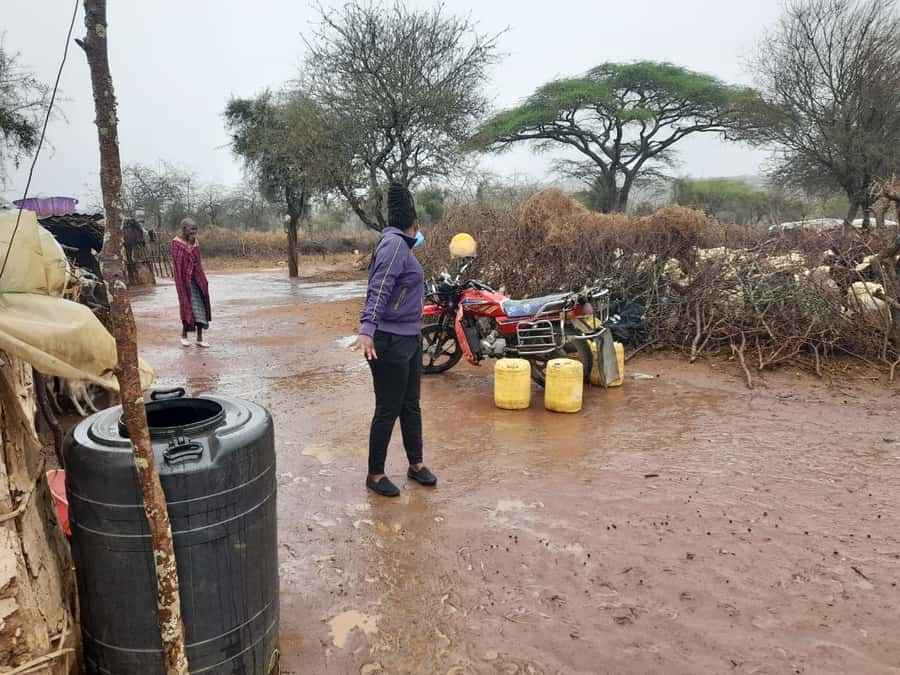
Book it if you want an accessible day trip from Nairobi that combines a scenic drive, a village welcome, traditional dancing, a home visit, and direct conversation with Maasai community members. The best parts are the human contact and the chance to ask questions, not a checklist of sights.
Budget $79 before food and shopping, carry Kenyan shillings for the entry fee, and keep your expectations practical. Confirm that the planned village stay is close to three hours, ask how meals will work, and remember that you are not required to buy handicrafts. With those points clear, this is a worthwhile choice for a first cultural visit near Nairobi.
FAQ
How long does the Maasai village tour last?
The tour lasts seven hours, including transport from Nairobi, the village visit, and the return journey. The village portion is scheduled for about three hours.
What is included in the tour price?
The price includes hotel pickup and drop-off, an English-speaking driver-guide, bottled water, and transport in an air-conditioned vehicle.
How much is the village entry fee?
The village entry fee is $30 per person. It is not included in the tour price and must be paid in cash in Kenyan shillings.
Is lunch included?
No. Breakfast, lunch, drinks, and alcohol are not included.
Where can I be picked up in Nairobi?
Pickup is available from Nairobi, Nairobi West, Gigiri, Embakasi, Parklands, Westlands, Nairobi National Park, Lavington, and Syokimau. Several pickups may be combined because this is a shared activity.
Is the tour conducted in English?
Yes. The live tour guide and additional activity information are provided in English.
Can I cancel the booking?
Yes. You can cancel up to 24 hours before the activity for a full refund. You can also reserve now and pay later.
Just added around Nairobi
- Visit kibera Slum the chocolate city★ 4.8 · 3 reviews
- 3 days maasai mara migration safari★ 4.5 · 7 reviews
- Maasai Mara Day Trip★ 5.0 · 15 reviews
- 4 Days Tour Landcruiser in Masai Mara and Lake Nakuru★ 5.0 · 10 reviews
- 4 Days Safari to Lake Nakuru N/P and Maasai Mara N/R★ 5.0 · 18 reviews
- Day Tour to Nairobi national park, Elephants, and Giraffe Center★ 3.5 · 8 reviews
- Wildebeest Migration in Masai Mara and Sightseeing 4 Days Tour★ 4.5 · 6 reviews
- Vegans special safari★ 4.5 · 4 reviews
Cultural Village Visits, compared.

Day Tour to Amboseli National Park & Maasai Village
Read our review →



Kibera Slum Tour with Local Social Entrepreneurs
Read our review →

Giraffe Centre, Elephant Orphanage, and Bomas of Kenya Day Tour from Nairobi
Read our review →Browse the lists this tour appears in