
Reviewed · CULTURAL VILLAGE VISITS
A Visit To KIBERA The Chocolate City.
Kibera is not a backdrop for a quick photo. It is a living Nairobi neighborhood where families work, trade, raise children, and solve daily problems with limited resources. This three-hour walk, led by someone connected to the community, gives you a closer look at that reality than a drive past the settlement ever could.
I like the local guide, especially when you are paired with someone such as Moses or Musa, who can explain personal details rather than repeat a polished script. I also like the use of public transport, which makes the outing feel connected to ordinary Nairobi life. The tradeoff is that this is a walking tour through narrow paths and difficult conditions, so it will not suit every visitor.
Key points to know before you go

- A personal view of Kibera: Your guide can explain the area through local experience, including family life, work, and community concerns.
- Public transport is part of the outing: You do not simply arrive by private vehicle, look around, and leave.
- Olympic Primary School is the starting point: Meet your guide at the school’s main gate, with the wider meeting instructions referring to a mall meetup.
- Local stops add context: The route includes sightseeing, a food market, local snacks, and possibly places such as a house, pub, or factory.
- Three hours gives you time to listen: The schedule allows about two and a half hours for the main walk and activities, with some break time.
- The price is modest for a private perspective: At $20 per person, the cost covers a guide, local transport as part of the tour, and access without an entry fee.
Why this Kibera walk feels different
Many Nairobi tours show you grand buildings, wildlife, or colonial-era sights. Kibera offers something else: a direct look at how a large informal settlement functions from day to day.
That does not mean you should treat the area as an attraction in the usual sense. The value comes from meeting the place with care and listening to the people who live there. A local guide helps set that tone. Instead of wandering without context, you can ask how residents earn money, how services work, and what changes are taking place.
The tour is called The Chocolate City, a name used for Kibera in the experience title. The important point is not the nickname itself, but the chance to see the neighborhood as more than a label. Your guide presents Kibera as a community with difficult conditions, strong social ties, and ongoing efforts to improve daily life.
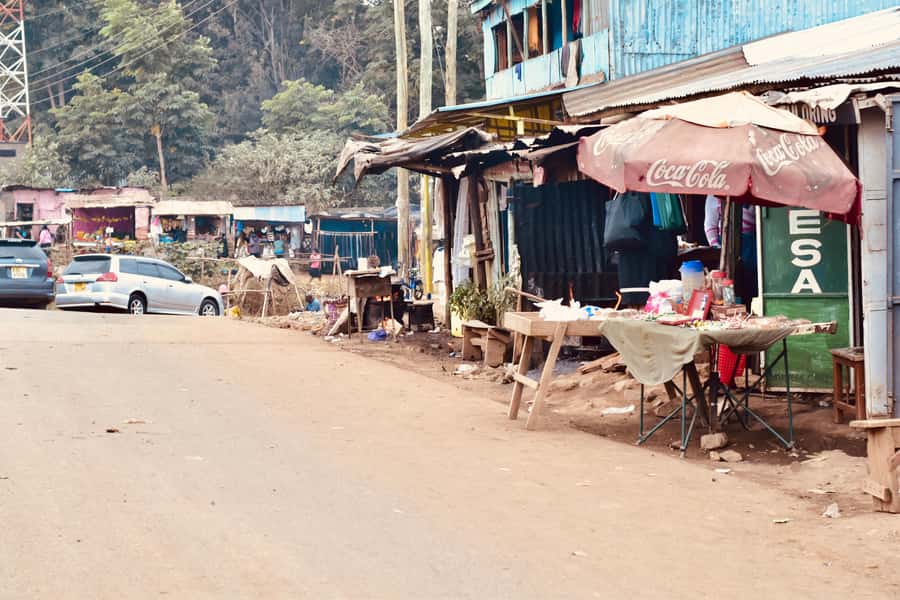
The tone is best described as candid rather than polished. You may see narrow paths, busy market areas, modest homes, and places connected to local work. You also hear about government projects and community-led attempts to improve roads, services, and living conditions. That mix of hardship and initiative is what gives the walk its meaning.
Other cultural visits around Nairobi:
- Nairobi: Explore Kibera Slum with Local Guides
★ 4.9 · 365 reviews - Nairobi: Day Tour to Amboseli National Park & Maasai Village
★ 4.5 · 310 reviews - Masai village Day Tour Experience
★ 5.0 · 284 reviews
Starting at Olympic Primary School
The scheduled starting point is the main gate of Olympic Primary School in Nairobi. The meeting information also refers to meeting at a mall before using public transport, so you should confirm the exact rendezvous details with the provider before setting out.
This matters in Kibera. A vague meeting point can cost you time, especially if you are unfamiliar with Nairobi or arrive without mobile data. Have the guide’s contact information ready and allow enough time to reach the school gate.
The first part of the outing includes a safety briefing. Pay attention to it. Your guide knows how to move through the area respectfully and when to pause, where to walk, and how to interact with residents. Follow instructions about photography and do not assume that every person or home is suitable for a picture.
The school gate is also a useful place to reset your expectations. You are entering a neighborhood, not a museum with marked paths and viewing platforms. Stay close to your guide, listen before taking photos, and remember that normal life continues around you.
Using public transport into Kibera
Public transport is included as part of the tour. That small detail changes the feel of the outing. You get some sense of how people connect across Nairobi instead of being carried from a hotel to a viewing point in a sealed vehicle.
The transport leg also gives your guide a natural chance to explain the route and the area. You can ask questions as you go, then arrive with a little context rather than facing the neighborhood cold.
There is a practical side to this arrangement. Public transport is less controlled than a private transfer, and the tour is not designed for visitors who need step-free access or a quiet, highly managed schedule. The activity is not suitable for wheelchair users, visually impaired people, babies under one year, or children under five. It is also not suitable for people over 95.
The transport portion is not the main event, but it helps connect the walk to real city life. For me, that is a better use of time than spending the whole outing behind a vehicle window.
Walking the narrow paths and local districts
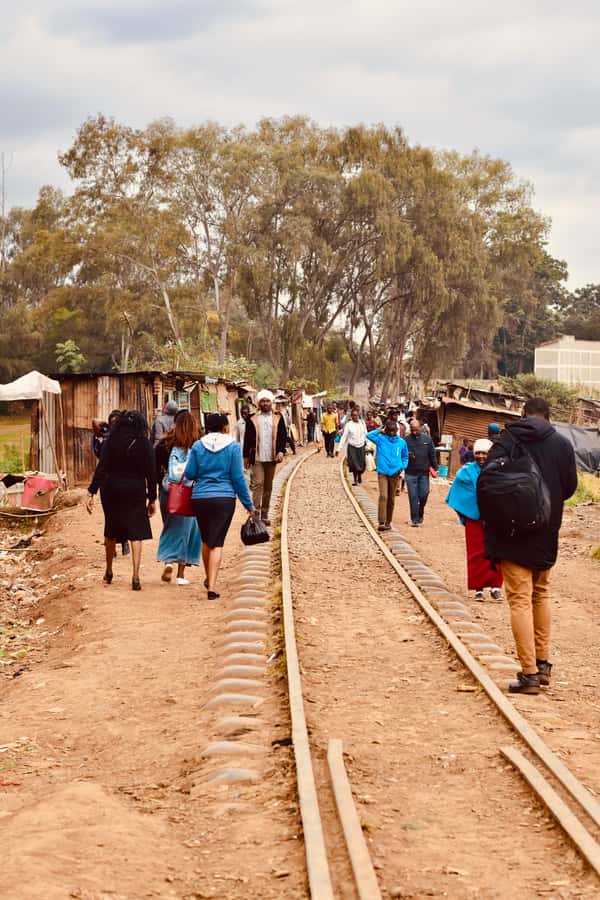
The heart of the experience is on foot. Your guide leads you through parts of Kibera and explains what you are seeing. The route is described as a walk through local districts, with time for sightseeing, conversation, and breaks.
Expect uneven conditions and narrow pathways. The supplied information does not promise a smooth route, and the accessibility restrictions make it clear that the walk requires reasonable mobility. Wear practical shoes and clothing you can move in. Since this is a three-hour activity, comfort matters more than looking dressed up.
The most valuable part is the explanation between stops. You can ask how people manage with limited resources and how residents work toward better conditions. The guide’s local connection gives the conversation a human scale. Instead of discussing Kibera as a problem on a map, you hear about homes, families, jobs, and nearby streets.
Previous tour feedback gives special attention to guides called Moses and Musa. One person described Moses as taking time to show districts, a house, a pub, and a factory. Another praised Musa for explaining the community clearly and warmly. The exact stops can vary, but these comments show what to look for: a guide who explains rather than simply points.
Do not expect every part of the walk to feel comfortable. You may find the poverty confronting, and the close quarters can be intense. That is not a reason to avoid the tour, but it is a reason to approach it with humility. You are there to understand a community, not to collect dramatic images.
A few more things to do around Nairobi worth a look
- Nairobi: Chocolate City Kibera Slum Walking Tour
★ 4.9 · 13 reviews
Food, markets, and everyday work
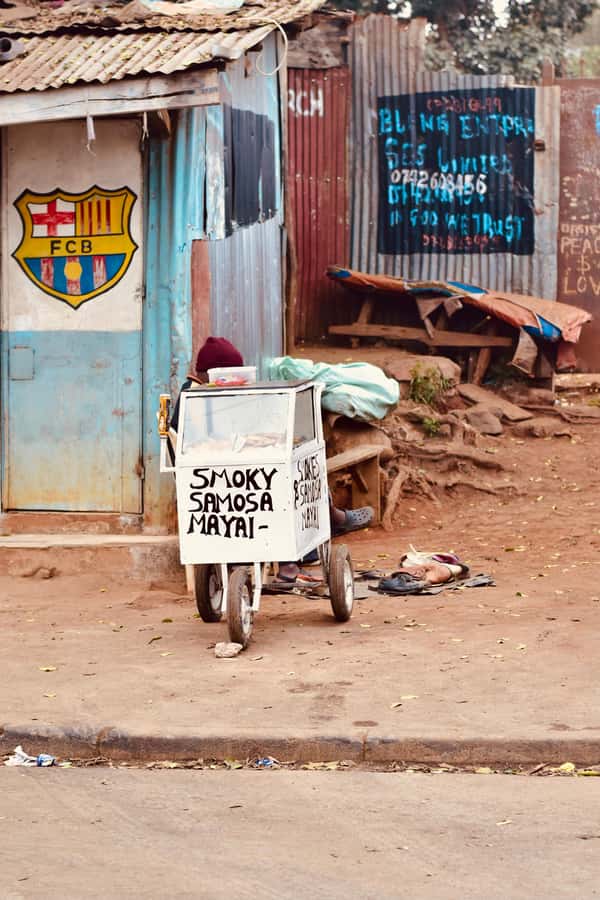
The schedule includes local snacks and a food market visit. These stops help move the tour beyond housing conditions. Markets show how people buy, sell, prepare, and share food, while snacks offer a simple way to connect with local daily routines.
The food element is not presented as a separate cooking class or meal. It is part of the walk, so keep your expectations modest. If you have allergies or dietary restrictions, ask the guide what is being offered before eating it.
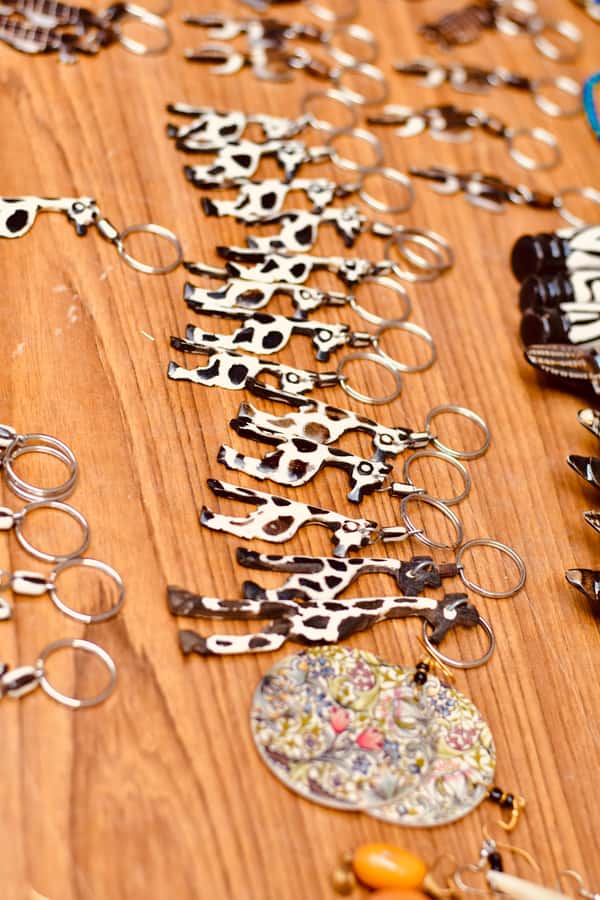
A market also gives you something specific to watch. Notice the flow of goods, the way stalls are arranged, and how small businesses fit into the neighborhood. Your guide can explain details that would be easy to miss if you passed through alone.
The possibility of visiting a factory, pub, or house adds another layer. These places show different sides of Kibera, from work and trade to social life and home life. They are not guaranteed as a fixed checklist, so think of them as possible parts of the route rather than promises for every departure.
A home visit requires particular care. Let your guide introduce the situation and follow the household’s wishes. Do not treat a private home like a photo stop. The most worthwhile exchange may be a conversation about ordinary routines, not a picture of the room.
What your guide adds to the experience

This tour depends heavily on the person leading it. A guide with strong local ties can explain what you are seeing in plain language and answer questions that a general city guide may not be able to handle.
Moses and Musa receive especially warm praise in the supplied feedback, with repeated attention to their friendliness, clear explanations, and personal connection to the community. One account describes a guide sharing details about his home and family. That kind of personal context can make the walk more grounded, provided you listen respectfully and do not push for private information.
The guide also serves as your safety contact. You do not need to work out the best route or decide how to approach residents. Stay with the group, follow local instructions, and let the guide manage introductions.
English is the tour language. The activity is therefore a good fit if you want to ask questions directly and have a detailed conversation during the walk. It is less suitable if you need another language or require a fully accessible route, since only English is specified and wheelchair access is not available.
Safety, respect, and the right mindset

The tour includes a safety briefing, and one useful rule is simple: follow your guide’s instructions. A person who knows the area can tell you when to put away your phone, where to stand, and how to move through a crowded section.
Dress and behavior matter. Keep valuables discreet, avoid flashing expensive equipment, and ask before taking photographs. Do not photograph children, homes, or workers without clear permission. If a person declines, accept the answer without debate.
Approach conversations as exchanges, not interviews. You can ask about daily life, work, services, and local change, but you do not need to press anyone to describe hardship for your benefit. A respectful visitor notices both difficulty and normality.
The walk is described as safe when you follow the guide’s directions. That should not be read as a guarantee that all city risks disappear. As in any major city, stay alert, keep your belongings secure, and avoid separating from the guide.
Is $20 a fair price?
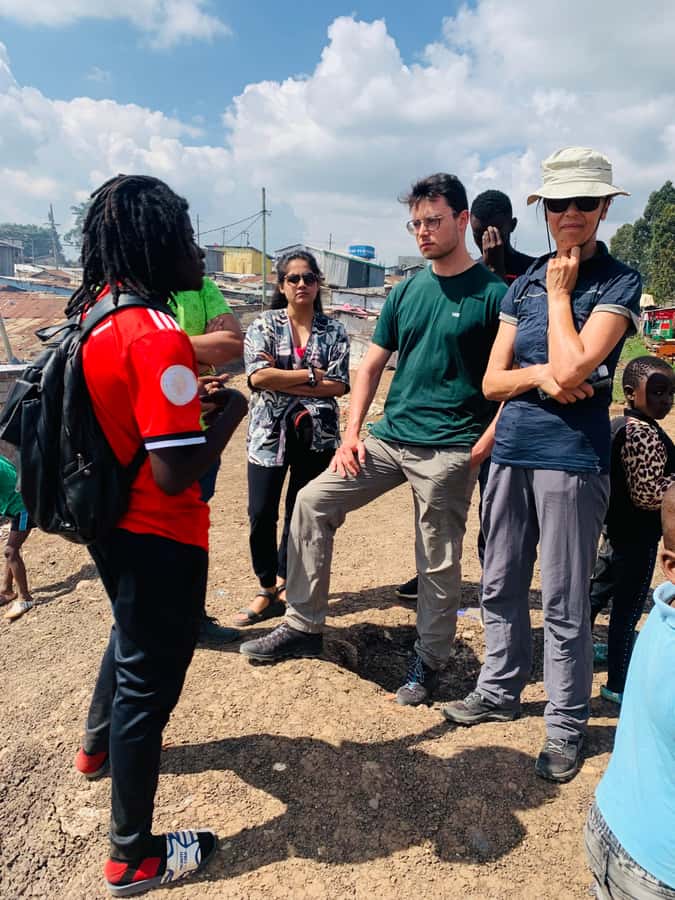
At $20 per person, this is a low-cost way to spend three hours with a local English-speaking guide. You receive the guide’s time, local context, public transport as part of the outing, a safety briefing, and access to the neighborhood without paying an entry fee.
The value depends on what you want from Nairobi. If you prefer a polished attraction with fixed exhibits, comfortable transport, and guaranteed photo points, this will feel rough around the edges. If you want a personal explanation of how a major Nairobi community functions, the price is reasonable.
The tour also has value because it supports a local guide’s work. The information provided does not promise that all money goes directly into community projects, so you should not book it on that assumption. Its clear benefit is the guide-led exchange and the chance to learn through a resident-connected perspective.
The three-hour length is about right. A shorter visit could feel rushed and superficial, while a much longer walk might become tiring given the conditions. The main walk lasts about two and a half hours, with breaks included, and the activity finishes in Olympic Estate.
Who should book this tour?
I would recommend it to adults and older children who can walk comfortably, listen carefully, and accept that the experience may be emotionally challenging. It suits people who want to understand Nairobi beyond the usual sightseeing circuit.
It is a good match for you if you enjoy local food, public transport, neighborhood walks, and honest conversation. It is also useful if you want to see how residents respond to limited resources and how local or government efforts aim to improve the area.
I would skip it if you need guaranteed accessibility, dislike walking on uneven paths, or want a relaxed outing with little social contact. It is not suitable for children under five, babies under one, wheelchair users, visually impaired people, or people over 95.
Free cancellation up to 24 hours before the activity and a reserve-now, pay-later option make booking less risky. Starting times vary, so check availability before you choose a day.
My verdict on the Kibera Chocolate City walk
Book this tour if you want a direct, guide-led look at Nairobi life and are ready to behave as a respectful visitor in someone else’s neighborhood. The strongest reason to go is the personal guidance from people such as Moses or Musa, who can connect streets and buildings to real lives.
Do not book it for dramatic photographs or a quick poverty spectacle. Book it to listen, ask thoughtful questions, and see Kibera as a community with problems, work, humor, family life, and plans for improvement. At $20, it offers strong value for the right kind of visitor.
FAQ
Where does the Kibera tour begin?
The stated starting point is the main gate of Olympic Primary School in Nairobi. The meeting details also refer to meeting at a mall before using public transport, so confirm the exact rendezvous point with the provider.
Where does the tour finish?
The activity finishes at Olympic Estate in Nairobi, Kenya.
How long does the tour last?
The full activity lasts three hours. About two and a half hours are set aside for the walk, sightseeing, food market visit, local snacks, safety briefing, and related activities.
Is public transport included?
Yes. Using public transport to Kibera is part of the tour.
Do I need to pay an entry fee to enter Kibera?
No entry fee is needed to access the settlement as part of this activity.
What language does the guide speak?
The live tour guide speaks English.
Who should not book this activity?
The activity is not suitable for children under five, babies under one year, wheelchair users, visually impaired people, or people over 95.
Just added around Nairobi
- Nairobi: Horseback Riding Tour Through Maize Plantation★ 5.0 · 3 reviews
- Nairobi: Kibera Slum Compassionate Walking Tour★ 5.0 · 4 reviews
- Nairobi: Karura Forest Guided Walking Tour★ 5.0 · 4 reviews
- From Nairobi: Horseback Wildlife Safari with Transfer & Meal★ 4.6 · 7 reviews
- Nairobi: Karura Forest Horseback Riding Tour★ 4.8 · 11 reviews
- Nairobi: Hidden Gems and Local Secret Guided Walking Tour★ 4.9 · 20 reviews
- Nairobi: Hop on Hop off and Maasai market Collections Visit★ 3.5 · 10 reviews
- Nairobi: Guided Afternoon Tour to Bomas of Kenya.★ 3.1 · 4 reviews
Cultural Village Visits, compared.

Day Tour to Amboseli National Park & Maasai Village
Read our review →



Kibera Slum Tour with Local Social Entrepreneurs
Read our review →

Giraffe Centre, Elephant Orphanage, and Bomas of Kenya Day Tour from Nairobi
Read our review →Browse the lists this tour appears in