
Reviewed · KENYA
Swahili Carved Doors Tour by Woman Woodcarver: Lamu Island
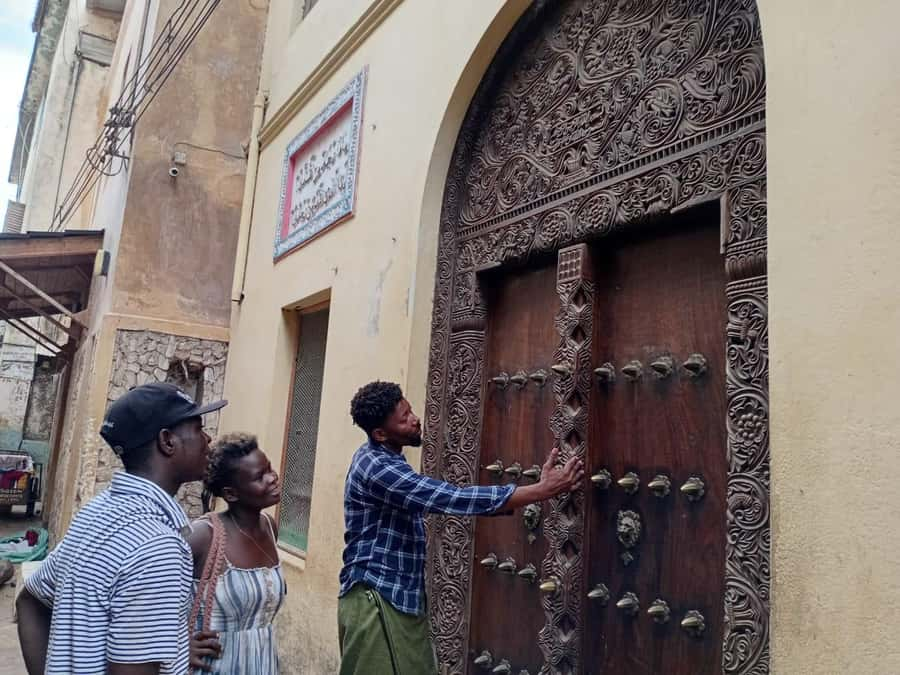
Lamu’s carved doors are not just handsome entrances. They are wooden records of the island’s trade links, beliefs, family life, and craft traditions. On this private walking tour, Almasi, described as Lamu Island’s only woman woodcarver, explains the styles and stories behind them as you move through Old Town’s narrow lanes.
I like two things here: you get a craftsperson’s view rather than a quick architectural tour, and the walk takes you beyond the obvious streets into quieter corners. Almasi’s warm manner and clear passion are major assets. The main consideration is the heat, plus a small timing wrinkle: the experience is sold as three hours, while one inclusion describes a two-hour Old Town walk.
Key points to know before you book
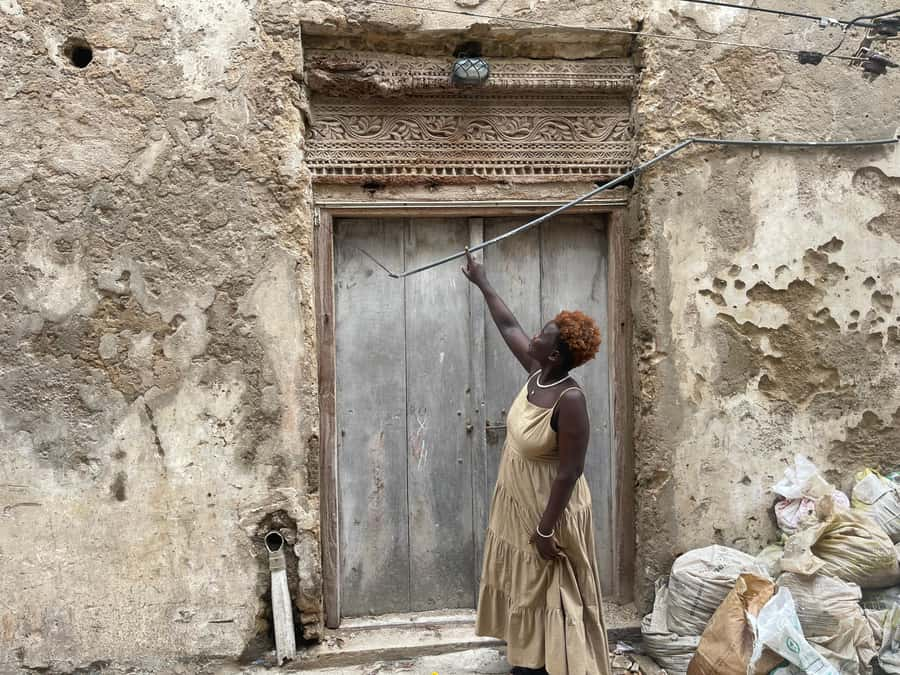
- Almasi leads the walk: She is the only woman woodcarver on Lamu Island and explains the doors from a maker’s point of view.
- Old Town is the main stage: You walk through both main streets and back lanes in a UNESCO-listed historic district.
- The focus is interpretation: You learn to tell different door styles apart and connect their motifs with Swahili culture.
- The usual start is 3 p.m.: A later afternoon departure helps keep the walk more manageable in the island heat.
- Shela can be added: The village is about 3 kilometres from Lamu Town and has more carved doors to see.
- Bring water and sun protection: Comfortable shoes, a hat, a camera, and your own refreshments are sensible.
Why Lamu’s doors deserve a closer look
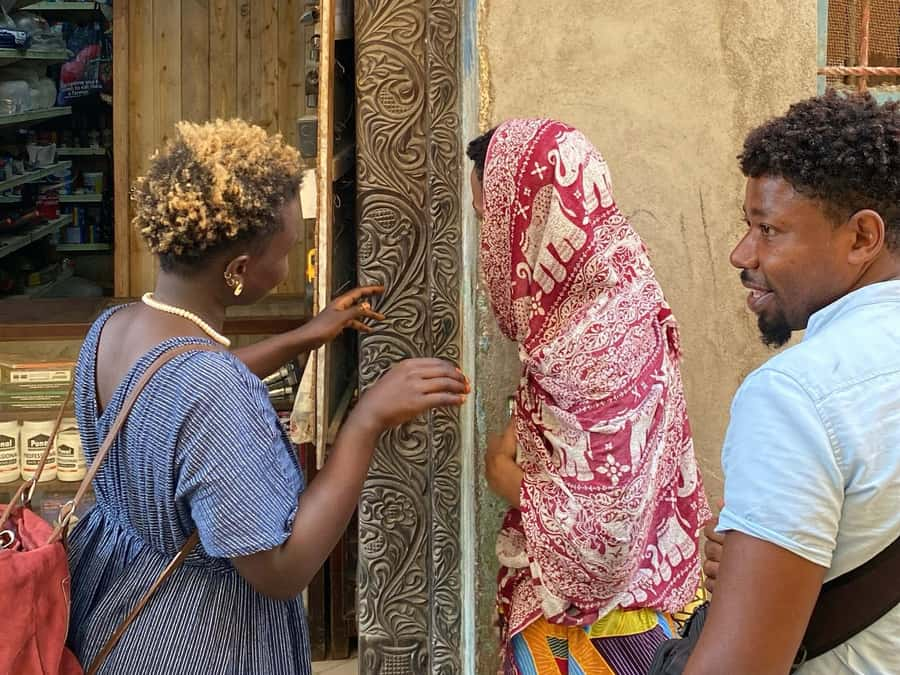
At first glance, a carved door can seem like a decorative detail on an old building. Spend time with someone who understands the craft, and the door becomes a useful way to read Lamu.
The designs reflect the meeting of Swahili, Arab, Indian, and wider Indian Ocean influences. This tour focuses on the different carving styles found in Lamu, the origins of those styles, and the stories passed from one generation to the next. You are not simply stopping to photograph a pretty doorway. You are learning what to look for.
Almasi can point out the details that are easy to miss on your own. You learn to compare one design with another, notice the workmanship, and understand why the doors matter to the town’s identity. That makes the tour particularly worthwhile if you like architecture, traditional crafts, or old ways of making things.
The doors also give you a reason to slow down. Lamu Old Town is best experienced on foot, without trying to race from one sight to another. Here, the ordinary act of walking from one lane to the next becomes the main activity.
Other trips that set out from Kenya:
- Nairobi National Park Half-Day Tour; Free Wi-Fi connection
★ 5.0 · 878 reviews - Nairobi: National Park & Optional Elephants & Giraffe Center
★ 4.8 · 874 reviews - NAI NAMI: Nairobi Storytelling Tour with Street Children
★ 5.0 · 792 reviews
Starting in Lamu Old Town
The walk begins at the town square or another pickup point you choose when booking. Since this is a private group experience, you have more control over the meeting point and can arrange a different starting time in advance if 3 p.m. does not suit your day.
From there, you enter the narrow streets of Lamu Old Town. The route includes main streets and back lanes, so you should expect a mixture of more visible doorways and less obvious examples tucked into the town’s older quarters.
That off-the-main-route approach is one of the tour’s strongest features. A short stop beside a famous door can show you the finished object. Moving through side streets helps you understand how the doors fit into daily life and the wider built character of Lamu.
The old town is a UNESCO World Heritage Site, but this is not a formal monument-by-monument tour. The focus is more specific: Swahili doors and the cultural stories connected to them. That narrower theme gives the walk a clear purpose and keeps it from becoming a general introduction to every part of Lamu.
Reading the carving styles with Almasi
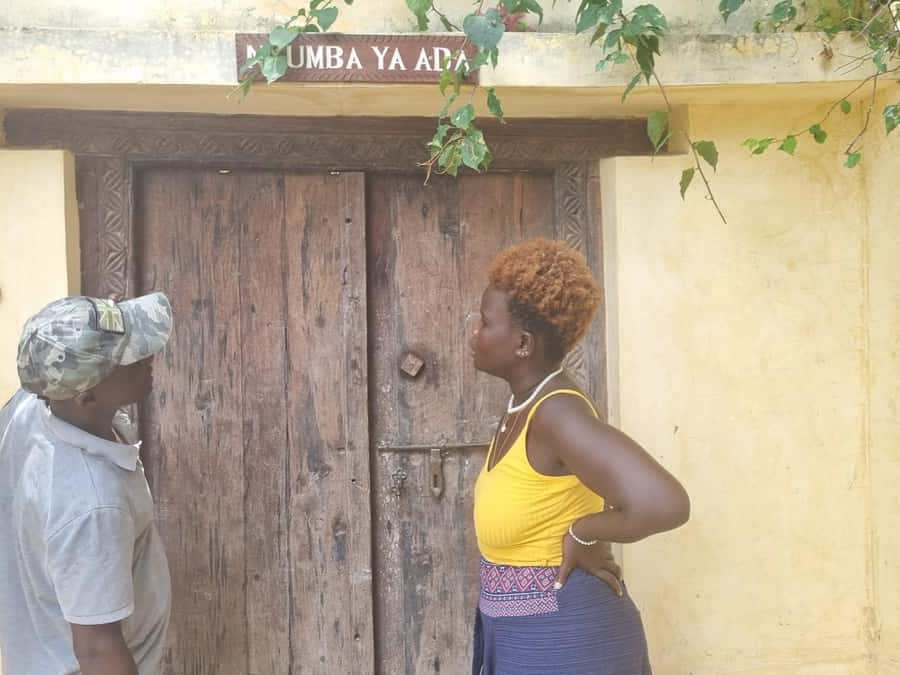
Almasi’s role changes the tone of the experience. You are learning from a working woodcarver, not only from someone reciting dates and architectural terms. Her own connection to the craft helps explain why the doors are important as objects made by hand.
You will hear about different designs and how to distinguish the styles found around Lamu. The exact route and examples can vary, but the stated aim is clear: look closely, compare details, and understand the background of the work.
The most useful part for you is learning a simple visual vocabulary. Instead of seeing every carved door as one more attractive photo, you can begin to notice patterns, shapes, and differences in execution. That skill continues to help after the tour, particularly if you spend more time walking around Lamu or visit Shela.
Almasi is also praised for being easy to spend time with, warm, open, and engaging. That matters on a three-hour walk. A guide who can explain craft clearly and hold a relaxed conversation makes the experience feel less like a lecture and more like time spent with a local artist.
One especially thoughtful touch reported from the experience was a glass of sugarcane juice offered during a hot walking day. It is not listed as a standard inclusion, so do not count on it, but it gives you a sense of the personal care Almasi may bring to the outing.
The main streets and quieter back lanes
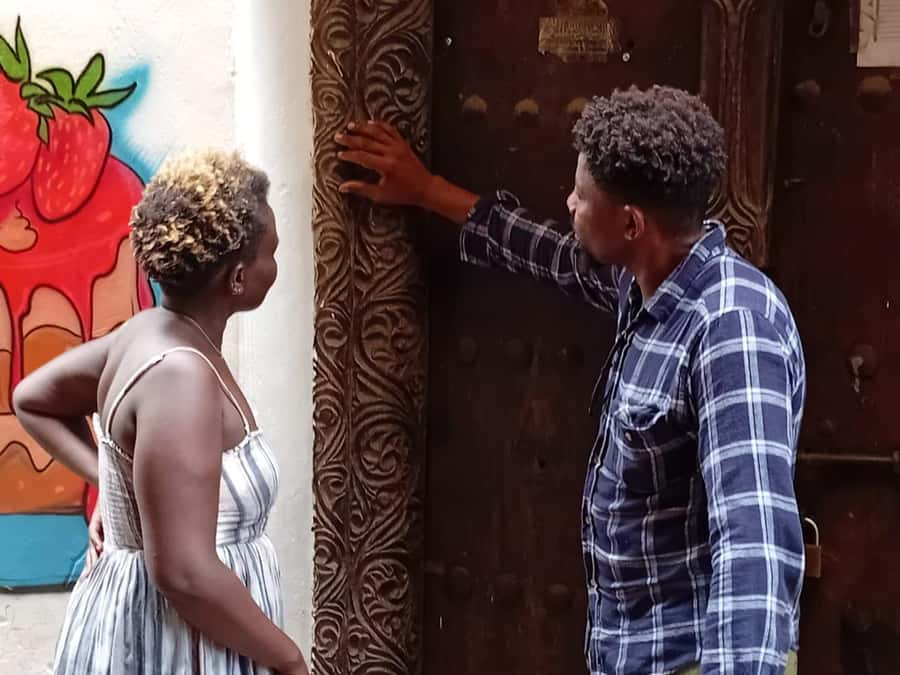
The walk is designed for people who enjoy looking closely rather than collecting sights at speed. You may stop at doors with intricate carvings, compare them with simpler examples, and hear how their designs connect to the town’s past.
The back streets are important because they make the tour feel less like a photo stop. You are seeing doors in their architectural setting, with the narrow lanes and old buildings around them. The experience asks you to notice workmanship that is easy to miss when you are focused only on a map or a major attraction.
This also means you should allow the walk to unfold at a leisurely pace. The tour description refers to a three-hour experience, while the included details also mention a two-hour walking tour in Old Town. That difference is worth confirming before you reserve, especially if you have another activity booked later in the afternoon.
The narrow lanes can be uneven in places, but the tour is listed as wheelchair accessible. If access needs are important for your party, discuss the preferred meeting point and route when booking so the guide can plan appropriately.
Same base, a completely different sort of day:
- Nairobi National Park Half-Day Game Drive
★ 4.5 · 738 reviews - Nairobi: Historic and Modern Highlights Walking Tour
★ 4.8 · 703 reviews - Safari Tour; Nairobi National Park
★ 4.5 · 594 reviews - 3 Days Masai Mara Group Joining
★ 5.0 · 486 reviews
What the three-hour timing means
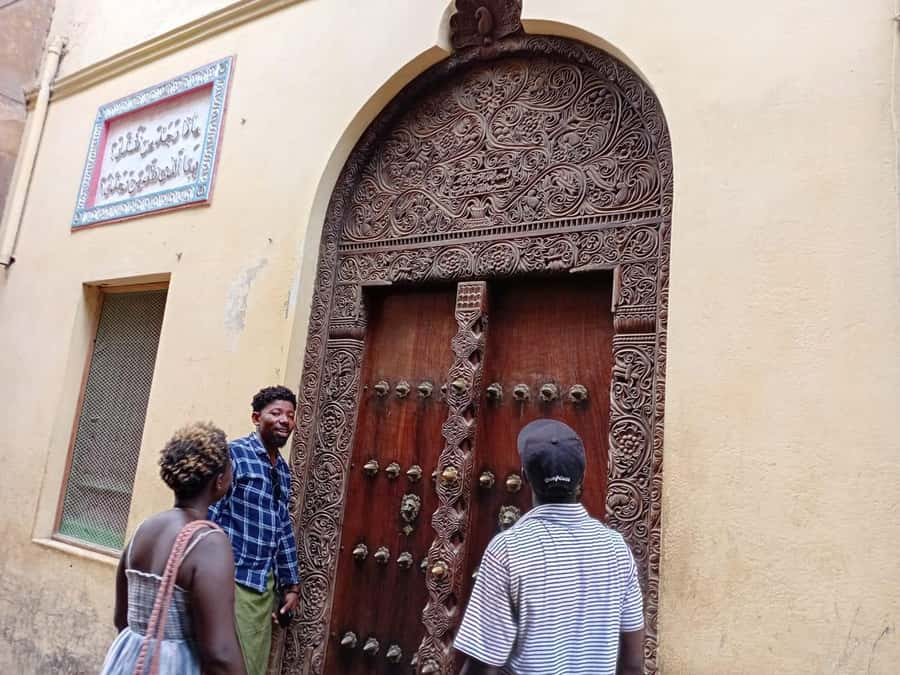
The usual departure is 3 p.m. That timing gives you a useful way to spend the later part of the day, when the town’s doors and carved details may be easier to study than during the strongest midday sun.
Still, Lamu can be hot, and a walking tour requires some preparation. Wear comfortable shoes, carry water, and bring a hat or cap. A camera is useful, but do not let photography replace the explanations. The point is to understand what you are seeing.
The tour depends on weather conditions. Lamu generally has favorable weather for much of the year, but rain can affect the outing during May, June, and July. In the rainy season, the walk is conducted when there is no rain, so your start time may need some flexibility.
There are shops around town where you can buy small items and refreshments, but food and drinks are not included. I would carry water and perhaps a snack rather than rely on finding something at exactly the right moment.
Adding Shela’s carved doors
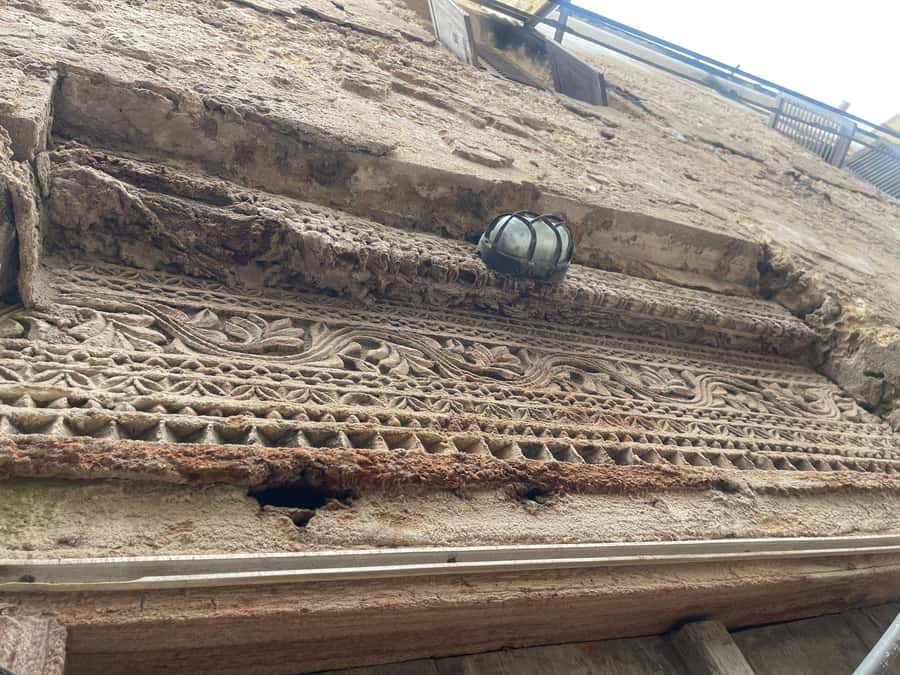
Shela is about 3 kilometres from Lamu Town and can be added as an extra walking tour. This is useful if you want to compare the doors and architectural character of another part of the island rather than concentrate only on Old Town.
The extra outing is not presented as part of the standard Old Town route, so confirm the arrangement and any added cost before booking. You should also consider the extra walking time, especially in hot weather.
For a visitor with a strong interest in traditional woodwork, Shela may be a worthwhile extension. It gives you more examples and lets you test what you learned in the old town. For someone who mainly wants a short introduction to Lamu’s doors, the Old Town portion may be enough.
Is $40 a fair price?
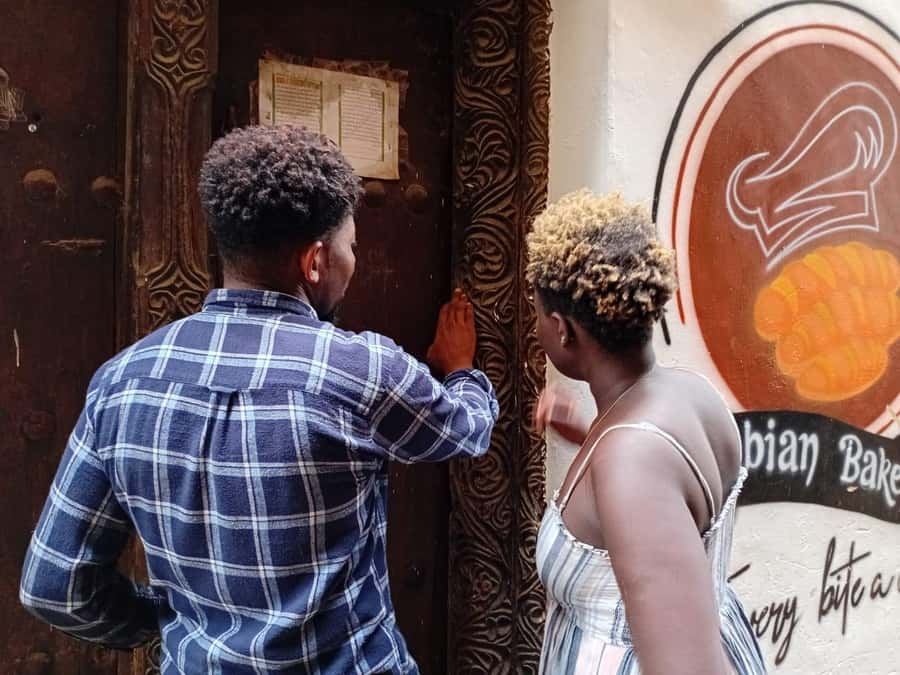
At $40 per person, this is not the cheapest way to spend three hours in Lamu, but the price needs to be judged against what you are buying. This is a private tour with a specialist guide, conducted in English or Swahili, and focused on a subject that is difficult to understand through casual sightseeing alone.
You are also supporting a woman working in a traditional craft. That does not replace the need for a good tour, but it gives the payment a direct cultural value. You are helping make space for a local artisan’s work while learning about the craft itself.
The value is strongest if you enjoy asking questions, comparing details, and spending time with one subject. If you only want a quick stroll or a broad introduction to Lamu, the price may feel high for a door-focused walk. If you care about architecture and local making traditions, the specialist focus makes the cost easier to justify.
The private format is another advantage. You are not adjusting your pace to a large group, and you can request a preferred pickup point. A different time slot can also be arranged in advance.
Who will enjoy this walk most?
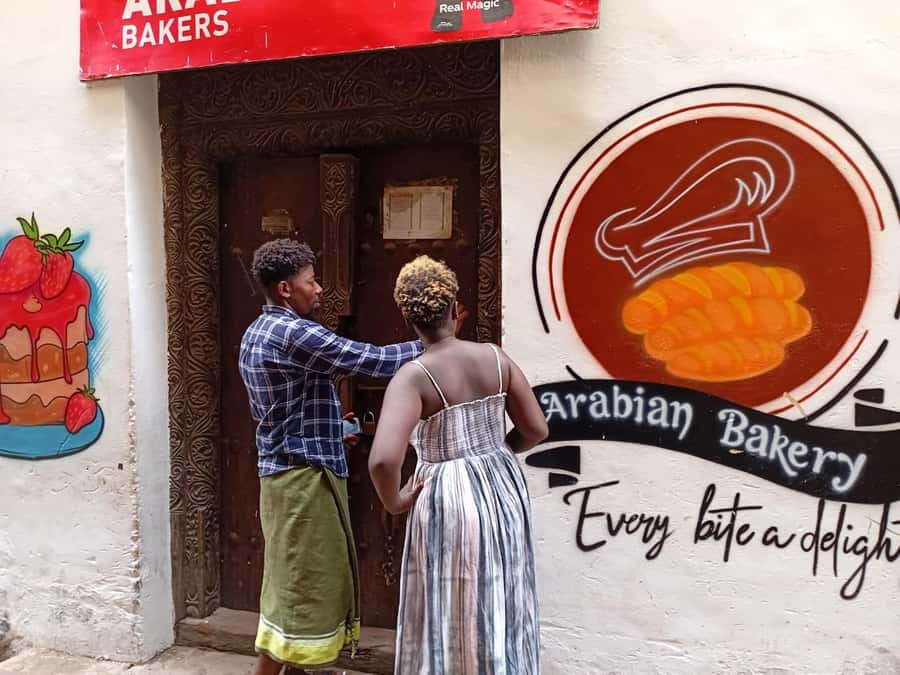
I would recommend this tour to you if you like old buildings, handcraft, photography, cultural history, and conversations with local specialists. It suits curious visitors who are happy to slow down and look at details that most people pass without noticing.
It is also a good choice if you want an experience connected to Lamu’s living culture rather than a simple sightseeing circuit. Almasi’s personal story and practical understanding of carving give the tour a human focus.
Families with older children may find the door designs an approachable way to discuss trade, religion, art, and architecture. Younger children who need constant movement may find three hours of looking at doors less appealing.
You should think twice if you dislike walking in warm weather, prefer a tightly scheduled list of major sights, or want meals and transport included. Hotel pickup and drop-off are not included, and food and drinks are your responsibility.
Practical advice for making the most of it
Book the 3 p.m. departure if that timing works for you, but ask about alternatives when making your reservation. Tell the operator where you would like to meet, since pickup can be arranged at the town square or another preferred location.
Wear shoes you can comfortably walk in for several hours. Bring water, a hat, sunscreen if you use it, and a camera. Keep your hands free enough to move easily through the lanes, and avoid carrying more than you need.
Ask Almasi to explain the differences between the doors you see. The tour becomes more useful when you compare examples rather than treat every stop as an isolated photograph.
If you want Shela included, arrange it ahead of time. Do not assume that the additional area is automatically part of the regular Old Town walk.
The experience is available as a private group booking, with English and Swahili guiding. Free cancellation is available up to 24 hours before the tour, and you can reserve now and pay later, which is helpful when rain or changing island plans may affect your schedule.
Should you book the Swahili Carved Doors Tour?
Book it if you want to understand Lamu through its woodwork and prefer a personal guide with a real connection to the craft. Almasi’s warmth, enthusiasm, and ability to explain different door styles are the strongest reasons to choose this walk.
The tour is less suitable if you want transport, a meal, or a broad list of Lamu attractions. It is focused, leisurely, and dependent on weather. For the right visitor, that narrow focus is exactly the point.
Bring water, wear sensible shoes, and allow time to look carefully. At $40, the tour offers good value for a private cultural walk led by Lamu’s only woman woodcarver, particularly if you add Shela and make the carved doors a central part of your visit.
FAQ
How long does the Swahili Carved Doors Tour last?
The activity is advertised as a three-hour tour. The included details also refer to a two-hour Old Town walking tour, so confirm the exact timing when booking.
Where does the tour begin?
You can start at the Lamu Old Town square or request another pickup point when booking.
What time does the tour usually begin?
Tours are usually conducted in the afternoon from 3 p.m. A different time can be arranged in advance.
Who leads the tour?
Almasi leads the tour. She is described as the only woman woodcarver on Lamu Island.
What languages are available?
The live guide can conduct the tour in English or Swahili.
Is the tour private?
Yes. The activity is offered for a private group.
Is the walking route wheelchair accessible?
The tour information states that all routes are wheelchair accessible.
Can I visit carved doors in Shela?
Yes. You can choose an additional walking tour in Shela, which is about 3 kilometres from Lamu Town.
What should I bring?
Bring comfortable walking shoes, water, a hat or cap, and a camera. Food and drinks are not included, so you may also want to carry a snack.
Just added around Kenya
- Watamu: Learn Kenyan Cusine with Jonathan★ 4.1 · 8 reviews
- Visit kibera Slum the chocolate city★ 4.8 · 3 reviews
- Watamu: Sunset Mangrove Canoe Tour with Coconut Drink★ 3.6 · 8 reviews
- Tsavo East National Park: 2-Day Tour from Mombasa★ 3.9 · 5 reviews
- Lake Nakuru NP Half-Day Safari★ 4.0 · 4 reviews
- WATAMU: MALINDI: SARDEGNA ISLAND & MALINDI MARINE PARK★ 4.5 · 9 reviews
- Bike Rental at Home of Champions – Iten Kenya★ 5.0 · 7 reviews
- Kilimanjaro Wanderlust Day Hike★ 5.0 · 8 reviews