
Reviewed · TOURS IN NAIROBI
Cook and enjoy African meals with Moreen
The heart of this experience is not a restaurant or a formal school. It is a visit to Moreen’s family home, beginning with a market stop in Nairobi’s Kayole district and ending around the dining table with food you helped prepare. You shop for ingredients, hear where the dishes come from, and cook a Kenyan meal in a relaxed setting.
I like the local market visit, which gives the meal a clear connection to everyday Nairobi life. I also like the family welcome, fresh food, and chance to prepare dishes such as ugali, pilau, sukuma wiki, and chapati. The main thing to check before booking is transportation, since a car ride is part of the described day but transportation is listed as not included.
Key points at a glance
- Shop in Kayole: Meet Moreen near a local market and choose the ingredients for your meal.
- Cook in a family home: The class takes place at Moreen’s house, not in a staged cooking studio.
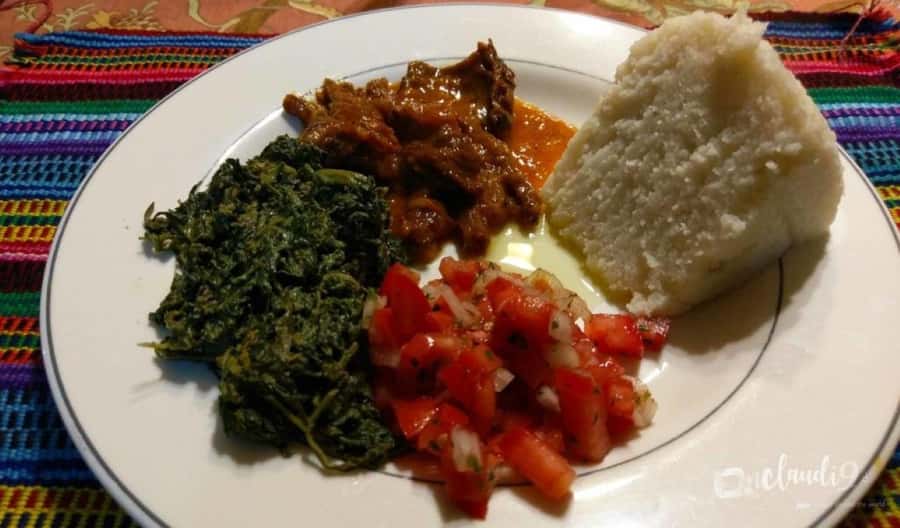
- Expect classic Kenyan dishes: Ugali, pilau, sukuma wiki, and chapati may feature on the menu.
- Learn as you work: Moreen explains the background of the dishes and ingredients while you help cook.
- Share the meal together: The experience ends with food, fruit, soda, and water in a homely setting.
- Plan for practical limits: The activity is not suitable for wheelchair users or people with mobility impairments, and transport is not included in the stated price.
A market morning in Nairobi’s Kayole district
The day begins at a central meeting point in Nairobi. From there, you meet Moreen and head to a local market, with Kayole identified as the market area in the detailed account of the experience.
This first stop matters. You are not simply handed a set menu and asked to follow instructions. You help select the ingredients for the meal, which gives you a better sense of how Kenyan cooking starts. Fresh produce, staple foods, and the choices made at the market all become part of the meal later in the day.
The market also adds a useful local angle. You get to see where some of the food is bought and how a normal shopping trip fits into the cooking process. You may interact with local sellers and see the produce used in Kenyan homes. The experience is less about watching a chef perform and more about taking part in an ordinary food routine.
The exact menu depends on your meal choice and any requests you make. That flexibility is helpful if you already have a dish in mind. Felix’s meal included ugali, pilau, sukuma wiki, and chapati, and Moreen was happy to accommodate special requests. If you have dietary needs or want a certain dish, raise the question before the market visit so the shopping plan is clear.
Other trips that set out from Nairobi:
- Nairobi National Park Half-Day Tour; Free Wi-Fi connection
★ 5.0 · 878 reviews - Nairobi: National Park & Optional Elephants & Giraffe Center
★ 4.8 · 874 reviews - NAI NAMI: Nairobi Storytelling Tour with Street Children
★ 5.0 · 792 reviews
From market produce to Moreen’s kitchen
After shopping, you head to Moreen’s home for the cooking session. The setting is deliberately domestic. You are cooking in an apartment with Moreen and, depending on the day, members of her family, rather than attending a large class with a commercial kitchen and a fixed timetable.
That home setting is one of the strongest reasons to choose this activity. You can see how the food is prepared in a real household and how several dishes come together as one meal. It also makes the day more social. The cooking is not an isolated lesson, and you are not expected to sit quietly while someone else does all the work.
Moreen guides you through the preparation and explains the background of the ingredients and dishes. The amount of hands-on work can vary according to what you want. You can help with the cooking whenever you wish, so this suits both the curious beginner and the person who already enjoys working in a kitchen.
The host speaks English and Swahili. That makes it easier to ask questions and follow the cooking process, especially when you want to understand not just what goes into a dish but why it is prepared in a certain way.
What the Kenyan menu can teach you
The dishes associated with this experience offer a useful introduction to several parts of Kenyan food culture.
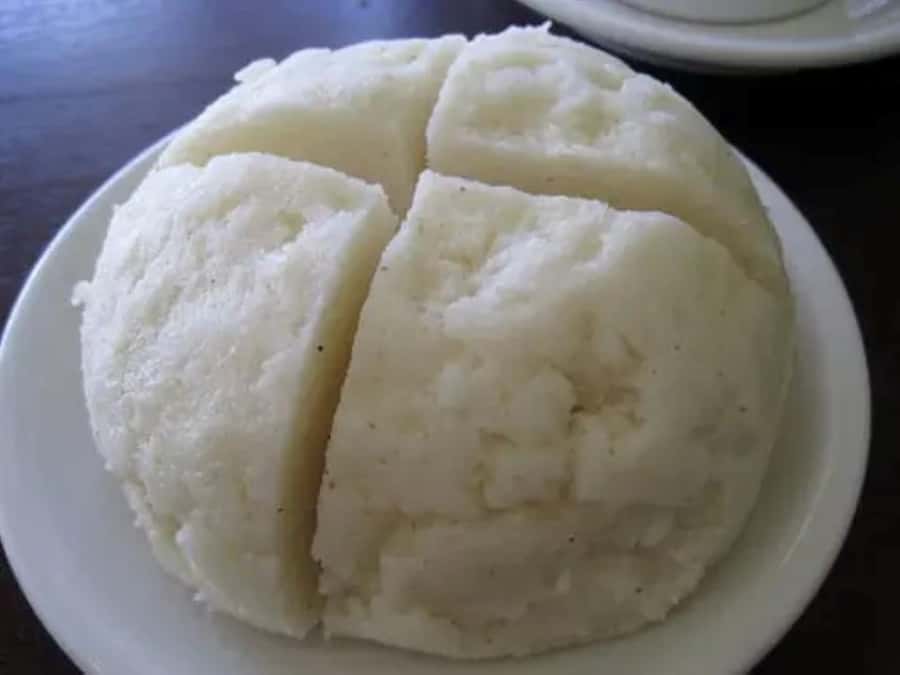
Ugali is a firm maize-based staple, often served as an accompaniment rather than treated as a dish on its own. Preparing it gives you a chance to learn about the texture and consistency that matter when working with a simple but important everyday food.
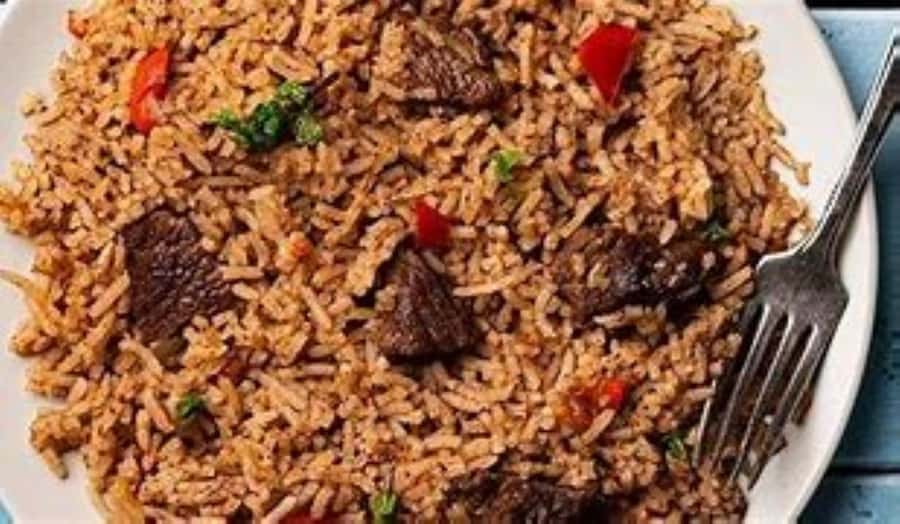
Pilau brings rice and seasoning into the meal. The dish can show how spices shape the character of a plate without requiring a long list of complicated techniques. Since the menu is chosen around the market shopping, you may also see how available ingredients influence the final meal.
Sukuma wiki is a leafy green vegetable dish and a familiar part of home cooking. It adds freshness and balance beside heavier staples. Chapati gives you a hands-on bread element, with preparation that can be especially enjoyable if you like working with dough.
These dishes are not guaranteed as a fixed menu. They are examples from one meal, so ask Moreen what is planned for your date. The useful point is that the class connects several everyday foods in one sitting instead of focusing on a single recipe.
Learning the stories behind the ingredients
Moreen talks about the origin of the ingredients and the background of the dishes while you prepare them. That turns the cooking into more than a recipe lesson.
You can ask about the ingredients you bought, how the dishes are served, and which foods are common in Kenyan homes. The information is delivered during the work, so the class should feel conversational rather than like a lecture.
I particularly like this format because the market and kitchen explain each other. At the market, you see the raw materials. At home, you learn how they are turned into food. Then you eat the result at the same table. Each part has a practical purpose, and the meal does not feel disconnected from the place where the ingredients came from.
The host’s family may also take part in the day. That can make the experience more personal, but it is worth knowing what you are choosing. If you want a quiet, tightly timed class, this may feel informal. If you enjoy conversation and meeting the people behind a local experience, the family setting is a strong advantage.
Same base, a completely different sort of day:
- Nairobi National Park Half-Day Game Drive
★ 4.5 · 738 reviews - Nairobi: Historic and Modern Highlights Walking Tour
★ 4.8 · 703 reviews - Safari Tour; Nairobi National Park
★ 4.5 · 594 reviews - 3 Days Masai Mara Group Joining
★ 5.0 · 486 reviews
Eating together at a family table
The final meal is served at Moreen’s home, with the host and family. Food, fruit, soda, and water are included.
That shared meal is the natural finish to the cooking session. You are not rushing away as soon as the last pan is finished. Instead, you sit down and enjoy what you helped prepare. This gives you time to ask further questions and talk with Moreen and her family.
The welcome is a major part of the experience. The setting is described as homely, and the available feedback repeatedly highlights the family atmosphere, warm hosting, and delicious food. Julia’s account describes being welcomed by Moreen and her family from the market through the meal. Valerie felt part of the family, while Felix and his wife especially valued the interaction with the whole household.
Those comments point to the real character of the day. The cooking is important, but the human contact may be what you remember most. You should book this with the expectation of spending time with a family, not simply collecting a new recipe.
How the $59 price works for you
At $59 per person, the value depends on what you want from a food experience. You are paying for a market visit, local hosting, cooking instruction, the meal, fruit, soda, and water. You also get direct contact with Moreen and her family, which is different from paying only for a restaurant meal or a short demonstration.
The price is easier to justify if you value the full day structure. The activity combines food shopping, cultural context, practical cooking, and lunch or dinner in one package. It also lets you eat dishes prepared with ingredients selected during your own market visit.
The main cost question is transportation. Transportation is listed as not included, although the experience description says you board a car to reach the market and then travel to the host’s house. Before paying, ask where the meeting point is, how the car arrangements work, and what transport costs you should expect. This is the clearest practical detail to settle in advance.
The included drinks and fruit are useful extras, but the bigger value is the access to a private home and local host. If your main goal is simply to eat Kenyan food at the lowest possible price, a restaurant will cost less. If you want to understand the food through shopping and preparation, $59 is more reasonable.
Who will enjoy this cooking day
This is a good match for you if you like food, conversation, and small-scale cultural experiences. It suits couples particularly well, as Felix attended with his wife and enjoyed the relaxed family interaction.
It also works for solo visitors who want a more personal way to spend a day in Nairobi. Moreen’s English makes it possible to ask questions directly, while Swahili adds another language option.
You should be comfortable with an informal home setting. The schedule may feel less polished than a hotel cooking class, and the family atmosphere means the day is about connection as much as technique. That is a strength for some people and a drawback for others.
The activity is not suitable for wheelchair users or people with mobility impairments. The supplied information also gives age restrictions for people over 70 and over 95, so confirm the applicable limit when booking. Sharp objects and weapons are not allowed, smoking indoors is prohibited, and explosive substances are not permitted.
Practical questions to settle before booking
Start by confirming the meeting point. The activity begins near a central market, and the market is identified as being in Kayole, but you should have the exact location before setting out.
Next, clarify transportation. A car ride is described as part of the day, but transport is also listed as excluded. Ask whether Moreen provides the ride, whether you need to arrange it yourself, and what extra charge applies.
Ask about the menu if you have dietary restrictions, allergies, or a dish you particularly want to learn. Moreen has accommodated special requests, but the meal is connected to what is bought at the market, so advance notice is sensible.
Allow plenty of time. The experience is described as a full-day activity, and the sequence includes travel, shopping, preparation, cooking, and eating. It is not a quick lesson squeezed between major Nairobi sights.
The cancellation policy is friendly: you can cancel up to 24 hours in advance for a full refund. You can also reserve and pay later, which helps if your Nairobi plans are still changing.
Should you book Cook and Enjoy African Meals with Moreen?
Book it if you want a personal introduction to Kenyan food and would rather cook with a family than sit in a formal class. The combination of the Kayole market, Moreen’s guidance, a flexible menu, and a shared meal gives the day a clear sense of place.
Skip it if you need wheelchair access, dislike informal home visits, or want a tightly scheduled cooking lesson with transport fully arranged in advance. For everyone else, this is a strong choice for a food-centered day in Nairobi, especially if you confirm the vehicle arrangements and menu before booking.
FAQ
Where does the experience take place?
The day begins at a central meeting point in Nairobi, followed by a visit to a local market. The market area is identified as Kayole, and the cooking session takes place at Moreen’s home.
Who hosts the cooking experience?
The host is Moreen Imari. Her family may also take part in the home-based cooking and shared meal.
What food might I prepare?
A sample meal included ugali, pilau, sukuma wiki, and chapati. The menu can vary, and Moreen may accommodate special requests.
Is transportation included?
Transportation is listed as not included. The activity description also refers to a car ride to the market and the host’s home, so confirm the transport arrangements and any extra cost before booking.
What does the price include?
The $59 price includes local host services, cooking lessons, soda, fruit, and water. Transportation is not included.
What languages does Moreen speak?
Moreen speaks English and Swahili.
Is the activity suitable for wheelchair users?
No. The activity is listed as unsuitable for wheelchair users and people with mobility impairments.
Can I cancel for a full refund?
Yes. You can cancel up to 24 hours in advance for a full refund.
Can I reserve now and pay later?
Yes. The activity allows you to reserve your place and pay later, so you do not have to pay at the time of booking.
Just added around Nairobi
- Nairobi: Horseback Riding Tour Through Maize Plantation★ 5.0 · 3 reviews
- Nairobi: Kibera Slum Compassionate Walking Tour★ 5.0 · 4 reviews
- Nairobi: Karura Forest Guided Walking Tour★ 5.0 · 4 reviews
- From Nairobi: Horseback Wildlife Safari with Transfer & Meal★ 4.6 · 7 reviews
- Nairobi: Hidden Gems and Local Secret Guided Walking Tour★ 4.9 · 20 reviews
- Nairobi: Hop on Hop off and Maasai market Collections Visit★ 3.5 · 10 reviews
- Nairobi: Karura Forest Horseback Riding Tour★ 4.8 · 11 reviews
- Nairobi: Guided Afternoon Tour to Bomas of Kenya.★ 3.1 · 4 reviews
Tours in Nairobi, compared.

Nairobi National Park Half-Day Tour; Free Wi-Fi connection
Read our review →
National Park & Optional Elephants & Giraffe Center
Read our review →
NAI NAMI: Nairobi Storytelling Tour with Street Children
Read our review →