
Reviewed · GIRAFFE CENTRE & ELEPHANT ORPHANAGE
David Sheldrick Elephant Orphanage Half-Day Tour in Nairobi
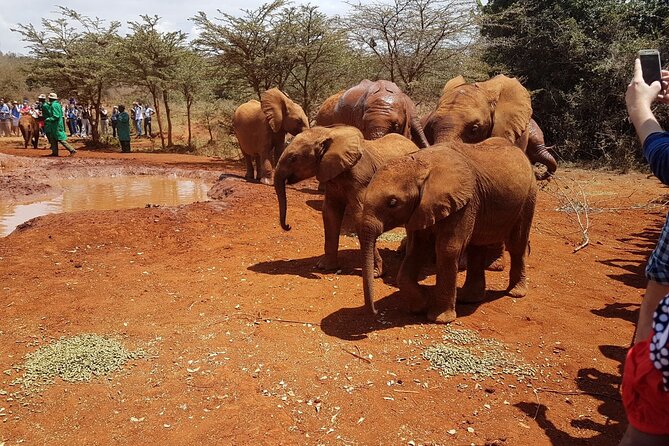
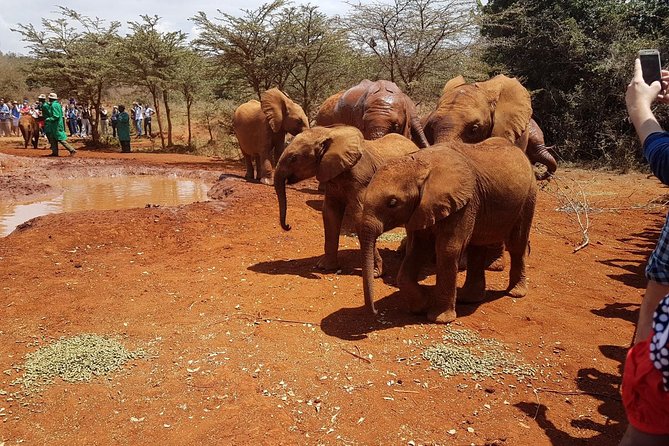
The best part of this half-day outing is simple: you arrive for the 11 a.m. bottle feeding, when rescued baby elephants trot out of the bush to meet their keepers. You stand behind a rope fence in an open space as each elephant gulps milk, splashes in the water, and leans into the people who care for it.
I like the tour’s narrow focus. You are not rushed through a long list of Nairobi sights, and the guide can help you reach a good viewing place. I also like the conservation message, especially the stories of where the elephants came from and how the trust prepares them to return to the wild. The main catch is the extra $45 Nairobi National Park fee, which is mandatory and easy to miss when comparing prices.
Key points to know
- Bottle feeding begins at 11 a.m., so an early pickup matters if you want a good spot.
- The elephant visit lasts about one hour, not the full four-hour tour.
- Hotel pickup and drop-off in Nairobi are included, with groups limited to seven people.
- Nairobi National Park entry costs an additional $45 per person, on top of the tour price.
- The visit supports elephant rescue and rehabilitation, not just animal viewing.
- Guide quality can shape the day, with Patrick and Stephen praised for timely service and good viewing advice, while some guests reported ticketing and transport problems.
Why the Feeding Hour Is the Main Event
The David Sheldrick Wildlife Trust visit is built around one carefully timed activity. The youngest elephants come from the bush and gather near their keepers, who hold large milk bottles ready for them. Each elephant feeds for roughly 10 to 15 minutes, then the group watches as the animals play in water, nudge their keepers, and seek attention.
This is not a zoo-style exhibit. The elephants are in an open space surrounded by a rope fence, and the keepers are the center of the action. You hear the elephants rumble, watch their trunks work around the bottles, and learn how old they were when they arrived and where they were rescued.
I would set your expectations correctly. You do not wander freely through a large sanctuary or spend hours with the elephants. The formal visit lasts about an hour, and the most active part is the feeding. That short window is worth the trip, but it makes timing important.
The experience also carries some emotional weight. The young elephants arrived because they lost their mothers or faced serious danger. Their stories explain why the work matters, while the playful behavior keeps the visit from feeling grim. You get both the hard facts about poaching and other threats and the hopeful sight of young animals being cared for well.
More animal sanctuaries around Nairobi:
- Nairobi: National Park & Optional Elephants & Giraffe Center
★ 4.8 · 874 reviews - Elephant Orphanage and Giraffe Center Tour with Options
★ 4.5 · 457 reviews - Nairobi National Park, Elephant Orphanage and Giraffe Centre
★ 4.6 · 365 reviews
Leaving Nairobi at 9:30 a.m.
Pickup begins at about 9:30 a.m. from your Nairobi hotel or home. The drive gives you a practical benefit: you do not need to arrange a separate taxi or work out the route to the trust yourself.
The trip is sold as a four-hour experience, but only about one hour is spent inside the elephant center. The remaining time is used for pickup, driving, entry procedures, and the return journey. Nairobi traffic can affect the schedule, so an on-time driver matters.
That is why I would pay attention to communication before the day begins. Confirmation is provided when you book, and the local operator may contact you about pickup. Some guides, including Patrick and Stephen, have been praised for arriving on time and getting people to the center early enough for a strong viewing position.
The group limit is seven people. That is a useful size for a city transfer and gives the outing a more personal feel than a large coach, although the exact vehicle and driver experience can vary. A small group does not guarantee a perfect day, but it makes it easier for the guide to answer questions and manage the timing.
Inside the Rope Fence at 11 a.m.
The visit takes place in an open area with a rope fence around it. You do not approach the elephants on your own. Instead, you watch the keepers work with them while the animals move around the space.
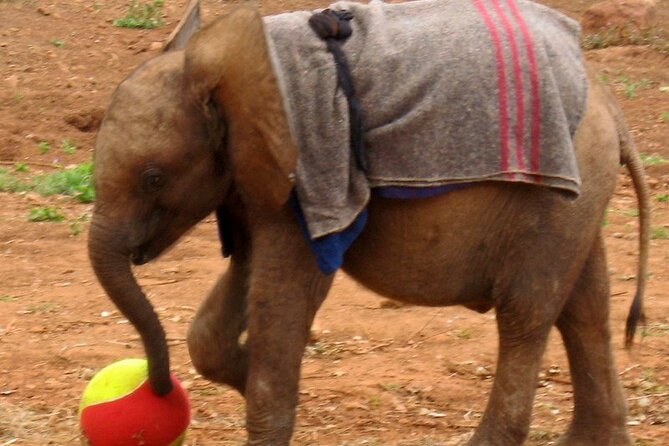
The first sight is usually the youngest elephants arriving from the bush. Their reunion with the keepers is part of what makes this visit so appealing. The animals know who brings their milk, and the keepers are ready with bottles, water, and plenty of patience.
Feeding is the clearest photo opportunity. Each elephant takes a bottle for about 10 to 15 minutes, slurping and gargling as it drinks. Afterward, the mood changes from feeding time to playtime. The elephants splash in the water, push against one another, and nudge their keepers for attention.
You will also hear individual rescue stories. The staff explain the elephants’ ages when they arrived and the circumstances that brought them to the trust. This personal detail gives the visit more meaning than simply watching young animals run around.
The viewing area can feel crowded. The rope boundary keeps people at a set distance, but everyone wants a clear look at the feeding. Arriving early is useful, and a guide who understands the layout can help you find a better position. Stephen and Patrick were specifically praised for helping people get a good view.
Conservation Stories Behind the Cute Moments
It is easy to focus on the milk bottles and playful trunks. The stronger part of the visit comes when you connect those moments to the wider conservation work.
The trust cares for orphaned elephants and works toward returning them to the wild. The process takes years, so the animals you see are at different points in their recovery. The stories explain the threats facing Kenya’s elephant population and why rescue work is still needed.
I like that the visit does not treat the elephants as entertainment alone. The keepers explain where each young elephant came from and what care it needed after arriving. The aim is not simply to keep an elephant alive in captivity, but to give it a path back to the wild.
You can also support the work directly. Several people choose to adopt an elephant after hearing its story. Adoption is not included in the tour price, and it is an optional contribution, but it can be a meaningful way to continue helping after you leave.
The emotional tone may surprise you. You will probably laugh when an elephant splashes or pushes into a keeper, then hear a sad story about the loss of its mother a few minutes later. That contrast is part of the visit’s power, but it may not suit someone looking for a light, purely entertaining morning.
A few more things to do around Nairobi worth a look
- Nairobi National Park Half-Day Tour; Free Wi-Fi connection
★ 5.0 · 878 reviews - Nairobi National Park Half-Day Game Drive
★ 4.5 · 738 reviews - Half-Day Nairobi National Park Safari from Nairobi with Free Pickup
★ 4.5 · 264 reviews - Nairobi National Park Full or Half-Day Tour with Guide
★ 4.7 · 217 reviews
What the $75 Price Really Covers
The advertised price is $75 per person. It includes a professional guide, hotel pickup, and hotel drop-off, but it does not include food, drinks, souvenir photos, or the required Nairobi National Park entry fee.
The park fee is listed as an additional $45 per person. That brings the expected basic cost to $120 per person before any optional purchase. This is the number I would use when comparing the outing with other Nairobi activities, not the $75 headline figure.
Several people were surprised by the park charge, particularly because it was collected at the entrance. The fee is not a minor extra, so read the cost details closely and budget for it before booking. Some past bookings also appear to have used different total prices, so check the current amount at the time you reserve.
Is $120 good value? That depends on what you want. If you mainly want to see the elephants and support a respected conservation effort, the price can feel worthwhile. You receive transport, a guide, and access to a tightly timed visit that is difficult to arrange casually.
If you are measuring value by hours of sightseeing, it is less attractive. The elephant viewing itself lasts about an hour, while much of the four-hour period goes to transportation and entry procedures. You are paying for convenience and access to a conservation program, not for a full day of activities.
The tour may offer group discounts, but the available details do not specify the discount amount. Ask for the final total before booking if you are arranging the outing for several people.
Guides, Drivers, and the Risk of Uneven Service
The guide can make a real difference here. A good guide arrives on time, explains the schedule, helps you reach the center early, and makes sure the return transfer is clear.
Patrick was praised for being pleasant, punctual, and careful about arriving early. Stephen was also singled out for helping people find a strong viewing position. Those details matter because the feeding is short and the best places along the rope fence can fill quickly.
Service has not been consistent every time. Some people reported drivers getting lost, struggling with ticketing, or using a poor vehicle. One person also described a driver trying to rearrange the return ride to suit another family’s plans. That is not acceptable for a paid door-to-door transfer, especially for a solo customer.
I would confirm three things before setting out: the pickup time, the required park fee, and the plan for returning to your hotel. If you have another appointment afterward, leave plenty of space. A driver may be able to take you to another destination, but that should be agreed upon in advance rather than assumed on the day.
The tour operator is Gracepatt Safaris, and the experience is sold with a maximum of seven people. Most people can take part, but children must be accompanied by an adult.
Extra Stops and Staying With the Advertised Plan
The main description focuses on the elephant orphanage. Some outings have also included a bead factory, and that stop was not always expected by the people who booked.
A bead factory can be a pleasant extra if you want locally made items or another look at Nairobi craft work. One account described it as better than a standard souvenir stand. Still, an unplanned stop can feel like a distraction when you paid for a focused elephant visit.
If the driver suggests an additional stop, ask whether it is included, how long it will take, and if it changes your return time. The elephant center is the reason to book this tour, so you should not feel pressured into shopping.
There is no lunch included. Bring your own food only if the operator confirms that the schedule allows it, and do not count on a meal stop during the four-hour outing. Drinks are also excluded.
Who Will Get the Most From This Visit
I would recommend this outing to anyone with one free morning in Nairobi who wants a conservation experience rather than a long city tour. It is especially suited to families, first-time visitors, and people who want hotel transport arranged for them.
Children are likely to enjoy the bottle feeding and water play, but the conservation stories give the visit enough substance for adults. Children must stay with an adult, and the open viewing setup means you should keep close watch during the busy feeding period.
The tour also works well for someone who has read about the Sheldrick family and wants to see the project in person. The visit gives context to the trust’s work and offers a direct way to support it through an optional adoption.
I would hesitate if you dislike scheduled group visits or crowded viewing areas. The experience is strict about its visiting hours, and you cannot simply arrive whenever it suits you. I would also compare other options if your budget is tight, since the mandatory park charge raises the actual cost considerably.
Practical Booking Advice Before You Pay
Book at least a few days ahead if possible. The experience is often reserved about 26 days in advance, which suggests that popular dates can fill, especially when people plan around a Nairobi stopover.
Free cancellation is available if you cancel at least 24 hours before the start time. Cancellation within 24 hours is not refunded, and changes inside that period are not accepted. The cut-off follows local Nairobi time.
At booking, check that your hotel or home address is within the pickup area in Nairobi. Keep your phone available for pickup messages, and save the operator’s contact details.
Wear practical clothing for an outdoor viewing area. The supplied information does not specify a dress code, but you will be outside and standing or moving around the rope-fenced space. Bring a camera if you want photos, but souvenir photos cost extra.
Do not plan the morning around a tight onward booking. Traffic, entry procedures, and the feeding schedule all matter. The safest approach is to treat the four-hour estimate as a minimum planning block rather than a promise of an exact return time.
Should You Book the Sheldrick Elephant Tour?
I would book it if seeing rescued baby elephants is high on your Nairobi list and you value the chance to support conservation work. The feeding, keeper interaction, rescue stories, and possibility of adopting an elephant create a memorable hour.
I would not book it based on the $75 price alone. Add the required $45 park fee, remember that the elephant visit lasts about an hour, and accept that transport and service quality can vary.
Before you commit, confirm the full price, pickup details, and return plan. If those points are clear, this is a focused and meaningful Nairobi outing. If you want several major sights, a meal, or a full day of activity, choose a broader tour instead.
FAQ
How long does the David Sheldrick Elephant Orphanage tour last?
The full experience takes about four hours, including hotel pickup, transport, entry procedures, the visit, and the return journey. The elephant center visit itself lasts about one hour.
What time does pickup begin?
Pickup begins at approximately 9:30 a.m. from your hotel or home within Nairobi. The visit is scheduled around the 11 a.m. elephant feeding.
Is Nairobi National Park entry included in the tour price?
No. Nairobi National Park entry is a mandatory additional charge of $45 per person. It is separate from the advertised tour price.
What does the tour price include?
The price includes a professional guide and hotel pickup and drop-off. Food, drinks, lunch, souvenir photos, and the Nairobi National Park fee are not included.
How many people can join the tour?
The group has a maximum of seven people. Children must be accompanied by an adult.
Can I cancel for a refund?
Yes, if you cancel at least 24 hours before the experience start time. Cancellations or changes made within 24 hours are not refunded.
Just added around Nairobi
- Nairobi: Horseback Riding Tour Through Maize Plantation★ 5.0 · 3 reviews
- Nairobi: Kibera Slum Compassionate Walking Tour★ 5.0 · 4 reviews
- Nairobi: Karura Forest Guided Walking Tour★ 5.0 · 4 reviews
- From Nairobi: Horseback Wildlife Safari with Transfer & Meal★ 4.6 · 7 reviews
- Nairobi: Hidden Gems and Local Secret Guided Walking Tour★ 4.9 · 20 reviews
- Nairobi: Hop on Hop off and Maasai market Collections Visit★ 3.5 · 10 reviews
- Nairobi: Karura Forest Horseback Riding Tour★ 4.8 · 11 reviews
- Nairobi: Guided Afternoon Tour to Bomas of Kenya.★ 3.1 · 4 reviews
Giraffe Centre & Elephant Orphanage, compared.
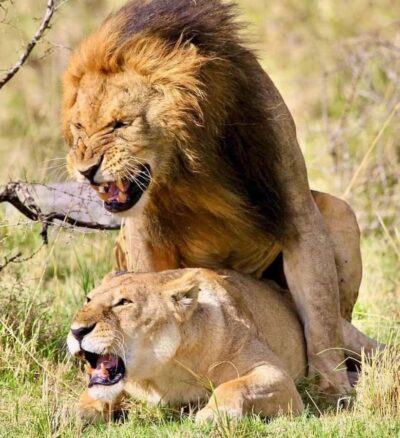
National Park & Optional Elephants & Giraffe Center
Read our review →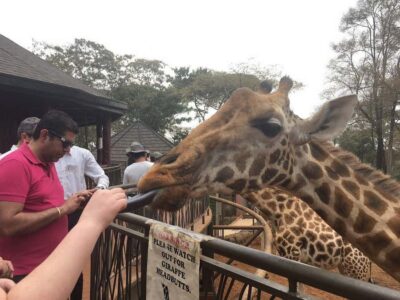
Elephant Orphanage and Giraffe Center Tour with Options
Read our review →
Nairobi National Park, Elephant Orphanage and Giraffe Centre
Read our review →
Tour: Giraffe Center and Nairobi National Park
Read our review →


Day tour to Giraffe Center and Karen Blixen Museum
Read our review →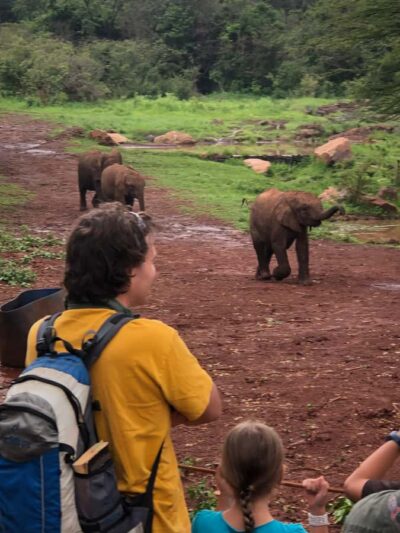
Browse the lists this tour appears in