
Reviewed · GIRAFFE CENTRE & ELEPHANT ORPHANAGE
Elephant Orphanage & Giraffe Centre Tour
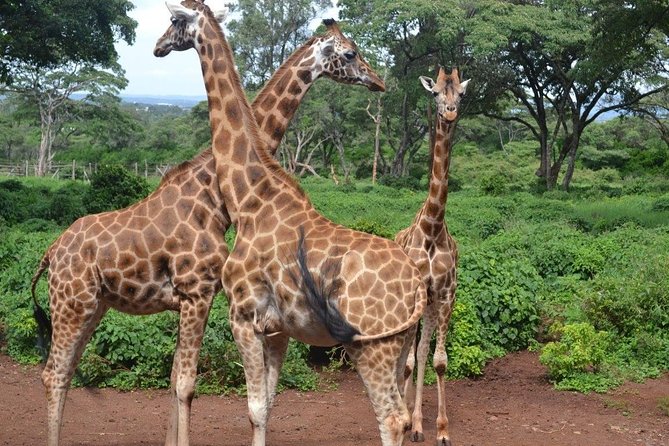
Two of Nairobi’s best-known conservation projects make a good pair: at the Giraffe Centre, you feed endangered Rothschild giraffes by hand, then watch rescued baby elephants take enormous bottles at the Sheldrick Wildlife Trust. The animals are close, but the setting is controlled and educational rather than a safari.
I like the tour’s private transport and hotel pickup, especially in Nairobi traffic, and I like the extra stop at the Kobe Tough bead factory, where handmade goods support single mothers. The main catch is price: the advertised $95 does not include the mandatory $45 Nairobi National Park fee, so your real cost is closer to $140 before food and drinks.
Key things to know before booking
- The elephant viewing runs from 11am to noon, so the day’s timing matters.
- The $45 Nairobi National Park fee is extra, even though the orphanage entrance is listed as included.
- Stephen Mutuku and Joe receive especially strong praise for good timing, local information, and helping people find the best viewing spots.
- Giraffe feeding is supervised, with a short, hands-on visit rather than a long wildlife encounter.
- The Kobe Tough bead factory adds a useful local angle, with a working pottery and bead operation plus a shop.
- The advertised group is small, though the booking information also gives a maximum capacity of 100, so confirm the group size for your date.
Why this makes a strong Nairobi morning
This is not a game drive. You will not spend hours searching for animals in open country. Instead, you get close, structured encounters with two conservation programs inside Nairobi, making the tour useful if you have only one day in the city or want a lighter wildlife outing before a longer safari.
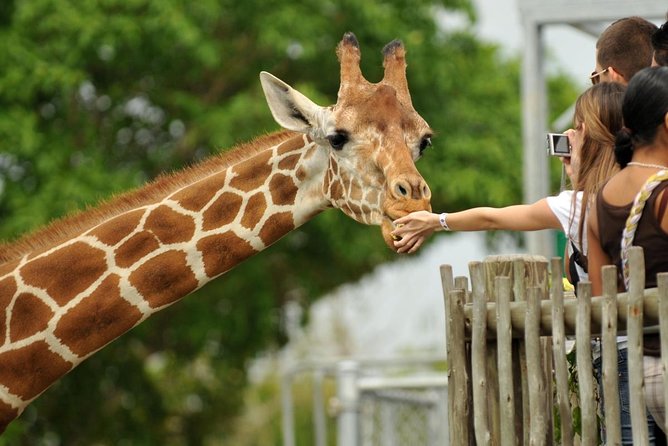
The Giraffe Centre gives you the most direct interaction. Rothschild giraffes lean over the raised platform to take feed from your hand, under the watch of their keepers. You also hear about their body structure, behavior, and habitat, not just get a quick photo.
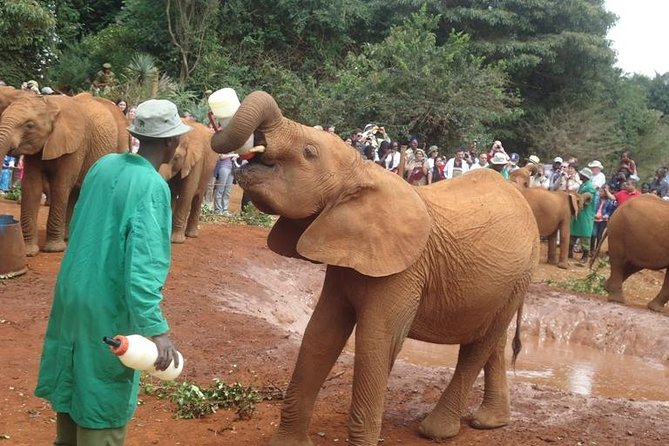
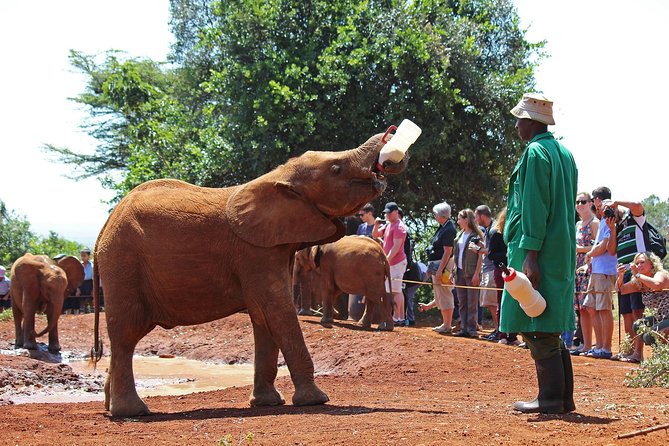
The Sheldrick Wildlife Trust offers a different kind of experience. During the one-hour visit, the youngest elephants come out from the bush to meet their keepers. The bottle feeding lasts roughly 10 to 15 minutes for each little elephant, followed by time to watch them play and hear how they were rescued.
I especially like the conservation story behind the animals. Some elephants lost their mothers to poaching. Others fell into wells or became victims of conflict between people and wildlife. The goal is not simply to display young elephants, but to rehabilitate them for a future back in the wild.
The limitation is that both stops are compact. The Giraffe Centre can take around 30 minutes if you move quickly, and the elephant viewing is restricted to its scheduled hour. If you have already spent several days on safari, you may find the encounters less exciting than seeing elephants roaming freely.
More animal sanctuaries around Nairobi:
- Nairobi: National Park & Optional Elephants & Giraffe Center
★ 4.8 · 874 reviews - Elephant Orphanage and Giraffe Center Tour with Options
★ 4.5 · 457 reviews - Nairobi National Park, Elephant Orphanage and Giraffe Centre
★ 4.6 · 365 reviews
Feeding Rothschild giraffes at the Giraffe Centre
Pickup begins at about 8am from a Nairobi hotel, Airbnb, or private home. The first stop is the Giraffe Centre, where keepers supervise the feeding of Rothschild’s giraffes, an endangered variety supported by the center’s breeding and release work.
The center has rescued, hand-reared, and released about 500 orphaned giraffes back into the wild since opening in 1979. That number gives the visit more weight than a simple animal feeding stop. You see the giraffes up close, but you also learn why conservation breeding and habitat protection matter.
The feeding platform is the main event. You hold the supplied feed and let the giraffes take it from your hand. The setup is designed for close contact, but keepers control the process, so follow their instructions and avoid treating it like an uncontrolled petting zoo.
You will have time to learn about giraffe physiology, behavior, and habitat preferences. The tour does not turn this into a long lecture, but the education helps explain what you are seeing.
There is one practical point to keep in mind: this is a relatively small attraction. You might finish the hands-on part in about half an hour, even though the planned stop allows an hour. That is enough for many people, especially families and first-time visitors, but it can feel brief for the price if you expect a full wildlife morning.
The 11am bottle feeding at Sheldrick Wildlife Trust
The schedule then moves to the Sheldrick Wildlife Trust elephant orphanage, with the public viewing set for 11am to noon. This fixed time is important. The tour is arranged around it, and arriving early does not mean you can simply enter and watch the elephants immediately.
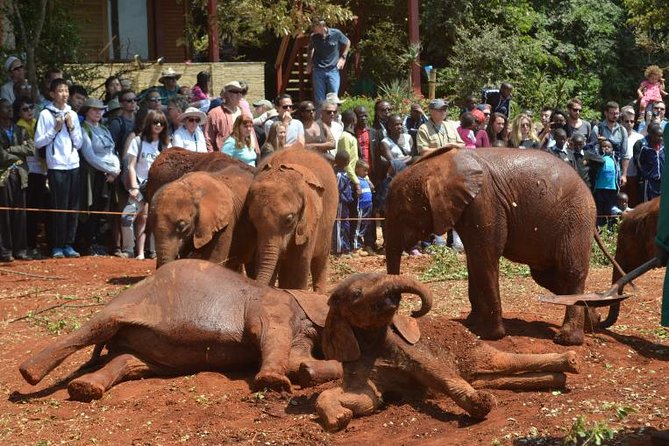
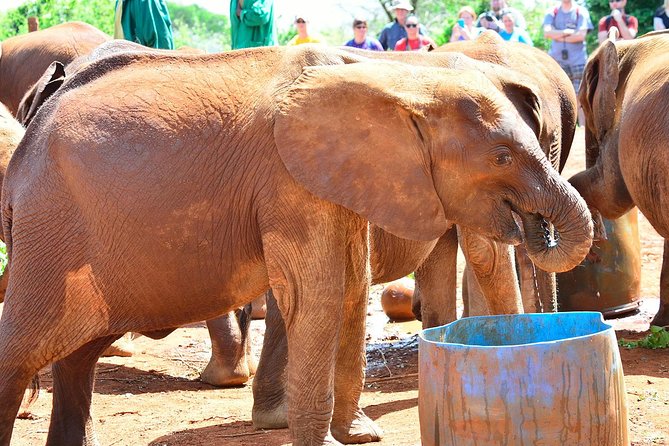
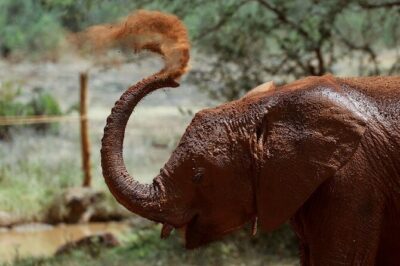
The viewing area is an open space with a rope fence. The youngest elephants come trotting out of the bush, where their keepers are waiting with giant bottles of milk. For about 10 to 15 minutes at a time, you watch each elephant drink, slurp, and sometimes gargle its way through the feeding.
Afterward, the elephants play while the keepers explain their background. You learn how old each animal was when it arrived, where it was rescued, and what caused it to need care. The stories focus on real threats: poaching, wells, and conflict between people and wildlife.
This is the emotional center of the tour, but it is also a controlled presentation. You stay behind the rope and do not wander among the elephants. Depending on the group and your position, your view may be better at some points than others, which is why the guide’s timing and choice of viewing spot matter.
Several people give particular credit to guides named Stephen Mutuku and Joe for helping with positioning and keeping the day moving. Stephen is also praised for explaining Kenyan culture and offering useful suggestions beyond the two animal stops. Joe receives similar praise for making the visit smooth and sharing information without turning the outing into a formal classroom.
The elephant stop is one hour, not a full safari. That distinction matters. If you have already seen large herds in the wild, you may find the orphanage less satisfying. If you want to understand how injured and orphaned elephants are cared for, the visit gives you a focused look at that work.
What the Kobe Tough bead factory adds

After the wildlife centers, the tour includes a stop at the Kobe Tough beads and leather factory, also described as the Kazuri Bead Factory. You see the work from its early stages through the finished pottery, ceramic pieces, and beads.
The factory employs single mothers from a poor local neighborhood. Their wages help support their families, and the goods are sold both locally and abroad. That makes this stop more than a standard souvenir shop, provided you take time to understand the work rather than simply browse the shelves.
The gift shop carries handmade items, so you can buy a practical souvenir while supporting the people who make it. I like this addition because it connects wildlife tourism with local livelihoods. It also gives you a change of pace after the two animal encounters.
The workshop is closed on Saturday afternoon and all day Sunday, although the gift shop remains open seven days a week. If seeing the production process is important to you, check your tour day and timing.
The bead factory is listed as a one-hour stop, but the exact time may depend on traffic, the workshop schedule, and your group. One person cut the outing short and skipped the factory, while another considered it a highlight. You can treat it as an optional-feeling final stop, but clarify the plan with your guide if you would rather return directly to your accommodation.
Same base, a completely different sort of day:
- Nairobi National Park Half-Day Tour; Free Wi-Fi connection
★ 5.0 · 878 reviews - NAI NAMI: Nairobi Storytelling Tour with Street Children
★ 5.0 · 792 reviews - Nairobi National Park Half-Day Game Drive
★ 4.5 · 738 reviews - Nairobi: Historic and Modern Highlights Walking Tour
★ 4.8 · 703 reviews
Private transport matters in Nairobi
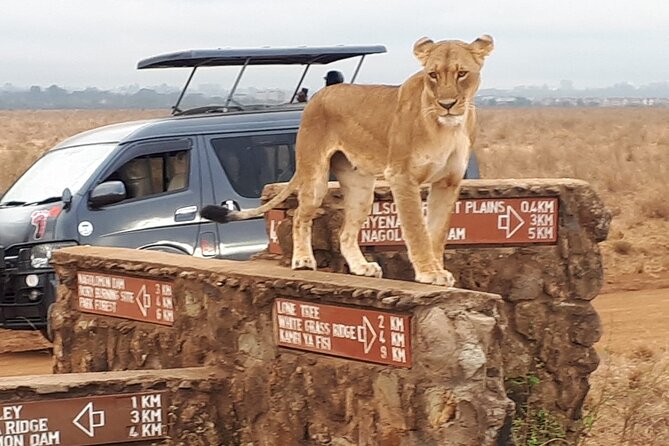
Hotel pickup and drop-off are included within Nairobi, and the tour also accepts pickups from Airbnbs and private homes. That is useful because Nairobi traffic can make a short route take much longer than expected.
You ride in a private vehicle with a professional guide or driver-guide rather than joining a large sightseeing bus. The experience is described as a small-group tour, with a limit of 15 people in the main description. Another booking detail gives a maximum of 100 participants, so I would ask the operator to confirm the actual group size for your date.
The strongest guide feedback centers on organization. Stephen Mutuku is repeatedly praised for being friendly, funny, attentive, and good at avoiding traffic. Joe is praised for keeping the day smooth and sharing useful information. Those qualities matter here because the elephant viewing has a strict schedule.
Your guide may also help with photos and point out where to stand. That can make a real difference at the elephant enclosure, where the rope boundary and crowd position affect your view.
Still, keep control of optional stops and purchases. One negative account describes an unexpected coffee and souvenir stop before the Giraffe Centre and another suggested stop after the elephants. The published plan includes the bead factory, not an open-ended series of shopping calls. If you do not want an extra stop, say so clearly and ask to return to your accommodation.
Is the $140-plus cost fair?
The listed price is $95 per person. It covers private transport, a professional guide, the Giraffe Centre admission, the elephant orphanage admission, and hotel pickup and drop-off.
The important extra is the mandatory $45 per-person Nairobi National Park conservancy fee. The orphanage sits inside the park, so you must pay the park charge to reach it. That brings the basic cost to about $140 per person, excluding food and drinks.
This changes how you should compare the tour. At $95, it looks like a convenient package with two admissions and transport. At roughly $140, you are paying for convenience, a guide, and a tightly timed day, not just for two short animal visits.
I consider the value reasonable if you have limited time in Nairobi and want transport arranged from your door. It is less compelling if you are already booking a safari, since you will pay the park fee for a one-hour elephant viewing and may later see elephants in a much more natural setting.
The park fee also creates a planning question. Carry the required amount and confirm the current payment method before departure. One account specifically advises bringing $45 in newer cash bills, while another describes a confusing app and card-payment process. Since payment details can cause delays, ask for clear instructions after booking.
Who should book this tour?
I would choose this experience if you have one free day in Nairobi, want a guided introduction to local conservation, or are traveling with children who will appreciate close views of giraffes and baby elephants. The private pickup is also useful if you do not want to arrange taxis between three separate locations.
It suits people who value access and organization more than a long, wild animal encounter. The guides can help with traffic, timing, and the best viewing positions, which is a real benefit in a busy city.
I would be more cautious if you have mobility concerns. One account describes the tour as unsuitable for an older person with mobility issues, and the centers involve walking and standing. The provided information says most people can participate, but it does not promise a fully accessible route, so ask before booking if you need specific assistance.
You should also think twice if you will already take a Nairobi National Park game drive or a longer safari. Several parts of this outing may feel tourist-oriented, and the additional $45 park fee can make the total seem high for a scheduled elephant presentation.
Booking tips for a smoother day
Reserve ahead if your schedule is fixed. The tour is often booked well in advance, with an average booking time of about 49 days.
Confirm these points before you go:
- The exact pickup address and pickup time
- The current Nairobi National Park payment method
- Whether your date is limited to a small group
- Whether the Kobe Tough workshop will be open
- Whether you can skip any optional coffee or shopping stop
- Whether the $45 fee must be paid in cash or through an app
Food and drinks are not included, so plan around the six-hour duration. The tour ends with drop-off at your Nairobi accommodation, but the exact finish can shift with traffic and time spent at the bead factory.
Free cancellation is available if you cancel at least 24 hours before the start time. Changes or cancellations made later do not qualify for a refund.
Should you book it?
Book this tour if you want an easy, guided day built around Nairobi’s two best-known animal conservation centers. The giraffe feeding is direct and fun, the elephant bottle feeding is moving and informative, and the bead factory adds a worthwhile local connection.
Skip it if you are expecting an open-country safari, dislike short scheduled visits, or already have extensive elephant viewing planned. The true cost is about $140 before food, and the animal encounters are compact.
For many first-time Nairobi visitors, the convenience and strong guides make the price worthwhile. Just treat it as a conservation-center tour, not a substitute for a game drive, and confirm the extra park fee before you leave.
FAQ
How long does the tour last?
The tour lasts about six hours, including pickup, the two animal centers, the bead factory, and drop-off at your Nairobi accommodation.
What time does pickup begin?
The listed start time is 8am. Pickup is available from hotels, Airbnbs, and private homes within Nairobi.
Is the Nairobi National Park fee included?
No. The mandatory conservancy fee is listed separately at $45 per person because the elephant orphanage is located inside Nairobi National Park.
Can I feed the giraffes?
Yes. You can feed Rothschild’s giraffes by hand under the supervision of the Giraffe Centre keepers.
When can I see the baby elephants?
The elephant viewing takes place from 11am to noon. The youngest elephants come out for bottle feeding and then spend time playing while keepers explain their rescue and care.
Is the bead factory open every day?
The gift shop is open seven days a week, but the workshop is closed on Saturday afternoon and all day Sunday.
Just added around Nairobi
- Nairobi city walking and historical tour★ 5.0 · 11 reviews
- Nairobi: Chocolate City Kibera Slum Walking Tour★ 4.9 · 13 reviews
- Nairobi City Orientation Guided Tour with Lunch at Carnivore★ 4.6 · 20 reviews
- Nairobi: National Park, Elephant Sanctuary, & Giraffe Center★ 4.2 · 10 reviews
- Nairobi: Beads Factory Tour with Pickup & Coffee★ 5.0 · 7 reviews
- Nairobi: 1 Hour Gastronomic and Street Food tour of Nairobi★ 5.0 · 6 reviews
- Nairobi: 3-Day Amboseli National Park Shared Safari Package★ 4.1 · 5 reviews
- Nairobi: 3-Day Maasai Mara Safari★ 4.4 · 8 reviews
Giraffe Centre & Elephant Orphanage, compared.
National Park & Optional Elephants & Giraffe Center
Read our review →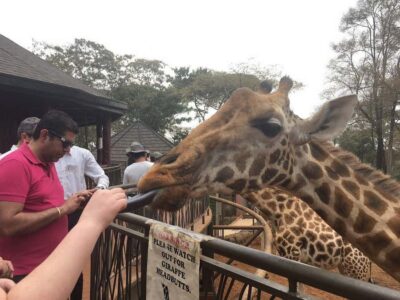
Elephant Orphanage and Giraffe Center Tour with Options
Read our review →
Nairobi National Park, Elephant Orphanage and Giraffe Centre
Read our review →
Tour: Giraffe Center and Nairobi National Park
Read our review →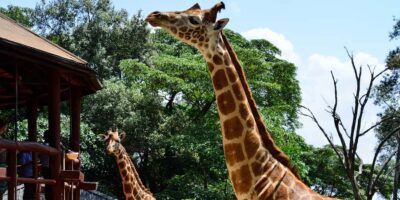
Day tour to Giraffe Center and Karen Blixen Museum
Read our review →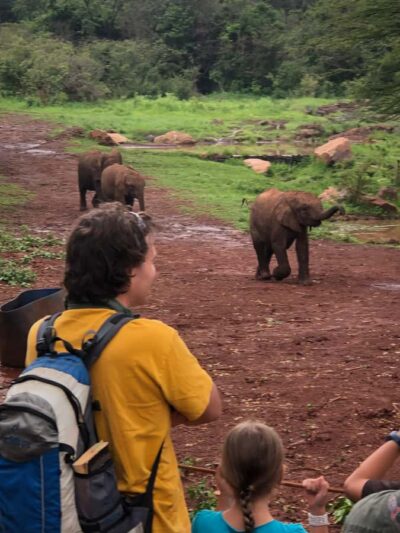
Half day tour to Elephant orphanage & Giraffe Centre Nairobi
Read our review →Browse the lists this tour appears in