
Reviewed · CULTURAL VILLAGE VISITS
From Nairobi: Masai Tribe Village Visit
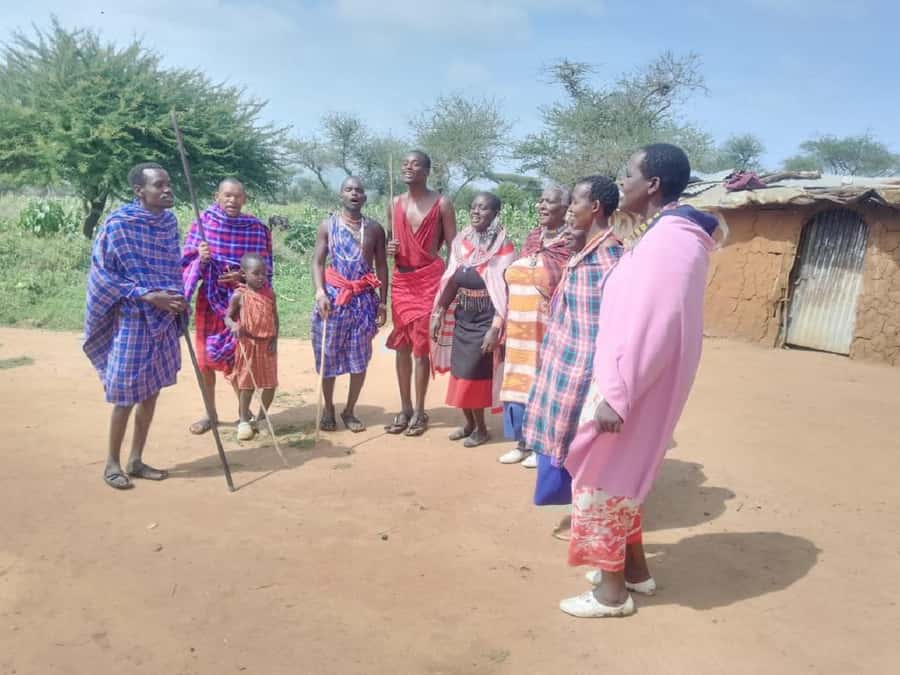
The heart of this experience is the chance to visit a Maasai community at home, rather than simply seeing Maasai dancers at a city attraction. You can watch food being prepared, handle the tools of daily life, learn about beadwork, and try milking goats. I especially like the close contact with local families and the chance to hear cultural stories directly from the community.
I also like that hotel pickup, an air-conditioned vehicle, and a driver-guide are included in the $52 price. The main caution is the separate $30 village entry fee. One booking description has caused confusion about this amount, so confirm the fee before departure and ask how it is collected and distributed.
Key points to know before you go
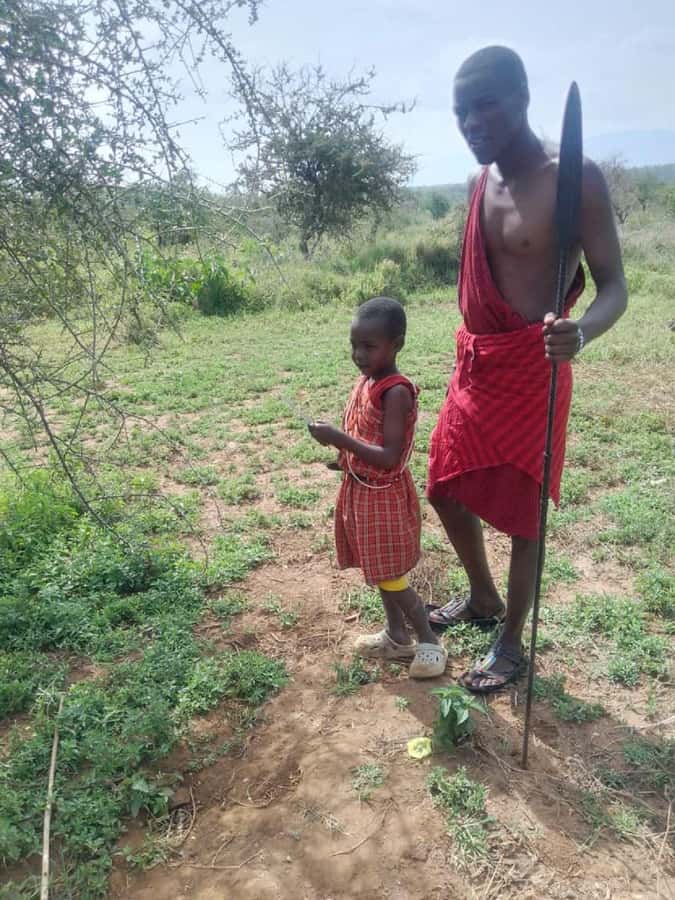
- Expect a community visit, not a wildlife safari: The focus is Maasai culture, home life, food, livestock, music, and beadwork.
- Hands-on activities are part of the appeal: You may learn to milk goats, watch cooking, and see necklaces and wristbands being made.
- The singing and jumping are a featured moment: Young Maasai men and women may perform while singing.
- Budget $30 beyond the tour price: Entry is not included in the advertised $52 cost.
- Allow much of the day for the road: The experience is advertised as an eight-hour outing, with coffee and lunch stops, although the village visit itself may last only one to two hours.
- Bring your passport or ID: You will need identification, and lunch and drinks are extra.
Meeting a Maasai community outside Nairobi
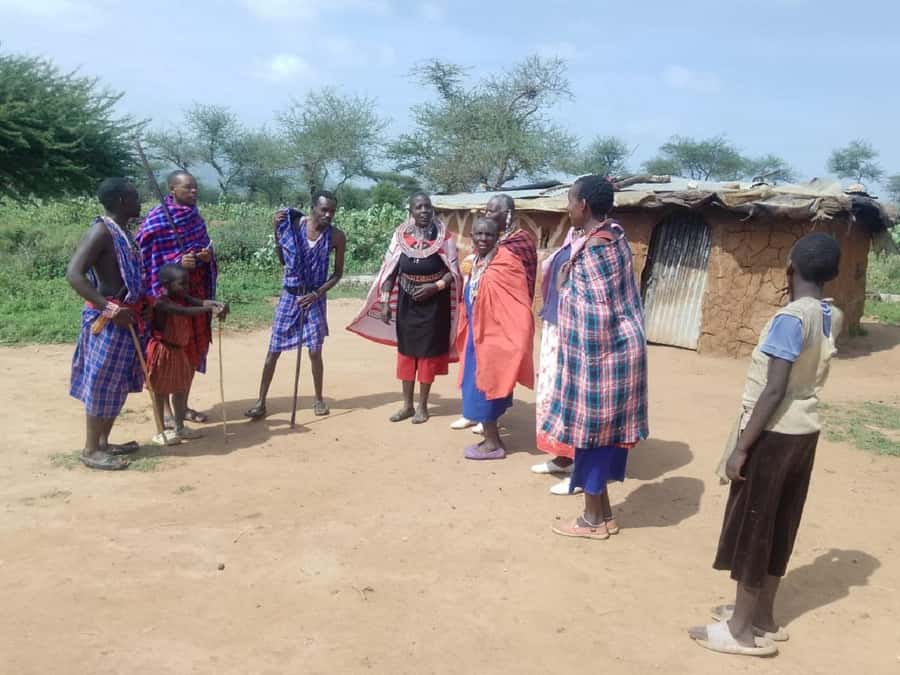
This outing gives you a window into the life of the Maasai, an East African people whose communities are found mainly in southern Kenya and northern Tanzania. Their traditional language is also called Maasai, and cattle herding has long been central to their way of life.
You will not be visiting a museum exhibit. The stated aim is to spend time at local homes and hear stories about customs preserved across generations. That can make the experience feel personal, but it also means you should arrive with respect and curiosity. This is somebody’s community, not a stage built only for sightseeing.
The Maasai are widely known for pastoralism, but their history also includes a strong warrior tradition. In earlier centuries, competition for grazing territory brought conflict with neighboring communities. Their success as cattle herders and fighters helped them control large areas of the Rift Valley grasslands.
That background adds meaning to the visit. When you learn about cattle, goats, cooking, or family life, you are seeing parts of a culture shaped by movement, livestock, land, and community ties. The Maasai Mara takes its name from the people who still live in the wider region.
Other cultural visits around Nairobi:
- Nairobi: Explore Kibera Slum with Local Guides
★ 4.9 · 365 reviews - Nairobi: Day Tour to Amboseli National Park & Maasai Village
★ 4.5 · 310 reviews - Masai village Day Tour Experience
★ 5.0 · 284 reviews
What happens at the village
The village portion is the main reason to book this trip. You can expect an introduction to daily life, followed by demonstrations and chances to take part in simple tasks.
Food preparation is one of the more useful parts of the visit. Maasai women may show you how meals are prepared and cooked, giving you a practical look at work that is easy to miss when you only watch a cultural performance. This is not a cooking class with a long recipe or a formal lesson, but it can help you understand the rhythm of household life.
You can also see women weaving necklaces and wristbands. Beadwork is both decorative and meaningful within Maasai culture, and the pieces sold during the visit can provide a direct way to support the makers. Bring Kenyan shillings if you want to buy something, as one useful tip is to have KES available for beadwork and other small purchases.
Milking is another activity listed for the visit. The description refers to learning how to milk goats, while the wider cultural background emphasizes cattle. That distinction matters: do not assume you will receive a full livestock demonstration involving every kind of animal. The value is in seeing how animals fit into ordinary community life.
The visit may also include a singing and jumping presentation by young Maasai men and women. This is the most recognizable part of the experience, and many people book specifically hoping to see it. Expectations are important here. The exact performance may vary, and one account described the village portion as fairly basic and shorter than expected.
Songs, jumping, and the limits of a short visit
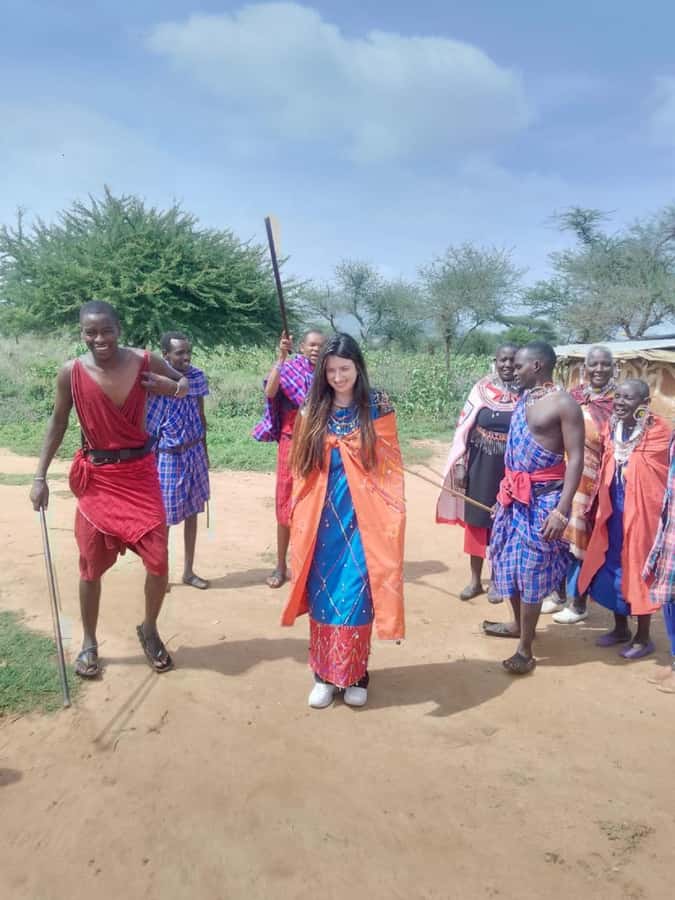
The Maasai jumping tradition is often presented as a display of strength, stamina, and coordination. Here, young men and women may jump as they sing for you. It is a lively moment, but it should not be the only reason you book.
I would treat the singing and jumping as one part of a wider visit, not as a guaranteed full cultural show. The most worthwhile moments may be quieter ones: watching food being prepared, asking about beadwork, or hearing how livestock and family life shape the community.
The time spent at the village can also feel brief. Although the full outing is promoted as lasting about eight hours, that includes the drive from Nairobi, a coffee stop, and time for lunch. One account put the actual village time at roughly one to two hours. If you want a long, detailed cultural exchange, this may leave you wanting more.
That short format has a benefit. You can fit the visit into a Nairobi stay without giving up an entire multi-day trip. It also makes the tour easier for first-time visitors who want a cultural introduction before deciding if they would like a longer Maasai-focused journey.
The drive, coffee stop, and lunch break

Hotel pickup and drop-off are included, along with transport in an air-conditioned vehicle. That is useful in Central Kenya, where the drive can take up much of the day. You do not need to arrange a separate taxi to the departure point, and you can leave the navigation to the driver-guide.
The driver-guide may speak English, Swahili, or French. This is important because the quality of the day depends heavily on communication during the drive. You should receive a clear introduction, the expected travel time, the name of the community, and an explanation of the day’s plan at pickup.
That basic orientation should not be taken for granted. One poor experience involved a driver who offered little information at the beginning, making the outing feel more like a taxi ride than a guided cultural visit. If your guide is quiet, ask direct questions early: How long is the drive? What community are we visiting? How long will we stay? When and where is the entry fee paid?
There is a stop for coffee and lunch. Food and drinks are not included, so bring money and allow for that extra cost. The lunch stop may be welcome after the drive, but it also reduces the time available for the village visit. If your priority is cultural contact, keep that in mind when you assess the advertised eight-hour duration.
Same base, a completely different sort of day:
- Nairobi National Park Half-Day Tour; Free Wi-Fi connection
★ 5.0 · 878 reviews - Nairobi: National Park & Optional Elephants & Giraffe Center
★ 4.8 · 874 reviews - NAI NAMI: Nairobi Storytelling Tour with Street Children
★ 5.0 · 792 reviews - Nairobi National Park Half-Day Game Drive
★ 4.5 · 738 reviews
Is the $52 price good value?
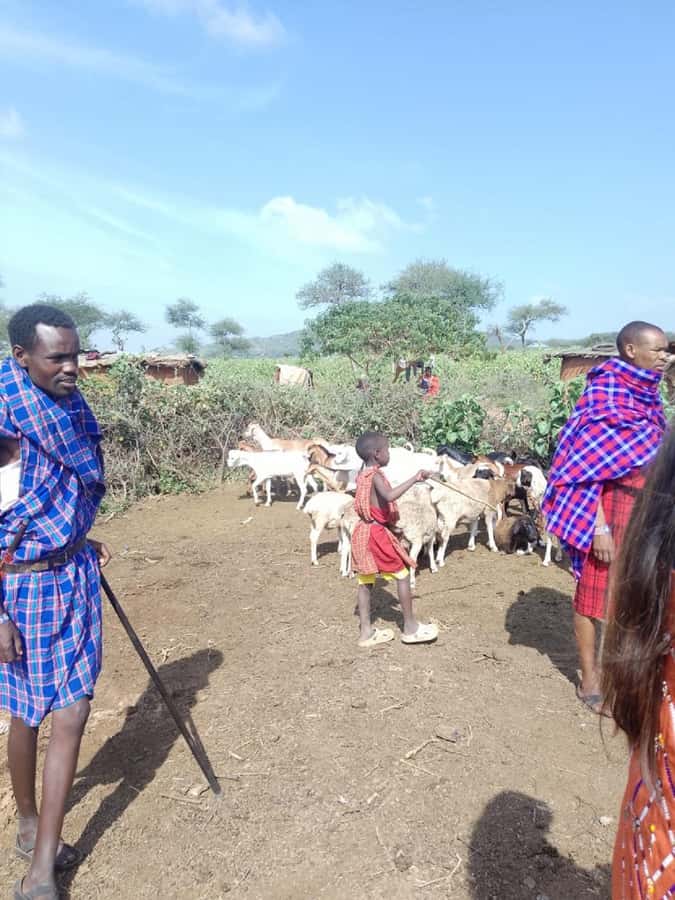
At $52 per person, the price is reasonable for a Nairobi day trip that includes hotel pickup, transportation, a driver-guide, and the village experience. The air-conditioned vehicle is a practical benefit, especially when the outing involves a long drive.
The real price is higher than $52 because the entry fee of $30 per person is separate. That brings the known cost to $82 before lunch, drinks, beadwork, or other purchases. The difference between the tour price and the village fee should be explained clearly before you leave.
The fee also deserves a straightforward conversation. One visitor was told that the entry charge was $30 rather than the $20 amount they had seen elsewhere and was concerned about who collected it. The safest approach is to confirm the current fee at booking and ask whether payment is made directly at the community or handed to the driver. You are entitled to understand what you are paying for.
If the visit gives you time with community members, practical demonstrations, and a chance to buy handmade beadwork, the total can feel fair. If you mainly want a long performance or a full day inside the village, the value is weaker because the community portion may be limited.
How to get more from the cultural exchange
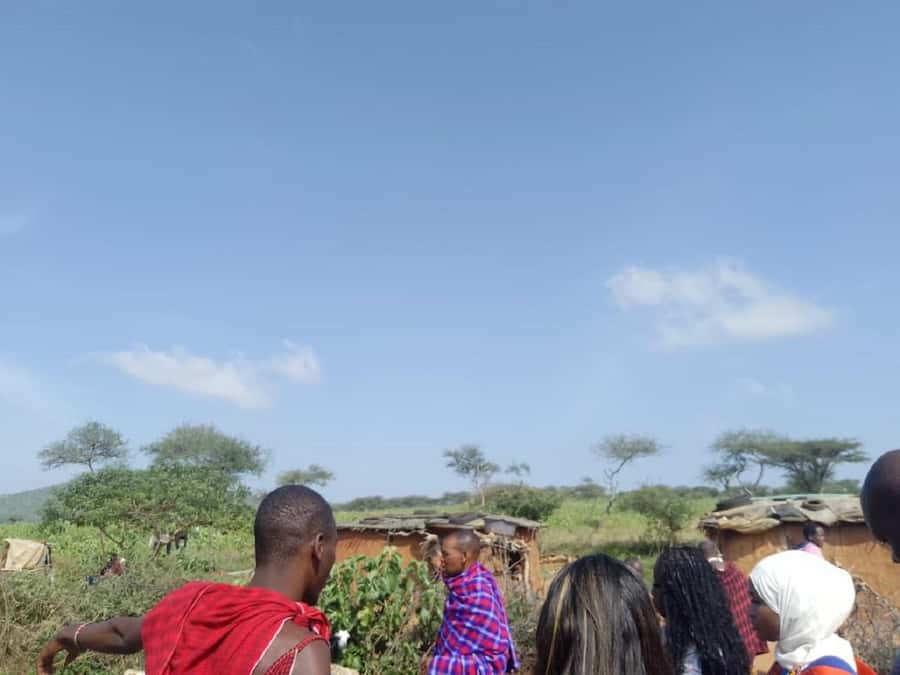
Come with questions. Ask about the role of cattle and goats, how meals are prepared, the meaning of bead colors and patterns, how young people balance tradition with modern life, and which customs remain especially important today.
You should also ask before photographing people, homes, animals, or performances. The experience may offer souvenir photos or handmade accessories for purchase, but these are not included in the price. The phrase souvenir photos can be confusing, so clarify whether you are being offered photographs or beadwork and wristbands.
Dress and behavior should be respectful. The information provided does not set a formal dress code, but a modest, practical outfit is sensible for a community visit. Comfortable shoes will help if you move between homes or activity areas, and an ID or passport is required.
Do not treat the Maasai as a museum display. You are seeing a living community with its own priorities. The visit is more rewarding when you listen as much as you photograph and remember that buying a necklace or wristband can be a direct, useful form of support.
Who will enjoy this experience most?
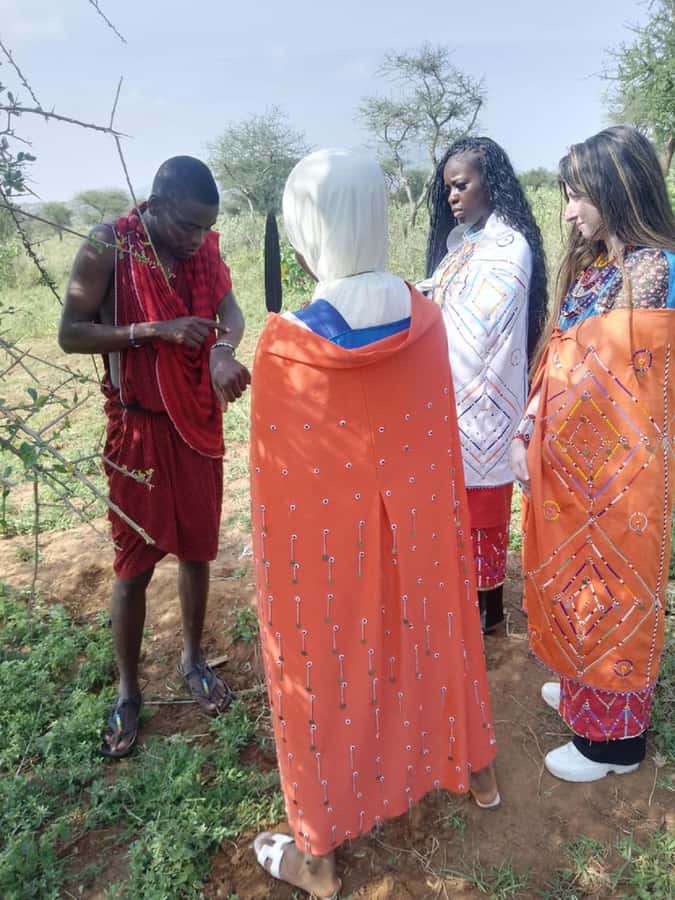
I would recommend this outing to you if you have a short stay in Nairobi and want a first introduction to Maasai culture without arranging a longer safari or rural stay. Families and curious first-time visitors may appreciate the simple, hands-on activities, especially the cooking, milking, music, and beadwork.
It also suits people who enjoy meeting local communities more than ticking off major landmarks. You can learn something tangible in a few hours, and the driver-guide handles the transport.
I would be more cautious if you expect a long conversation with elders, a detailed anthropological presentation, or several hours of village exploration. The tour can be basic, and the length of the actual visit may not match the full length of the day.
Your experience will also depend on the guide. Friendly and informative guiding can turn the drive into part of the cultural lesson. Limited communication can make the same route feel empty. Set expectations clearly at pickup and take an active role in the conversation.
Practical details for a smoother day
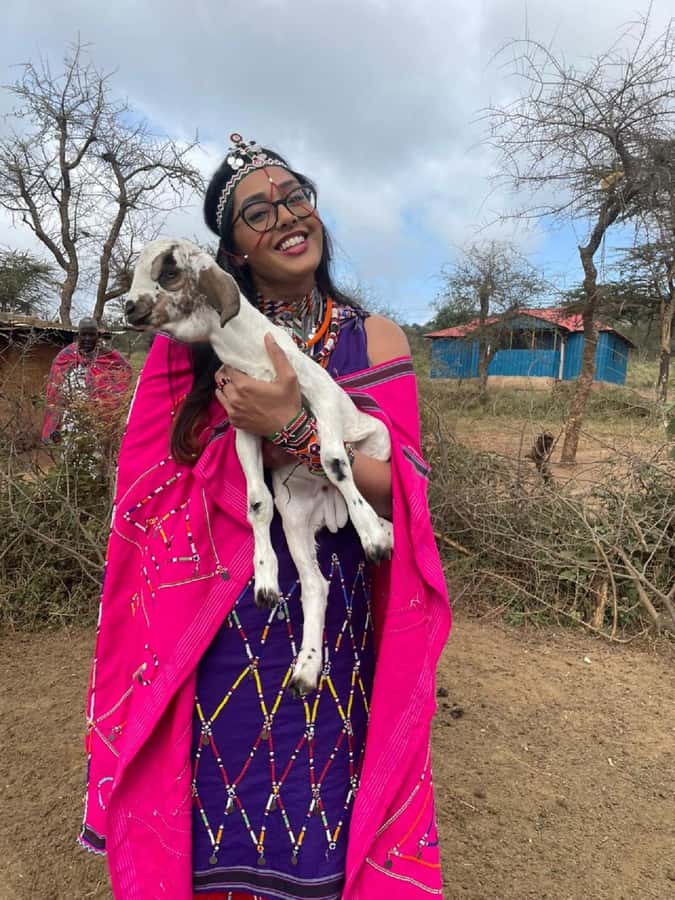
The advertised price is $52 per person. Add the separate $30 entry fee, then budget for lunch, drinks, coffee, and any beadwork or other souvenirs.
Hotel pickup and drop-off are included. Transportation is by air-conditioned vehicle, and the guide language options are English, Swahili, and French. Bring your passport or ID card.
Reserve and pay later is available, which helps if your Nairobi plans are still shifting. You can also cancel up to 24 hours before the experience for a full refund. Those policies make this easier to fit around a safari, city tour, or airport schedule.
Most important, confirm three things before setting out: the current entry fee, the expected drive time, and the approximate time at the village. Those answers will tell you if the day matches what you want.
Should you book this Maasai village visit?
Book it if you want an accessible cultural introduction from Nairobi, enjoy hands-on demonstrations, and accept that the village visit may be short. The best parts are the chance to see food preparation, beadwork, goat milking, and a traditional song and jumping presentation in a community setting.
Skip it if you are paying mainly for a long performance or a deep, extended exchange. The extra $30 fee and additional lunch costs also mean the final price is notably higher than the headline figure.
My advice is to book with realistic expectations, bring questions, carry Kenyan shillings for beadwork, and confirm the entry fee before departure. With that preparation, this can be a meaningful half-day cultural encounter wrapped inside a longer Nairobi outing.
FAQ
How much does the Maasai village experience cost?
The listed tour price is $52 per person. A separate village entry fee of $30 per person is not included. Food, drinks, and souvenirs cost extra.
Is hotel pickup included?
Yes. Hotel pickup and drop-off are included in the experience.
What kind of transportation is provided?
Transport is provided in an air-conditioned vehicle with a driver-guide.
How long does the experience last?
The outing is advertised as an eight-hour experience. That time includes the drive, a coffee stop, lunch time, and the village visit. The village portion may last about one to two hours.
What activities can I do at the Maasai village?
You can learn about food preparation and cooking, see necklaces and wristbands being woven, learn how to milk goats, hear cultural stories, and possibly watch young Maasai men and women sing and jump.
Is lunch included?
No. The schedule includes time for lunch, but food and drinks are at your own expense.
What should I bring?
Bring your passport or ID card. Kenyan shillings are also useful if you want to buy beadwork or other handmade souvenirs.
What languages are available?
The driver-guide service is listed as available in English, Swahili, and French.
Just added around Nairobi
- Nairobi: Horseback Riding Tour Through Maize Plantation★ 5.0 · 3 reviews
- Nairobi: Kibera Slum Compassionate Walking Tour★ 5.0 · 4 reviews
- Nairobi: Karura Forest Guided Walking Tour★ 5.0 · 4 reviews
- From Nairobi: Horseback Wildlife Safari with Transfer & Meal★ 4.6 · 7 reviews
- Nairobi: Hidden Gems and Local Secret Guided Walking Tour★ 4.9 · 20 reviews
- Nairobi: Hop on Hop off and Maasai market Collections Visit★ 3.5 · 10 reviews
- Nairobi: Karura Forest Horseback Riding Tour★ 4.8 · 11 reviews
- Nairobi: Guided Afternoon Tour to Bomas of Kenya.★ 3.1 · 4 reviews
Cultural Village Visits, compared.

Day Tour to Amboseli National Park & Maasai Village
Read our review →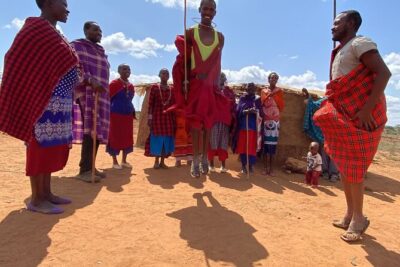



Kibera Slum Tour with Local Social Entrepreneurs
Read our review →

Giraffe Centre, Elephant Orphanage, and Bomas of Kenya Day Tour from Nairobi
Read our review →Browse the lists this tour appears in