

Reviewed · CULTURAL VILLAGE VISITS
Full Day Kibera Slum Tour
Kibera is not a sightseeing backdrop. It is a home, a workplace, and a community working through hard problems with energy and resourcefulness. This private tour takes you beyond a quick walk, with stops at Toi Market, Hope and Shine Kibera Center, a bead shop, and local women’s and youth groups.
I like the chance to meet people through community projects rather than simply walk past homes. I also like the private format, which lets you set the pace and ask direct questions. The main consideration is that this is an emotionally demanding experience, and the timing needs clarification: the tour is described as about four to six hours, while the detailed schedule lists seven hours.
Key points to know before you go
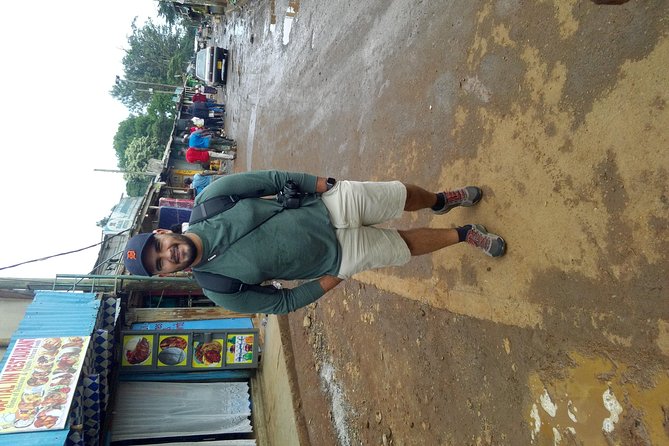
- Toi Market gives the tour its clearest daily-life focus, with different market sections, traders, and ordinary goods for sale.
- Hope and Shine Kibera Center adds a community purpose, including time with children, teachers, and a co-curricular activity.
- Women’s and youth groups put local voices first, rather than reducing Kibera to poverty statistics.
- Two aerial viewpoints show Kibera and Nairobi from above, helping you understand the area’s size and setting.
- The private format is useful for sensitive questions, since only your group takes part.
- Budget about $65 per person, with pickup, private transport, taxes, and admission fees included, but lunch extra.
What this Kibera tour is really about
Many city tours show you famous buildings. This one asks you to look at Nairobi through the lives of people who work, teach, trade, organize, and raise families in Kibera. That makes the tone important. You are not visiting a theme park, and you should approach the experience with respect, patience, and a willingness to listen.
The route combines public places with community-run stops. You see market activity, then move toward education, recycling, beadwork, women’s work, youth projects, and public transport. That mix matters because Kibera is not one single story. It is a place where hardship exists alongside enterprise and organization.
The experience is private, so you do not have to match the pace of a large group. You can spend more time asking about something that catches your attention. That said, private does not mean completely spontaneous. There are several planned stops, and the tour covers a lot of ground.
The listed price is $65 per person. For a private experience in Nairobi that includes hotel pickup, private transportation, taxes, and admission fees, that is a fair price if you value personal access and local contact. It is less attractive if you want a polished sightseeing day with formal exhibits and predictable comfort.
Other cultural visits around Nairobi:
- Nairobi: Explore Kibera Slum with Local Guides
★ 4.9 · 365 reviews - Nairobi: Day Tour to Amboseli National Park & Maasai Village
★ 4.5 · 310 reviews - Masai village Day Tour Experience
★ 5.0 · 284 reviews
Starting with pickup and a clear briefing
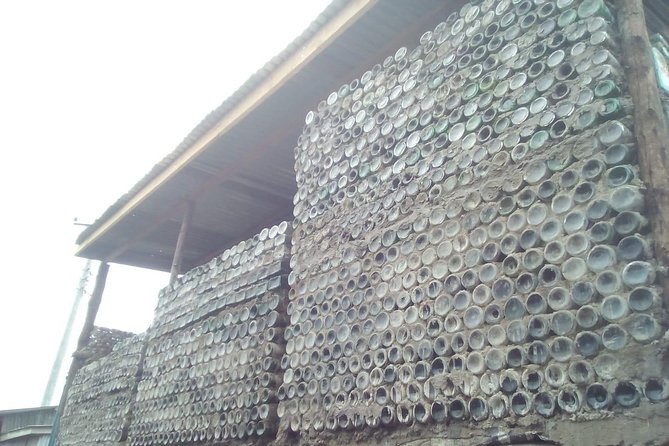
Pickup is offered from your hotel or place of residence. The tour then begins with a briefing at Greenhouse Mall, described as the starting point. This opening matters because a Kibera visit benefits from context before you begin walking.
Use the briefing to ask practical questions. Confirm the expected finish time, where lunch might fit, and which community activities are scheduled for your date. The information gives two different time estimates: roughly four to six hours in one place and seven hours in the detailed route. That is not a small difference if you have an evening flight, a restaurant booking, or another Nairobi activity planned.
The private setup also gives you a chance to explain your interests. You might care most about markets, education, community development, transport, or small business. A guide can then give more attention to those areas, though the exact balance depends on the day.
Toi Market: the most immediate look at work and trade
The tour visits an extensive section of Toi Market, one of the main places where you can see Kibera’s commercial life at close range. You learn about the daily routine of traders, the different parts of the market, and the kinds of goods sold there.
This is likely the most outwardly busy part of the route. The value is not just seeing stalls. Your guide helps explain how the market is organized and how traders make a living. That turns a walk through merchandise into a lesson about work, supply, and local demand.
Keep your attention on people, not just products. Ask before taking photographs, especially when photographing individual sellers. A market visit works best when you treat the traders as people going about their jobs, not as part of a display arranged for visitors.
Toi Market can also be a practical place to buy something small, but shopping should not become the whole point. The later bead-shop stop offers a more direct way to support local craft work.
Hope and Shine Kibera Center brings a human focus

At Hope and Shine Kibera Center, you take part in a community development program. The stop includes time with children and their teacher, a co-curricular activity, and the chance to volunteer at the center.
This is one of the tour’s most sensitive sections. A classroom visit can be meaningful when it is organized around exchange and respect. It can feel uncomfortable if visitors treat children as photo subjects or expect an emotional performance. Follow the guide’s instructions and ask before taking pictures or joining an activity.
A review of the experience described time in a class with children singing, learning, sharing a meal, and talking with local people. That gives you a useful sense of the kind of contact possible, but the exact activity can vary. Do not assume a meal or a particular lesson will happen on your date.
The center adds value because it shifts the focus from what Kibera lacks to what local people are building. Education and community programs require staff, space, time, and local commitment. You get a better understanding of that work by seeing the setting and meeting the people involved.
If you volunteer, remember that your role is limited. You are joining an existing program, not arriving as its director. Bring patience and a willingness to take part in the activity offered.
A few more things to do around Nairobi worth a look
- Full Day Nairobi Cultural and Historical Tour
★ 5.0 · 153 reviews - Full Day Lake Nakuru Park and optional boat ride on Lake Naivasha
★ 4.5 · 95 reviews - Amboseli National Park: Guided Full Day Tour
★ 4.5 · 42 reviews - Full-Day Lake Nakuru National Park Private Tour With 4*4 Vehicle
★ 5.0 · 16 reviews
Two aerial viewpoints change the way you read Kibera

The route includes two aerial views of the City of Hope. These viewpoints provide a useful pause after the close-up market and community visits.
From above, you can better grasp the scale of Kibera and its position within Nairobi. You may see how dense the area is and how it relates to the wider city. The views also help connect the separate stops into a larger picture.
An aerial view can be both informative and emotionally complicated. It is easy to reduce a neighborhood to roofs and numbers when you look down from above. Use the view as a prompt for questions about housing, infrastructure, services, and daily movement, not as a dramatic photograph alone.
The phrase City of Hope is used in the tour description for the viewpoints and community project setting. The tour does not provide a full list of what is visible from each point, so ask your guide to explain what you are seeing on the day.
Beadwork offers a respectful way to shop

A stop at one bead shop gives you the chance to see local craft work and make a purchase. This is a small part of the route, but it can be one of the easiest ways to support a local business directly.
Look at the work carefully and ask about the people who make and sell it. You do not need to buy anything, but if you do, consider the purchase part of the experience rather than a forced souvenir stop. A bead item is also easier to carry than a large market purchase.
Prices, products, and payment details are not specified, so bring only what you are comfortable spending and ask the guide how the shop operates. Do not assume every item was made in the neighborhood or that every shop follows the same model.
Meeting a women’s group
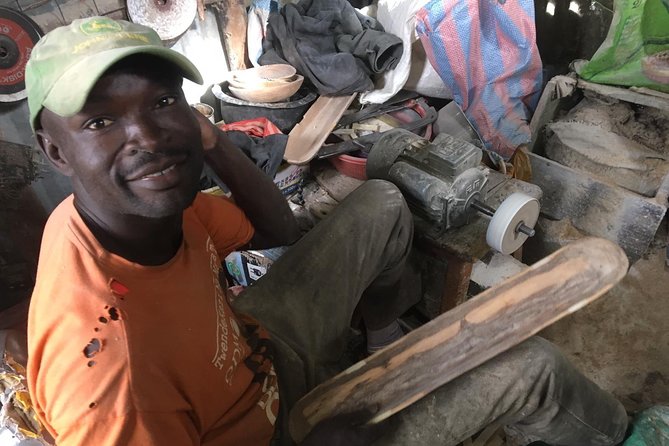
The tour includes a meeting with a women’s group, where you hear about daily activities and community work. This stop is important because it gives you a chance to listen to local women speak for themselves.
The description does not specify the group’s exact project, membership, or products. That is a good reason to ask open questions rather than arriving with a fixed story in mind. You might ask what the group does each day, how it supports members, and what challenges it is trying to solve.
This kind of meeting can be more informative than a general explanation from a guide. It also requires tact. Let the group set the tone, and avoid turning personal questions into an interrogation. If a group offers goods for sale, make your decision freely and politely.
A matatu ride adds everyday Nairobi

The itinerary includes experiencing life inside a matatu. These shared minibuses are part of Nairobi’s transport system, and this stop gives you a more ordinary view of movement through the city.
The tour does not state how long the ride lasts, what route it uses, or whether a fare is included. Ask those questions at the briefing. You should also confirm whether the matatu section is a short transfer or a planned part of the experience.
This may be one of the most memorable parts because it moves you from observing daily life to taking part in it. It is also less controlled than a private vehicle. Keep your belongings secure, follow the guide’s instructions, and expect a local transport experience rather than a sightseeing ride.
The private vehicle remains part of the package, so the matatu segment should not be confused with the main transportation arrangement. Private transport is included, while the exact details of the public-transport stop are not spelled out.
Meeting a youth group completes the community picture
The route also includes a youth group. Along with the women’s group and Hope and Shine Center, this gives the tour several different community voices.
The youth stop can help you see how younger residents organize, learn, or work toward local goals. The available information does not name the group or describe its project, so let the meeting provide the detail. Ask what the group does and how young people take part in Kibera’s future.
This is another point where your attitude matters. You are not there to judge the community or compare it with your home. Listen, ask clear questions, and remember that a short visit can show only one part of a much larger place.
The guide and the value of a private group
One guide praised in the supplied material is Lucas, described as a pleasant and thoughtful young man. Your guide may be different, so do not book solely on the assumption that Lucas will lead your tour.
A local guide is especially important here. The route includes markets, schools, community groups, viewpoints, and public transport. Without explanation, you could see the same places but miss how they connect. A guide also helps you behave appropriately in settings where an outsider may not know local expectations.
The private format is a real advantage. Only your group participates, and you can go at your own pace. That makes it easier to ask about difficult subjects, pause at the market, or spend more time at a community stop.
The tradeoff is that the quality of the day depends heavily on communication with the assigned guide. One booking received a lower rating because the guide did not know some information clearly enough. The provider apologized for the miscommunication. I would treat that as a reason to ask questions early and confirm the plan at the briefing, not as proof that every tour has the same problem.
What the $65 price includes, and what it does not
At $65 per person, the tour includes all fees and taxes, private transportation, pickup, and admission fees. Those inclusions remove several small costs that can add up during a private Nairobi outing.
Lunch is not included. Plan for that when you compare the price with other full-day options. The tour’s length also affects the value. If you receive four to six hours of activity, the price is reasonable for a private, guide-led community visit. If the day runs close to seven hours, it offers more time but also makes lunch planning more important.
The price is best understood as paying for access, transport, organization, and local interpretation. It is not a bargain sightseeing bus, and it is not designed around monuments or formal attractions. You are paying for a structured way to meet community programs and understand a part of Nairobi that many people otherwise see only from a distance.
Who should book this experience?
I would choose this tour if you want direct contact with local organizations and are comfortable with a serious subject. It suits you if markets, community work, education, craft production, and ordinary transport interest you more than traditional sightseeing.
It may also work well for a private family or small group that wants to discuss what they see as the day unfolds. Most people can participate, according to the booking information, and the private format helps keep the experience flexible.
I would think twice if you want a light, carefree day. Kibera is a real neighborhood with real pressures, and the classroom and community stops may leave you thinking long after the tour ends. You should also reconsider if you need a fixed finish time until the provider confirms the schedule.
Free cancellation is available if you cancel at least 24 hours before the local start time. Changes or cancellations inside that window do not qualify for a refund, so check the timing before you finalize other plans.
Should you book the Full Day Kibera Slum Tour?
Book it if you want a structured, private introduction to Kibera that gives space to markets, education, women’s work, youth projects, beadmaking, and public transport. The strongest part is the range of community contact, especially Hope and Shine Kibera Center and the chance to listen to local groups.
Before paying, confirm the expected duration, your pickup details, the assigned guide, lunch arrangements, and which activities are planned for your date. If you approach the visit with respect and realistic expectations, $65 can buy a worthwhile and unusually personal side of Nairobi. If you prefer monuments, museums, and easy photography, choose a different city tour.
FAQ
How long does the Kibera tour last?
The experience is described as approximately four to six hours, while the detailed route lists seven hours. Confirm the exact duration with the provider before booking other activities.
Is hotel pickup available?
Yes. Pickup is offered from your hotel or place of residence.
Is transportation included?
Yes. Private transportation is included, along with all fees and taxes.
Is lunch included?
No. Lunch is not included in the tour price.
Is this a private tour?
Yes. Only your group participates, and you can go at your own pace.
What places and groups does the tour visit?
The route includes Toi Market, Hope and Shine Kibera Center, two aerial viewpoints, a bead shop, a women’s group, a youth group, and a matatu experience.
Can I cancel for a full refund?
Yes, if you cancel at least 24 hours before the experience starts. Cancellations or changes made less than 24 hours before the start time are not refunded.
Just added around Nairobi
- Visit kibera Slum the chocolate city★ 4.8 · 3 reviews
- 3 days maasai mara migration safari★ 4.5 · 7 reviews
- Maasai Mara Day Trip★ 5.0 · 15 reviews
- 4 Days Tour Landcruiser in Masai Mara and Lake Nakuru★ 5.0 · 10 reviews
- 4 Days Safari to Lake Nakuru N/P and Maasai Mara N/R★ 5.0 · 18 reviews
- Day Tour to Nairobi national park, Elephants, and Giraffe Center★ 3.5 · 8 reviews
- Wildebeest Migration in Masai Mara and Sightseeing 4 Days Tour★ 4.5 · 6 reviews
- Vegans special safari★ 4.5 · 4 reviews
Cultural Village Visits, compared.

Day Tour to Amboseli National Park & Maasai Village
Read our review →



Kibera Slum Tour with Local Social Entrepreneurs
Read our review →

Giraffe Centre, Elephant Orphanage, and Bomas of Kenya Day Tour from Nairobi
Read our review →Browse the lists this tour appears in