

Reviewed · CULTURAL VILLAGE VISITS
Kibera slum tour with Lucas
Kibera becomes more than a name on a map when you walk its market lanes, step inside a local home, and meet the children at Hope and Shine Kibera Centre. The guide is born and raised here, so the tour focuses on daily life, local work, services, and community efforts rather than a quick look from a car.
I like the personal scale of this experience, especially the family home visit and the chance to see how domestic animal bones become jewelry at Victorious Craft Shop. I also like the clear community link: 30 percent of the $35 fee supports a school serving more than 40 children.
The main consideration is the ground under your feet. This is a walking tour over uneven, sometimes muddy paths, and the craft-shop stops can feel commercial if you do not want to buy anything. Come with an open mind, sturdy shoes, and respectful camera habits.
Key points to know before you go
- Meet at Greenhouse Mall: The tour begins at the mall entrance on Ngong Road, where the plan and expectations are explained.
- Walk through Toi Market: See clothing, food, and hardware sections in one of Nairobi’s largest open-air markets.
- Meet guides from Kibera: Lucas, Effie, Peter, and Elijah are among the guides who lead the walks and explain the area from personal experience.
- Visit a working school: Thirty percent of the fee supports Hope and Shine Kibera Centre, which hosts more than 40 children.
- Expect uneven ground: Paths may be muddy or difficult for wheelchair users, though guides have helped older visitors and people using walking sticks.
- See community enterprise: Visit a bone-and-brass jewelry workshop and a women’s project focused on HIV/AIDS education for young girls.
What this Kibera walk is really about

This is not a sightseeing loop designed to make poverty look neat or picturesque. It is a guided walk through a large, crowded urban community where people work, trade, raise children, attend school, and solve daily problems with limited resources.
That distinction matters. You will see difficult conditions, including basic water, electricity, washing, and toilet systems. You may also see warmth, humor, ingenuity, and cooperation. The guide’s role is to explain how these parts fit together without reducing Kibera to hardship alone.
The tour costs $35 per person. For a three-hour experience, that is fair value if you want a locally led visit with a direct community contribution. Thirty percent goes to Hope and Shine Kibera Centre, and the route includes several stops rather than only a viewpoint and a short market walk.
You are paying for more than a standard walking tour. The fee helps fund a school, provides income for local guides, and gives you access to places that would be difficult to understand without someone from the community leading the way.
Other cultural visits around Nairobi:
- Nairobi: Explore Kibera Slum with Local Guides
★ 4.9 · 365 reviews - Nairobi: Day Tour to Amboseli National Park & Maasai Village
★ 4.5 · 310 reviews - Masai village Day Tour Experience
★ 5.0 · 284 reviews
Starting at Greenhouse Mall on Ngong Road
The meeting point is the entrance to Greenhouse Mall. This gives you a clear place to meet before entering Kibera, and the guide uses the opening briefing to explain the route, expectations, and basic safety.
That first conversation is useful. A visit like this works best when you know how to behave before you begin. Ask before taking close-up photographs, listen when the guide explains local customs, and remember that homes, shops, and schools are working places, not staged attractions.
The tour is offered in English. The guides named in the experience include Lucas, Effie, Peter, and Elijah. All are described as being born and raised in Kibera, which gives the commentary a personal base. Their individual styles may differ, but the key advantage is that you are walking with someone who understands the community from the inside.
Toi Market, where the walk gets busy
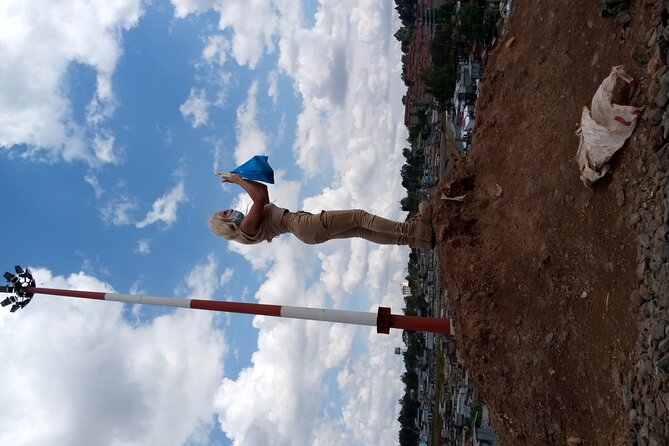
Toi Market is one of the main highlights. It is described as Nairobi’s second-largest open-air market after Gikomba, and the route takes you through sections selling clothes, food, and hardware.
This is a good place to see the working side of Kibera. The market is not simply a colorful backdrop. It is where people shop, sell, negotiate, and earn a living. Your guide can help you understand the different sections and introduce you to traders as you move through.
Expect noise, movement, narrow paths, and plenty to look at. Keep your belongings secure and stay close enough to hear the guide. The pace may slow when the group stops to speak with traders or examine goods.
Photography is possible, but it should not be automatic. Ask before photographing people, especially vendors and children. You will get better pictures, and more importantly, you will show basic respect.
The market is also one of the places where the tour feels less like a formal attraction. You are seeing a real commercial center, not a recreated village. That makes the stop valuable, but it also means the route can be crowded and physically tiring.
Bone jewelry and the local craft stops
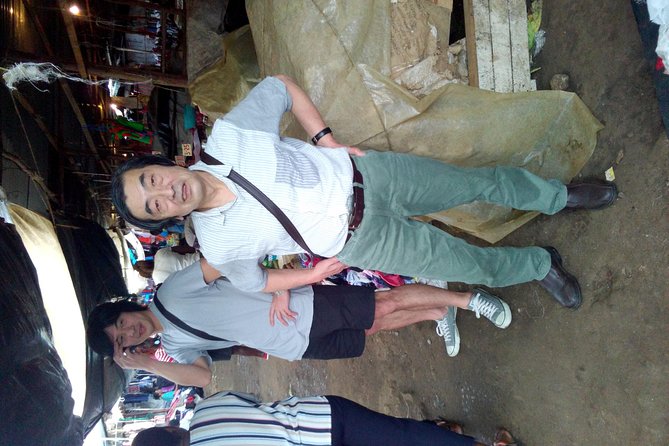
At Victorious Craft Shop, domestic animal bones are recycled into jewelry and decorative items, often mixed with brass. This is one of the tour’s most unusual details, and it gives you a clear example of local creativity and small-scale enterprise.
The process turns material that might otherwise be discarded into something useful and saleable. You can ask how the pieces are made, what materials are used, and how the work supports the people involved.
There is also a Power Women shop connected with women who educate young girls about HIV/AIDS. This stop brings a different focus. It is less about an object and more about a community response to a serious health and social issue.
You should know that the craft stops may include an invitation to buy jewelry or ornaments. That can be a good way to support local businesses, but you should not feel obliged to purchase. One practical improvement would be clear price labels, so ask the cost before showing interest if you want to avoid uncertainty.
The best approach is simple: look, ask questions, and buy only if you genuinely want something. The tour is worthwhile without shopping.
Same base, a completely different sort of day:
- Nairobi National Park Half-Day Tour; Free Wi-Fi connection
★ 5.0 · 878 reviews - Nairobi: National Park & Optional Elephants & Giraffe Center
★ 4.8 · 874 reviews - NAI NAMI: Nairobi Storytelling Tour with Street Children
★ 5.0 · 792 reviews - Nairobi National Park Half-Day Game Drive
★ 4.5 · 738 reviews
Seeing life inside a Kibera home
The home visit is the most personal stop on the route. You enter a local house, usually the home of one of the guides or the guide’s family, and meet family members.
This changes the tone of the walk. Markets and viewpoints help you understand the wider community, but a home visit shows how ordinary life is arranged in a much more direct way. It is a chance to ask thoughtful questions about family life and daily routines, while also seeing why privacy and consent matter.
The visit should be treated as an invitation, not an entitlement. Keep your camera away unless you are clearly given permission. A short, respectful conversation is more valuable than trying to record every corner.
Several guides are described as welcoming visitors to meet their families. That personal connection is a major strength of the experience, but it also requires good manners from you. Bring curiosity, not judgment, and let the guide decide what is appropriate to share.
The railway viewpoint and the wider community

The walk includes a raised point near the old colonial railway line. From here, you can look across a much wider section of Kibera and get a sense of its scale.
This viewpoint is important because narrow lanes can make the community feel like a series of disconnected paths. From above, the size and density become easier to grasp. The guide can also discuss local services and the challenges linked to water, electricity, sanitation, and housing.
The viewpoint is not a polished observation deck. The route includes dirt paths, climbs, and uneven sections, and conditions may change with the weather. Wear shoes with a firm sole and expect to slow down where the ground is wet.
For photography, this is likely one of the better points on the walk because you can capture a broader view rather than only close details. Still, let the guide explain what you are seeing before reaching for your camera. The context is the point.
Hope and Shine Kibera Centre

The school visit is the final major stop and, for many people, the emotional center of the tour. Hope and Shine Kibera Centre hosts more than 40 children, and 30 percent of the tour fee goes toward supporting it.
You will see the school, meet some of the children, and learn about the work being done there. The school is being developed and renovated through money generated by the tours. That gives your booking a clear local purpose rather than leaving the community benefit vague.
This is also the place where you should keep expectations realistic. A school visit is not a performance, and children should not be treated as photo subjects. Ask the guide what is appropriate before taking pictures or giving anything directly to students.
If you want to bring useful items, one visitor donated books, coloring pens, and T-shirts. The supplied information does not give a formal donation list, so ask the operator first rather than arriving with items that may not be needed.
After the school visit, the stated departure point is Equity Bank Kibera. The overall meeting and return arrangement should be confirmed when booking, since Greenhouse Mall is also identified as the meeting and return location. The team has helped people arrange a safe Uber pickup at the end, but your own onward transport should still be planned clearly.
Time, walking, and physical effort
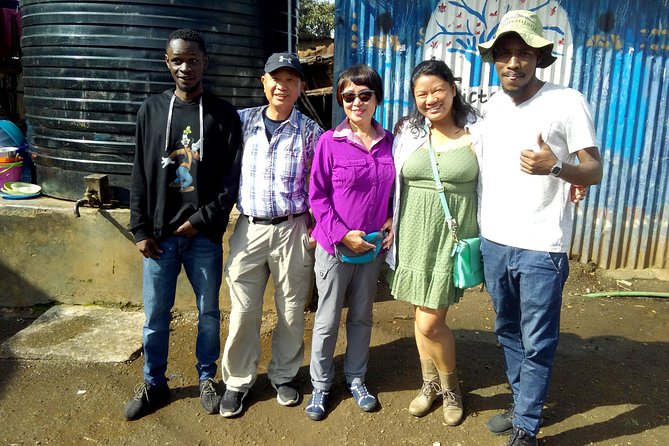
The experience is advertised as three hours, with a walking tour through Kibera and time for photographs, shopping, and scenic views. The detailed route also allows for a longer break and shopping period, so the actual pace may depend on the group and how much time you spend at the market and craft stops.
You should treat it as a half-day outing rather than a tightly timed museum visit. The route can include climbs, muddy patches, and uneven roads. Comfortable shoes are essential, and a camera is listed among the recommended items.
This is not suitable for wheelchair users. It is also listed as unsuitable for people over 95. That age limit is a blunt guide rather than a complete picture of fitness, since an 83-year-old visitor with walking difficulties completed a version of the route with help from Lucas.
If you use walking sticks or tire easily, contact the operator before booking. Guides have shown patience and adjusted the pace for individual needs, but the terrain remains demanding. Do not assume that friendly assistance can remove every physical challenge.
Solo visitors can book, and the experience has been completed safely by a solo woman. The guide stays with you throughout the walk, and the tour includes safety support. As with any crowded urban market, use normal care with phones, wallets, and cameras.
Safety, respect, and responsible photographs

The tour includes safety support, and the guides are local people who know the area. That is reassuring, but it does not mean you should ignore ordinary city precautions.
Keep valuables out of sight when you are not using them. Follow the guide’s directions, particularly in crowded market lanes and on rough paths. If you feel unsure about a situation, ask the guide before acting.
Your behavior has a direct effect on the quality of the visit. Kibera is a home and workplace for a large population, not a human zoo. Photograph buildings, goods, and wide views when appropriate, but ask permission before photographing people.
You will get more from the tour if you ask specific questions. Ask how people access water, how the market operates, what the school needs, or how the craft workshop works. Avoid turning the walk into a list of shocking moments. The guide can help you see both the pressure and the resourcefulness of everyday life.
Who will get the most from this tour
I would recommend this walk to you if you want a direct, locally led look at Nairobi beyond the usual city sights. It suits people who value conversation, community projects, and practical context more than polished attractions.
It is especially useful for:
- Solo visitors who want a guided introduction to Kibera.
- Families and adults interested in education and community work, provided they can follow respectful photography rules.
- Photographers who want market scenes and a raised view, and who are willing to ask permission.
- Visitors who want their spending to support a local school.
- Anyone curious about small businesses, recycling, and local social projects.
I would hesitate if you dislike uneven walking, do not want to see poverty at close range, or feel uncomfortable visiting a private home. You should also think twice if you are likely to feel pressured by craft-shop sales, although you can simply decline to buy.
Is the $35 price good value?
At $35, the tour offers a solid mix of guiding, access, and community support. You receive a three-hour local walking experience, a guide, entry, safety support, market access, a home visit, craft stops, a railway viewpoint, and a school visit.
The strongest value comes from the guide and the school contribution. A map alone cannot explain Kibera’s daily routines, and the 30 percent contribution gives the price a clear purpose.
The value is less convincing if you only want photographs or a quick viewpoint. You will spend much of the time walking and listening, and the conditions are basic. The craft stops may also make the experience feel partly commercial.
I see the price as reasonable for a carefully guided, community-connected visit. Book it for understanding and human contact, not for comfort.
Should you book the Kibera tour with Lucas?
Yes, if you want an honest, personal, and physically active introduction to Kibera. The local guides, the family visit, and the school contribution make this more meaningful than a short drive past the area.
Book with realistic expectations. You will see poverty, uneven paths, basic services, and sales-oriented craft stops. You will also meet people building businesses, educating children, supporting girls, and welcoming visitors into their community.
Choose a morning when you can take your time. Wear sturdy shoes, ask before photographing anyone, and do not feel required to buy crafts. If the school support and local guide are important to you, this $35 tour is a worthwhile way to spend part of your Nairobi visit.
FAQ
Where does the Kibera tour begin?
The meeting point is at the entrance of Greenhouse Mall on Ngong Road.
How long does the experience last?
The walking tour is advertised as three hours. The route also includes time for photographs, shopping, and breaks, so the pace may vary.
What language is the tour offered in?
The live tour guide speaks English.
How much of the tour fee supports the school?
Thirty percent of the tour fee supports Hope and Shine Kibera Centre, a local school that hosts more than 40 children.
What should I bring?
Bring comfortable shoes and a camera if you want to take photographs. Ask permission before photographing people.
Is the tour suitable for wheelchair users?
No. The route includes uneven and sometimes muddy ground, and the experience is not suitable for wheelchair users.
Just added around Nairobi
- Nairobi: Horseback Riding Tour Through Maize Plantation★ 5.0 · 3 reviews
- Nairobi: Kibera Slum Compassionate Walking Tour★ 5.0 · 4 reviews
- Nairobi: Karura Forest Guided Walking Tour★ 5.0 · 4 reviews
- From Nairobi: Horseback Wildlife Safari with Transfer & Meal★ 4.6 · 7 reviews
- Nairobi: Hidden Gems and Local Secret Guided Walking Tour★ 4.9 · 20 reviews
- Nairobi: Hop on Hop off and Maasai market Collections Visit★ 3.5 · 10 reviews
- Nairobi: Karura Forest Horseback Riding Tour★ 4.8 · 11 reviews
- Nairobi: Guided Afternoon Tour to Bomas of Kenya.★ 3.1 · 4 reviews
Cultural Village Visits, compared.

Day Tour to Amboseli National Park & Maasai Village
Read our review →



Kibera Slum Tour with Local Social Entrepreneurs
Read our review →

Giraffe Centre, Elephant Orphanage, and Bomas of Kenya Day Tour from Nairobi
Read our review →Browse the lists this tour appears in