
Reviewed · CULTURAL VILLAGE VISITS
Masai Village Cultural Day Tour from Nairobi
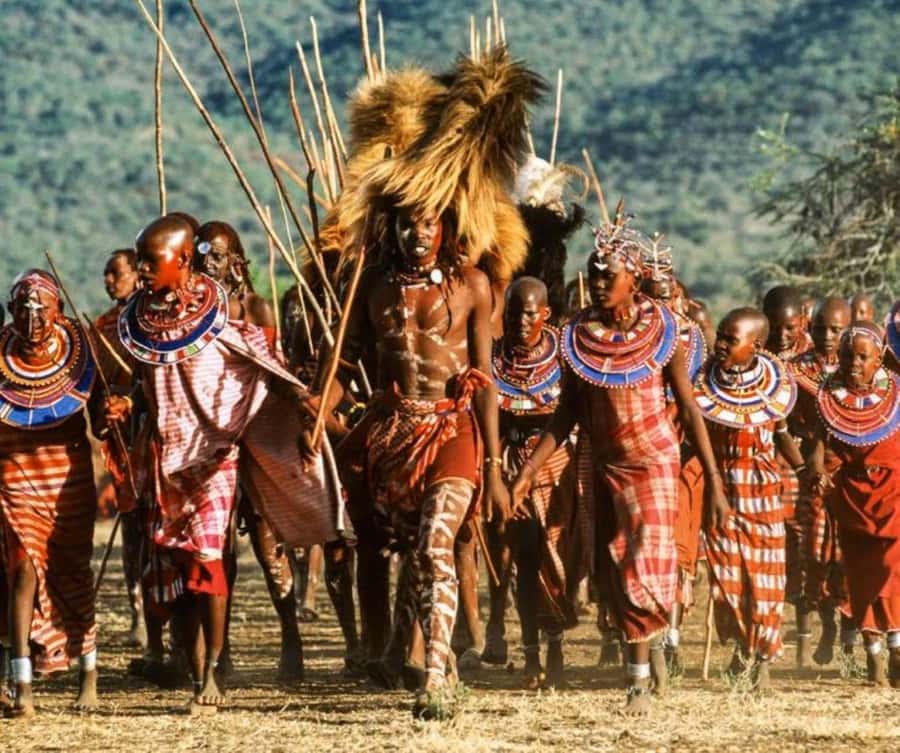
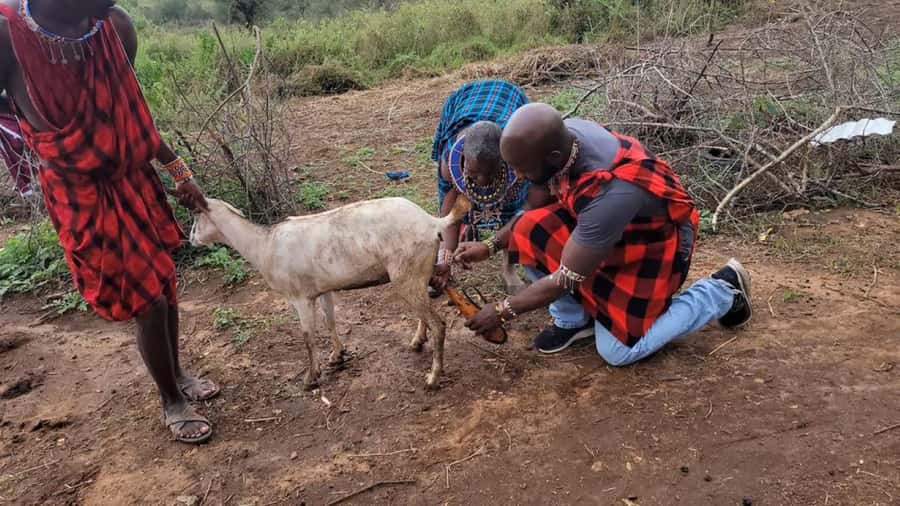
The most worthwhile part of this day is the chance to hear about Maasai life from community members themselves, not just from a museum label. You may watch women prepare food, weave necklaces and wristbands, milk goats, and explain how work is divided between men and women. A welcome by Maasai warriors, songs, dance, and a visit to a traditional Manyatta add plenty of color.
I like the personal scale of the outing, especially the private or small-group option and the chance to ask questions directly. I also like having round-trip transport from Nairobi, since the road trip can be tiring and traffic can be rough. The main caution is cost: the advertised $42 price excludes a $30 adult village fee, and one booking was priced much higher overall, so confirm your final total before paying.
Key points to know before you go
- The village visit lasts about three hours, with cultural demonstrations, dancing, free time, and a handicraft market.
- Patrick, Juli, and Erik are named guides and drivers praised for clear explanations and friendly service.
- The $30 entry fee is extra for adults, while children and youth pay $20, in Kenyan shillings or US dollars.
- You may meet a small group of community members, rather than every person who lives in the village.
- The drive can take most of the day, with pickup and return in Nairobi and a lunch stop in Kajiado County.
- You can learn by doing, including fire-making, traditional dress, beadwork, goat milking, and handling a traditional spear.
Meeting Maasai culture beyond Kenya’s wildlife
Kenya is famous for wildlife, but a visit to a Maasai community gives you a different way to understand the country. Here, the focus is daily life: homes, livestock, food preparation, clothing, family roles, music, and customs passed down through generations.
The activity is built around direct contact. You are taken to local homes and shown a traditional Manyatta, then introduced to community members who explain what they do and how their customs are changing. That matters because you are not simply looking at objects behind glass. You are hearing explanations tied to real work and family life.
You can expect the day to feel social and hands-on. You might be invited to wear traditional clothing, try a cultural activity, or join in a song or dance. One particularly memorable part is the fire-making demonstration, which shows a practical skill rather than just offering a staged photo opportunity.
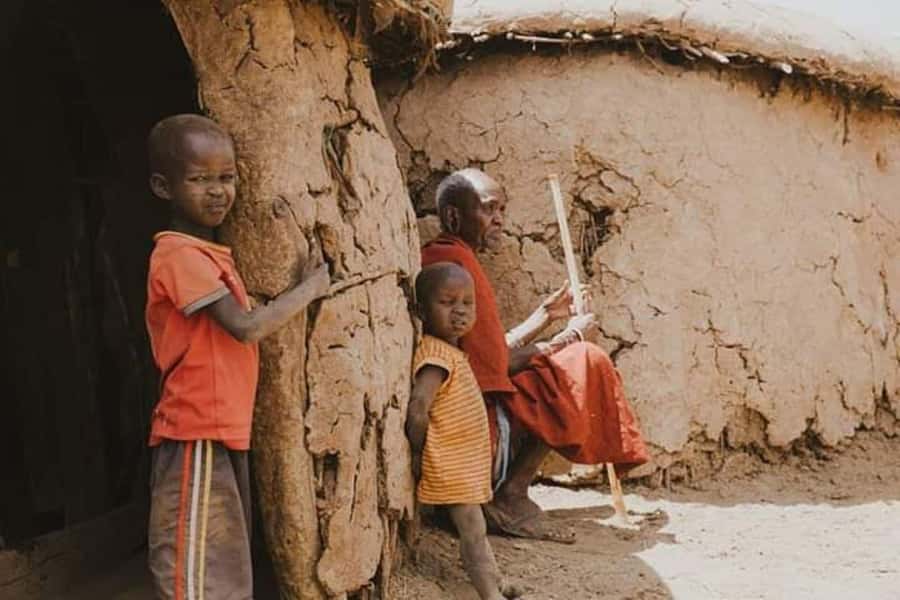
Still, it helps to keep your expectations sensible. A village visit is not a guarantee that you will meet a whole community. On one outing, the group met three men and five older women because younger Maasai were herding cattle in the forest and children were at school. That is a useful reminder that this is a visit to a living community, not a performance venue operating on a fixed script.
Other cultural visits around Nairobi:
- Nairobi: Explore Kibera Slum with Local Guides
★ 4.9 · 365 reviews - Nairobi: Day Tour to Amboseli National Park & Maasai Village
★ 4.5 · 310 reviews - Masai village Day Tour Experience
★ 5.0 · 284 reviews
The Nairobi pickup and the long road south
Pickup is offered from your Nairobi hotel or residence. The vehicle is described as comfortable and air-conditioned, and bottled water is provided throughout the day. For a seven to eight hour outing, those small details make a difference.
The drive is part of the experience, but it can also be the day’s weak point. Traffic around Nairobi may be heavy, and the road can include unpredictable drivers, livestock crossing, and other delays. One guide, Patrick, was praised for calmly handling traffic, cows, and even fallen trees on the route. That gives you a good sense of why an experienced driver matters here.
Allow plenty of time around the scheduled return. A delayed pickup, a late departure, or several Nairobi drop-offs can push the journey well beyond the planned eight hours. If you have a flight, dinner reservation, or another paid activity later the same day, leave a generous buffer.
The guide can add real value during this drive. Patrick was praised for explaining Nairobi, Kenya, and Maasai culture along the way. Juli and Erik were also singled out for adding useful context during the village visit. Since the road takes up a sizable part of your day, a guide who talks clearly and answers questions helps the time pass well.
Entering the village with song and ceremony
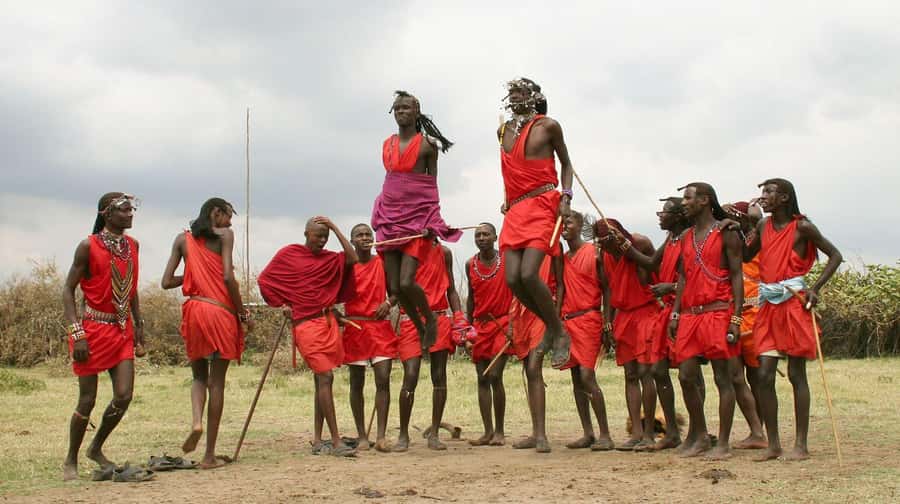
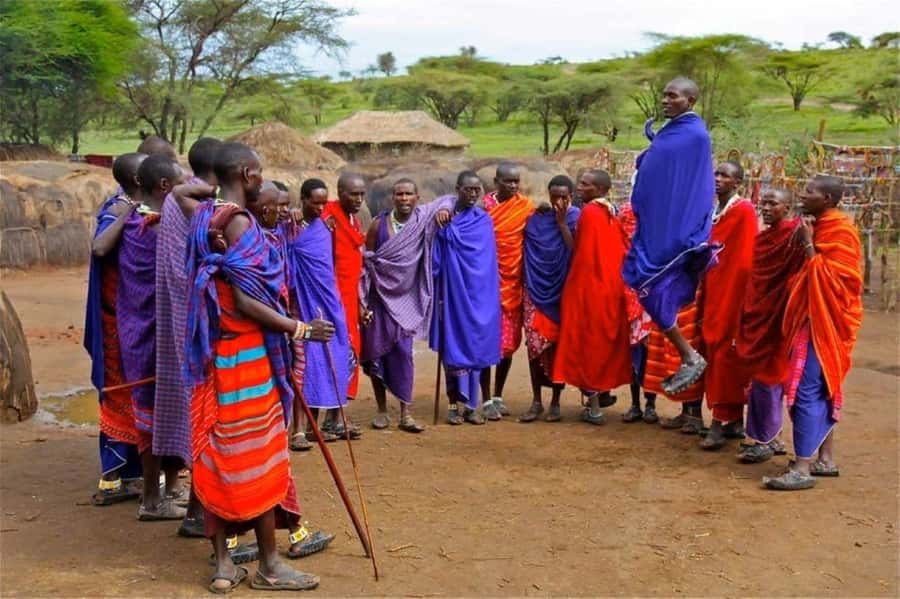
The first formal part of the visit is a welcome by Maasai warriors, followed by traditional songs and dancing. This gives the arrival a clear sense of occasion and introduces the role of music in the community’s public traditions.
You may be invited to take part rather than watch from the edge. Some participants were dressed in traditional Maasai clothing, and the activity can include a chance to try a traditional spear. These moments are lively and photogenic, but remember that you are entering someone else’s community. Ask before taking close-up photographs, follow the guide’s instructions, and treat the ceremony as more than a photo opportunity.
The dancing is one of the most praised parts of the outing. It rounds out the practical demonstrations and helps you see how cultural knowledge is shared through movement and music. The performance is planned, but the surrounding explanations and personal interaction give it more substance than a short stage show.
A safety briefing is included. You should use it as a chance to clarify where you may walk, when photographs are welcome, and how the group will move between homes, livestock areas, and the market.
Inside the Manyatta and the daily work of the community
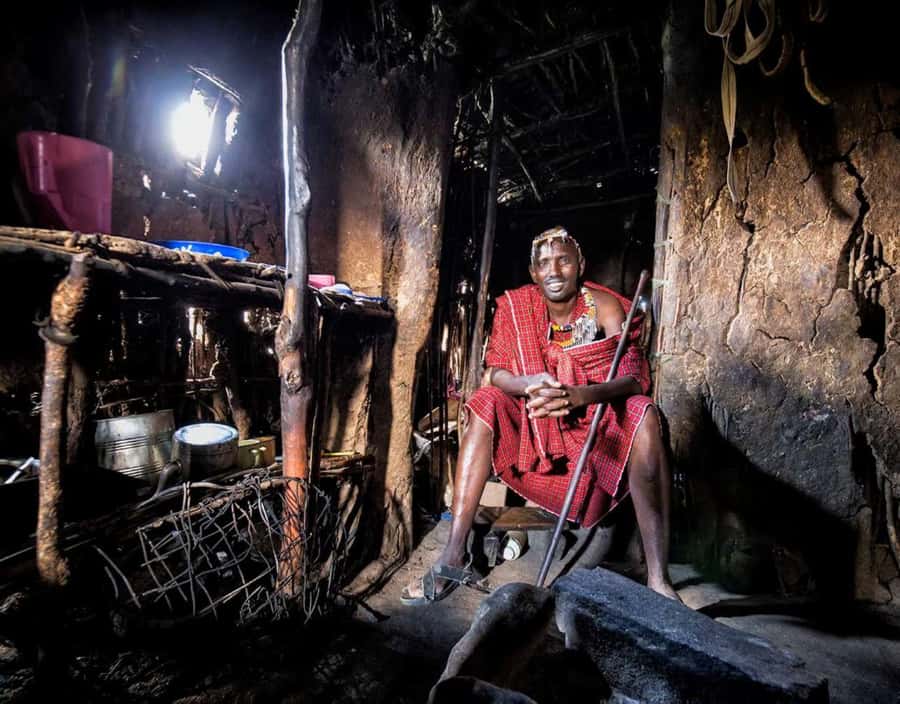
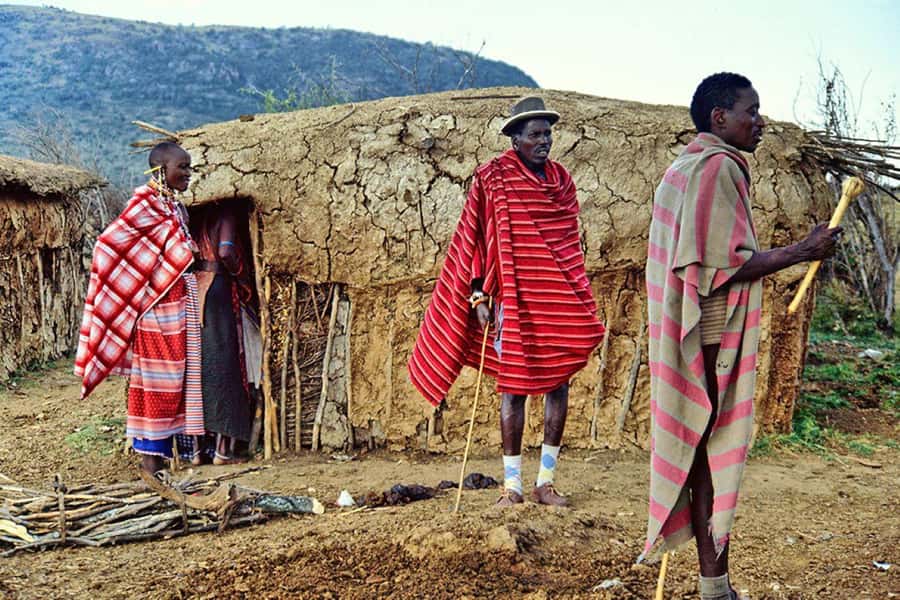
The Manyatta visit is where the tour becomes most useful for anyone curious about ordinary life. Community members explain how homes are used and how family routines connect with livestock, food, and social customs.
You can learn how local women prepare and cook food, weave necklaces and wristbands, and care for household tasks. You may also see how goats are milked and be shown the livestock kept by the community. These are practical details, and they help you understand the work behind traditions that can otherwise look decorative from a distance.
The tour also explains work traditionally associated with men and women. That distinction is worth hearing in context, especially because the experience also acknowledges that Maasai culture is adapting to newer ways of life. The point is not to present the community as frozen in the past. You are given a look at customs that have lasted for decades while seeing that daily life continues to change.
The quality of this part depends heavily on the guide and the community members present on your date. Erik was praised for filling in details while the chief explained Maasai customs. A good guide can help you understand the difference between a cultural practice, a souvenir, and a simplified presentation made for visitors.
Same base, a completely different sort of day:
- Nairobi National Park Half-Day Tour; Free Wi-Fi connection
★ 5.0 · 878 reviews - Nairobi: National Park & Optional Elephants & Giraffe Center
★ 4.8 · 874 reviews - NAI NAMI: Nairobi Storytelling Tour with Street Children
★ 5.0 · 792 reviews - Nairobi National Park Half-Day Game Drive
★ 4.5 · 738 reviews
Three hours of demonstrations, questions, and photos
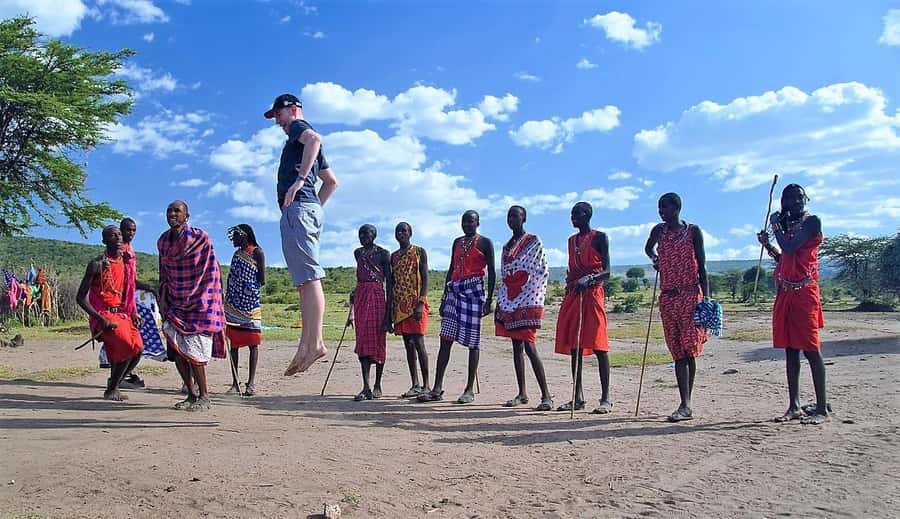
The village portion is scheduled for about three hours. That is enough time for a welcome, guided walk, cultural demonstrations, a dance show, photographs, free time, and a stop at the arts and crafts market.
You will not be rushed from one display to another in the way you might be at a large attraction. The private or small-group format can give you more room to ask questions, though the actual number of people you meet may vary. If you want a long conversation with elders or a broad look at village life, ask your guide early about the day’s plan.
The visit may include fire-making and other demonstrations. These are useful because they turn abstract descriptions into something you can see. The chance to try an activity, such as throwing a traditional spear, can also make the visit more memorable, but take part only when invited and follow the safety guidance.
The time allocation has one drawback. Three hours can feel short if you become interested in a particular topic, especially family life, education, livestock, or changing traditions. It is best to arrive with a few questions ready. Ask how responsibilities are shared, what the children do during the day, or how newer ways of life fit alongside older customs.
The handicraft market and the question of souvenirs
The handicraft market gives you time to browse necklaces, wristbands, and other community-made items. Buying can support local makers, and it gives you a tangible reminder of the visit. You should still shop thoughtfully.
Prices may feel high compared with ordinary Kenyan markets. One person found the souvenirs overpriced, so do not assume every item is a bargain simply because it is sold at a village. Ask the price before agreeing to buy, consider the craftsmanship, and purchase only what you genuinely want.
The market can also be a chance to ask who made an item and what materials or patterns mean. That turns shopping into another cultural conversation. If you do not want to buy anything, you can browse politely and move on without pressure.
Personal spending, souvenirs, and donations are not included. Carry money in Kenyan shillings or US dollars for the entry fee and any purchases. The stated village fee is $30 for adults and $20 for children and youth, paid separately from the tour price.
Lunch and the Kajiado stop
After the village experience, the outing includes a break in Kajiado County lasting about 105 minutes. This is the time set aside for lunch, walking, photographs, free time, and shopping.
Meals and drinks are not included, so budget for lunch separately. The information provided does not specify a particular restaurant or a fixed menu. That makes it wise to ask your guide where the stop will be and how much time you will have before ordering or browsing.
The break is practical rather than a major attraction. After several hours of walking, standing, talking, and watching demonstrations, you will appreciate time to sit down. It also gives you a chance to sort through photographs and souvenirs before the return drive.
Do not treat the lunch stop as a guaranteed chance to make up lost time. If the morning starts late, the return trip may also run late. Keep your schedule open until you are back in Nairobi.
Is the $42 price good value?
At $42 per person, the advertised rate looks reasonable for a full day with Nairobi pickup, an air-conditioned vehicle, an English-speaking guide, bottled water, a guided village visit, dance, and transport back to your accommodation.
But that is not the complete cost. The adult village entry fee is another $30, and lunch, drinks, crafts, donations, and personal expenses are extra. That takes the known minimum to $72 before food or shopping for an adult booking at the advertised rate.
You should also check the final booking price carefully. One person paid $120 plus the $30 entry fee, which is far above the stated $42 rate. That may reflect a different booking arrangement, date, group size, or pricing condition, but the gap is large enough to justify asking for a full breakdown.
Value depends on what you want. If you mainly want photographs and a short dance performance, the total may feel steep. If you want direct explanations of Maasai customs, hands-on demonstrations, hotel transport, and a guide who can add context during the drive, the package can make sense.
Private and small-group options are available. They may suit you if you value questions and personal attention, but confirm whether your selected price applies to an individual place or a private vehicle.
Timing, comfort, and accessibility
The total duration is listed as seven to eight hours, with starting times set by availability. Pickup and drop-off are in Nairobi County, and the central visit takes place in Kajiado County.
The vehicle is air-conditioned, and water is supplied. The tour is described as wheelchair accessible, though the practical ease of moving around a village, homes, market areas, and walking routes may depend on conditions that are not specified. If you use a wheelchair, confirm the exact arrangements before booking.
The activity offers free cancellation up to 24 hours before departure and a reserve-now, pay-later option. Those policies are useful if your Nairobi plans may change, but they do not remove the need to check the start time and return estimate.
Plan for a full day. The drive, village visit, lunch break, and Nairobi drop-offs leave little room for another fixed appointment.
Who will get the most from this visit?
I would recommend this experience to you if you want more from Kenya than wildlife viewing. It suits first-time visitors who want a direct introduction to Maasai traditions, families interested in demonstrations and dress, and anyone who enjoys asking questions in a small group.
It is also a good fit if you value a guide’s local explanations. Patrick, Juli, and Erik received especially strong praise for their role in making the day easier to follow and more informative.
You may want a different plan if punctuality is critical, if you dislike long road journeys, or if you expect to meet a whole village at once. The group you meet can be smaller than the wording suggests, and delays can affect the return time.
Approach the visit with respect. Listen first, ask before photographing, and remember that people are sharing their homes and customs with you. You will get more from the day if you treat the community as a living society, not as a backdrop.
Should you book the Masai Village Cultural Day Tour?
Book it if you want a practical, people-focused cultural experience with Nairobi transport and you are comfortable allowing a full day. The best parts are the direct interaction, demonstrations of cooking and beadwork, the Manyatta visit, and the songs and dance.
Before confirming, verify the exact tour price, the separate village fee, the group size, and the expected return time. At the advertised $42 plus the $30 adult entry fee, it can be fair value. At a much higher total, you should compare it with other cultural visits and decide how much personal contact and convenience are worth to you.
FAQ
Where does the Masai Village Cultural Day Tour depart from?
Pickup is available from your hotel or residence in Nairobi County, with drop-off back in Nairobi County after the visit.
How long does the tour last?
The full activity takes about seven to eight hours. The village visit lasts around three hours, followed by a break in Kajiado County of about 105 minutes.
What is included in the tour price?
The price includes Nairobi hotel or residence pickup and drop-off, air-conditioned transport, an English-speaking guide or driver, the guided village experience, a traditional Maasai dance performance, interaction with families and elders, a Manyatta visit, cultural demonstrations, photographs, and bottled water.
Is the village entry fee included?
No. The village fee is separate. Adults pay $30, while children and youth pay $20. Payment is accepted in Kenyan shillings or US dollars.
Are lunch and drinks included?
No. Meals and drinks not specifically included must be paid for separately. The Kajiado stop provides time for lunch and free time.
Can I cancel the booking?
You can cancel up to 24 hours in advance for a full refund. A reserve-now, pay-later option is also available.
Just added around Nairobi
- Nairobi: Horseback Riding Tour Through Maize Plantation★ 5.0 · 3 reviews
- Nairobi: Kibera Slum Compassionate Walking Tour★ 5.0 · 4 reviews
- Nairobi: Karura Forest Guided Walking Tour★ 5.0 · 4 reviews
- From Nairobi: Horseback Wildlife Safari with Transfer & Meal★ 4.6 · 7 reviews
- Nairobi: Hidden Gems and Local Secret Guided Walking Tour★ 4.9 · 20 reviews
- Nairobi: Hop on Hop off and Maasai market Collections Visit★ 3.5 · 10 reviews
- Nairobi: Karura Forest Horseback Riding Tour★ 4.8 · 11 reviews
- Nairobi: Guided Afternoon Tour to Bomas of Kenya.★ 3.1 · 4 reviews
Cultural Village Visits, compared.

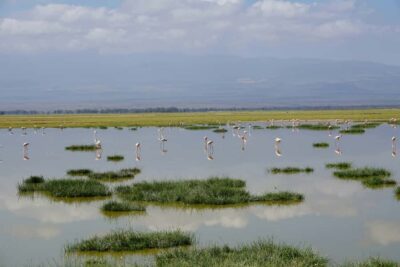
Day Tour to Amboseli National Park & Maasai Village
Read our review →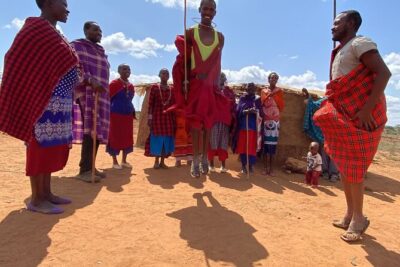



Kibera Slum Tour with Local Social Entrepreneurs
Read our review →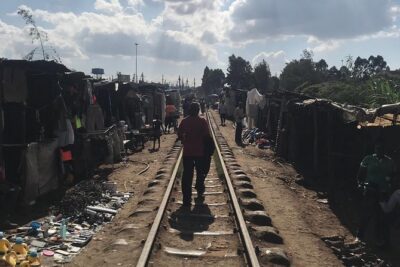

Giraffe Centre, Elephant Orphanage, and Bomas of Kenya Day Tour from Nairobi
Read our review →Browse the lists this tour appears in