
Reviewed · TOURS IN NAIROBI
Nairobi: Hop on Hop off and Maasai market Collections Visit
Nairobi’s story comes into focus on this compact route, from early railway history at the National Museum and Railway Museum to a high view from KICC and a final stop for handmade souvenirs in Karen. I like the mix of indoor exhibits and city views, and I like that guides such as Ruben and Francis have been praised for making the history easy to follow. The route gives you a useful first look at several parts of the city in one morning.
The main caution is that five hours is tight, and the itinerary is not really a flexible hop-on hop-off bus day. You follow a planned circuit in a vehicle, with set stops. Also, confirm entrance fees before paying: the tour says all fees are included, yet two published accounts describe paying separately for the National Museum and Railway Museum.
Key points to know before booking
- National Museum gets the most time: Plan on about one hour, though you may want much longer for the exhibits.
- KICC provides the best city view: You take a lift to the upper floors for a bird’s-eye look across Nairobi.
- The route includes serious modern history: Bomb Blast Memorial Park offers a quiet pause and a place of remembrance.
- Kibera is seen from the vehicle: This is a pass-by, not a walking visit or community tour.
- Karen Maasai Market is the shopping stop: You get about an hour to browse locally made souvenirs.
- Confirm what your price covers: The advertised rate is $98 per person, with transport, water, guiding, and entrance fees listed as included.
A useful first morning in Nairobi
At $98 per person, this is best judged as a guided orientation tour rather than a cheap bus ride. You are paying for transport between spread-out sights, a guide, entry to several attractions, and a hotel or residence drop-off at the end.
The route is especially useful if you have one free day in Nairobi, or if you want a broad introduction before spending more time at one museum or market. You will not get long, relaxed visits everywhere. You will get a structured sample of the city, with enough context to decide what deserves a return visit.
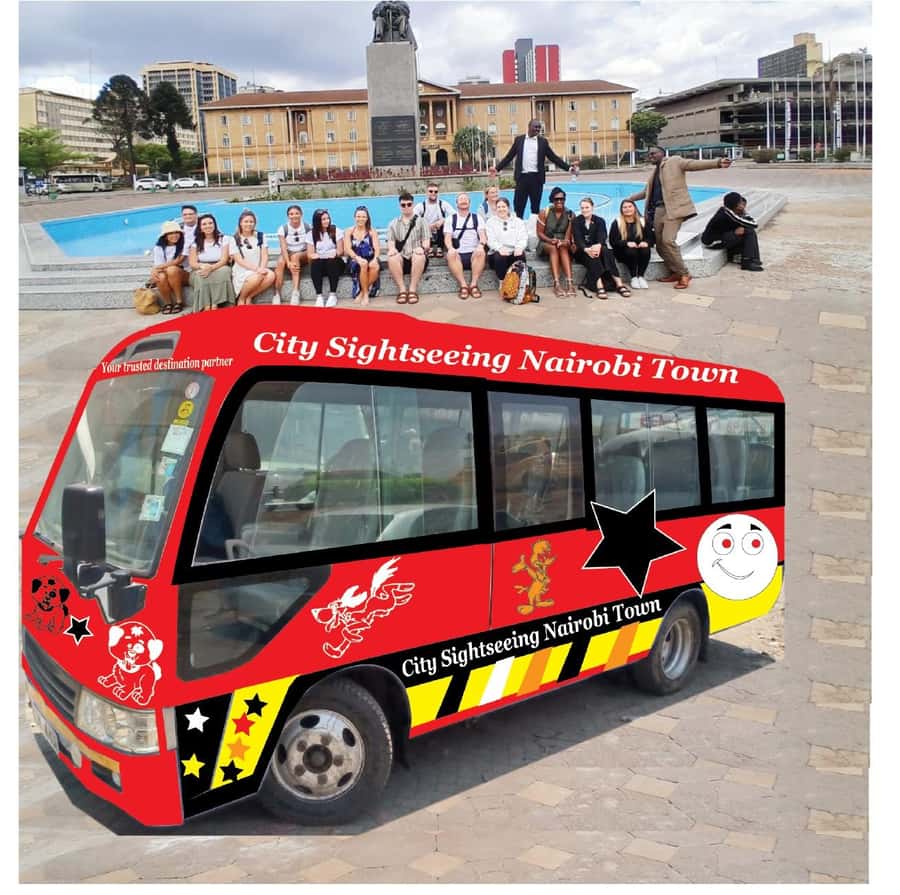
The group meets at the parking lot of the Nairobi National Museum at 9 a.m. A representative is meant to meet you there, introduce the guide, and lead you into the museum. The vehicle is air-conditioned, and mineral water is listed as included. One account said the water was not provided, so I would bring your own bottle as a backup.
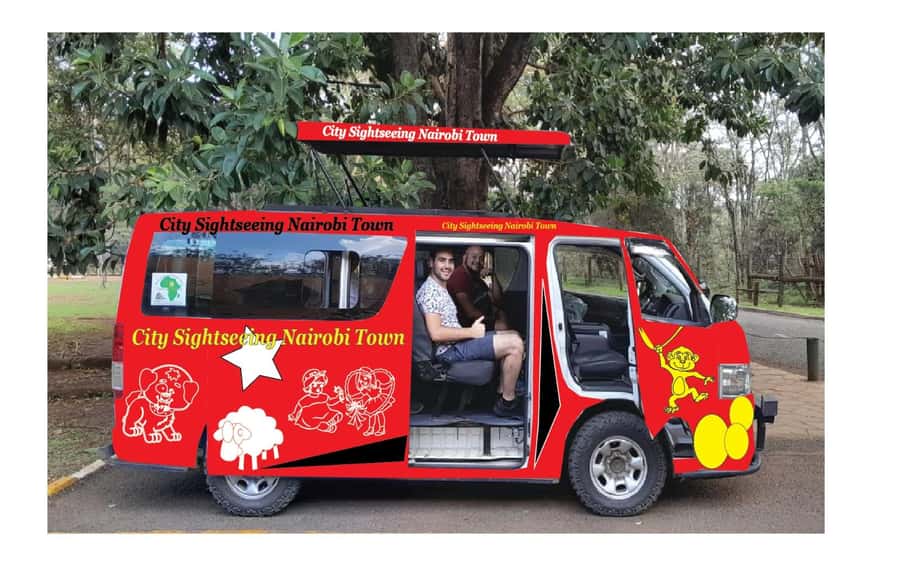
The advertised vehicle option is a standard air-conditioned vehicle. There is also mention of an upgrade to a private open-sided jeep for going farther into the bush, but that does not fit the city itinerary described here. Ask exactly what vehicle and route you are buying before choosing an upgrade.
A few more things to do around Nairobi worth a look
- Traditional Kenyan Cooking Class & Local Market Tour
★ 5.0 · 129 reviews - Memorable Daily KIBERA Slums/Toi Market Tour with Locals (2 hours)
★ 5.0 · 29 reviews - Authentic Kenyan Cooking Class & Market Tour in Nairobi
★ 5.0 · 12 reviews
National Museum: give yourself more than one hour
The National Museum is the strongest part of the morning for anyone who wants context, not just photographs. You spend about an hour inside, learning about Kenya’s past, culture, and natural heritage with the guide explaining what you are seeing.
One hour gives you a useful introduction, but it is not enough for a careful museum visit. If museums are your priority, you may find yourself wishing you had half a day. The fixed schedule means you need to return to the vehicle when the group moves on.
This first stop also helps make sense of the rest of the route. Nairobi can feel like a collection of busy roads and separate districts when you first arrive. The museum gives you a starting point before you see government buildings, memorials, railway exhibits, and informal housing from the road.
The National Museum has earned the strongest praise in the available feedback. That is a good sign for first-time visitors, but it also reveals the tour’s tradeoff: the most rewarding stop may be the one you have the least time to explore.
KICC tower and Nairobi from above

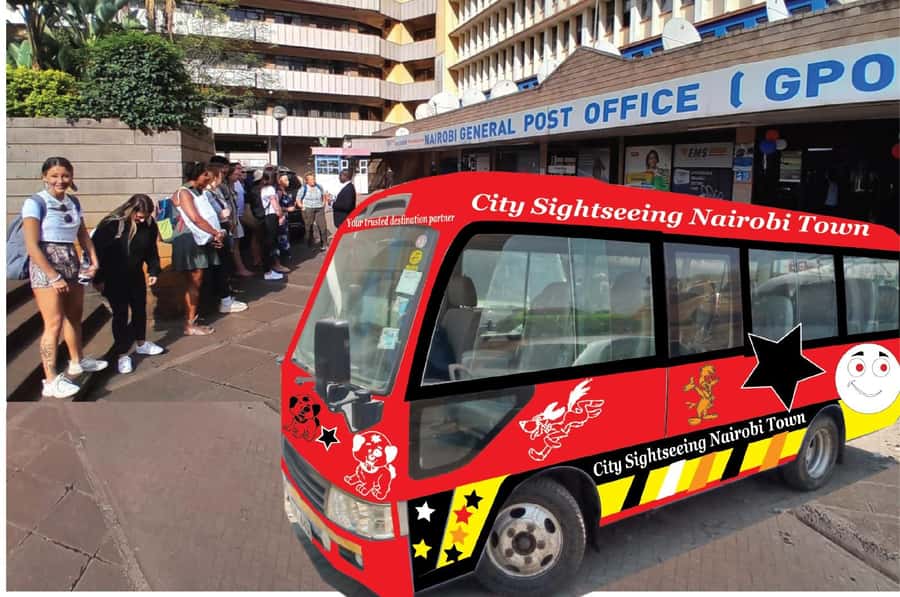
From the museum, the vehicle passes through Globe Roundabout, Moi Avenue, and Parliament Road before reaching the Kenyatta International Convention Centre, commonly called KICC. You leave the vehicle and take a lift to the upper floors, described as the 29th floor and above.
This is your clearest chance to understand Nairobi’s layout. From the top, you can look over the city’s buildings, daily activity, roads, and distant physical features. The cool air and open view make this a welcome change after time indoors.
You have about 30 minutes here. That is enough for photographs and a quick look around, but not much more. If the lift is busy, the time can pass quickly. Keep your camera ready and listen for the guide’s instructions about when to return.
The KICC stop works because it changes your point of view. At street level, Nairobi is a city of separate impressions. From above, you can connect the roads and districts you have just crossed. It is a simple stop, but a useful one.
Bomb Blast Memorial Park: a quiet, serious pause
The next stop is Bomb Blast Memorial Park, created to remember those who died in the 1998 bombing of the United States Embassy. This is not a light sightseeing stop, and it should not be treated as one.
You have about 30 minutes to walk through the maintained park, read the displayed material, and sign or view the condolence book. The memorial offers a quiet pause in a busy city itinerary. It also adds recent history to a morning that otherwise leans toward museums, architecture, and shopping.
Your guide may provide background, but the stop is also personal and reflective. I would allow time to read rather than rushing straight to photographs. The value here is not the amount of space or the length of the visit. It is the chance to remember an event that shaped Nairobi and many families.
Same base, a completely different sort of day:
- Nairobi National Park Half-Day Tour; Free Wi-Fi connection
★ 5.0 · 878 reviews - Nairobi: National Park & Optional Elephants & Giraffe Center
★ 4.8 · 874 reviews - NAI NAMI: Nairobi Storytelling Tour with Street Children
★ 5.0 · 792 reviews - Nairobi National Park Half-Day Game Drive
★ 4.5 · 738 reviews
Railway Museum and the making of Nairobi

The Nairobi Railway Museum follows with another planned stop of about one hour. Its focus is the construction and operation of Kenya’s railway during the early 20th century. You can see old railway equipment and fire engines, with a museum guide showing you around.
This stop gives the city a practical historical backbone. Railways helped connect Nairobi with the wider region, and the museum shows the machinery behind that change. The old engines are likely to appeal to anyone interested in transport, engineering, or colonial-era infrastructure.
There is an important scheduling warning here. One published account said the Railway Museum stop was cancelled without advance notice. If this museum is a main reason for booking, ask about its status shortly before departure. A changed route can affect the value of the $98 price, especially if you have already visited the other main sights.
The route then continues along Upper Hill and State House roads. You pass Kibera on the way to Karen. This stretch helps you see how quickly Nairobi’s surroundings change, but traffic can affect the timing. The listed stop durations already fill most of the five-hour schedule, so you should not expect much spare time.
Kibera from the vehicle
Kibera is a pass-by, not a walking visit. From inside the vehicle, you see one of Nairobi’s best-known informal settlements, home to many low-income families.
This part of the route needs a respectful approach. You are looking at a lived-in neighborhood, not a display arranged for sightseeing. The vehicle gives you distance and safety, but it also means you receive only a brief visual impression. You should not expect a detailed community program, local meeting, or guided walk.
The stop can still add useful context. Nairobi’s polished towers, major roads, museums, and shopping districts exist alongside areas facing difficult living conditions. Seeing the contrast from the vehicle may help you understand the city’s uneven development, but a few minutes cannot explain the full story.
Listen to how the guide frames this section. A thoughtful explanation is more useful than simply pointing out buildings. If your interest is social history, ask questions politely and avoid photographing people without permission.
Karen Maasai Market for the final hour

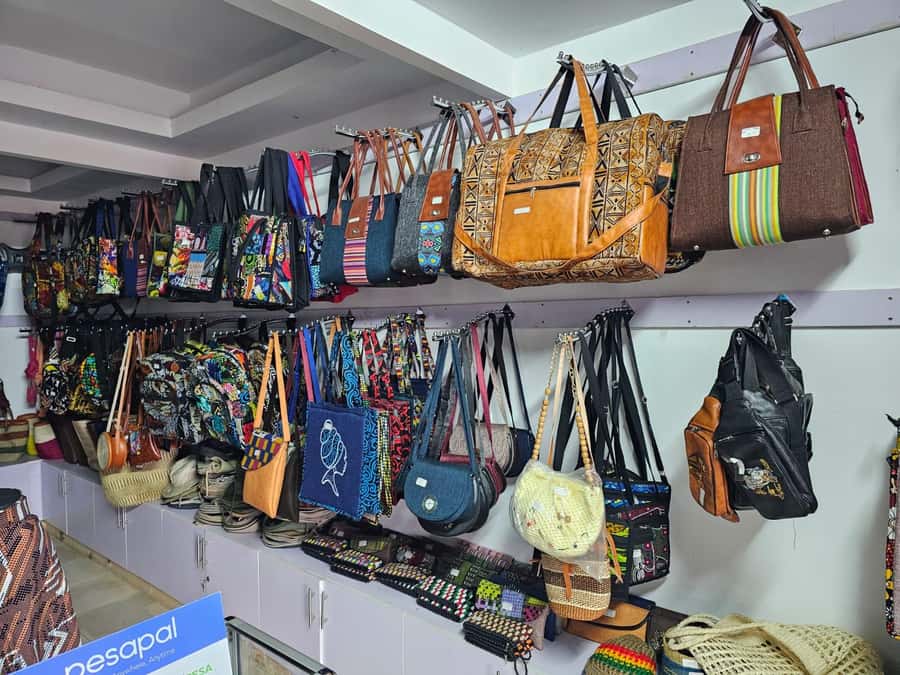
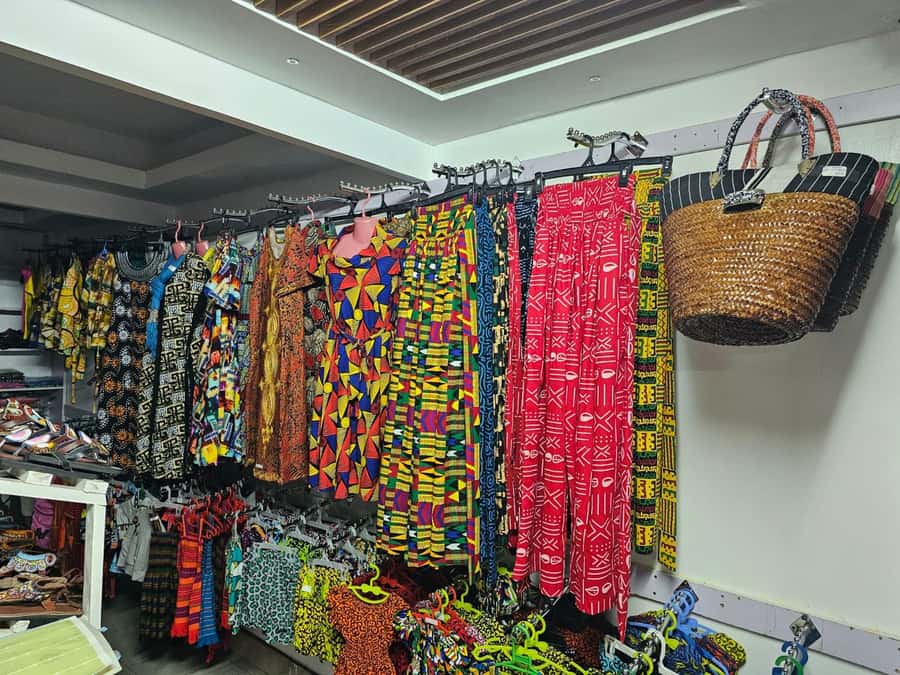
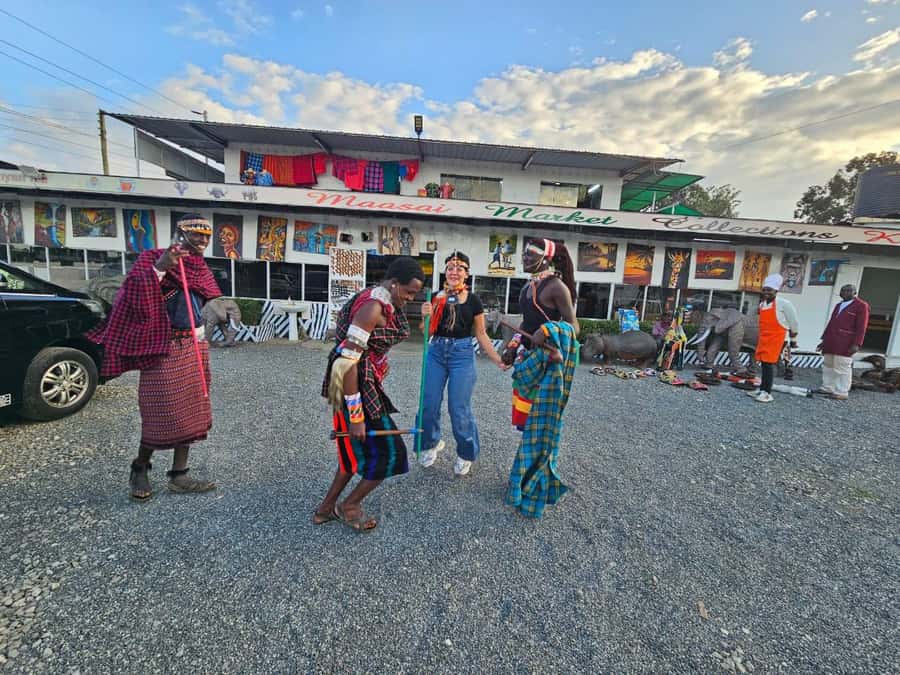
The final planned stop is Maasai Market Collections in Karen. You have about one hour to browse souvenirs and buy items from local artisans. This is the least structured part of the day and gives you time to choose gifts at your own pace.
The market is a practical finish because you can shop after the more formal museum stops. Look for locally made items and ask about prices before deciding. The description presents the market as a place to buy at local prices, but it does not specify which crafts, payment methods, or bargaining rules are available, so keep your expectations flexible.
You may find the market more enjoyable if you already know what you want: a small keepsake, a gift, or something easy to pack. An hour is enough for browsing, but not for a long, unhurried shopping session if the market is busy.
Afterward, the operator says it will drop each person at their hotel or residence. That is a real convenience, especially if you are still learning Nairobi’s districts. Confirm the drop-off area when you meet the guide, since the exact coverage is not stated.
Guides, timing, and the shape of the day
The quality of the guide matters a great deal on a route like this. Ruben was described as punctual, friendly, and helpful with the city’s history. Francis was praised for explaining the places visited and adding cultural background. Those names show the level of guiding you should hope for, but they do not guarantee which guide you will receive.
There are also mixed accounts of communication. One person described a late guide who could not be reached and said the guide offered little explanation unless asked a question. That makes two practical tips important: arrive early at the meeting point, and ask for the day’s order and timing before leaving the museum parking lot.
The route is advertised as five hours. The stated visits add up to roughly four hours before driving time:
- National Museum: about one hour
- KICC: about 30 minutes
- Bomb Blast Memorial Park: about 30 minutes
- Railway Museum: about one hour
- Karen Maasai Market: about one hour
That leaves limited room for traffic, lifts, parking, and delays. You should treat the schedule as an outline rather than a minute-by-minute promise. The title may suggest that you can hop off and rejoin the bus at will, but the description presents a guided vehicle circuit with planned stops.
The tour is listed as English-speaking and wheelchair accessible. If accessibility is important to you, confirm the vehicle setup and each stop’s access arrangements before booking, since the supplied information does not explain how wheelchairs are handled during boarding or inside the museums.
What the $98 price really buys

The $98 rate makes sense if you value convenience. You get an air-conditioned vehicle, an English-speaking guide, a planned route, mineral water in the stated inclusions, listed entrance fees, and a drop-off at your hotel or residence. Booking one service also saves you from arranging several separate taxis across Nairobi.
The price is harder to justify if you mainly want a long museum visit. The National Museum may leave you wanting more time, and the full circuit gives only short visits at some places. You are buying breadth, not depth.
There is also a clear price issue to settle before booking. The inclusions say all entrance fees are covered, while the detailed stop information labels some admissions inconsistently, and two published accounts say they paid separately for the National Museum and Railway Museum. Ask for written confirmation that both museum admissions and the KICC entry are included in your exact booking.
The free Wi-Fi mentioned in the highlights could be useful for sending photographs or messages during the day, but its availability is not explained in the practical details. Do not rely on it as your only internet connection. Carry mobile data or download anything important first.
Who should book this Nairobi city tour?
I would choose this tour if you have one open day, want a broad first look at Nairobi, and prefer a guide and vehicle over arranging each stop yourself. It suits people who enjoy a mixture of history, city views, memorials, and shopping.
It also works well for a first visit when you want to identify places for a later, slower visit. The National Museum is the obvious candidate for more time. The KICC view gives you fast orientation. The Railway Museum adds a different angle, and the Karen market provides an easy place to shop before returning to your accommodation.
I would hesitate if you dislike fixed schedules, want to explore on foot, or expect a true hop-on hop-off service. The Kibera section is only viewed from the vehicle, and traffic or a changed stop can shorten the day. I would also postpone booking until the admission-fee question is settled.
Cancellation is free up to 24 hours before the activity, and you can reserve now and pay later. Those terms help if your Nairobi schedule is still moving, but they do not remove the need to confirm the meeting point, vehicle, guide, and museum admissions.
Should you book it?
Book this tour if you want a structured Nairobi sampler with strong museum content, a high city view, a memorial, a railway stop, and Karen shopping in one morning. The best parts are the National Museum, KICC, and the guides who take time to explain the city.
Skip it if you want an unhurried museum day or a genuine hop-on hop-off experience. Before paying, confirm that the stated entrance fees really are included, that the Railway Museum will be visited, and that bottled water will be available. Those three checks will tell you whether the $98 price offers the convenience you need.
FAQ
Where does the tour begin?
You meet the guide at the parking lot of the Nairobi National Museum. The stated meeting time is 9 a.m.
How long does the activity last?
The tour lasts five hours. The schedule includes several stops, driving between districts, and a drop-off at your hotel or residence afterward.
Which language is the tour conducted in?
The live tour guide and listed tour language are English.
Are entrance fees included?
The activity information says all entrance fees are included, including the listed museum and tower visits. However, two published accounts describe paying separately for the National Museum and Railway Museum, so confirm this point before booking.
Is Kibera a walking tour?
No. Kibera is viewed from the comfort of the vehicle as the route passes through the area.
Can I cancel the booking?
Yes. You can cancel up to 24 hours in advance for a full refund. You can also reserve now and pay later.
Just added around Nairobi
- Nairobi: Kibera Slum Compassionate Walking Tour★ 5.0 · 4 reviews
- Nairobi: Horseback Riding Tour Through Maize Plantation★ 5.0 · 3 reviews
- Nairobi: Karura Forest Guided Walking Tour★ 5.0 · 4 reviews
- From Nairobi: Horseback Wildlife Safari with Transfer & Meal★ 4.6 · 7 reviews
- Nairobi: Hidden Gems and Local Secret Guided Walking Tour★ 4.9 · 20 reviews
- Nairobi: Karura Forest Horseback Riding Tour★ 4.8 · 11 reviews
- Nairobi: Guided Afternoon Tour to Bomas of Kenya.★ 3.1 · 4 reviews
- Nairobi: Half-Day Game Drive at Nairobi National Park★ 5.0 · 5 reviews
Tours in Nairobi, compared.

Nairobi National Park Half-Day Tour; Free Wi-Fi connection
Read our review →
National Park & Optional Elephants & Giraffe Center
Read our review →
NAI NAMI: Nairobi Storytelling Tour with Street Children
Read our review →



Elephant Orphanage and Giraffe Center Tour with Options
Read our review →Browse the lists this tour appears in