

Reviewed · CULTURAL VILLAGE VISITS
Nairobi: Kibera Slum Half-Day Guided Tour With Pick-up
Kibera is best understood on foot, with a local guide explaining the neighborhood as you pass small shops, workshops, food stalls, and community projects. You get more than a quick photo stop: the tour focuses on daily life and local initiative, not just hardship.
I like the chance to meet residents and see how schools, youth programs, women’s groups, and small businesses serve the community. I also like the private-group format, which should make it easier to ask questions and keep the pace comfortable. The main consideration is that this is a serious, sometimes confronting visit, not a light sightseeing outing, and the exact projects or homes visited may vary.
Key points to know before you go

- About three hours in Kibera: Expect a guided walk with food tasting, markets, arts and crafts, and local businesses.
- A local guide leads the way: English, French, and Swahili are available. David was specifically praised for his guiding on one booking.
- Community projects are central: You may visit schools, youth programs, women’s empowerment groups, and other local initiatives.
- Private group, flexible pickup: Hotel pickup and drop-off are included, while airport-area pickup costs an additional $25.
- Food is not included: Bottled water and local snacks are part of the visit, but meals and drinks are not.
- Good value at $24: The price includes transport, guiding, Wi-Fi, and a tour that directs part of its proceeds toward local projects.
Walking through Kibera with purpose

Kibera is Nairobi’s largest informal settlement, and this tour gives you a guided look at the people and projects that shape life here. The focus is not simply on poverty. You will also see work, trade, creativity, education, and neighborhood efforts aimed at creating better options for residents.
That balance matters. A short visit can easily reduce Kibera to a collection of difficult images. A local guide helps put what you see into context, explaining the area’s challenges while pointing out the practical work taking place around you.
Your walk may include narrow streets, food markets, small businesses, and artisan workshops. The surroundings are active and crowded, so you should expect an urban walk rather than a polished attraction with fixed displays and neat paths.
The tour lasts about three to four hours overall, with roughly three hours set aside for the Kibera visit itself. That is enough time to see several parts of community life without turning the outing into a full-day commitment.
Other cultural visits around Nairobi:
- Nairobi: Explore Kibera Slum with Local Guides
★ 4.9 · 365 reviews - Nairobi: Day Tour to Amboseli National Park & Maasai Village
★ 4.5 · 310 reviews - Masai village Day Tour Experience
★ 5.0 · 284 reviews
What you will see during the three-hour Kibera visit
The visit begins with a safety briefing and an introduction to the area. Your guide will explain Kibera’s background, the difficulties residents face, and the ways local people respond to those problems.
From there, the route includes sightseeing on foot, a photo stop, and visits to selected community spaces. The exact order is not fixed in the information provided, so you should treat the schedule as a guide rather than a promise of particular stops.
Small businesses are an important part of the walk. You might see local shops and workshops where residents earn a living with limited resources. These stops help you understand Kibera as a working neighborhood, not only a place to observe from the outside.
Arts and crafts are also part of the visit. An artisan workshop or crafts market gives you a chance to see local skill in practice, and you may have an opportunity to support the people whose work you encounter. Personal spending is not included, so bring money only if you want to buy something or pay for an extra snack.
Community projects and the people behind them
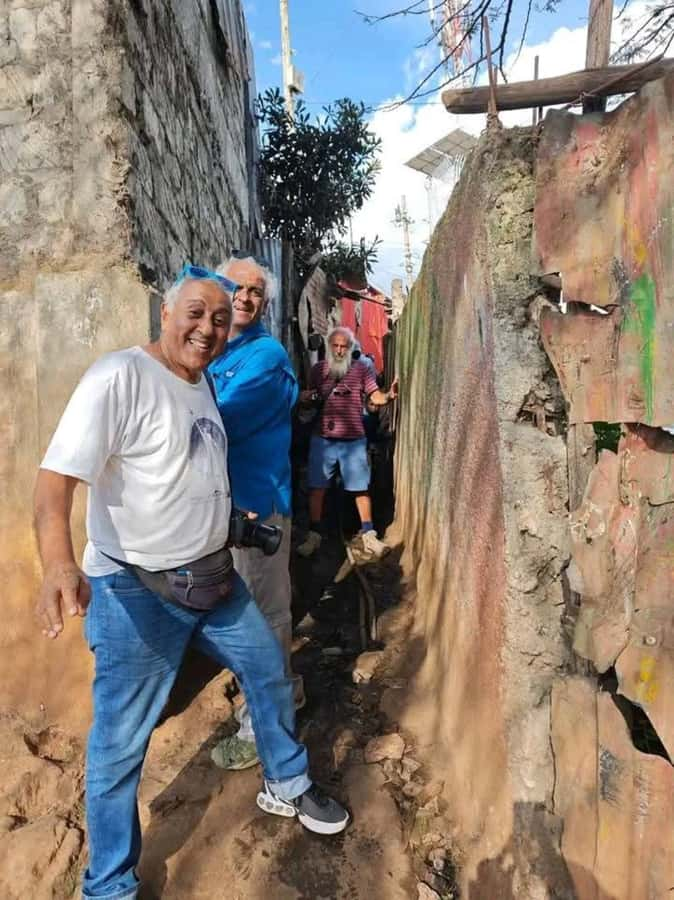
The strongest part of the tour is likely to be its attention to local projects. The program may include schools, youth programs, and women’s empowerment groups. These are useful stops because they show how residents organize practical support within the neighborhood.
You will also have opportunities to meet locals and hear personal stories. Those conversations can make the visit more meaningful than a simple walk through the streets, but respectful behavior is essential. Listen carefully, ask questions politely, and avoid treating people’s homes or working lives as scenery.
Some versions of the tour include a visit to a local home. This can offer a closer look at everyday life, but it is also the part where good judgment matters most. A home visit should feel invited and respectful. Do not assume you can photograph people, children, interiors, or personal belongings without permission.
Part of the proceeds supports local initiatives. That gives the $24 price added value, though you should still ask your guide how the contribution works if this point is important to your booking decision. The supplied details do not identify the exact percentage or the specific projects receiving funds.
Meeting locals without turning the visit into a spectacle

A responsible community tour depends heavily on the guide. Your guide sets the tone, explains what is appropriate, and connects you with residents in a respectful way.
The activity is offered in English, French, and Swahili. The available languages matter here because clear communication can make conversations more natural and help you understand explanations about local programs.
One verified booking gave direct praise to a guide named David. That is a useful detail, though you should not assume David will lead every departure. The provider is Safari Ride Expeditions, and guide assignment may depend on the date and language you choose.
Photography deserves care. The itinerary includes a photo stop, but that does not mean you should photograph every person or home you pass. Ask before taking close-up pictures, especially around community projects, markets, and residential areas.
The aim is to learn about Kibera while supporting local work. If you prefer a tour built around landmarks, grand architecture, or a long list of photo opportunities, this will not be the right fit. If you want direct contact with local life and a guide to help explain what you are seeing, it offers a more useful approach.
A few more things to do around Nairobi worth a look
- Nairobi National Park Half-Day Tour; Free Wi-Fi connection
★ 5.0 · 878 reviews - Nairobi National Park Half-Day Game Drive
★ 4.5 · 738 reviews - Half-Day Nairobi National Park Safari from Nairobi with Free Pickup
★ 4.5 · 264 reviews - Nairobi National Park Full or Half-Day Tour with Guide
★ 4.7 · 217 reviews
Food markets, snacks, and what is actually included

Food is part of the route, but this is not a food tour. You may visit a food market, taste local snacks, and sample something during the walk. Meals and drinks are not included, so do not arrive expecting lunch or a full series of tastings.
The distinction matters because the outing can last up to four hours. Bottled water is included, which is helpful, but you should plan for your own additional food and drinks if needed. Personal expenses are separate as well.
A food market can add an everyday sense of place to the tour. It shows how people shop, sell, and eat, rather than presenting culture as a staged performance. Still, food preferences and available snacks may vary, so anyone with dietary restrictions should ask the provider before booking.
Transport from Nairobi and the Prestige Plaza meeting point
The stated meeting point is outside Java House inside Prestige Plaza Shopping Mall on Ngong Road. If you are meeting there, allow enough time to find the mall and Java House before the start time.
Hotel pickup and drop-off are included. This is a useful part of the package because it removes the need to arrange a separate ride to the meeting point, provided your hotel falls within the service area.
Airport pickup is handled differently. Pickup from the airport or the area around the airport costs $25 extra. That fee is higher than the tour price itself, so check the transport option carefully before booking. If you are already staying in Nairobi, the included hotel transfer gives the tour better value.
The listed drop-off locations include Nairobi and Brides & Maids. Since the details do not explain the second location, confirm your preferred return point with the provider before departure.
Portable Wi-Fi is included. That can be handy during a half-day outing, especially if you need to contact your hotel or coordinate transport afterward. It should be treated as a useful extra rather than the main reason to choose the tour.
Why the private-group format changes the experience
This is a private-group activity, which gives it an advantage over a large coach outing. You should have more room to ask about what you see, request clarification, and discuss sensitive topics without speaking over a crowd.
A smaller group can also make visits to community projects or local businesses feel less intrusive. That does not remove the need for respectful behavior, but it can reduce the sense of a large group moving through residential streets.
The private format may suit couples, families with older children, friends, or solo visitors who want a more personal conversation with the guide. The tour is not described as specifically adapted for young children, so families should consider whether their children are ready for a serious visit focused on real social conditions.
The pace is a walking pace. Comfortable shoes are sensible, though the supplied details do not specify the condition of the route or accessibility arrangements. If you have mobility concerns, contact Safari Ride Expeditions before paying.
Is $24 a fair price?
At $24 per person, the tour is priced as an affordable half-day activity. The fee includes a guide, hotel pickup and drop-off, bottled water, portable Wi-Fi, and about three hours in Kibera. You also receive access to community projects, workshops, food-market stops, and local conversations.
That is solid value if you are already in Nairobi and can use the included hotel transport. The private-group setup makes the price more appealing, though the booking details do not state the maximum group size. Ask how many people will be in your group if that affects your decision.
The airport pickup surcharge changes the calculation. Paying another $25 for airport-area transport can make the total cost notably higher, especially for one person. Compare that amount with your hotel location and other transfer options.
Meals, drinks, and personal purchases are extra. You may want to budget a little more for snacks or crafts, but you are not required to buy anything.
Who should book this Kibera tour?
I would recommend this experience if you want a guided introduction to Nairobi that focuses on people, community work, and ordinary business rather than major monuments. It suits visitors who are willing to listen, ask thoughtful questions, and accept that the subject matter may be uncomfortable at times.
It is also a good match for anyone interested in social projects, youth work, women’s programs, local enterprise, or community-led change. The guide’s role is especially important, and the availability of English, French, and Swahili makes the visit practical for a wide range of visitors.
You may want to choose another activity if you want a relaxed food outing, a polished cultural show, or a trip with a fixed list of attractions. The route can include different projects and local interactions, so it is better for learning and conversation than for ticking off named sights.
The strongest reason to book is the combination of a local guide, private group, and community focus at a low base price. The main caution is to confirm pickup details, language, guide availability, and what kind of project visits are planned for your date.
Practical booking advice before you pay
The tour allows free cancellation up to 24 hours before departure, with a full refund. You can also reserve now and pay later, which helps if your Nairobi schedule is still changing.
Check the available starting times because the tour duration is listed as three to four hours. Confirm whether hotel pickup applies to your accommodation, and remember that airport or airport-area pickup costs $25 extra.
Ask about the guide assigned to your group if you have a language preference. English, French, and Swahili are available, but the name of the guide is not guaranteed in advance.
Wear practical clothing and shoes suitable for walking. Carry only what you need, keep personal belongings secure, and follow your guide’s advice throughout the visit.
Should you book it?
Book this tour if you want to understand Kibera through local stories, small businesses, community programs, and a guided walk through everyday life. At $24, it offers good value when hotel transport is included, and the private format should keep the experience more personal.
Before booking, make sure you are comfortable with the serious subject matter and confirm the pickup arrangements. If you do, this can be one of Nairobi’s more useful half-day experiences, especially for visitors who want their spending to support local projects as well as their own sightseeing.
FAQ
How long does the Kibera tour last?
The activity lasts about three to four hours. The Kibera portion of the visit is scheduled for roughly three hours.
What languages are available?
The live guide is available in English, French, and Swahili.
Is this a private tour?
Yes. The activity is offered as a private-group tour.
Is hotel pickup included?
Hotel pickup and drop-off are included in the tour.
Can I be picked up at Nairobi Airport?
Yes, airport pickup or pickup from the area around the airport is available for an additional $25 fee.
Where is the meeting point?
The meeting point is outside Java House inside Prestige Plaza Shopping Mall on Ngong Road.
What is included in the price?
The price includes a guided tour, hotel pickup and drop-off, bottled water, and portable Wi-Fi.
Are meals and drinks included?
No. Meals and drinks are not included, though local snacks and food tasting are included as part of the Kibera visit.
Can I cancel for a full refund?
Yes. You can cancel up to 24 hours before the activity for a full refund.
Who operates the tour?
The experience is operated by Safari Ride Expeditions.
Just added around Nairobi
- Visit kibera Slum the chocolate city★ 4.8 · 3 reviews
- 3 days maasai mara migration safari★ 4.5 · 7 reviews
- Maasai Mara Day Trip★ 5.0 · 15 reviews
- 4 Days Tour Landcruiser in Masai Mara and Lake Nakuru★ 5.0 · 10 reviews
- 4 Days Safari to Lake Nakuru N/P and Maasai Mara N/R★ 5.0 · 18 reviews
- Day Tour to Nairobi national park, Elephants, and Giraffe Center★ 3.5 · 8 reviews
- Wildebeest Migration in Masai Mara and Sightseeing 4 Days Tour★ 4.5 · 6 reviews
- Vegans special safari★ 4.5 · 4 reviews
Cultural Village Visits, compared.


Day Tour to Amboseli National Park & Maasai Village
Read our review →



Kibera Slum Tour with Local Social Entrepreneurs
Read our review →

Giraffe Centre, Elephant Orphanage, and Bomas of Kenya Day Tour from Nairobi
Read our review →Browse the lists this tour appears in