
Reviewed · CITY SIGHTSEEING TOURS
NAIROBI: MOTHERLAND GASTRONOMIC NAIROBI CITY TOUR
Nairobi’s food culture comes into focus one bite at a time on this small-group walk. You move from breakfast snacks to a full Kenyan lunch, then through City Market and the City Bus Station before finishing at the century-old Sarova Stanley. Guide Sharon leads the experience in English, with groups limited to five.
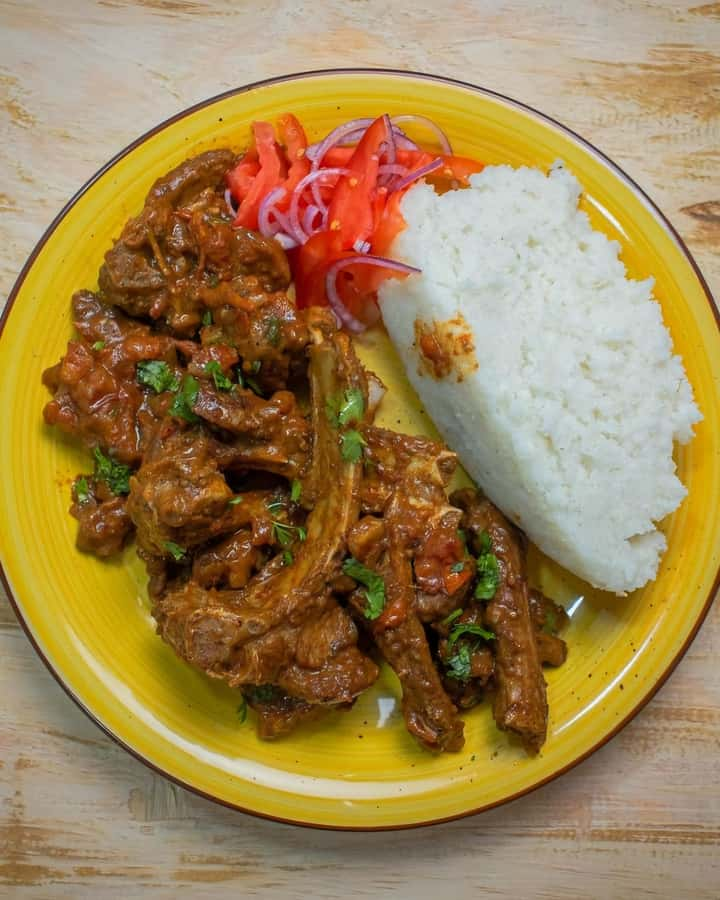
I like the mix of everyday food and city life, especially the chance to see how people eat, shop, and commute rather than simply sitting in a restaurant. I also like the range: samosas and mandazi in the morning, nyama choma with ugali and kachumbari later, and quick local snacks such as smocha and mayai pasua in between. The main consideration is cost clarity, since food and snacks consumed during the tour are listed as extra even though breakfast snacks and lunch appear among the inclusions. Ask exactly what your $55 covers before you set out.
Key points at a glance
- Small group of five: This is a good size for asking questions and moving through central Nairobi without a large crowd.
- A full Kenyan food sampler: Try samosas, mandazi, mitai, kaimati, boiled maize, smocha, mayai pasua, fruit, spices, fish, meat, chicken, ugali, and kachumbari.
- City life beyond the plate: The City Bus Station gives you a look at Nairobi’s daily commute and street rhythm.
- A historic final stop: Sarova Stanley, more than a century old, adds a useful slice of Nairobi and Kenyan hotel history.
- Plan to walk: Comfortable shoes, water, cash, and weather-ready clothing will make the three-and-a-half-hour outing easier.
- A guide who shapes the experience: Sharon is specifically named as the guide, and the strongest praise centers on her warmth, care, and friendly manner.
What your $55 buys in central Nairobi
At $55 per person, this is not just a meal with a short explanation attached. You are paying for about 210 minutes of guided time, several food stops, market exploration, city orientation, and a visit to one of Nairobi’s best-known old hotels.
The value depends on how much food is covered. The details list breakfast street snacks, a nyama choma lunch, food-market exploration, and a visit to Sarova Stanley as included. They also say that any food or snack consumed during the tour is not included. That wording is unclear, so I would ask the provider for a firm breakdown before booking. Bring cash either way, since market purchases and extra bites are part of the fun.
The group limit of five is a real advantage. You can ask about ingredients, cooking methods, or Nairobi customs without waiting for a large group to catch up. A small group also suits a food walk, where you may pause at stalls and counters rather than follow a strict sightseeing route.
The tour begins and ends at Nation Centre, a tall curved building with pillars at the entrance. The guide is identified by white trousers, which should make the meeting easier in a busy city center. Confirm the exact start time when you book, since several departure times may be available.
More city-side trips in Nairobi:
- Nairobi Historical Walking City Tour
★ 5.0 · 258 reviews - Nairobi Cultural and Historical City Tour with a Local
★ 5.0 · 67 reviews - Nairobi Walking Tour: Downtown & City Tour
★ 4.8 · 32 reviews
Starting with samosas, mandazi, and Kenyan breakfast bites
The first part of the morning introduces simple local favorites. Expect to sample items such as samosas, mandazi, mitai, kaimati, and boiled maize.
These foods give you a useful first lesson in Kenyan eating habits. A samosa is familiar to many people, but it takes on a different role when eaten as a quick city breakfast or snack. Mandazi, a lightly sweet fried bread, is another common morning choice. Mitai and kaimati add more fried treats to the table, while boiled maize brings a plain, filling option.
I like this start because it keeps the focus on ordinary food. You are not being served a formal tasting menu designed only for tourists. You are getting a chance to sample the kinds of quick bites that make sense in a working city.
The program allows three guided sections of about 30 minutes each, followed by 30 minutes of free time before returning to Nation Centre. The timing suggests a steady route rather than a long sit-down meal at every stop. If you enjoy eating slowly, taking notes, and photographing each dish, you may need to keep an eye on the clock.
Come hungry, but not so hungry that you rush the first stop. With several foods listed across the morning and lunch, small portions can add up.
A traditional lunch with nyama choma, ugali, and kachumbari
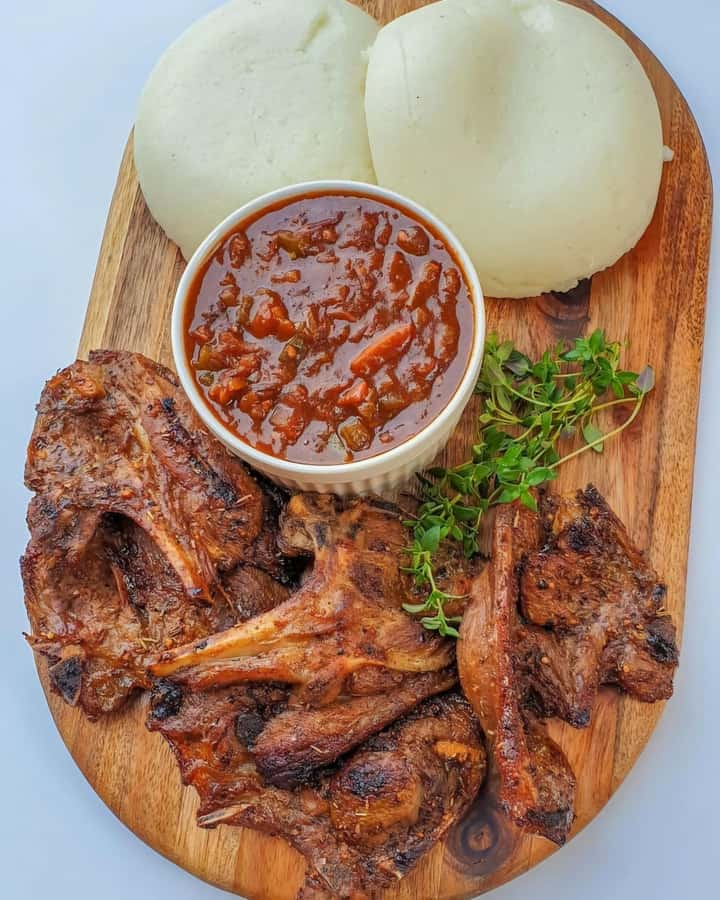
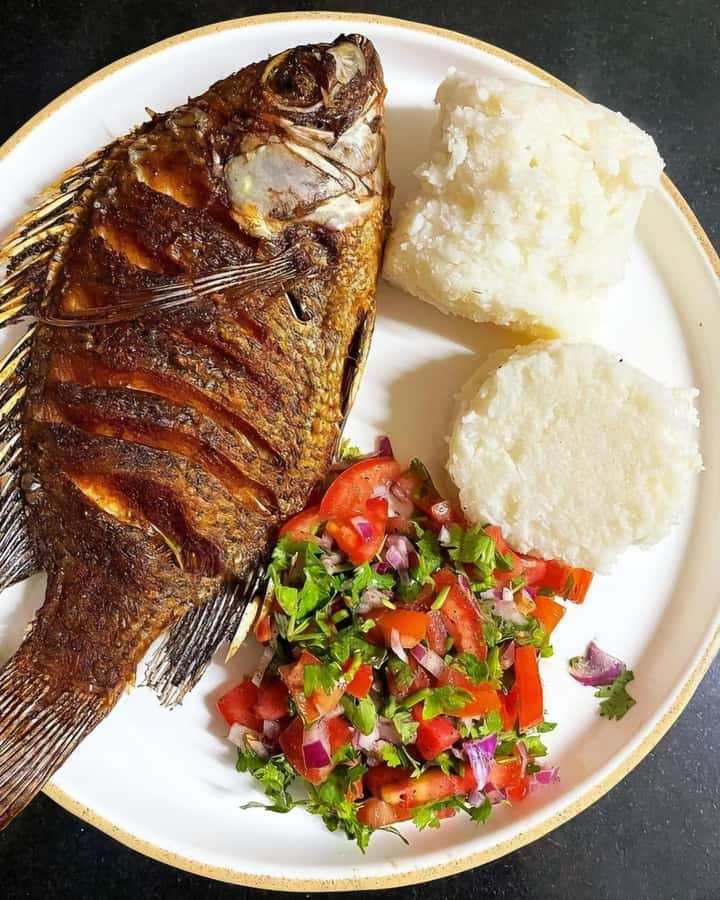
Lunch is built around traditionally prepared fish, meat, and chicken, with nyama choma also listed as part of the experience. Nyama choma means roasted meat and is a major part of social eating in Kenya. Here, it is paired with ugali and kachumbari.
Ugali is a firm maize-based staple, usually shaped into a portion that you can pinch and use to scoop food. Kachumbari is a fresh tomato and onion salad that brings a sharper, lighter contrast to roasted meat and the dense texture of ugali.
This is the point where the tour moves from tasting snacks to understanding a full meal. You get a better sense of how a Kenyan plate balances grilled or cooked protein, a filling starch, and fresh vegetables.
The description names fish, meat, and chicken, but it does not promise that every participant receives a full serving of all three. If you have dietary restrictions or strongly prefer one option, ask in advance. The supplied information does not provide vegetarian, vegan, halal, allergy, or substitution details.
The lunch is described as taking place at a local heritage restaurant. That gives the meal more setting and context than a quick street stop. At the same time, you should keep the food-cost wording in mind. Breakfast snacks and lunch appear in the listed inclusions, but food consumed during the tour is also excluded. Clarify whether the $55 covers set portions, guide services only, or selected tastings.
City Market, fresh produce, and the pleasure of browsing
The route then heads to City Market. This is where the tour broadens from prepared dishes to ingredients and shopping.
You can expect to see or sample fresh fruits, spices, and snacks. A market stop matters because it shows food before it reaches the plate. Fruit and spice displays also give you a chance to ask practical questions about what people buy, how ingredients are used, and which items make good souvenirs.
Carry cash for small purchases. The tour specifically recommends it, and it is useful if you want to buy an extra snack or market item beyond the food arranged by the guide. Keep your belongings close and be mindful of other shoppers, stalls, and narrow walking areas.
This is not presented as a dedicated shopping tour, so you should not expect a long buying session. The value is in seeing the food trade as part of city life. You get a short, guided look rather than a stand-alone market visit.
Same base, a completely different sort of day:
- Nairobi National Park Half-Day Tour; Free Wi-Fi connection
★ 5.0 · 878 reviews - Nairobi: National Park & Optional Elephants & Giraffe Center
★ 4.8 · 874 reviews - NAI NAMI: Nairobi Storytelling Tour with Street Children
★ 5.0 · 792 reviews - Nairobi National Park Half-Day Game Drive
★ 4.5 · 738 reviews
Smocha, mayai pasua, and the City Bus Station
The City Bus Station adds one of the more distinctive parts of the route. Here, you learn about Nairobi’s local commute system and the way daily movement shapes the city.
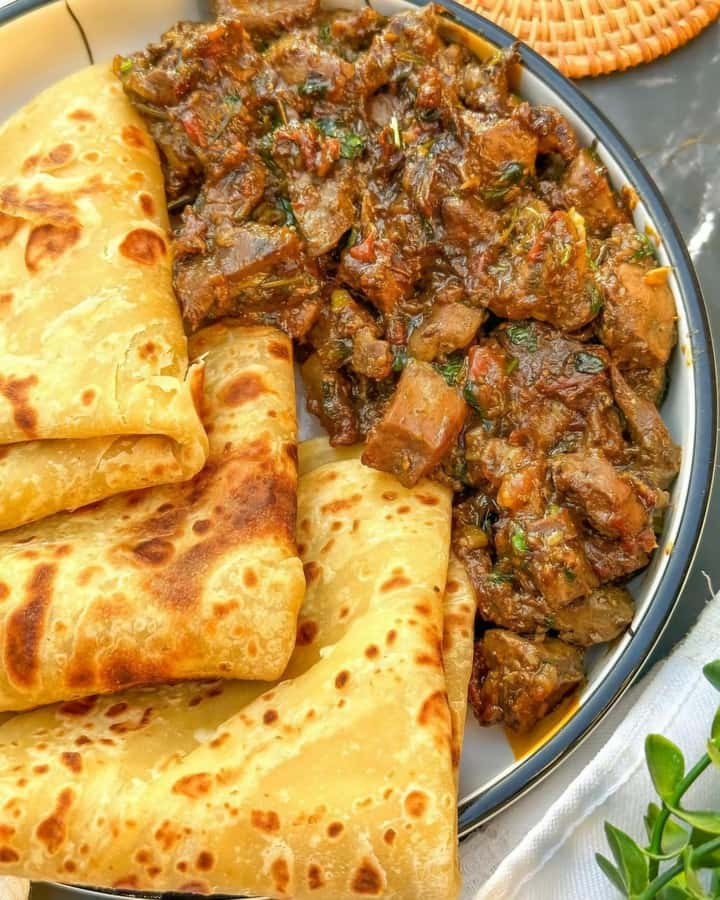
The food stop includes items such as smocha, mayai pasua, and uji power. Smocha is a street snack made with chapati and sausage, while mayai pasua refers to eggs that are split and served in a simple street-food style. Uji is a porridge, and the phrase uji power signals a hearty version meant to fuel a busy day.
These are useful foods to encounter because they connect eating with work and transport. People need quick, affordable meals while moving through the city, and bus stations often gather exactly that kind of food service.
The station may feel loud, crowded, and fast-moving. That is part of the point, but it can be tiring if you prefer quiet sightseeing. Watch your footing, follow Sharon’s directions, and do not wander away from the group while looking at stalls or vehicles.
You also get a chance to speak with vendors. Those brief exchanges can make the food more memorable, especially if you ask how a snack is prepared or when people usually eat it. The tour is conducted in English, so you can ask questions directly.
Ending at Sarova Stanley after more than a century
The final stop is Sarova Stanley, a legacy hotel more than 100 years old. Here you learn about Kenya’s past and the development of Nairobi’s hotel industry.
This gives the tour a welcome change of pace. After street snacks, market stalls, and the bus station, a historic hotel places the city’s food and travel culture in a wider setting. Hotels often reflect changing business, tourism, politics, and urban life, and the stop is meant to explain that connection.
The information provided does not promise an overnight-hotel tour, a meal at the hotel, or access to every room. Think of it as a history stop and a way to finish the route, not as a separate luxury hotel experience.
I like this ending because it avoids making the tour only about eating. You leave with some context about how Nairobi grew as a city and how hospitality became part of its identity. The contrast between street food and an old hotel also makes the half-day route feel varied.
How the timing works on a 210-minute walk
The total duration is 210 minutes, or three and a half hours. The schedule includes three guided sections of roughly 30 minutes each, 30 minutes of free time, and the route back to Nation Centre.
That is long enough to cover several food stops without taking over your day. You could fit it into a morning before another Nairobi activity, but food, walking, and city traffic can make the pace feel full.
There is no separate transport service described for the route. Since the tour includes City Market, the City Bus Station, and Sarova Stanley, prepare for walking through central Nairobi. Comfortable shoes are specifically recommended, and I would treat that advice as essential rather than optional.
Bring a water bottle, especially if the weather is warm. Wear clothing suited to changing conditions, and carry a camera if you want photographs of food, market colors, or architecture. Respect local customs, ask before photographing people, and avoid littering.
The tour is not suitable for children under 10. Baby strollers are not allowed, and smoking, alcohol in the vehicle, and bare feet are prohibited. The vehicle restriction is worth noting even though the route details focus on walking, since the rules still apply to the activity.
Sharon’s role and the feel of a five-person group
The guide named for this experience is Sharon. The strongest praise attached to the tour focuses on her warmth, friendliness, and attention to the people in her group.
One person described her as so welcoming that the time felt like being with an old friend. That person enjoyed the food tour enough to spend additional time with Sharon afterward, including playing pool. Another described her as pleasant and said the tour led to several good discoveries.
Those details matter because a food tour depends heavily on the guide. Sharon’s job is not only to point out dishes. She must help you navigate the city, explain the commute system, introduce foods in a clear way, and keep a small group comfortable around vendors and busy public spaces.
Still, a personal connection can never be guaranteed. Guides have different schedules and styles, and the experience may vary. What you can reasonably expect is an English-speaking guide, a group capped at five, and a route built around conversation and tasting rather than a large coach format.
Who should book this Nairobi food tour?
I would recommend it to you if you want a first look at Nairobi through food and daily life. It suits curious eaters who are happy to try several small portions and who enjoy moving between markets, public transport areas, restaurants, and historic buildings.
It is also a good fit if you want a compact introduction to central Nairobi. The route gives you food, shopping, commuting, and hotel history in one outing. That range can help you get your bearings early in a visit.
You may want a different activity if you need a quiet, slow meal, a fully planned culinary class, or guaranteed dietary substitutions. It may also be a poor match for anyone who dislikes fried snacks, grilled meat, crowded public areas, or walking in changeable weather.
Since children under 10 are not suitable for the tour, families with younger children should skip it. Older children may still need to be comfortable with the pace, the station environment, and unfamiliar foods.
Free cancellation is available up to 24 hours before the activity for a full refund, and you can reserve now and pay later. Those policies make the booking less rigid, but they do not remove the need to check the food-cost details.
Should you book it?
Book this tour if you want to taste ordinary Nairobi foods while also seeing how the city eats, shops, commutes, and welcomes visitors. The strongest reasons are the small group, the wide food range, Sharon’s friendly style, and the unusual combination of City Bus Station and Sarova Stanley.
Before paying, ask one clear question: which food portions are included in the $55, and which must you buy yourself? If you are comfortable carrying cash, walking for several hours, and trying foods you may not know, this is a useful and personable introduction to Nairobi. If you want a polished restaurant-only meal, choose something more focused.
FAQ
Where does the Nairobi food tour begin and end?
The tour begins and ends at Nation Centre in central Nairobi. The meeting point is described as a tall curved building with pillars at the entrance, and the guide wears white trousers.
How long does the tour last?
The activity lasts 210 minutes, or three and a half hours. The schedule includes several guided sections, free time, and the return to Nation Centre.
What foods can I try?
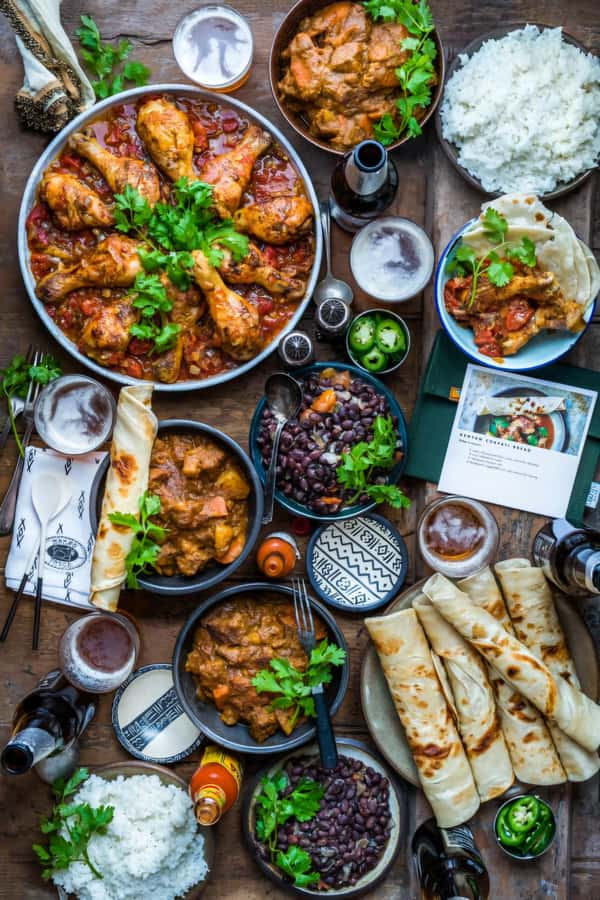
Foods listed include samosas, mandazi, mitai, kaimati, boiled maize, smocha, mayai pasua, uji power, fresh fruit, spices, fish, meat, chicken, nyama choma, ugali, and kachumbari.
Is lunch included in the price?
Nyama choma lunch and breakfast street snacks are listed among the inclusions, but the information also says that food or snacks consumed during the tour are not included. Confirm the exact food allowance with the provider before booking.
How large is the group?
The tour is limited to five participants, making it a small-group experience.
Who guides the tour, and what language is used?
The guide is Sharon, and the tour is conducted in English.
What should I bring?
Bring comfortable shoes, comfortable and weather-appropriate clothing, a camera, cash for small purchases, and a water bottle. Children under 10 are not suitable for this activity.
Just added around Nairobi
- Visit kibera Slum the chocolate city★ 4.8 · 3 reviews
- 3 days maasai mara migration safari★ 4.5 · 7 reviews
- 4 Days Tour Landcruiser in Masai Mara and Lake Nakuru★ 5.0 · 10 reviews
- 4 Days Safari to Lake Nakuru N/P and Maasai Mara N/R★ 5.0 · 18 reviews
- Maasai Mara Day Trip★ 5.0 · 15 reviews
- Day Tour to Nairobi national park, Elephants, and Giraffe Center★ 3.5 · 8 reviews
- Wildebeest Migration in Masai Mara and Sightseeing 4 Days Tour★ 4.5 · 6 reviews
- Vegans special safari★ 4.5 · 4 reviews
City Sightseeing Tours, compared.

Tusks, Fort Jesus, Old Town, Beach and City Tour
Read our review →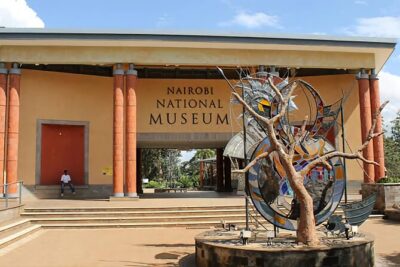
Nairobi Cultural and Historical City Tour with a Local
Read our review →
Private City Tour with Fort Jesus & Haller Park
Read our review →

Mombasa Half-Day City Tour with Fort Jesus and Haller Park
Read our review →Browse the lists this tour appears in