

Reviewed · CULTURAL VILLAGE VISITS
Visit Kibera The Largest Slum With a Local
Kibera is not a polished sightseeing stop. It is a living Nairobi community, and this three-hour walk lets you see its homes, markets, workshops, and daily routines with a guide who grew up there. Jack Williams leads the experience with a personal reason for doing it: part of the fee helps pay school costs and supplies for orphans and vulnerable children.
I like the low $10 price and the clear community purpose. I also like the way the walk moves beyond a quick roadside photo, taking you into a craft center, an open-air market, a local home, and a café where you can eat or have tea. The main consideration is that Kibera is a poor neighborhood, not a staged attraction, so you need to come with respect, patience, and a willingness to see difficult living conditions.
Key points to know before you go
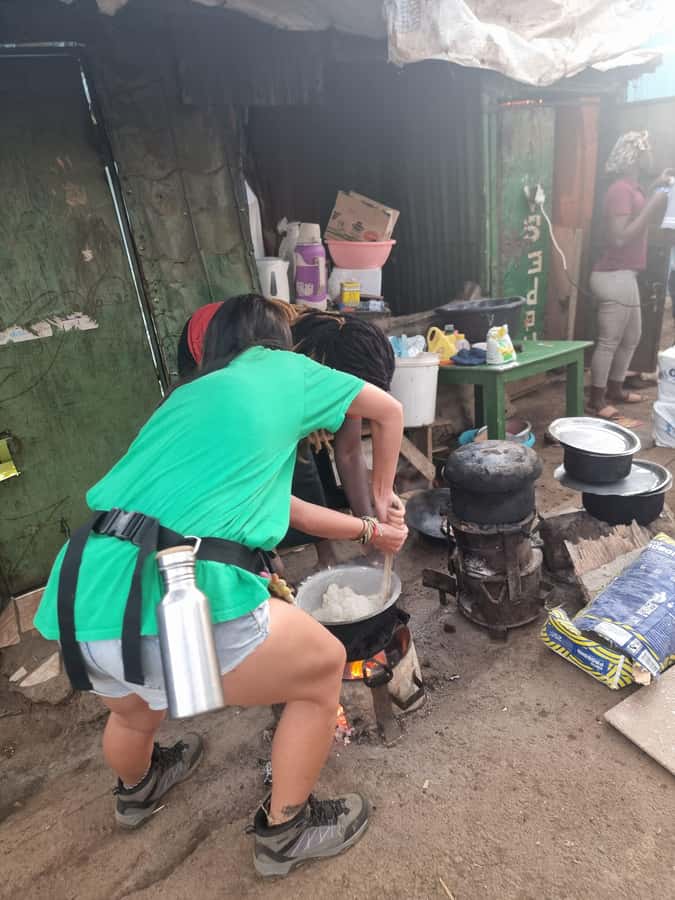
- Jack and his team grew up in Kibera: You are accompanied by local guides with a personal understanding of the community.
- Five stops give the walk structure: The route includes an office briefing, craft center, open-air market, home visit, and cafeteria.
- Half of the fee returns to the community: The money supports school fees and supplies for orphans and vulnerable children.
- Local life is part of the experience: You can shop for second-hand goods, bargain with a guide, taste street food, and have tea with mechanics.
- The meeting point is easy to find: Meet in front of Java House inside Prestige Plaza Shopping Mall on Ngong Road.
- Plan for three hours: Transportation is not included, but the guide brings you back to Prestige Plaza after the walk.
Why this Kibera walk feels different
Many city tours keep you at a distance from the place they describe. This one is designed to put the community at the center. You begin at the guide’s office, hear how the walk will work, and then move through parts of Kibera that are connected to daily life rather than built for sightseeing.
That difference matters. You are not simply looking at crowded streets from a vehicle. You are walking, stopping, asking questions, meeting people, and seeing how residents make a living. The experience can feel more direct and more demanding than a standard Nairobi city tour, but that is also its value.
Jack’s background gives the experience a personal focus. He lost both parents at age nine and later became a social entrepreneur, social worker, and volunteer. His work with OAC Kenya and KCOOP centers on education for children who need support. The stated arrangement sends 50 percent of the booking fee back into the community, helping with school fees and school supplies.
At $10 per person, the price is unusually modest for a private-feeling, three-hour guided experience. You should not confuse the low price with a short or thin program. The purpose is partly social, and the guide’s time is included throughout the walk.
Other cultural visits around Nairobi:
- Nairobi: Explore Kibera Slum with Local Guides
★ 4.9 · 365 reviews - Nairobi: Day Tour to Amboseli National Park & Maasai Village
★ 4.5 · 310 reviews - Masai village Day Tour Experience
★ 5.0 · 284 reviews
Starting at Prestige Plaza on Ngong Road
You meet in front of Java House inside Prestige Plaza Shopping Mall. This gives you a clear indoor landmark and a sensible place to get oriented before entering Kibera.
The first stop is the local office. Jack welcomes you there, introduces the team, and explains the route and expectations. The office is described as safe and clean, which can help you settle in before the more intense parts of the visit.
Use this briefing to ask questions early. You can also explain what interests you most, since the team says the experience can be adjusted to suit your interests. If you care most about crafts, community projects, food, or everyday work, say so at the start.
Transportation is not included. You need to make your own way to Prestige Plaza, and the activity returns you to the same shopping mall at the end. One useful detail from the experience is that the guide remains with you for the full visit, including the return to the meeting point.
The craft center and Kibera’s practical creativity
The craft center shows how local workers turn discarded materials into jewelry and other handmade goods. This stop gives you a closer look at work that can be easy to miss when you only walk past shops and market stalls.
The focus is on recycling and making a product that can be sold. That makes the stop more useful than a simple souvenir shop visit. You get to see the process and understand how small-scale craft work fits into household income.
If you want to buy something, this is a good place to ask questions about how it was made and who benefits from the sale. The supplied information also encourages you to shop at local markets and bargain with your guide so you pay a local price. Bargaining should be friendly and fair, not an attempt to force the lowest possible cost from someone’s work.
This is also one of the easier parts of the walk for visitors who prefer a clear activity. You have a chance to focus on objects, materials, and skilled work before moving deeper into the residential and market areas.
The open-air market and everyday shopping

The market stop shows where local residents buy second-hand goods. It gives you a practical view of household shopping, rather than a display arranged for outsiders.
You may see people comparing prices, searching for useful items, and making small purchases that fit their budgets. The market is also where the tour’s advice about bargaining becomes relevant. Your guide can help you understand the local price and the proper way to negotiate.
Do not expect a quiet market visit. An open-air market is a working place, so your attention should stay on people moving around you and on the guide’s instructions. Keep your belongings secure and ask before taking photographs, especially when people are close by.
The market also helps correct an easy misconception about Kibera. The community is not defined only by poverty. People shop, work, repair, sell, create, and raise families there. Seeing those ordinary activities makes the visit more grounded.
Same base, a completely different sort of day:
- Nairobi National Park Half-Day Tour; Free Wi-Fi connection
★ 5.0 · 878 reviews - Nairobi: National Park & Optional Elephants & Giraffe Center
★ 4.8 · 874 reviews - NAI NAMI: Nairobi Storytelling Tour with Street Children
★ 5.0 · 792 reviews - Nairobi National Park Half-Day Game Drive
★ 4.5 · 738 reviews
A home visit that needs sensitivity

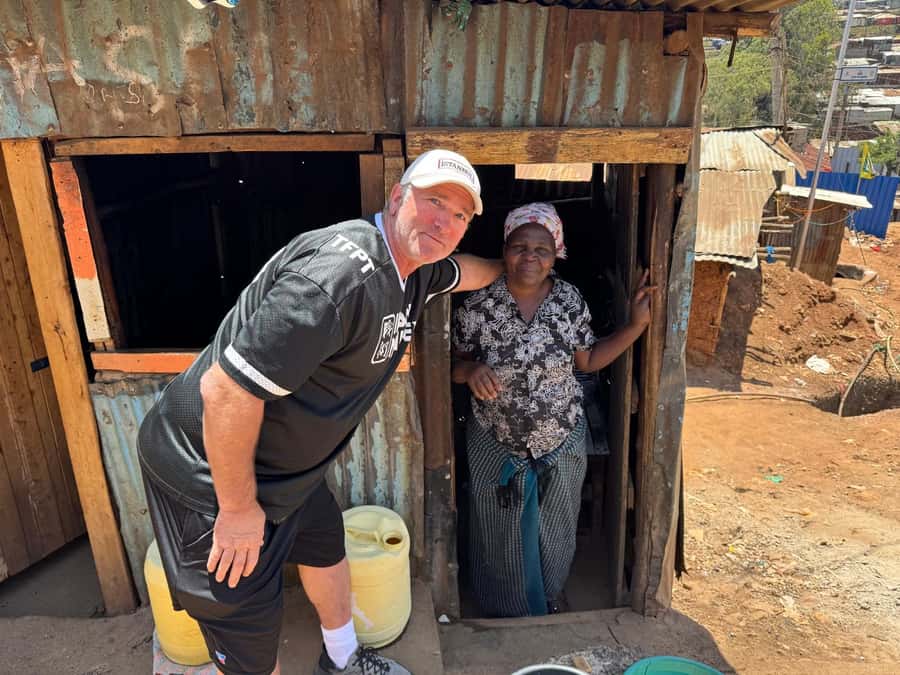
The home visit is likely to be the most personal stop. You are welcomed inside one home to see the living conditions for yourself.
This can help you understand the limits of space and resources in a way that an explanation on the street cannot. It is also the point where good manners matter most. You are entering someone’s private space, so listen carefully, avoid treating the home as a photo set, and follow the guide’s direction about photography and conversation.
The home visit may feel uncomfortable. That is not necessarily a flaw. You are being asked to look at real housing conditions, not a comfortable version prepared for tourists. Still, the experience should be approached as a meeting with people, not as a chance to collect images of hardship.
Jack’s own childhood helps explain why this stop has emotional weight. He grew up in Kibera and became interested in supporting children after losing his parents. You may find that the home visit brings the social purpose of the walk into sharper focus, particularly when connected with the education work funded by the booking fee.
Food, tea, and conversation with local workers

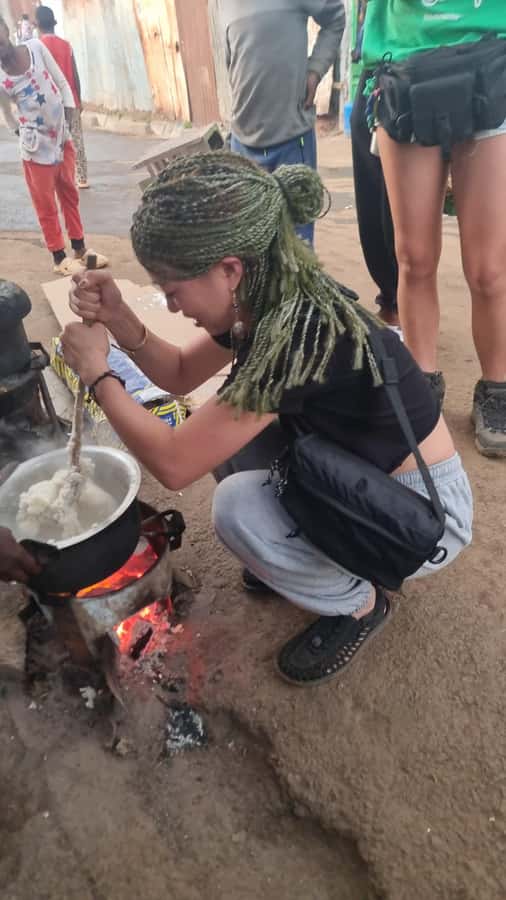
The final stop is a cafeteria, where you can take a short rest, have soft drinks or local food, and continue talking about life in Kibera. The experience also includes the chance to eat street food and have tea with mechanics.
This is one of my favorite elements on paper because food and conversation can make a place easier to understand. You are not only hearing about work and family life in abstract terms. You are sharing a simple pause in the same kind of setting used by local people.
Food choices are not described in detail, so you should ask what is available before ordering. The tour refers to local food, street food, soft drinks, and tea, but it does not promise a particular dish or include the food in the $10 price. Treat the tasting as an opportunity, not a guaranteed meal.
Having tea with mechanics adds a useful work-life detail. You get a glimpse of people earning a living, taking a break, and talking during the day. That kind of encounter can be more memorable than a formal speech because it shows an ordinary part of the neighborhood.
Safety, comfort, and the right mindset

Safety is a common concern when booking a walk through a large informal settlement. Jack stays with you throughout, and the experience returns you to the meeting point. The available information describes the visit as safe, while direct feedback also highlights the guide’s care and the friendliness of local people.
That does not mean you should switch off common sense. Stay with the guide, listen during the briefing, and avoid wandering away from the group. Ask before taking pictures of people or homes. Dress for walking, keep valuables secure, and bring water if you normally need it during a three-hour outing.
The experience is listed as wheelchair accessible, but the supplied details do not explain the exact ground conditions at every stop. If you use a wheelchair, contact the provider in advance to discuss the market, home, craft center, and walking route. This is especially sensible because the activity takes place in a working community rather than a purpose-built attraction.
The walk may be emotionally heavy. You will see poverty and limited living conditions, and you may meet children who are curious and cheerful. The children encountered during the experience are described as joyous, but you should not treat them as entertainment or assume that every child wants a photograph.
What the $10 price really covers
The $10 cost is the strongest practical reason to consider this experience. Comparable private city walks can cost much more, while this one gives you a local guide for three hours and includes several distinct stops.
The value is not measured by admission tickets or grand monuments. You are paying for local time, explanation, access arranged through community connections, and a chance to support education work. Half of the booking fee goes back to the community, with the stated aim of helping orphans and vulnerable children pay school fees and receive school supplies.
Transportation and personal purchases are not included. You may also want money for crafts, market goods, food, tea, or drinks. Bring small amounts if you plan to shop, but do not feel pressure to buy anything.
The low price should not lead you to expect a luxury tour. The office is described as clean and safe, but the route itself takes place in a poor neighborhood. Its value comes from the people and access, not from comfort or polished facilities.
Who will get the most from this experience

I would recommend this walk to you if you want a direct look at how people live and work in Nairobi and are ready to listen rather than simply take pictures. It suits curious visitors who want local conversation, practical context, and a community connection.
It is also a good choice if you want your money to serve a clear local purpose. Jack’s work with OAC Kenya and KCOOP gives the booking a social aim, and the education support is specific rather than vague.
You may prefer another activity if you want a relaxed sightseeing walk with monuments, museums, or carefully controlled conditions. This is not a typical city highlights tour. It can be confronting, and the home visit in particular requires maturity and respect.
English is the tour language. The activity lasts three hours and is open to most ages, with the stated restriction that it is not suitable for people over 95. The team of four guides gives the provider some flexibility, and the experience can be tailored to your interests.
Should you book the Kibera walk with Jack?
Book it if you want to meet Nairobi through local people, not just through landmarks. Jack’s personal connection to Kibera, his work with vulnerable children, and the clear return of half the fee to community support make this a strong choice for a low-cost, purposeful outing.
Go with the right expectations. You will see hardship, walk through a working neighborhood, and need to behave as a respectful visitor in homes, markets, and public spaces. If you can do that, the craft center, home visit, market, tea, and conversations with local workers offer a fuller picture of Kibera than a quick drive past ever could.
FAQ
Where does the Kibera experience begin?
Meet in front of Java House inside Prestige Plaza Shopping Mall on Ngong Road in Nairobi.
How long does the experience last?
The guided visit lasts three hours and returns to Prestige Plaza Shopping Mall.
Is transportation included?
No. Transportation to and from the meeting point is not included.
What stops are included?
The experience includes the local office, a crafts center, an open-air market, a home visit, and a cafeteria.
Does the booking fee support the community?
Yes. Fifty percent of the booking fee helps pay school fees and buy school supplies for orphans and vulnerable children in the community.
What language is the tour conducted in?
The live guided experience is conducted in English.
Just added around Nairobi
- Nairobi: Horseback Riding Tour Through Maize Plantation★ 5.0 · 3 reviews
- Nairobi: Kibera Slum Compassionate Walking Tour★ 5.0 · 4 reviews
- Nairobi: Karura Forest Guided Walking Tour★ 5.0 · 4 reviews
- From Nairobi: Horseback Wildlife Safari with Transfer & Meal★ 4.6 · 7 reviews
- Nairobi: Hidden Gems and Local Secret Guided Walking Tour★ 4.9 · 20 reviews
- Nairobi: Hop on Hop off and Maasai market Collections Visit★ 3.5 · 10 reviews
- Nairobi: Karura Forest Horseback Riding Tour★ 4.8 · 11 reviews
- Nairobi: Guided Afternoon Tour to Bomas of Kenya.★ 3.1 · 4 reviews
Cultural Village Visits, compared.


Day Tour to Amboseli National Park & Maasai Village
Read our review →



Kibera Slum Tour with Local Social Entrepreneurs
Read our review →

Giraffe Centre, Elephant Orphanage, and Bomas of Kenya Day Tour from Nairobi
Read our review →Browse the lists this tour appears in