
Reviewed · WALKING TOURS
Nairobi Downtown Walking Tour
Nairobi’s downtown is best understood on foot, and this tour puts you right into its daily rhythm. You move from Simba Street and Kimathi Street to markets, mosques, churches, government buildings, and the city’s famous rooftop view, with a local guide explaining what you are seeing along the way. The city itself is the attraction.
I like the small, personal feel and the chance to see working markets rather than only polished tourist sights. I also like the guides’ habit of slowing down for questions, photos, and souvenir stops. The main drawback is that this is an outdoor walk through a busy city centre, so heat, rain, crowds, and uneven access may affect your comfort.
Key points to know before you book

- A real CBD introduction: See Nairobi’s streets, markets, religious buildings, government areas, and everyday city life in one 150-minute walk.
- Local guides make the difference: David, William, Daniel, Ibrahim, Eric, and other guides are praised for clear explanations, patience, and careful escorting.
- Two useful market stops: Maasai Market is aimed at souvenirs and crafts, while City Market serves local shopping for flowers and meat.
- KICC costs extra: Entry to the rooftop is not included and costs $4 per person.
- Hotel pickup is included: Pickup is available from hotels and apartments in Nairobi, but return transport is not included.
- Come light and ready to walk: Wear comfortable shoes, carry a hat and sunglasses in hot weather, and bring a raincoat during the wet season.
Why Nairobi’s downtown works best with a guide
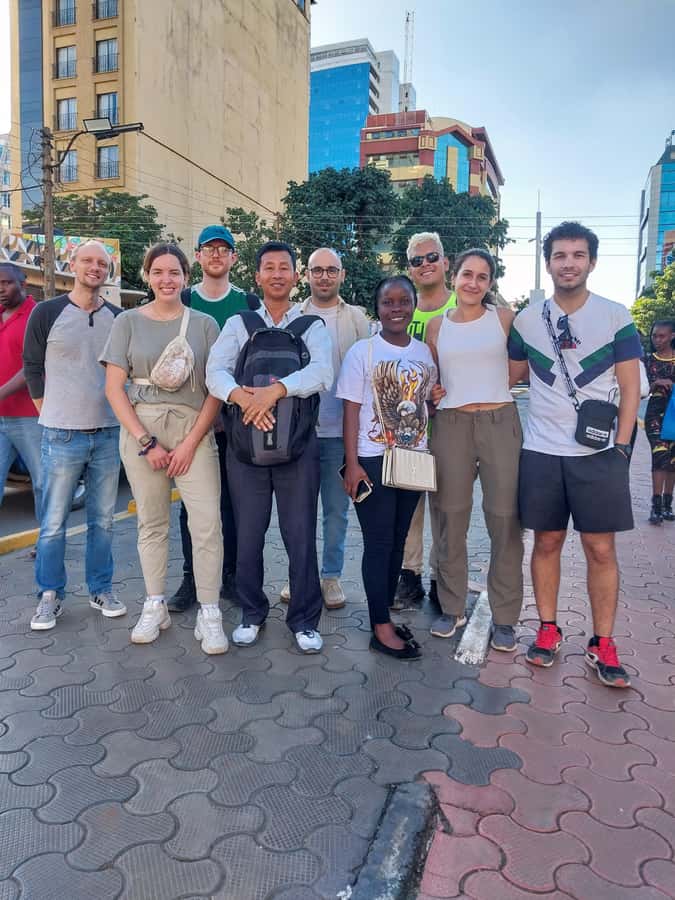
Nairobi’s central district can feel confusing on a first visit. Streets change character quickly, from office blocks and formal government buildings to market stalls, matatus, churches, mosques, and narrow pedestrian passages. A guide gives you context while helping you move through the area with confidence.
This is not a tour built around one grand monument. It is a look at how the centre functions. You hear about matatu culture, street selling, religion, city customs, and the people who work in the markets. That makes the walk useful if you want more than a quick photograph of Nairobi’s skyline.
The strongest part of the experience is the guide’s role. David is repeatedly praised for his stories and careful pace. William is noted for explaining history clearly and answering questions. Daniel is often described as patient and helpful, including when visitors wanted to shop after the formal route. Ibrahim is praised for guiding people safely and explaining both past events and present-day Nairobi.
The 4.7 rating from 208 reviews suggests a reliably good experience, but you should still understand the format. This is a city walk, not a luxury sightseeing bus. You will be outside for most of the 150 minutes, and the tour may feel lively, crowded, or tiring depending on the day.
More walking routes in Nairobi:
- Nairobi: Historic and Modern Highlights Walking Tour
★ 4.8 · 703 reviews - Nairobi City Walking Tour with Traditional Kenyan Lunch
★ 5.0 · 106 reviews - Nairobi Walking Tour: Downtown & City Tour
★ 4.8 · 32 reviews
Starting on Simba Street and Kimathi Street
Pickup is included from a Nairobi hotel or apartment. You receive vehicle details before pickup, which is useful in a city where finding the right car can otherwise waste time. The tour begins in the central area around Simba Street, with a short safety briefing before you set off.
Kimathi Street provides an early photo stop and a chance to see the city centre in motion. Your guide can begin placing Nairobi’s streets into a wider story here, explaining buildings, public spaces, and the city’s changing character. I would use this opening stretch to ask practical questions about where to walk, how matatus work, and which areas you may want to revisit later.
The pace matters. Several visitors specifically appreciated guides who walked slowly and allowed time for pictures. That makes this suitable for solo visitors, families with older children, and anyone who prefers conversation over a rushed checklist.
McMillan Memorial Library and Nairobi’s older buildings

The visit to McMillan Memorial Library is included, making it one of the more substantial stops rather than a quick pass-by. The library gives the tour a pause from street activity and lets the guide talk about Nairobi’s earlier architectural and civic life.
You also pass the Nation Media Group headquarters, one of the city’s notable modern institutions. This contrast is useful: the route does not present Nairobi as only old buildings or only a modern business district. You see working offices, civic landmarks, and older public buildings in a fairly compact area.
The guide is central here. Names such as David, William, and Daniel appear often in connection with detailed explanations of Nairobi’s past. If historical context is important to you, ask questions as you go. The walk is designed to be conversational, and guides have been praised for checking answers or following up when they do not know something immediately.
Jamia Mosque and the city’s religious mix
Jamia Mosque is a pass-by stop, not a listed interior visit. Even so, it helps show the range of religious and cultural spaces in central Nairobi. Later, you pass the Cathedral Basilica of the Holy Family, giving you another view of the city’s religious life.
This portion is brief, but it adds balance to the tour. Nairobi’s centre is not just offices, shops, and traffic. Religious buildings sit close to commercial streets and government areas, and your guide explains how those parts of city life fit together.
Do not expect long visits at every landmark. The route covers many places in a limited time, so some stops are for photos and explanation from the street. That is a fair trade if your aim is to get your bearings and understand the city’s mix of institutions.
Same base, a completely different sort of day:
- Nairobi National Park Half-Day Tour; Free Wi-Fi connection
★ 5.0 · 878 reviews - Nairobi: National Park & Optional Elephants & Giraffe Center
★ 4.8 · 874 reviews - NAI NAMI: Nairobi Storytelling Tour with Street Children
★ 5.0 · 792 reviews - Nairobi National Park Half-Day Game Drive
★ 4.5 · 738 reviews
Maasai Market: souvenirs with a local setting
Maasai Market is one of the tour’s practical highlights. It is a place where local people and visitors shop for souvenirs, and the guide gives you time to look around. You can expect the market to be more useful if you are interested in browsing crafts and small gifts rather than simply observing from outside.
A guide can also help you understand the setting and keep the shopping stop from becoming awkward. Several guests appreciated being allowed to pause for souvenirs, and Daniel was singled out for going beyond the planned walk to help with purchases.
You should still shop thoughtfully. The tour information does not promise fixed prices, special discounts, or a private shopping arrangement. Treat the stop as an opportunity to browse, ask questions, and decide for yourself what you want to buy.
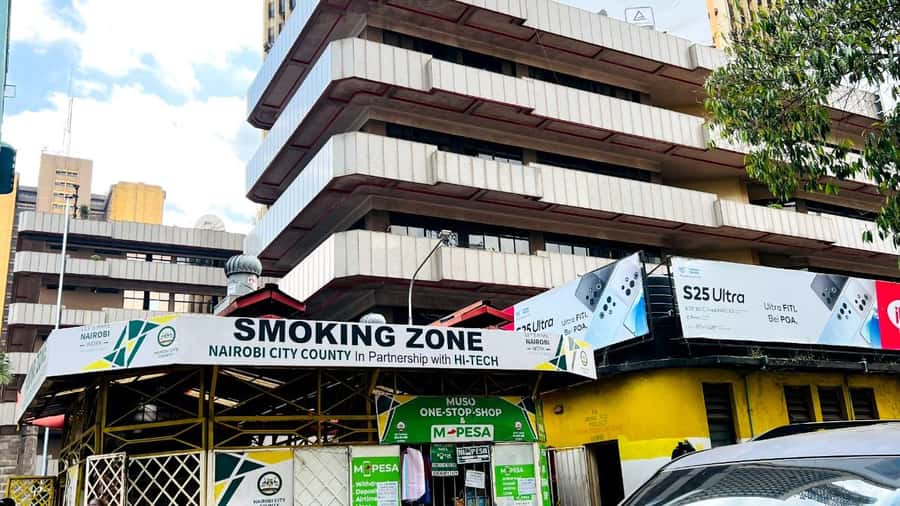
Smoking Zone and the less polished side of the CBD
The stop at Smoking Zone gives you a glimpse of an everyday part of central Nairobi that many sightseeing routes would skip. The name points to a designated area in the city, and the walk here is about observing how public spaces are used.
This is where the tour feels most like a street-level introduction rather than a standard monument circuit. You may see a less polished, more practical side of the CBD, with your guide explaining local routines and city culture. The route also includes scenic views along the way, though the experience is not focused on one continuous panorama.
For visitors who want a tidy, controlled sightseeing experience, this part may feel rough around the edges. For me, that is also the value. You are seeing how the city operates, not just how it presents itself in official photographs.
Parliament, the cathedral, and government Nairobi
The route passes the Cathedral Basilica of the Holy Family before reaching the Parliament of Kenya. These are sightseeing stops from outside, so do not book this tour expecting a full parliamentary visit or extended interior access.
The government area gives the walk a more formal tone. Your guide can connect the streets and buildings to Kenya’s national institutions and explain why this part of Nairobi matters. This is one of the moments when a local guide adds far more than a map would.
Keep your camera use sensible around government buildings and follow your guide’s instructions. The supplied information does not promise entry to Parliament, so think of this as an exterior orientation with historical and civic context.
KICC rooftop and the $4 view
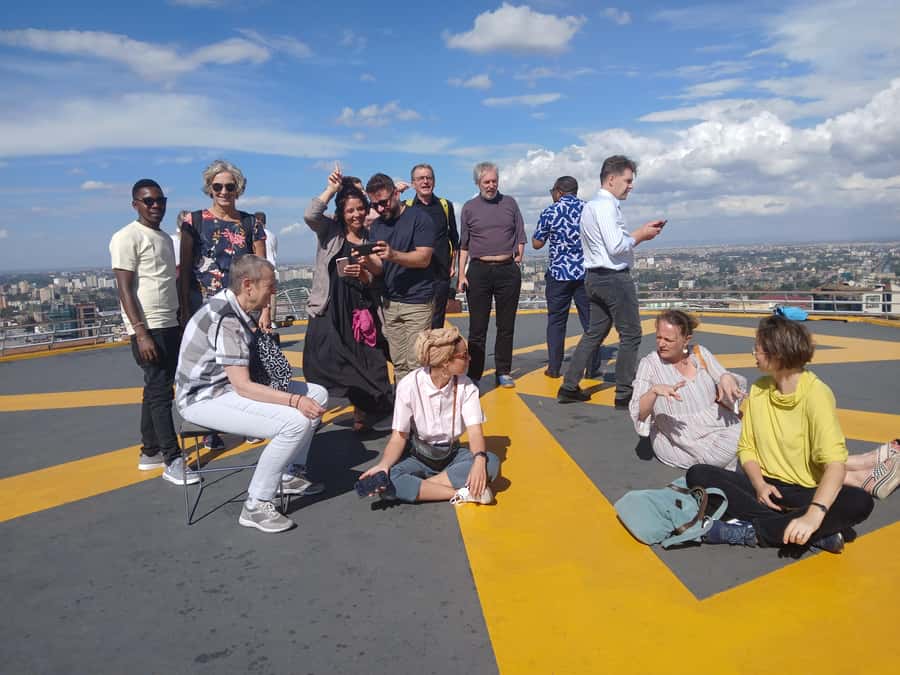
KICC is the main optional-cost stop. You can visit the rooftop and take in a high view over Nairobi, but entrance costs $4 per person and is not included in the $27 tour price.
That extra charge is worth considering when you compare the total cost. At $27, the tour already includes hotel pickup and the McMillan Memorial Library visit, but the rooftop adds a small separate fee. If you want a city view and a strong photo stop, carry the extra $4. One visitor described the sky view as a highlight, and the rooftop gives the walking route a welcome change of pace.
The wording around the itinerary includes both visit and pass-by language, so confirm current rooftop access and timing when booking. The tour can show you the building, but the actual rooftop entry is the part that costs extra.
City Market and the end of the walk
City Market provides a useful contrast with Maasai Market. Maasai Market is associated with souvenirs and crafts, while City Market is where locals shop for flowers and meat. That difference helps you see the city as a place of work and daily shopping, not only a destination for visitors.
The route ends with a short walk of about 10 minutes and a break at City Walk Kenya near the Hilton. This gives you a natural chance to sit down, collect yourself, and decide what to do next.
Return transport is not included. Some guides have helped arrange a taxi or Uber after the walk, but that is assistance rather than a guaranteed part of the booking. I would plan your onward ride before the tour ends, especially if you have a flight, a timed reservation, or luggage waiting elsewhere.
What the $27 price really covers
The $27 price is reasonable if you value interpretation, hotel pickup, and a route that combines markets with major city landmarks. You are paying for access to a local perspective and for help navigating a downtown area that can be hard to understand on your own.
The price is less attractive if you only want quick photographs of the main buildings. Several stops are pass-bys, and KICC entry costs an additional $4. You also need to arrange your own return transport.
The 150-minute duration is well judged for a first look at the CBD. It is long enough to cover a lot of ground but short enough to fit into a free morning or afternoon. The tour can also suit someone with a Nairobi stopover, provided your pickup, walking time, and return plans leave enough margin.
Who will enjoy this Nairobi walk most
I would choose this for a first visit, a solo trip, or a short stay when you want an introduction to central Nairobi without trying to plan every street yourself. It also suits families with children who can manage a city walk. One family with a nine-year-old felt well looked after, and another family with children aged 10 and 14 enjoyed the route.
Solo women may appreciate the arranged pickup and the fact that guides are present throughout the walk. Several people specifically praised the careful pace and sense of safety. Still, use normal city awareness, keep valuables discreet, and follow your guide’s advice.
This is not suitable for wheelchair users or people with hearing impairments, according to the activity information. It is also a poor fit if you dislike walking, markets, city noise, or outdoor weather.
Practical tips for a better experience
Wear comfortable shoes. High heels are not allowed, and luggage or large bags should not be brought on the walk.
Carry sunglasses and a hat during hot seasons. A raincoat is sensible in rainy weather because the tour takes place outdoors.
Leave jewelry at your accommodation and do not bring alcohol or drugs. Keep your bag small and easy to manage in crowded streets.
Ask for the pickup vehicle details before leaving your hotel. You can also confirm the guide’s name and the meeting point when your booking is accepted. Guides named David, William, Daniel, Ibrahim, Eric, Mwaniki, and others lead this experience, so the exact person may vary.
The tour is offered in English and Spanish. If you want the Spanish option, request or confirm it before the day of the walk.
Free cancellation is available up to 24 hours before the start time, and you can reserve now and pay later. Those terms are useful if your Nairobi plans may change.
Should you book the Nairobi Downtown Walking Tour?
Book it if you want to understand Nairobi through its streets, markets, people, and public buildings rather than from a vehicle window. The best reasons are the local guides, the steady pace, the included hotel pickup, and the mix of famous sights with ordinary city spaces.
Skip it if you need wheelchair access, cannot walk outdoors for two and a half hours, or want every landmark visited inside. Also budget for the $4 KICC entry and your return ride.
For most first-time visitors, this is a useful value at $27. You get a compact, human-scale introduction to the CBD and a guide who can help you see connections that are easy to miss alone.
FAQ
How long does the Nairobi Downtown Walking Tour last?
The tour lasts 150 minutes, or two and a half hours.
How much does the tour cost?
The listed price is $27 per person.
Is hotel pickup included?
Yes. Pickup is included from any hotel or apartment in Nairobi. Vehicle details are sent before pickup.
Is return transportation included?
No. Drop-off at your hotel is not included. A guide may help arrange a taxi or Uber, but you should plan your own return ride.
Is KICC rooftop entry included?
No. KICC entry costs $4 per person and is paid separately.
What languages are available?
The tour is offered in English and Spanish.
What should I bring?
Bring comfortable shoes. Sunglasses and a hat are useful in hot weather, and a raincoat is recommended during the rainy season.
Is the tour suitable for wheelchair users?
No. The activity is not suitable for wheelchair users or people with hearing impairments.
Just added around Nairobi
- Nairobi: Horseback Riding Tour Through Maize Plantation★ 5.0 · 3 reviews
- Nairobi: Kibera Slum Compassionate Walking Tour★ 5.0 · 4 reviews
- Nairobi: Karura Forest Guided Walking Tour★ 5.0 · 4 reviews
- From Nairobi: Horseback Wildlife Safari with Transfer & Meal★ 4.6 · 7 reviews
- Nairobi: Hidden Gems and Local Secret Guided Walking Tour★ 4.9 · 20 reviews
- Nairobi: Hop on Hop off and Maasai market Collections Visit★ 3.5 · 10 reviews
- Nairobi: Karura Forest Horseback Riding Tour★ 4.8 · 11 reviews
- Nairobi: Guided Afternoon Tour to Bomas of Kenya.★ 3.1 · 4 reviews
Walking Tours, compared.
Walking Tour Through Old Town Mombasa and Fort Jesus
Read our review →
Nairobi City Walking Tour with Traditional Kenyan Lunch
Read our review →



Browse the lists this tour appears in