
Reviewed · WALKING TOURS
Lamu Old Town Walking Tour
Lamu Old Town is best understood on foot, one narrow lane at a time. This tour leads you through coral-stone houses and carved wooden doors, then connects the buildings to Swahili culture, Oman’s influence, British rule, local crafts, and daily life by the sea.
I like that the guide, Kassim, does more than point out monuments. He can help you find local food, places to stay, souvenirs, sailing trips, fishing tours, and the route to Takwa Ruins. I also like the close look at wood carving, silversmithing, and weaving, where the town’s traditions are still tied to working hands.
The main drawback is that the $20 fee covers the guide only. Entry to Lamu Fort and the museums costs extra, and the tour involves walking through narrow streets for about two hours, with no promise of a leisurely pace or much shade.
Key points before you book

- Kassim is the guide to know: His friendly, helpful approach includes practical advice on food, souvenirs, shortcuts, activities, and places to stay.
- The tour covers Lamu’s essential sights: Expect Lamu Fort, Lamu Museum, the market, town square, seafront, German post office, Swahili House Museum, craft shops, and the donkey sanctuary.
- You see working traditions up close: Wood carving, silversmithing, weaving, and Swahili music are part of the walk.
- The price is guide service, not an all-inclusive ticket: Museum and fort admission are not included.
- The group can reach 15 people: That is small enough for a personal feel, though narrow lanes may still make it harder to stay close to the guide.
- Plan around weather and timing: The tour requires good weather, and the stated operating schedule is Monday through Wednesday, 8:00 a.m. to 5:00 p.m.
Starting at Lamu Town Square
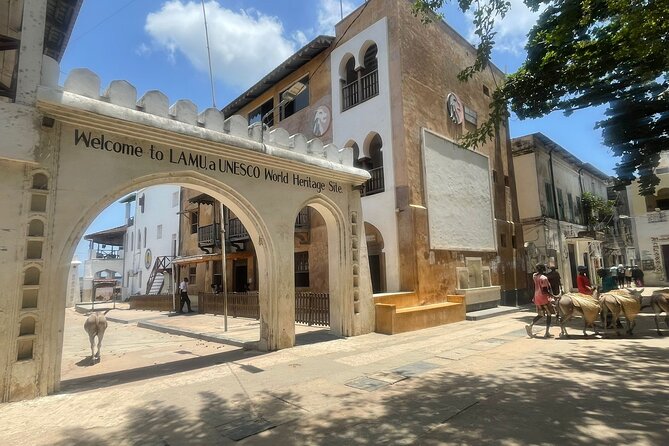
The meeting point is Lamu Town Square, listed at location code PWJ2+FWW in Lamu. The tour ends back at the same meeting point, which makes it easy to continue exploring on foot afterward.
That start point suits the tour. Lamu Old Town is not a place you understand by passing through in a vehicle. Its streets, corners, workshops, and facades reward a slow walk. You will be moving through the town rather than viewing it from a distance.
The tour lasts about two to three hours, with the main walking portion described as two hours. That is enough time to get your bearings and see the major sights, but it is not a full-day study of Lamu. I would treat it as a strong introduction, then return to the places that catch your attention.
Because the group may include up to 15 people, ask where to meet and how to identify the guide when you book. The supplied details name Kassim as the guide associated with the experience, and the strongest praise focuses on his willingness to help beyond the formal route.
More walking routes in Kenya:
- Nairobi: Historic and Modern Highlights Walking Tour
★ 4.8 · 703 reviews - Walking Tour Through Old Town Mombasa and Fort Jesus
★ 5.0 · 393 reviews - Nairobi Walking tour:Explore History Culture and Traditions
★ 4.8 · 222 reviews
Narrow streets, carved doors, and coral houses
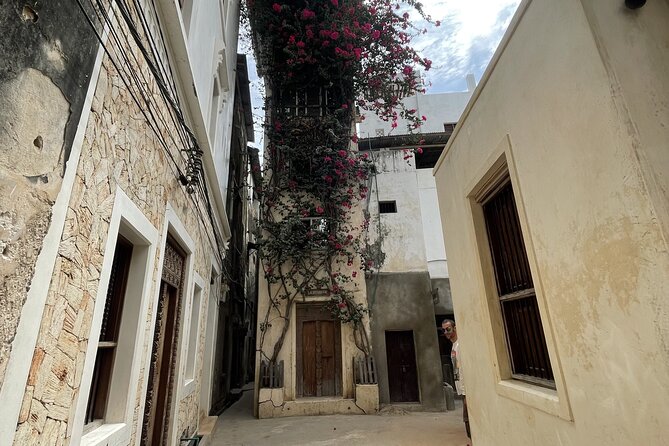
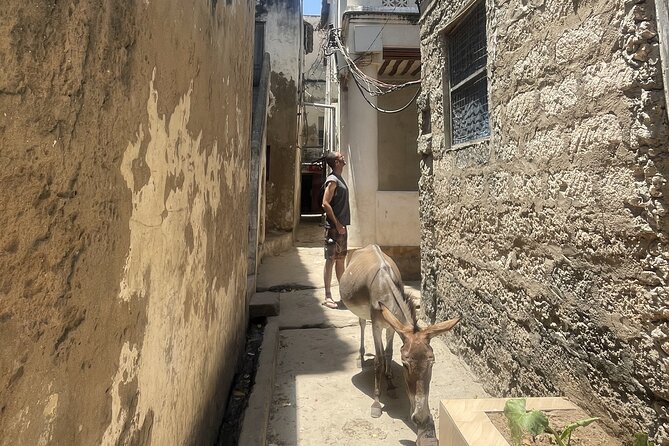
The first pleasure of this walk is simply looking around. Lamu’s older buildings use coral stone, and many doors carry detailed wood carving. These are not isolated museum pieces. They are part of the streets you are walking through.
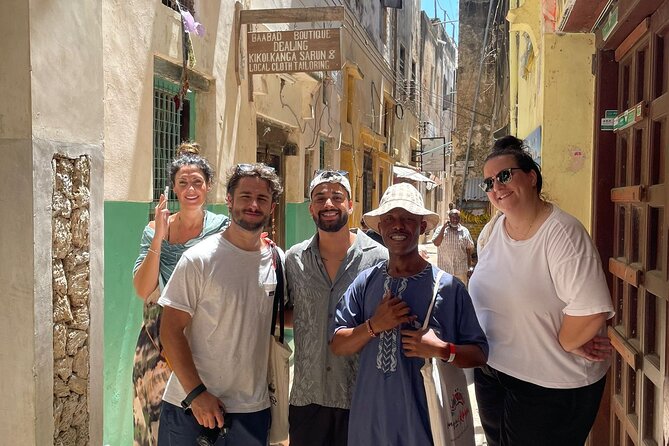
A good guide gives those details meaning. Kassim explains the town’s Swahili culture and the mix of influences that shaped Lamu. You will hear about Oman, British rule, local customs, music, and the practical life of a coastal town.
The narrow streets also make a walking guide useful. A map can show you where Lamu Fort is, but it cannot easily explain the small turns, workshop fronts, and less obvious corners along the way. Kassim is specifically praised for helping with shortcuts and showing places that are useful after the tour ends.
Do not expect every building to be open or every stop to include a long interior visit. The route passes many sights, while entrance fees for the fort and museums are separate. If a museum interior matters to you, ask the guide how much time the group will have and pay the admission directly.
Lamu Fort and the story of changing rulers
Lamu Fort is one of the most important stops on the walk. Its story links the town to the Omani sultanate and later to British colonial rule.
The fort first served as a palace for the Oman king. Under British control, it became the headquarters of the Imperial British East African Company. It was later converted into a museum. That sequence gives you a useful way to read the building: it was not created for one fixed purpose, but adapted as political control changed.
Outside the museum are cannons associated with attacks on the sultanate at Witu. These details make the fort more than an old stone structure. You get a compact lesson in power, trade, colonial administration, and conflict along the coast.
Admission is not included, so budget a little extra if you want to enter. The tour price remains reasonable at $20, but the value depends on what you want. If you only need an orientation and exterior views, the guide fee is straightforward. If you plan to enter both the fort and museum, your final cost will be higher.
Lamu Museum and the former royal palace
The museum adds another layer to Lamu’s past. Its building once served the Oman king as a palace, then became a British headquarters, and later took on its museum role.
That history gives the building unusual weight. You are not just walking into a collection housed in a convenient modern space. The structure itself is part of the story.
The museum is one of the places where a guide can help connect objects, architecture, and local history. Still, the museum entrance is not part of the $20 fee. If you are interested in the interior, confirm the current admission charge locally because no amount is provided here.
The route also includes the Swahili House Museum, noted for its distinctive architecture. The supplied details do not promise an interior visit at every museum, so think of this stop as both an architectural sight and a possible museum visit, depending on timing and admission.
Same base, a completely different sort of day:
- Nairobi National Park Half-Day Tour; Free Wi-Fi connection
★ 5.0 · 878 reviews - Nairobi: National Park & Optional Elephants & Giraffe Center
★ 4.8 · 874 reviews - NAI NAMI: Nairobi Storytelling Tour with Street Children
★ 5.0 · 792 reviews - Nairobi National Park Half-Day Game Drive
★ 4.5 · 738 reviews
Lamu Market and the town square
Lamu Market gives the walk a more everyday focus. You can see where local buying and selling takes place, rather than viewing the town only through monuments and old houses.
The market is also a practical stop for anyone planning to stay in Lamu. The guide can suggest local places to eat and help you understand where to look for Swahili cuisine. That advice may be one of the most useful parts of the tour, especially if you want something more local than a standard hotel meal.
The town square provides a clear meeting and orientation point. Since the tour begins and ends there, you can return later if you want to explore the market again or use the square to organize the rest of your day.
Keep in mind that markets are working places. The tour description does not promise shopping time, fixed product stops, or specific purchases. You can ask Kassim where to buy souvenirs, an area where his practical help receives particular praise, but you should not assume that buying anything is part of the tour.
Workshops for wood carving, silver, and weaving

The craft stops give this walk its strongest connection to living local culture. You may see wood carving, silversmithing, and weaving, along with other local products.
Wood carving is especially important because carved doors are one of Lamu’s visual signatures. Seeing a working shop helps you understand the skill behind those designs. Instead of treating the doors as decoration alone, you can connect them to a craft tradition that remains part of the town.
The silversmith shops offer a different view of local work. The tour also mentions weaving and wave knitting, giving you a wider look at handmade production. The information does not specify exactly which items will be available on a given day, so consider these as planned areas of interest rather than guaranteed demonstrations.
Kassim can also help with souvenir choices. That matters because a guide who knows the local shops may save you time and point you toward products made in Lamu rather than generic goods. Keep your buying decisions separate from the tour fee, and ask before taking photographs inside working shops.
Swahili music and the Lamu seafront
The walk includes a chance to hear traditional Swahili music and spend time along the Lamu seafront. These stops shift the focus from buildings to sound, movement, and the town’s relationship with the water.
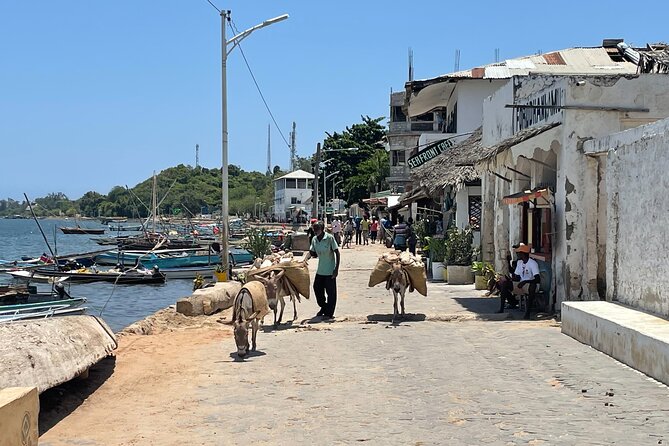
The seafront is a good counterpoint to the tight lanes. After walking among coral walls and carved doors, you get a more open view and a sense of how important the coast is to Lamu’s identity.
The tour provider can also suggest sailing and fishing tours. This is useful if you want to build a fuller Lamu visit around the walking tour. The guide can explain activity options and how to reach Takwa Ruins, but those trips are not included in the $20 price.
You should also ask about timing if the seafront is a priority. The total tour is only about two hours, and the route includes many stops. A short look may be all that fits unless the group moves quickly or the guide adjusts the walk.
The donkey sanctuary and daily life

The donkey sanctuary is another unusual stop. Donkeys are part of Lamu’s daily transport story, and the sanctuary gives you a chance to see an aspect of local life that a standard architectural tour might skip.
This stop helps keep the walk grounded. Lamu is not only palaces, forts, museums, and handsome doors. It is also a working town with animals, shops, markets, and residents moving through the same streets.
The tour description does not give details about the sanctuary’s facilities, animal-care work, or visiting rules. You should therefore treat it as a brief stop along the route rather than a separate sanctuary program.
What the $20 price really buys
At $20 per person, this is a fairly modest price for a private-service-style introduction to Lamu, especially because the route covers many different parts of town. You are paying for an English-speaking guide and local orientation, not transport, meals, or museum admission.
The value is strongest if you want context and practical help. Kassim can recommend local restaurants, Swahili food, accommodation, souvenirs, sailing, fishing, and Takwa Ruins. That advice can help you plan the rest of your stay, which adds value beyond the formal two-hour walk.
The price is less attractive if you want a slow, detailed museum tour with all entry fees included. Since the fort and museum admission are extra, set aside additional money if you intend to go inside.
The maximum group size is 15. That is not a private tour, but it is still limited enough for a guide to manage. If you want to ask many questions or spend longer at craft shops, a smaller group would be more comfortable. The available information does not state that a private option is offered.
Who will enjoy this walk most
I would choose this tour for a first visit to Lamu, especially if you want a clear introduction before exploring alone. It suits you if you enjoy architecture, local crafts, history, markets, and practical recommendations in one compact outing.
It is also a good fit if you want help deciding what to do next. Advice on food, lodging, sailing, fishing, and Takwa Ruins can save you from spending your first day sorting out basic choices.
You may want something else if your main goal is a long museum visit, a food tour, or an extended craft workshop. Those interests may appear during the walk, but they are not the sole focus.
Most people can participate, and service animals are allowed. The tour is near public transportation, though the supplied details do not specify routes or fares. Since weather matters and poor conditions can lead to a new date or a full refund, check the forecast and cancellation terms before setting out. You can cancel for a full refund up to 24 hours before the start time, but changes or cancellations inside that window are not refunded.
Should you book the Lamu Old Town walk?
Book it if you want an affordable introduction to Lamu with a guide who offers more than a list of dates and names. Kassim’s practical help with shortcuts, souvenirs, local food, accommodation, and later activities is a real reason to choose this walk.
The tour is strongest as an orientation. You will see the major sights, learn how Lamu’s Omani and British chapters shaped the town, and get close to local craft work. Just remember that museum and fort entry cost extra, the walk is not designed as a full-day program, and the stated schedule is Monday through Wednesday from 8:00 a.m. to 5:00 p.m.
For a first look at Lamu Old Town, the $20 price is sensible. I would book it early, since it is commonly reserved about 17 days ahead, then use the guide’s recommendations to shape the rest of your time on the island.
FAQ
How long does the Lamu Old Town Walking Tour last?
The tour lasts about two to three hours. The main walking portion is listed as two hours.
Where does the tour begin and end?
It begins at Lamu Town Square, listed at PWJ2+FWW, Lamu, Kenya. The activity ends back at the meeting point.
Is museum and fort admission included?
No. Entrance fees for Lamu Fort and the museums are not included in the tour price.
What is included in the $20 price?
The price includes a tour guide for the duration of the tour. It does not include museum or fort entrance fees.
What sights are included along the route?
The route includes Lamu Market, Lamu Town Square, Lamu Fort, Lamu Museum, the donkey sanctuary, the seafront, local wood carving and silversmith shops, weaving, the German post office, and the Swahili House Museum.
Can I cancel for a full refund?
Yes. You can cancel at least 24 hours before the experience start time for a full refund. Cancellations or changes made within 24 hours are not refunded, and poor weather may result in a different date or a full refund.
Just added around Kenya
- Nairobi: Chocolate City Kibera Slum Walking Tour★ 4.9 · 13 reviews
- Nairobi City Orientation Guided Tour with Lunch at Carnivore★ 4.6 · 20 reviews
- Nairobi city walking and historical tour★ 5.0 · 11 reviews
- Nairobi: National Park, Elephant Sanctuary, & Giraffe Center★ 4.2 · 10 reviews
- Nairobi: Elephant Orphanage, Beads Factory , giraffe center★ 4.5 · 8 reviews
- Nairobi: Beads Factory Tour with Pickup & Coffee★ 5.0 · 7 reviews
- Nairobi: 3-Day Maasai Mara Group Tour with 4X4 Jeep Safari★ 3.0 · 5 reviews
- Nairobi: 5 Days Maasai Mara, Nakuru & Naivasha Tour★ 3.3 · 9 reviews
Walking Tours, compared.


Walking Tour Through Old Town Mombasa and Fort Jesus
Read our review →
Nairobi City Walking Tour with Traditional Kenyan Lunch
Read our review →




Browse the lists this tour appears in