

Reviewed · WALKING TOURS
Nairobi: Hidden Gems and Local Secret Guided Walking Tour
Nairobi reveals itself quickly on foot. In 150 minutes, this tour moves from grand colonial-era buildings and government offices to markets, religious landmarks, matatu stages, and ordinary city streets. I like the mix of major sights and daily life, especially Gikomba and Muthurwa markets, where Nairobi feels less polished and more real. I also like that guides such as Daniel, Ibrahim, Williams, and Ezequiel bring in current affairs and local traditions, not just dates and names.
The main consideration is pace. The route covers a long list of stops, so several are short photo stops or exterior visits rather than full museum tours. Nairobi traffic, crowds, heat, and street activity can also make listening harder at times, and you will want comfortable shoes, water, and sun protection.
Key points to know before you go

- A fast introduction to central Nairobi: Cover Parliament, KICC, Uhuru Park, City Market, Jamia Mosque, and major civic buildings in one walk.
- Markets are the most local part: See the produce trade at Muthurwa and second-hand clothing activity associated with Gikomba.
- Guides add real context: Daniel, Ibrahim, Williams, and Ezequiel are praised for clear explanations, stories, and language skills.
- Expect a city walk, not a museum tour: Most stops last between five and 15 minutes, with some focused on photographs and outside views.
- Languages are flexible: Live guiding is offered in English, Spanish, and Swahili, though you should confirm your language when booking.
- Good value at $27: The price works well if you want a broad first look at Nairobi without arranging several separate visits.
Starting with Nairobi’s central story
The tour begins with a short safety briefing through City Walk Kenya LTD near the Hilton. This matters in Nairobi. You are not simply wandering from one attraction to the next, and a quick explanation of how to move through the central district helps you settle in.
Your guide then places the city in time, from the pre-colonial period through colonial rule and into independent Kenya. That framing gives the later stops more meaning. A government building, railway site, hotel, or market is not treated as an isolated photo opportunity. Each fits into the story of how Nairobi grew from a railway settlement into Kenya’s political and commercial center.
I especially value this opening because Nairobi can feel confusing on a first visit. The city has many layers, and the tour gives you a basic map of its people, institutions, traditions, and public spaces. Guides have also discussed present-day Nairobi and current affairs, which helps connect the historic buildings with the city you see around them.
More walking routes in Nairobi:
- Nairobi: Historic and Modern Highlights Walking Tour
★ 4.8 · 703 reviews - Nairobi Downtown Walking Tour
★ 4.7 · 208 reviews - Nairobi City Walking Tour with Traditional Kenyan Lunch
★ 5.0 · 106 reviews
Nation Centre, Sarova Stanley, and McMillan Library
The first sightseeing stops include Nation Centre and the Sarova Stanley hotel. Nation Centre gives you a look at one of the city’s best-known commercial and media landmarks, while the Sarova Stanley offers a brief look at Nairobi’s established hotel tradition.
You will not spend long at either location. The listed timing gives about 10 minutes at Nation Centre and five minutes at Sarova Stanley, so think of these as orientation points rather than formal hotel or building tours. Still, they help you see the contrast between modern business Nairobi and the older central district.
McMillan Memorial Library receives more time, about 15 minutes. This is one of the more distinctive stops because it connects the city’s literary and colonial-era past with the busy streets outside. The route includes scenic views along the way, so you get some breathing room between the close-together buildings.
Bring a phone or camera if you enjoy architecture. The guide may provide the most useful details, but the library also works as a visual pause before the tour becomes more focused on government, religion, shopping, and transport.
Nyayo House and Nairobi’s civic center

Nyayo House is a historical building with much to discuss, and the tour allows about 10 minutes there. Your guide can explain why the building matters and how it fits into Kenya’s modern political story.
The Nairobi Governor’s Office follows with a 10-minute visit and photo stop. These buildings are useful for understanding how county and national government operate in the capital. You will mostly be viewing the buildings and hearing explanations, not entering offices or sitting down for a formal civic presentation.
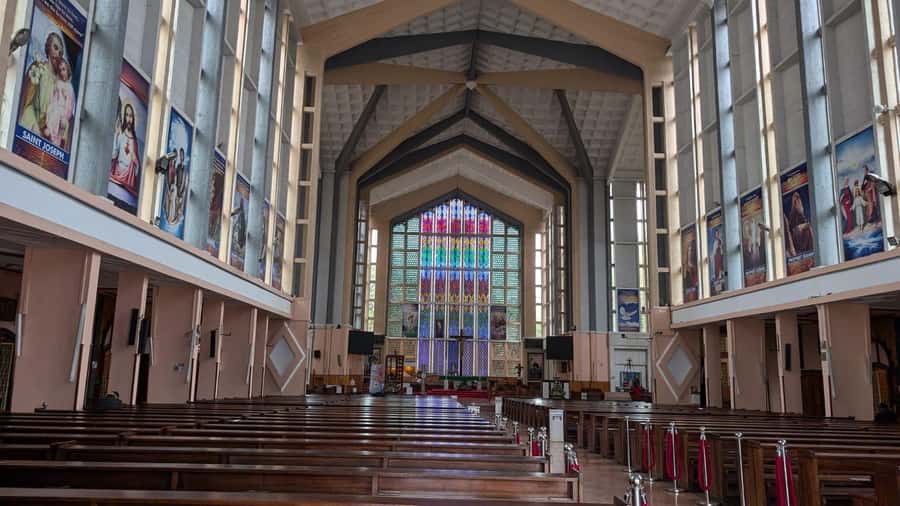
The Holy Family Basilica provides a change of mood. The stop lasts about 15 minutes and includes photographs and a visit. Its position near Nairobi’s civic center lets you see how religious life and government activity share the same central district.
I like this section because the walk does not present Nairobi as only a collection of old buildings. It shows power, faith, administration, and public space sitting close together. Your guide can also explain different Kenyan cultures and traditions, which is useful when you want more than a simple architectural tour.
Uhuru Park, KICC, and Parliament

Uhuru Park is one of the main landmarks associated with the tour. The park gives you a break from dense streets and offers a sense of Nairobi’s public life. The route description includes it among the important sights, although the detailed stop list does not assign a separate duration, so confirm how much time your group will spend there.
Kenyatta International Convention Centre is another major photo stop. Its tower is one of Nairobi’s most recognizable features, and the visit gives you a clear visual reference for the central business district. The tour includes sightseeing and photographs, but it does not promise a trip to the observation deck or a special interior visit.
The Kenya Parliament Building follows, with about 15 minutes for a visit and sightseeing. This is one of the more important stops for anyone interested in Kenya’s government and post-independence development. Your guide can explain the building’s role and answer questions about the country’s political structure.
Do not expect a long parliamentary tour. The schedule is tight, and access to government buildings can be controlled. Treat this as a guided look at an important national institution, with the value coming mainly from the explanation and the setting.
A few more things to do around Nairobi worth a look
- Nairobi National Park 5-hour Guided Game Drive Free Pick up
★ 4.5 · 367 reviews - Nairobi National Park Full or Half-Day Tour with Guide
★ 4.7 · 217 reviews - 3 Days Maasai Mara Guided Safari from Nairobi
★ 4.5 · 195 reviews - Half Day Guided Tour in Nairobi National Park With 4*4 Vehicle
★ 4.5 · 178 reviews
Kipande House, the GPO, and a slice of old Nairobi
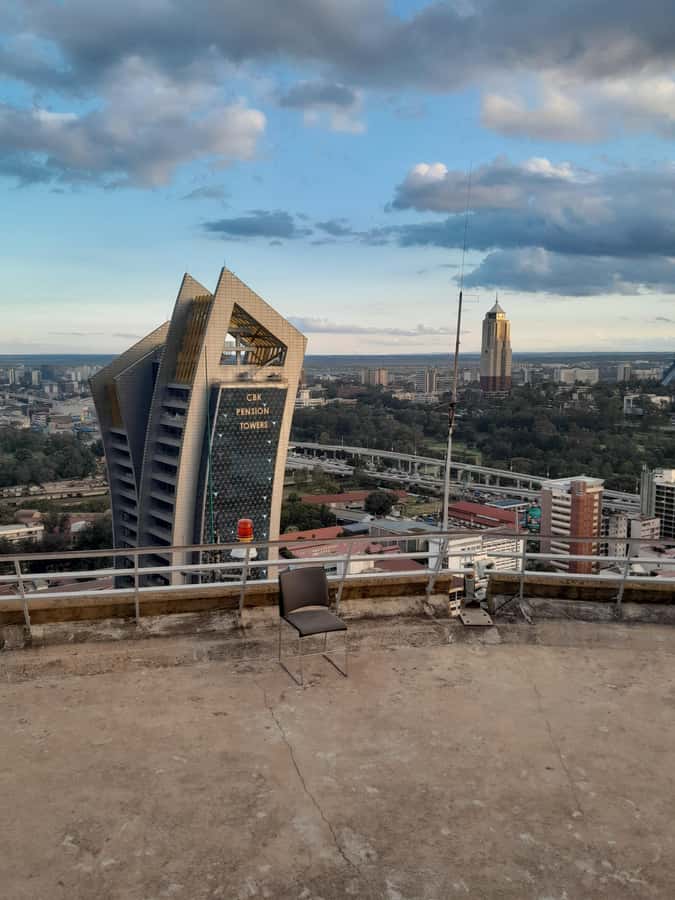
Kipande House receives about 10 minutes of sightseeing. Its inclusion adds another piece to the city’s colonial and administrative past. The guide’s explanation is important here because the building may mean little if you see it without context.
A short stop at the Smoking Zone follows. It may sound unusual on paper, but it gives you a glimpse of how people use small urban spaces within the central district. The stop lasts around five minutes, so it is more about seeing the street as it functions than visiting an attraction.
The General Post Office branch is another brief stop, with roughly five minutes for a visit and sightseeing. Together, these locations show the practical side of Nairobi: offices, postal services, public gathering points, and older commercial structures.
This section is not likely to be the visual highlight for everyone. I would value it most if you enjoy city history and the ordinary details that explain how a capital works. If you prefer major monuments only, the short stops may feel less important.
Markets: City Market, Muthurwa, and Gikomba

The market section is where the tour moves closest to everyday commerce. City Market includes a photo stop, sightseeing, shopping, and walking, with about 15 minutes listed. You may see food, goods, vendors, and the constant movement of central Nairobi.
Muthurwa Market is described as a major grocery hub. It gives you a look at the flow of produce and food trading in the city. Gikomba is known for second-hand clothing and is described as the largest market of its kind in the area. These markets are valuable because they show Nairobi through work and trade rather than official monuments.
The timing is the main limitation. Fifteen minutes is enough for an introduction, but not enough for a slow shopping trip or a detailed market study. Keep your belongings secure, stay close to the guide, and avoid stopping suddenly in busy walkways. You may also want to ask before taking photographs, particularly of individual sellers.
The market visits can be lively and crowded. That is part of their appeal, but it can also be tiring. If children asking for money approach you, the experience may become uncomfortable. One guide has been praised for stepping in when this became disruptive, so a good guide can make a real difference here.
Jamia Mosque and Nairobi’s varied cultures
Jamia Mosque is a 10-minute sightseeing and photo stop. It adds a religious and cultural perspective to a route otherwise heavy on government buildings, hotels, and commercial sites.
Your guide can explain how different communities and traditions shape Nairobi. The tour specifically addresses the city’s population, originality, cultures, and customs, so you should have room to ask about daily life, language, religion, and local identity.
This is also a stop where respectful behavior matters. Dress comfortably but appropriately, follow the guide’s instructions, and do not assume that every interior area is open to visitors. The activity describes a photo stop and sightseeing visit, not a guaranteed extended religious tour.
Matatu culture and the wider route

The tour also includes Nairobi’s matatu culture at Nyamakima Matatu Stage. Matatus are an important part of city transport and public life, and the stage gives you a closer look at that energy. You may hear the guide explain how these vehicles fit into Nairobi’s daily routines and urban identity.
The broader description also names the Nairobi Railway Museum, Electricity House, and Jivanjee Garden. These are not given separate timings in the detailed stop list, so ask your guide whether they are included on your departure’s exact route. The same applies to some of the wider references to Gikomba and Muthurwa, which may receive a brief look rather than a long visit.
That is not necessarily a problem. The tour is designed as a broad city introduction, not a deep visit to every site. Still, knowing this helps you set the right expectation. You will see many places, hear a great deal, and likely leave with a list of sites to revisit at a slower pace.
Guide quality and language options

The human guide is the most important part of this experience. Daniel is praised for clear and engaging explanations, particularly around Nairobi’s past. Ibrahim has helped visitors understand local culture and traditions, and has also assisted with arranging an Uber back to a hotel after the walk.
Williams is known for telling strong city stories, while Ezequiel has been specifically praised for his Spanish. One Spanish-language booking, however, ended up with an English-speaking guide who worked hard to make the tour function. If Spanish is essential for you, confirm the assigned guide before setting out.
The activity offers live guiding in English, Spanish, and Swahili. Guides have also been described as friendly and willing to answer questions. I would use the walk to ask about the things you cannot learn from a guidebook: how Nairobi’s neighborhoods differ, how markets operate, what the matatu system means to residents, and how the city’s communities shape its character.
Is $27 a fair price?
At $27 per person, this is a sensible price for a guided 150-minute introduction to central Nairobi. You are paying for a local guide, a planned route, historical and cultural explanation, and access to a broad collection of landmarks without arranging each stop yourself.
The value is strongest if you are new to Nairobi, have an afternoon between flights, or want a useful orientation before spending more time in the city. One booking was used to fill free time before a return flight, which is a practical use of the tour.
The value is weaker if you want long interior visits, museum time, or a relaxed shopping session. Meals, drinks, and transport to and from the starting point are not included. Pickup or meeting arrangements can be made from Nairobi, Embakasi, Parklands, Westlands, or Kilimani, but the details should be confirmed. You are asked to wait at the entrance of your hotel or chosen meeting point, and the driver will provide the vehicle plate and color before meeting you.
Comfort, safety, and practical planning
Wear shoes that can handle a long city walk. The route covers many stops, and even short walks between buildings add up. Water and sun protection are specifically recommended, and I would take both seriously.
The activity is wheelchair accessible, but the route includes markets, sidewalks, public streets, and crowded areas. Ask about the exact route and street conditions if you need detailed mobility planning.
Allow extra attention around crowded market areas and matatu stages. Stay with the guide, keep your valuables secure, and listen during the safety briefing. If you want to shop, keep it brief unless the guide confirms there is time.
Free cancellation is available up to 24 hours before the activity for a full refund, and you can reserve now and pay later. Those policies are useful if your Nairobi plans may change.
Who should book this Nairobi walk?
I would choose this tour if you want a first look at Nairobi that combines famous landmarks with markets, transport culture, public institutions, and local stories. It is especially useful for first-time visitors, short-stay visitors, and anyone who wants to understand the city before exploring it independently.
I would be more cautious if your priority is a slow architectural tour, a long market visit, or a formal museum experience. The pace is brisk, and the route can only give you a taste of several places.
Book it if you value explanation and variety. Skip it if you already know central Nairobi well or want to spend the whole afternoon in one museum or market. At $27, it is a practical way to get your bearings, learn how the city fits together, and decide which places deserve a second visit.
FAQ
How long does the Nairobi walking tour last?
The tour lasts 150 minutes, or two and a half hours.
How much does the tour cost?
The listed price is $27 per person.
Which languages are available?
Live guiding is offered in English, Spanish, and Swahili. If you need a particular language, confirm it when booking.
What landmarks does the tour visit?
The route includes Nation Centre, Sarova Stanley, McMillan Memorial Library, Nyayo House, the Nairobi Governor’s Office, Holy Family Basilica, KICC, the Kenya Parliament Building, Kipande House, the General Post Office, Maasai Market, Jamia Mosque, and City Market. The wider route description also includes Uhuru Park, Gikomba, Muthurwa Market, Nyamakima Matatu Stage, the Nairobi Railway Museum, Electricity House, and Jivanjee Garden.
Is transport included?
Transportation to and from the starting point is not included. Meeting arrangements may be made from Nairobi, Embakasi, Parklands, Westlands, or Kilimani. You should wait at the entrance of your hotel or selected meeting point.
What should I bring?
Wear comfortable walking shoes, and bring water and sun protection.
Can I cancel the booking?
Yes. You can cancel up to 24 hours in advance for a full refund. Reserve now and pay later is also available.
Just added around Nairobi
- Nairobi: Horseback Riding Tour Through Maize Plantation★ 5.0 · 3 reviews
- Nairobi: Kibera Slum Compassionate Walking Tour★ 5.0 · 4 reviews
- From Nairobi: Horseback Wildlife Safari with Transfer & Meal★ 4.6 · 7 reviews
- Nairobi: Karura Forest Guided Walking Tour★ 5.0 · 4 reviews
- Nairobi: Hop on Hop off and Maasai market Collections Visit★ 3.5 · 10 reviews
- Nairobi: Karura Forest Horseback Riding Tour★ 4.8 · 11 reviews
- Nairobi: Guided Afternoon Tour to Bomas of Kenya.★ 3.1 · 4 reviews
- Nairobi: Half-Day Game Drive at Nairobi National Park★ 5.0 · 5 reviews
Walking Tours, compared.
Walking Tour Through Old Town Mombasa and Fort Jesus
Read our review →
Nairobi City Walking Tour with Traditional Kenyan Lunch
Read our review →



Browse the lists this tour appears in