
Reviewed · WORKSHOPS
Beginner Swahili Woodcarving Classes with Woman Woodcarver
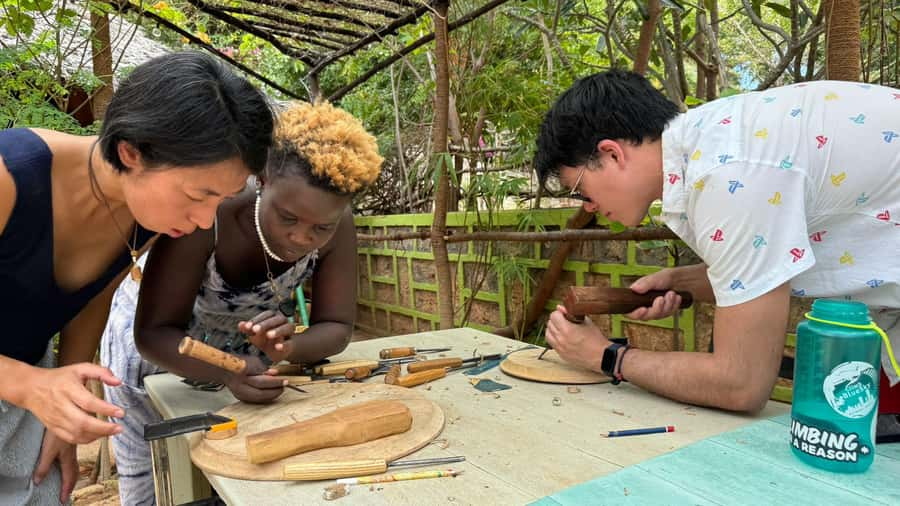
The unusual hook here is simple: Almasi is Lamu Island’s only woman woodcarving teacher, and she invites you to learn by making something with your own hands. In a place known for carved Swahili doors and handcrafted goods, this gives you a closer look at a living local skill instead of just another shop stop.
I like the calm, personal format and the fact that your class fee covers tools, materials, refreshments, and a finished souvenir. I also like that Almasi teaches both children and adults, in Swahili or English. The main consideration is that three hours of careful handwork may feel long if you want a fast sightseeing activity, and the information says the class is not suitable for people with mobility impairments despite also describing it as wheelchair accessible.
- Learn from Almasi: Study traditional Swahili woodcarving with Lamu Island’s only woman woodcarving instructor.
- Make something yourself: Each participant creates a handmade souvenir rather than simply buying one.
- Work in Shela: The class takes place at the tranquil Earth Love Healing Center Garden, with hotel or home visits available by request.
- Join as a beginner: No previous carving skill is needed, and the class welcomes children over five and adults.
- Keep the group private: The private-group format allows the lesson to suit your pace and questions.
- Pack for the coast: Bring a hat, sunscreen, water, and comfortable clothes.
Why This Three-Hour Class Feels Different
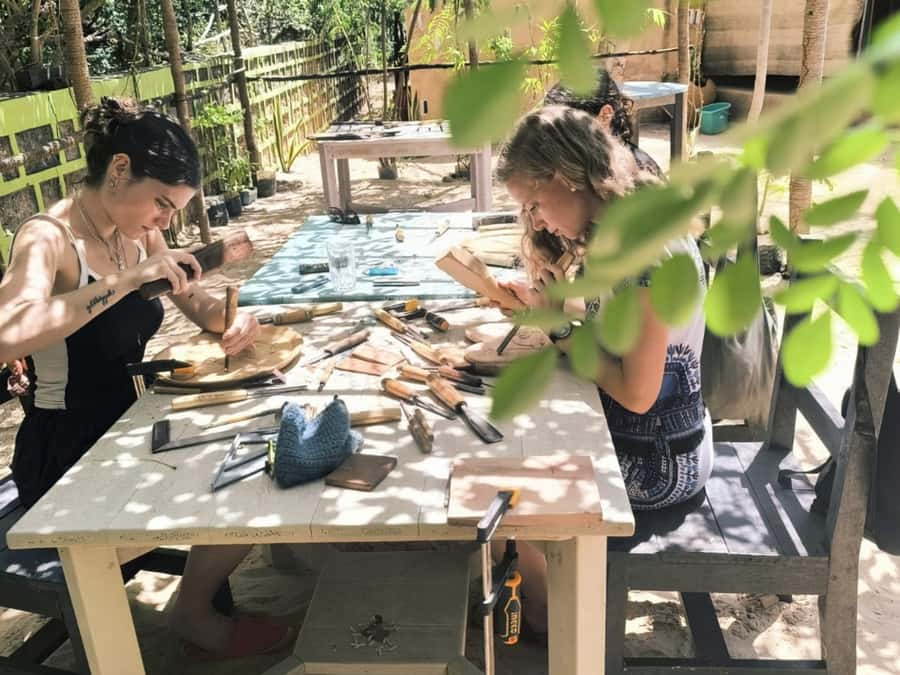
Many cultural activities ask you to watch, listen, and take a few photos. This one asks you to work. That difference matters. Woodcarving is slow by nature, and the process gives you time to pay attention to the material, the tools, and the person teaching you.
Almasi presents the class as an introduction to traditional Swahili woodcarving techniques passed down through generations. You are not signing up for a professional craft course or an advanced sculpture workshop. You are learning the basic approach, handling the tools, and producing a small piece you can take home.
I see this as a strong choice for anyone who wants a quieter break from Lamu’s usual sightseeing. It also works well for families, friends, and couples who want an activity with a clear result. You leave with more than a souvenir. You have spent several hours making one.
The class lasts three hours, which gives Almasi room to explain the craft and guide you through the work without reducing it to a quick demonstration. The exact order of the lesson can depend on your group, but the core is consistent: instruction, hands-on carving, personal help, and a completed handmade item.
Meeting Almasi at the Shela Garden
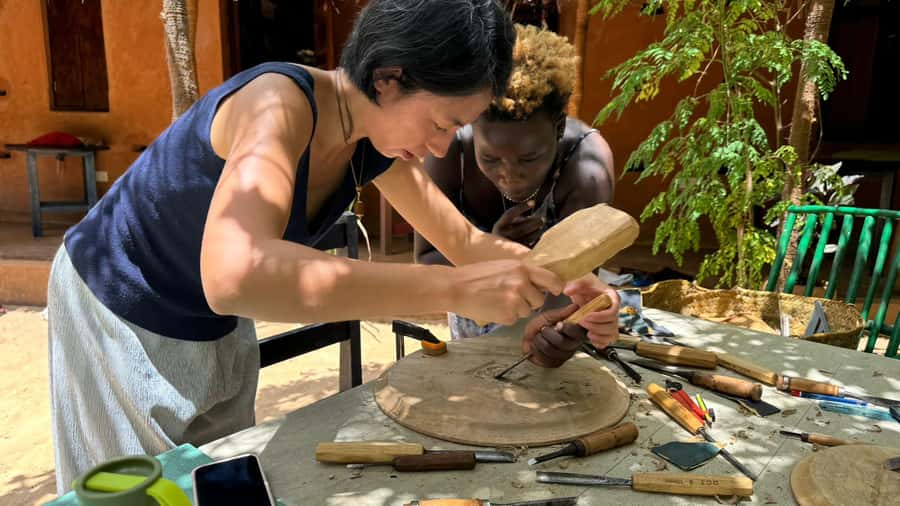
The regular class location is the Earth Love Healing Center Garden in Shela, Lamu Island. The setting is described as tranquil, a useful detail if you are choosing between a noisy, crowded activity and something more settled.
You meet first at Peponi Hotel. Ask at the counter, and the staff will point out the guide. This is a practical arrangement, but allow a little time to find the right person rather than assuming you should walk straight to the garden alone.
The activity can also take place at your home or hotel if you request that option. This may be useful for families with small children, groups staying away from Shela, or anyone who prefers not to arrange another meeting point. Confirm the location when booking, since the meeting instructions identify Peponi Hotel while the class itself is usually held in Shela.
The private-group setup is important here. You are not being fitted into a large public demonstration. Almasi can give direct attention, answer questions as they come up, and adjust the pace for beginners. That makes the format more useful for children and adults who have never held carving tools before.
A few more things to do around Kenya worth a look
- Traditional Kenyan Cooking Class & Local Market Tour
★ 5.0 · 129 reviews - Authentic Kenyan Cooking Class & Market Tour in Nairobi
★ 5.0 · 12 reviews - Private Traditional Kenyan Cooking Class with Lunch in Nairobi
★ 5.0 · 10 reviews
Learning Traditional Swahili Woodcarving
The heart of the activity is the lesson itself. Almasi teaches traditional Swahili woodcarving methods and explains how to use the carving tools. All necessary materials and tools are supplied, so you do not need to buy equipment or prepare a project before arriving.
Expect the lesson to reward patience. A piece of wood does not give up its shape at once, and beginner carving requires care. One useful part of this class is that the craft cannot be rushed without losing control. You get a practical feel for why handmade work takes time.
Almasi teaches in Swahili and English. That makes the class open to local and international participants, and it gives you a chance to hear the craft explained in the language most comfortable for your group. If someone in your party is more comfortable with one language than the other, mention that when arranging the class.
The teacher’s approach is a major part of the experience. Sophie describes Almasi as attentive, patient, warm-hearted, and serious about the work. Raluca points to the way she explains each detail of tool use and helps beginners gain confidence. Those are useful qualities in a hands-on lesson, where a rushed explanation can leave you unsure how to proceed.
You should not expect to become an expert carver in one afternoon. The promise is more modest and more realistic: a beginner lesson, a handmade souvenir, and basic skills you can continue to practice. That is the right way to judge the class.
Making Your Own Lamu Souvenir
The finished object is one of the strongest reasons to book. Every lesson includes your own handmade souvenir, made during the class rather than purchased from a shelf.
The exact design is not specified, so do not book expecting a particular animal, symbol, size, or type of carving. Your result will depend on the class format and the work you complete. That uncertainty is part of the charm, but it is also worth remembering if you want a very specific keepsake.
The value of making the object yourself is clear. A shop-bought carving can be attractive, but it gives you little sense of how the piece was formed. Here, the souvenir carries the memory of the lesson, the tools, and the time you spent learning from Almasi.
For children, the finished piece gives the class a simple goal. For adults, it offers a more reflective kind of souvenir. Either way, you are not just carrying home a decorative object. You are carrying home proof that you tried a traditional craft.
Pack with care afterward. The activity promises a handmade souvenir, but no information is provided about its exact size, fragility, or packing method. If you are flying soon, ask Almasi how best to protect it in your luggage.
Refreshments and the Human Side of the Class
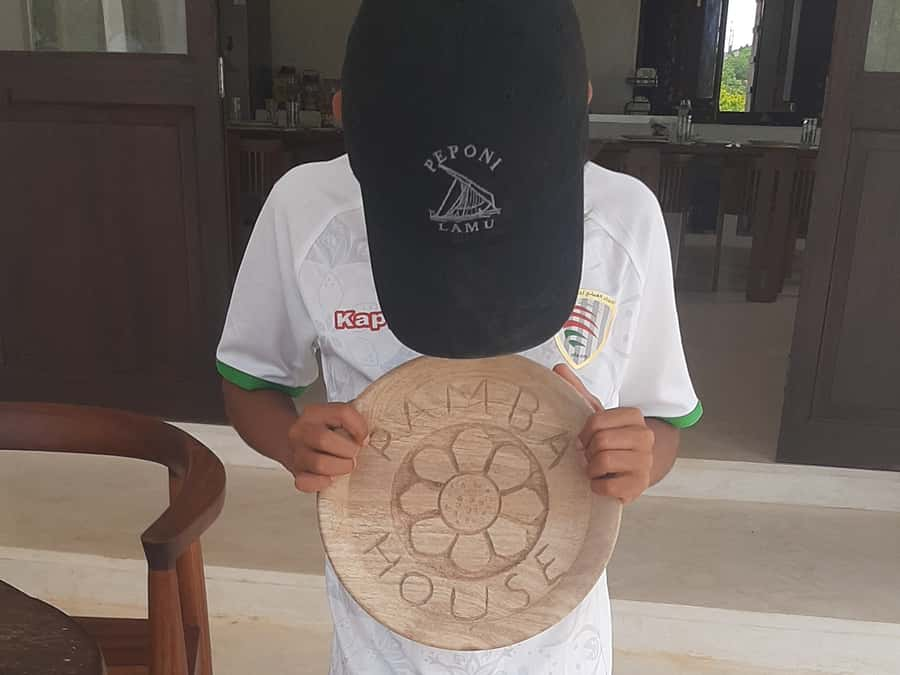
Refreshments are included, which is a welcome touch during a three-hour activity. The information does not specify the food or drink, so you should not book with a particular menu in mind.
Nuria describes being offered a snack at the end, adding warmth to the class. That detail fits the overall character of the experience: personal, local, and less formal than a standard guided attraction.
The refreshments also help break up the work. Carving requires steady attention, and a pause gives you time to look at your piece and talk with Almasi. It is a small feature, but it helps the class feel like time spent with a local craft teacher rather than a transaction measured only by the souvenir.
Still, bring water. The practical advice also calls for a hat, sunscreen, and comfortable clothes. Even at a garden setting, Lamu’s coastal conditions make those items sensible. Wear clothes you can work in without worrying about dust or wood shavings.
Same base, a completely different sort of day:
- Nairobi National Park Half-Day Tour; Free Wi-Fi connection
★ 5.0 · 878 reviews - Nairobi: National Park & Optional Elephants & Giraffe Center
★ 4.8 · 874 reviews - NAI NAMI: Nairobi Storytelling Tour with Street Children
★ 5.0 · 792 reviews - Nairobi National Park Half-Day Game Drive
★ 4.5 · 738 reviews
Is $75 a Fair Price?
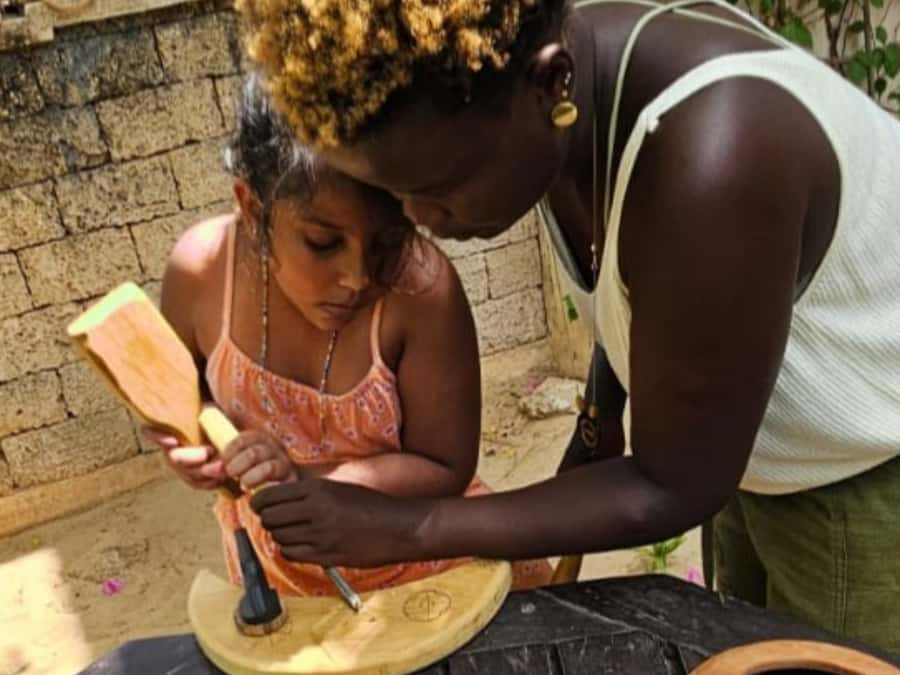
The cost is $75 per person. That is not the cheapest way to spend three hours in Lamu, but the fee includes several things that would otherwise add up: private instruction, all materials, use of tools, refreshments, and your finished souvenir.
The private format improves the value. You are paying for direct teaching rather than simply watching a craftsperson work. If you are sharing the activity with friends or family, the class also becomes a group memory, with each person making an individual object.
I would compare this price with your purpose. If you want a quick, low-cost souvenir, buying a carved item will be cheaper and faster. If you want to understand the work behind Swahili carving and spend real time learning from an artist, $75 is easier to justify.
The class may offer especially good value for parents. It gives children an activity with a clear task and a physical result, while adults can take part instead of simply supervising. Children under five are not accepted, so families should plan around that limit.
The fee also includes the benefit of not bringing anything. Almasi supplies the materials and tools, so you are paying for access to the full lesson rather than arriving with a list of craft-shop purchases.
Who Should Book This Experience?
I would recommend the class to:
- First-time woodcarvers who want patient instruction
- Families with children aged five and older
- Couples or friends seeking a shared activity
- Visitors interested in Swahili craft traditions
- Anyone who prefers making a souvenir to buying one
- People who enjoy slow, careful creative work
It is less suitable if you want a fast, highly structured sightseeing stop. It is also not appropriate for children under five or, according to the supplied information, people with mobility impairments.
The class may suit you particularly well if you have already seen Lamu’s carved architecture or visited craft shops and want to understand the work more closely. It turns a visual part of local culture into something you can try yourself.
You should also consider your tolerance for uncertainty. There is no stated project menu or promise of a particular finished design. You will receive a handmade souvenir, but the form and result are not set out in advance.
Practical Details Before You Go
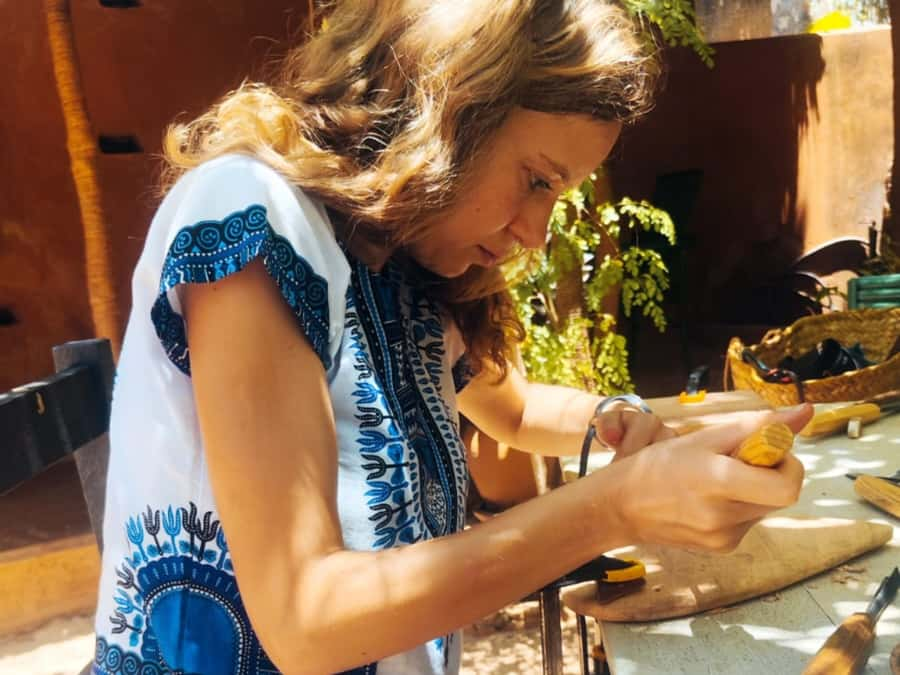
The regular meeting point is Peponi Hotel. Ask at the counter for the guide, who will be identified to you. The class is associated with the Earth Love Healing Center Garden in Shela, but it can be held at your home or hotel on request.
Starting times vary, so check availability when choosing a date. The class is private, lasts three hours, and is taught in English and Swahili.
Bring:
- A hat
- Sunscreen
- Water
- Comfortable clothes
You do not need to bring carving tools or materials. Refreshments are provided.
The booking terms allow free cancellation up to 24 hours before the activity for a full refund. You can also reserve now and pay later, which helps if your Lamu schedule is still shifting. Those terms are useful, but the bigger planning point is to confirm the preferred location and starting time in advance.
There is a conflicting accessibility note worth taking seriously. The activity information says it is wheelchair accessible, but it also says it is not suitable for people with mobility impairments. If this affects your booking, ask for a clear answer about the exact class setting before paying.
The Best Part, According to the Teaching Style
The strongest feature is not simply that Almasi is a woman woodcarver. It is the way her teaching appears to combine patience with practical seriousness.
Sophie highlights Almasi’s warmth and close attention. Raluca emphasizes her careful explanations of tool use and the confidence those explanations create. Nuria points to her kindness, the shared traditions, and the snack at the end. Put together, those details suggest a class where you are encouraged but still expected to take the work seriously.
That balance matters. Too much correction can make a beginner nervous. Too little guidance leaves you struggling. Almasi’s role is to help you work carefully while allowing you to make the piece yourself.
I also like that the class presents woodcarving as a skill, not just an entertaining photo opportunity. You learn through your hands. The process asks for patience, attention, and a willingness to accept that handmade work may not look perfect.
Should You Book the Class?
Book this if you want a personal, hands-on look at Swahili craft and like the idea of taking home something you made yourself. The private three-hour format, direct guidance from Almasi, included tools and materials, and refreshments make the $75 price reasonable for a focused cultural activity.
Skip it if you want a short stop, a guaranteed design, or a passive demonstration. Also check the accessibility details carefully if mobility is a concern.
For most curious beginners, families with older children, and anyone who values a story behind a souvenir, this is a worthwhile way to spend part of a Lamu day. You will not leave as a master carver, but you can leave with a new skill, a handmade keepsake, and a better feel for the patience behind traditional Swahili woodwork.
FAQ
Where does the woodcarving class take place?
The class is held at the Earth Love Healing Center Garden in Shela, Lamu Island. It can also be conducted at your home or hotel upon request.
Where do I meet the guide?
Meet at Peponi Hotel and ask at the counter. The staff will point out the guide.
Who teaches the class?
Almasi teaches the class. She is described as the only woman woodcarving teacher on Lamu Island.
How long does the class last?
The class lasts three hours. Starting times vary, so check availability for your preferred date.
Is the class suitable for children?
Yes, the beginner class is suitable for children and adults, but children under five are not accepted.
What is included in the price?
The $75 per-person price includes the three-hour class, all necessary materials and tools, your own handmade souvenir, and refreshments.
What languages are available?
Almasi teaches in Swahili and English.
Just added around Kenya
- Watamu: Learn Kenyan Cusine with Jonathan★ 4.1 · 8 reviews
- Visit kibera Slum the chocolate city★ 4.8 · 3 reviews
- Watamu: Sunset Mangrove Canoe Tour with Coconut Drink★ 3.6 · 8 reviews
- Tsavo East National Park: 2-Day Tour from Mombasa★ 3.9 · 5 reviews
- Lake Nakuru NP Half-Day Safari★ 4.0 · 4 reviews
- WATAMU: MALINDI: SARDEGNA ISLAND & MALINDI MARINE PARK★ 4.5 · 9 reviews
- Bike Rental at Home of Champions – Iten Kenya★ 5.0 · 7 reviews
- Kilimanjaro Wanderlust Day Hike★ 5.0 · 8 reviews
Workshops, compared.
Traditional Kenyan Cooking Class & Local Market Tour
Read our review →
Authentic Kenyan Cooking Class & Market Tour in Nairobi
Read our review →
Private Traditional Kenyan Cooking Class with Lunch in Nairobi
Read our review →
Private Kenyan Cooking Class in Nairobi with a Local
Read our review →
Browse the lists this tour appears in