

Reviewed · TOURS IN NAIROBI
Private Traditional Kenyan Cooking Class with Lunch in Nairobi
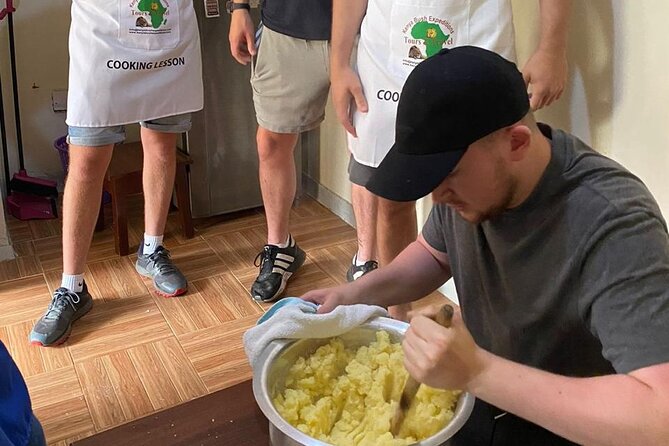
Mukimo is the star here: a comforting Kikuyu dish made with potatoes and other ingredients, prepared from scratch in a local family home. You will cook alongside your hosts, then sit down to eat what you made, rather than simply watching a chef work.
I like the private format, which keeps the class personal and lets your group take part in the cooking. I also like the home setting and kitchen garden, since they add a useful glimpse of daily life in Nairobi. The main consideration is that this is a simple cultural cooking visit, not a polished restaurant class, and the exact dishes beyond mukimo may vary.
Key points to know before booking
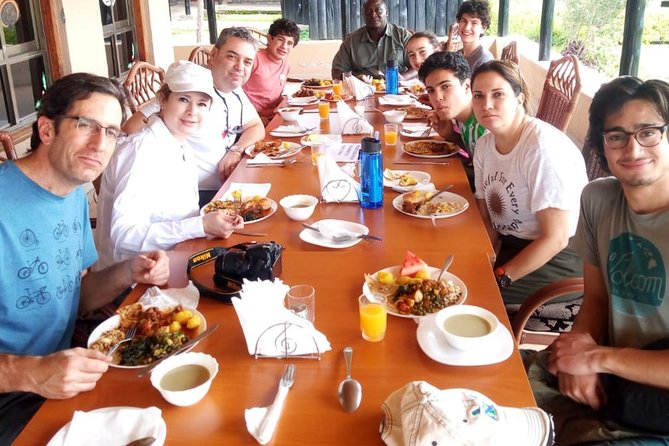
- Mukimo is prepared from scratch: Learn the steps behind a classic Kikuyu potato-based dish, then eat it for lunch.
- You cook inside a local home: The kitchen is described as large enough for participants to help with preparation and cooking.
- The meal includes familiar partners: Mukimo is served with beef sauce and vegetables, followed by coffee or tea.
- Pickup is offered across Nairobi: Private transportation and bottled water are included, which simplifies the morning.
- Your group stays together: This is a private activity, so only your party participates.
- The visit ends in the kitchen garden: You have time to look around the hosts’ garden after the meal.
Why mukimo makes a good Nairobi cooking lesson
Food classes work best when you learn a dish you can actually make again. Mukimo fits that bill. It is a traditional Kikuyu food built around potatoes, with vegetables mixed into the dish to create a hearty, colorful meal.
You are not just tasting an unfamiliar plate and moving on. You handle the ingredients, follow the cooking process, and see how the parts come together. That makes the experience useful after you return home, especially if you enjoy cooking and want one Kenyan dish in your own kitchen.
The meal is paired with beef sauce and vegetables, giving you a fuller sense of how mukimo is served. The class is not limited to a single bowl of potatoes. You take part in preparing a complete lunch, then eat it at the family’s dining table.
The menu has some flexibility. One account of the visit describes being offered a few dishes to choose from, so you may have some input beyond the central mukimo lesson. Still, you should book this for the Kikuyu cooking experience first, not for a fixed, elaborate menu with a long list of courses.
A few more things to do around Nairobi worth a look
- Traditional Kenyan Cooking Class & Local Market Tour
★ 5.0 · 129 reviews - Authentic Kenyan Cooking Class & Market Tour in Nairobi
★ 5.0 · 12 reviews - Market Tour and Traditional Kenyan Cooking Class in Nairobi
★ 4.8 · 6 reviews
A 9:00 a.m. pickup keeps the morning simple
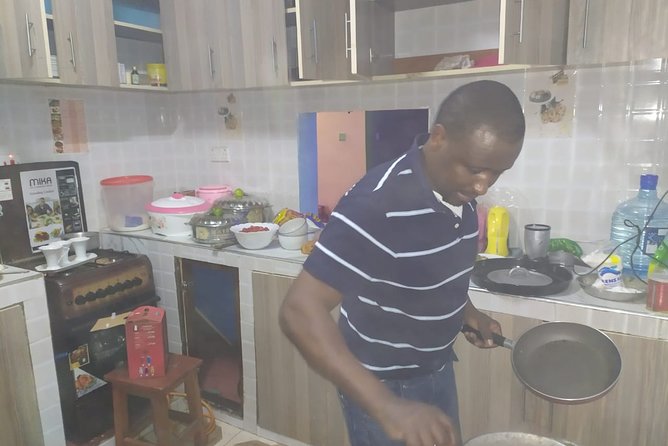
The experience begins at 9:00 a.m., and pickup is offered from anywhere in Nairobi. Private transportation is included, along with bottled water. For a first morning in the city, that door-to-door arrangement can remove some of the usual fuss of finding the right neighborhood or arranging a separate taxi.
The drive is part of the practical value of the $60 price. You are paying not only for instruction and food, but also for transport, ingredients, lunch, and a private setup. If you are already staying close to the host family and prefer to arrange your own way around Nairobi, the included transport may matter less. For most people, though, having the ride handled makes a four-hour activity easier to fit into a busy visit.
The meeting details specify a 9:00 a.m. start rather than a flexible arrival window. Plan to be ready on time, since a cooking session has a set rhythm. Pickup times from individual addresses may require confirmation when you book, but the supplied details confirm that pickup is offered across Nairobi.
Entering a Kenyan family home
The setting is one of the strongest parts of this experience. You meet a local family in their home rather than entering a commercial demonstration kitchen. That changes the tone of the morning. You are taking part in a shared household meal, with the host family showing you how they prepare a traditional dish.
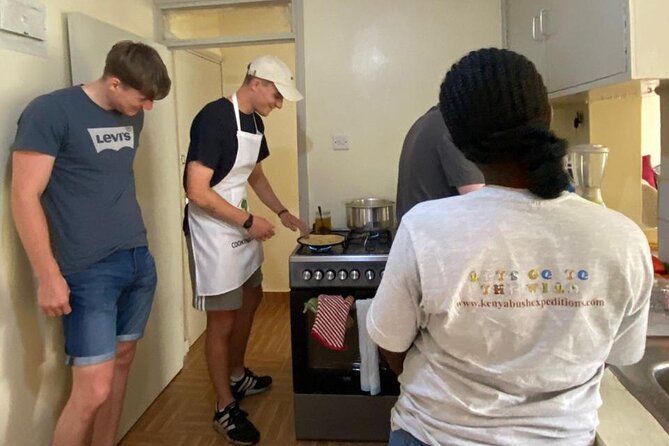
The kitchen is described as large enough for participants to join the preparation and cooking process. That detail matters. Some cooking classes place you behind a counter while an instructor does most of the work. Here, the aim is for you to help with the actual meal.
Expect a friendly, practical exchange rather than a formal lecture. Your host helps you with the local food, explains the steps, and guides you through the cooking. The information provided does not name the individual hosts or promise a particular language, so you should think of this as a hands-on family visit rather than a scripted presentation with a named celebrity chef.
A home visit also means the surroundings may feel more everyday than polished. That is part of the appeal, but it is worth setting your expectations correctly. You are choosing this experience for direct contact and participation, not for restaurant-style service or a designed culinary studio.
Preparing mukimo step by step
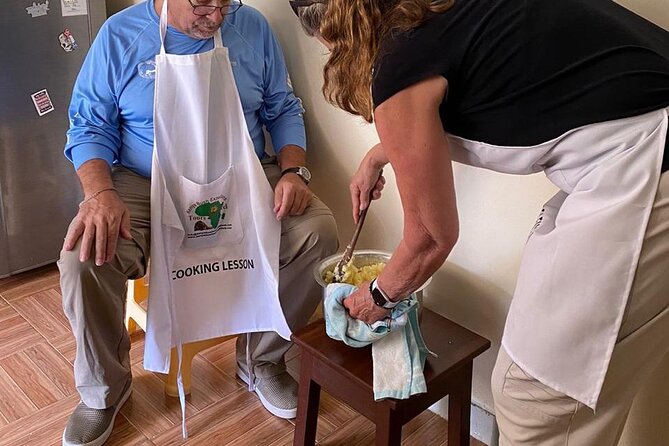
The central lesson is the preparation of mukimo. You will work with the ingredients, follow the instructions, and help cook the dish. The exact sequence is not specified in the available details, so the host will be the person to explain the family’s method on the day.
That flexibility is useful because traditional cooking often has more than one version. You can ask questions as you go and watch how your hosts handle texture, seasoning, and timing. If you like to learn by doing, this should be more satisfying than a demonstration where your only task is taking notes.
A previous booking account also describes several Kenyan dishes being prepared and a few options being offered. You may therefore find that the class includes some choice, but do not assume a large menu or a guaranteed list of extra recipes. Mukimo, beef sauce, and vegetables are the reliable core of the meal.
The best tip is to stay involved. Help with each stage you are offered, ask how the dish is normally served, and pay attention to the texture of the finished mukimo. Those details will matter more when you try to recreate it at home than a long explanation about Kenyan food in general.
Same base, a completely different sort of day:
- Nairobi National Park Half-Day Tour; Free Wi-Fi connection
★ 5.0 · 878 reviews - Nairobi: National Park & Optional Elephants & Giraffe Center
★ 4.8 · 874 reviews - NAI NAMI: Nairobi Storytelling Tour with Street Children
★ 5.0 · 792 reviews - Nairobi National Park Half-Day Game Drive
★ 4.5 · 738 reviews
Lunch at the family dining table
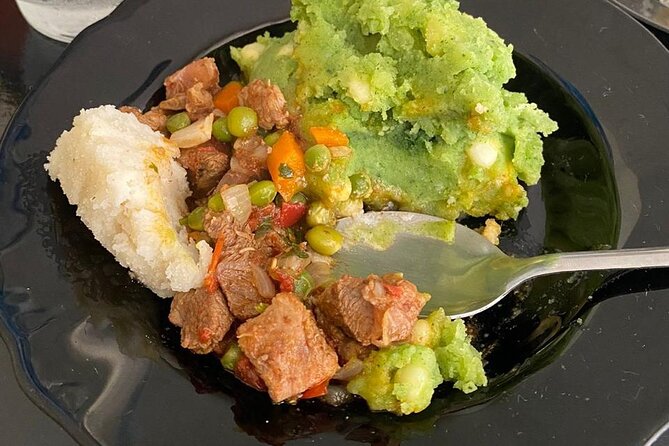
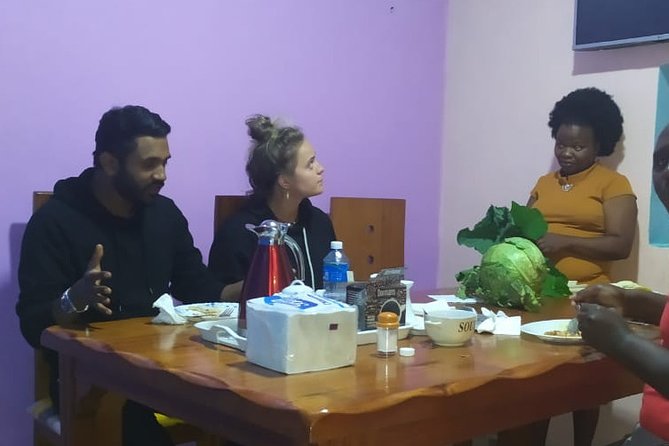
After the cooking, you move to the dining room and eat the food you helped prepare. The meal includes mukimo, beef sauce, and vegetables, with coffee or tea. Bottled water is also provided.
This shared lunch gives the class a natural second half. You have time to taste the result, compare the separate parts of the meal, and continue talking with your hosts. It is also a good point to ask practical questions about serving the food at home.
The included lunch adds clear value to the cost. A four-hour private activity at $60 per person would feel expensive if it were only a short demonstration. Here, the price covers the ingredients, the lesson, the meal, beverages, transport, and the private setting.
Still, the value depends on what you want from a food experience. If you mainly want to eat a large Kenyan lunch at the lowest possible price, a local restaurant will cost less. If you want instruction, conversation, and the chance to cook in a family home, the package makes more sense.
A look around the kitchen garden
After lunch, you are free to tour the hosts’ kitchen garden. This is a small but worthwhile closing detail because it connects the meal to the place where food is grown and prepared. The visit is not only about a finished plate in a dining room.
The garden may help you understand the everyday setting behind the cooking, though the available details do not specify its size, crops, or layout. Do not expect a formal agricultural tour. Think of it as a relaxed final look around the home before you leave.
For me, this adds balance to the class. You begin with pickup and preparation, continue with lunch, then end with a little time outside. That pace should feel comfortable for people who want a cultural activity without spending a full day on their feet.
What the four-hour schedule feels like
The total duration is about four hours. The schedule gives enough time for transport, cooking, lunch, and the garden visit without turning the experience into an all-day commitment.
The exact amount of time spent in each part is not stated. Cooking time can change depending on the dishes selected and the pace of your group. A private class gives you more room to ask questions or work through a step again, but it may not run with the precision of a group class with a fixed timetable.
You should keep the rest of your day moderately flexible. The stated duration is approximate, and Nairobi pickup and drop-off times can affect the full door-to-door outing. The four-hour figure applies to the experience itself, while the drive from your address may make your morning slightly longer.
This timing works well for a half-day food activity. You can start after breakfast, eat lunch with the family, and still have the afternoon available for other plans. Just avoid booking something with a strict start time immediately afterward.
Private groups and the value of personal attention
Only your group participates, which is a major advantage for couples, families, and small groups of friends. You do not have to compete for a place at the cooking area or wait for a large class to catch up.
The private format also makes it easier to ask simple questions. If you have never prepared Kenyan food before, you can request clarification without worrying about slowing down strangers. If someone in your group already enjoys cooking, the host can focus more attention on technique and ingredients.
Group discounts are offered, though no specific discount amount is provided. If you are booking for several people, check the final per-person price before confirming. The private structure may become better value as the group grows, provided everyone wants the same relaxed, hands-on format.
The flip side is that a private class can feel less lively than a larger food workshop. You will have more direct contact with the host family, but fewer people to meet from outside your own group. That is a personal preference rather than a flaw.
What is included for $60 per person
The $60 price includes:
- Private transportation
- Pickup in Nairobi
- Cooking instruction
- All cooking ingredients
- Lunch
- Bottled water
- Coffee or tea
- Access to the private activity for your group
That is a solid package for a four-hour experience. You are not paying extra for the lesson’s ingredients or the meal at the end. The transport is also covered, which can make a meaningful difference in Nairobi.
Tips and gratuities are not included. Bring some cash if you want to thank the hosts or driver, but tipping is separate from the advertised price and is not required as part of the booking.
The strongest value comes from the combination of food and cultural contact. You get a recipe lesson, a home visit, a sit-down lunch, and private transport in one half-day plan. The weaker value appears if your main goal is simply to sample Kenyan cuisine, since a restaurant meal would be a cheaper and faster option.
Who will enjoy this cooking class most
I would recommend this experience to you if you enjoy food that comes with a story and prefer participation over sightseeing from a vehicle. It is particularly suited to home cooks, couples, families, and small private groups.
It also works well for a first visit to Nairobi because the morning is easy to arrange. Pickup is offered, the activity begins at a clear time, and lunch is built in. You do not need to find a separate restaurant after the class.
Families should appreciate the practical format, provided everyone is comfortable taking part in kitchen work. The cooking area is described as large enough for participants, but no specific details are provided about child facilities or special dietary arrangements. If you have food allergies, restrictions, or mobility concerns, ask the provider before booking.
You may want to skip it if you dislike home visits, want a highly structured professional cooking school, or expect a broad menu of many Kenyan dishes. The strongest reason to book is the chance to make mukimo with a local family and share the finished meal.
Booking, cancellations, and useful planning notes
Confirmation is received at the time of booking. The activity is commonly reserved around 21 days ahead, so booking early may be sensible if your Nairobi dates are fixed.
Free cancellation is available if you cancel at least 24 hours before the 9:00 a.m. start time. Cancellations made less than 24 hours ahead are not refunded, and changes within that period are not accepted. The cutoff follows local Nairobi time.
The experience is provided by Kenya Bush Expeditions Tour and Travel. Since the activity is private, make sure your full pickup address and group size are correct when you reserve. You should also confirm any food concerns in advance, since the stated meal includes beef sauce and vegetables.
Should you book this Nairobi cooking class?
Book it if you want a personal, hands-on introduction to Kenyan food rather than a restaurant meal or a staged demonstration. The home setting, private transport, mukimo lesson, shared lunch, and kitchen garden make this a well-rounded half-day experience.
At $60 per person, the price is reasonable when you use the included transport and take part in the full four-hour visit. It is less compelling for someone who only wants to taste local food cheaply, or who expects a formal culinary school with a fixed menu.
My practical advice is simple: choose this for the family setting and the chance to learn mukimo well enough to attempt it at home. Go in expecting a warm, informal cooking visit with some flexibility, and you should get more from it than from a quick food stop in the city.
FAQ
How long does the cooking class last?
The experience lasts approximately four hours.
What time does the activity start?
The stated start time is 9:00 a.m.
Is pickup available in Nairobi?
Yes. Pickup is offered from anywhere in Nairobi, and private transportation is included.
What food will I prepare?
You will learn to prepare mukimo, a traditional Kikuyu potato-based dish. It is served with beef sauce and vegetables.
Is lunch included?
Yes. Lunch, cooking ingredients, bottled water, and coffee or tea are included.
Is this a private activity?
Yes. Only your group participates in the private tour or activity.
Can I cancel for a refund?
Yes, if you cancel at least 24 hours before the experience start time. Cancellations made less than 24 hours ahead are not refunded.
More Workshops in Nairobi
- Local Market Tour and Traditional Meal Cooking Class
★ 5.0 · 4 reviews - Private Kenyan Cooking Class in Nairobi with a Local
★ 5.0 · 3 reviews - Agro-Tourism Tea Workshop in Nandi Hills
★ 5.0 · 3 reviews - Beginner Swahili Woodcarving Classes with Woman Woodcarver
★ 5.0 · 3 reviews
Just added around Nairobi
- Visit kibera Slum the chocolate city★ 4.8 · 3 reviews
- 3 days maasai mara migration safari★ 4.5 · 7 reviews
- Maasai Mara Day Trip★ 5.0 · 15 reviews
- 4 Days Tour Landcruiser in Masai Mara and Lake Nakuru★ 5.0 · 10 reviews
- 4 Days Safari to Lake Nakuru N/P and Maasai Mara N/R★ 5.0 · 18 reviews
- Day Tour to Nairobi national park, Elephants, and Giraffe Center★ 3.5 · 8 reviews
- Wildebeest Migration in Masai Mara and Sightseeing 4 Days Tour★ 4.5 · 6 reviews
- Vegans special safari★ 4.5 · 4 reviews
Tours in Nairobi, compared.

Nairobi National Park Half-Day Tour; Free Wi-Fi connection
Read our review →
National Park & Optional Elephants & Giraffe Center
Read our review →
NAI NAMI: Nairobi Storytelling Tour with Street Children
Read our review →




Elephant Orphanage and Giraffe Center Tour with Options
Read our review →Browse the lists this tour appears in