
Reviewed · HISTORICAL TOURS
Nairobi Walking tour:Explore History Culture and Traditions
Nairobi reveals itself best at street level, where memorials, mosques, markets, parks, and government buildings sit within a compact central district. This tour gives you that useful first look, with guides such as Edwin and John explaining how the city works, not just pointing at its landmarks. I like the easy mix of major sights and everyday city life, and I like that the pace can bend around your questions and energy.
At $22, the tour offers strong value if you want a clear introduction before exploring alone. The main consideration is simple: three hours on foot can feel warm and tiring, and the route may stretch longer when the group stops for photos, shopping, or conversation.
Key points to know before you book

- Start beside the Supreme Court: Meet at the Carrefour entrance near the Supreme Court building, with pickup available from listed hotels and locations within 10 kilometers of Nairobi Municipality.
- A guide-led CBD walk: Edwin, John, Dennis, Pierre, and Sam, also called Kayler, are among the guides associated with the experience.
- The route mixes old and new Nairobi: See war monuments, McMilan Memorial Library, Jamia Mosque, City Market, Uhuru Park, KICC, and the Railway Museum.
- Coffee is part of the rhythm: You get a break at a local café, with Kenyan coffee optional and drinks not included.
- KICC views cost extra: The helipad offers the best high view of central Nairobi, but its fee is separate.
- Come ready to walk: Wear good shoes, carry water, and bring sun protection for an exposed three-hour route.
Why this is a useful first look at Nairobi

Nairobi can feel hard to read when you first arrive. Streets are busy, landmarks are spread through a working business district, and the meaning of a monument or building is not always clear from the outside. A local guide helps you connect the pieces.
This is not a safari and it is not a quiet museum outing. You move through the center of the capital, passing office workers, shops, religious buildings, public gardens, markets, and national institutions. The reward is a sense of how Nairobi operates day to day.
I especially like the balance between planned sights and open conversation. The guides talk about Kenyan culture, politics, geography, sports, food, architecture, and ordinary life. That makes the walk more useful than a simple checklist of buildings.
Edwin receives the strongest praise in the supplied feedback, especially for storytelling, humor, flexibility, and a calm manner. John and Dennis are also noted for making the walk engaging and safe. Pierre offers French and Spanish language ability, while Sam, also known as Kayler, is described as warm, funny, and clear.
Your exact guide depends on the day, but the format is built around a live guide in English, Spanish, or French. That language choice matters if you want to ask questions rather than simply listen to a set speech.
More walking routes in Kenya:
- Nairobi: Historic and Modern Highlights Walking Tour
★ 4.8 · 703 reviews - Walking Tour Through Old Town Mombasa and Fort Jesus
★ 5.0 · 393 reviews - Nairobi Downtown Walking Tour
★ 4.7 · 208 reviews
Meeting at the Supreme Court and starting downtown
The advertised meeting point is the Carrefour entrance beside the Supreme Court building. If you choose pickup, it is available at the entrance of your hotel, apartment, or hostel within 10 kilometers of Nairobi Municipality. Several central and airport-area properties are listed, and you can send your location by WhatsApp if yours is not included.
The first step is a short safety briefing. This is useful because the walk takes place in central Nairobi rather than inside a closed attraction. Keep your phone and valuables secure, stay close to the guide, and follow local advice about where to stop for photographs.
The Supreme Court is a practical starting point. From here, the route moves quickly into the city’s public and historic core. You are not wasting the first part of the tour on a long transfer, which helps a three-hour outing cover a good amount of ground.
Monuments, the library, and Jamia Mosque
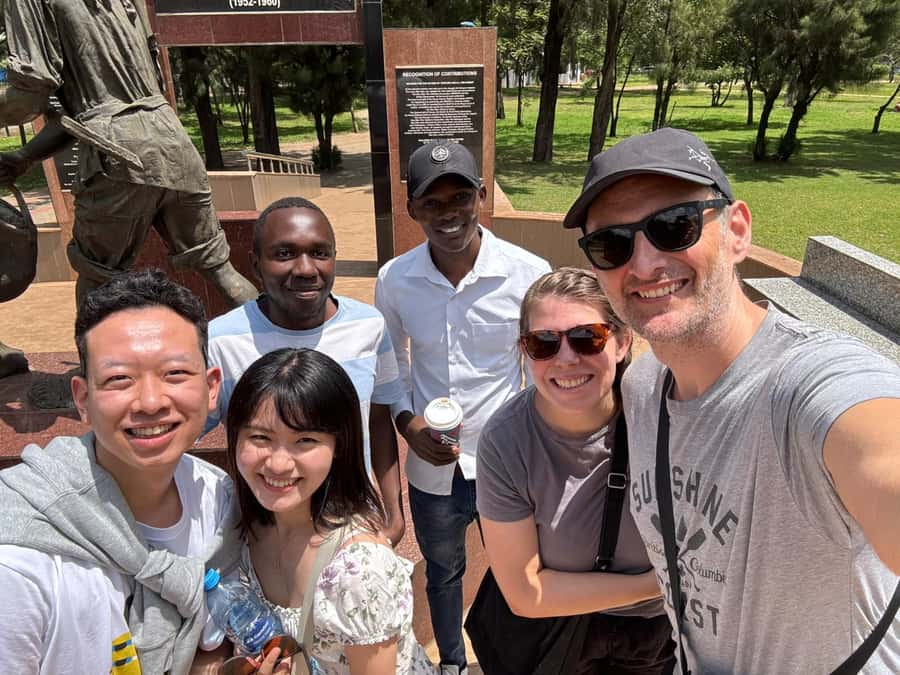
Early stops include war monuments and the McMilan Memorial Library. These places help explain Nairobi’s colonial-era development and the layers of public memory in the city. The library is a particularly useful stop for travelers who want more than modern towers and shopping streets.
The guide can explain why these buildings and memorials matter, giving you context that is difficult to pick up on a quick walk alone. Entrance to the McMilan Memorial Library is included, along with the guide fee.
Jamia Mosque brings a different note. You visit one of the city center’s best-known religious landmarks and learn about its place in Nairobi’s cultural life. Dress and behave respectfully, and follow the guide’s instructions about where you may go. The mosque is a visit, not simply a photo stop.
The route also includes a monastery in the early sightseeing section. The stop is short, but it adds another religious and architectural layer to the morning or afternoon.
City Market and Jevanjee Garden
City Market gives the walk a more ordinary, local feel. It is a place to observe commerce, food, and city routines rather than only formal monuments. The itinerary allows time for shopping and passing through, so your experience may depend on the day, the market’s activity, and how much time you spend browsing.
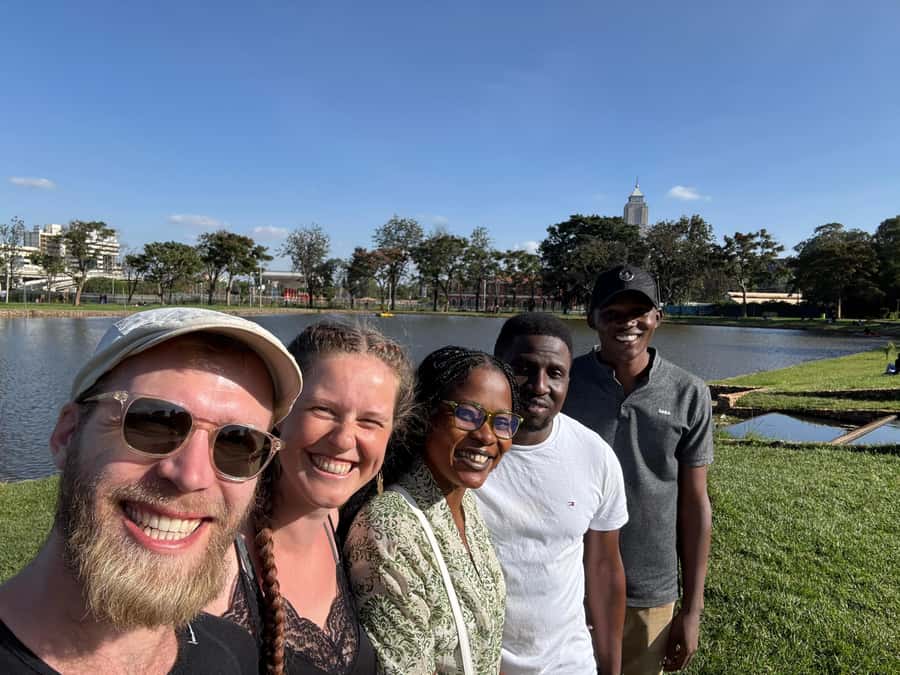
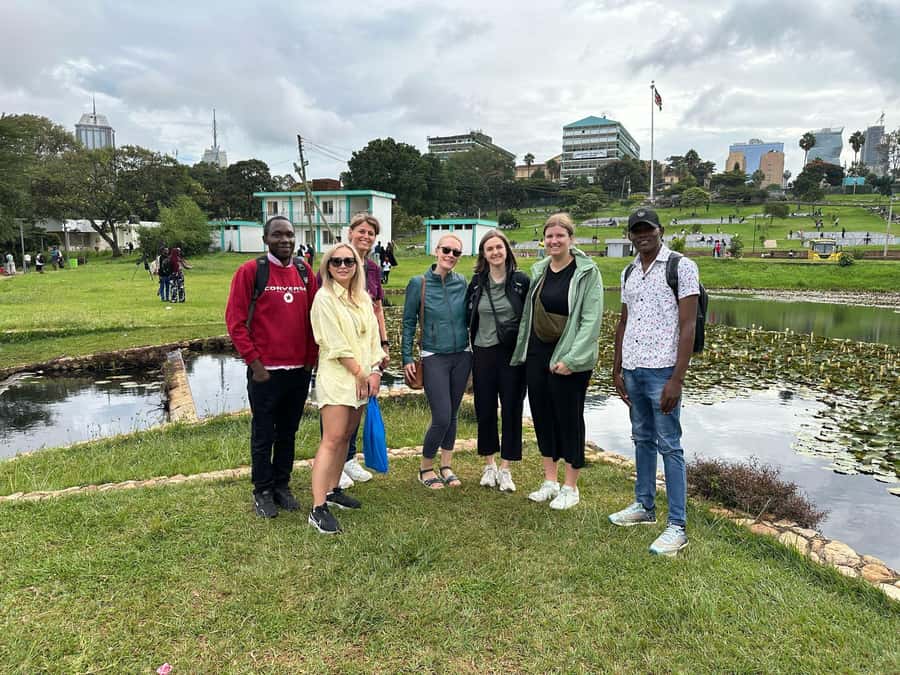
Jevanjee Garden offers a change of pace. After streets and buildings, the garden gives you a little breathing room and a chance to see how public green space fits into city life. This is also a good moment to ask the guide about Nairobi beyond the central attractions.
If you plan to buy something, ask about prices and take your time. The guides can help with bargaining, as one account specifically notes. Still, you should decide for yourself what an item is worth and avoid feeling pressured to purchase.
A few more things to do around Kenya worth a look
- Nairobi Historical Walking City Tour
★ 5.0 · 258 reviews - Full Day Nairobi Cultural and Historical Tour
★ 5.0 · 153 reviews - Nairobi Cultural and Historical City Tour with a Local
★ 5.0 · 67 reviews - Nairobi souvenir Shopping and Historical Half day Tour
★ 5.0 · 61 reviews
Kenyan coffee at a local café
The café stop is one of the tour’s most practical touches. A short break gives you time to use the washroom, rest your feet, and sample Kenyan coffee if you choose. The coffee is optional, and drinks are not included in the $22 price.
That small pause matters on a walking route. Nairobi’s sun can be strong, and the day may be warmer than expected. Use the break to drink water as well as coffee, especially if you are not used to walking outdoors for several hours.
The café also gives you a chance to talk with the guide in a less formal setting. Previous participants have used this time to ask about local life, politics, food, and customs. If you want a more personal cultural exchange, this is where the tour can become especially useful.
University of Nairobi and a view of the Norfolk Hotel
The route continues toward the University of Nairobi, with a view of the Norfolk Hotel. These stops help you see the contrast between Nairobi’s educational institutions, grand historic hotels, and modern commercial center.
The University gives the walk a sense of the city as a place of learning and public debate, not simply a stopover before a safari. The Norfolk Hotel, meanwhile, is an important visual reference point in central Nairobi. Your guide can connect the buildings to the city’s past and present, though the visit is primarily a stroll and outside view.
This section is also a reminder that the tour covers a working city. You may see traffic, commuters, security checks, and ordinary business activity along the way. If you want an untouched or highly polished sightseeing route, this may feel less tidy. If you want a city as it really functions, that is part of the value.
Uhuru Park and Holy Family Basilica
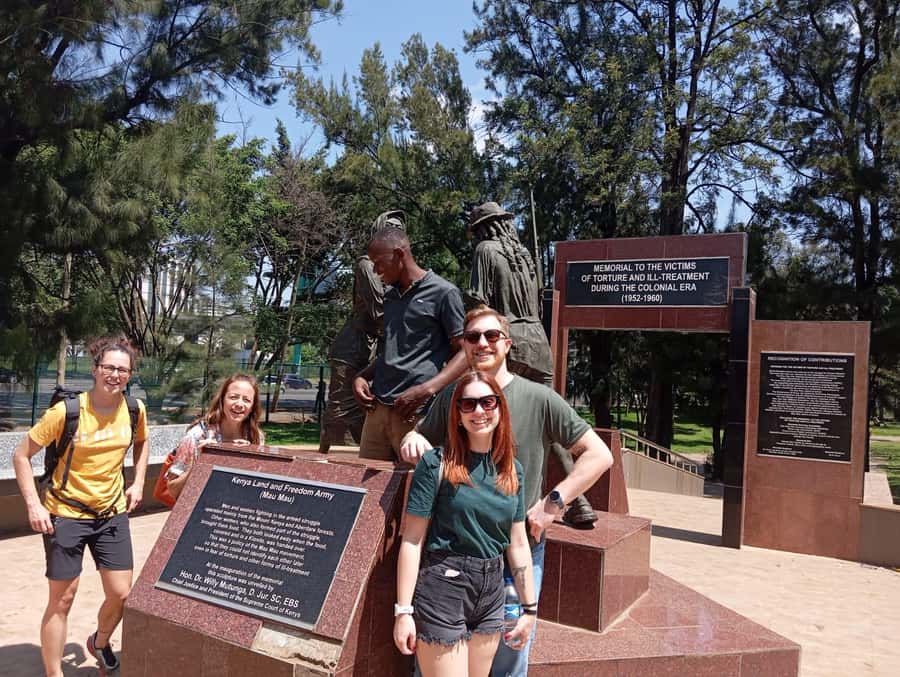
Uhuru Park is one of the tour’s most pleasant pauses. Its open lawns and greenery offer relief from the hard surfaces of downtown, and the itinerary includes time to walk and relax. Entrance is included.
I like this part because it prevents the tour from becoming a nonstop march between buildings. You may sit on the grass, take photographs, and get out of the sun for a while. The pace can be adjusted, and the guide may allow more time here if the group needs a rest.
Next comes the Cathedral Basilica of the Holy Family. The basilica adds an important Christian landmark to a route that has already included a mosque and monastery. That range gives you a better feel for the religious and cultural mix of central Nairobi.
As with Jamia Mosque, remember that this is an active place of worship. Quiet behavior and suitable clothing are sensible, especially if services or prayer are taking place.
KICC and the best city view

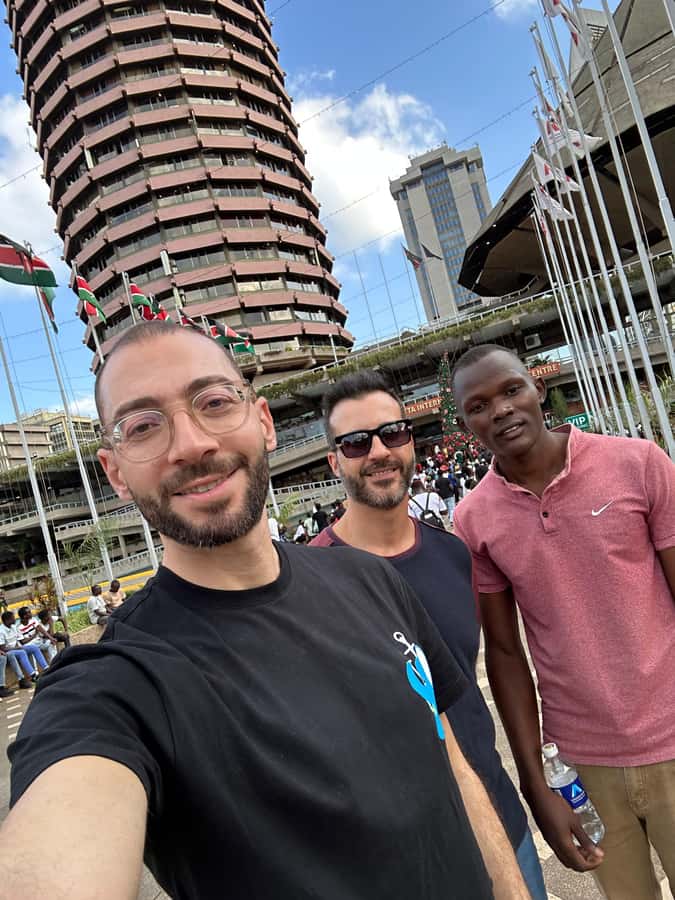
The Kenya International Convention Centre is one of the major highlights. Its tower is an unmistakable part of Nairobi’s skyline, and the route includes a photo stop, a visit, and views of nearby government buildings.
The helipad is the place to consider if you want a broad view across the city. It is not included in the basic cost, so you should check the extra fee before deciding. The additional charge may be worthwhile for photographers or first-time visitors who want to understand the layout of central Nairobi from above.
The KICC stop also helps explain the capital’s political and administrative center. You see more than an attractive tower. The surrounding government buildings show how national institutions occupy the heart of the city.
Even without paying for the helipad, the KICC area is a strong photo stop. Give yourself a moment to look back at the streets you have walked. It helps turn a collection of separate stops into a clearer picture of Nairobi.
Masai Market, the Railway Museum, and Bomb Blast Memorial Park

The Masai Market brings crafts and local buying into the itinerary. It is a good place to browse souvenirs, but shopping can change the timing of the walk. If you want to buy something, tell the guide how much time you would like to spend.
The Railway Museum adds another historical angle. Railways played a major role in the growth of Nairobi, and the museum helps place the capital within Kenya’s transport story. The supplied schedule allows a short visit or pass by, so do not expect a full museum day.
The final stop is Bomb Blast Memorial Park. This is a quiet, serious place, and the visit calls for respect. The memorial remembers people affected by violence and adds a modern chapter to the city’s story.
Taken together, these last stops make the route broader than a standard downtown walk. You see shopping, transport, national memory, and public remembrance in one afternoon.
How much walking and what to bring
The tour is listed as three hours, but the actual time can vary. A small group may finish in a little over two hours, while a flexible private-style walk can approach four hours if you stop often, ask many questions, or spend extra time in the park and markets.
Wear comfortable walking shoes. Bring water, a hat, and sunscreen, and prepare for changing weather. The route includes outdoor streets, open parkland, and pauses inside or near public buildings, so conditions can shift during the same outing.
Photography is allowed. At religious sites, memorials, and government buildings, ask before photographing people or sensitive areas. Your guide can tell you where it is appropriate to stop.
The tour is marked wheelchair accessible, but you should still share your needs in advance. A long city walk with public spaces, market areas, and varying surfaces may require practical planning even when the activity is listed as accessible.
Is $22 good value?
For $22 per person, the value is strong if you want a broad introduction to central Nairobi. The price includes a guide, pickup to the starting point, entrance to McMilan Memorial Library, entrance to Uhuru Park, and a long list of major sights.
You still pay for your own meals, drinks, optional coffee, personal purchases, and the KICC helipad. Those exclusions are reasonable, but they mean your final cost depends on how much you shop and whether you add the high viewpoint.
The biggest value is the local explanation. You could walk past many of these buildings alone, but you would miss much of the context. The guides are particularly good for questions, and the flexible pace can make the outing feel personal rather than mechanical.
I would not book this solely for museum interiors or long attraction visits. The experience is strongest as a guided orientation walk, a cultural introduction, and a way to get comfortable in the city center.
Who should book this walk?
I would recommend it to first-time visitors, solo travelers who want company in the CBD, couples, families with older children, and anyone staying in Nairobi before or after a safari. It is also useful for a short city stay because it covers many major sights in half a day.
It suits curious people who like asking questions. You can talk about Kenyan culture, local customs, politics, food, sports, architecture, and daily life instead of sticking to dates and names.
You may want another kind of activity if you dislike walking in cities, need a slow indoor itinerary, or want a specialist museum tour. The route is active, and the schedule includes several short stops rather than long visits at one attraction.
Booking is also easier when your plans may change. You can cancel up to 24 hours in advance for a full refund, and the reserve-now, pay-later option keeps money in your pocket until your plans are firm.
Should you book it?
Book this tour if you want to understand Nairobi before exploring it on your own. The combination of monuments, religious buildings, markets, gardens, parks, KICC views, and local conversation gives you a useful first map of the capital.
The best reason to go is the guide-led storytelling, especially if Edwin, John, Pierre, Dennis, or Sam is assigned to your group. The main tradeoff is the physical effort and the extra cost for coffee, purchases, and the KICC helipad.
Bring water, wear sensible shoes, and leave room for questions. At $22, this is a practical and well-priced way to meet Nairobi at street level.
FAQ
Where does the Nairobi walking tour start?
The tour starts at the Carrefour entrance beside the Supreme Court building in central Nairobi. Pickup is available from the entrance of hotels, apartments, or hostels within 10 kilometers of Nairobi Municipality.
How long does the walking tour last?
The advertised duration is three hours. The actual length can vary, with some walks lasting a little over two hours and flexible outings extending close to four hours.
What languages are available?
Live guides are available in English, Spanish, and French.
Is coffee included in the tour price?
No. The local café stop is included as a break, but coffee is optional and drinks are not included.
Is the KICC helipad included?
No. The KICC visit and photo stop are included, but the helipad fee is separate.
What should I bring?
Bring comfortable walking shoes, water, a hat, and sunscreen. You should also be ready for changing weather, and photography is allowed.
Just added around Kenya
- Nairobi: Horseback Riding Tour Through Maize Plantation★ 5.0 · 3 reviews
- Nairobi: Kibera Slum Compassionate Walking Tour★ 5.0 · 4 reviews
- Nairobi: Karura Forest Guided Walking Tour★ 5.0 · 4 reviews
- From Nairobi: Horseback Wildlife Safari with Transfer & Meal★ 4.6 · 7 reviews
- Nairobi: Hidden Gems and Local Secret Guided Walking Tour★ 4.9 · 20 reviews
- Nairobi: Hop on Hop off and Maasai market Collections Visit★ 3.5 · 10 reviews
- Nairobi: Karura Forest Horseback Riding Tour★ 4.8 · 11 reviews
- Nairobi: Guided Afternoon Tour to Bomas of Kenya.★ 3.1 · 4 reviews
Historical Tours, compared.
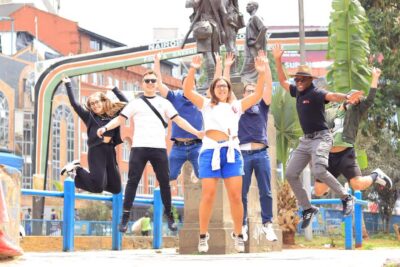

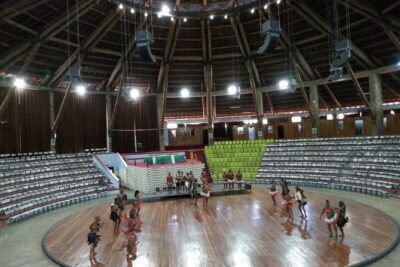
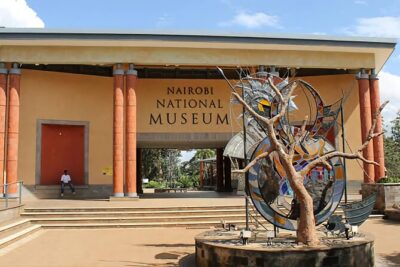
Nairobi Cultural and Historical City Tour with a Local
Read our review →
Nairobi souvenir Shopping and Historical Half day Tour
Read our review →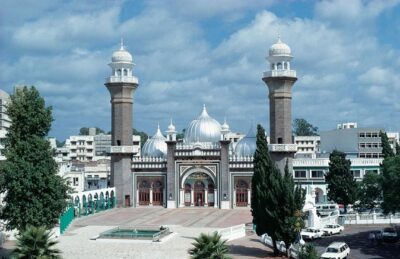

Half-Day Cultural Tour to Bomas of Kenya in Nairobi
Read our review →
Nairobi City: Walking tour with Lifestyle and History.
Read our review →Browse the lists this tour appears in